
kVA to kW conversion turns an alternator nameplate into the real power a site can actually use, and the calculation needs the power factor. Tesla Power's engineering team applies 0.8 on every export quote, so buyers can compare offers against their own load list before they choose a set.
- Read the 500kVA silent set nameplate first, then apply the power factor of the load it feeds.
- Treat 0.8 as a working default rather than a rule, because motor-heavy sites often sit lower.
- Check the ambient derate before you compare, since a hot site loses real power first.
- Put both figures on the enquiry and ask which factor the offer assumes.
What does kVA to kW conversion actually measure?
Two ratings sit on the same nameplate and they do different jobs. The kVA figure describes the total current the alternator can deliver at its rated voltage. The kW figure describes how much of that current can do real work. The gap between the two is the power factor, the fraction of the current that pushes the load forward instead of circulating back and forth. Conversion is therefore a multiplication, not a guess.
A resistive heater draws current in step with the voltage, so nearly all of the kVA becomes kW and the factor sits near 1.0. A motor, a transformer or a rectifier pulls current out of step, so the factor falls. A site that mixes both sits somewhere in between, and Tesla Power reads the load list before it quotes a factor on the offer.
How does the 0.8 power factor change the number?
Power factor is a number between zero and one, and 0.8 is the convention the generator industry settled on. Multiply the kVA rating by 0.8 and the answer is the kW the set can supply to a mixed load. Multiply by a factor of one and the same set looks larger than it is. That single decimal is why two offers for the same machine can quote different real power.
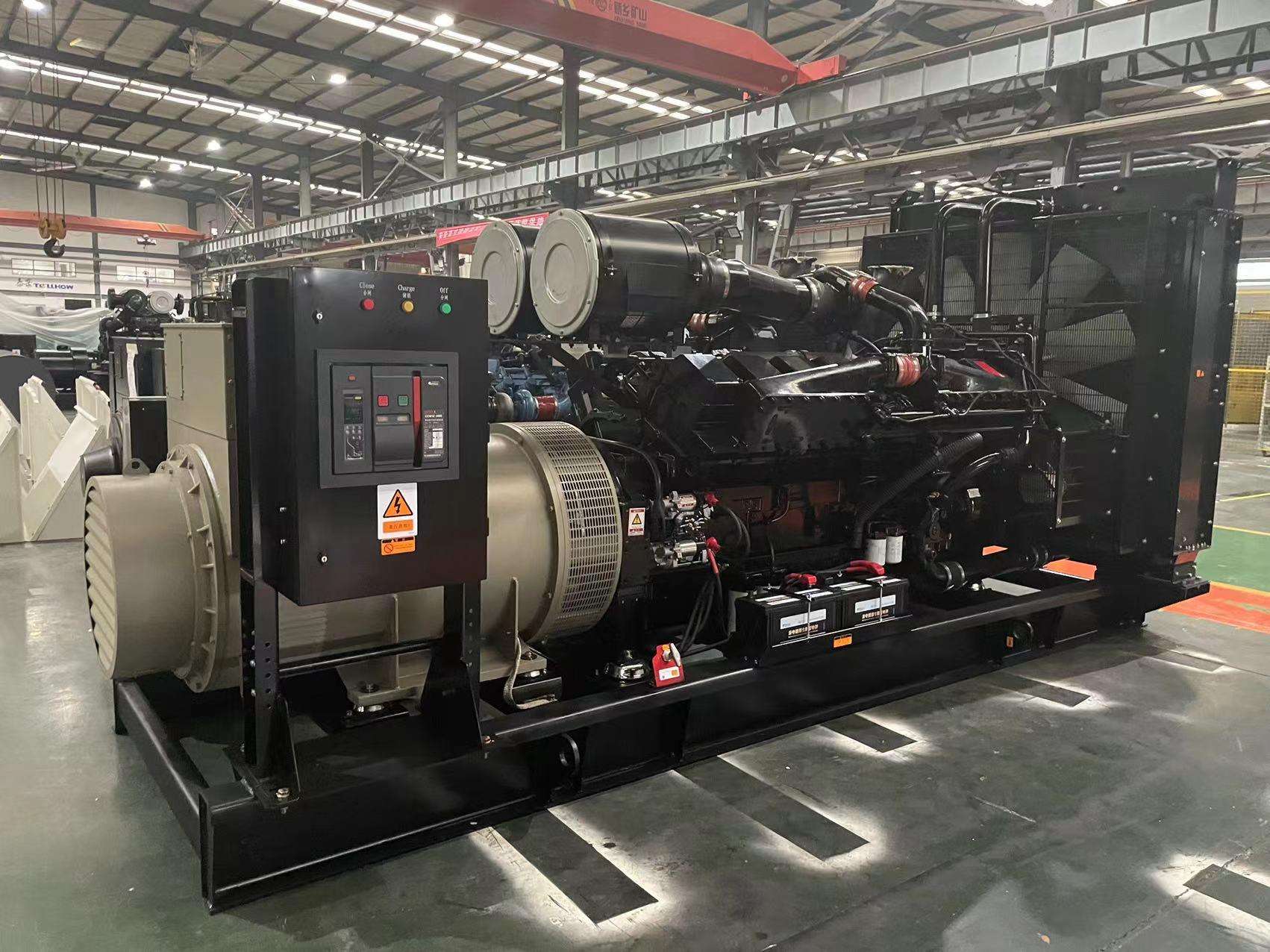
The conversion is a single multiplication, but the factor has to come from somewhere. Motor loads often sit closer to 0.8, resistive loads sit near unity, and electronic loads vary with the equipment. A set sized on a 0.8 assumption covers most industrial sites, which is why the figure appears on so many data sheets. Ask what factor an offer assumes before you compare two prices, because the assumption moves the usable kW without changing the kVA. Tesla Power Equipment states the assumed factor on the offer sheet, so both figures can be checked against the load list.
Power factor by load type
The table below groups the factors that turn up most often on industrial sites. Read each row as a starting point for the enquiry, not as a replacement for a proper load study. A factor taken from a table can be wrong by ten points, and ten points on a 100kVA export set is a large slice of real power.
| Load type | Typical factor | Note for sizing |
|---|---|---|
| Resistive heating | 1.0 | Real power matches the kVA figure |
| LED and fluorescent lighting | 0.9 | Electronic ballasts vary between makers |
| Induction motors | 0.8 | Starting current still dominates the design |
| Rectifiers and UPS systems | 0.8 | Harmonics can pull the factor lower |
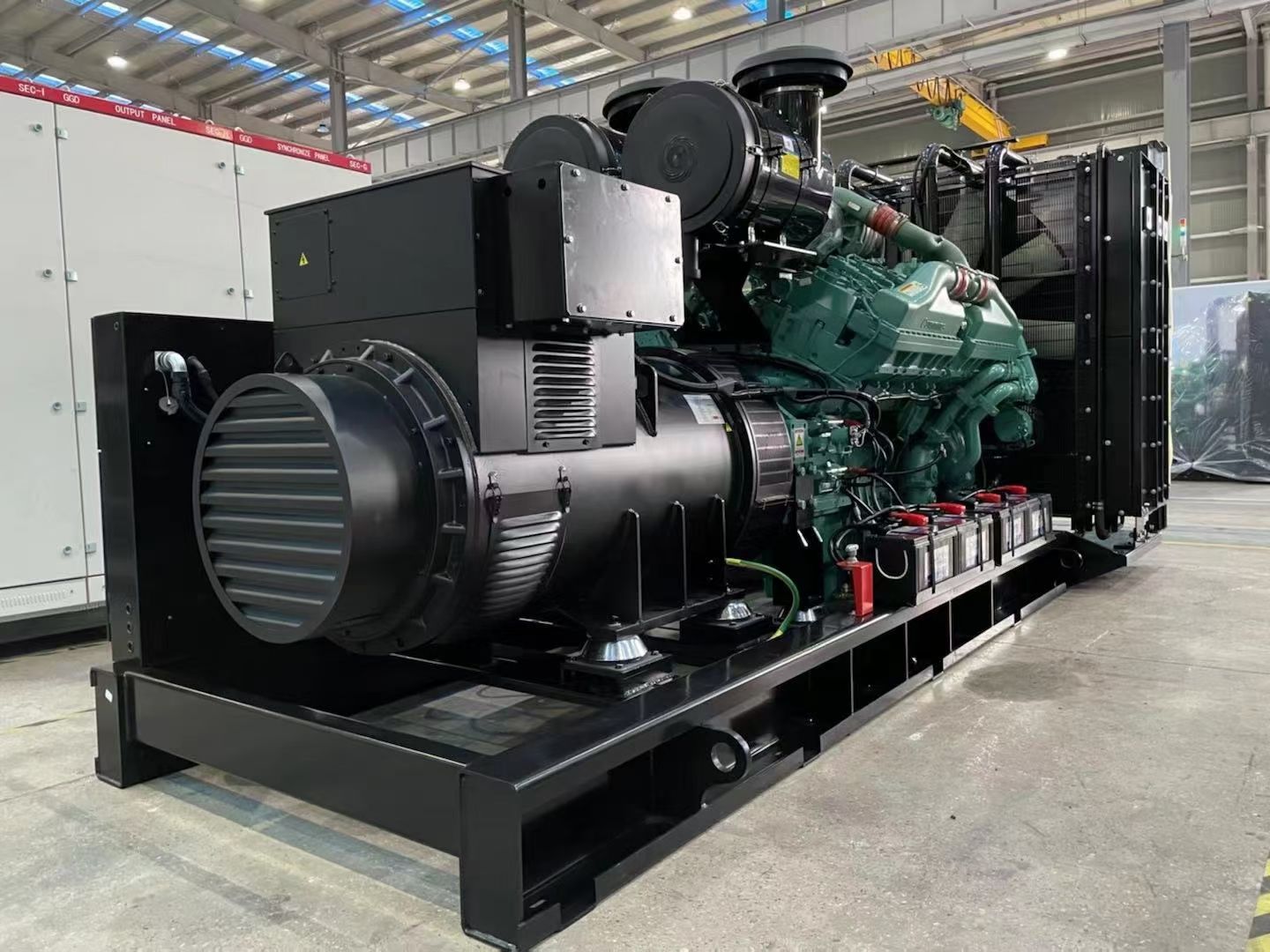
A data-centre hall with rectifiers and chillers often lands near 0.8, while a welding shop can sit lower again. Induction motors dominate the current in most plants, so the 0.8 figure usually holds for a mixed site. The kVA to kW conversion for a motor load is the hardest case, because the current arrives far out of step. Tesla Power runs that check on every enquiry that arrives with a load list attached.
What does the arithmetic look like for a 500kVA set?
Take a 500kVA set rated at 0.8 power factor. The arithmetic is 500kVA × 0.8 = 400kW of real power, and the same step on a 1000kVA machine gives 1000kVA × 0.8 = 800kW. At 400V three phase, 400kW corresponds to a line current near 577A, which the alternator has to carry without overheating. ISO 8528-1 defines the rating the set is sold against, so the factor belongs in the same sentence as the number.
Run the same step with a factor of 0.9 and the 500kVA set looks like 450kW, which is not a number the nameplate supports for a motor load. That is why the factor has to be declared rather than assumed. A buyer who compares a 400kW offer with a 450kW offer is comparing two different assumptions, not two different machines. Tesla Power prints the assumed factor beside the derated rating, and the voltage regulation note covers the excitation loop that holds that rating under load.
Why does the alternator nameplate lead with kVA?
The alternator is limited by current and by the heat that current produces, and current is what kVA measures. A frame that must feed motors has to hold its voltage while the current arrives out of step, so the maker rates the frame in kVA and lets the buyer apply a factor. Most kVA to kW conversion manufacturers print one default factor, and 0.8 is the number they usually choose. The engine behind the alternator is rated in kW, which is why the two figures rarely match.
The engine and the alternator are sized on different limits, and the smaller of the two sets the machine. A 500kVA alternator paired with an engine that delivers 400kW at 0.8 power factor is a balanced set. Pair it with a larger engine and the alternator becomes the limit instead. Yangzhou Tesla Power matches the two during selection so the published rating reflects the weaker component.
How do you convert kW back to kVA?
Divide the kW figure by the same power factor and the kVA comes back. A 400kW load at 0.8 power factor needs 500kVA of alternator capacity. Divide by a factor that is too high and the set comes out smaller than the load needs. ISO 3046-1 fixes the reference conditions for the engine rating behind that figure, so the conversion has a defined starting point. The kVA to kW conversion for the standby rating runs the same way, with the duty class setting the starting figure.
Work the division on the largest single load first, because one big motor can decide the frame on its own. Add the smaller loads afterwards and apply a diversity factor to the total. Our engineering help notes list the load categories that most often push a site above its first estimate. Tesla Power checks the division twice, once on the engine rating and once on the alternator rating, before a frame is proposed.
Where do buyers get the conversion wrong?
The common error is to read the kW figure as the alternator limit. The nameplate kW number is the real power available at the stated factor, not the point at which the alternator overheats. A site that adds load until the kW figure is reached may already be past the current limit if the factor has drifted lower than the nameplate value. Check the kVA for a motor load against the alternator frame, not only against the engine rating.
A second error is to ignore the derate. A set rated 400kW at 25°C and sea level delivers less on a hot day at height, so the conversion has to start from the derated rating rather than the catalogue figure. Chinese kVA to kW conversion suppliers often quote the catalogue number alone, so ask which site conditions the figure assumes.
What should an enquiry state about kVA and kW?
State the site load in kW, the expected power factor, the voltage and phase, and the ambient temperature the set will see. Those five numbers let an engineer repeat the arithmetic without a follow-up call. A load given only as a kW total with no factor is half an enquiry. Buyers also confuse the two ratings, so name both figures and the factor that links them.
Ask for the alternator kVA and the engine kW side by side on the offer, because the smaller figure governs. Ask which duty class the rating belongs to, and ask for the derate at the site conditions. Tesla Power Equipment issues the kVA documentation for export projects as one page, so the assumptions travel with the set. How our factory builds each set explains where that page fits in the handover pack.
Frequently asked questions about kVA to kW conversion
Yes for any load with a power factor below one, which covers motors, transformers and most electronic equipment. The two figures match only when the current sits exactly in step with the voltage, as it does with a resistive heater. A set quoted in kW at a factor of 0.8 therefore carries fewer usable kW than its kVA figure suggests.
Use the factor from your own load study when you have one, and state the figure you used. Without a study, 0.8 is the safe default for a mixed industrial site. Say so in writing, because the offer will be built on that number and the alternator frame follows from it.
No. The power factor links kVA and kW, and it does not depend on the voltage or the phase count. Voltage changes the current for a given kVA, which matters for cable and breaker selection. The kVA to kW conversion in three phase systems follows the same rule at 400V as it does at 480V.
Divide the kW figure by the power factor. A 400kW load at 0.8 power factor needs 500kVA of alternator capacity. If you do not know the factor, ask the seller which value the offer assumes, or send the load list to our export desk and repeat the division before you compare the frames.
It is a reasonable starting point, because modern rectifier loads with power factor correction sit near 0.9 while older equipment sits lower. The mix decides the answer. Ask the electrical contractor for the measured figure at the incoming board, then convert the kW total with that number rather than a default.
Because the two sellers assumed different power factors. One may have used 0.8 and the other 0.9, which moves the real power by more than ten percent on a large set. Put both offers on the same factor before you compare them, and ask each seller to confirm the number in writing.
The power factor itself does not change much with temperature, but the rating it is applied to does. A set derated for a hot site delivers less kVA, so the kW figure falls with it. Apply the derate first, then the factor, and keep the two steps separate in the calculation sheet.
Add the duty class, the altitude and the fuel type. Those three decide how much of the nameplate rating the site can rely on. Send the list to Tesla Power with the load total and the factor, and the reply will carry the derated kVA and kW side by side for comparison.