
A trailer mounted diesel generator turns a standby set into mobile plant, and the towing rules decide whether it can move on public roads. Tesla Power's team covers chassis, axle and brake choices in this guide, then compares them against a quotation checklist for suppliers.
- Match the axle rating to the gross trailer weight, not to the set rating alone.
- Confirm the brake type against the towing speed and the local road rules.
- Check the coupling and the lighting plug before the first road move.
- Keep the tow speed and the tyre pressure inside the maker limits.
Why does a trailer mounted diesel generator need a road chassis?
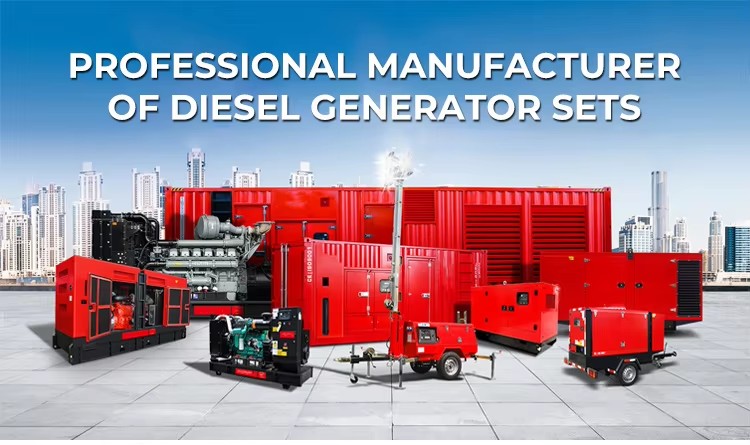
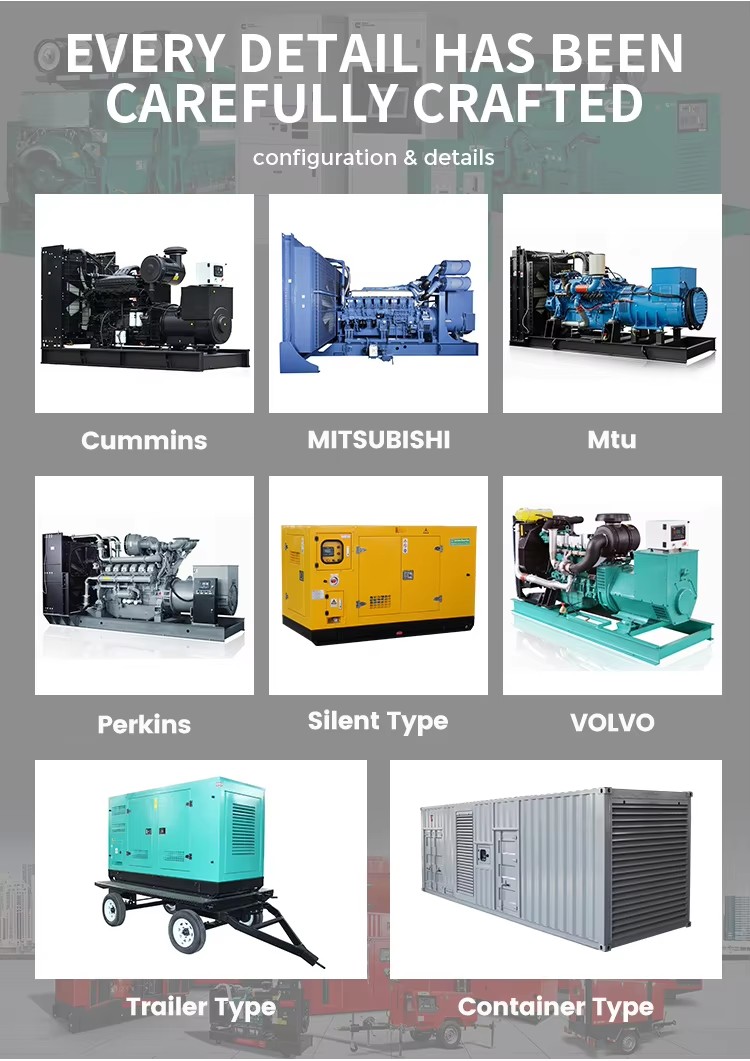
A skid set sits on a concrete pad for its whole life. A trailer set has to survive a road journey as well as a working day, and the chassis carries both loads. The frame therefore needs a towing eye, a lighting board and a brake system that a road authority will accept. The product page for a mobile trailer generator set shows the standard layout.
The set weight is only one input. Fuel, coolant, the canopy and the cable drum all add to the gross weight, and the axle rating has to cover the worst case. A trailer mounted diesel generator for mining carries a full tank on the move, so the fuel mass is part of the design load. The plate on the beam states the axle figure and the tyre rating for the road move.
The gross weight also sets the tow vehicle class. A light set can travel behind a pickup, while a heavy set needs a truck with air brakes and a higher coupling rating. Buyers should state the tow vehicle on the enquiry, because the answer changes the chassis design before the frame is welded.
What chassis and axle choices matter for towing?
A single-axle frame suits a small set and keeps the weight low. A twin-axle frame spreads the load and tracks better at speed, and most trailer mounted diesel generator manufacturers use it above a few tonnes. The beam size follows the gross weight rather than the set rating, so a heavy canopy can push a frame up one size. Ask the maker for the beam drawing and the plate figure before you agree the order.
The drawbar length sets the nose weight. A short drawbar puts more load on the tow ball and can overload a light vehicle. A longer drawbar lowers the nose weight but swings wider on a tight site. Tesla Power sizes the drawbar so the nose weight lands inside the tow vehicle limit, and the offer states that figure on the plate and the drawing.
How do brakes and couplings change with gross weight?
Overrun brakes work on a light trailer and need no power from the tow vehicle. Electric or air brakes take over above a few tonnes, and the change follows the local road rules rather than the set rating. A coupling rated below the gross weight is the most common fault a road inspector will find. It is also the cheapest fault to fix before the first move.
The coupling type has to match the tow vehicle. A 50mm ball suits a light trailer, while a ring or pintle coupling suits a heavy truck. Confirm both ends before the order, because a mismatched coupling cannot be fixed at the dock. Our note on flat rack shipping for oversize sets covers the transport side of the same journey, from the yard to the port.
What do road rules require before a set leaves the yard?
A road-legal trailer carries a plate, a lighting board, a brake system and a coupling that matches the tow vehicle. The driver also needs the gross weight, the axle load and the tyre pressure on hand. Most markets check those four items at the first inspection, and a missing plate stops the move.
| Item | Common choice | What the inspector checks |
|---|---|---|
| Axle rating | 1.5 times the gross weight | Plate on the beam |
| Brake type | Overrun or electric | Towing speed limit |
| Coupling | 50mm ball or ring | Match to the tow vehicle |
| Lighting | 12V or 24V board | Plug and lamp test |
The road rules differ by market, and the EU Machinery Regulation adds a conformity file on top of them. A set bound for the EU needs the technical file, the declaration and the derated rating before the trailer leaves the yard. Tesla Power keeps those papers in the offer envelope so the buyer can read them before the order.
How do you select a trailer mounted diesel generator for site work?
Start from the load list, then work outward to the trailer. The set rating follows the load, the canopy follows the noise limit, and the chassis follows the gross weight. Buyers who pick the trailer first often end up with a frame that is too light for the canopy they need. Our engineering help notes list the inputs we ask for before we quote.
Match the towing class to the site access. A construction site with a mud track needs a wider tyre and a higher ground clearance than a paved yard. A trailer mounted diesel generator for events may travel every weekend, while a mine set may move once a year. A rental fleet sits between the two, and the tyre choice follows the worst track it will see. The duty cycle decides how much chassis margin is worth paying for.
What does a towing and site example look like in practice?
Take a set rated 500kVA at 0.8 power factor, which is 500kVA x 0.8 = 400kW of real power. At 400V three phase the same set draws about 722A per phase. The chassis must carry the set, the fuel and the canopy, and the nose weight has to stay inside the tow vehicle limit. Tesla Power runs this check on every trailer offer.
If the gross weight is 3600kg, a twin-axle frame at 1800kg per axle leaves a small margin for tools and cable. A single-axle frame at 2000kg looks cheaper but sits close to its limit on the first wet day. Measure the nose weight with the tank full, not empty. A 100kVA export set on the same chassis shows how the frame stays the same while the set rating changes.
How do you specify a trailer set for export?
Write the tow speed, the brake type, the coupling and the tyre size into the purchase order. Few trailer mounted diesel generator oem manufacturers build the road chassis in house, so the buyer should ask who welds the frame. State the port and the final site, because the route decides the tyre and the brake choice.
The conformity assessment for the trailer set sits in the same technical file as the set. That file holds the chassis drawing, the axle certificate and the towing test. Yangzhou Tesla Power keeps one file per order, and the build bay marries the chassis to the set before the towing test.
Where does a trailer set sit next to ISO 8528-1 and road rules?
ISO 8528-1 names the rating class of the set, and the trailer does not change that rating. A road rule sets the towing limit, and the chassis has to meet both. Read the two together, because a set that meets the rating can still fail the road check on axle load. The ISO 8528-1 page is public.
A trailer set bound for a US life-safety load still has to meet NFPA 110 on start time, and the trailer does not change the ten-second start. The road rule and the electrical rule are separate checks, and both sit on the same offer sheet. Tesla Power Equipment prints both on the offer, and you can contact our engineering team for a chassis and rating check against a specific route.
Frequently asked questions about trailer mounted diesel generators
Yes. The chassis carries the set and the vibration mounts, so the set can run on the trailer once the brakes are on and the wheels are chocked. Level the trailer first, because a slope moves the oil in the sump and can trip a low-pressure alarm. Connect the earth stud to a ground rod before you load the set.
A 500kVA set in a canopy usually lands on a twin-axle frame with electric or air brakes. The gross weight, not the set rating, sets the beam size. Ask the maker for the plate figure and the tyre rating before you agree the order, and check that the coupling matches the tow vehicle you plan to use.
The maker sets a tow speed, and the road rule may set a lower one. Many markets cap an unbraked trailer at a low speed and a braked trailer at a higher figure. Tesla Power prints the maker tow speed on the plate, so the site team can read it before the move. Read both, then take the lower of the two. Tyre heat and bearing temperature rise with speed, so check both hubs at the first stop.
No. The alternator and the engine set the rating, and the chassis only carries them. A trailer set and a skid set of the same model share the same rating class under ISO 8528-1. The chassis changes the transport plan and the axle load, not the electrical output on the nameplate.
The set needs its data sheet, its conformity file and its test record. The trailer adds a chassis drawing, an axle certificate and a towing test note. Keep all of them in the handover folder, because a road inspector may ask for the plate figure and the coupling rating at the first stop.
A small trailer set can travel in a container with the drawbar folded, but a wide set may not fit. The other route is a flat rack, which carries the set with the wheels on deck. Compare the two options against the port rules and the inland route before you book the freight.
Inspect the chassis before every long move and at the annual service. Check the welds, the brake linkage, the tyre pressure and the lighting board. Grease the coupling and the bearings on the maker schedule. Tesla Power ships a chassis log with every trailer set, so the site team can record each check.