
A 500kVA genset price is built from seven lines, and the engine, the alternator and the enclosure carry most of it. These nine checks compare two quotes on the same 400kW duty before you buy, and Tesla Power names each figure in writing rather than leaving it to a phone call.
- Ask for the price split by component, not as one number.
- Fix the duty class first, because a standby quote and a prime quote differ before any hardware is chosen.
- Check whether freight, insurance and duty sit inside the figure or beside it.
- Compare the offer against the 500kVA silent set with the ATS option before the specification is frozen.
What sits inside a 500kVA genset price?
Seven lines, and a supplier who shows all seven can be compared with another in an afternoon. The engine and the radiator, the alternator, the control panel, the enclosure or canopy, the fuel tank, the freight and the certification file are the parts of the figure, and each one is read against the ISO 8528-1 duty class before it is priced. A quote that shows one line hides which of the seven moved when the second offer came in lower, and a 500kVA genset for export is compared on all seven lines or not at all.
The split also shows where a low price came from. A quote that undercuts by 15% usually took the money out of the alternator, the enclosure or the control panel rather than out of the engine, and those three parts decide how the set behaves on a step load. Tesla Power prints the seven lines on the offer for that reason, and a buyer who reads them sees the trade before the order.
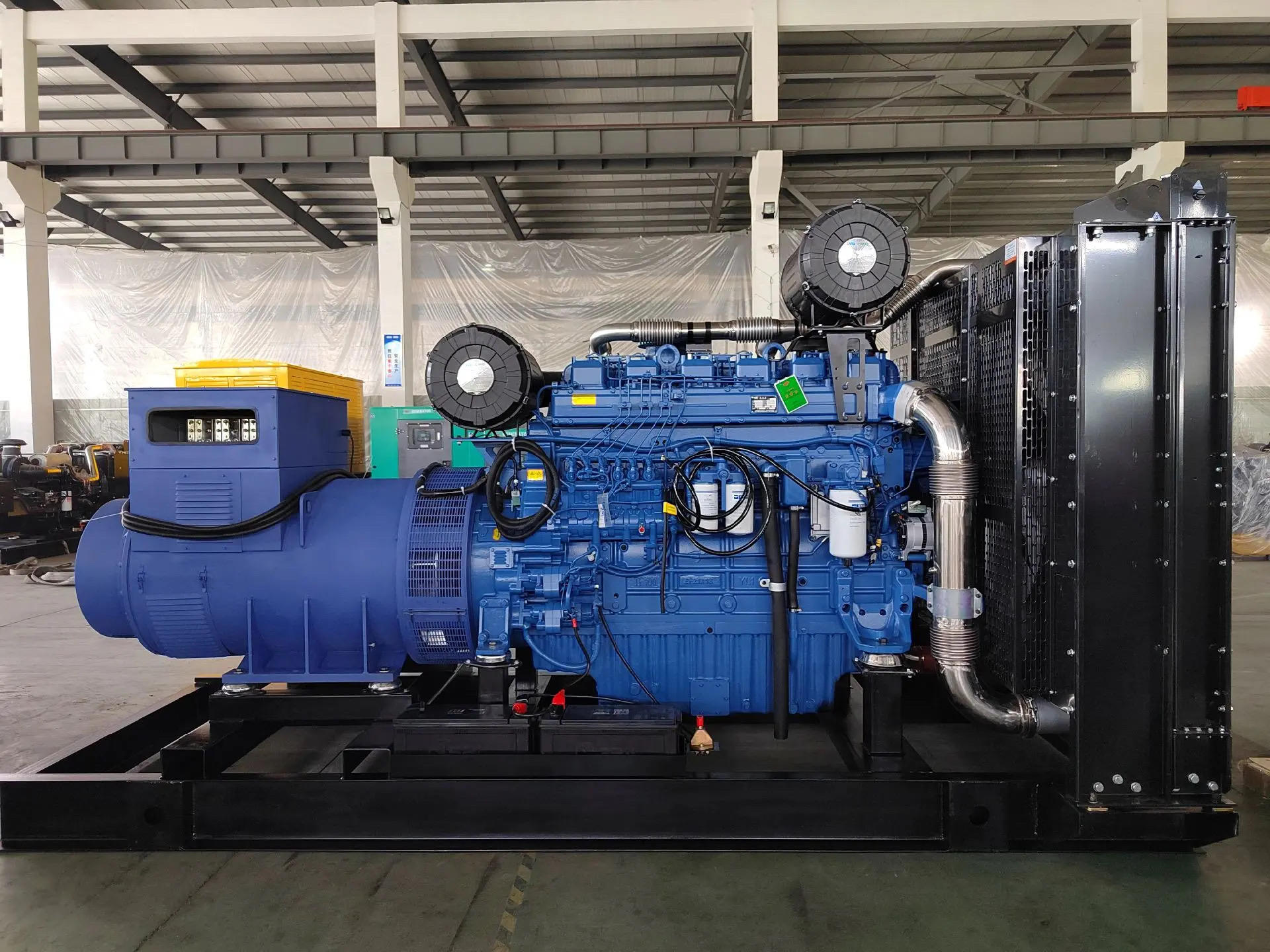
Which line is usually largest?
The engine and its cooling package, at roughly a third of the figure on a set of this size. The alternator follows at about a fifth, the enclosure at a tenth, and the control panel, the tank, the freight and the certification file make up the rest. A quote that inverts that order is worth a second reading.
Which engine choice moves the 500kVA genset price most?
The engine moves the figure more than any other single line, and it moves the service cost with it. A Cummins or a Perkins engine costs more at the order and less per hour afterwards, because the parts are on a shelf in most ports. A Weichai or a Yuchai engine costs less at the order and needs the parts list read before the site signs, because the same part may take three weeks to reach a camp.
On a 400kW duty the difference between the two families is often 8% to 12% of the total, which is smaller than the difference in downtime when a set stops. A data hall or a hospital should price the parts availability beside the engine, and a construction site with a hire set on call can take the cheaper family without the same risk. Tesla Power quotes both families on the same duty so the comparison is honest.
- Engine family, model and the emission tier it meets.
- Parts list held at the regional warehouse, not at the factory.
- Service interval and the oil it needs.
How do the seven lines compare between two offers?
The table below sets out what a buyer should see, and what a thin quote usually leaves out. Read it beside the second offer rather than after it, because the line that is missing is the one that explains the difference in the total.
| Line | What it should name | What a thin quote omits |
|---|---|---|
| Engine and radiator | Model, tier, cooling package | The radiator derating for hot air |
| Alternator | Make, frame, excitation | The step load it accepts |
| Control panel | Make, functions, ATS interface | The ATS cable and the interface card |
| Enclosure | Canopy type, dB(A) at 7 m | The noise figure at the boundary |
| Freight and duty | FOB or CIF, port, duty paid by | The lifting and lashing charge |
How do FOB and CIF change the figure?
FOB ends the supplier's cost at the port rail, and CIF carries it to the destination port with insurance added. On a set this size the difference is often 4% to 7% of the total, and it moves with the route rather than with the machine. A buyer comparing an FOB quote with a CIF quote is comparing two different products, and the cheaper one is usually the shorter delivery.
Ask for both figures on the same offer, then add the local charges: the destination terminal handling, the inland haul, and the crane at the site. Those three items fall outside both terms, and on a 40ft container they can add more than the CIF difference. Tesla Power quotes the pair side by side, because a buyer who sees both can price the risk of arranging the freight alone.
Does duty change the ranking of two offers?
It can, when the two engines sit in different emission tiers. A set that meets a lower tier may attract a different duty line in some markets, so the landed cost moves after the quote. Check the tariff code on the EU Stage V emission scope before comparing landed figures, because the code decides more than the price list.
Worked example: two quotes for one data hall
A 500kVA genset for a data hall is priced on the step rather than on the average, and two offers for the same duty rarely land on the same total. The case below came from a site that asked for 400kW of standby power and received two offers for a set of this size, one at 100 units of currency and one at 88. The duty was 400kW at 0.8 power factor, which is 500kVA on the plate, so the frame had no headroom above the running load and the chiller start was the test.
The second offer left out the ATS interface card, the 550kVA alternator frame and the acoustic canopy, and those three items came to 14 units when priced separately, so the second offer was dearer by 2 units once the specification was matched. On the first offer the 550kVA alternator carried the same 400kW with room for the step, while the second ran it on a matched frame where the chiller start pulled the voltage below the tolerance the servers accept. Tesla Power Equipment prices that headroom as a line rather than as an assumption, which is why the ranking reversed.
Which options carry a hidden cost?
Four options look small on a quote and cost later. The ATS is often priced without the cable and the interface card. The canopy is priced at 7 m and specified at the boundary. The fuel tank is priced as a day tank and the site needs a bunded one. The remote monitoring is priced as a module and needs a SIM and a platform subscription.
- ATS with cable, interface card and a test of the transfer.
- Canopy with the dB(A) figure at the boundary distance.
- Bunded fuel tank sized for the hours the site expects.
- Remote monitoring with the data plan named.
Each of the four belongs in the offer as a line with a number, because a buyer who discovers them after the order pays the freight twice. The ATS panel notes set out what the transfer needs beside the switch itself, and the same list applies on a set of any size.
What does the step to a 550kVA frame cost?
A 550kVA frame carries 440kW at 0.8 power factor, which gives 40kW of headroom over a 400kW duty. The price step is usually 6% to 9% of the set, and it buys a slower voltage dip on the largest motor start. A site with chillers, a crane or a crusher should price that step against the cost of a soft starter on each motor, because the two answers do not sit in the same order on every site.
The step also changes the freight, because a 500kVA genset in container form may not fit the same box with the tank and the spares box. Tesla Power measures the shipping envelope before quoting the larger frame, so the buyer sees the whole cost rather than the machine price alone. Two containers instead of one is the usual surprise at this size, and it is written into the offer rather than discovered at the port.
How should payment terms be read against the price?
Payment terms move the effective price more than most buyers allow for. A 30% deposit with the balance against a copy of the bill of lading is the common export pattern, and a supplier asking for the full amount before dispatch is asking the buyer to carry the delivery risk. The difference in cash cost between the two is real money over a ninety day build.
Read the terms beside the warranty start date as well. A term counted from the deposit can lose six weeks to build and transit, so a 24 month schedule becomes 22 months of cover at the site. Tesla Power starts the schedule at commissioning when the buyer asks, and the warranty terms for export sets explain what that change is worth.
Which documents justify the 500kVA genset price?
Four documents let a buyer check that the price bought what the offer described. The unit test sheet shows the set reached its rating, the wiring diagram shows the panel as built, the bill of materials names the engine and the alternator by model, and the certificate of origin supports the duty position. A price without the four is a price for an unknown machine.
- Unit test sheet with the load bank readings at 400kW.
- Bill of materials with engine and alternator model numbers.
- Wiring diagram and the protection settings.
The engineering notes on export orders list what each document should contain, and a buyer can hold the offer against that list before the deposit is sent. Yangzhou Tesla Power keeps the four against the serial number, so a question about a line arrives with the bill of materials attached.
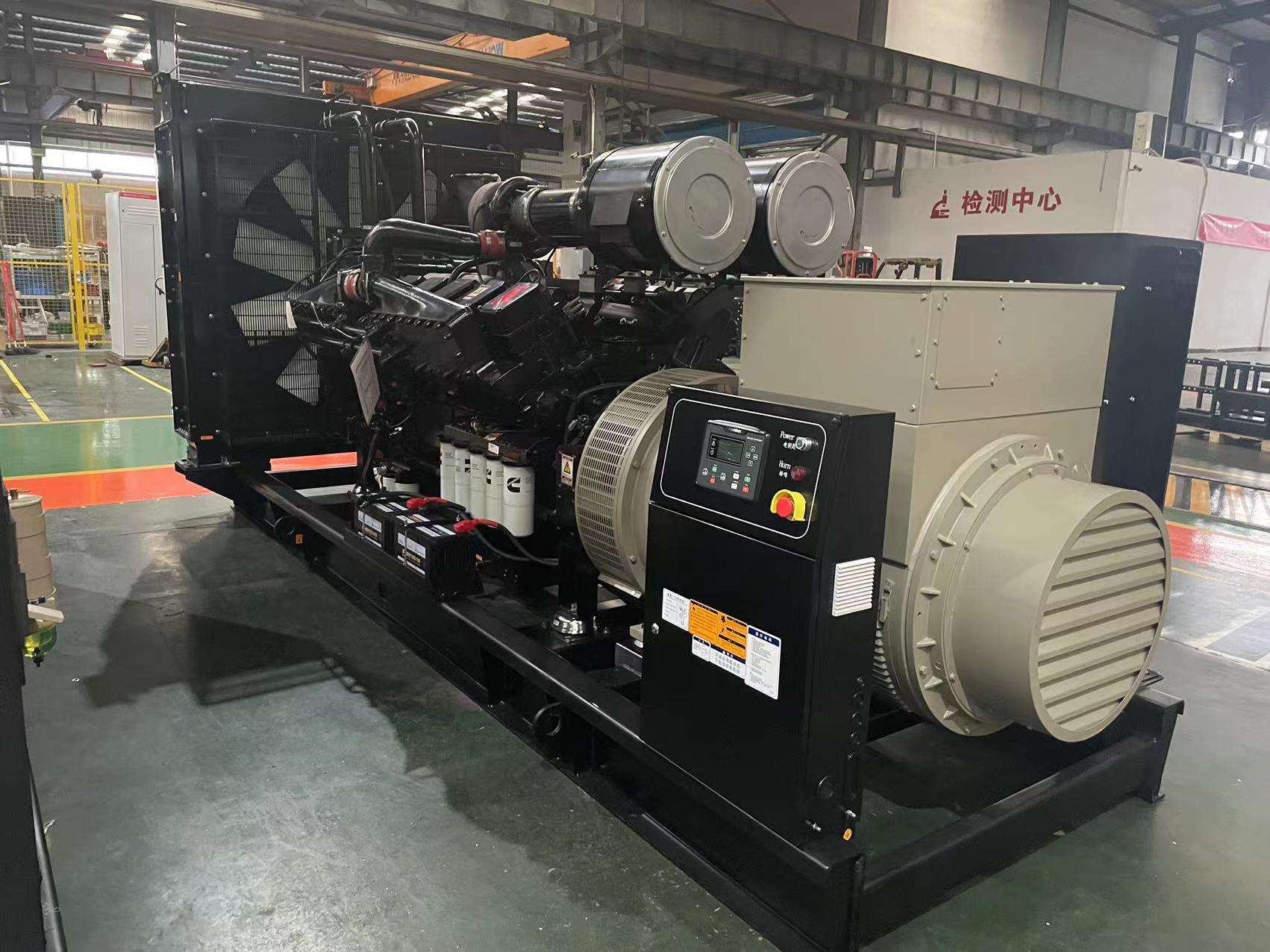
What should the final comparison look like?
One sheet, the seven lines down the side, the two offers across the top, and the duty class written above both. A comparison built that way shows the cheapest offer and the cheapest machine, which are not the same answer. Most buyers who run the exercise find the difference sits in the alternator headroom and the canopy figure rather than in the engine.
Chinese 500kVA genset suppliers often quote the engine family and leave the alternator make out, so the product pages grouped by rating are worth reading before the enquiry goes out. Most 500kVA genset manufacturers will name every component on request, and the ones that will not are telling the buyer something useful.
Frequently asked questions about the 500kVA genset price
Usually because the alternator frame, the canopy and the ATS interface were priced differently. A 500kVA set with a 550kVA alternator and an acoustic canopy costs more than one with a matched frame and a weatherproof enclosure, and the two behave differently on a chiller start.
It is, by roughly the cost of the container and the internal frame. A 20ft container set suits a site that moves the machine between locations, while a canopy set on a skid suits a site that pours a plinth and leaves the set in place for a decade.
It does, because a higher tier adds after-treatment hardware and a control module to manage it. On a set of this size the step between tiers is usually 5% to 10%, and the running cost moves too, because the after-treatment needs the right fuel and a service interval of its own.
Ask for it as a separate line whether or not it sits inside the total. A buyer who sees the freight can compare an FOB offer with a CIF offer on equal terms, and can price the local haul and the crane at the site before the order rather than after.
Commissioning support, a spares kit for the first 1,000 hours and a warranty schedule are the three items to check. A quote that includes none of them is not cheaper, it is shorter, and the site pays the difference in the first service visit.
Thirty to sixty days is normal for a set built to order, because the engine and the alternator are bought against the order. A quote held open for six months carries a price risk the supplier has to absorb, and that risk usually appears in the figure.
Run the nine checks on one sheet and the two offers become comparable in an hour. Send the duty class, the site altitude and the destination port to our export desk and Tesla Power will quote the seven lines separately, so the 500kVA genset price you compare is the machine you will install. We keep the parts list and the test sheet against the serial number, and the conformity assessment for the destination market is quoted as a line rather than left to the importer.