
An ATS panel for generator duty moves the load to the set the moment utility fails, so the switch must be sized and tested with the set. Tesla Power's engineering team builds sets from 30kVA to 500kVA with the transfer switch matched to the load, so a buyer can compare a compliant panel with the manufacturer before commissioning.
- Read the switch as an amp rating and a transfer type, not just a catalogue model number.
- Match the switch to the set's start time and the load it must carry through the changeover.
- Pick open or closed transition from the load's tolerance to a momentary blink.
- Confirm the weekly exercise exercises the switch, not only the engine.
Why does an ATS panel for generator move the load without a person?
An ATS panel senses loss of utility, signals the set to start, then moves the load across once the set is stable. The panel is the brain of the emergency supply, so its rating must match the load it shifts at the worst moment. A 500kVA silent diesel generator set with an integrated ATS carries the board through the changeover without a manual throw, which is why the ats panel for generator is specified as one package rather than two separate buys.
The duty class also sets the test plan, because a switch proved only on paper cannot protect the load it must carry. Most Chinese ats panel for generator manufacturers quote the amp rating, but the load list still decides the size as running amps per leg. Tesla Power builds the switch with the set on every offer and logs the per-leg reading at test, so the buyer sees the rating before the panel is built.
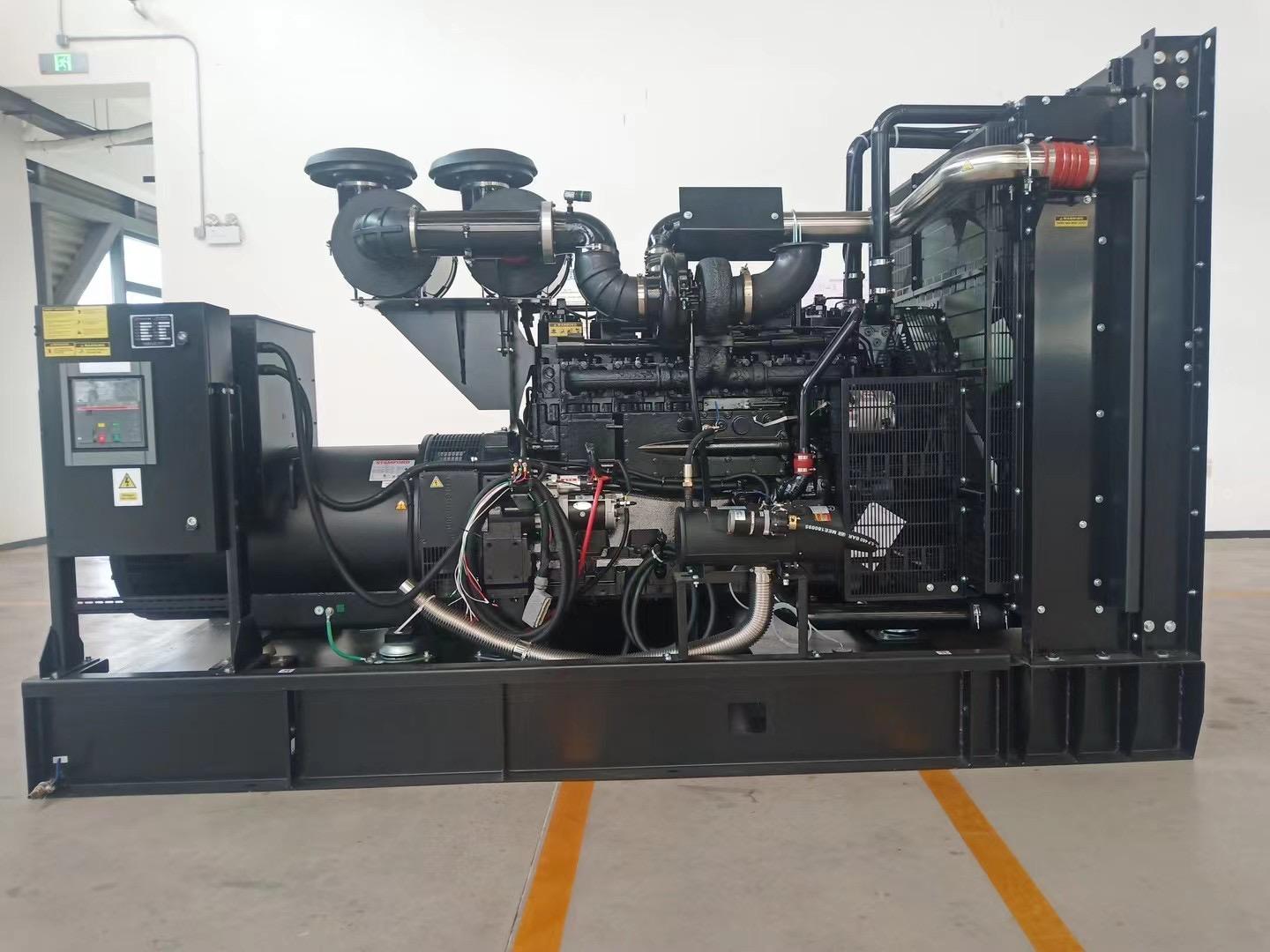
What load does an ATS panel for generator duty actually carry?
Size the switch to the full load it must carry, not just the running watts, because the transfer happens at peak demand and any under-rating trips the board at the worst time. Add the largest motor start to the block, then apply the same 1.25 factor the set uses. Our diesel generator maintenance checklist lists the readings the switch should log each exercise. Log it every week. The maths is simple, and the record proves the path.
Resistive loads such as heaters add steady load without inrush, while motor loads add both running and starting surge. China ats panel for generator suppliers often bundle the enclosure and the tank, which helps the site plan but does not change the surge math. Tesla Power builds the load list with the contractor and applies the 1.25 factor to the largest motor, so the generator transfer switch carries the surge and the load at once without tripping the breaker on the board.
How fast must the ATS transfer the load?
The transfer must land inside the start-time budget the standard names, so the switch delay plus the engine crank must clear that window together. A slow switch wastes a fast engine, and a fast switch on a sensitive load causes a blink the equipment will not accept. The controller timer holds that delay in a single place. The full text of the ISO 8528-1 standard sets the rating classes the switch references for prime and standby duty.
Tesla Power Equipment quotes the switch and the set on one offer so the timing adds up, and the kVA figure on the nameplate maps to the amps the switch must clear. A 100kVA set at 400V draws about 144A per phase at 0.8 power factor, so 100kVA = 144A on a 400V feed, and the switch must clear it. A 250kVA set draws about 360A, and the same maths scales to the 500kVA frame at 720A. The number is the rating. Check it before you sign the offer.
Open transition or closed transition ATS?
An ats panel for generator for a critical load needs closed transition and a clean overlap, because the load cannot blink during the changeover. The ats panel needs open or closed transition on the load, and the choice follows the load tolerance. Open transition breaks the utility before it makes the set, which is simpler and cheaper but leaves a brief gap the load must ride through. A jobsite generator on a trailer with an open-transition switch suits a rough site, while a hospital board needs the overlap. Size to the surge, not the average.
| Type | Load gap | Best use |
|---|---|---|
| Open transition | Brief break | Industrial, rough sites |
| Closed transition | No blink | Hospital, data center |
A 230/400V board gives 400V line from 230V phase times 1.73, a 100kVA set runs at 100kVA and a 250kVA set runs at 250kVA on the same feed, so the switch size follows the set, not the building total. The choice between mechanical versus static transfer sits next to that number, because a static switch closes faster but costs more than a mechanical design on a small build.
What sensing does the ATS panel need on both sources?
An ats panel for generator in a hospital usually shares the generator room, but the sensing must still cover both sources wherever the panel sits. The ats panel senses voltage or frequency on both sources before it moves the load. The panel must sense voltage and frequency on utility and set, because a weak source must not feed the load. Undervoltage and underfrequency sensing stops a bad source from taking the board. That is the safety line. A fault passes only when both sources read good to the controller.
Phase sequence sensing also matters for a rotating load, because a reversed phase after transfer can spin a motor backwards. The prime versus standby note covers the duty the switch assumes during the run. Yangzhou Tesla Power wires the sensors to the same controller as the set, so one logic path governs both sources and the changeover stays coordinated under every fault the site can show to the board.
How does the ATS exercise the set each week?
The panel runs the weekly exercise on a timer, starting the set and transferring the load to prove the path works without waiting for a real outage. The ats panel tests engine or switch each week, but only the panel moves the load without a person. A panel that only tests the engine misses the switch, so both must sit in the routine. The Uptime Institute guidance pairs the same discipline with the data-center view for critical loads that cannot blink during a transfer event.
Tesla Power Equipment programs the exercise window on the offer and bundles the switch test with the set test, so the whole emergency supply is proven at once. Our factory build notes show the coordination, so the inspector sees one linked result rather than two separate passes. The log is dated and kept with the set, which turns a vague claim into a measured record.
What ratings must the ATS match on the offer?
The switch must match the set's amp rating, the transfer type and the enclosure the site needs, because a mismatch at any point breaks the emergency path. The label and the offer must agree, so the electrician connects the right feed the first time. The kVA to kW converter note turns the load into the amps the switch clears, and the silent diesel generator note covers the box the panel may sit inside on a noise-limited build.
Tesla Power lists the amp rating, the transition type and the enclosure next to each load on the offer, so the spec is documented before the panel is built. Contact our engineering team for a switch schedule against the site drawing so the rating holds under load and the inspector signs off without a second visit to the board. The offer, the label and the test sheet stay in one file.
Where is the ATS mounted on a site?
The panel sits between the utility intake and the set output, so its location decides the cable length and the cooling, and a remote panel needs a controlled environment of its own. A panel in a hot or damp space drifts out of calibration and fails the exercise when the site needs it most. A panel for a hospital usually shares the generator room, while a spread-out site may need a local enclosure near the load to keep the sense lead short.
The altitude derating note adds that thin air already trims the set, so the switch must not add its own loss on a mountain site. The enclosure also traps heat, which pushes the ambient up and adds a small derate, so size the panel with margin and place it where the cable run stays short. That is the core job of the siting plan. A long sense lead adds delay, and delay is the one thing a critical load cannot spare.
What should the panel label list for the inspector?
The label should list the amp rating, the transition type, the source sequence and the test cadence, because those items let the electrician verify the install without opening the panel. They travel with the set to site and sit in the commissioning file next to the data sheet. A spec that names all four lets the inspector confirm the install from the cover, which keeps the sign-off short and the record clean.
Custom ats panel for generator builders can mirror the same spec, and both routes clear the inspector when the load class is honest. Conformity assessment for the ats panel for generator follows the same file the notified body reads, so the declaration and the test report must agree. The ats panel for generator documentation for the site must list the data sheet, the duty class and the transition type, and Tesla Power issues all four on every panel offer so the spec is complete before the crane lifts the set.
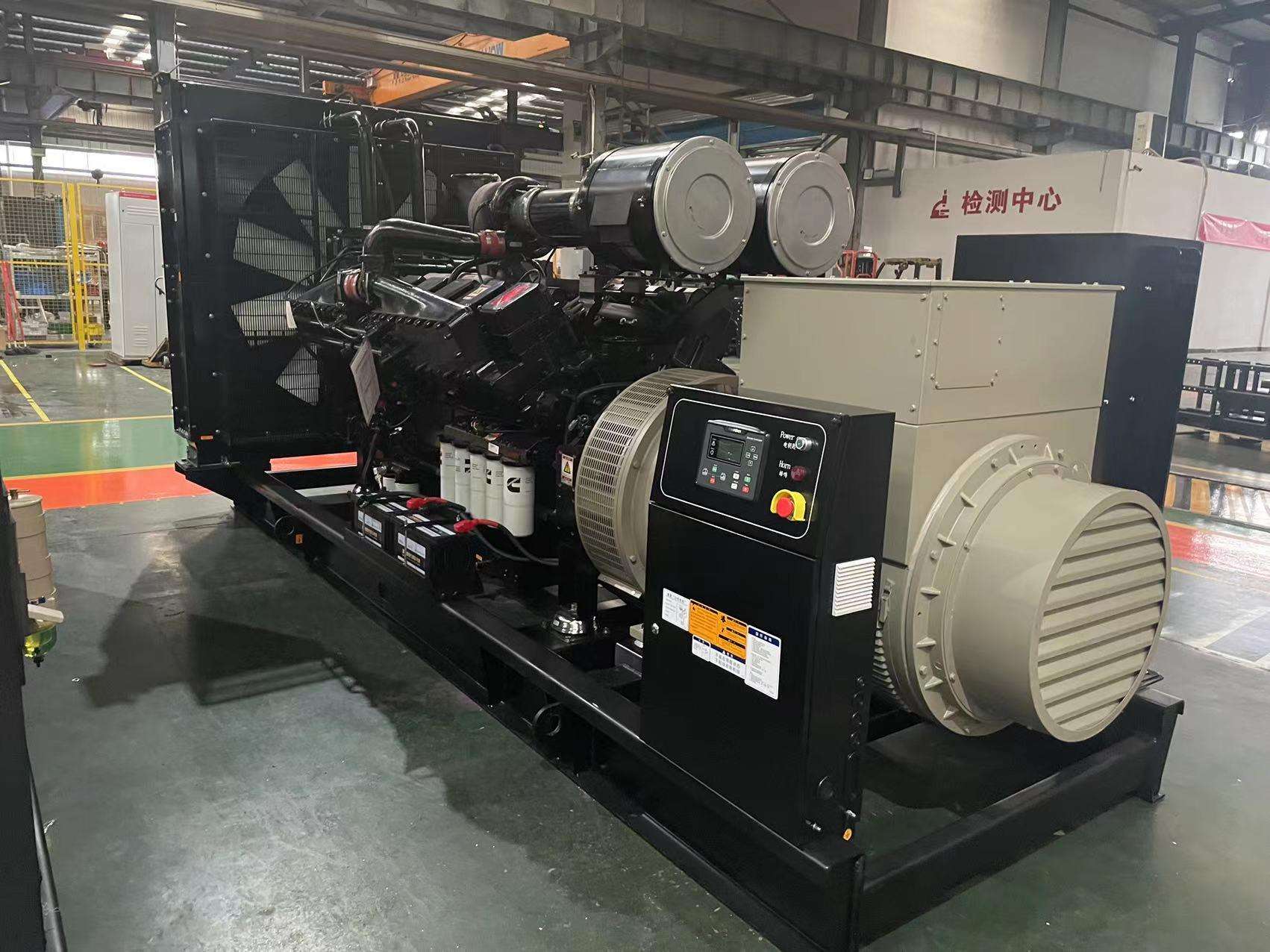
Frequently asked questions about ATS panels
An ATS senses loss of utility, starts the set and moves the load across once the set is stable, all without a person. It is the brain of the emergency supply, so its rating must match the load it shifts. Size it to the full demand, not just the running watts, because the transfer happens at peak and the switch must clear that current without a dip or a delay that the downstream equipment would notice on a critical feed during the changeover to the set.
Open transition breaks before it makes, leaving a brief gap that a rough site can ride through. Closed transition overlaps the sources so the load stays powered, which a hospital or data hall needs. Pick from the load's tolerance to a blink, not from the price alone, because the transition type decides whether the changeover is invisible to the equipment or a momentary interruption the sensitive load cannot accept during the transfer from utility to generator set.
The transfer must land inside the start-time budget the standard names, so the switch delay plus the engine crank clear that window together. A slow switch wastes a fast engine, and a fast switch on a sensitive load causes a blink. Size both as one timed path, and confirm the number at commissioning with the set running, because the path only proves itself under the load it was sized to carry through the changeover without a dip on the board.
Yes, the panel runs the weekly exercise on a timer, starting the set and transferring the load to prove the path works. A routine that tests only the engine misses the switch, so both must be in the schedule. Keep the log current so the next inspection is a formality, and review the sense settings each year, because a drift in the threshold can change the moment the panel decides to move the load across to the set without warning from the utility side.
The switch must match the set's amp rating, the transition type and the enclosure the site needs, because a mismatch at any point breaks the emergency path. The label and the offer must agree, so the electrician connects the right feed the first time. List the amp rating, the transition type and the enclosure on the offer, and keep the three documents in one file so they cannot drift apart over the life of the install on the board without a manual reconciliation step.
One ATS normally serves one set, but a paralleling setup can share the load across two with a controller that governs both. That adds complexity and cost, so it is used where redundancy, not just capacity, is the goal. Most sites are better served by one correctly sized set and switch, because a single well-specified path is easier to test, easier to label and easier for the inspector to sign off without a second round of questions from the operator on site during the audit.
The inspector checks the amp rating, the transfer timing, the sensing and the test log, then confirms the label and the spec agree. Tesla Power supplies the pre-filled test sheet so the measured numbers map to the offer, and any gap is closed before sign-off rather than after. The panel, the set and the cable are proven as one path, which is the only way to show the emergency supply will actually move the load when the utility drops away from the board without notice to the site.