
A containerized generator set arrives as a building, not a machine, because the steel box carries the set, the radiator, the switchgear and the fuel tank inside one frame. Tesla Power lays out that frame around the airflow path. This guide explains the enclosure, the cooling and the checks to run, then how to request a quotation.
- Fix the box size from the rating, the radiator and the switchgear, not from the price.
- Plan the airflow path before the louvres are cut into the frame.
- Check the lifting points and the corner castings against the packed weight.
- Confirm the cable box and the exhaust port land on the face your site can reach.
What makes a containerized generator set different?
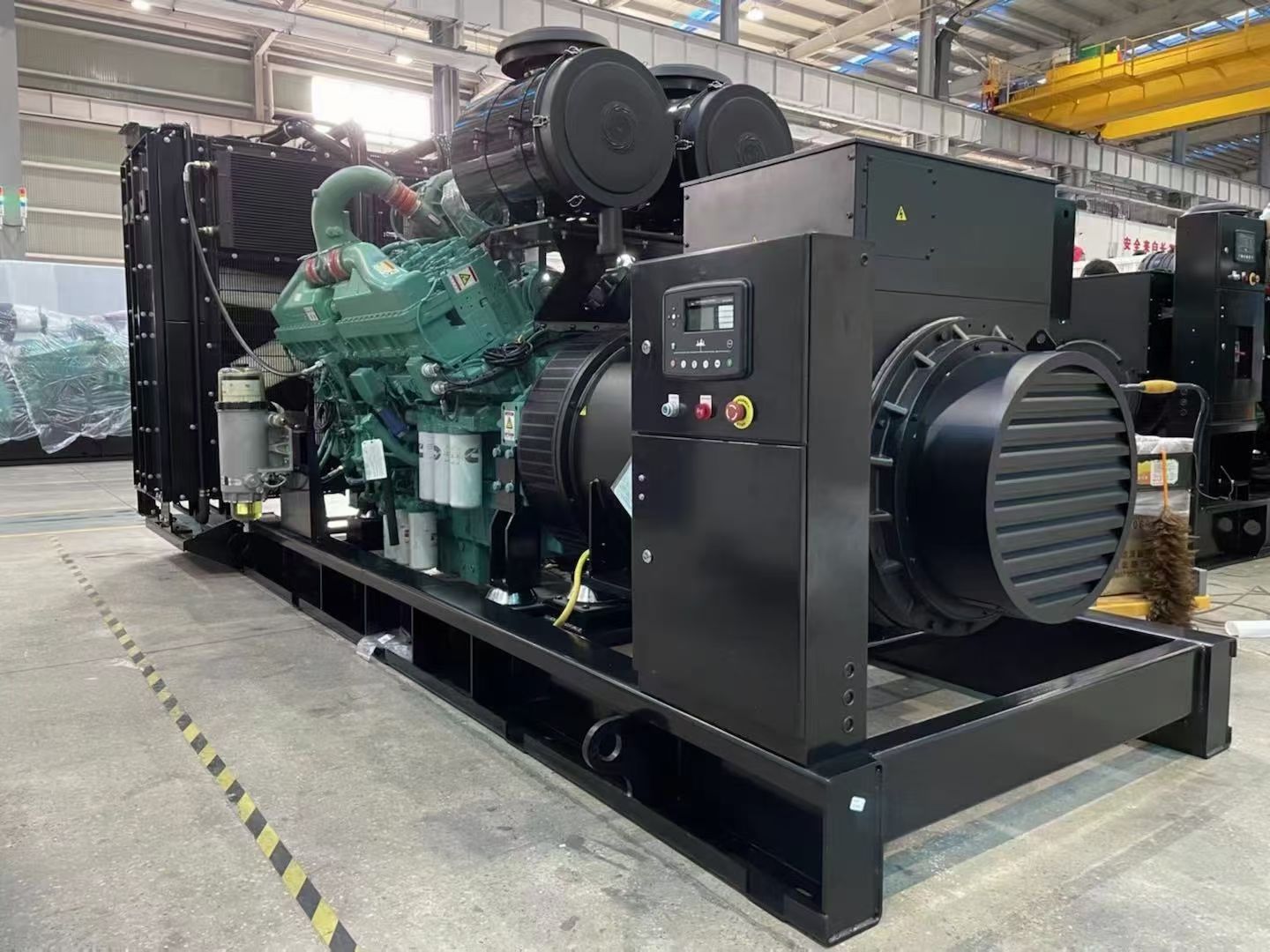
A containerized set moves the engineering from the engine bay to the frame. The enclosure is a steel box that holds the set, the radiator, the switchgear and the fuel tank inside one shell, and that shell is rated for lifting and stacking. The frame therefore carries the loads that a concrete plinth would carry on a fixed installation. A container-type silent set shows the same frame in a smaller box.
The second difference is the interface. A set in a box leaves the factory with a cable box, an exhaust port and a fuel connection already positioned, so the site only has to land the box and connect four services. Tesla Power Equipment builds the box around the set, which keeps those service points on one face and shortens the site works. A buyer who plans the connection points early avoids a rework at commissioning.
Which ISO container size fits your rating?
Container size follows the set, not the other way round. A compact standby set fits a 20ft box, while a large set with its own switchgear needs a 40ft high-cube. The internal height decides more cases than the length, because a silent canopy with a roof-mounted exhaust adds height that a standard box cannot take. Measure the tallest point before the booking.
| Container | Internal length | Typical fit | Typical use |
|---|---|---|---|
| 20ft standard | 5.9m | One compact set | Rental and small standby |
| 20ft high-cube | 5.9m | One silenced set | Retail and telecom |
| 40ft high-cube | 12.0m | One large set plus switchgear | Data centre and plant |
| 40ft flat-rack | 12.0m | Oversized base frame | Open-frame export |
A 40ft high-cube holds one large set with its switchgear, and the spare length carries the cable box and the exhaust sections. Splitting a project across two 20ft boxes usually costs more in lashing and lifting than a single 40ft booking. A containerized generator for rental fleets often travels on a 20ft frame instead, because the box has to move between sites and a smaller box is cheaper to truck.
How does cooling work inside a sealed container?
A sealed box turns cooling into the main design problem. The radiator rejects heat into the air that passes through it, and the same air has to leave the box before it can return to the intake. Louvres set the free area, and the free area sets the air speed and the pressure drop across the enclosure. Cut the louvres too small and the set derates before it ever reaches full load.
The second rule is separation. The intake face and the discharge face belong on opposite walls, because a short path between them pulls hot air straight back in. Our generator room ventilation guide works through the same airflow arithmetic for a fixed plant room, and the numbers transfer to a box. Tesla Power models the path before the frame is welded, so the louvre area matches the radiator.
What does a containerized generator for data centres need?
A containerized generator for data centres adds three requirements to a standard box. The set has to start on a signal from the building management system, run at a steady load for hours rather than minutes, and report its own status to a remote desk. Those three demands change the control panel, the fuel system and the monitoring link, so the box is built around them.
The duty class is the second point. A data centre usually buys a prime or continuous rating rather than a standby figure, and the radiator has to reject heat at that higher duty. Yangzhou Tesla Power states the duty class on the offer and sizes the radiator to match it, so the box does not become the limiting item. A standby-rated box on a continuous load is a derate waiting to happen.
Site availability tiers also shape the order. Uptime Institute publishes the tier definitions that data centre clients design to, and a tiered design drives redundancy rather than a single box.
How do you move and install a containerized set?
Movement starts with the corner castings. The four castings take the whole weight of the packed box, and the lifting plan has to use them rather than the canopy skin. A spreader beam keeps the slings vertical, which stops the box from being squeezed as it lifts. Confirm the packed weight and the centre of gravity before the crane is booked.
The install itself is four connections. Fuel, power, exhaust and control wiring land on the faces the box exposes, and the site has to reach each one without a ladder. Our note on load bank testing covers the acceptance run that proves those connections under load. A containerized generator for standby duty is lifted once and left, so the pad decides the programme.
What does a containerized generator factory in China build?
Take a 40ft high-cube container and a 1000kVA set. The container gives about 76m³ of usable volume, and the set takes about 70% of the deck once the radiator and the switchgear sit inside the frame. Total footprint use = 70% of the 12m length, or 8.4m, which leaves 3.6m for the cable box and the exhaust sections. Run the same check on a 500kVA set and the footprint falls to about 40%, with a control panel rated 400V and 50Hz still at the front.
A containerized generator factory in China builds the frame around that arithmetic. The corner castings, the louvre frames and the cable box are cut to the drawing, and the radiator sits where the airflow study puts it. Tesla Power keeps the frame drawing and the airflow study under one order number, so a later change to the radiator reopens both documents rather than one.
How do you check the enclosure test and lift points?
The enclosure test proves the box, not the engine. A water test on the roof and the louvres shows whether rain can reach the alternator, and a door test shows whether the seals close on a frame that has been lifted and set down. Ask for the test sheet with the set, because a box that leaks fails long before the engine does.
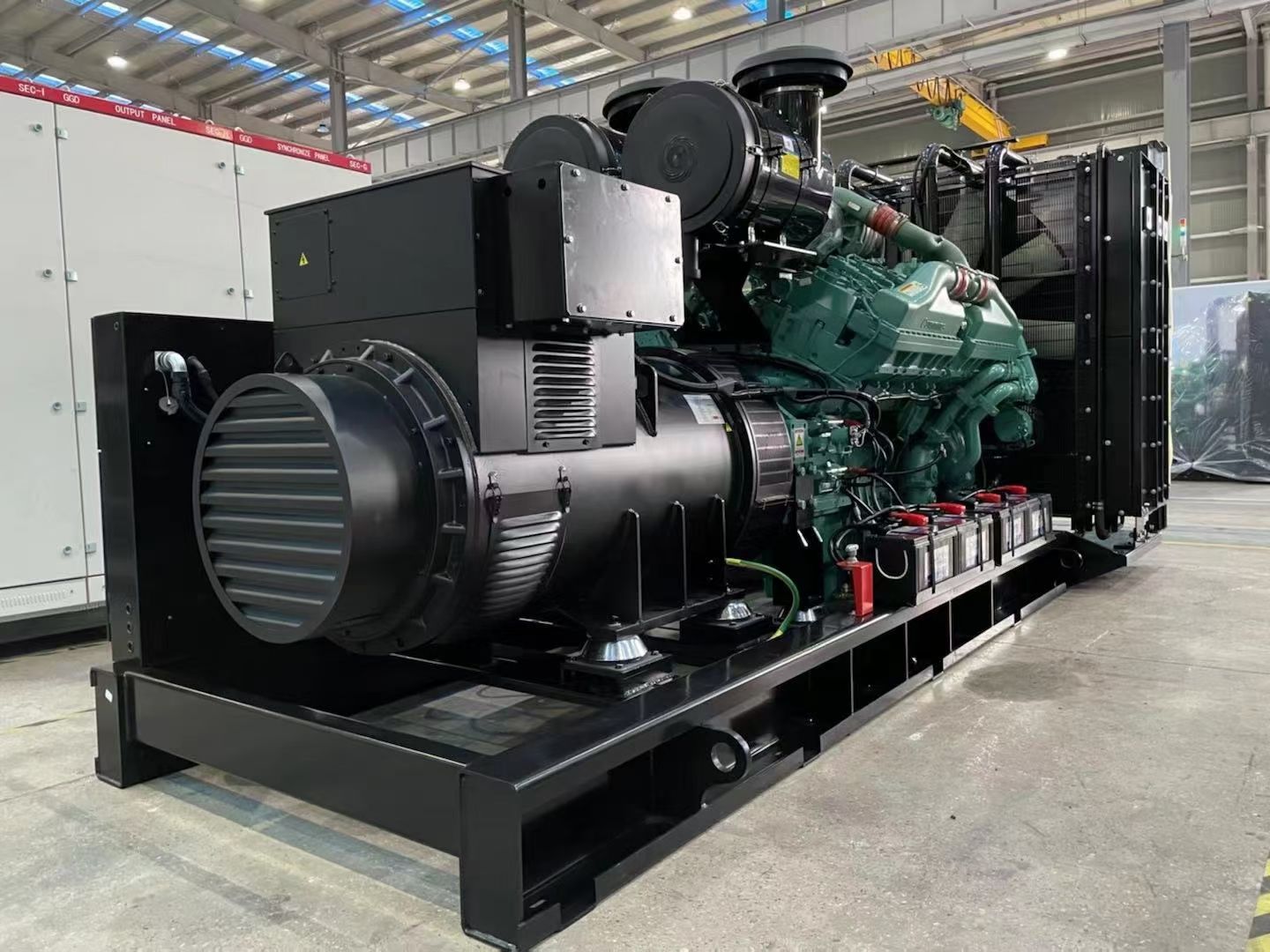
The lift points are the second check. Each corner casting carries a rating, and the four ratings together have to exceed the packed weight with a margin. Tesla Power puts the casting rating and the packed weight on one sheet, so the crane plan follows from the same page. Our note on the conformity file shows where that sheet sits in the handover pack.
What does the containerized set CE marking list cover?
The containerized generator CE marking requirements list covers the machine, the enclosure and the electrical panel. A declaration of conformity, the technical file and the marking on the machine sit at the centre of it, and the enclosure adds its own entries for access, guarding and noise.
Emissions sit beside the safety file. EPA Tier 4 Final sets the limit for a non-road engine sold in the United States, and the offer should name the tier the engine meets. The containerized generator documentation for export joins the same folder, and Tesla Power maps each line to a page so the buyer can trace a claim to a document.
How do you compare containerized generator manufacturers?
Compare on the box before the price. Set the frame drawing beside the frame drawing, the airflow study beside the airflow study, the enclosure test beside the enclosure test, and the lift sheet beside the lift sheet. Two containerized generator manufacturers can quote the same rating and still differ on all four, and the difference shows up in the first hot week rather than at the desk.
The fifth axis is the service face. A box that puts the cable box, the fuel point and the exhaust on one reachable face is easier to live with than one that spreads them around four walls. Ask for the interface drawing and a photograph of a completed unit. Ask our engineering team for a drawing against your site, and Tesla Power Equipment will answer with the box rather than the catalogue.
Frequently asked questions about containerized generator sets
No. A silent set is defined by its acoustic canopy, while a containerized set is defined by a steel box that can be lifted, stacked and shipped as a unit. A containerized set often carries acoustic lining as well, so the two overlap in practice. Ask for the sound pressure level at 7m and the box dimensions on one sheet.
Stacking depends on the corner casting rating and the packed weight, not on the box size. Two boxes can stack when each casting carries the load above it with a margin, and the base has to be level. Ask for the casting rating in writing, because a stacked box on soft ground settles and twists the frame.
The airflow has to carry the radiator heat out of the box, so the louvre free area follows the radiator size and the design ambient temperature. A box sized for 40°C needs more free area than one sized for 25°C. Ask the supplier to state the design ambient on the airflow study rather than quoting a louvre area alone.
A base tank inside the frame usually carries enough fuel for eight hours at full load, and a larger tank becomes a separate item. The tank has to sit under the set without raising it past the box height. Ask for the tank volume and the bund arrangement, because a leaking base tank is a site problem rather than a factory one.
Yes. A sealed box runs hotter than an open frame, so the ambient inside the box sets the derate rather than the outdoor temperature. Good louvre design keeps the box close to ambient, while a tight box can add several degrees. Ask for the internal temperature the airflow study assumes at full load.
Installation is a lifting job and four connections, so the site work is short once the pad is ready and the services are in place. The pad, the cable trench and the fuel line decide the programme, not the box. Plan those three before the unit ships, because a box on the ground with no fuel line is not a power station.
Expect the frame drawing, the airflow study, the enclosure water test, the load bank report and the conformity file. A missing airflow study is the first question to raise, because it decides the derate on a hot day. Our enclosure help notes list the rest, and Tesla Power ships that folder inside the box.