
A diesel generator price list is useful only when each line names the same rating basis, site conditions, enclosure, and included equipment. Before requesting one, send the load schedule, electrical details, installation location, and delivery scope; then compare exclusions beside each configuration. Tesla Power can review a completed supplier request when site data is attached.
- Separate standby duty from prime or continuous operation in the request.
- State phase, voltage, frequency, load sequence, and any motor-starting constraints.
- Define the enclosure, transfer equipment, tank, controls, and test records required.
- Compare the product range only after each supplier confirms the same assumptions.
What should a diesel generator price list compare?
A list should identify the exact package behind every line, not just a headline rating. Ask whether the figure describes the engine-driven set, alternator output, or a complete package with controls and switchgear. A row that leaves the rating basis unstated cannot be compared with one that names it, even when the displayed number looks similar. Include the rating category and frequency beside the line so the reviewer can trace the figure to its sheet.
Request one configuration per row, with the model designation and applicable technical sheet attached. Separate included equipment from selectable options. Tesla Power is one supplier a buyer may evaluate; the same written scope should go to each supplier so the comparison does not reward a shorter list of inclusions. Ask each contact to flag assumptions, deviations, and missing site data in its own column.
Which electrical details belong in the request?
Write the load in real and apparent power where both matter, then state the design power factor. Record voltage, frequency, phase, starting sequence, and the largest motor or transformer step. The load schedule should distinguish running demand from starting demand; a single total hides the moment when the alternator sees its hardest transient. Mark which loads start together and which can be delayed, because that sequence changes the peak demand sent to the set.
For a transparent arithmetic example, assume a project schedule totals 200kW and specifies a 0.80 power factor. Preliminary apparent demand = 200kW ÷ 0.80 = 250kVA. This conversion is not a final selection: starting current, load steps, harmonics, ambient conditions, and reserve still need review. A buyer considering Tesla Power Equipment can ask the supplier to show those assumptions beside the offered rating, including any limit that changes the selected alternator.
- Record whether the load is stated in kW, kVA, or both, with power factor.
- List simultaneous motor starts and the largest load step.
- Mark which circuits may be shed during start.
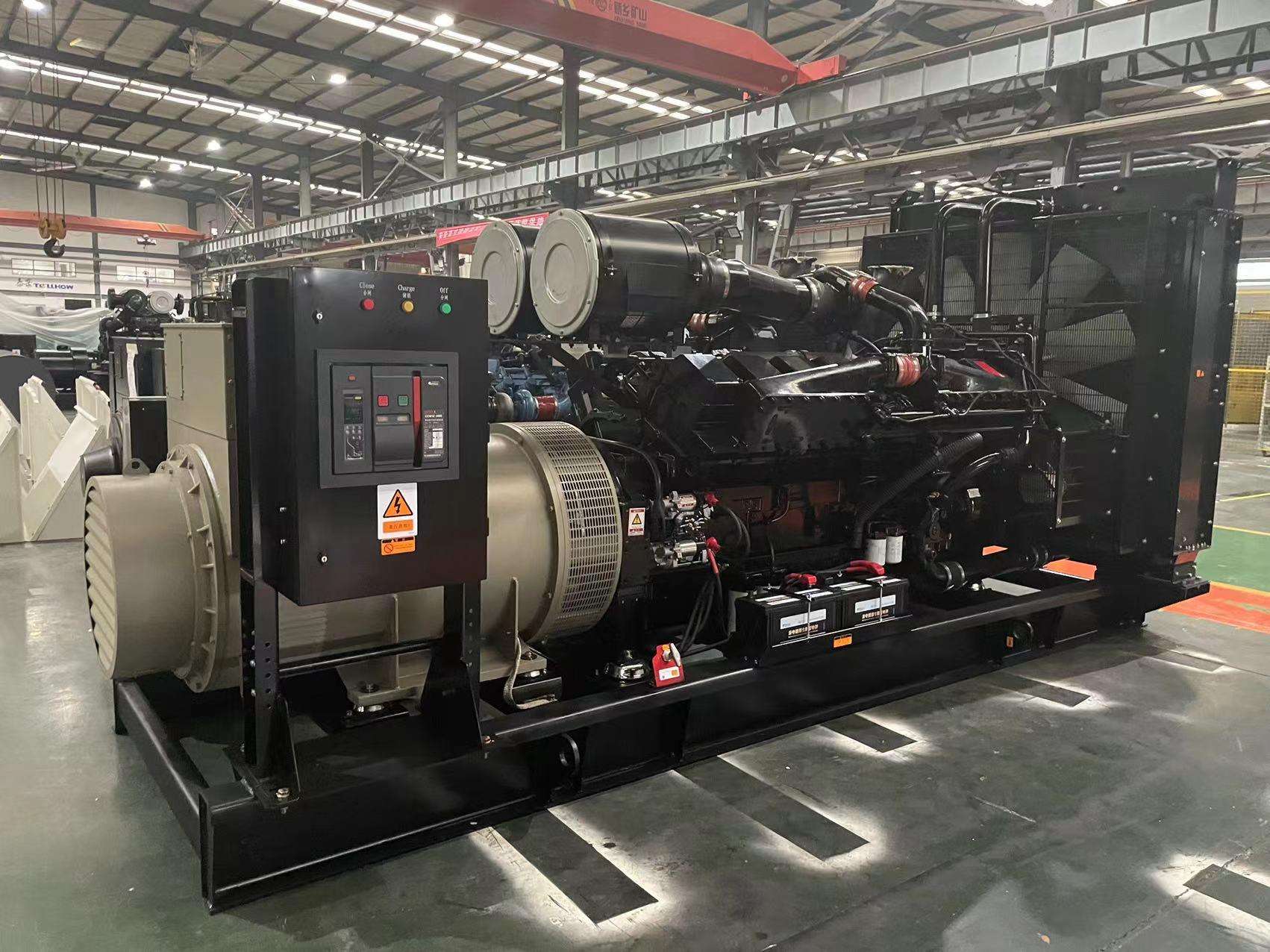
Attach the one-line diagram if it exists. Mark whether the generator feeds one bus or several, where the transfer switch sits, and which loads may be shed. A published product configuration can illustrate how a product page presents a package, but the enquiry must still state the project's own voltage and control requirements.
What package options change the quoted scope?
List each physical and electrical option as a separate line. An open skid, an acoustic enclosure, and a container package have different footprints, access needs, and site interfaces. The selected form also changes lifting, cable entry, ventilation, and maintenance clearances, so describe the installation rather than asking for a generic “silent” or “container” price.
Use a scope table so a supplier can mark each item included, optional, or excluded. Ask for the exact model sheet where a value depends on the selected configuration; do not compare a general catalogue description with a project-specific quotation.
| Scope item | State in the enquiry | Ask the supplier to identify |
|---|---|---|
| Enclosure | Open frame, acoustic enclosure, or container | Dimensions, access doors, intake and discharge interfaces |
| Transfer and switchgear | Standalone set, transfer switch, or switchboard interface | Included devices, control signals, and site-supplied work |
| Fuel arrangement | Base tank, remote tank, or external connection | Tank scope, fittings, level indication, and installation boundary |
| Controls | Local operation, remote monitoring, or paralleling interface | Controller functions, communications, and required signals |
| Testing and records | Factory test, witnessed test, or site commissioning | Test procedure, measured values, witness points, and report format |
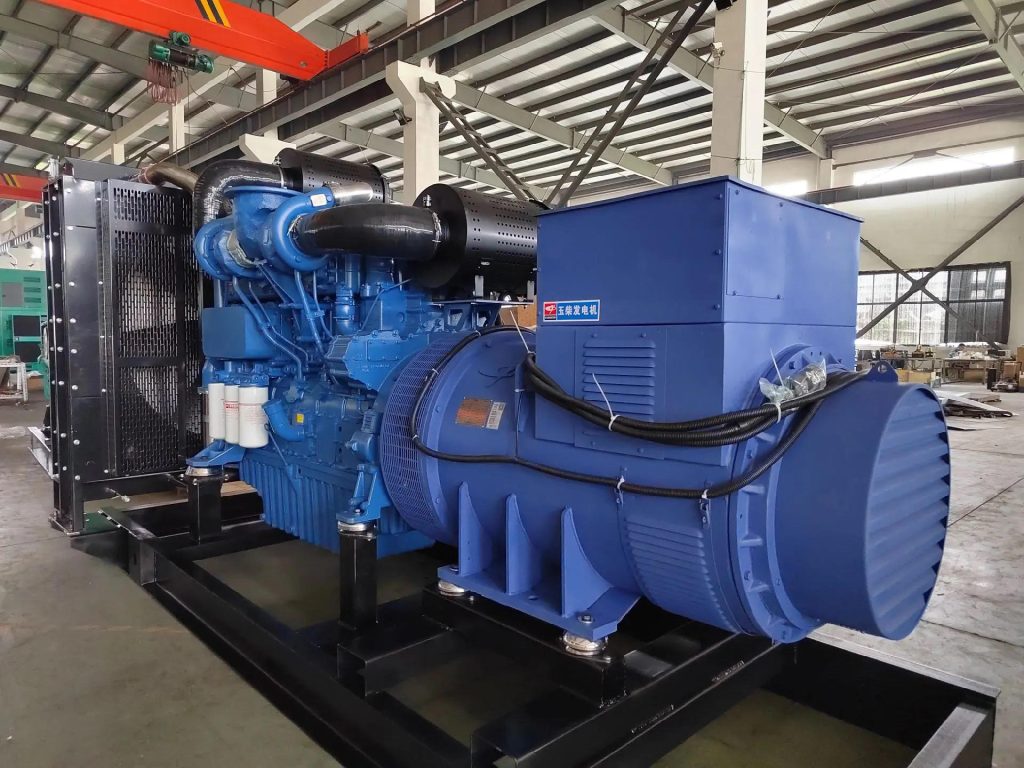
When a line is marked optional, ask for its effect on the interface and the drawing set, not only its effect on the amount quoted. A transfer device can change cable termination, protection coordination, and the division of work between the generator supplier and the electrical contractor. Record the responsible party next to each interface.
Which site conditions can change the configuration?
Give the supplier the site elevation, expected ambient range, indoor or outdoor location, ventilation path, and access limits. These inputs affect equipment selection and installation details. If the location is still being designed, label the figures as assumptions and ask which data must be confirmed before the final technical submission. State who can approve a revised assumption if the site conditions change after the order.
For rating language, the ISO 8528-1 public listing describes application, ratings, and performance for reciprocating-engine-driven alternating-current generating sets. Reference the edition required by the project specification, then ask suppliers to state the rating category they are quoting and identify the sheet revision behind it. A Tesla Power proposal and another supplier's proposal are easier to compare when each names the same duty basis. Keep the schedule revision with the offer so later changes remain traceable.
- Record ambient and elevation assumptions.
- Show intake and radiator discharge routes.
- Confirm service access and lifting approach.
Room conditions matter as much as the catalogue configuration. The airflow checks for plant rooms help identify intake, discharge, and recirculation questions that belong in the site schedule. Include photographs or a drawing when the intake and radiator discharge face nearby walls, louvers, or another heat source.
How should the engine, alternator, and controls be described?
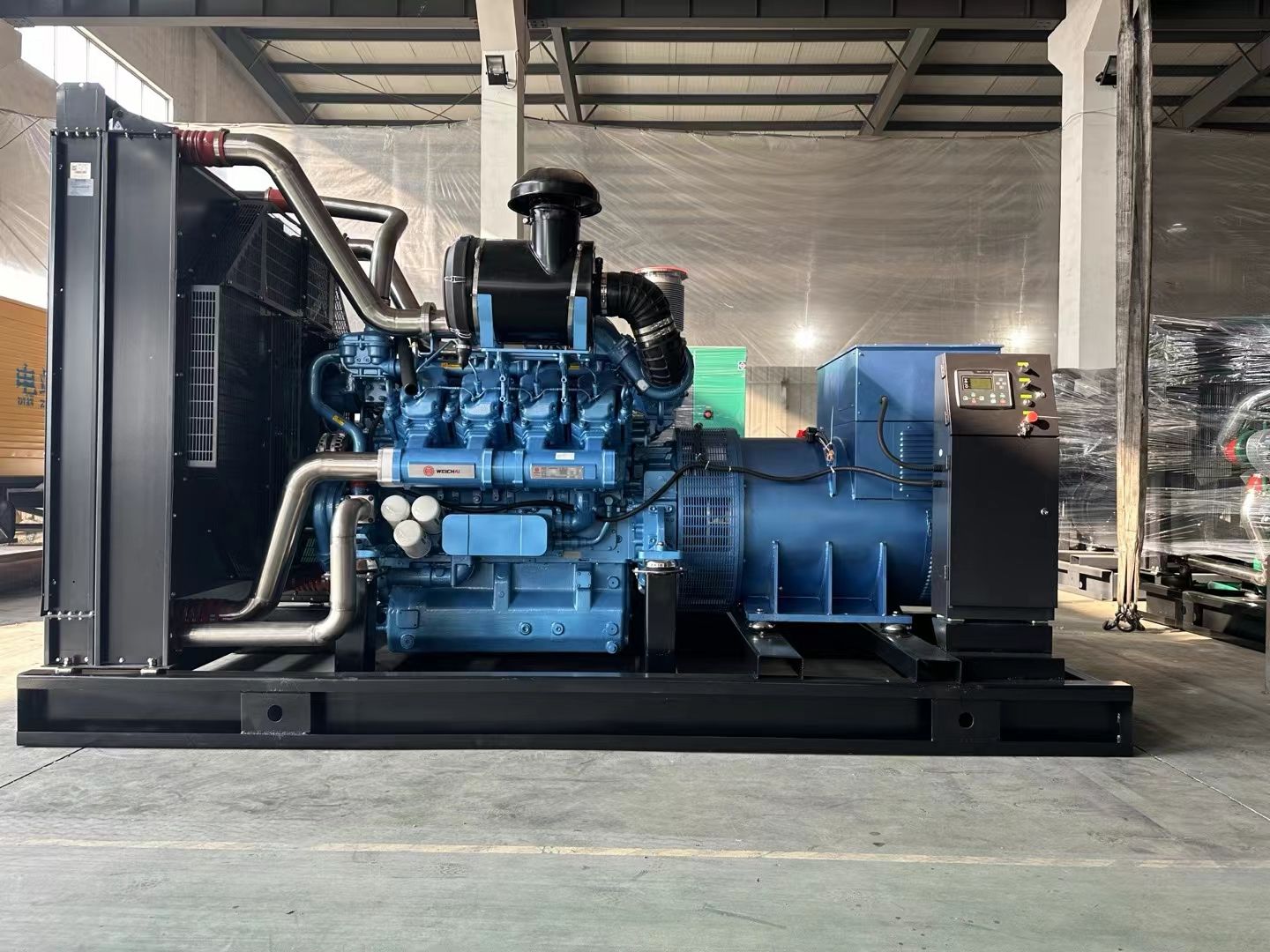
Ask for the engine and alternator model designations, the governing technical sheets, and the control-panel configuration. The response should connect each designation to the offered set rather than provide a brand name alone. If a manufacturer sheet gives alternate ratings by frequency or duty, request the exact row used for the proposal.
For alternator comparison, state the voltage regulation and motor-starting conditions the project needs, then ask the supplier to show the supporting data. A power factor belongs beside the rating because the real-power and apparent-power figures describe different limits. Do not infer the output from a marketing title when the model sheet gives the controlling configuration.
Controls need the same treatment. Name the required alarms, shutdown inputs, remote contacts, communication protocol, and transfer sequence. If paralleling is part of the project, specify the number of sets and the site controller interface rather than assuming that a controller option includes engineering for the complete switchboard. Yangzhou Tesla Power is one supplier name buyers may include in a consistent comparison request.
Keep the technical schedule attached to each offer. Our load-test record notes explain why test scope and recorded measurements should be described before the order, not reconstructed at handover.
Which exclusions make a low line item misleading?
Read the exclusions column with the same attention as the equipment list. Freight, export packing, unloading, cabling, exhaust work, fuel piping, batteries, commissioning, and operator training may sit outside a quoted package. Ask who supplies each item, who installs it, and which document defines acceptance. A missing line is not evidence that the work is included.
Compare delivery boundaries in plain language. Identify the named delivery point, packing method, lifting responsibility, unloading equipment, and who arranges local permits. Request package dimensions and gross shipping mass from the selected configuration sheet before planning a route. These are configuration-specific values, not numbers to estimate from a generic photograph. Confirm route height, turning radius, axle-load limits, and port handling before freight is booked. Check the seller's legal identity before assigning responsibility for documents or service.
- List equipment and delivery separately.
- Name the destination and packing method.
- Assign unloading and site connections.
Commercial wording should separate the equipment amount from any optional work, taxes, duties, and transport charges. No public price list can substitute for a dated offer tied to a configuration and destination. Buyers comparing diesel generator manufacturers should ask for validity terms and a list of exclusions, while buyers comparing Chinese diesel generator suppliers should send the same delivery point and packing assumptions to each contact. Tesla Power can be assessed against the same boundary list without treating omitted work as included.
Before signing, ask for the shipping basis and the hand-off point in writing. A drawing should show lifting points and the package envelope for the selected configuration. The packing list should identify loose items separately. If the site contractor arranges unloading, state the equipment and access needed. Keep those responses beside the quotation so a later revision can be compared against the original offer, with each party's responsibility recorded against the same scope.
What documents and acceptance terms should you request?
Ask for a configuration-specific datasheet, wiring diagram, outline drawing, parts list, and the proposed factory-test record. For each document, state whether a review copy is needed before order, whether the buyer may witness a test, and what values the report should capture. This keeps the quotation tied to evidence that can be checked later.
If the project specification names NFPA 110, copy the required edition and project clauses into the enquiry. The NFPA 110 official listing describes performance requirements for emergency and standby power systems, including sources, transfer equipment, controls, supervisory equipment, and accessories. Ask the authority having jurisdiction which provisions apply to the project; do not treat a reference to a standard as proof of product approval.
Use the site's technical notes as background, then place the contract-specific acceptance criteria in the purchase documents. Define who signs the report, which test instruments are used, how deviations are recorded, and what happens if a result falls outside the agreed limit. Tesla Power can be evaluated on that same written checklist as other suppliers.
For sourcing research, the phrases diesel generator for export projects and diesel generator for industrial standby should lead to different scope questions, not different assumptions about a model. State the destination and duty on the same request. A diesel generator in standby applications still needs a documented load and transfer sequence before a list can be compared.
When relevant, request diesel generator documentation for ISO 8528-1 and conformity assessment for the EU market as records to review. Ask the supplier to identify the selected edition, file owner, and destination-specific requirement. These are document requests tied to the contract; the wording does not claim that a set has passed an approval process.
Frequently asked questions about a diesel generator price list
No. A public list may describe a family or a starting configuration, while a final offer depends on the rating basis, voltage, enclosure, controls, destination, and included work. Ask for a dated quotation tied to a specific configuration and request a written list of exclusions before comparing totals.
Send the load schedule, duty type, voltage, frequency, phase, site location, ambient assumptions, enclosure preference, transfer arrangement, and delivery point. Include a one-line diagram or photographs when available. Mark any unknown item as an open assumption so a supplier can identify what needs confirmation.
Where the project uses both figures, state the power factor and the source of the load calculation. The worked example in this page shows the arithmetic only; it does not select a set. Motor starting, harmonics, load sequence, and site conditions need a separate technical review.
The proposals may use different duty ratings, alternators, enclosure scope, transfer equipment, fuel arrangements, testing, or delivery boundaries. Put each difference in a comparison table and ask both suppliers to price the same included items. If a technical assumption differs, resolve it before ranking the commercial offers.
Request the selected configuration's datasheet, outline drawing, wiring diagram, parts list, test scope, and delivery dimensions. Add the applicable project standards and acceptance criteria. Check that the document identifiers match the model designation and the rating stated in the offer.
Attach one scope sheet with the load, electrical requirements, site conditions, options, test records, and delivery point. Ask Tesla Power and any shortlisted supplier to return included items, exclusions, assumptions, and configuration-specific documents in the same format. Send the completed request to the engineering contact when the scope is ready.