
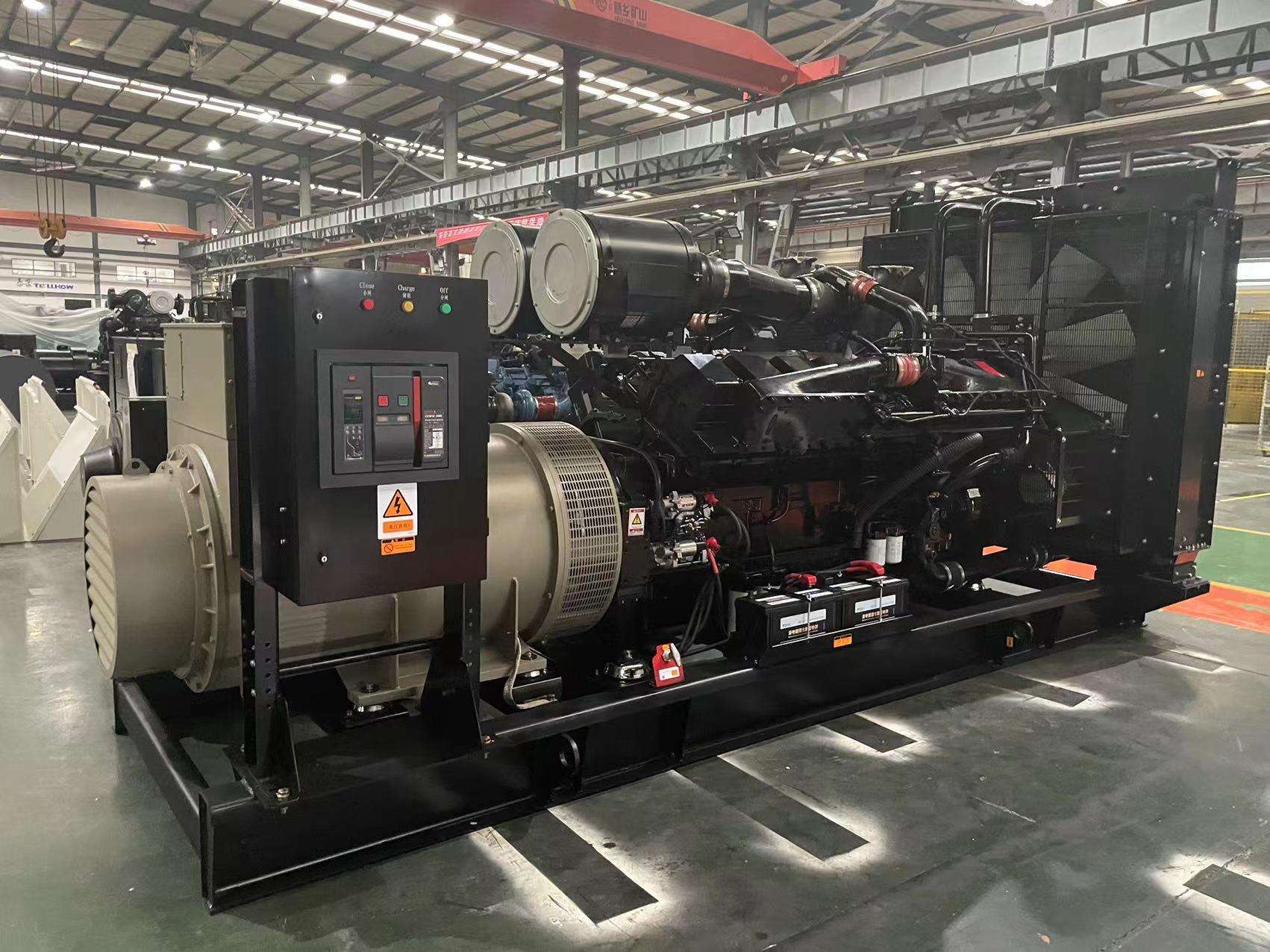
EPA Tier 4 generator requirements set the emission limits that any diesel genset sold for the North American nonroad market must meet, and this guide explains what buyers should confirm before placing an order. The rule caps nitrogen oxides and particulate matter from the engine, and most standby units qualify for the 100-hour emergency exemption instead of full compliance. A Tesla Power application engineer can confirm which certificate matches your duty cycle and share the data sheet on request. When you compare a China EPA Tier 4 generator supplier against a unit built only to EU Stage V, the test method and the hours cap differ, so the lower quote can be the higher-risk choice. Read the sections below for the exact bands, the documents to request, and the common misreads that delay customs clearance. For a ready unit, see the 500kVA standby set we document for export. The certificate, the data sheet and the signed declaration form the paper trail that customs and the local inspector read before the unit is cleared.
- Confirm the engine family certificate and the kW figure that sets the band.
- Check whether your run time stays under the 100-hour emergency cap.
- Request the data sheet, the signed declaration and the EU papers if bound for Europe.
- Match the certificate to the duty cycle before you pay for after-treatment.
What EPA Tier 4 Generator Requirements Actually Mean
EPA Tier 4 generator requirements are the US Environmental Protection Agency limits on nitrogen oxides, hydrocarbons and particulate matter from nonroad diesel engines. They apply to generator sets sold or leased for use in the United States, and they shape both the engine build and the paperwork that travels with the unit. An EPA Tier 4 generator manufacturer keeps the engine certificate on file and prints the family name on the data plate.
Most buyers meet the rule through the emergency standby pathway rather than by fitting full after-treatment. That choice depends on how many hours the set will run each year and whether it shares the site with a nonroad fleet. The sections below walk through the bands, the exemption, the documents to request, and the readings that trip customs or permitting delays.
How the Nonroad Emission Bands Work
The two limits that matter
Tier 4 Final sets a combined NOx plus HC cap and a separate particulate cap, measured in grams per kilowatt-hour. The values step down by engine size, with the strictest band covering the 75 to 749 hp range that holds most industrial standby sets. Below about 25 hp the rule is lighter, while the largest engines follow a different, higher g/kWh ceiling.
| Engine power (hp) | NOx + HC limit | PM limit | Example set |
|---|---|---|---|
| Below 25 hp | not capped by Tier 4 | not capped by Tier 4 | small portable |
| 25 to 50 hp | 0.60 g/kWh | 0.02 g/kWh | compact unit |
| 50 to 75 hp | 0.50 g/kWh | 0.02 g/kWh | mid range |
| 75 to 749 hp | 0.40 g/kWh | 0.02 g/kWh | 250kVA / 200kW |
| Above 749 hp | higher g/kWh caps | higher g/kWh caps | 500kVA / 400kW |
For a 250kVA / 200kW set the relevant line is the 75 to 749 hp band, where the NOx plus HC cap sits at 0.40 g/kWh and the particulate cap at 0.02 g/kWh. A 500kVA / 400kW set falls in the same band; Tesla Power Equipment prints the same two numbers on the certificate, so the wording changes between sizes, not the limit itself.
Why Does Emergency Standby Get an Hour Cap?
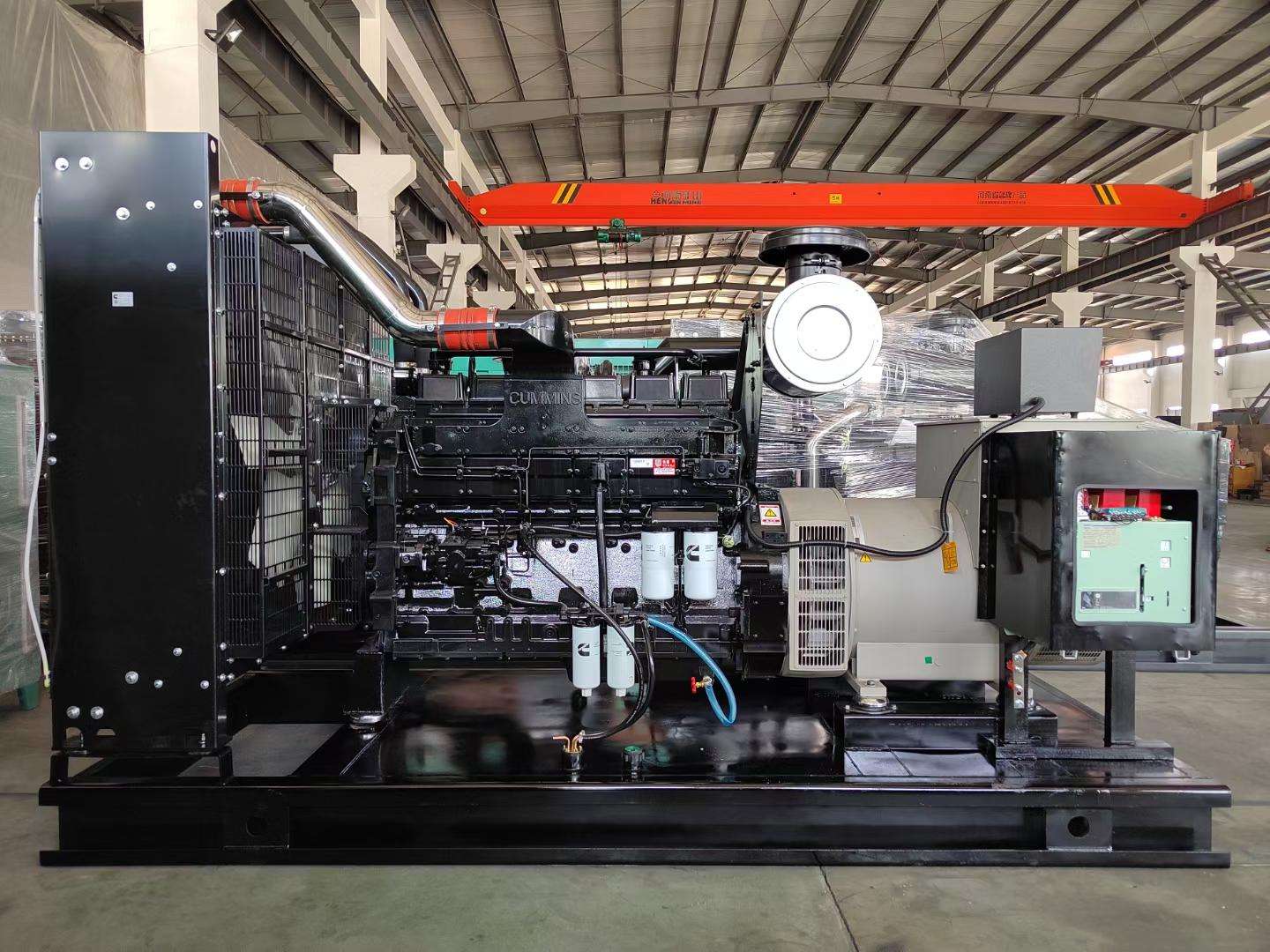
An EPA Tier 4 generator for standby use runs under the 100-hour emergency rule rather than the full nonroad duty cycle. The site may log up to 100 hours per year, and no more than 50 of those hours may be for planned maintenance and testing. Above that total the set is treated as a prime or continuous nonroad engine and needs the full Tier 4 after-treatment package.
The hour cap is enforced through records, not through a physical limiter on the engine. Operators keep a logbook, and the supplier signs the emergency-use declaration that travels with the shipment. Buyers who expect more than 100 hours a year should ask for the certificated prime-power version instead of assuming the cheaper standby unit will clear permitting. For the wider context, see our help and advice index on stationary sets.
What Does the NESGE 100-Hour Rule Cover?
The NESGE framework is the federal rule that lets emergency standby generators run up to 100 hours a year without meeting the full nonroad standards. It exists because a backup set that fires for a few hours during an outage is a different pollution profile from a prime power machine running every day. Yangzhou Tesla Power documents this pathway on the build sheet so the declaration matches the engine family.
An EPA Tier 4 generator for data centers also meets Tier III redundancy at the facility level, but the emission rule still sees it as a standby set if the hour log stays under the cap. The data center operator keeps the log; the generator supplier keeps the engine certificate. Both records should be ready before the unit lands, not assembled during the first inspection. The federal EPA nonroad engine emission standards describe the bands in full.
Selective Catalytic Reduction and DPF on Sets
When a set must meet full Tier 4 Final, the engine carries selective catalytic reduction and a diesel particulate filter. The SCR injects urea into the exhaust to cut NOx, and the DPF traps soot that the combustion step can no longer avoid. Both add cost, weight and a service step, so specifying them on a true standby set is often wasted spend.
The after-treatment also changes the installation. The DEF tank needs a fill point, the DPF needs a regeneration cycle, and the canopy needs room for both. A buyer who only needs emergency cover should weigh that complexity against the 100-hour exemption before paying for hardware the operating profile rarely exercises. Tesla Power sizes the canopy with this extra room built in, so the service bay stays reachable after delivery.
How Do You Read an Engine Emissions Data Sheet?
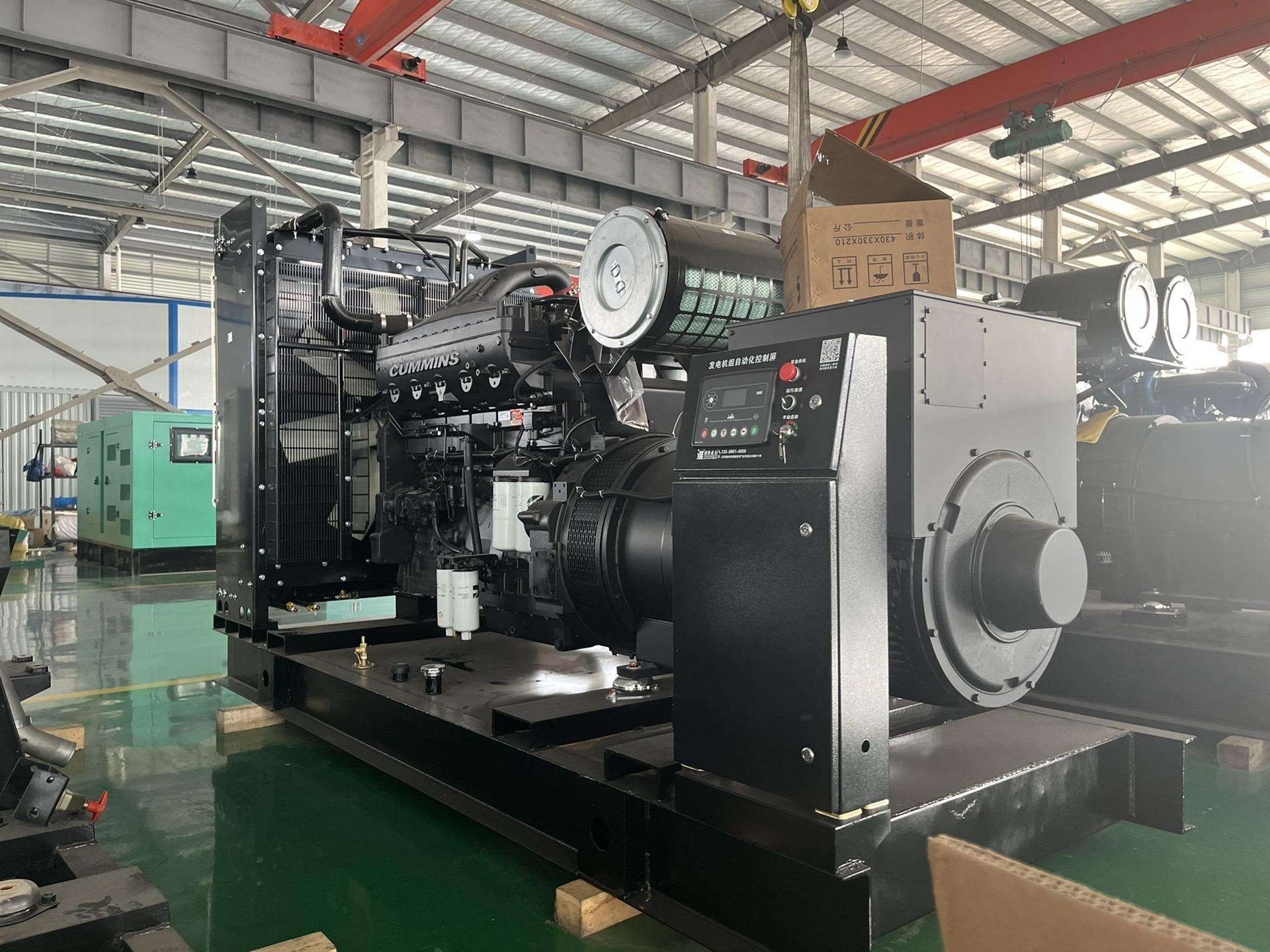
The engine emissions data sheet is the document that proves compliance, and the column to read is the family certificate number plus the applicable band. The emission limit keys on the generator's kilowatt output rather than its kVA nameplate, so the kW figure on the sheet is the one your inspector checks. The build sheet prints both figures on one line so the operator reads the duty at a glance.
What the certificate column shows
A 500kVA standby set delivers 400kW at a 0.8 power factor. At 80% load it runs 320kW and, over 100 hours of emergency use, produces:
- electrical energy = 400kW × 0.80 × 100hours = 32,000kWh per year.
- fuel use = 32,000kWh × 0.30 L/kWh = 9,600 L per year.
- CO2 = 9,600 L × 2.68 kg/L = 25,700 kg per year.
Under the NESGE rule this 100-hour operation stays inside the emergency exemption, so the engine needs only the standby certificate rather than full Tier 4 Final after-treatment.
EU Stage V and EPA Tier 4: What Differs
Europe applies its own nonroad rule, Stage V, through Regulation (EU) 2016/1628 on top of any US certificate. Stage V adds a particulate number limit and a transient test that the US rule does not use, so a unit cleared only in the US is not automatically legal in the EU. Our hospital generator testing notes explain how a buyer confirms the duty before shipment.
EPA Tier 4 CE marking requirements apply when the set ships to Europe, and the machinery directive sits alongside the emission rule. Conformity assessment for the EU market follows the (EU) 2016/1628 text, and the supplier should hand over the EU type-approval with the engine certificate. See the official text at Regulation (EU) 2016/1628 for nonroad engines before you sign.
Which Documents Should a Buyer Request?
Before ordering, request the engine family certificate, the emissions data sheet, and the signed emergency-use declaration. A China EPA Tier 4 generator supplier should also supply the factory test report and the HS code paperwork, because customs in the destination country reads both. Tesla Power packs the handover file by serial number as standard, so the installing electrician and the local inspector see the same numbers. Fuel planning ties in with our fuel consumption per kWh guide.
Ask for the documents as PDFs named by serial number, not by model, because the same model can carry different engine families across build years. An EPA Tier 4 generator for export carries the same paperwork burden, so plan the certificate file before the container is booked. If the set is EU-bound, confirm the EU type-approval and the CE marking statement are present, not just promised in the quote. Missing paper at the port is the most common reason a compliant set is held.
Common Misreads of the Tier 4 Limits
The first misread is treating kVA as the emission determinant. The band keys on engine kilowatt output, so a 500kVA set at 400kW and a 250kVA set at 200kW sit in the same 75 to 749 hp band and share the 0.40 and 0.02 g/kWh caps. Tesla Power lists the kW figure next to the kVA rating so the buyer does not size the certificate to the wrong number.
The second misread is assuming the 100-hour rule is automatic. It is a documented exemption that needs the declaration and the log, and it ends the moment annual run time crosses the cap. The third misread is mixing EU and US rules on one certificate; they are separate documents, and a single line cannot satisfy both authorities at the same time.
What Should You Confirm Before Ordering?
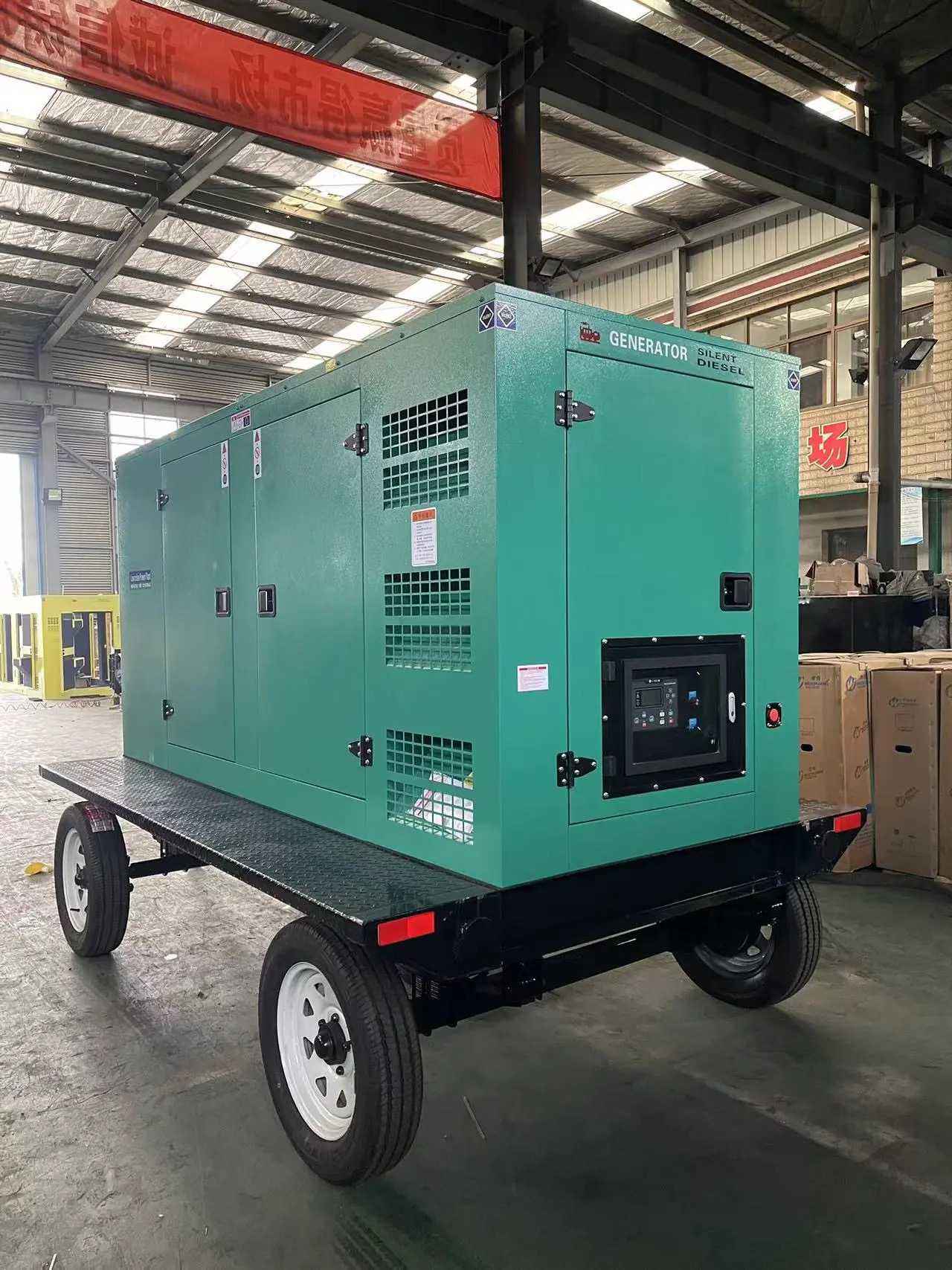
Before you place the order, confirm the engine family certificate, the kW rating used for the band, and the signed emergency-use declaration are all present. If your run time will exceed 100 hours a year, ask for the prime-power certificated version instead of the standby build. The contact desk can map your duty cycle to the correct certificate before you pay. Tesla Power issues that mapping in writing so your electrician and the local inspector read one consistent set of figures, and our about page explains the build record we keep.
Keep the documents by serial number and store the EU type-approval separately if the set is EU-bound. A short pre-shipment checklist prevents the most common hold at the port and the most common failure at the local inspection. Confirm the band against the kW figure, not the kVA nameplate, and the rest of the paperwork falls into place.
Frequently Asked Questions
Yes. Any diesel generator set sold or leased for US nonroad use must meet the applicable band, regardless of where it was built. The engine family certificate travels with the unit, and customs or the installer may ask to see it. A set certificated only to another market still needs the US certificate before it can run.
It is the NESGE exemption that lets a standby generator run up to 100 hours per year, with no more than 50 of those for maintenance and testing, without full Tier 4 after-treatment. The site keeps a log to prove the cap was not crossed. Above the cap the set is treated as a prime nonroad engine.
No. The band keys on engine kilowatt output, not the kVA rating. A 500kVA set at 400kW and a 250kVA set at 200kW sit in the same 75 to 749 hp band and share the 0.40 and 0.02 g/kWh caps. Read the kW figure on the data sheet when checking compliance.
No. They share a goal but differ in test method, particulate number limits and assumed hours. A unit certificated only to EPA rules is not automatically legal in the EU, where Regulation (EU) 2016/1628 sets Stage V. Plan for both documents if the set may serve either market.
Request the engine family certificate, the emissions data sheet, the signed emergency-use declaration and, for EU-bound sets, the type-approval and CE marking statement. Keep them as PDFs named by serial number. These papers are what customs and the local inspector read, so missing files cause most of the delays.
It can, but it is usually unnecessary. Selective catalytic reduction and a diesel particulate filter add cost, weight and a service step that a true standby profile rarely exercises. Specifying them only pays off if the set will run past the 100-hour cap or serve as prime power at the site.
Send your expected annual run hours and the kW load to the supplier and ask which certificate applies. Tesla Power returns the engine family name and the band so your electrician and inspector see one consistent set of numbers. Our news index also tracks rule changes that affect new shipments.