
Hospital generator testing requirements are the commissioning and proof-load steps a standby set must pass before it can feed a critical care bus. Tesla Power builds 500kVA and 1000kVA hospital-rated sets, and the practical steps a buyer follows are to confirm the NFPA 110 Level 1 rating, the weekly exercise record, and the annual load bank run. The set must then be compared against two paralleled sets sized for the wing it serves, because a unit that has not been witnessed under load is an assumption rather than a backup. The test report must show the figures against the nameplate, not a signature, so the buyer can check the claim before committing. Before you place an order, read the report with our generator selection guide and request a written test quote that names the rating per set, the exercise interval, and the witnessed run. A supplier who can show the limit at your site condition removes the biggest surprise before you commit, and the redundancy claim is only worth signing once the numbers line up.
- Confirm the set holds its rated load under heat, not only at a cool morning start.
- Verify the weekly exercise and the annual load bank test are both recorded with dates.
- Request a test quote that names the NFPA 110 level, the rating per set, and the witnessed run.
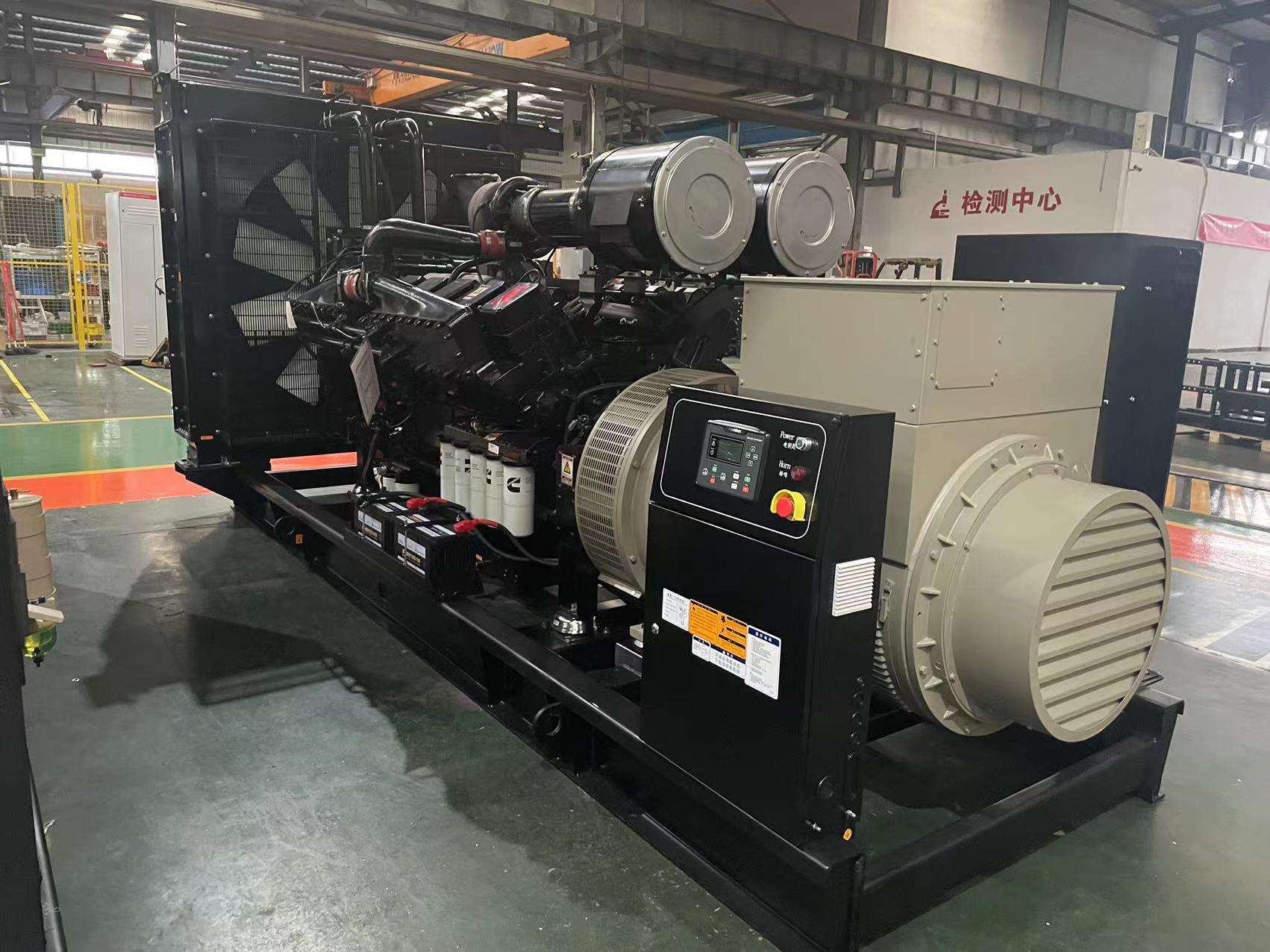
Why Does a Hospital Generator Need Testing Before Service?
A hospital generator earns its place on the critical care bus only after it has been proved under load, because a set that starts once in the workshop can still fail on the day the grid drops. The testing requirements exist to close the gap between a specification on paper and a machine that actually carries the operating theatre. Most healthcare boards now treat the witnessed run as the moment of truth, not the delivery date. The cost of one failed transfer during surgery outweighs the test fee by a wide margin.
The discipline also protects the owner from silent drift, because a set that sits for months between grid failures loses coolant, drains batteries, and forgets its governor tuning. A single annual proof load is the only thing that keeps the numbers honest when the surveyor asks for evidence. Hospital generator testing for critical care is therefore a recurring obligation, not a one-time ceremony at handover. The file should travel with the machine from the day it leaves the plant.
What Do Hospital Generator Testing Requirements Cover?
Hospital generator testing requirements cover three layers: the factory acceptance test, the on-site commissioning, and the periodic proof load that proves the margin still exists years later. The factory test confirms the set meets its nameplate; the commissioning confirms it talks to the ATS and the UPS; the periodic load bank confirms the set still carries the operating theatre when one set trips. Each layer answers a different doubt, and a buyer who skips one is buying confidence in the other two only.
The NFPA 110 Level 1 rules sit at the centre of that documentation, because they set the start time and the transfer window for life-safety loads. A set that meets Level 1 must begin to carry load within ten seconds and keep doing so through the outage. A hospital generator for life safety must therefore be tested to the level the wing demands. The file must name all three. The requirement is a coordination task between the generator, the switchgear, and the battery hold time.
How Often Must the Set Be Exercised?
Tesla Power Equipment programmes the controller to log each exercise with its load and duration, so the file shows a continuous story rather than a single good day. The exercise keeps the machine honest between real outages, and most healthcare rules ask for a weekly run that carries at least a portion of the connected load. A no-load spin proves the engine turns but says nothing about the alternator or the breaker, so the useful test loads the set enough to reach temperature.A set exercised only under no load can still wet-stack and then stumble when it finally meets a real bus. The recorded runs are the first thing a surveyor asks to see. The cadence also feeds the longer proof load, because a set that exercises weekly needs a lighter annual burden than one that sits untouched for a year. A 1000kVA hospital standby generator set should arrive with twelve months of exercise data already logged against its nameplate.
How Does a Load Bank Prove the Margin?
A load bank forces the set to its nameplate rating under controlled conditions, which is the only way to prove the redundancy margin without waiting for an actual outage. The 100 percent run shows whether the set holds voltage and frequency while hot, and whether the alternator and the radiator keep pace at full load. A set that passes at 75 percent can still sag at 100, and the difference is exactly the margin a hospital cannot afford to assume.
The curve also exposes the derating that a cool workshop hid, because a set rated in a temperate hall may lose output in a warm plant room. The builder keeps the recorded curves with the project file and treats the load bank as the final exam rather than a formality. A hospital generator in standby that passes at 400kW in a cool hall may behave differently at full rating in summer. The test conditions matter as much as the pass mark.
How Many Sets Serve a Critical Care Bus?
A critical care bus is usually served by two operating sets with one spare, so any single failure leaves two to carry the load and the theatre stays lit. Larger hospitals run several such steps in parallel, which multiplies the margin but also the switchgear and the floor space. The set count follows the largest single set the facility can afford to lose, not a round number chosen for convenience.
The spare has to match the operating sets for the arithmetic to stay simple, because a small spare cannot cover a large operating set when one trips. Standardising on identical 500kVA or 1000kVA sets keeps the redundancy honest. Tesla Power recommends identical sets unless the load study shows a clear reason to diverge. A hospital generator testing for data centers uses the same N plus one logic, and the commissioning file should list the count and the rating per set before the order is placed.
| Option | Sets | Margin after one trip |
|---|---|---|
| Single 1000kVA set | One | None, load drops |
| N+1 with 500kVA sets | Three | Two survive, load held |
| 2N with 500kVA sets | Four | Two separate paths |
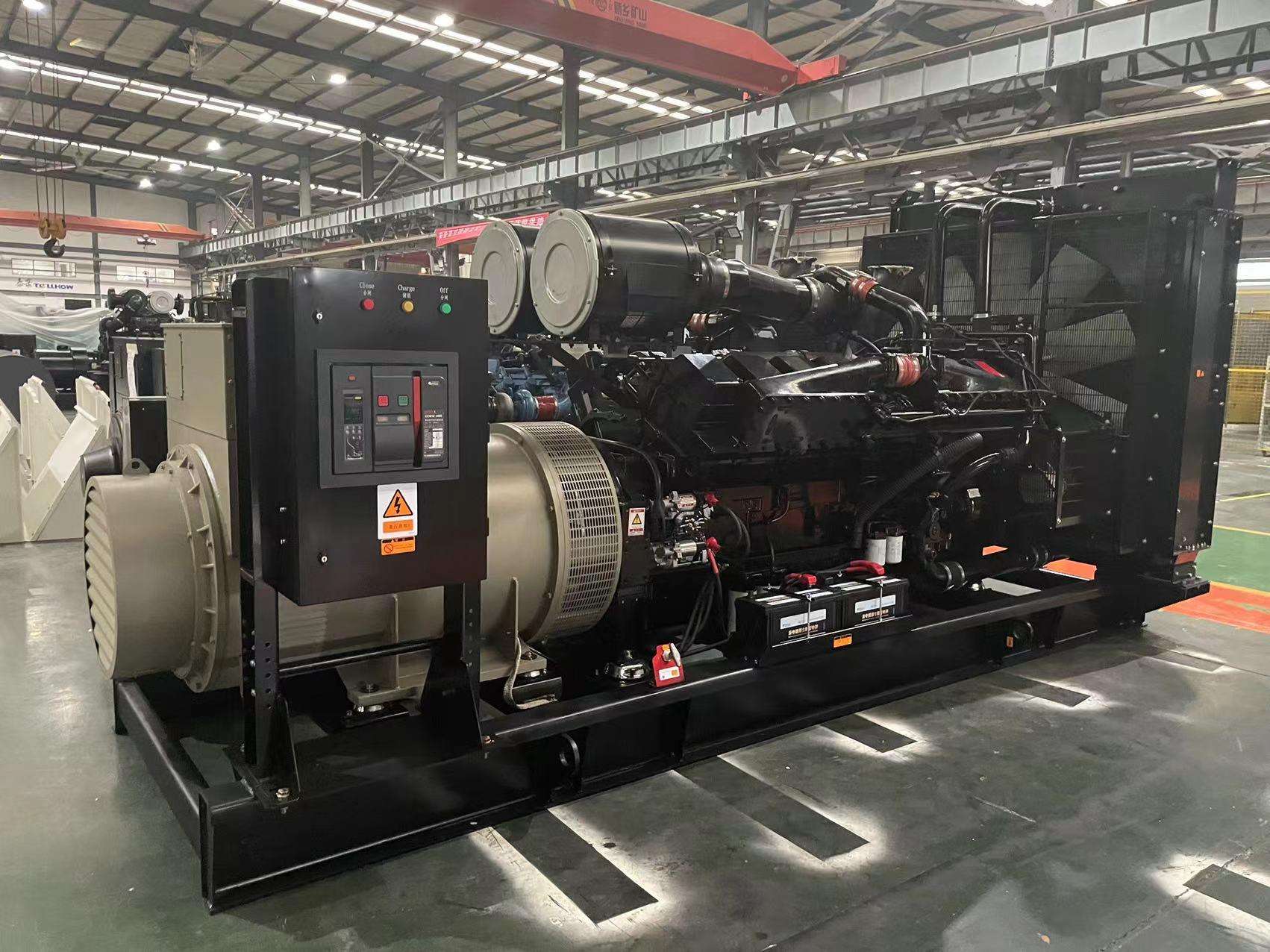
Why Should a Buyer Check the Commissioning File?
The commissioning file is where the testing requirements stop being a brochure claim and become evidence, and the witnessed run is the part a buyer should insist on attending. A staged test runs the plant at full critical load, forces one set to trip, and confirms the survivors hold the load without exceeding their rating or their temperature limits. Without that step, the redundancy is a spreadsheet assumption rather than a proven feature on site.
The bus tie deserves the same attention, because it is the component that actually moves load between modules. A tie that fails open strands the spare; a tie that fails closed can parallel two sources that should be kept separate. The supplier specifies the tie with the same care as the generators and tests it under load in both directions. A drawing proves intent, while a test proves behaviour in the field.
What Should the Test Report Show Before You Order?
Tesla Power treats the test report as the contract, and reading it before you order is the simplest way to confirm the arithmetic. The key figure is the prime rating in kVA at the stated power factor, usually 0.8. A 500kVA set at 0.8 pf delivers 400kW, and two such sets cover 800kW, which is the N for a 1000kVA-class theatre when one spare stands by. The nameplate must show the prime rating. A standby-only figure cannot carry the continuous hospital load the wing expects.
The report also states the frequency and voltage, and a 50Hz 400V set is not interchangeable with a 60Hz 480V one without a transformer and a re-rated balance. A hospital generator manufacturer should publish the limit with the test condition, not only the headline number. Ask the supplier for the data sheet behind the nameplate so the figures can be checked against your load study. Hospital generator testing documentation for buyers should name the standard, the limit, and the test condition in one place, because a number without the condition is not a limit you can enforce.
| Quantity | Value | Condition |
|---|---|---|
| Set prime rating | 500kVA | 0.8 power factor |
| Set real power | 400kW | per operating set |
| Two-set N load | 800kW | equals 1000kVA |
| Start to load | 10 seconds | NFPA 110 window |
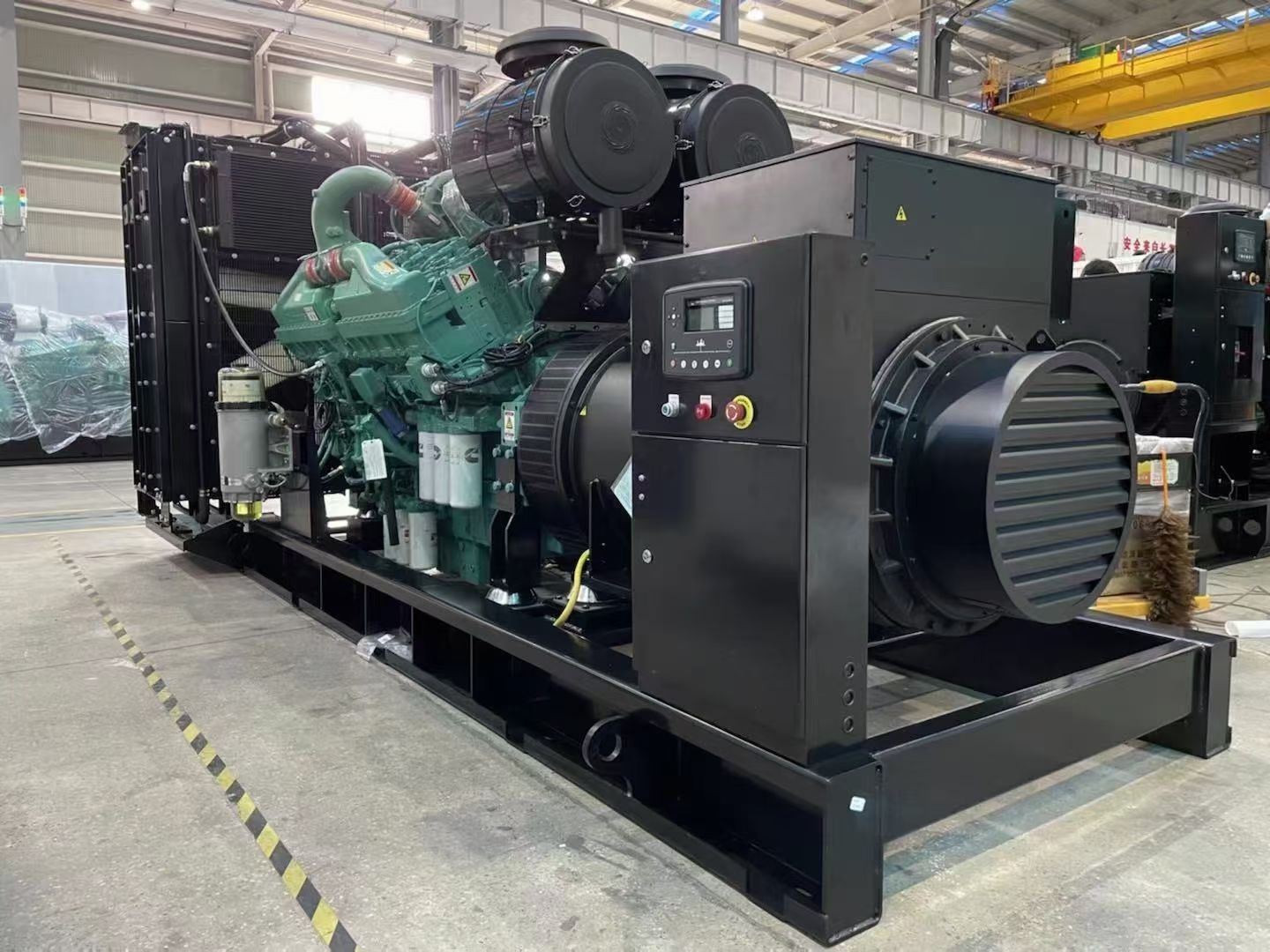
Worked Example of a Hospital Redundancy Calculation
Worked example: a 500kVA set at 0.8 power factor delivers 400kW, and two such sets equal 800kW for the 1000kVA-class theatre. The redundancy math is 500kVA × 0.8 = 400kW per set, then 400kW × 2 = 800kW, leaving one set as the spare. The nameplate must show the same 400kW at the site temperature, not only at the cool workshop figure the brochure prints.
Yangzhou Tesla Power Equipment logs the margin at the test condition and at the site condition, because the two are rarely the same and the difference is what breaks sets in the field. The worked example above uses 500kVA because it is the common hospital module, but the same arithmetic applies to 1000kVA sets serving a larger theatre. A buyer who checks the numbers against the load study avoids the most common redundancy surprise at acceptance.What Does NFPA 110 Level 1 Require for Hospitals?
Every hospital set is labelled with the NFPA 110 level it was tested to, so the buyer can match the generator to the wing it serves. Level 1 covers life-safety loads and requires the set to start and accept load within about ten seconds, then keep carrying it through the outage. The transfer must be automatic, and the UPS must bridge the gap until the generator is online, which is the standard for operating theatres and intensive care.
Tesla Power treats the NFPA 110 level as the contract between the buyer and the bus. The NFPA 110 emergency standby systems set the emergency power context the limit is read in, and a set tested to Level 1 is the baseline for any hospital bus. The surveyor will ask for the edition and the class. The test file should state both rather than a vague reference. A hospital generator testing for critical care plan should map each wing to its required level before the set is ordered.
How Do ISO and EPA Standards Shape the Test File?
The ISO 8528-5 acceptance method frames how the set is accepted as a whole, and the EPA Tier 4 emission standard shapes the export specification. A hospital usually demands N plus one at minimum, and the test must prove the survivors hold the bus when one set trips. These standards are the language the surveyor and the buyer both speak when the file is reviewed.
A china hospital generator suppliers market often quotes the witnessed run as part of the package, but the buyer should still ask for the raw curve rather than a signed summary. Hospital generator ce marking requirements apply when the set is destined for the EU, and Tesla Power keeps the conformity file in the same acceptance package as the load bank record. A clear standard on the file is what turns a claim into evidence that survives an audit.
Frequently Asked Questions
Most healthcare rules ask for a weekly exercise that carries load, plus an annual load bank run at or near the nameplate rating. The weekly test keeps the machine ready; the annual run proves the margin still exists after a year of partial use. A buyer should request the last twelve months of both records, because the trend shows reliability better than a single good day does.
Level 1 covers life-safety loads and requires the set to start and accept load within about ten seconds, then keep carrying it through the outage. The transfer must be automatic, and the UPS must bridge the gap until the generator is online. A set tested to Level 1 is the standard for operating theatres and intensive care, where a dropped bus is a patient hazard rather than a delay.
Two operating sets with one spare is the common minimum, so any single failure leaves two to carry the load. A 1000kVA theatre load with identical 500kVA sets meets this with margin, and larger hospitals use several such steps in parallel. The count follows the largest single set the facility can afford to lose, not a round number decided up front.
Each set must carry its share of the N load at the site conditions, typically at 0.8 power factor. For an 800kW critical load, two 500kVA sets running at 400kW each cover it, with the third as spare. The nameplate prime rating, not a standby figure, is the one that counts for continuous service and for the redundancy claim the buyer signs.
A certificate states intent; a witnessed run shows behaviour under load, heat, and a forced trip. The run exposes derating, alternator sag, and tie faults that a signature hides. Buyers should ask for the raw curve, not a signed summary, because only the data proves the N plus one margin was real when the set was hot and fully loaded.
A useful test quote states the set count, the rating per set, the NFPA 110 level, the exercise interval, and the commissioning scope. It should also name the power factor and the frequency used for the rating. With those figures a buyer can check the proposal against the load study before signing, which is the check every buyer should perform before committing.
This guidance was last updated 2026-11-15. Tesla Power Engineering Team maintains this checklist for buyers specifying hospital standby generators and reviews it whenever the NFPA 110 edition changes. Verify the rating and the witnessed-run record against your load study before you commission or accept a set.