
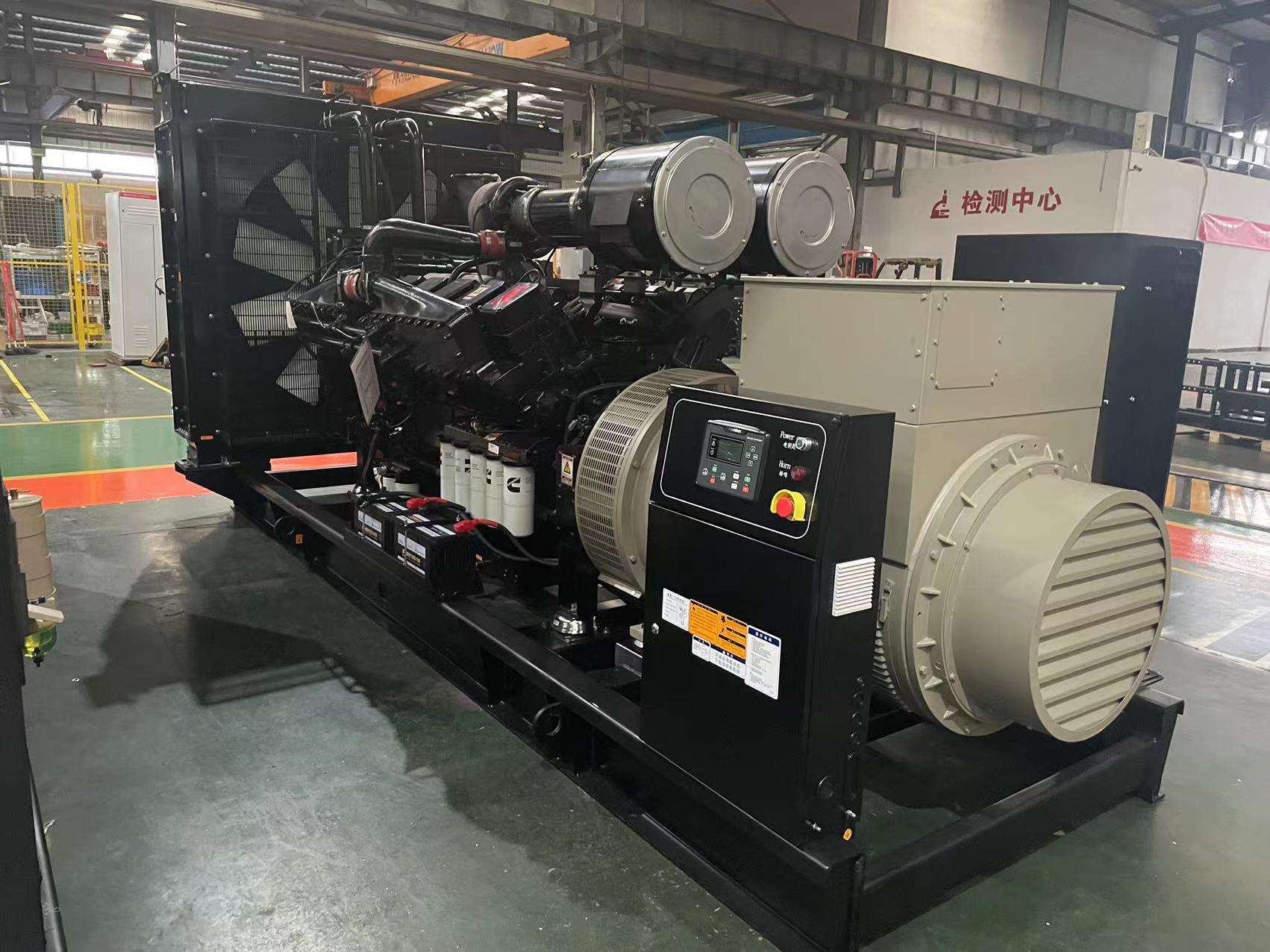
This data center generator sizing guide explains how Tesla Power sizes a set from the measured load list, the N+1 count, the rating class and the runtime the fuel system must hold, and the load study report to request before you contact a supplier.
- Start from the load list. Add the IT load, the cooling load, the UPS losses and the ancillary bus, then measure rather than sum the nameplates.
- Choose the N+1 count first. The number of sets sets the size of each one, and the phasing plan decides how the hall grows later.
- Match the rating class to the duty. The the ISO 8528-1 rating class on the quotation decides how long each set may run at its test step.
- Prove it at commissioning. A load bank step test and a fuel transfer record are the two documents that matter most.
What Does a Data Center Generator Sizing Guide Start From?
A data center generator for colocation starts from the measured load list, not the sum of the equipment nameplates. Servers and storage rarely draw their nameplate figure at once, so a metered reading over a full week is the honest base, and the cooling plant follows the IT load with a delay. A load study that adds 10 to 20 percent for growth over the base year is the norm for a hall that will fill up in stages.
The number of sets comes next. A single-set hall sized for the whole load is cheap to buy and fragile to run, because one failure takes the site offline, so most operators choose two smaller sets in a duty and standby pair, or three sets that share the load with one spare. Our data center generator sets are drawn against the N+1 count before the quotation, and Tesla Power draws that block diagram first because the count drives everything that follows.
What Does N+1 Mean for Data Center Generator Sizing?
N+1 means the site can lose one set without losing the hall. If the hall needs two sets to carry the load, the plant holds three, and each set is sized for the full load rather than half of it. The cost is capacity that sits idle on a normal day, and the benefit is a maintenance window that does not need an outage.
Two configurations dominate. A duty and standby pair keeps one set exercised under load while the other waits, and a shared-bus plant runs both sets at part load. The shared bus offers better fuel efficiency at low hall load, but it doubles the switchgear and the control complexity, and the phasing plan on site usually decides between them long before the quotation is written. Tesla Power draws both options on the same sheet so the choice is visible before the order.
How Do You Build the Load List for a Data Hall?
The load list is a table, not a number in an email. List every feed in the hall: the IT load by row, the cooling plant, the UPS losses, the lighting and the ancillary bus, each with a measured or calculated figure and the time of day it peaks. The power ratings guide explains how the classes on the nameplate limit each step, and the load list is where the class is applied to the site.
Cooling is the line that surprises buyers. A data center generator in retrofit halls inherits its cooling step profile from the plant that was built around it, and the alternator must accept that step without tripping. Ask for the load acceptance curve with the quotation, because that page proves the set survives the step the cooling plant produces on a hot afternoon.
Which Rating Class Fits a Data Center Generator?
The rating class decides how long the set may run at each load step. The ISO 8528-1 family defines emergency standby power as a short-duration duty, prime power for unlimited hours and continuous power for a constant load, and a hall that will run for days on generator needs the prime or continuous band. A set sold as standby is not the same machine as a set sold as prime, even at the same kVA figure.
Most data halls therefore buy prime-rated sets, because the grid failure that starts the generator is usually followed by hours of run time, not minutes. Our prime and standby duty guide compares the classes side by side, and the NFPA 110 emergency power supply standard sets the transfer and start timing North American operators apply on top.
What Runtime Should the Fuel System Guarantee?
Runtime is a contract, not an estimate. The operator sets a self-funded target, commonly 24 to 72 hours on site fuel, and the supplier sizes the base tank, the day tanks and the delivery contract to hold it. A hall with dual fuel sources holds the higher figure, and the number belongs in the specification so the sizing is auditable.
The arithmetic is simple once the load is known. A 1000kVA set at 0.8 power factor delivers 800kW, so 1000kVA × 0.8 = 800kW covers a 600kW hall with the cooling load added on top. Fuel burn at 75 percent load drives the volume, and a metered burn figure from the factory test beats a catalogue average every time. Tesla Power sizes the base tank to that metered number, not to a rule of thumb.
| Load block | Typical share of hall load | Sizing note |
|---|---|---|
| IT load, servers and storage | Base figure, measured | Meter over a week, do not sum nameplates |
| Cooling plant | 30 to 50 percent of IT load | Includes the compressor start step |
| UPS conversion losses | 5 to 10 percent of IT load | Use the efficiency at the real load |
| Lighting and ancillary | Small, added to the base | Count it once, not twice |
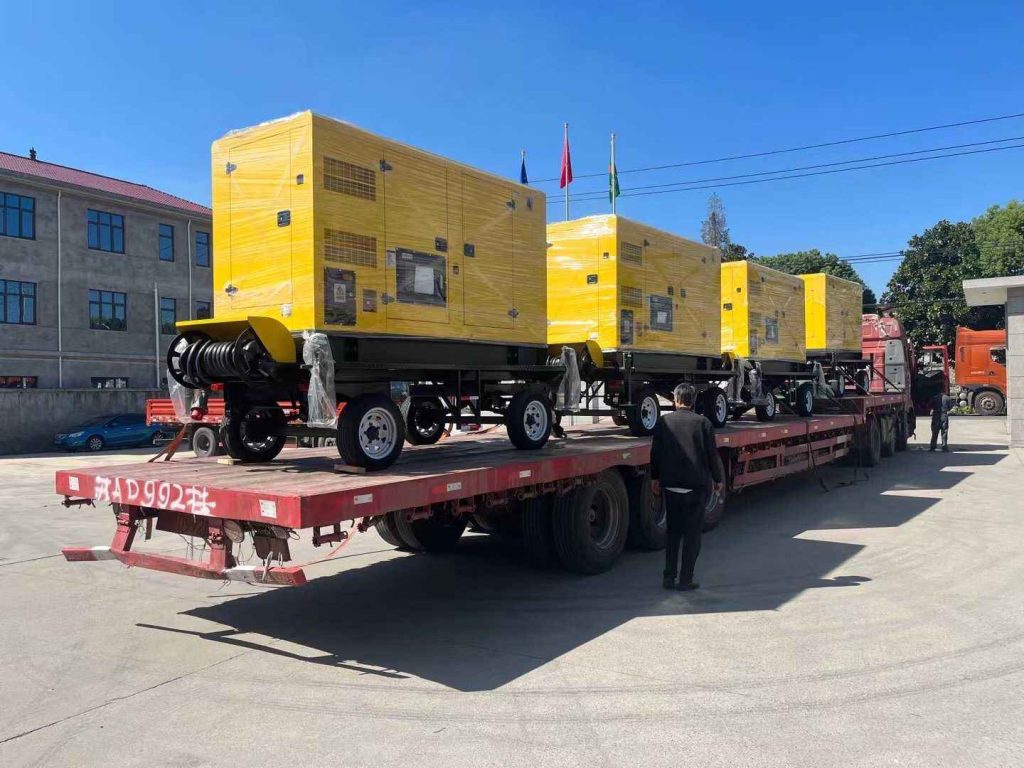
How Does the UPS Interact with the Generator?
The UPS and the generator share the hall without sharing a job. The UPS rides through the seconds between the grid loss and the generator taking the load, and the generator carries the steady state, so the set is sized for the hall load the UPS delivers, not for the UPS rating alone. Oversizing the set to match the UPS nameplate is the most expensive mistake in the room.
The battery runtime is the other half of the design. A UPS that holds the load for five minutes needs a generator that starts and accepts load inside that window, which is why the transfer philosophy and the step-load capability belong in the same specification. The load factor guide works through the numbers a hall should hold between the two systems.
What Should the Commissioning Test Prove?
Commissioning is where the sizing is proved or found wanting. The step test runs each set through the load steps the hall can actually produce, records the voltage and frequency at each step, and demonstrates the transfer from the UPS with the cooling plant running. A step that stalls the set is a sizing finding, not a test failure, and it is cheaper to find on the test day than in the first storm.
The records from that day carry the project forward. Tesla Power Equipment ships the factory test report, the load acceptance curve and the as-commissioned step record against the serial number, and the operator keeps them with the load study. Data center generator manufacturers who cannot produce serial-matched records from their own factory are trading companies, not builders.
How Do Cooling and Contamination Change the Size?
The room around the generator matters as much as the hall it serves. High ambient temperature reduces the rating a set can hold, so a plant room at 45 degrees needs a derated set or a bigger cooler, and the derating figure belongs in the sizing file. Salt, dust and humidity shorten the service intervals and push the filtration specification up a grade.
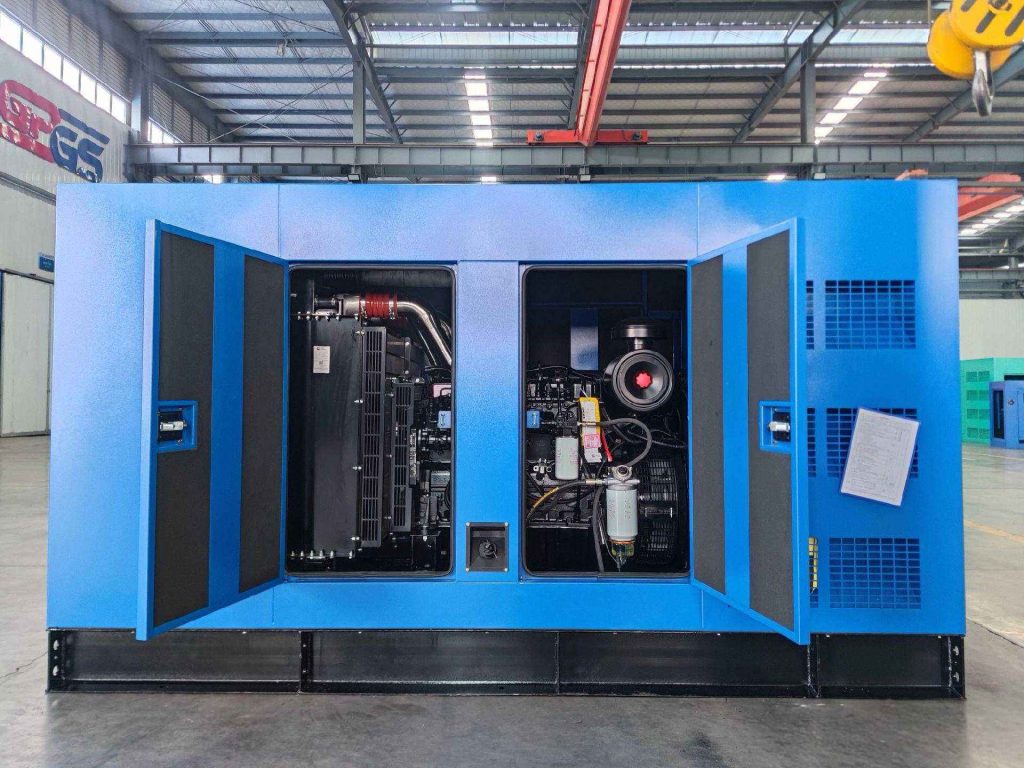
The airflow calculation for a data center generator in tight plant rooms is part of the sizing exercise, not an afterthought. A set installed in a confined space recirculates its own radiator air, the coolant temperature climbs and the rating falls, so the airflow page belongs beside the rating plate. Tesla Power publishes the temperature rise and the airflow requirement for each export set.
What Documents Should the Supplier Provide?
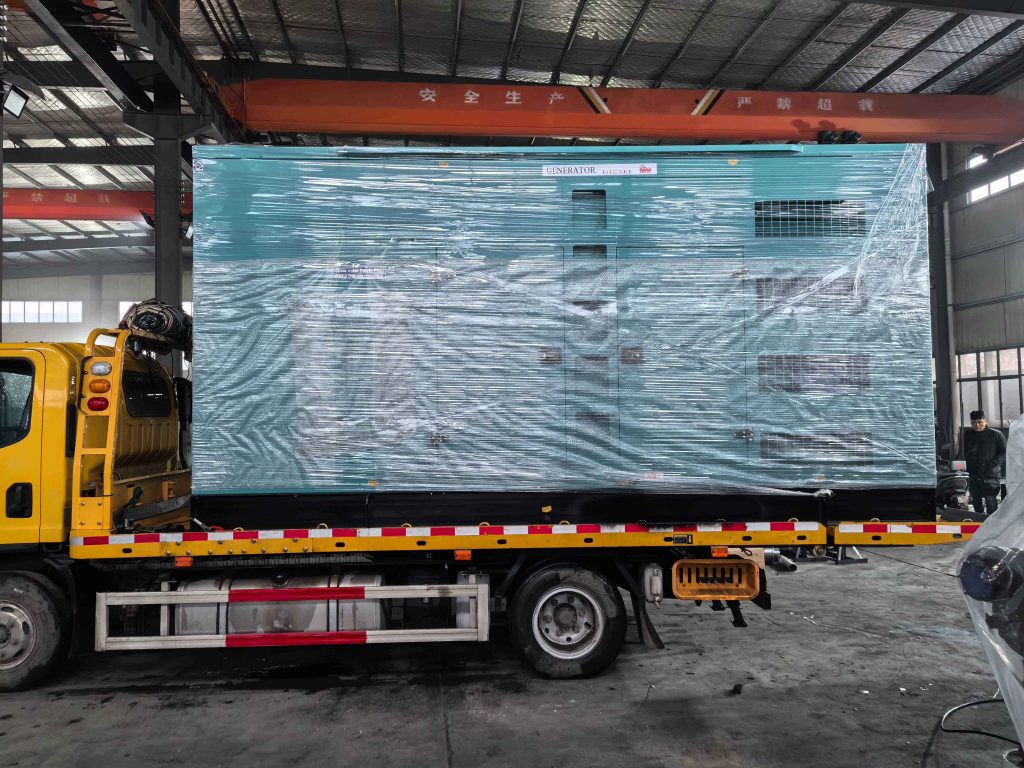
Ask for the paper before the purchase order. The load study summary, the rating sheet with the class stated, the load acceptance curve, the fuel consumption at the test steps and the factory test report are the five documents that make a quotation auditable, and the conformity assessment for the export market follows the same five. Data center generator suppliers in China who quote without them are selling a machine, not a solution.
The commercial path is easier with those documents in hand. Send the load list and the audit report when you request a quote, and the reply will name the rating, the N+1 count and the fuel volume instead of a guess. Our factory profile and certifications page lists the test house we use, and the contact our technical team desk answers sizing questions within one working day.
How Do You Phase Growth Without Oversizing?
Phasing is the budget answer to a hall that fills in stages. The first phase installs the sets the measured load needs, and the design reserves the plinth, the busbar and the fuel manifold for the units that arrive later. Oversizing on day one wastes fuel and lets the engine run below its clean window for years.
The reserved capacity must be drawn, not imagined. The busbar section, the breaker slot and the tank volume belong on the drawing with a date, and the second phase is a connection job rather than a redesign. Tesla Power Equipment ships the expansion interface with the first set so the second module lands on the same plinth without rework.
Frequently Asked Questions
Most halls run two or three sets. Two sets work as a duty and standby pair, and three sets allow both to share the load with one spare. The count follows the availability target the operator sets, and each set is sized for the whole hall load rather than half of it.
Start from the measured load list, add the cooling plant and the UPS losses, then apply the growth margin. A 1000kVA set at 0.8 power factor delivers 800kW, which covers a 600kW hall with cooling added. The rating class on the quotation decides how long that figure may be held.
Runtime depends on the fuel the site holds and the delivery contract behind it. Operators commonly self-fund 24 to 72 hours on site, and a hall with dual sources holds the higher figure. The burn figure from the factory test converts that target into a tank volume.
A correctly sized set runs near, not at, its rating on a normal day, because the hall load moves with the seasons and the shift pattern. Running permanently at full load leaves no headroom for the cooling step, and running far below the rating raises the maintenance load. Both ends of the band are sizing errors.
N+1 means the plant holds one more set than the hall needs. If two sets carry the load, three are installed, so a single failure or a service window does not take the site offline. The cost is idle capacity, and the benefit is maintenance without an outage.
The prime or continuous band, not the emergency standby rating. A hall that runs for days on generator needs unlimited running hours at the load step, and the ISO 8528-1 rating class on the quotation states which band the quoted figure belongs to.
Size the generator for the hall load the UPS delivers, not for the UPS nameplate. The UPS carries the seconds between the grid loss and the generator taking the load, and the generator carries the hours after that, so the battery runtime and the step-load capability belong in one specification.
Ask for the load study summary, the rating sheet with the class stated, the load acceptance curve, the fuel consumption at each test step and the factory test report, all matched to the serial number. Tesla Power ships these with every export set, and the as-commissioned step record should sit beside them in the operator file.