
Generator fuel tank capacity sizing sets the tank volume from the set's running hours and fuel burn, so the unit does not stall between refills. The method covers runtime duty, spill containment and local rules, and helps buyers compare generator manufacturers before requesting a scoped quote. Tesla Power's team applies the same duty profile on export sets.
- Start from the daily running hours, not the catalogue rating.
- Size the tank for the worst-case refill interval, not the average week.
- Check secondary containment against the local spill rule before you pour concrete.
- Ask the supplier for the as-tested fuel burn at 75% load, not the brochure figure.
What Generator Fuel Tank Capacity Sizing Must Cover
Two inputs decide the tank volume. The first is how many hours the set runs between refills, because that sets the stored energy you cannot do without on a long outage. The second is the fuel burn (see the generator load factor) at the load you actually carry, not the nameplate maximum that the brochure prints. A duty profile built from the site's real weekly run sheet beats any guess from the catalogue, and it survives the first busy week.
A tank sized only to the catalogue rating fails on the first peak. A hospital may run 24 h a day during a grid outage, while a construction site may run eight hours and idle the rest of the shift. China generator suppliers see both patterns, and the wrong assumption wastes floor space or causes a stall at the worst moment. The tank is part of the reliability chain, not a separate line item that the estimator adds later.
How Many Running Hours Should the Tank Cover?
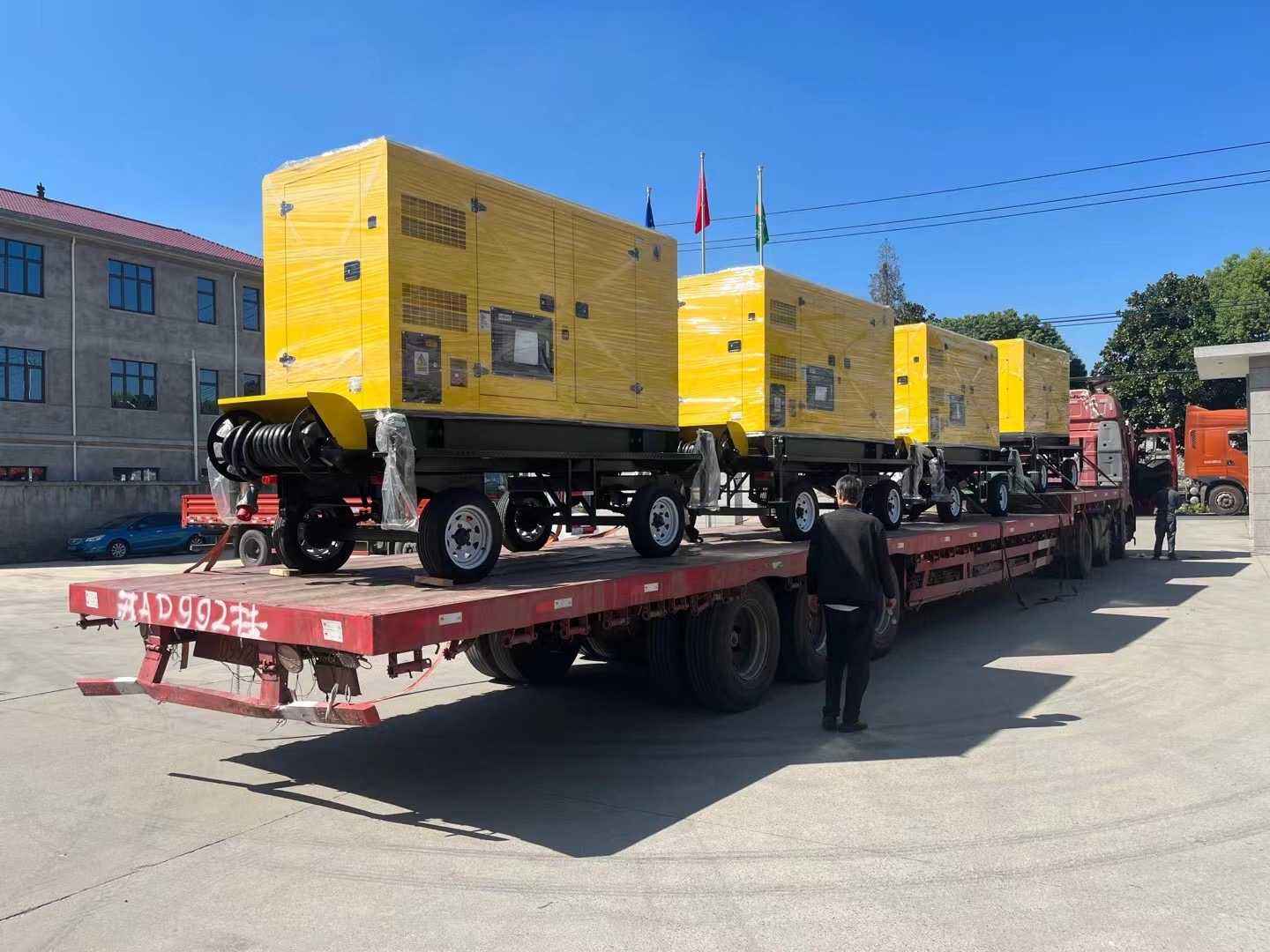
The refill interval drives everything else. Write down the longest stretch the set must run with no fuel delivery, then add the time for a driver to reach the site across a slow road. A remote telecom site with a weekly delivery needs a far larger tank than a city building with a daily fill. Tesla Power's autonomy bands for each duty type are listed on our help and advice pages.
Most sites plan for one to three days of autonomy before the next fill. A 500kVA set at 400kW and 0.8 power factor burns about 105 L/h, so three days of continuous running needs roughly 7,560 L of storage. Generator for mining site duty often runs longer than that, because the access road is slow in the wet season. Generator for hospital duty may need less autonomy if a second feeder already backs the load.
Which Spill Containment Rule Applies to the Tank?
The bund is not optional once the tank holds more than a few litres of diesel. Most environmental codes require the secondary containment to hold 110% of the largest single tank's volume, or 100% of the total stored volume plus a freeboard margin. That number comes from the spill rule, not from the generator's rating, so size the room before you size the set that sits in it.
Secondary containment basics
A steel or concrete bund around the tank catches a leak and keeps it on the slab where you can see it. The fill point, gauge and level switch sit inside the bund so a hose failure cannot escape to the drain. Generator for hospital sites often pair the bund with a leak alarm that pages the engineer, because a fuel smell near patients is its own emergency. Check the local rule before you specify the material.
Do not let the bund become a sump that also collects rainwater, because that hides a slow leak and defeats the point. Many sites add a breaker valve on the drain so the bund stays dry between checks. Tesla Power Equipment documents the bund volume on the layout drawing, because an inspector will ask for it during commissioning and the record must match the slab.
How Do You Calculate the Daily Fuel Volume?
Multiply the as-tested burn by the running hours, then check it against the refill plan you already wrote. Use the burn at the load you carry, not the maximum, because a set at 75% load burns far less than one at full output. A worked example shows how the pieces fit together and where the margin enters the sum.
Worked example for a 500kVA set
Take a 500kVA set at 0.8 power factor, so 400kW. At 75% load it burns about 105 L/h. Daily fuel for an 8 h run = 105 L/h × 8 h = 840 L. A 2000 h/year duty therefore needs 105 L/h × 2000 h = 210,000 L, so a 1000 L day tank covers 1000 L ÷ 105 L/h = 9.5 h before refill. Diesel sets burn about 0.26 L/kWh at three-quarter load, a figure the maker's data sheet should confirm before you quote.
| Input | Value | Used for |
|---|---|---|
| Running hours per day | 8 h | Daily volume |
| Fuel burn at 75% load | 105 L/h | Per-hour draw |
| Autonomy required | 3 days | Tank floor |
| Bund capacity rule | 110% | Spill volume |
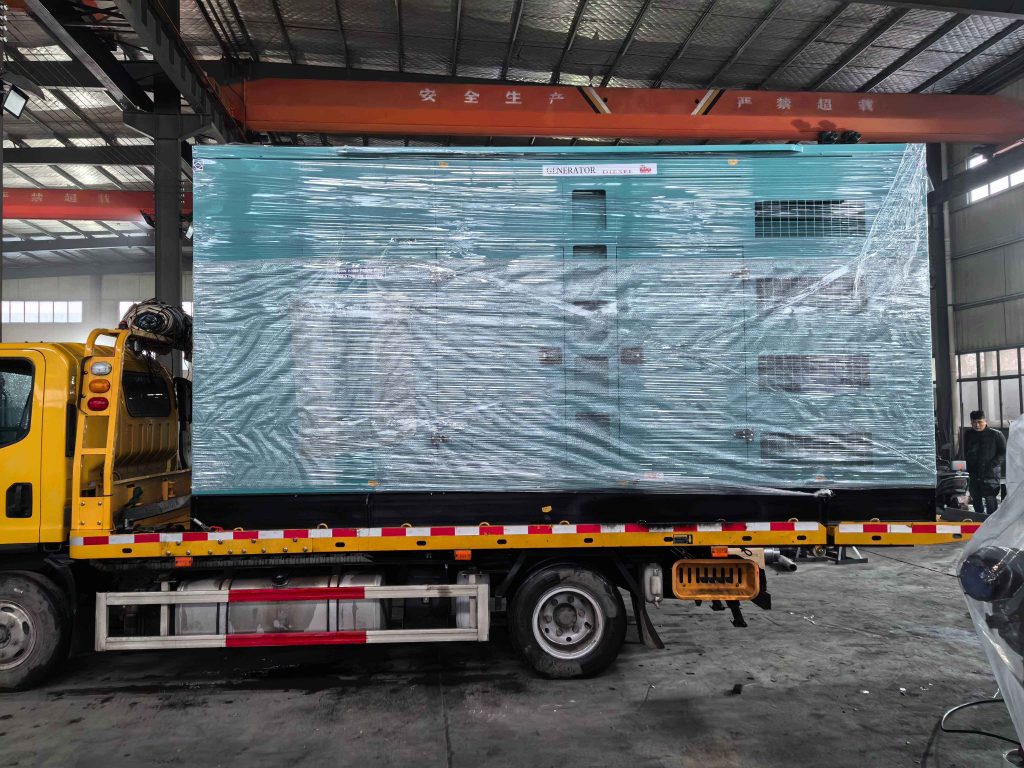
The numbers above are a planning floor, not a quotation for your site. A set at 50 Hz and 1500 rpm may burn a little less than the same nameplate at 60 Hz and 1800 rpm, because the slower engine spends more time in its efficient band. Our 100kVA standby set page lists the as-tested figure we use for that frame. Read the burn from the load log, not the curve on the wall.
Keep the tank below the room's ventilation path so vapour cannot reach the air intake. A bund that traps fumes near the intake can trip the gas detector, and that stops the set you sized the tank to feed. Generator oem manufacturers often build the tank into the skid, which shortens the pipe run and removes one leak path. Ask for the bund drawing before you approve the layout and the pour.
What Does the As-Tested Fuel Burn Tell You?
The brochure figure is a laboratory number at one load point, while the as-tested burn is measured on your set at your altitude and your air filter. A set on a 2000 m site burns more per kilowatt than the same set at sea level, because thin air leans the mixture and raises the specific consumption. Tesla Power records the as-tested burn on the fat test sheet we ship with every export unit, so the number is traceable.
Two sets with the same nameplate can differ by several percent once you add the radiator, the silencer and the actual fuel. A 250kVA set and a 1000kVA set do not scale linearly, so do not multiply a small-set figure up to a large one. The ISO 8528-1 standard defines the rating classes the test must report, which keeps the comparison honest between suppliers who quote the same word.
Where Should the Tank Sit in the Generator Room?
Keep the tank close to the set but outside the exhaust path, because short pipe runs mean fewer joints to leak and less prime loss on the lift pump. The tank also needs clearance for the gauge and a fill pipe that reaches the bund without a tight bend. Yangzhou Tesla Power lays the pipe route on the same drawing as the set, because the two are one system that the installer should not rediscover on site.
Clearance and ventilation
The tank must not block the radiator discharge or the intake louvres, or the room runs hot and the set derates under load. Leave a walkway so a technician can read the gauge with the set running, and keep the fill point away from the control panel where the spark risk lives. A 72 dB(A) at 7 m set still needs a quiet corner for the gauge check, because you cannot hear a small leak over the engine note.
Pipe the vent and the fill so a delivery truck cannot overfill the bund on a fast pour. A high-level alarm that stops the pump beats a mop, and it costs little next to the tank itself. Our mobile trailer generator page shows how we route the fill on a skid-mounted unit that ships as one piece. Speak to our engineering team for the drawing set we use.
Which Standards Touch Fuel Tank Sizing?
The tank sits where several rules meet at once. Emission and containment codes set the bund and the vapour path, while the rating standard sets how the burn is measured for the comparison. Generator ce marking requirements cover the tank only as part of the machinery, so read the clause before you claim compliance on the declaration. Tesla Power lists the applicable modules on the paperwork we supply with the set.
Conformity assessment for EU Stage V ties the engine's emission class to the installation, and the bund is part of that file the auditor opens. The EPA emission standards do the same for North American sites, while EU 2016/1628 sets the non-road limit the tank's engine must meet. None of these size the tank, but all of them shape the room it lives in and the coating you specify for the steel.
Local fire and building codes often add a setback from the boundary or a double-wall rule the European text does not mention. A 100kVA set in a city basement faces tighter rules than the same set on a remote pad, so confirm the local sheet before you pour the slab. The layout that plans the tank early avoids the costly late change that the static set does not.
How Often Should You Inspect the Tank?
Inspection is cheap insurance against a stall you could have seen coming on the log. Check the gauge against the delivery docket, look for weeping at the joints, and confirm the bund is dry after the rain. A set that sits for months between runs still sweats at the seals, so the check is about time elapsed, not running hours stacked on the meter.
Visual and gauge checks
Read the gauge on the same day each week and graph it, because a slow drift shows a leak the eye misses on a single visit. Generator for telecom tower sites often run unattended, so a remote level signal that pages the operator replaces the walk-round that nobody makes. Tesla Power Equipment fits the sensor as standard on skid tanks, because a site with no staff still needs to know the level at all times.
Sample the water bottom once a season if the climate is humid, because water in the diesel grows the bug that clogs the injector and stalls the start. Drain the sump before it reaches the pickup, and keep the fill cap sealed between deliveries so the rain stays out. A maintained tank outlasts the set it feeds, and the cost is a few minutes a week from the operator.
What Do Buyers Often Miss When Specifying the Tank?
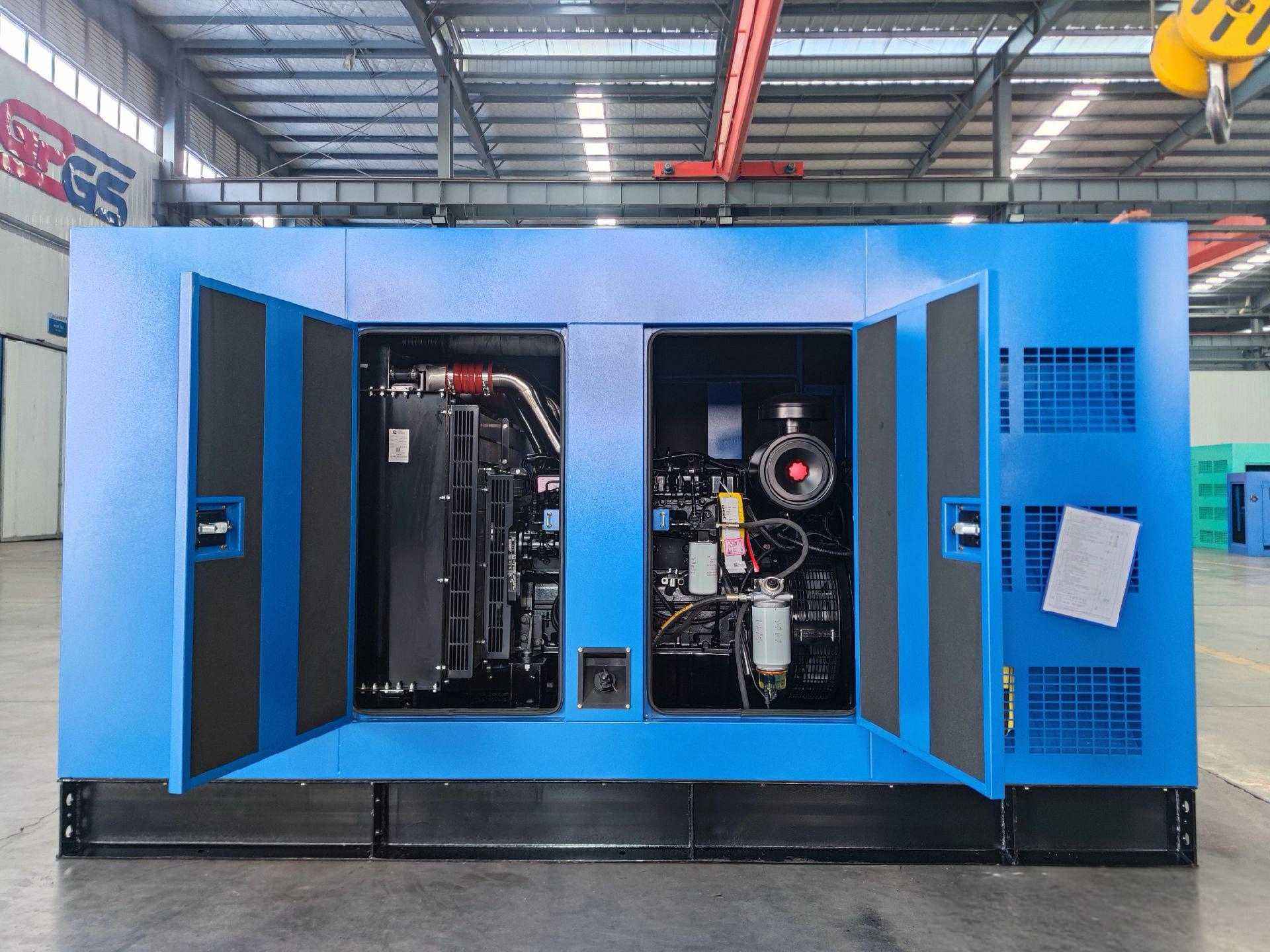
The tank is the last line on the quote and the first thing to fail in the field, so it deserves the same attention as the alternator you priced first. Buyers fixate on kVA and forget the refill logistics, then discover the access road is closed for three days. Generator load factor decides the burn, and the refill lead time decides the volume, so size for the bad week, not the quiet week the forecast showed.
A 200kW set on a coastal site needs a tank that resists the salt air as much as it resists the leak, so specify the coating before you sign the order. The generator load factor guide explains how the duty profile feeds the burn, and the maintenance schedule page lists the tank checks we recommend for the field. A generator room design that plans the tank early avoids the late change, and a construction-site generator needs the mobility the static set does not. See the diesel generator price list for the tank options we quote, and start the layout from the refill plan you wrote.
Frequently Asked Questions
A 500kVA set at 400kW and 0.8 power factor burns about 105 L/h at 75% load. For one day of eight running hours plan roughly 840 L, and for three days of autonomy plan about 7,560 L before you add the bund margin. Read the as-tested burn, because altitude and air filter change the real draw you will see on site.
Yes, once the tank holds more than a small volume most environmental codes require a bund that holds 110% of the largest tank, or 100% of the total plus a freeboard. The bund keeps a leak on the slab and away from the drain, and the inspector will ask for the volume on the drawing during commissioning of the set.
Keep the tank close to the set to shorten the pipe run, but outside the exhaust and ventilation path so the room does not overheat under load. Short pipe means fewer joints to leak, and a clear walkway lets a technician read the gauge with the set running. Plan the fill point away from the control panel where the spark risk lives.
Use the as-tested burn at the load you actually carry, not the brochure maximum that the maker prints. A set at 75% load burns far less than at full output, and a 2000 m site burns more per kilowatt than sea level. Diesel sets burn about 0.26 L/kWh at three-quarter load, a figure the maker's data sheet should confirm before you quote the tank.
Check the gauge against the delivery docket weekly and graph the level, because a slow drift shows a leak the eye misses on one visit. Sample the water bottom each season in humid air, and drain the sump before it reaches the pickup. A maintained tank outlasts the set it feeds, at a cost of a few minutes a week from the operator.
The ISO 8528-1 standard defines the rating classes and the test the maker must report, so the burn you compare between suppliers uses the same basis. EU 2016/1628 and the EPA emission standards set the engine limit, while the local fire code sets the bund and setback you must respect. Read all three before you approve the layout for the site.
Generator fuel tank capacity sizing is only as good as the duty profile behind it, so send us your running hours and refill lead time and our engineering team will size the tank, the bund and the room together. Tesla Power builds the fuel system as one package, so the set and the tank stay in agreement on site from the first start.