
Genset ATS timing is the set of delays a transfer switch holds before it starts, cranks and retransfers a standby genset, and the three windows decide whether a site rides through an outage without a dropped load. This guide explains how the sense delay, the crank window and the retransfer timer work together, why an open transition needs a longer dead time than a closed transition, and which values hold up on an export project. Yangzhou Tesla Power Equipment Co., Ltd. ships the panel and the set as one matched package so the numbers on the timer dial match the start sequence on the engine controller. Buyers who ask our sales desk with the site load and the utility conditions receive a timing sheet alongside the quotation. Read the windows below, then request a quote with the panel type named so the ATS arrives pre-set to the site values before the shipment books.
- Sense delay: the utility-loss window before the start signal fires, usually 1 to 10 seconds on a cold-standby site.
- Crank window: how long the starter stays engaged before a rest cycle, matched to the engine controller setting.
- Retransfer delay: the cool-down wait before the load moves back to the mains, typically 2 to 30 minutes.
- Transition type: open breaks the load for the move; closed parallels briefly and needs utility approval.
What Does Each of the Three ATS Timing Windows Do?
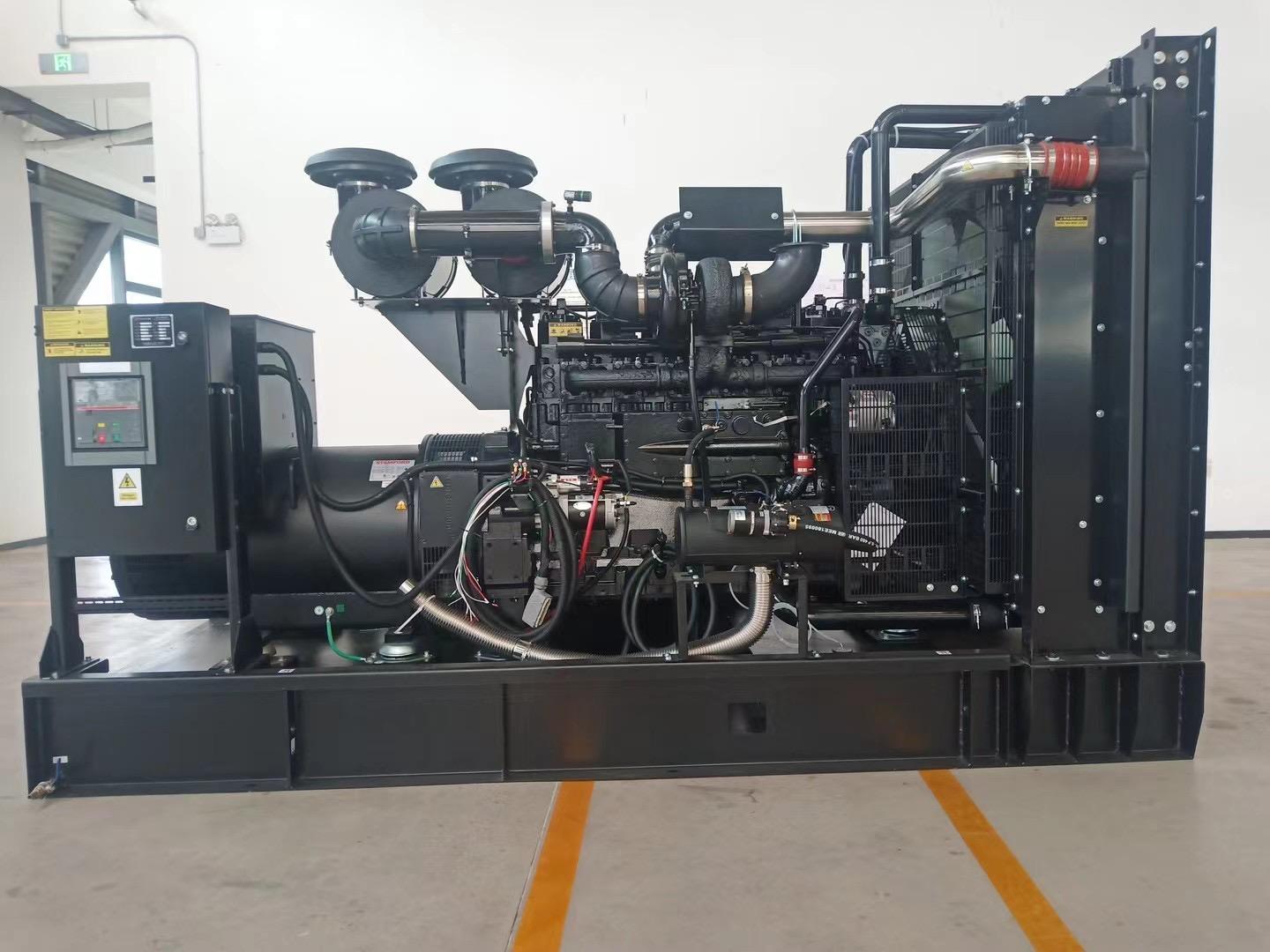
A transfer switch does three things in sequence, and each step owns its own window. The sense delay watches the utility and decides when an outage is real. The crank window covers the engine start attempt and hands the load over only once voltage and frequency settle. The retransfer window holds the load on the genset until the mains has proven itself stable again. Genset ATS timing is therefore not one number on a dial but three numbers that have to agree with each other.
The three values interact. A panel that senses loss in 2 seconds but cranks for 15 seconds still delivers power 17 seconds after the outage, and a set that starts fast but retransfers after 3 seconds may dump the load back onto a utility that is not ready to take it. For a 500kVA set at 0.8 pf = 400kW on a 400V bus, the whole chain from outage to breaker close must sit inside the ride-through the site equipment tolerates. Tesla Power writes the three values on the commissioning sheet so the electrician sets each dial once.
Genset ATS Timing: The Sense Delay That Decides When the Set Starts
The sense delay exists to ignore events that are not outages. A voltage dip from a neighbouring motor start, a momentary breaker reclose or a short brownout all look like a loss to a naive relay, and every false start costs fuel and wear the site did not budget for. Panels therefore wait for the failure to persist: 1 to 3 seconds for sites with UPS ride-through, 5 to 10 seconds where the load can tolerate the gap.
Pick the delay from the load, not from habit. Data rooms with batteries keep riding during the window, which is why genset ATS timing for data rooms can sit toward the long end. Refrigerated warehouses without storage ride nothing, so the delay sits near the low end with a genset that starts reliably. A genset in a factory that already holds surge margin can stretch the window, while a hospital wing cannot. Cross-check the switch side before locking values: the transfer panel notes explain what the switch itself must survive while the timers run.
How the Crank Window Works with the Start Sequence
The crank window is the time the starter motor stays engaged before the controller rests it. Engine makers publish a duty cycle, often 10 to 15 seconds of cranking followed by a rest, and the ATS crank window must match the controller setting rather than fight it. A window shorter than the controller rest means the panel declares a failed start while the engine would have fired on the next attempt.
Coordinate the two devices as one chain. Genset controllers accept a crank-rest-crank sequence, and the ATS should allow the full sequence plus margin for a cold engine. On cold sites the glow plug or jacket heater extends the effective window, and a block heater keeps the first attempt inside it. Tesla Power pairs the panel and the controller at the factory, so the crank window on the ATS equals the sequence the controller ships with.
Open Transition or Closed Transition for the Site Load?
An open transition breaks the load for the moment of transfer, and the break lasts tens of milliseconds while the mechanical switch moves. A closed transition briefly parallels the genset with the utility for under a second, so the load rides through the changeover without an interruption, but the utility usually requires permission and a synchronising check before the closure is allowed.
The choice drives the timing values. Open transition adds the dead time to the exposure calculation, so sensitive loads sit behind a UPS and the sense delay gets shorter. Closed transition removes the break but adds a synchronise window the controller must hit on every attempt, and Tesla Power Equipment builds those panels with the check relay included. Export buyers should confirm which type the local utility accepts before the order is placed, not after the panel lands.
Retransfer Delay and the Cooling Run
The retransfer delay keeps the load on the genset after the mains returns, because a utility that flickered back once can just as easily drop again. Panels wait 2 to 30 minutes: the long end suits utilities with known reclose loops, the short end suits sites where fuel is scarce. The delay also gives the engine a cooling run at partial load before shutdown, and the step load acceptance guide shows what the block does to the bus the moment the switch closes.
A genset for a telecom site often holds the load for the full 30 minutes because fuel is stocked on site, while a construction crew retransfers in 5 minutes to save diesel. Set the value with the fuel plan open, and record the reasoning on the commissioning sheet so the next technician inherits the logic. Tesla Power lists the retransfer band on the quotation so the fuel plan and the timer dial agree before the crew arrives.
What the Standards Say About Transfer Windows
Standards shape the windows indirectly. NFPA 110 requires the emergency system to pick up load within 10 seconds for Type 10 applications, which pushes the sense delay and the crank window together under that ceiling, and inspectors read the ATS timers during the acceptance test. the NFPA 110 transfer switch check names what the panel must prove on that walk-through.
ISO 8528 governs the set side. the ISO 8528-1 classification rules define how much voltage and frequency dip the set may show while picking up a block, and the ATS window must absorb whatever the set needs. A panel set tighter than the set can meet simply transfers a failed start, so read the two documents together before the timers are locked.
| Window | Typical band | What moves it |
|---|---|---|
| Sense delay | 1 to 10 seconds | UPS ride-through, false-start filtering |
| Crank window | 10 to 15 seconds per attempt | Engine duty cycle, cold-site heating |
| Retransfer delay | 2 to 30 minutes | Utility reclose loops, fuel plan |
| Closed-transition sync | Under 1 second | Utility permission, check relay |
| Outage to load, total | 7 to 25 seconds | Sense plus crank plus breaker close |
How Do You Test ATS Timing on a Live Site?
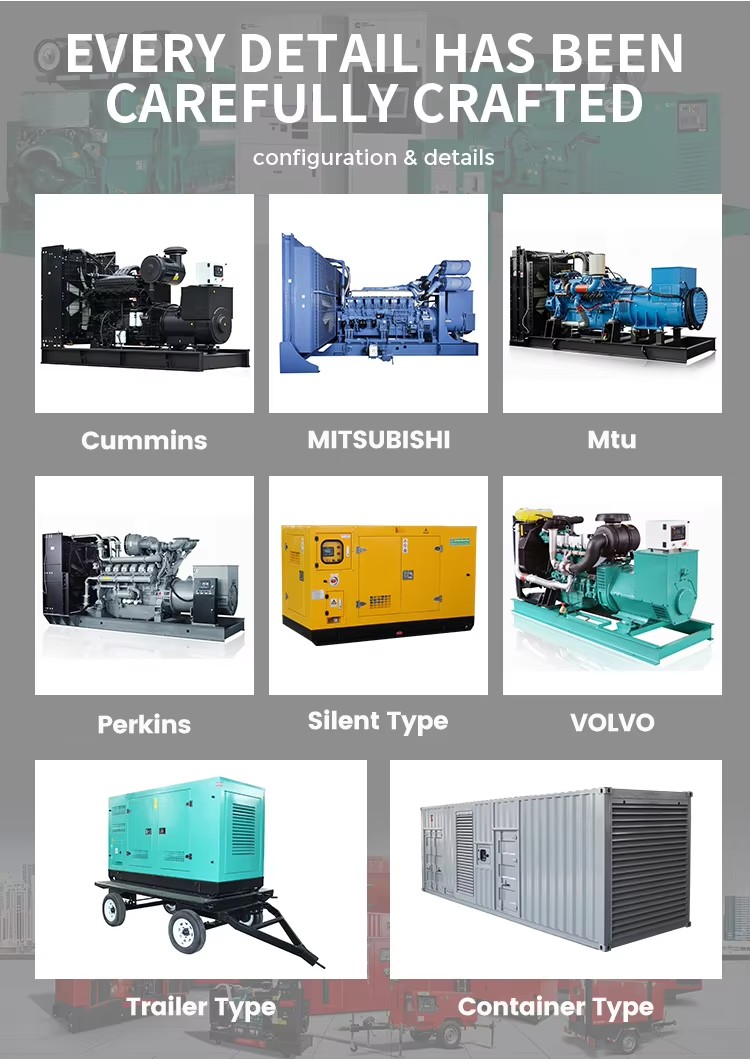
Test with the real load, not a spreadsheet. Put the panel in test mode, open the utility breaker by hand, and log four timestamps: utility loss, start signal, breaker close and voltage stable. Repeat the run three times, because a single clean pass hides a marginal crank. Log the ambient temperature too, because a cold crank takes longer than a warm one and the record should show why.
Verify the retransfer side the same way, watching that the cool-down run completes before the switch moves back to the mains. A weekly test run of 2 hours at 400kW = 800kWh of recorded burn, which is also the evidence an inspector wants that the window holds under load. The controller prints the timer log, so the printed file ships with the handover pack and the crew confirms the dials against it rather than copying values by hand.
Genset ATS Timing and the 500kVA Export Frame
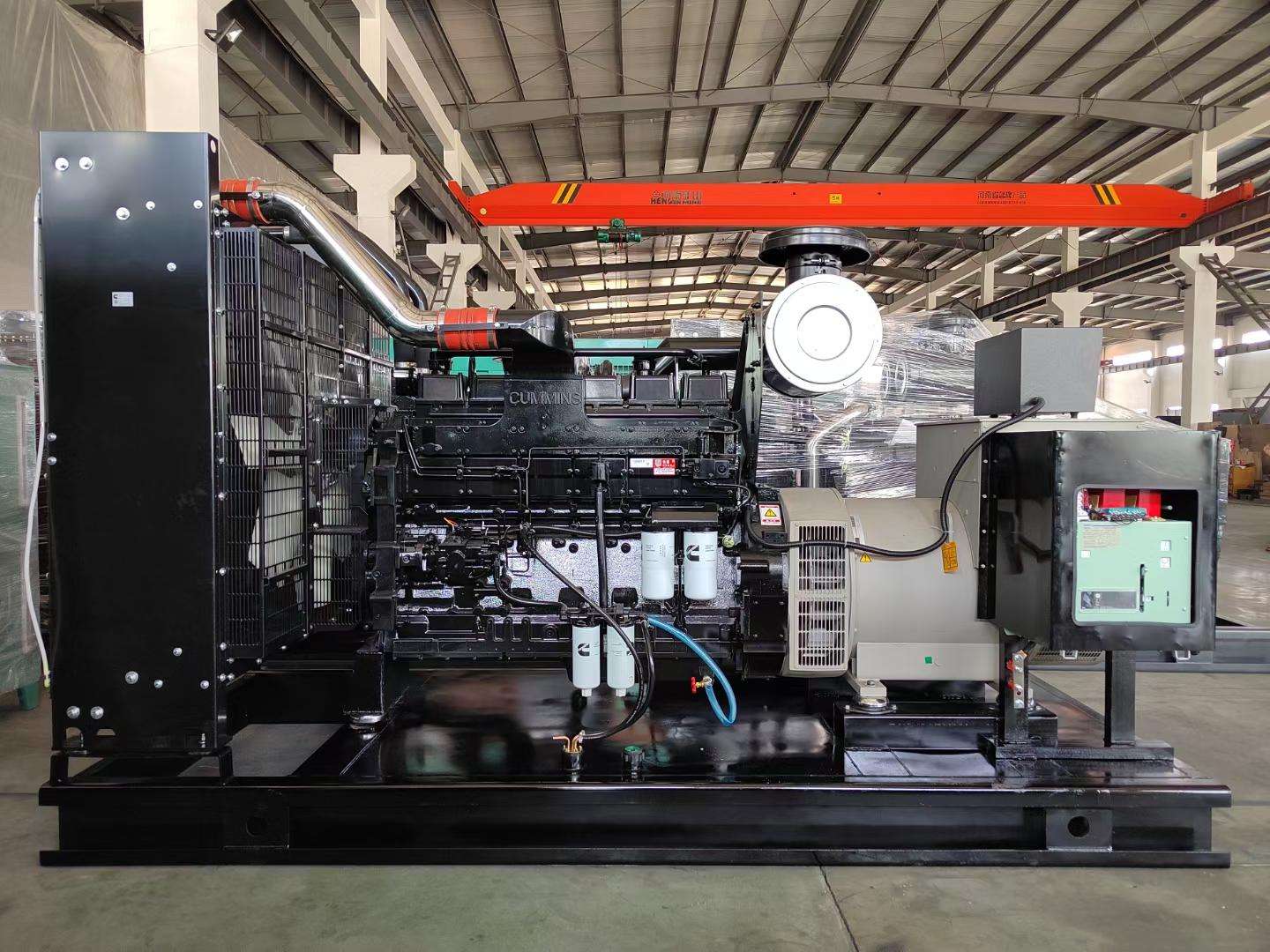
The 500kVA frame is the export workhorse for factories and mid-size sites, and its ATS timing follows the same three windows at any rating. An ATS in a canopy build arrives with the timers pre-set, and the 500kVA silent set with an ATS documents the values in the handover pack. Custom genset builders quote the panel and the wiring loom together, and Tesla Power pre-sets the timers before the canopy closes, so site crews only confirm the sense delay against the local utility behaviour.
Timing also interacts with the start response the site has already measured. If the set needs 7 seconds to reach rated frequency, a panel that closes in 8 seconds transfers a sagging bus, and the step the load sees is the difference between the two. Read the start response note next to see how that figure is measured, and keep the two sheets side by side at commissioning. the start response note walks through the measurement step by step, and the voltage sag note shows what that closing step does to the bus the load lands on.
Frequently Asked Questions About Genset ATS Timing
It senses the loss, waits out the sense delay, sends the start signal, watches voltage and frequency settle, then closes onto the genset. The whole chain is the outage-to-load time, and the three timers inside it are what the commissioning sheet records.
One to three seconds where the load rides through on a UPS, five to ten seconds where it does not. The delay must ignore recloser flickers and motor-start dips, so read the utility's switching history before locking the value on the dial.
The window must cover the controller's crank-rest-crank sequence with margin. Cut it short and the panel declares a failed start while the engine would have fired on the next attempt, which turns a startable outage into a dropped load.
Open breaks the load for tens of milliseconds during the move; closed parallels the genset with the utility for under a second so nothing drops. Closed needs utility permission and a synchronising check relay, which open transition does not. Tesla Power builds both types and marks the transition type on the nameplate so the inspector reads it first.
Two to thirty minutes. Fuel-stocked sites hold the full window so a reclose loop cannot dump the load twice; fuel-scarce sites retransfer early and accept the risk. Record the reasoning, not just the number, on the commissioning sheet.
Yes. Exercise the panel monthly under load, log the four timestamps, and compare them against the commissioning sheet. Drift in the timers shows up as a longer outage-to-load figure long before the switch mechanism fails outright.
Match the frame current of the set: a 500kVA set at 0.8 pf = 400kW on a 400V bus draws about 722 amps, so the switch and its trip settings are chosen at that frame, not at the genset's peak rating.
Send the site load, the utility conditions and the transition type to Tesla Power, and the quotation names the ATS frame and the timer values together. The pack carries genset ATS timing documentation for export markets, the panel ships pre-set, and comparing genset manufacturers on panel integration beats comparing price alone.