
Diesel generator exhaust temperature high is the earliest warning that coolant, combustion or load is moving outside the band the engine was built for, and it shows up long before a shutdown or a wiped bearing. The reading at the turbo outlet rises when heat is not carried away fast enough, so a high number is a symptom to trace, not a fault to ignore. This guide explains the common causes, the way the limit is measured, and the field conditions that move the reading. Tesla Power sets the alarm point from the engine data sheet so the margin is real, not assumed. Before you request a quote, confirm the exhaust temperature limit at your site altitude and ambient, the coolant specification, and whether the set will run at a sustained high load. A set that stays cool in a 25°C hall can run hot at a 1500m site, so the limit must match the installation rather than the showroom. Read the causes, then compare suppliers on the data sheet they can show instead of the number they claim. Heat is the signal.
- Exhaust temperature is the heat signal that precedes most engine failures.
- The limit comes from the engine data sheet, not from a generic rule of thumb.
- Coolant flow, injection timing and airflow all move the reading the same direction.
- Request the exhaust temperature limit at your altitude before you place an order.
What Drives Diesel Generator Exhaust Temperature High?
Diesel generator exhaust temperature high is driven by anything that leaves heat in the cylinder or blocks its path out of the engine. Low coolant flow, a weak fuel injector that overfuels one cylinder, late injection timing and a restricted air filter all push the turbo-outlet reading up. The set is a heat balance: fuel in, work out, and the rest leaves as exhaust. When the "out" path shrinks, the temperature climbs. Cool it first.
The reading also rises with load, because more fuel means more heat to reject. We see the highest numbers at sustained high load on a hot day, where the radiator already runs near its limit. Tesla Power sizes the cooling package for the site, not the catalogue, so the margin holds when the load and the heat arrive together. The exhaust temperature is the single best daily signal that the balance is still where the data sheet says it should be.
How Exhaust Temperature Is Read in the Field
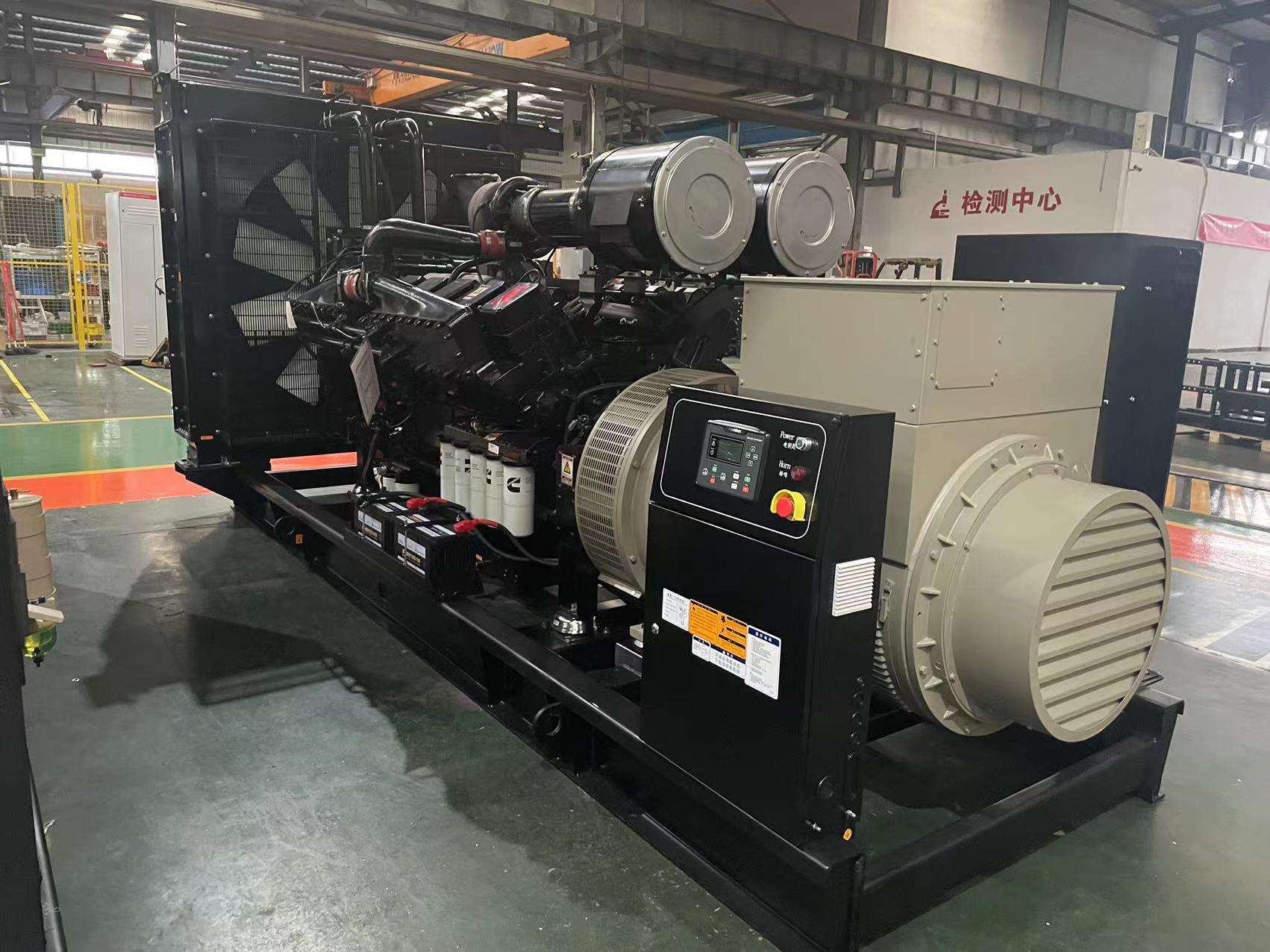
Genset exhaust temperature in the field is read at the turbo outlet with a thermocouple or a pyrometer, because that point sees the true gas temperature before the energy spreads into the stack. The control panel logs the value against the data sheet limit and raises an alarm as the margin closes, so the crew gets a warning while there is still time to act. A 500kVA set at 0.8 power factor delivers 400kW, and at 85% load the turbo-outlet reading should sit well inside the stated ceiling. Log the number.
The reading only means something against the limit that belongs to that engine, so the data sheet is the reference, not a generic number. Generator set sizing bands show how sustained load sits inside the duty profile, and the exhaust temperature is the live proof that the set is inside it. Tesla Power records the alarm point at the class the project specifies, because a cool set at light load tells you nothing about a hot set at full load.
Coolant and Combustion Causes of High Readings
The coolant side fails first in most field cases we trace: a stuck thermostat, a slow water pump or trapped air in the block all cut heat removal and let the cylinder temperature build. Combustion-side causes are the second group, where a worn injector overfuels one cylinder and that cylinder alone runs hot. Late injection timing leaves the burn finishing late, so more heat leaves as exhaust instead of pushing the piston. Trace the cause before you swap parts.
Both paths raise the same number, so the fix starts with isolating which one moved. Tesla Power Equipment tunes the injection and the cooling together at the test cell, because changing one without the other can shift the reading the wrong way. A 100kVA standby diesel generator set page states the coolant specification so the buyer can match the site fluid. The limit in the data sheet is a band, and the set must stay inside it for the load you will really run, not the load on the nameplate.
Why Do Airflow, Altitude and Ambient Heat Raise the Reading?
Restricted airflow is the quiet cause: a clogged air filter raises the delta-pressure the turbo must overcome, the cylinder runs lean and hot, and the exhaust temperature follows. Ambient heat does the same from the other side, because the radiator rejects heat into already-warm air and loses capacity as the day warms. A site at 1500m also loses engine power to thin air, so the set works harder to make the same kilowatts and the exhaust runs hotter. Fix the airflow first.
The recovery matters as much as the rise, because a set that cools back down between loads is healthy, while one that climbs and stays climbed is failing. Genset voltage sag limits explain the electrical side of the same load step, and the two readings are read together on a fault hunt. A set with a clean air path and a correctly sized radiator keeps the exhaust temperature inside the band even when the site is hot, and that is the condition the acceptance test should prove.
Measurement Method and the Data Sheet Limit
The measurement follows the engine builder's method: a thermocouple at the turbo outlet, logged against the rated load and the stated ambient, with the limit taken from the data sheet rather than a rule of thumb. ISO 8528-5 acceptance standard frames the acceptance of the set as a whole, and NFPA 110 emergency standby sets the emergency power context the limit is read in. Tesla Power records the limit at the class the project specifies, because a generic number is no proof for a specific set.
The table below lists the usual cause groups and the check that isolates each one; the published data sheet gives the exact figure for the limit column. A diesel manufacturer must publish the exhaust temperature ceiling with the test condition, because a number without the condition is not a limit you can enforce. Automatic transfer switch timing decides when the load arrives, which is why the step and the temperature are read as one event. Log both at the same time.
| Cause group | What to check | Typical limit source |
|---|---|---|
| Coolant flow | Thermostat, pump, air in block | Engine data sheet |
| Combustion | Injector balance, injection timing | Engine data sheet |
| Airflow | Air filter delta-pressure | Engine data sheet |
| Site condition | Ambient, altitude derate | ISO 3046 / data sheet |
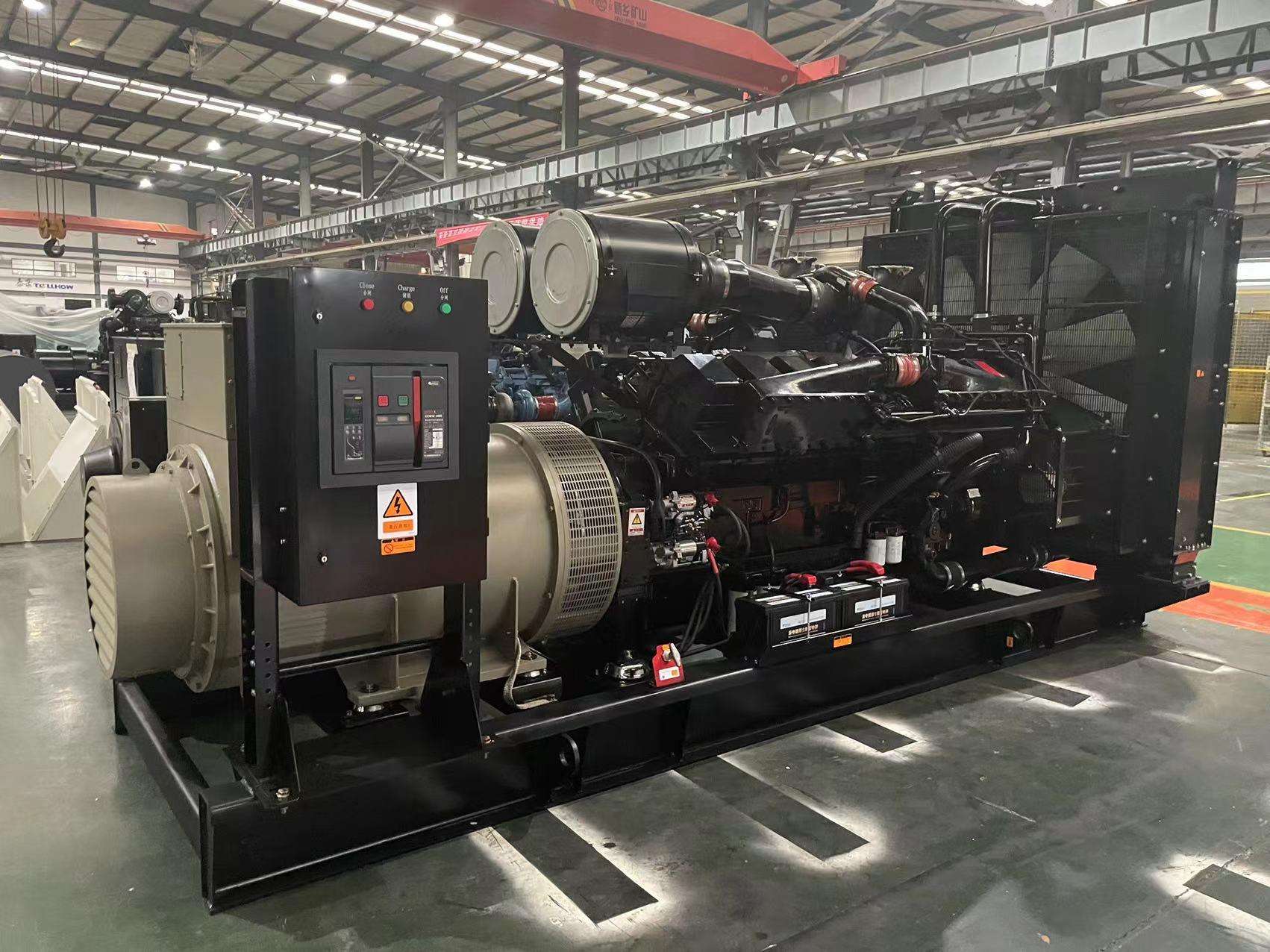
Worked Example of a Margin Calculation
Worked example: a 500kVA set at 0.8 power factor delivers 400kW. At 85% load the turbo-outlet exhaust temperature reads 580°C, and the data sheet limit is 620°C, so the available margin is 620°C − 580°C = 40°C. A restricted air filter then raised the reading to 610°C, so the margin fell to 10°C before the alarm. The set was still inside the limit, but the buffer had collapsed to where the next hot day would trip it.
The margin, not the reading, is what protects the engine, because the reading moves with load and ambient every shift. Generator application notes list the typical exhaust temperature bands for common engines so the crew can judge a number without guessing. Yangzhou Tesla Power Equipment logs the margin at the test condition and at the site condition, because the two are rarely the same and the difference is what breaks sets in the field. Sizing the cooling for the site keeps the margin positive at full load on the hottest day.
How Does Altitude Change the Exhaust Limit?
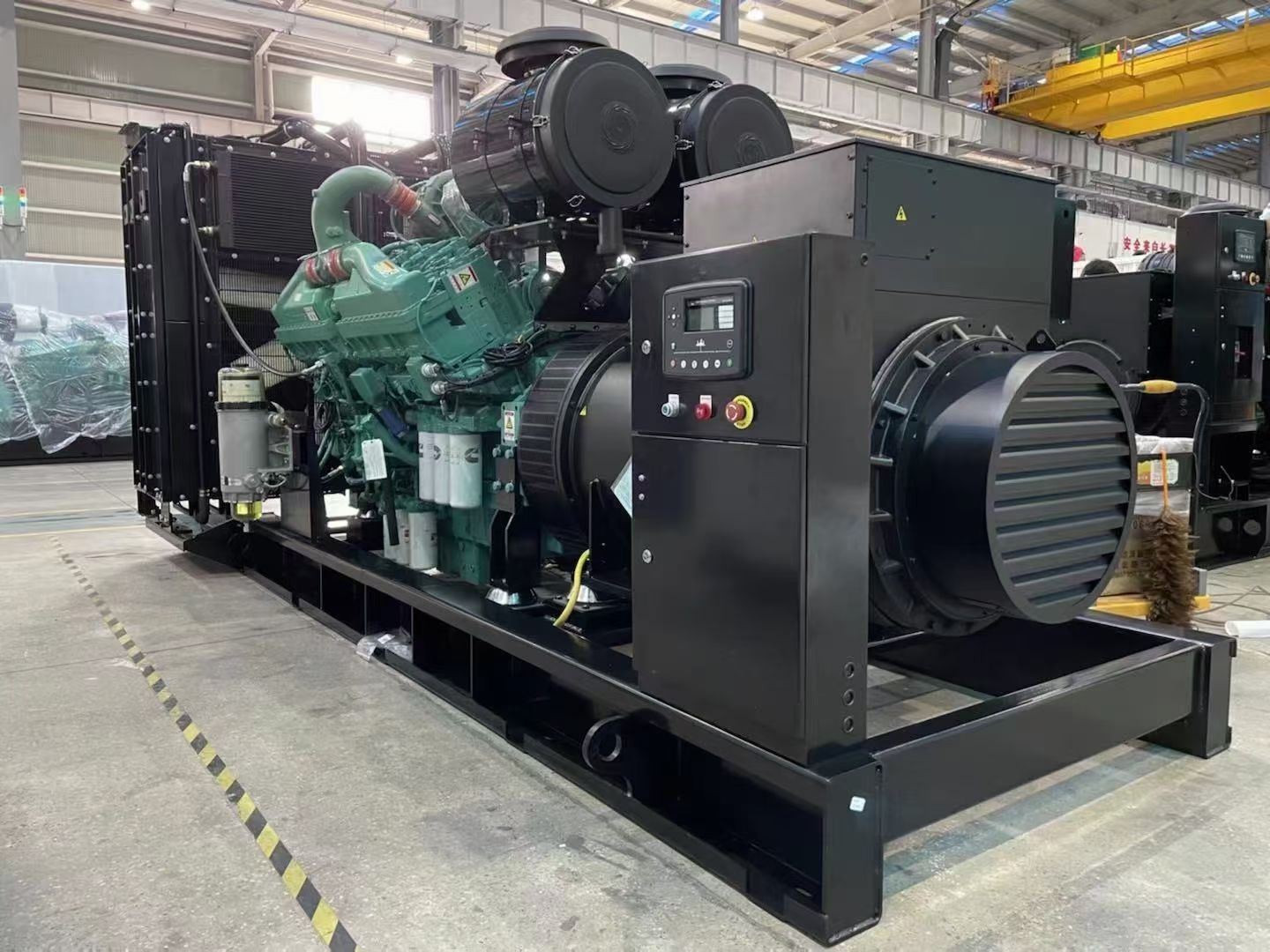
Genset exhaust temperature behaves worse at altitude because thin air lowers engine power and cooling at the same time, so the set makes the same kilowatts with less heat-removal capacity. A site at 1500m can lose 10% to 15% of sea-level output, and the exhaust runs hotter for the same load because the engine works harder. The altitude correction must be applied to both the power rating and the exhaust temperature limit, because the two move together. Correct the condition.
Specifiers who skip the correction quote a sea-level limit for a mountain site and the set trips on the first hot afternoon. Surge protection for generator boards matters more at altitude where the supply is already closer to its edge. Tesla Power applies the altitude and ambient correction to the exhaust temperature limit, then proves it at the corrected condition rather than at the sea-level number on the brochure.
Diesel for Data Center, Rental and Export Duty
Diesel for data center sites runs hot by design because the load is dense and the set often sits at high sustained load, so the exhaust temperature margin is watched continuously. The Uptime Institute tier design ties the redundancy to how the load is shared, and a set that sheds a step must stay inside its exhaust limit while the others pick up. Diesel for rental fleets is tested harder because the same set serves unknown sites, so the rental spec usually demands the limit at several load points. Watch the margin all the time.
Diesel for export sites must clear the class the destination market names, which is why a china diesel supplier will usually quote the exhaust temperature limit at the buyer's condition rather than a generic one. Tesla Power's parallel controls let one set take the block load while the others ride through, which is why the exhaust temperature is read across the group. The EPA Tier 4 emission standard also shapes the export specification, because many markets tie the acceptance to the emitted level as well as the temperature. The data sheet limit, not the kilowatt rating, is what the test proves, and the limit should be shown at the condition the project requires.
What a Diesel Manufacturer Should Document
A diesel manufacturer must publish the exhaust temperature limit with the test condition, the load point and the ambient stated, because a number without those is not enforceable. The limit is the proof that the cooling package matches the engine, and a brochure figure is no substitute for the recorded value. Conformity assessment for the EU market is separate from the temperature test, but both belong in the same acceptance file so the buyer can show the set is right for the installation. Diesel generator exhaust temperature high documentation for the EU market should name the standard, the limit and the test condition in one place. Put the three in one file.
The document should also state the coolant specification and the altitude the limit was proved at, so the result can be reproduced on site. A buyer who compares suppliers on the data sheet they can show, not the peak number they claim, avoids the most common overheating surprise. Latest generator field reports show how often a sea-level limit fails once the set is lifted to a 1500m site. Tesla Power keeps the exhaust temperature record with the build so the number on site matches the number in the file.
What Are the Common Misreadings of the Reading?
One misreading is treating the reading as fixed, when it moves with load, ambient and altitude every shift, so the limit only means something at the stated condition. Another is chasing the number without isolating the cause, which swaps a coolant fault for an injection fault and wastes the downtime. The manufacturer's production scope should make clear which condition the published limit was recorded under, because a cool light-load reading is no proof for a hot full-load site. So which reading actually proves the set is safe?
A third error is reading only the peak and ignoring the margin, even though the margin is what protects the engine through the next hot day. The exhaust temperature is a signal about a condition, not a single verdict, and the condition must match the site. When the condition in the file matches the condition on site, the check is a formality; when they do not, no brochure number will keep the set cool. The data sheet decides. Match the condition first.
This guidance was last updated 2026-11-15. Verify the exhaust temperature limit against the current engine data sheet and your site altitude before commissioning or accepting a set.
Frequently Asked Questions
A high exhaust temperature is a turbo-outlet reading above the engine data sheet limit at the stated load and ambient, and it signals that heat is not being carried away as designed. It is an early warning that precedes most engine failures, so it is traced rather than ignored. The value only means something against the limit that belongs to that specific engine and condition.
The common causes are low coolant flow from a stuck thermostat or air in the block, overfueling from a worn injector, late injection timing, and restricted airflow from a clogged air filter. Altitude and high ambient heat raise the reading from the site side by cutting cooling capacity. Each cause moves the same number, so the fix starts with isolating which path shifted.
It is measured with a thermocouple or pyrometer at the turbo outlet, logged against the rated load and the stated ambient, with the limit taken from the engine data sheet. The panel raises an alarm as the margin to the limit closes, giving the crew warning while there is still time to act. The data sheet, not a generic rule, is the reference for the ceiling.
Altitude lowers air density, which reduces engine power and cooling at the same time, so the set works harder to make the same kilowatts and the exhaust runs hotter. A site at 1500m can lose 10% to 15% of sea-level output, and the limit must be corrected for that condition. The test should be run at the corrected altitude, not at the sea-level number.
Request the data sheet limit at your site altitude and ambient, with the load point and the coolant specification stated, and ask for the recorded value rather than a brochure figure. Confirm the test was run at your condition, not at sea level, because the two limits differ. A supplier who can show the limit at your class removes the biggest overheating surprise before you order.
Yes, parallel sets can share a block load so one unit takes the step while the others ride through, which is why data centers use N+1 and 2N redundancy. The sharing depends on the paralleling controls and the load share strategy, and each set must still stay inside its exhaust limit. Tesla Power designs the cooling so the parallel group holds the margin even when one set is down for maintenance.