
Generator set sizing starts from your peak load in kilowatts, not from engine displacement or a guess at the cylinder count. A set that is too small trips under the first real demand, while a set that is too large burns fuel and money without ever earning its keep. The calculation is straightforward once you measure the right figures: the running load, the starting current of the largest motor, and the margin your duty cycle demands. Tesla Power reads the load profile beside the nameplate for every order, so the sheet that leaves the works matches the site, not a catalogue page. We walk export buyers through these steps before a frame is built, because the quotation should answer the load rather than a rounded guess. Use the online tool to measure your band before you speak to a supplier, and keep the figures in your hand when you request a quotation. The pages below explain how load factors, power factor and altitude reshape the number, and where the standards draw the line.
- Log the running load and the largest motor start before you open the catalogue, and run the figure through the kw sizing tool so the band is on paper, not in a guess.
- Read the nameplate for the rated kVA and the power factor, because a set sized from the engine plate alone misses the alternator that actually carries the load.
- Add the margin your duty cycle demands: standby sets need a different band from sets that run for hours every day.
- Keep the load sheet in your hand when you request a quotation, because the number a supplier prices against should be your load, not a rounded figure from a price list.
What does generator set sizing actually measure?
Generator set sizing measures the electrical demand a set must carry, stated in kilovolt-amperes for the apparent load and in kilowatts for the real load after power factor. The alternator, not the engine, sets the rating the load draws against, and a 500kVA frame at 0.8 power factor = 400kW carries a different duty from a 200kW set sized on the same site.
Why displacement is the wrong starting point
A buyer who asks how big an engine has already framed the question wrong. The engine displaces the alternator; it does not set the rating. Tesla Power Equipment builds the frame around the alternator sheet, because the kVA the set can hold is fixed by the windings, not by the bore and stroke. Start from the load, read the alternator nameplate, and let the engine follow.
| What you measure | Unit | Why it shapes the band |
|---|---|---|
| Running load | kW | Sets the real power the set must hold for the duty |
| Starting current | kVA peak | The largest motor can double the apparent demand at switch-on |
| Duty margin | % | Standby needs less headroom than continuous running |
| Power factor | 0.8 typical | Moves the line between kVA and the kW a buyer pays to run |
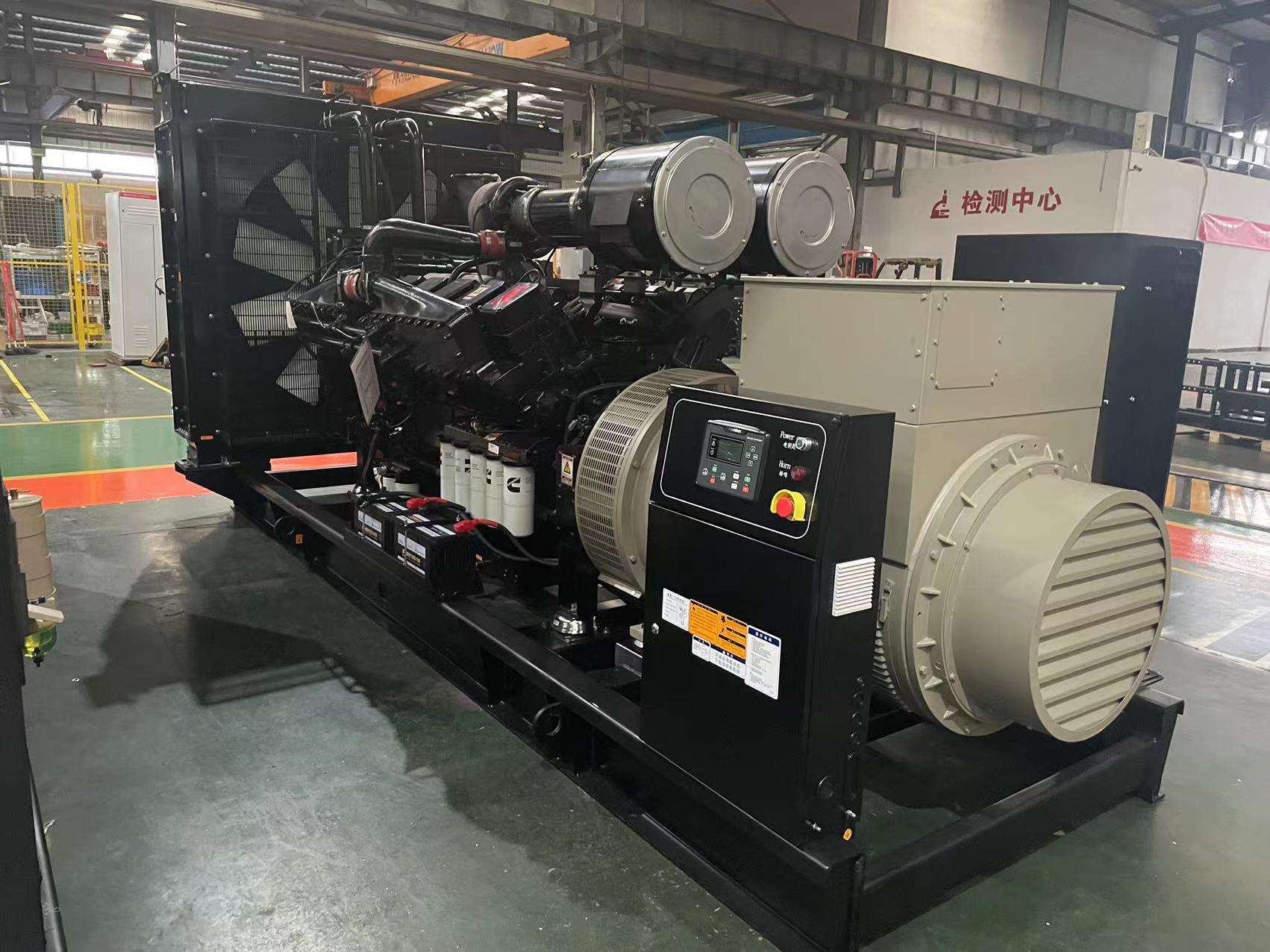
Most generator set sizing manufacturers ask for the same four figures before they quote, and the order matters. Measure the running load first, because the starting current only makes sense once you know what already runs. A set that passes the running test but fails the start is a set sized on the wrong line.
Which load factors decide the generator set size?
Three factors move the number more than the rest. The load factor is the share of rated capacity the set carries on average; a set running at 80% all day needs a different band from one that idles at 30% and spikes. The diversity factor folds in that not every device runs at once, and the demand factor trims the connected total to what the site actually draws. Tesla Power applies these three to the load sheet before a frame is selected, because a flat connected-load guess hides both waste and risk.
The duty cycle sits on top of all three. A set that runs eight hours a day at the mine is not the same machine as a hospital set that starts once a month. The prime standby guide explains how the same load becomes two different bands once the running hours enter the sheet, and the duty column changes the answer more than the load column does.
How do you read the nameplate for generator set sizing?
The nameplate carries the rated kVA, the rated kW, the power factor and the voltage. Read the kVA first, because that is the apparent load the alternator holds; the kW line is the real power after the factor, and the two only agree at the stated factor. A 500kVA frame rated at 0.8 power factor delivers 400kW, so reading the kW line gives the real number and the kVA line gives the ceiling. Missing either line is the most common reason a set is quoted on the wrong band.
Chinese generator set sizing suppliers sometimes quote the engine power and call it the set rating, which confuses the buyer and the customs file. The alternator nameplate is the one that matters for the load, and a 500kVA silent diesel set ships with both lines on the same plate so the buyer reads the set, not the engine. Check the voltage and the phase before you trust the kVA, because a 480V three-phase frame and a 230V frame of the same kVA feed different sites.
Why does power factor change the generator set size?
Power factor is the gap between the kVA a set holds and the kW a buyer actually uses. At 0.8 power factor, a 500kVA frame delivers 400kW; drop the factor and the same load needs a bigger set. A site full of motors and transformers pulls the factor down, and the set must carry the apparent load, not just the real one. Tesla Power notes the factor on every sizing sheet, because two sites with the same kW can need two different kVA bands once the factor is read.
kVA and kW at 0.8 power factor
The relationship is fixed by maths, not by brand. kVA multiplied by 0.8 equals kW at the standard factor, so a 1000kVA frame carries 800kW, a 250kVA frame carries 200kW, and a 100kVA frame carries 80kW. State both numbers together whenever you write the band, because a buyer who compares a 400kW set with a 500kVA set is comparing the same machine on two lines. The rating classes behind the band are the next question once the band is set, and the class decides how hard the set may run inside that band.
Generator set sizing for a hospital wing
A hospital wing is the classic case where the load profile, not the area, sets the band. The critical wing carries theatre lights, ventilators and the elevator that moves a patient, and the set must start them within seconds of a mains failure. Generator set sizing for a hospital wing starts from the essential-load list, not from the floor area, because a small ward with one theatre outranks a large ward with none. The 500kVA frame at 0.8 power factor = 400kW covers a typical critical wing, while a larger campus needs the 1000kVA frame at 800kW.
The essential load list names what must run, and the starting current of the largest motor on that list sets the peak. Emergency rules shape the band too, and the NFPA 110 rules for emergency power set the start time and the test expectations a set must meet. Yangzhou Tesla Power Equipment Co., Ltd. builds the hospital frame to that start window, because a set that meets the load but misses the start time fails the same way.
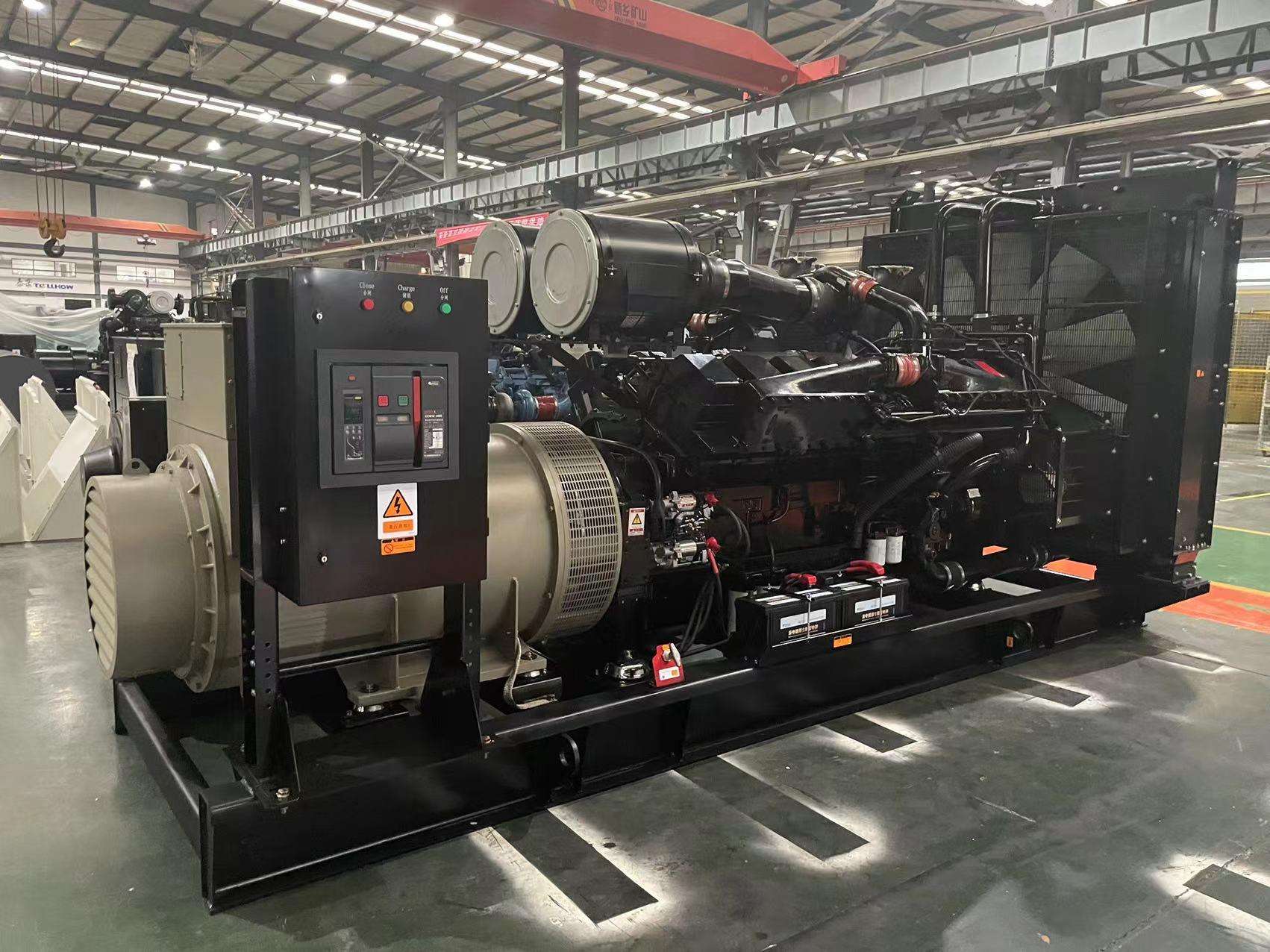
The wing also sets the duty class. A hospital set runs in test monthly and in anger rarely, which is standby duty, and the band can sit closer to the peak than a continuous set would. Browse the product index once the essential load is listed, because the frame that fits the wing is chosen by the load, not by the catalogue photo. The documentation for export travels with the set, and the CE marking requirements ask for the load sheet to be filed beside the declaration.
Generator set sizing for the mining site
A mine runs the set for hours every day, often at high load, and that duty changes the band. Generator set sizing for the mining site starts from the continuous running total, because a pit that draws 400kW for ten hours needs a set rated for that, not a standby frame sized to a peak it cannot hold. The 1000kVA frame (800kW at 0.8 power factor) suits a mid-size pit, while a smaller exploratory site runs on a 200kW set.
Continuous duty removes the standby margin, so the band tracks the running load closely and the set works near its rating day after day. Dust, heat and vibration at the pit shorten the service interval, which is why the band and the maintenance plan are written together. Tesla Power sizes the mining frame for the duty it will actually keep, because a set that runs hot near its ceiling ages faster than the same set on a cooler site.
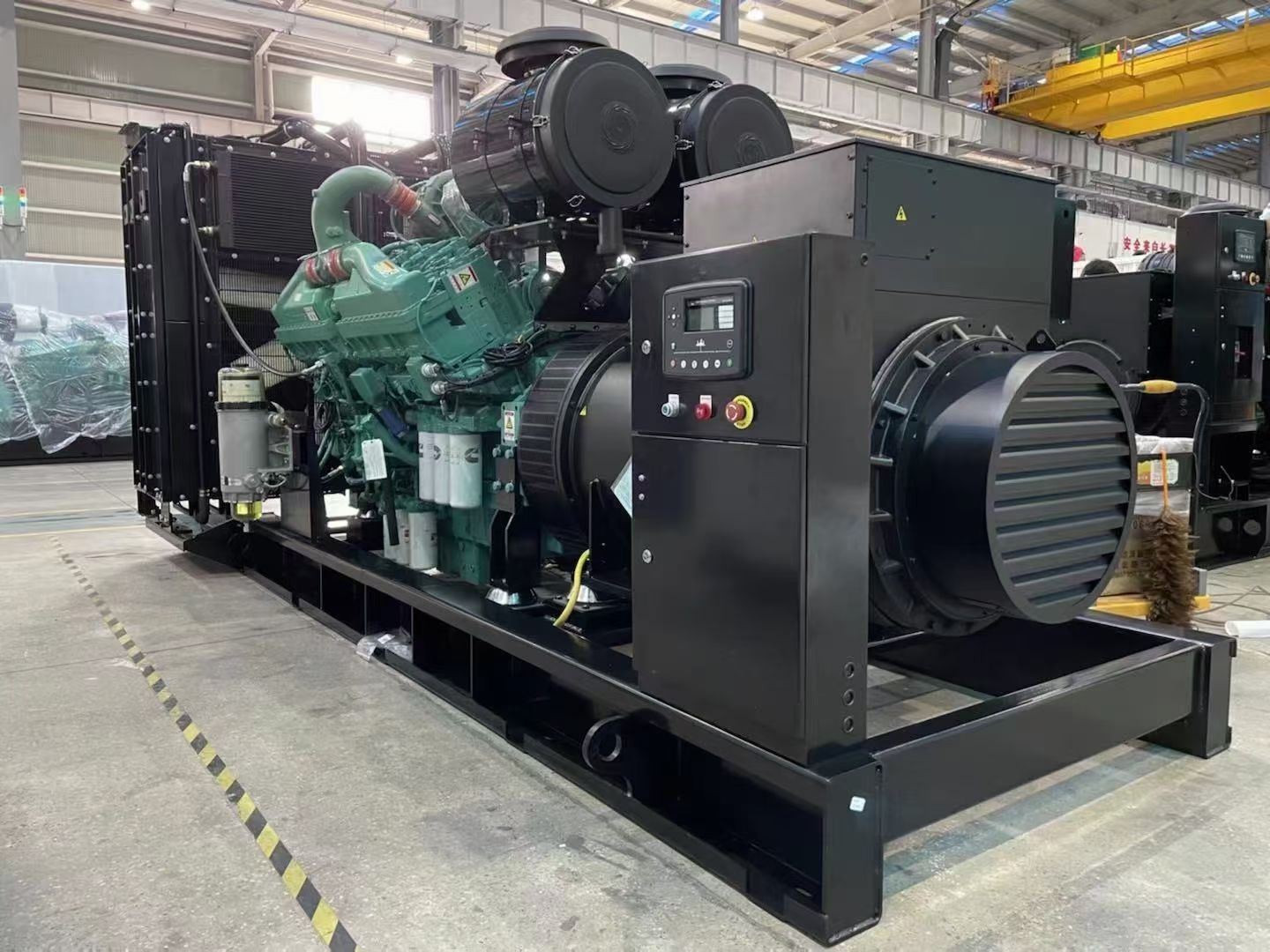
The mining buyer also weighs fuel and transport, because a frame that fits the load but arrives late costs the pit a season. Generator set sizing in hot climate trims the band further, as the next sections show, and the altitude note below explains the derating that thin air demands. Match the frame to the pit, not to the price list, and the set earns its keep from the first load.
What mistakes inflate the generator set size?
The first mistake is sizing from connected load. Add every device and you buy a set that idles its life away. The second is ignoring the starting current, which hides until the largest motor trips the breaker on day one. The third is mixing up kVA and kW, so a buyer pays for apparent capacity the site does not draw. Tesla Power sees all three on incoming briefs, and each one adds cost without adding service.
The fourth mistake is forgetting the duty class. A set sized as standby but run continuously sits above its rating and fails early, while a continuous set bought for a standby site wastes fuel for years. Generator set oem manufacturers quote what you ask for, not what the site needs, so the brief must name the duty before the number is fixed. The load sheet, the factor and the duty together set the band, and no single one of them tells the whole story.
How does altitude change generator set sizing?
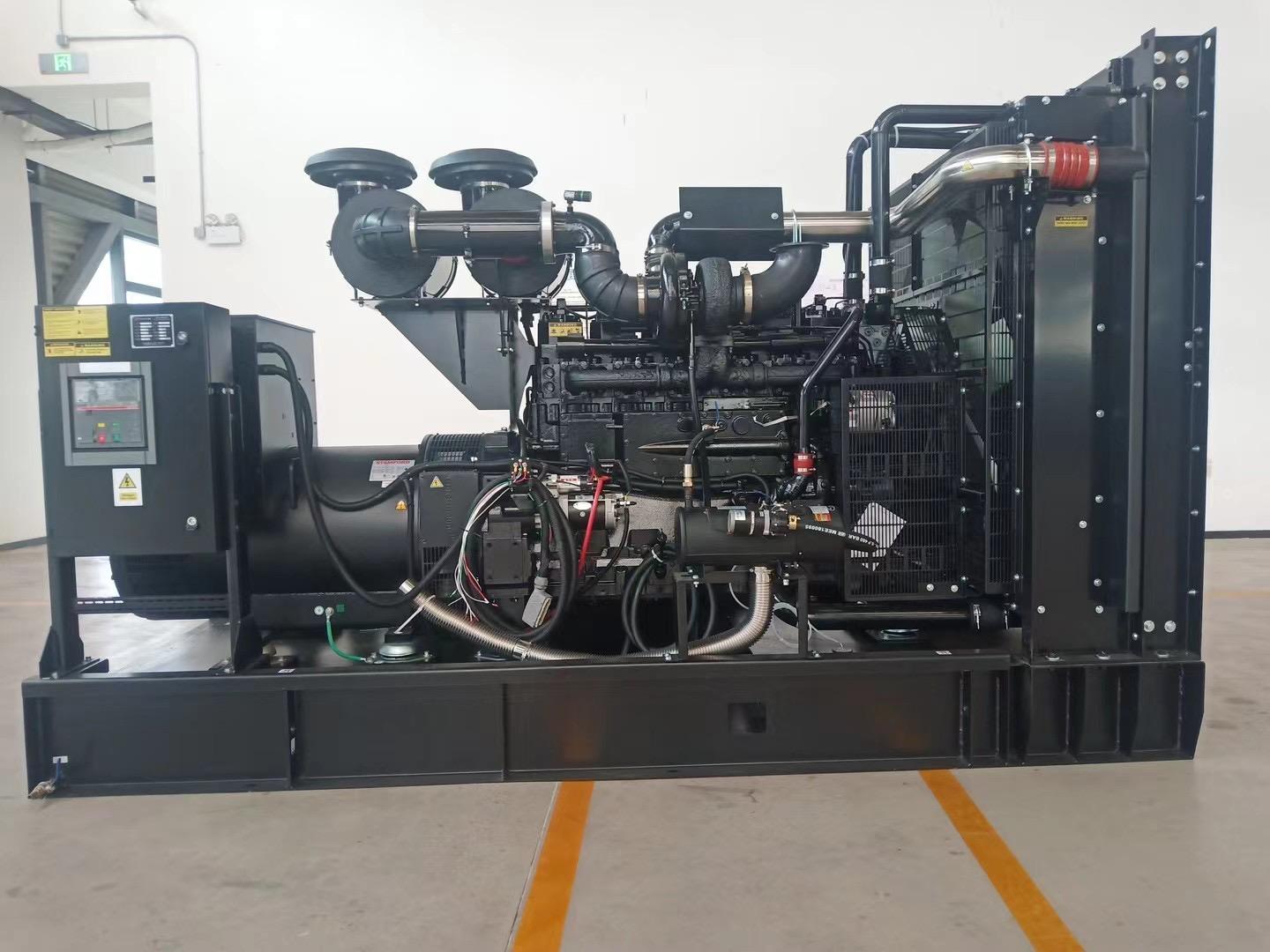
Air gets thin with altitude, and a diesel engine makes less power where there is less oxygen. Above 1000 metres the engine derates, and the band must grow to keep the same electrical output. A pit at 2000 metres needs a larger frame than the same pit at sea level, even with an identical load. the altitude note gives the derating curve the sheet is built on, and the figure belongs in the brief before the set is chosen.
The derating is a percentage of engine power per thousand metres, applied to the set before the load is matched. A 500kVA frame at 0.8 power factor = 400kW at sea level may deliver closer to 340kW at 2000 metres, so the band steps up to a 1000kVA frame to hold the same load. Tesla Power applies the curve to every high-site order, because a set that meets the load at the works but fails it on the mountain is the same failure with a longer flight home.
Which standards back generator set sizing?
The rating method most export buyers meet is set by the ISO 8528-1 rating standard, which defines the operating classes and the conditions a set is rated under. The alternator side follows the IEC 60034 rotating machine standard, which fixes the frame the nameplate is written to. Together they give the buyer a common language, so a 500kVA frame from one works means the same as a 500kVA frame from another.
The standards also set the test the set must pass before it ships, and the load bank run proves the band under a real step load. Generator set sizing documentation for export names the sheets a buyer files: the load profile, the nameplate copy and the test record. Keep those three together, because customs and the end user both ask for them, and a set without its papers is a set half delivered.
Generator set sizing checklist before you request a quote
Before the quotation goes out, the brief should hold five things: the running load in kW, the largest motor start in kVA, the power factor, the duty class, and the site altitude. Miss one and the number moves. The sheet below is the same one the works reads before a frame is built.
Send the load sheet, the nameplate copy of any existing set, and the site conditions. The hospital brief adds the essential-load list; the mining brief adds the running hours. Generator set sizing for a hospital wing and the mining brief both travel as one export file that carries the CE marking requirements and the test record, so the set clears customs and commissioning on the same trip. Request a quotation only after those papers are in hand, because a supplier prices against the load you show, not the load you meant.
Last updated 2026-11-10. The sheet you send is the sheet a works builds against, so spend the hour to measure rather than guess. request a quotation once the five figures are on paper, and the reply will name the frame, the band and the delivery, not a rounded number from a price list. The works returns the quotation with the sizing sheet attached, so the buyer keeps the evidence the next order starts from.
Frequently asked questions about generator set sizing
The running load in kilowatts. Start there, because the starting current and the power factor only make sense once you know what already runs. A 500kVA frame at 0.8 power factor = 400kW is sized from that running figure plus the largest motor start, not from the floor area or the engine block.
At 0.8 power factor, kVA multiplied by 0.8 equals kW, so a 1000kVA frame carries 800kW and a 250kVA frame carries 200kW. A site with a low factor needs a larger kVA band to deliver the same real kW, and the nameplate shows both lines so the buyer reads the ceiling and the real number together.
The alternator, not the engine, sets the rating the load draws against. An engine plate shows prime-mover power, while the alternator nameplate shows the kVA the set holds. Sizing from the engine alone misstates the electrical band, which is why the nameplate, not the block, leads the sheet.
It depends on the essential-load list, not the floor area. A typical critical wing fits a 500kVA frame at 0.8 power factor = 400kW, while a larger campus needs the 1000kVA frame at 800kW. The start time set by emergency rules shapes the band as much as the running total does.
Yes. Above 1000 metres the engine derates for thin air, so a 500kVA frame at 0.8 power factor may deliver nearer 340kW at 2000 metres and the band steps up to hold the same load. Apply the derating curve before the set is chosen, because the works rating and the site rating differ.
The load sheet in kW, the largest motor start in kVA, the power factor, the duty class and the site altitude. The export file adds the nameplate copy and the load bank test record. The CE marking requirements ask for the load sheet beside the declaration, and customs and the end user both ask for the same three papers.
Size from peak load, not connected load, and keep the standby margin out of a continuous duty. Ignore the engine plate, apply the real power factor, and name the duty class. A set sized on those four lines tracks the load closely and earns its keep from the first hour, instead of idling through its warranty. Tesla Power sends the sizing sheet with every quotation so the buyer keeps the evidence the next order starts from.