
Genset low oil trip settings decide whether an engine stops before bearing damage starts. Tesla Power sets the trip point from the engine data sheet and files the test evidence with every build. This guide explains how the trip works, how the setpoint is chosen, and which checks separate a genuine oil pressure fault from a nuisance trip. The chain is short. A pressure sensor feeds the controller, the controller compares the reading with the trip point, and a trip stops the fuel supply within seconds. Read the sequence in the wrong order and a healthy set can stop on a hot afternoon, while a failing bearing can run on until the damage is done. The load side stays checkable too: a 500kVA set at 0.8 pf delivers 400kW, the control circuit runs at 24V, and the output holds at 400V and 50Hz. So request the trip file from the supplier before you accept any set.
- Confirm the trip setpoint against the engine data sheet before the first start.
- Check the power metering readings that share the same controller.
- Log the alarm point and the trip point as two separate values.
- Ask for the trip test evidence with the commissioning file.
What Is a Genset Low Oil Trip?
A genset low oil trip is a protective shutdown driven by engine oil pressure. The controller watches the pressure sender while the engine runs. When the reading falls below the trip value for longer than the delay setting, the controller opens the fuel circuit and the engine stops. The aim is simple: stop the engine before the bearings run dry.
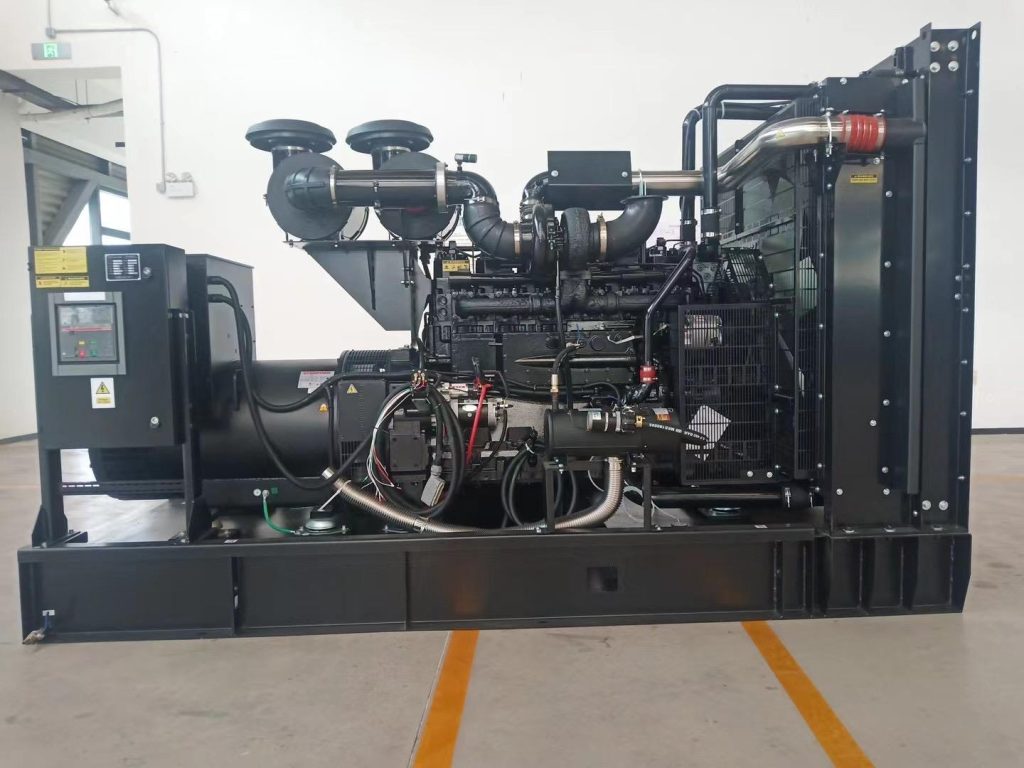
The trip differs from the pre-alarm in two ways. The alarm point sits above the trip value and only raises a warning, so the operator can shed load and shut the set down in an orderly way. The trip value is the last line. Below it, the controller acts on its own and records the event with a time stamp.
Why Does the Trip Point Sit Below the Alarm Point?
The gap between the two values gives the operator room to act. A set that alarms and trips at the same pressure gives no warning at all, so the crew loses the chance to save the run. Makers therefore publish an alarm band and a lower trip value, and both figures come from the engine data sheet rather than from guesswork. A genset for standby duty spends most of its life cold, so the values must hold at start-up as well as at full load.
Tesla Power Equipment enters both values on the commissioning sheet during the factory test. A 100kVA standby set uses the same two-value layout as a large machine. The commissioning sheet also records the sender type, because a resistive sender and an electronic sensor fail in different ways. Read the two values back to the data sheet before the set leaves the works.
How Is the Trip Point Chosen and Checked?
The trip value belongs to the engine maker, not to the packager. The data sheet lists the minimum oil pressure the engine accepts at rated speed, and the controller setpoint must sit below that line with a margin for a hot engine. Load does not change the pressure much, but a hot afternoon does, because hot oil is thinner oil. The setpoint has to survive both conditions.
The check is a load run with the pressure trace in view. A 500kVA set carries 500kVA x 0.8 = 400kW at 400V and 50Hz while the engineer watches the sender output across 25%, 50% and 100% load steps. The trace must stay above the trip line at every step. Read the site condition notes before you fix the ambient assumption, because a hot room changes the reading the sender reports.
Which Sensors Feed the Trip Circuit?
Two sensor families do this job. A pressure switch is a mechanical contact that opens at a fixed value; it is cheap and needs no controller maths. A pressure sender produces a signal that the controller compares with the trip value, and the same sender can drive the gauge on the panel door. The 24V control supply feeds the sender, so a dying battery can fake a low reading.
Tesla Power wires the sender to the same terminals the acceptance test uses, so a factory reading and a site reading are comparable years later. Label the wiring at both ends. A sensor added for a gauge and a sensor added for protection are separate devices on a serious build, and mixing them is a common cause of disputes after delivery.
What Causes a Nuisance Trip on a Healthy Engine?
Most nuisance trips trace back to five causes. The oil level sits below the sender. The filter is clogged and the bypass valve has opened. The oil grade is wrong for the ambient, so a hot day drops the pressure below a cold-day setpoint. The 24V supply dips and drags the sender signal with it. The wiring has a loose terminal that reads as low pressure.
A China genset supplier should ship the spares for the first three, because they are consumables rather than faults. A genset for rental fleet duty meets the rest after every return, since cables get swapped between jobs. Note the load share and the pressure together in the log, and the pattern across several trips tells you which of the five causes you are chasing. A genset for export duty needs the same discipline at the border check.
How Does the Trip Fit the Shutdown Sequence?
The trip is one input among many on the shutdown bus. Low coolant level, high coolant temperature, overspeed and low oil pressure all land on the same logic, and each has its own delay setting. The delays matter. A short delay on the pressure input trips on every cold start, because pressure builds over the first seconds after firing. The controller manual lists the delay ranges; the engine maker names the values.
When the trip fires, the controller opens the fuel solenoid and lets the engine coast down. It does not drop the breaker first on a single-set installation, because the site load then sees a full blackout. On a bus with several sets, the load shedding sequence takes over, and the remaining sets pick up the block. The shutdown order is written into the project file for that reason. Yangzhou Tesla Power records the coast-down time beside the trip entry, because a long coast-down points to a fuel valve that did not close.
What Belongs in the Trip Setting Record?
The record carries five lines. The alarm value, the trip value, the delay, the sender type and the supply voltage, each with its source. A value without a source is a rumour, so every line points at the data sheet page, the drawing number and the test that proved it. Keep the blank form with the handover pack and fill it during the factory test, while the set is still on the bench.
| Record line | Value basis | Source |
|---|---|---|
| Alarm point | From the engine data sheet | Data sheet page cited |
| Trip point | Below the alarm, above the wear limit | Data sheet page cited |
| Delay | Covers the start-up pressure ramp | Controller manual |
| Sender and supply | 24V feed, sender part number | Wiring drawing |
Tesla Power files the record under the set serial number so a service crew can find it years later. The test bay at the works uses the same form, which makes a factory reading traceable against a site reading. A genset for export shipment carries the record in the document pouch, because the border check asks for protection evidence as well as ratings. The IEC standard list names the product standards a control cabinet can claim.
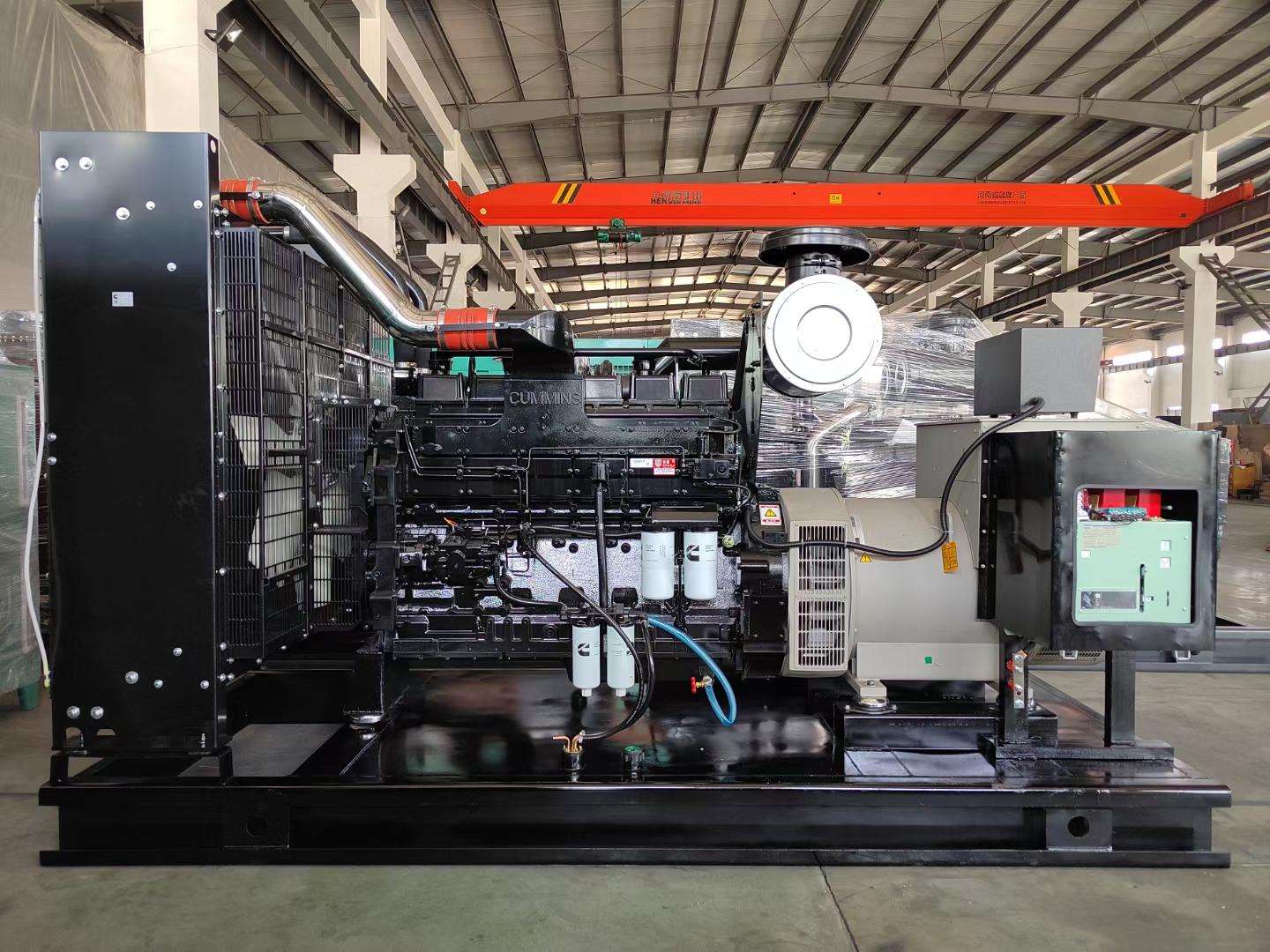
Which Mistakes Delay a Restart After the Trip?
The first mistake is resetting the trip without finding the cause. The controller will accept the reset, the engine will fire, and the same pressure fault will stop it again inside a minute. Check the sump level first, then the filter condition, then the sender wiring. Only after those three pass should the pressure be proved with a gauge during the next run.
The second mistake is blaming the engine before the supply is checked. A corroded earth or a tired 24V battery produces the same reading as a worn oil pump, and the two fixes differ in cost by a wide margin. Tesla Power ships a spare sender with export sets for exactly this diagnostic step. Generator set sizing bands explain why the load step after a restart should be gentle, because a cold engine that takes a block load compounds the very condition that caused the trip.
What Should a Buyer Check Before Acceptance?
Ask the genset manufacturer to demonstrate the trip, not just describe it. The test is quick: the crew lowers the pressure at the sender with a test rig and the controller must stop the engine at the recorded value. Watch the coast-down, note the time stamp, and sign the record on the day. Email our export desk to book the demonstration before the set is crated, and ask for the same three documents before you compare quotations.
The file should carry the alarm value, the trip value, the delay and the test result on one page. Tesla Power Equipment adds the sender part number, so a replacement ordered years later matches the original. Genset CE marking requirements describe what the protection file must contain for the European market. Conformity assessment for the EU market is a separate step, but it leans on the same evidence. The NFPA 110 chapter on maintenance sets the inspection routine for standby sets once they are in service.
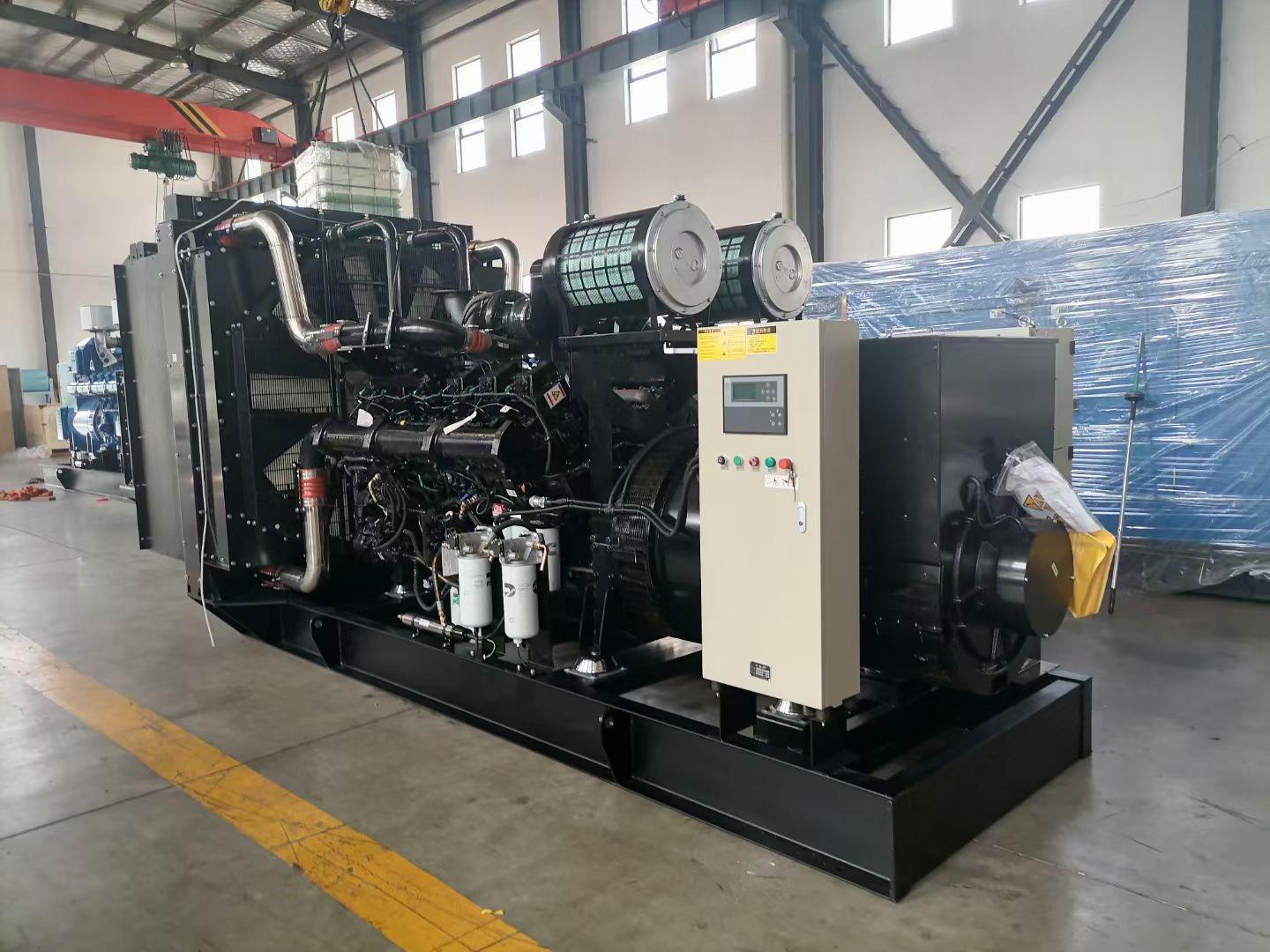
This guidance was last updated 2026-11-16. Verify the alarm and trip values against the engine data sheet before you accept a set.
Frequently Asked Questions
It protects the bearings and the turbocharger. Oil pressure below the engine maker's limit means the oil film is too thin, and metal contact follows within seconds. The trip stops the fuel supply before that point, so the engine survives an event that would otherwise become a rebuild.
Level and pressure are different measurements. A set can hold enough oil and still lose pressure through a clogged filter, a failed oil pump drive or a sender fault. Check the pressure with a mechanical gauge during a run before you condemn the engine, and compare the gauge with the controller reading.
The alarm point warns and leaves the decision with the operator. The trip point stops the engine automatically. The alarm value sits above the trip value with a margin, so a crew has time to shed load. Both values come from the engine data sheet, and both belong in the commissioning record.
The crew reduces the pressure at the sender with a test rig while the set runs, and the controller must stop the engine at the recorded value. The result is logged with a time stamp and the tester's name. Repeat the test after any controller replacement, because a firmware update can change the input behaviour.
Low oil level, a clogged filter, a wrong oil grade for the ambient, a dipping 24V supply and a loose sender terminal account for most cases. All five are cheap to rule out. Work through them in that order before you suspect the engine itself, and note the findings in the log.
Yes, once the cause is found and cleared. Reset the trip, restore the oil level or the supply, and restart with a light load while the pressure is watched. A restart without a cause found is a restart into the same fault, and each unprotected run costs bearing life.
The commissioning record with the alarm value, the trip value, the delay, the sender part number and the test evidence. Tesla Power files that record under the set serial number, so a service crew can trace a site reading back to the factory test years later.