
Genset power metering is the practice of reading voltage, current, frequency and power at the generator terminals, then turning those readings into a record a buyer can check. The readings answer three questions at once: is the set carrying the load it was sold for, is the load balanced across phases, and is the power factor inside the band the alternator expects? This guide explains how each value is measured, how a 500kVA rating at 0.8 pf becomes 400kW of usable output, and which tolerances belong in an acceptance record. Tesla Power builds the meter panel into the control cabinet so the figures on site match the figures on the data sheet. We write the scaling and the current transformer ratio into the handover file, because a reading without its ratio is just a number. Specify what you need logged before you compare supplier offers, and request the meter schedule with the quotation rather than after the order is placed. A set that feeds a data centre needs continuous logging; a standby unit may only need a monthly read. Decide the interval first, then choose the instrument.
- Read kW and kVA together; either figure alone can mislead.
- Check power factor at 0.8 before you set the meter scaling.
- Keep the current transformer ratio beside every current reading.
- Ask the supplier for the meter schedule with the quote.
What Does Genset Power Metering Actually Measure?
Genset power metering measures four values at the same instant: voltage, current, frequency and real power. Voltage tells you the alternator is holding its set point. Current tells you how hard the engine is working. Frequency tells you the governor is keeping pace. Real power tells you what the load consumes. Read the four as one set, not one at a time.
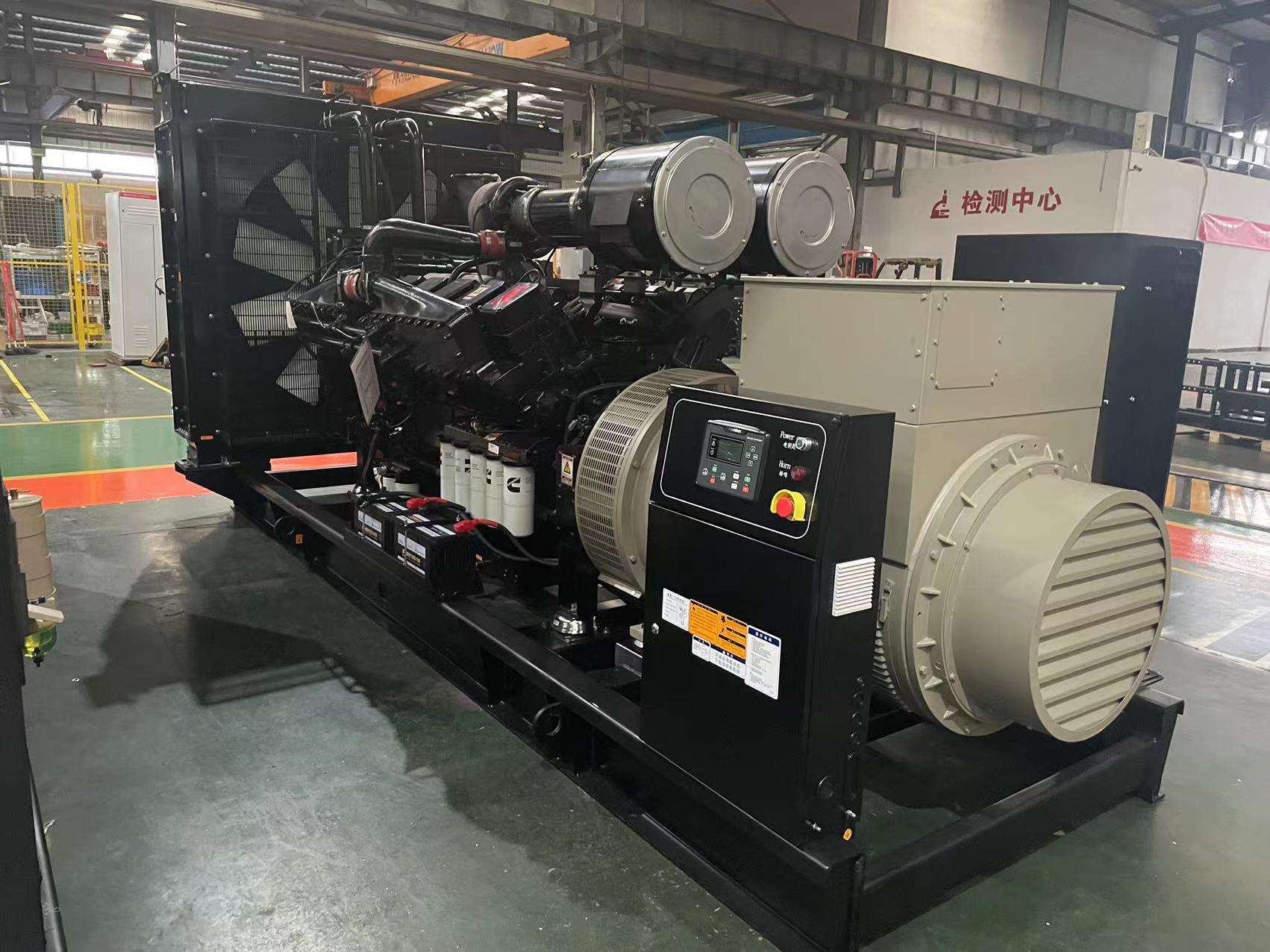
The meter turns those values into a record. A 500kVA set at 0.8 pf = 400kW of real power, and that one line settles most arguments at acceptance. Add 400V and 50Hz and the figures become checkable against the data sheet. The record should carry the current transformer ratio beside every current reading.
Which Readings Belong in the Meter Record?
A useful record carries six readings. Line voltage, phase current, frequency, real power, apparent power and power factor cover the electrical state. Add a run-hour counter and the record also becomes a maintenance log. Most disputes at handover come from a missing reading, not a wrong one. Write down what the panel shows and the load condition it was shown under.
We fit the display so the crew can see all six without changing screens. Tesla Power Equipment wires the meter to the same terminals the acceptance test uses, which keeps the numbers consistent from factory to site. A 100kVA standby set uses the same six-reading layout as a large machine. Log the ambient and the load step as well. Ask any genset manufacturer for these six readings in writing before you compare offers.
How Do You Convert kVA to kW at 0.8 Power Factor?
The arithmetic is short. Apparent power in kVA is voltage times current. Real power in kW is apparent power times the power factor. So 500kVA at 0.8 pf = 400kW, and at 400V the line current is about 722A. Put the factor in the enquiry, because two offers at the same kVA can deliver very different kW.
Buyers often compare a 400kVA offer with a 320kW offer and assume they match. At 0.8 pf they do; at unity they do not. Ask the supplier to state both figures on one line so the comparison is honest. A clear answer costs nothing at the quote stage and removes a common source of dispute at acceptance.
Where Should the Current Transformers Sit?
Current transformers belong on the incoming side of the main breaker, one on each phase, with the ratio marked on the drawing. Position decides whether the meter sees a fault current or misses it. A transformer fitted downstream stops reading the moment the breaker opens. Fit it upstream and the event file keeps the current that tripped the set.
Read the site condition notes before you fix the ratio, because a hot room changes the current a set can carry. Tesla Power labels the ratio on the panel door so a visiting engineer can check a reading without opening the cabinet. Match the class to the duty: a metering class for billing, a protection class for trips. Mixing the two gives neither.
How Is Metering Accuracy Class Chosen?
Accuracy class is a cost decision as much as a technical one. A class 1 meter suits most industrial acceptance tests. A class 0.5 meter suits a site that bills energy to a tenant. Beyond that, the extra precision rarely changes a decision about the set. Choose the class from the question the reading must answer, not from the longest specification you can write.
Generator set sizing bands show why the load band matters more than the last decimal place. Tesla Power quotes the class on the meter schedule so the buyer knows what is being offered. The IEC standard list defines the classes a panel can claim. A China genset supplier should state the class, the range and the burden on the same line of the schedule, so two offers can be compared without a follow-up call.
What Does a Typical Meter Schedule Look Like?
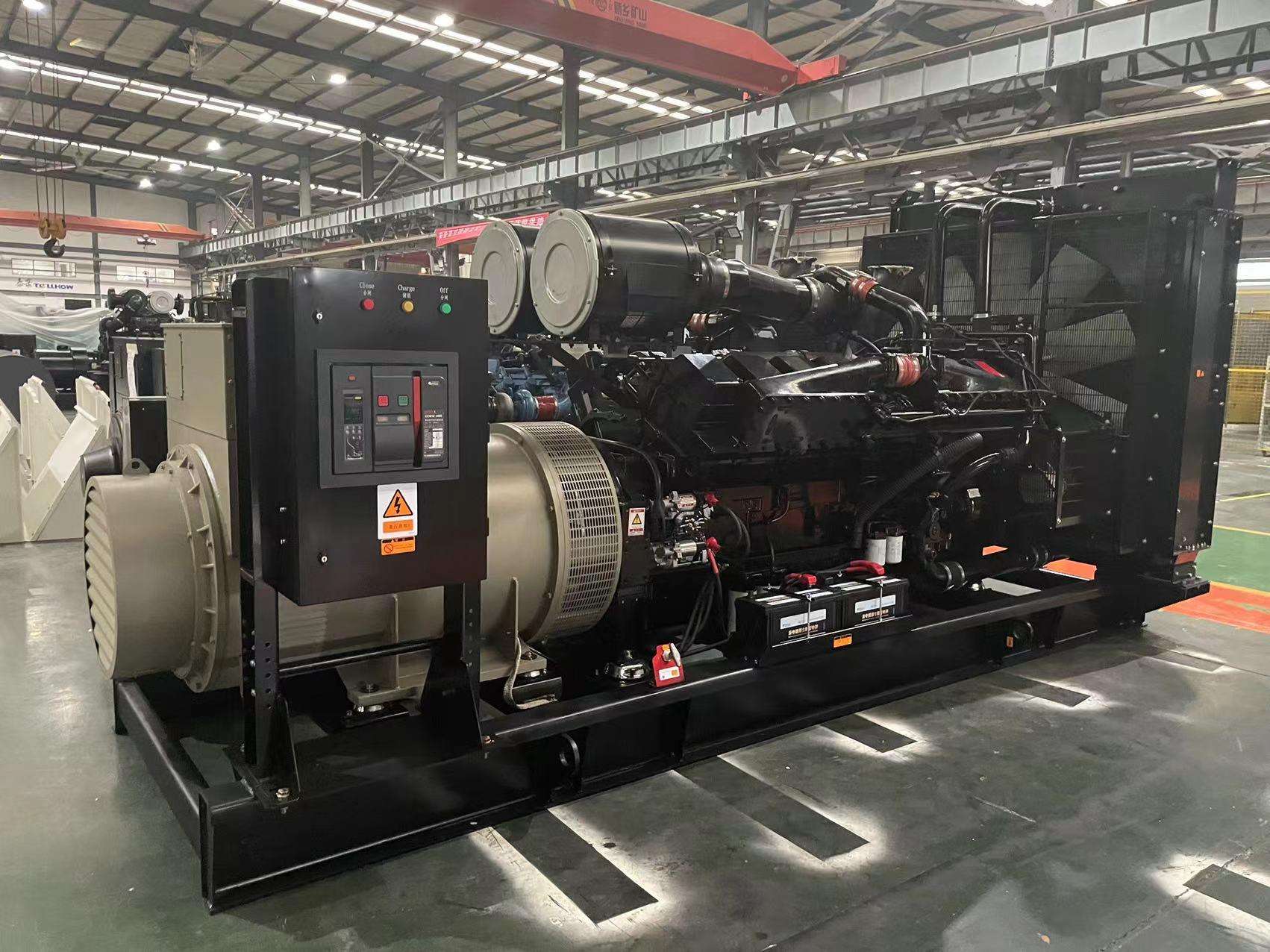
A schedule names each reading, its unit and the place it is taken. That last column matters as much as the others, because a value taken at the alternator is not the same as one taken at the distribution board. Keep the table short and complete. Four rows cover most acceptance tests, and a long table is harder to check than a short one.
Yangzhou Tesla Power attaches the schedule to the test file so the two cannot drift apart. The plant and the test bay use the same form, which makes a factory reading comparable with a site reading. Keep a blank copy for the commissioning engineer to fill in on arrival.
| Reading | Unit | Taken at |
|---|---|---|
| Line voltage | V | Alternator terminals |
| Phase current | A | Current transformer secondary |
| Frequency | Hz | Control panel display |
| Real power | kW | Meter display at set load |
How Do You Check Parallel Set Readings?
Parallel sets share a bus, so the total is only as good as the individual readings behind it. Check each set on its own meter before you trust the bus meter. A set that reports a low share may have a current transformer fitted the wrong way round, or a scaling factor left at the factory default. So which reading proves the set is on rating? The per-set meter, not the sum.
Tesla Power commissions the per-set meters before the bus meter, and records both traces in the same file. A genset for data centre duty often runs in parallel for years, so the two traces must agree at every load step. Note the load share at 25%, 50% and 100% of rating.
Which Mistakes Distort Meter Readings?
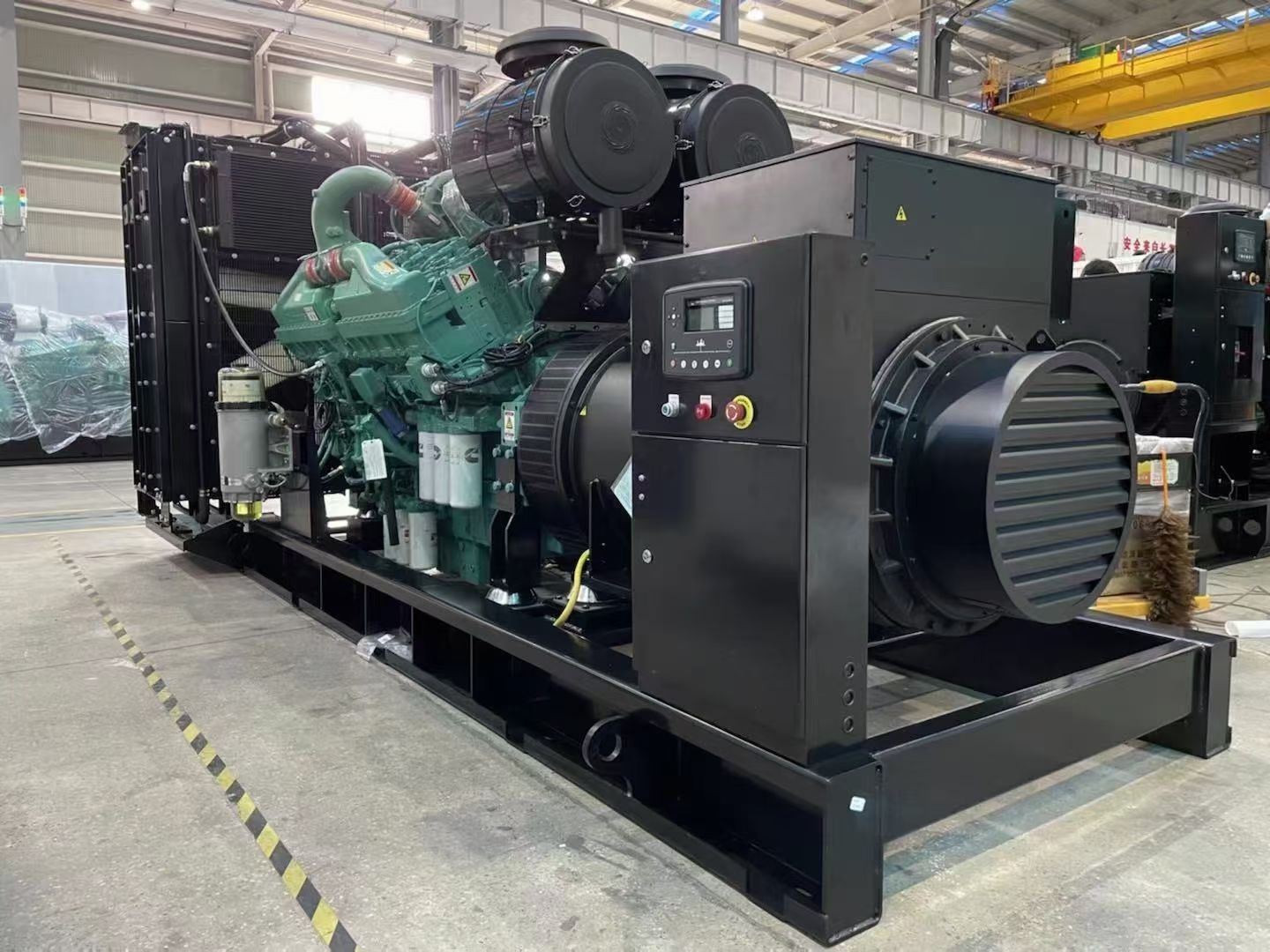
Three mistakes account for most bad readings. A reversed current transformer gives a negative power reading under a real load. A scaling factor left at default makes every current figure wrong by the same ratio. A loose terminal adds heat and drops the voltage the meter sees. Each is easy to fix once you know to look for it.
Call the export desk if you need the commissioning checklist that covers these three checks. Tesla Power includes the checklist with every export set, because a bad meter is hard to diagnose once the set is on a remote site, where a service visit costs a full day. A genset for rental fleet duty faces the same checks after every return, since cables get swapped between jobs and the wrong ratio can follow a unit to the next client. Write each correction into the file rather than trusting memory.
What Should a Supplier Document Before Shipment?
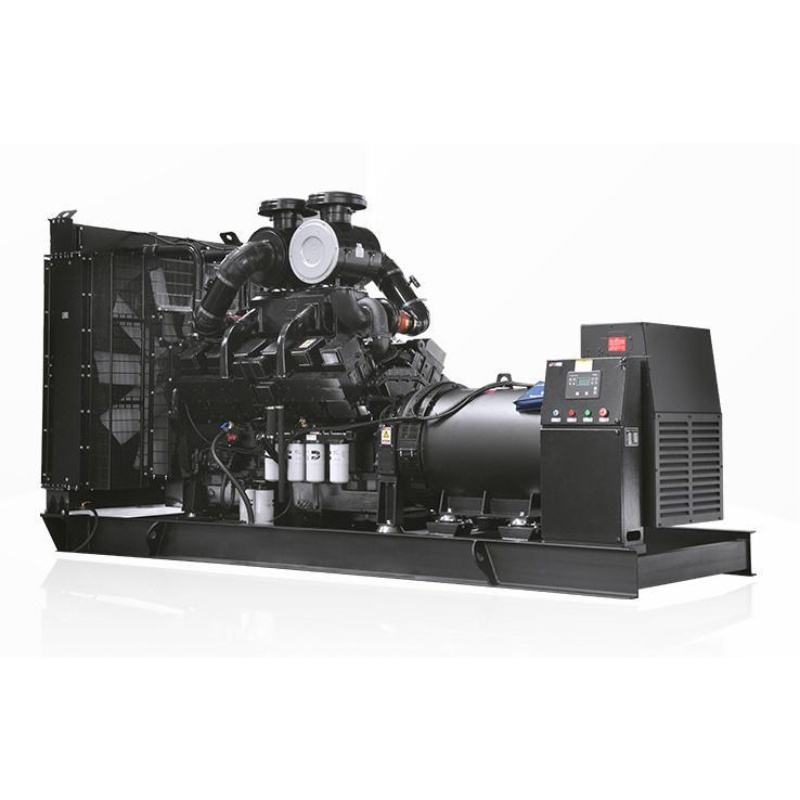
A supplier should hand over the meter schedule, the calibration date, the current transformer ratio and the acceptance readings in one file. That file is the proof that the figures you bought are the figures you received. Ask for it before shipment, while the set is still in the test bay and a missing line can still be filled in.
Tesla Power Equipment files the meter record with the serial number so it can be found years later. Genset CE marking requirements describe what the file must contain for the European market. Conformity assessment for the EU market is a separate step, but it uses the same readings. The ISO 8528-5 frequency envelope gives the limits those readings are checked against. A genset for export site work needs the whole file at the border.
This guidance was last updated 2026-11-16. Verify the meter class and the current transformer ratio against the current data sheet before you accept a set.
Frequently Asked Questions
It is the measurement of voltage, current, frequency and real power at the generator terminals, recorded so the figures can be checked against the rating. The record usually includes apparent power and power factor as well. Together those values show whether the set is carrying its rated load under the stated conditions.
kVA is apparent power, while kW is real power. The two are linked by the power factor. At 0.8 pf, a 500kVA set delivers 400kW. A buyer who compares offers in different units without stating the factor is not comparing like with like, so ask for both figures on the same line.
Fit it on the incoming side of the main breaker, one per phase, with the ratio marked on the drawing. That position lets the meter record the current that caused a trip. A transformer downstream of the breaker stops reading as soon as the breaker opens.
Class 1 suits most industrial acceptance tests. Class 0.5 suits a site that bills energy to a third party. Choose from the decision the reading supports rather than the smallest number on the catalogue. State the class, the range and the burden together in the meter schedule.
Continuous logging suits a data centre or a set that runs in parallel. A standby unit may only need a monthly read and a record of each exercise run. A rental set should be read on return from every job, because cables and transformers get swapped between sites.
A current transformer fitted the wrong way round is the usual cause. A wrong scaling factor is the next most common. Check the orientation and the ratio before you suspect the meter itself. Both faults are quick to correct while the set is still on the test bay.
The meter schedule, the calibration date, the transformer ratio and the acceptance readings belong in one file filed under the serial number. Add the class and the test conditions. Tesla Power files the meter record with the build so a site reading can be traced back to the factory reading years later.