
A 250kVA generator specifications sheet carries 200kW at 0.8 power factor, and the sheet names the engine model, the alternator frame and the derating row. Read it against the tender schedule rather than the brochure, and Tesla Power will return a sheet with the measured values on the quote.
- Check the power factor before the kW figure, because 250kVA is only 200kW at 0.8.
- Read the alternator frame as a separate number from the engine rating.
- Ask for the derating row, because a sheet without it is a sea level document.
- Compare the sheet against the 200kW set on the WP10 engine before the tender is submitted.
What belongs on a 250kVA generator specifications sheet?
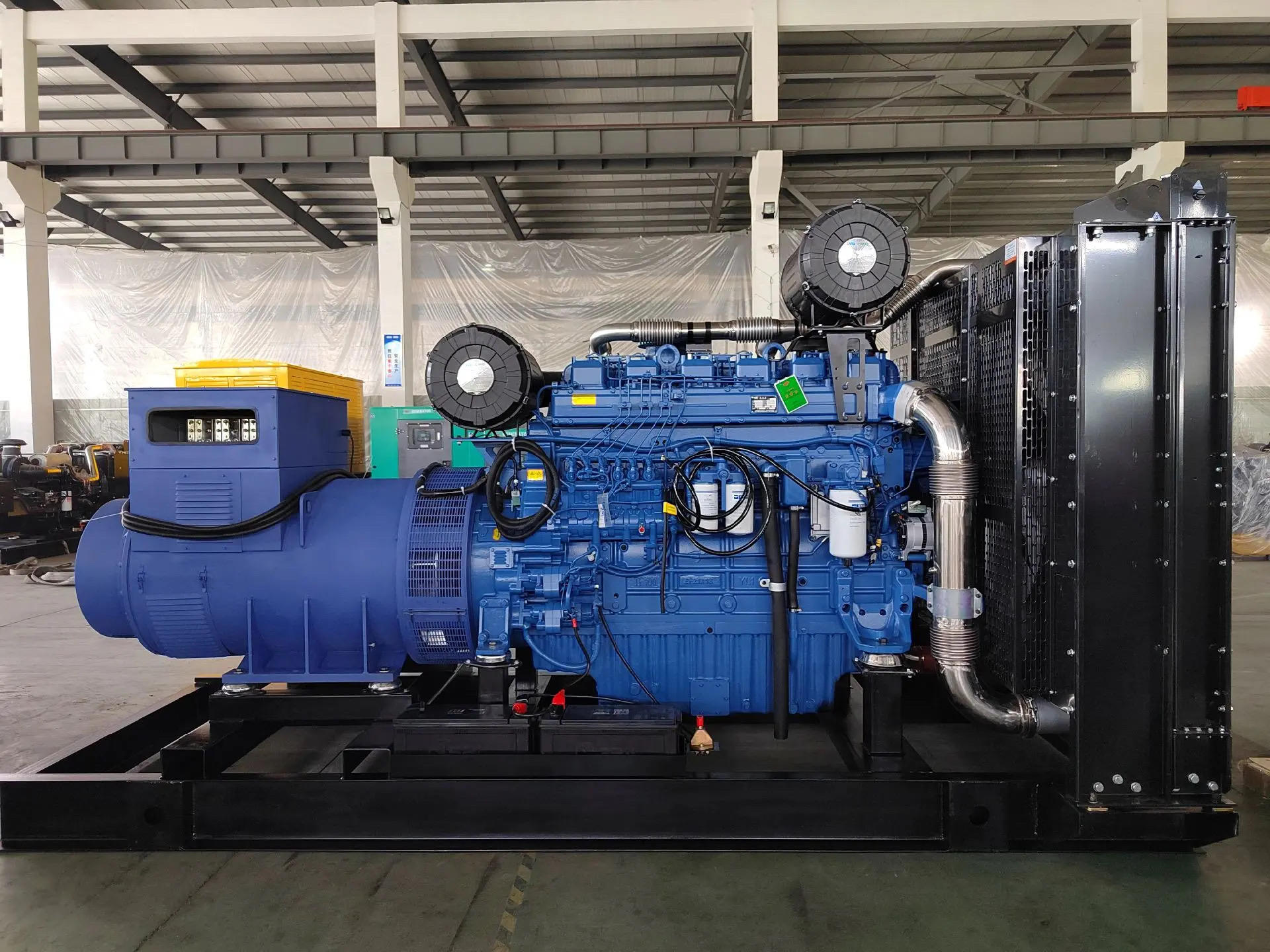
Eight rows belong on the sheet, and a tender that asks for fewer leaves the comparison open. The rating at 0.8 power factor, the engine model and its rated output, the alternator make and frame, the control panel functions, the enclosure class, the fuel tank volume, the dimensions and the weight are the eight. A sheet missing the weight cannot be shipped, and one missing the alternator frame cannot be compared.
The rows also have to agree with each other, and that is where a brochure fails. A sheet that states 200kW and an alternator frame rated 200kVA is describing a set that cannot carry its own rating at 0.8 power factor, because the alternator must be rated above the engine output. The alternator frame exceeds the kW figure on every set built to a defensible specification. Tesla Power prints the eight rows on one page for that reason, so a tender reply can be read against a second one without a phone call.
Why are there two ratings on the plate?
Because a standby rating allows a limited annual hours figure and a prime rating allows unlimited hours at a lower load. A 250kVA generator in prime duty carries 220kVA on the same frame that carries 250kVA on standby, and the two numbers describe different duties rather than different machines.
How is the 250kVA rating split between engine and alternator?
The engine carries 200kW at the shaft, and the alternator converts that to 250kVA at 0.8 power factor with an efficiency of about 94%. The alternator therefore has to be rated above 250kVA rather than at it, and most builders use a frame rated 275kVA so the temperature rise stays inside the class. The power ratings guide sets out the two figures as separate lines for that reason. The duty classes behind the plate come from the ISO 8528-1 rating classes, and the alternator limits from the machine standard a builder declares against.
The split also decides the current a site can draw. At 400 V three phase, 250kVA is about 361 A, and the cable and the breaker follow that figure rather than the kW output. A site that sizes the cable on 200kW undersizes it by a quarter, and the kVA to amps conversion gives the figure at each voltage the tender may name.
- Engine output at the shaft, in kW, at the site ambient.
- Alternator frame in kVA, above the plate rating.
- Current at the site voltage, for the cable and the breaker.
Which rows does a tender usually leave out?
Four rows appear in most tender schedules and three of them are usually missing from the reply. The ambient temperature the rating assumes, the altitude correction, the noise figure at the boundary distance and the fuel consumption at 75% load are the four. A supplier who answers with the plate alone has answered a different question.
| Row | Value on a 250kVA set | Why the tender asks |
|---|---|---|
| Rating at 0.8 pf | 200kW, 250kVA | Fixes the load the site may carry |
| Engine | 6 cylinder, 200kW at the shaft | Fixes the parts list and the tier |
| Alternator frame | 275kVA, brushless | Fixes the step load accepted |
| Fuel burn at 75% | about 33 L/h | Fixes the tank and the contract |
| Noise at the boundary | about 55 dB(A) at 30 m | Fixes the planning position |
How does the derating row change the 250kVA figure?
Air thins with height and warms with the season, and both reduce the load the set can carry. A naturally aspirated engine loses about 4% of its output per 500 m above the reference, and every 5 °C above the reference air takes another share. A set rated 250kVA at sea level in 25 °C air is a smaller machine at 1,500 m in 40 °C air.
A 250kVA generator for the site carries the derated figure rather than the reference one, so the tender should state the site conditions and require the derated figure. A sheet written at the reference conditions answers for a site that does not exist. A derated figure of 200kVA at 1,500 m still carries a 160kW load, and a site that needs 200kW at that height should buy the next frame up rather than run this one at its limit. Tesla Power prints both the reference and the derated figure on the same row.
Worked example: a hotel tender with two replies
A 250kVA generator for a hotel is usually tendered on the standby duty, and this one asked for 200kW and received two replies for the same frame. The first stated 200kW at 0.8 power factor with a 275kVA alternator, and the second stated the same kW on a 250kVA alternator. The second was 7% cheaper and looked equivalent on the plate.
The arithmetic separated them. At 200kW and 0.8 power factor the load is 250kVA, so the second alternator ran at its own rating with no room for a step. A lift motor start of 2 × 250kVA = 500kVA for a fraction of a second pulled the voltage to 80% of nominal, and the hotel's lift controller dropped out. The first frame held the same start with a dip of 12%, and Tesla Power priced the difference as the alternator frame rather than as an upgrade.
Which enclosure class belongs in the specification?
The enclosure class decides where the set may stand rather than how it looks, and three classes cover most tenders. An open set suits a plant room with ventilation. A weatherproof canopy suits a yard with rain and dust. A super silent canopy suits a site with neighbours, and it carries the highest price of the three.
Each class carries a noise figure and a corrosion treatment that the tender should name, and the alternator winding limits behind the class are declared against IEC rotating machine standards. A coastal yard needs the treatment more than the class, because salt attacks the canopy before the noise becomes an issue. Tesla Power asks for the distance to the nearest boundary and the distance to salt water on the enquiry, because both change the specification.
- Enclosure class and the dB(A) figure at the boundary.
- Corrosion treatment for the site atmosphere.
- Lifting points and the weight with the canopy fitted.
What does the control panel add to the specification?
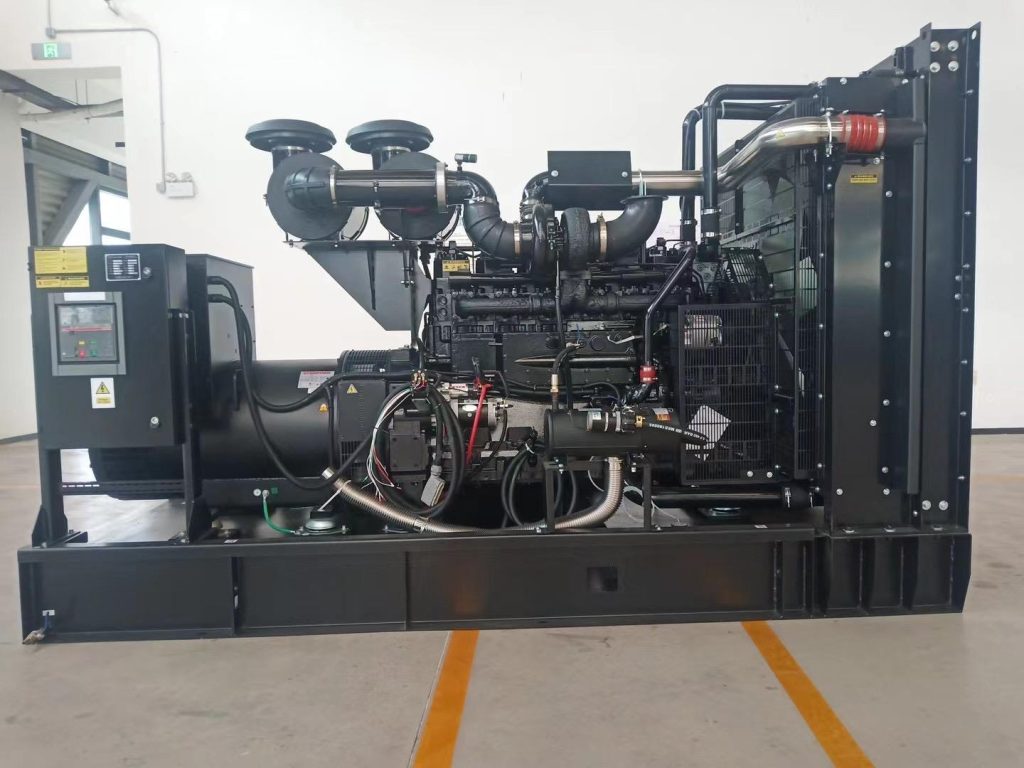
The panel is the row buyers read last and use first, and four functions belong in the tender. Automatic start on mains failure, a manual transfer switch or an ATS interface, the protection settings and the remote monitoring are the four. A panel described as standard without those four is a panel that needs a second visit.
The emission tier of the engine, which the customs entry names, follows the scope set out in the EU Stage V emission scope or the national rule that replaces it. The ATS interface is the one that creates the surprise, because a panel with an ATS function still needs the cable and the interface card between the two. A tender that names the card and the cable as separate lines avoids the cost that arrives after the order. The ATS panel notes set out the pair as one item.
Which figures should a buyer verify on arrival?
Four figures decide whether the set matches the sheet, and all four can be checked in an hour. The serial number against the test sheet, the alternator nameplate against the frame stated, the weight against the shipping document, and the noise at the boundary against the tender figure. A mismatch on any one of them belongs in writing before the set is unloaded.
The noise check is the one most often skipped and the one that costs most to fix, because a canopy cannot be quietened on site. Measure it at the boundary distance the planning rule uses, with the set at 75% load, and compare against the figure in the offer. Tesla Power Equipment measures the same point before shipment and records it beside the serial number, so the boundary figure in the tender and the measured figure in the file agree.
Which documents turn a sheet into a contract?
Three documents turn a datasheet into something a site can enforce. The unit test sheet shows the set reached its rating, the declaration of conformity supports the customs entry, and the warranty schedule names the hours and the exclusions. A sheet without the three is a description, and a description is not a specification.
- Unit test sheet with the load bank readings.
- Declaration of conformity for the destination market.
- Warranty schedule with the hour cap named.
Chinese 250kVA generator suppliers often send the sheet in a form that cannot be compared, so the engineering notes on tender replies set out the eight rows as a checklist. Most 250kVA generator manufacturers will complete it on request, and Yangzhou Tesla Power completes it before the price is written, because a frame chosen on an incomplete sheet is chosen twice.
Frequently asked questions about 250kVA generator specifications
Only at 0.8 power factor, which is the usual rating for an industrial set. At unity power factor the same frame would deliver 250kW, and most sets are not sold that way because the alternator and the engine are matched at 0.8.
About 42 L/h at 200kW, which is 0.21 L/kWh. The figure at 75% load is close to 33 L/h, and the difference matters when a site budgets from the plate rather than from its own load profile.
Close to 2,900 kg with a silent canopy and the fuel tank empty, against about 2,300 kg for an open set. The weight decides the lifting plan and the trailer axle, so it belongs on the sheet before the transport is booked.
It can when the engine and the alternator are built for 1,800 rpm rather than 1,500 rpm. The frame is the same and the rating falls slightly, because the higher speed changes the alternator winding and the cooling requirement.
The site voltage, written as a figure rather than as a class. A set wound for 400 V and installed on a 380 V site loses 5% of its rating, and a set wound for 480 V cannot serve a 400 V board without a transformer.
It moves the price by 5% to 8% between a matched frame and one with headroom, and it decides whether the set holds a motor start. A site with a lift, a chiller or a crane should price the headroom as a line rather than discover it at commissioning.
The sheet is the contract, so read the eight rows before the price and the derating row before the plate. Send the tender schedule and the site conditions to our export desk and Tesla Power will return the 250kVA generator specifications with the measured figures, the derated rating and the alternator frame named. We keep the test sheet against the serial number, and the 250kVA generator documentation for customs travels with the same file.