
What should an overseas buyer verify at a china generator set factory before the order is placed? We wrote this guide around the requirements that decide whether a set arrives as specified: the load bank capability of the test bay, the agreement between the nameplate and the offer sheet, the engine and alternator pairing, the packing standard, and the records that travel with the machine. A buyer who reads those five items can compare two factories on evidence instead of on brochure language. Tesla Power builds in Yangzhou and ships to export markets, and the questions below are the ones our engineers answer most often when a purchase team visits or audits a line. None of them needs laboratory equipment. Most need an afternoon, a data sheet and a camera. Work through the sections in order, mark what the works shows you and what it only tells you, and use the difference to request a quotation that names figures rather than adjectives.
- Ask which load bank steps the test bay can apply, and whether the set runs its own rating before it ships.
- Lay the offer sheet beside the nameplate and confirm the rating class, voltage and frequency match line by line.
- Record the engine and alternator brands offered, because the pairing decides parts availability for the next decade.
- Browse the range of export frames this works builds before the visit, so each question lands on a specific frame rather than on a category.
What does a china generator set factory need to show?
The first stop is the test bay, and the question is what the bay can actually apply to a set. A factory that tests against the grid cannot hold a frame at load, because the grid carries it. A load bank of the right size, with cables rated for the current, is the piece of equipment that turns a running engine into a tested generator set.
Ask to see the bank itself, the controller that logs each step, and the last three test records for a frame close to the one you intend to order. A bank sized for 500kVA tells you little about a 1250kVA frame, so match the figures before you read the paperwork. Ask for the step schedule in writing and the ambient noted beside each reading, and keep copies with the order file. Two lines with the same brochure can differ completely at this bench.
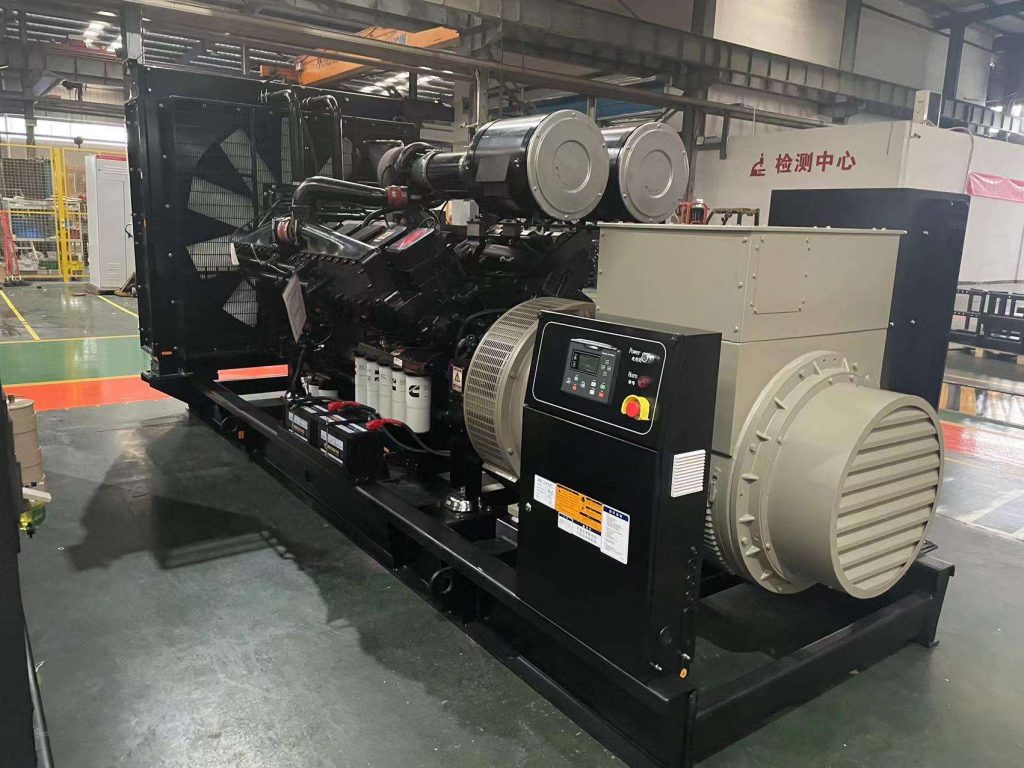
Tesla Power sizes the bank above the largest frame on the line, so a 1250kVA set is proven at its own rating rather than at a scaled figure. Ask any plant you visit to state the bank capacity first, because every later answer rests on it.
Which tests belong on a load bank schedule?
A load bank schedule has to show three things: the steps applied, the reading held at each step, and the time held. A set that touches 500kVA for thirty seconds proves less than a set that holds 400kVA for an hour. Ask which steps the record shows and how long each one ran, and compare two offers on the same schedule rather than on the same headline figure.
A single-step record hides the transient behaviour that a hospital or a data hall cares about. A schedule that steps a quarter, a half and then full load in sequence shows the governor and the AVR working together, which is the behaviour the site sees at transfer. Tesla Power Equipment logs each step to the controller as well as to the paper record, so the two can be read against each other years later.
| Step on the record | What it proves | Where it goes wrong |
|---|---|---|
| Quarter load, one hour | The engine holds temperature without loading up | Skipped, and wet stacking stays hidden |
| Half load, one hour | The cooling package holds the ambient basis | Run without the intake temperature noted |
| Full rating, one hour | The alternator carries the nameplate figure | Replaced by a scaled or grid-backed run |
| Step to full in one move | The governor and AVR recover inside the dip limit | Left off the record because the set trips |
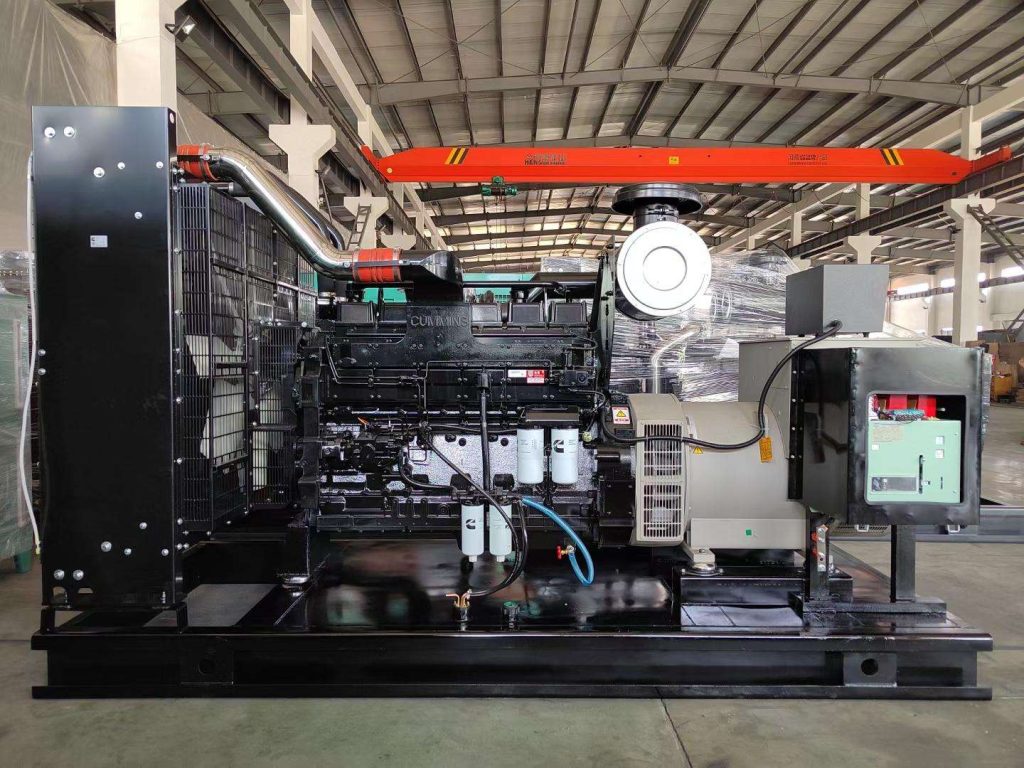
A workable schedule reads 250kVA for the first hour, then 500kVA for the second. The final step holds the full 800kVA rating for a third hour. Ambient sits near 40 ℃ beside each reading, and the log stamps every 10 minutes.
The same record feeds the pre-shipment inspection record that travels with the set, so read the two documents together when the offer arrives.
Do the nameplate and the offer sheet agree?
The nameplate and the offer sheet have to say the same thing, and the differences are usually small enough to miss. Read the rating, the class, the voltage, the frequency and the power factor field by field, and initial each one. A rating of 500kVA at 0.8 power factor is a different machine from the same figure quoted without the factor. Ten minutes at the plate saves a month of argument at the port.
The class matters as much as the figure. A plate that names the rating without the class leaves the duty open, and a standby figure offered as a prime figure is a third of the capacity lost in real service. Most china generator set manufacturers print the class on the plate and repeat it on the data sheet, so read both documents and compare them line by line.
Which fields carry the duty class?
Look for the prime and standby markings on the plate, and ask which clause of ISO 8528-1 each one comes from. Tesla Power stamps the class beside the rating and repeats it in the quotation, because a class that lives only in a brochure is not a specification a buyer can enforce later.
What breaks the agreement most often?
Three things: a voltage quoted at a different frequency, an ambient basis left off the rating, and an alternator swapped during production without a revised sheet. Ask the works to state in writing that no component change happens between offer and shipment without a signed revision. The pairing on the 500kVA three-phase export frame is stated the same way on the offer and on the plate.
Which engine and alternator pairing holds up in service?
An engine brand paired with an alternator brand is a supply decision as much as a technical one. Ask which companies build each part, whether the datasheets are issued by the engine maker or assembled in house, and how the governor and the AVR are matched. A pairing published by the engine maker carries a documented torsional review. An undocumented pairing relies on the assembler's own calculation, and the buyer rarely sees it.
Parts availability follows the same logic. A common engine with a dealer network in the buyer's country beats a rarer one at a lower price, because the downtime after a failure is a cost the quotation does not show. Ask for the engine maker's own datasheet on the governing package, because that page is the one a service technician reads first.
What does packing and crating have to cover for export?
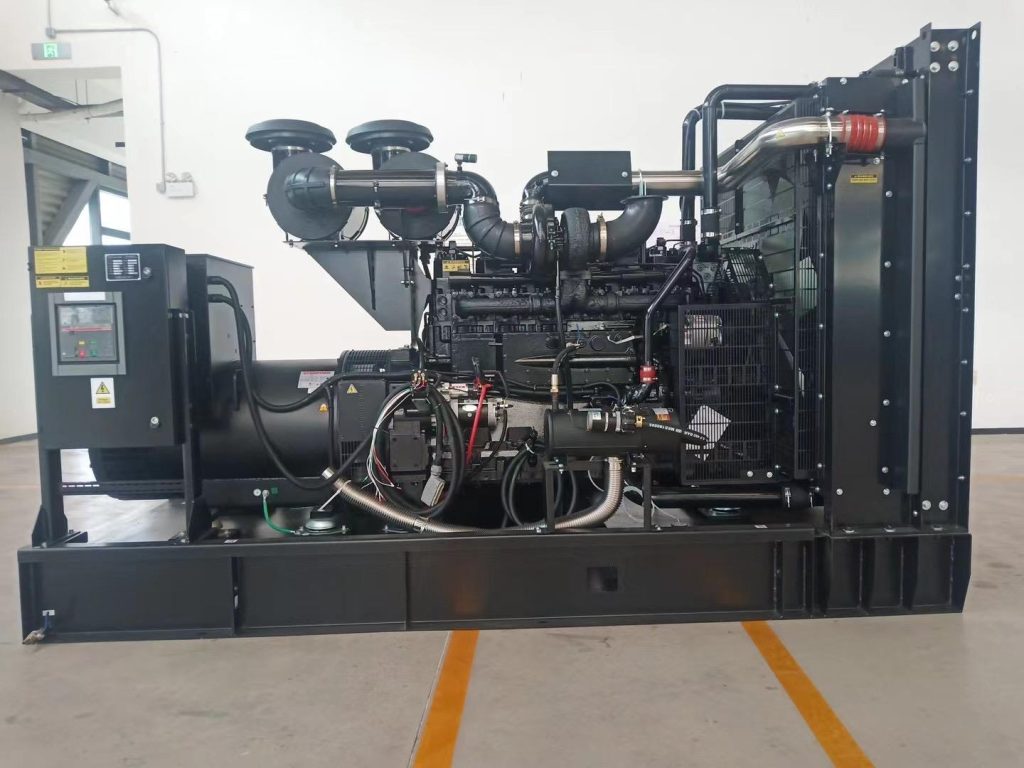
Export packing is a specification, not a favour, and it answers three questions before the crate is built. Ask what the crate is built from, whether the batteries ship connected, and which points are marked as lifting positions. A china generator set in containerised form ships inside its own enclosure, so the question shifts to the fixture points, the louvre protection and the moisture control inside the box. Tesla Power photographs the fixture points of every boxed order before the panels close.
Sea freight adds salt, damp and six weeks of vibration. The crate has to state the stack height, and the desiccant has to be sized for the crossing. Read the CE marking notes for export sets beside the packing drawing, because the markings on the crate belong to the same file as the markings on the set.
For a boxed build, ask how the lifting and fixture points are documented on the drawing rather than agreed in an email.
How do ISO 8528-1 rating classes shape the offer?
ISO 8528-1 sorts every rating into classes, and the class decides what the set may deliver and for how long. A china generator set for prime duty carries a different hours budget from a china generator set for standby use, and at the same frame the two figures can differ by a quarter. Ask which class the quotation names, and read the definition in the ISO 8528-1 class definitions rather than in the brochure.
Duty on a hospital site adds a test schedule on top of the class. A china generator set for hospital duty is read against the NFPA 110 monthly test rule, which sets the monthly run the site completes. Yangzhou Tesla Power writes the class, the hours budget and the ambient basis on the offer sheet, so the three figures are read together rather than as a rating and a footnote.
Which records belong in the after-sales file?
Conformity assessment for the genset rests on the file, not on the plate. The records a buyer should keep on file cover the factory test record, the wiring drawings, the engine and alternator datasheets, the commissioning sheet and the warranty terms. The works issues the file with the set and keeps a copy against the order number, so a query years later starts from the same pages the plant tested against.
Ask for the file list before the deposit is paid, and check each item off against the delivery. A file promised after shipment arrives late or not at all, and the gap shows at the first service visit. Send the list to the factory quotation desk and have it attached to the order confirmation.
How should a buyer plan the factory visit?
Any china generator set factory in china will host a visit, and the difference between suppliers is what they let you record. Book a half day, ask for the test bay first, then the assembly line, then the packing area, and photograph each step against the order number. Tesla Power Equipment publishes the visit agenda in advance so the buyer's engineers arrive with the right drawings.
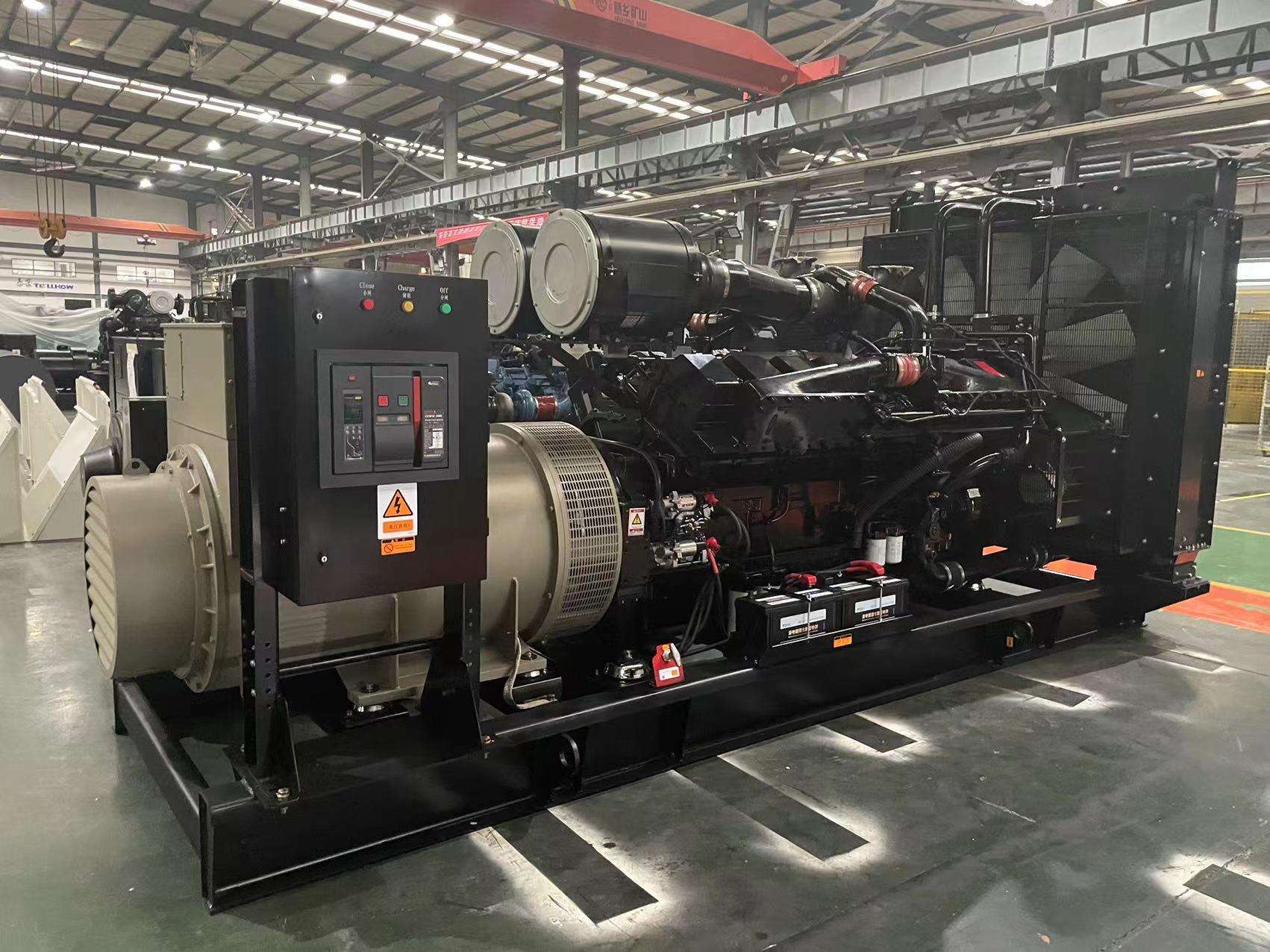
Go once before the order and once before shipment. The first visit tells you what the plant does; the second tells you whether your set received it. A buyer who skips the second visit relies on photographs, and photographs arrive after the deposit has cleared.
Frequently asked questions at a china generator set factory
Two to three weeks covers most works, because the set under assembly has to match your frame. A visit booked around a specific order shows the real process, not a staged line. Ask for the test bay slot in writing so the bank is free when you arrive.
Yes, and many buyers combine one visit with an inspection agency for the shipment stage. Give the inspector the same agenda you would follow yourself: the test record, the nameplate agreement and the packing standard. An agency report written against those three items reads like an audit rather than a glance.
A prime class fits that duty, because it budgets hours continuously at a variable load. A standby class limits annual hours and prices lower, so a site that buys it for daily duty exceeds the class within months. State the daily pattern on the enquiry and let the class follow the duty rather than the price.
The test record, the wiring drawings, the engine and alternator datasheets, the nameplate copy and the warranty terms form the core file. Add the packing list and the crate markings to it. A set that arrives without the file is harder to commission, and the missing pages surface at customs or at the first service call.
The enclosure hides the wiring and the pipework, so inspect it before the panels close. Ask for photographs of the interior at each stage, and confirm the intake and exhaust arrangements against the drawing. The fixture points on the containerised 1250kVA build show the documentation style to expect.
Two working days covers a standard frame with a named engine and alternator. Longer usually means the offer is being assembled from a catalogue rather than from the works schedule. Tesla Power returns a rated offer with the class and the ambient basis stated, and that reply is the one worth comparing line by line.