
A China Yuchai generator reaches a tender as a short list of specifications, and the list decides how the set behaves on site long before the price does. This guide sets out what we compare when a Yuchai-powered build is quoted for site duty: the engine series behind the rating, the alternator paired to it, the duty class printed beside the figure, the fuel drawn at each load step, and the enclosure the factory builds around the two. Tesla Power assembles Yuchai-powered sets in Yangzhou for export sites, so the requirements below come from quotations we have issued and from the records those orders carried. Read the list as a comparison sheet to hold against any supplier, then request a quotation that answers each line in writing. A set quoted without the duty class, the ambient basis and the test record is a price rather than a specification, and the gap surfaces at commissioning on the day the load steps.
- Ask for the engine series and the duty class on one line, so the rating carries a basis a buyer can read.
- Match the alternator to the largest motor start on site, not to the rating alone.
- Take the fuel figure at three load points rather than at the single number on the front page.
- Compare the build against the 1250kVA Yuchai standby frame before comparing prices, so like is set beside like.
- The frames themselves are listed in the 500kVA export build with the ATS option.
What does a China Yuchai generator spec sheet decide for a site?
The sheet that travels with a Yuchai-powered build carries more than a rating. It names the engine series, the alternator make, the controller, the enclosure and the class each figure was measured to. Two quotations on the same frame can differ on every one of those lines, which is why the sheet, and not the price, is the first document a site reads. The sheet decides.
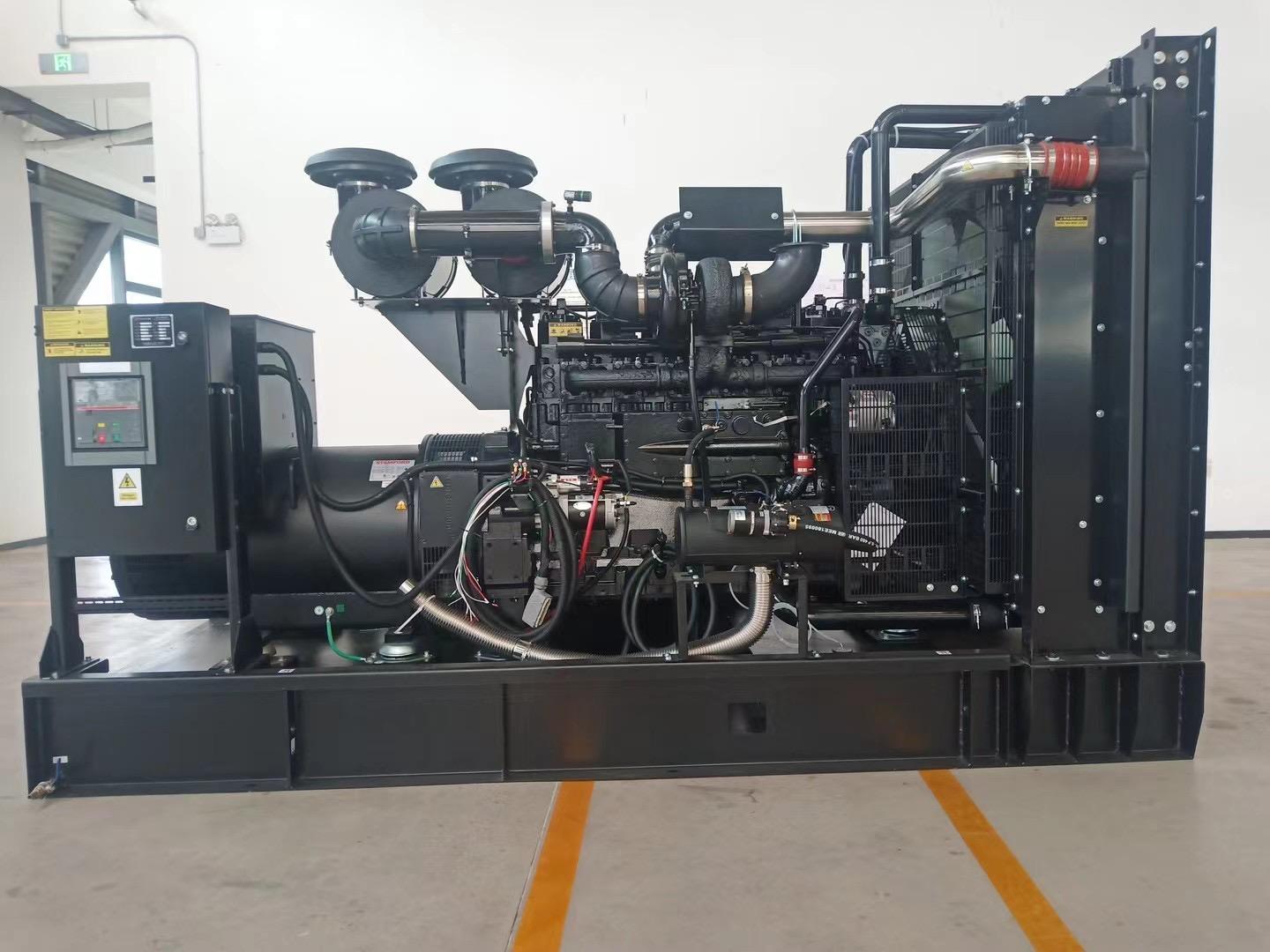
The engine line matters first, because the series decides how the set responds to a step. A small four-cylinder block reaches its limit at a modest starting current, while a six-cylinder block with a turbocharger and an aftercooler holds the voltage dip inside the tolerance the site equipment accepts. The series name sits on the data sheet, so ask for it by code rather than by a general description. The code is on the block.
The duty class matters just as much as the engine. Prime, standby and continuous ratings sit on the same frame in the same catalogue, and the difference between them is the hours the engine may run and the overload it may take. A buyer who reads the class beside the rating knows within a page whether two offers describe the same duty, and the answer arrives before the negotiation rather than after it.
Which Yuchai engine series maps to which duty class?
Yuchai builds its genset engines in families, and the families line up against frame sizes in a pattern most factories follow. The small four-cylinder blocks sit under the light frames, the six-cylinder in-line blocks carry the middle of the range, and the heavy six-cylinder blocks take the frames above 800kVA. The table below shows the pairing as it appears on our order book, with the duty each class supports.
| Engine series | Typical frame | Duty the class supports | Site the pairing suits |
|---|---|---|---|
| YC4D four-cylinder | 50kVA to 100kVA | Standby with light prime work | Tool sheds, pumps, small camps |
| YC6B and YC6J six-cylinder | 200kVA to 250kVA | Prime or standby | Workshops, batching plants |
| YC6C in-line six | 400kVA to 500kVA | Prime on site duty | Construction, events, process lines |
| YC6T and YC6K heavy six | 800kVA to 1250kVA | Standby or base-load prime | Mines, plants, data rooms |
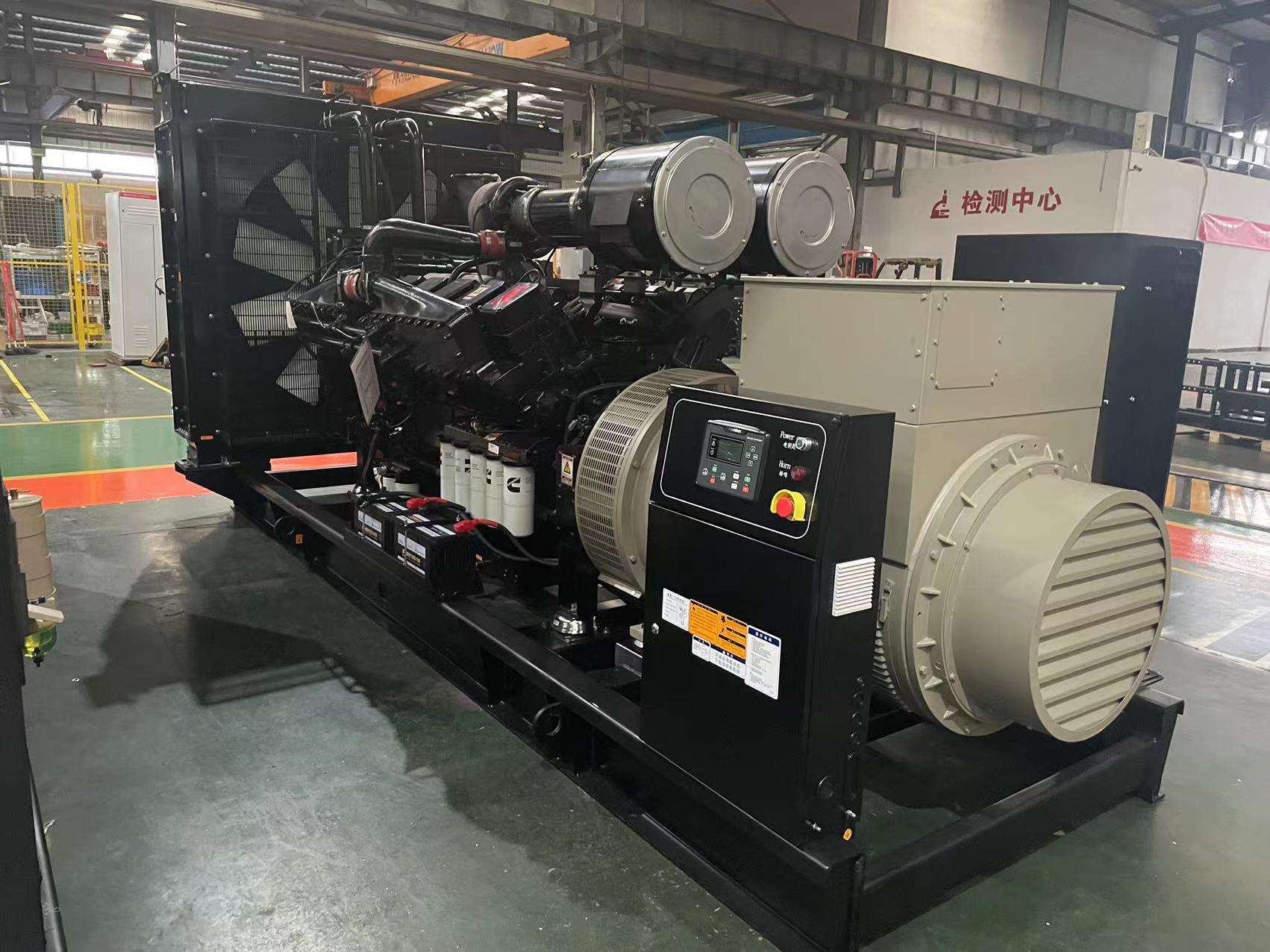
The mapping is a starting point rather than a rule, because the same block appears at more than one rating across a season. Tesla Power publishes the frame list beside each series, and the pairing on the 625kVA container build shows how a mid-range block sits inside a silenced box for a site that mixes day work with night standby.
Which alternator pairing suits the motor starts on site?
The engine decides how much fuel the set burns, and the alternator decides how far the voltage dips when a motor starts across the line. Two alternators of the same rating behave differently at the moment of a start, and the difference shows in the sub-transient reactance rather than on the rating plate. The dip is the test.
Which winding suits a site with drives?
A winding pitched to two-thirds suits a site with drives and uninterruptible supplies, because it holds the harmonic content down. Insulation class H with a temperature rise held below the limit keeps the winding alive in a hot climate. An automatic voltage regulator with a fast response pulls the dip back inside the tolerance in a fraction of a second, which is what the site equipment notices. Ask for the dip figure for the largest motor on the list.
Tesla Power Equipment pairs the alternator to the load list rather than to the engine, so a set for a site with one large crusher carries a different alternator from a set of the same rating for a camp with lighting and pumps. Ask which alternator is fitted and why, because the answer separates a quotation built for the site from one built for the warehouse shelf.
What does rating honesty mean for prime vs standby duty?
The the ISO 8528-1 rating basis define how long a set may run and at what load, and the same Yuchai generator for prime vs standby duty carries two different figures on the plate as a result. A class quoted without a basis is the single most common gap in a comparison.
A prime rating allows unlimited hours at an average load held under the majority of the rating, with a limited overload permitted for a short period in every dozen hours. A standby rating allows fewer hours a year and no overload at all. The same frame therefore carries a higher figure as standby than as prime, and the gap between the two is wider on a small block than on a large one. Read the class first and the figure second, because the order decides whether the comparison means anything at all.
Which figure should the quotation lead with?
Honesty shows in which figure the quotation leads with. A set for a construction site that runs ten hours a day needs the prime figure, and the rating classes explained for both duties set out the arithmetic. Yangzhou Tesla Power prints the class beside every rating it issues, so the buyer reads the basis and the number on the same line.
Ask one question when two offers sit side by side: which class is each figure measured to, and how many hours a year does the site actually plan to run. A standby figure quoted for a prime job looks cheaper for a season and then argues with the hour meter for the rest of its life, and the argument is settled by the plate rather than by the salesman. Put the class on the enquiry form and the answers come back aligned.
What does fuel consumption show at each load step?
Fuel drawn at full load says little about a site, because most sites run between half load and three-quarter load for most of the day. Ask for the consumption at three points, and read the trend rather than the single figure. A set that burns a modest amount at full load and a disproportionate amount at half load is working outside its comfortable range. Trend beats number.
The three points also size the tank. A site that runs mostly at three-quarter load plans its autonomy on the three-quarter figure, not on the full-load figure, and the difference can be a day of runtime across a week. On a 500kVA frame the consumption at three-quarter load sits well below the full-load figure, and the margin decides the refuelling schedule rather than the tank alone. The arithmetic is one line: 500kVA × 0.8 power factor = 400kW of real output, a 250kVA frame = 200kW, and the standby figure on the same 500kVA frame = 275kVA of apparent rating.
A china yuchai generator for construction sites lives on its three-quarter figure rather than on the nameplate. Low load carries its own cost. A set that idles below a quarter load for long periods leaves unburned fuel in the exhaust, and the deposit shows on the injector tips long before it shows on the hour meter. Tesla Power sizes the frame so the site runs inside the healthy band, which is a sizing decision rather than an engine decision.
Yuchai generator in containerised form or open frame?
The enclosure question follows the site rather than the engine. A china yuchai generator in containerised form suits a site that needs weather protection, transport by road on a standard bed and a noise figure the neighbours accept. An open frame suits a plant room that already holds the noise and the weather, and it costs less and moves more easily through a doorway. The site decides.
A silenced container build on a mid-range frame holds roughly 75dB(A) at seven metres, and the figure depends on the louvre free area as much as on the lining. The intake air inside the box runs warmer than the yard, and the derating follows the warmer figure. The containerised export range carries its airflow figures beside the rating for that reason, because the two lines belong on the same page.
Tesla Power measures the intake figure with the doors closed, which is the condition the set meets in service rather than the condition it meets on a bench. The practice came from a coastal site where the box ran well above the yard temperature for most of the summer, and the correction has sat beside the rating since.
Which spares and test records should travel with the set?
Spares decide the second year rather than the first. Filters, belts and coolant belong in the order, and a supplier with a Yuchai parts channel answers a parts query in days rather than in seasons. A site working to a scheduled test regime, such as the NFPA 110 monthly test cycle, also needs the consumables on the shelf before the first test rather than after it.
The test record a Yuchai build should carry starts with the factory load run. The record shows the figure the set held at each step, the power factor at the time, the ambient in the hall and the hour meter reading. A build without that record was either not run or not logged, and both cases surface at commissioning when the site crew asks what the set did before it was shipped.
The second record is the site acceptance run, taken with the ambient noted beside it. The two records together show whether the set has drifted, and a drift caught in year one is a setting while a drift caught in year five is a frame. The conformity file for an export genset lists the documents that travel with the set and the signatures each one needs.
Tesla Power issues both records with the order, and the spares list is priced as a line in the quotation rather than as an afterthought. A buyer who collects the two records at handover holds the baseline for every service argument that follows.
How do Chinese Yuchai generator suppliers differ on paperwork?
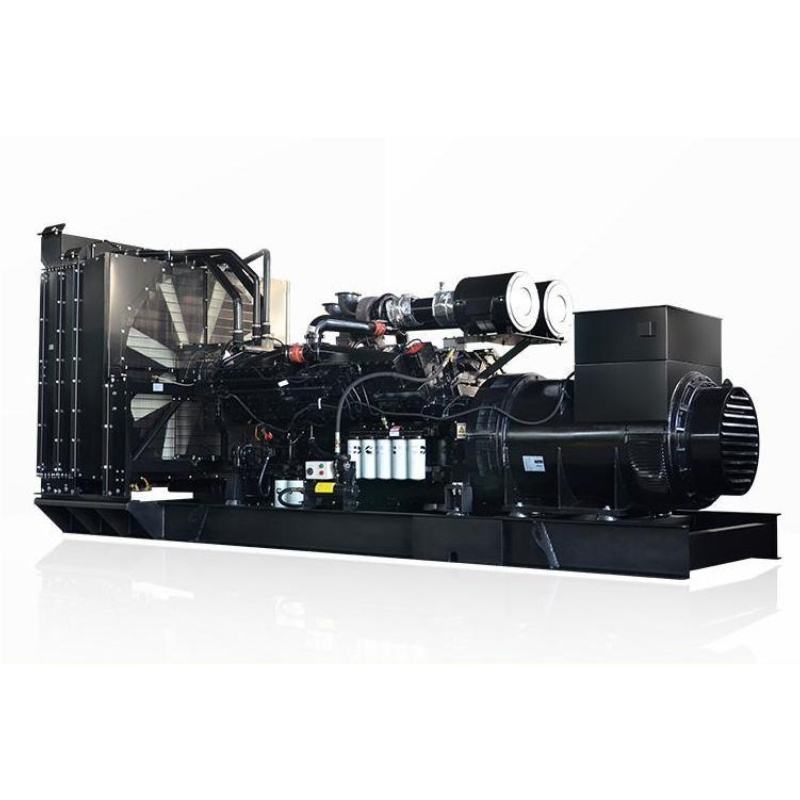
Chinese Yuchai generator suppliers work from the same engine families, so the differences sit in the paperwork rather than in the metal. One supplier quotes a figure with a class and an ambient basis; another quotes a number and a delivery week. The two quotations describe the same engine and two different levels of risk, and the risk is priced invisibly into the second offer. The china yuchai generator oem manufacturers answer with a schedule; the resellers answer with a delivery week.
China yuchai generator manufacturers also differ on how the build is assessed before it ships. Conformity assessment for the genset is the step that checks the plate against the file, the file against the order, and the order against the site conditions, and a supplier who runs the step answers questions at the port before customs asks them.
Tesla Power Equipment treats the file as part of the build, and the desk answers a document query inside the working week. Send the load list and the site conditions to our technical sales team, and the reply returns as a schedule with the class, the basis and the records already filled in.
Frequently asked questions about the China Yuchai generator
A prime rating allows unlimited annual hours at an average load held below the majority of the rating, with a short overload permitted once in every dozen hours. The engine must still be sized on the site profile, because an average the profile not in practice reaches is capacity the site pays for and not in practice uses.
Derating starts from the reference condition on the data sheet, and the correction for intake temperature is applied on top of it. A turbocharged block loses less than a naturally aspirated one, because the compressor recovers part of the density loss. The basis and the correction belong on the offer sheet, where the site can read them against its own conditions.
It depends on the alternator and the tolerance of the site equipment rather than on the rating alone. A direct on line start draws several times the running current for a few seconds, and the set answers with a voltage dip. Ask for the dip figure for the actual motor, because the same frame gives a different answer with a different alternator.
The record shows the figure the set held at each load step, the power factor, the ambient in the test hall and the hour meter reading, signed and dated. It is the baseline the site acceptance run is compared against, and it is the document a warranty question is read against a year later.
A silenced container build on a mid-range frame typically holds around 75dB(A) at seven metres, and the figure moves with the louvre free area and the lining. Ask for the figure measured with the doors closed, because that is the condition the set meets in service, and ask for the airflow behind it.
It starts with the load list, the site conditions and the expected annual hours, and Tesla Power replies with a schedule that names the engine series, the alternator, the duty class, the ambient basis and the records issued with the set. A quotation built that way can be compared line by line with any other offer on the same terms.