
Cummins vs Perkins generator sets share the same kVA classes but differ in engine platform, service network and parts cost, so the comparison has to run on one duty class before any quote makes sense. Tesla Power puts both engine platforms on the same load profile, the same power factor and the same emission tier first, because a set that looks similar on paper can behave very differently once the site adds a step load, a long fuel run or a dealer that is three days away. Buyers who choose a brand before the load profile often pay more for the wrong set, and the parts bill shows up later in the service schedule rather than on the nameplate. The reading order below keeps the comparison honest: read the nameplate before the badge, hold both offers to one class, and let the running hours and the dealer distance decide the real cost of the set you finally place on order.
- Read the 500kVA export set before the brand, because the rated output is what the load sees.
- Put both quotes on the same duty class so the comparison stays honest.
- Ask the seller to name the service interval behind each engine platform.
- Keep the running hours in view, since they move the parts cost more than the nameplate does.
How do the two engine platforms compare on paper?
The two platforms sit in the same kVA brackets from 10kVA to 2000kVA, so the first step is to read the nameplate rather than the badge. The duty classes defined in ISO 8528-1 apply to both engine platforms in the same way, which is why Tesla Power lines both up on one duty class and one power factor before any price talk. A set that looks similar on paper can behave very differently under a step load.
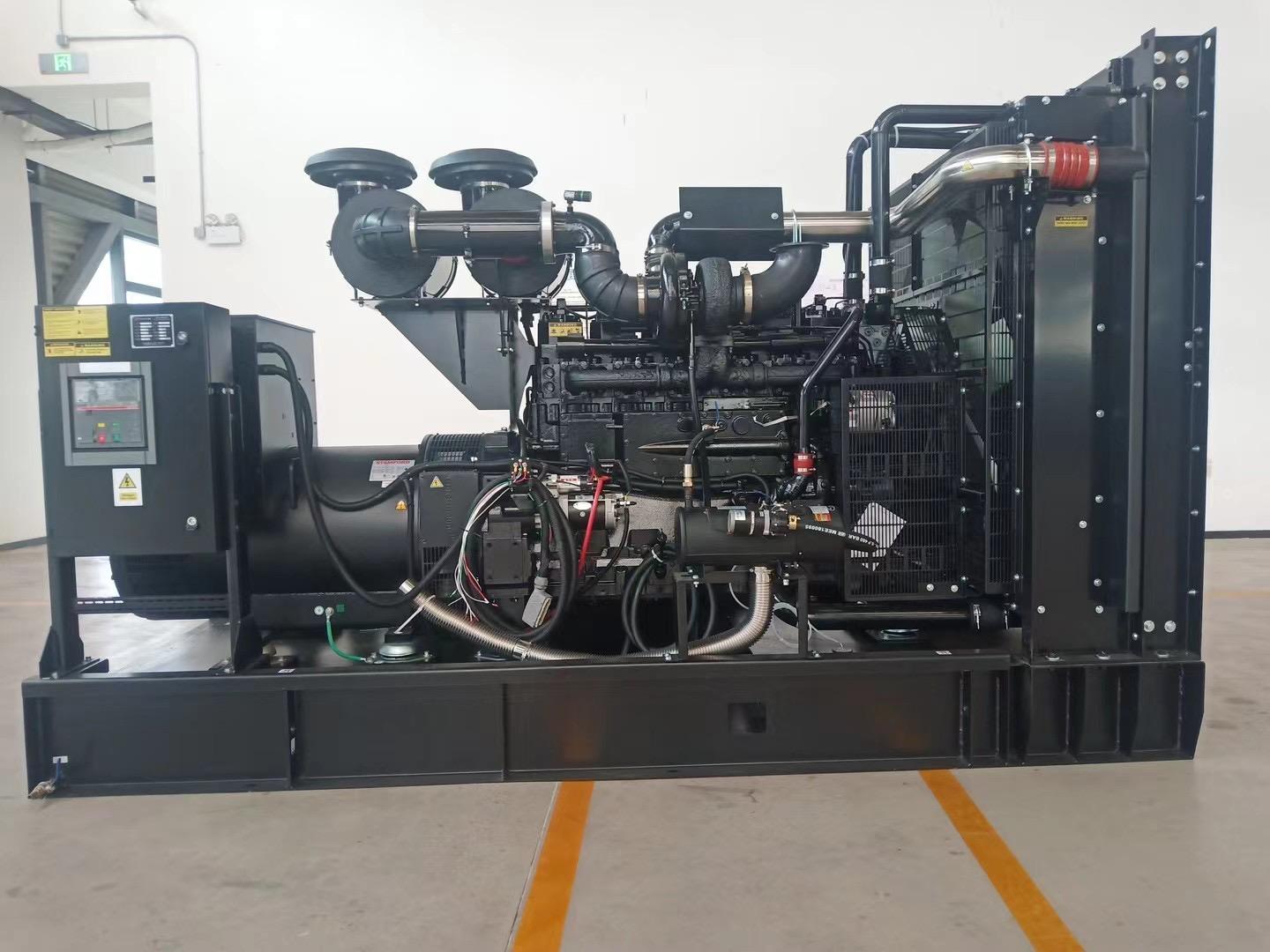
The engine is only half the story. The alternator, the governor and the control module decide how the set rides a load step, and those parts are shared or matched by the assembler rather than the engine maker. Both makers build to the same ISO basis, so the assembly decides more than the badge. Buyers who list the major cummins manufacturers next to the Perkins line see the same brackets, which is why the request has to name the duty class first.
Which engine platform lasts longer in daily use?
Cummins builds its own fuel system and electronics, which keeps the critical path inside one maker for many ratings. Perkins leans on a wide base of shared blocks and a deep service network through distributors, which spreads the parts pool across regions. Neither is universally longer lived; the duty class and the service interval decide the maintenance clock, not the badge on the rocker cover. Hours logged on the meter decide which platform earns its keep.
Our engineering help pages list the service intervals by class, and the running hours drive the cost far more than the engine brand does. A prime-rated set services several times more often than a standby-rated one, so the platform choice matters less than the hours you actually run. Read the interval before you weigh one name against the other.
Does the service network change the total cost?
Yes, and often more than the list price does. A cummins for mining runs in places where the nearest dealer is days away, so the local parts pool decides downtime. The buyer who can source a common service kit without a freight delay keeps the set running, while the buyer waiting on a single-source part eats the outage. Freight time is the hidden extra line on every quote.
The fix is to ask for the local stock picture before the order, not after the first fault. Yangzhou Tesla Power issues the service schedule with the class printed at the top, so the site team works from the right table and orders the right kit. The platform with the deeper local pool usually wins on total cost, even when its list price is higher.
How do power ratings line up between the two?
Both brands publish prime, standby and continuous ratings under the same ISO basis, but the number on the nameplate is only useful next to the class behind it. The table below lines up the usual brackets so the two offers can sit on one sheet.
| Rating basis | Cummins bracket | Perkins bracket | What it decides |
|---|---|---|---|
| Standby | 10 to 2000kVA | 10 to 2000kVA | Emergency runtime only |
| Prime | 50 to 1500kVA | 50 to 1250kVA | Daily running hours |
| Continuous | 500 to 1500kVA | 500 to 1250kVA | Base-load supply |
The brackets overlap so widely that the rating basis, not the brand, is the real divide. A 500kVA set from either maker is the same class on paper; what changes is the alternator and the governor tune. Tesla Power quotes both ratings on one page so the two offers compare on the same footing, and the cummins ce marking requirements sit with the data sheet when the set leaves the factory.
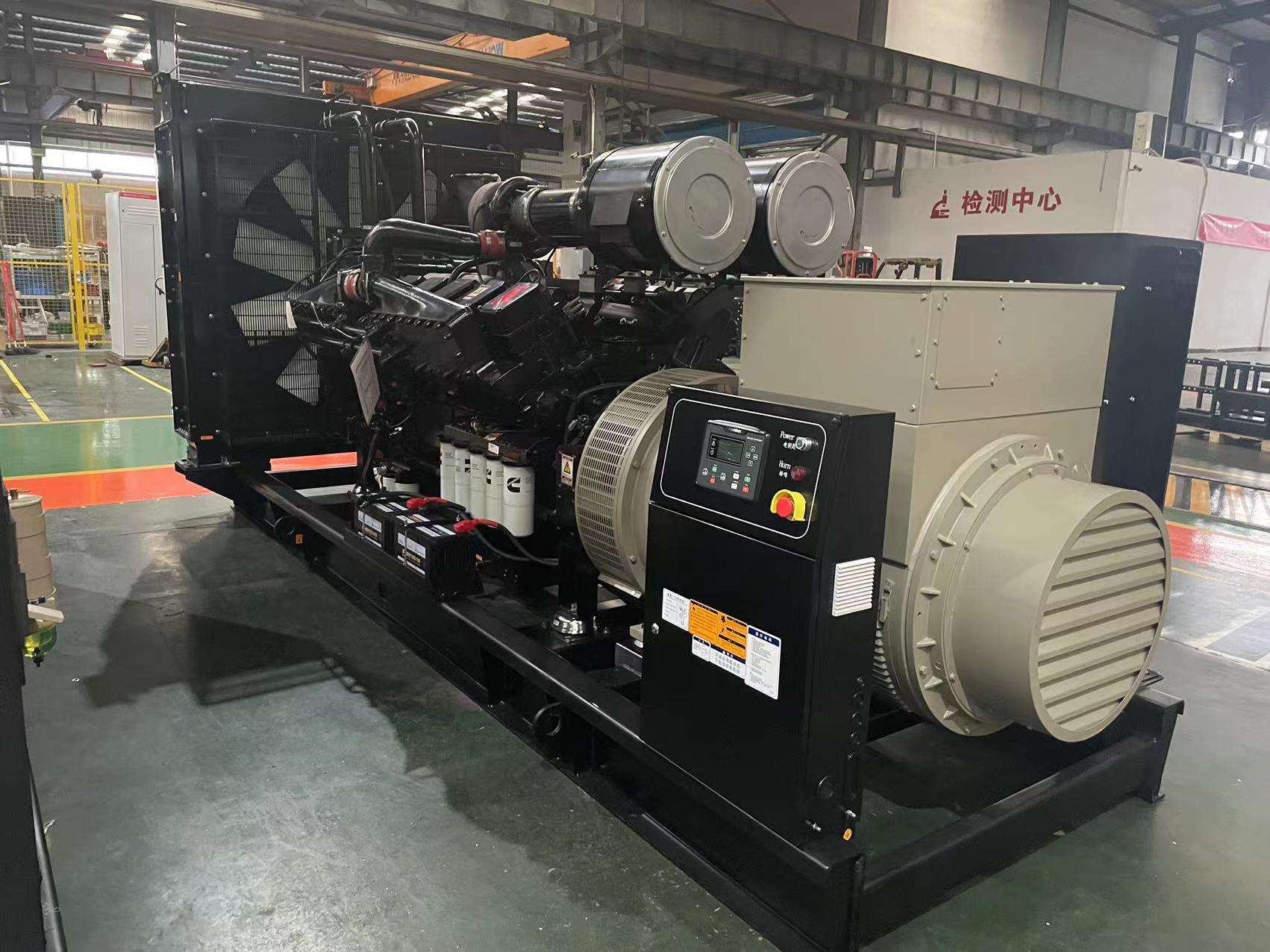
Cummins vs Perkins generator: a worked 500kVA example
Take one 500kVA Cummins set at 0.8 power factor = 400kW and one 500kVA Perkins set = 400kW; both draw about 577 A at 400 V three phase. At a site load of 320kW the smaller frame runs at 80 percent load and the larger carries spare capacity, so the engine platform is a smaller factor than the load you actually serve. Write the ampere line on the enquiry sheet too, because the breaker and the cable size follow it.
The difference appears when the load grows. If the site later needs 500kW, the 500kVA frame is overloaded while a 1000kVA frame still has margin, and the fuel line on the larger set is only 1.2x. Tesla Power works the power factor into the build choice before the price is fixed, and a cummins for standby may size the same while the parts pool behind it differs.
Where do buyers overpay on a brand name?
The first overpay is to assume the badge sets the price, when the alternator, canopy and control module carry a larger share of the cost than the engine does. The second is to buy on standby rating and run on prime, which can void cover. The third is to skip the local parts picture and pay the outage later. The fourth is to skip the load step test and trust the nameplate figure alone, which hides how the set behaves on the hardest motor start on the site.
Tesla Power Equipment names the engine on the order and states the class next to the figure, so the two offers compare on the same basis before the buyer commits. A buyer who reads only the badge compares the wrong number, and the chinese cummins suppliers who assemble the frames build to the same ISO basis, so the assembly and the service plan are what separate the quotes.
What should the enquiry state about both engines?
State the running hours, the load profile, the local fuel price and the emission tier you must meet, plus the duty class the site needs. Those items let an engineer price the set without guessing, and they turn a brand question into a spec answer. A site that runs daily at a steady load is a prime case, and the service line changes with it.
Ask for the rating definition the seller used and the source document behind it, and ask whether the figure is prime or standby. Chinese genset suppliers often quote the standby figure because it looks larger, so the class has to be named in the reply. Tesla Power asks for the running hours and the local rules first, then sizes the frame and prices the full offer on one sheet, and the same sheet carries the alternator excitation line that most quotes leave out. A cummins in africa still needs the duty class named, and the cummins documentation for export sits with the data sheet.
Frequently asked questions before comparing the two engines
No. Both Cummins and Perkins build engines that meet the same ISO rating basis, and reliability tracks the duty class and the service interval far more than the badge. A prime-rated set services more often than a standby-rated one, so the maintenance clock is what decides life, not the name on the rocker cover.
The one with the deeper local parts pool, which varies by region rather than by brand. A common service kit that a local dealer stocks beats a slightly cheaper list price when the nearest source is days away. Ask for the local stock picture before the order, because downtime cost usually dwarfs the parts cost.
The duty class, the rating definition, the running hours, the local fuel price and the emission tier. Add the power factor, because the kW figure depends on it, and send the load profile so the offer carries the class and the full cost on one page. The engine platform is one line among several on that order.
Emission tiers can force a specific engine or aftertreatment in some markets, which moves both list price and service, and the EPA nonroad tier 4 page shows how far the local rule can move the hardware. A set that meets the local tier without a retrofit keeps the cost low, while one that needs a conversion adds a line no price list showed. State the tier in the enquiry so the quote lands compliant.
Send the running hours, load profile, local fuel price and emission tier to Tesla Power with the site conditions, and the offer will carry both engine platforms on one duty class and one sheet rather than two badges. Contact our export desk with the load profile, or read the factory profile and the Cummins engine set before the order is placed.
The alternator brand, the winding pitch and the AVR class move the voltage recovery on a motor start more than the engine badge does, so read that line of the offer before the engine name. A set with a shunt-excited alternator dips deeper on a 30 percent step load than one with an AREP or PMG excitation, and the same kVA frame can carry either. Ask which excitation the quote prices, because that single line decides how the set rides your hardest start.
A fair sheet names the duty class, the rating definition, the alternator excitation, the canopy attenuation class and the local service response for each offer. It prices the set and the first two services together, and it states which parts the nearest dealer stocks. Tesla Power issues that sheet layout as standard with every export offer, so nothing hides behind the badge. Any comparison that hides the class or the excitation is selling a badge, and the running hours will find that out within the first quarter.