
A generator rental price list is only as good as the site facts written into it, and the three checks below decide whether the number you receive survives contact with the site. We build rental fleets at Tesla Power for export buyers across construction, events and standby duty, and the quotations that fail are rarely wrong on the arithmetic. They are wrong on the assumptions. Duty hours written as "as required" get priced as continuous running. A site described as flat and accessible turns out to share its lane with delivery trucks. A rate that looks low turns out to exclude the collection run, the fuel handling and the standby crew. Each check takes an hour on the buyer side and removes a surprise that otherwise surfaces after the set arrives. Work through them before you request a quotation, and the rates that come back can be set side by side and compared line by line instead of argued about after delivery.
- Write the duty hours and the hire duration into the enquiry, because the duration line moves the rate more than the frame size does.
- Describe the site as the delivery driver will find it: access width, ground, noise limits and the ambient the set will run in.
- Ask which services the rate includes: delivery, collection, fuel handling, standby response and the scope of the damage waiver.
- Keep the enquiry beside the rental frames the factory builds for export fleets, so the hire desk quotes a named set rather than a class of machine.
What does a generator rental price list actually price?
The list prices assumptions before it prices machinery. A rate card is built from a duty profile, a site description and a service scope, and each line in the quotation maps back to one of the three. Read the list that way and the comparison becomes straightforward. Two rates differ either because the frames differ or because the assumptions differ. A generator rental for event sites carries weekend duty, long idle spells and a noise limit at the boundary fence, and a rate written for construction duty prices none of that.
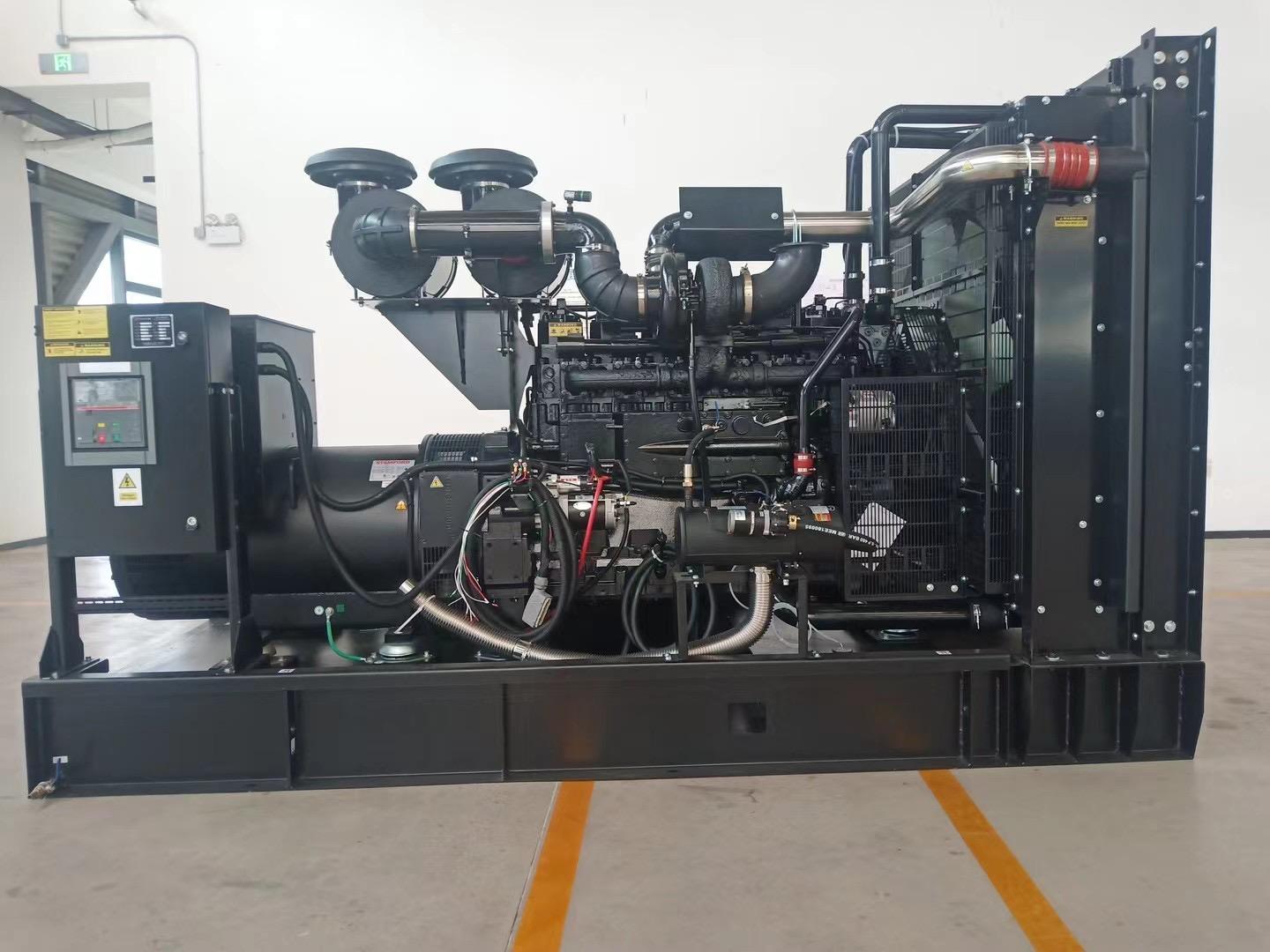
Tesla Power Equipment writes the three assumptions at the head of every rental quotation, then prices the set against them. The practice costs an hour at the enquiry stage. It removes the argument at delivery, because the rate and the site now describe the same machine. Buyers who send the three facts with the first enquiry receive fewer revised offers and settle faster.
The reverse shows up just as often. A quotation that names the 500kVA silent set held for hire duty and a weekly rate, and nothing else, leaves the duty class, the mobilisation and the standby crew to be discovered later. Every one of those items moves the number.
Why do duty hours and duration move the number most?
Duty hours decide the rating class, and the rating class decides the rate. A set quoted on standby pricing and run as prime wears out on someone's spreadsheet. The rating classes set out in ISO 8528-1 separate the two, and a quotation that omits the class leaves the hours open. The hire duration compounds it.
A generator rental for standby duty priced by the week behaves differently from one run fourteen hours a day. The first wears hours at the rate the class allows. The second reaches the annual hour cap inside a quarter. Write both figures into the enquiry: the running hours per day and the length of the hire. Tesla Power prices a 500kVA frame differently at 2000 hours than at 200, and the difference sits in the class line rather than buried in the rate.
Which site conditions must the rental fleet match?
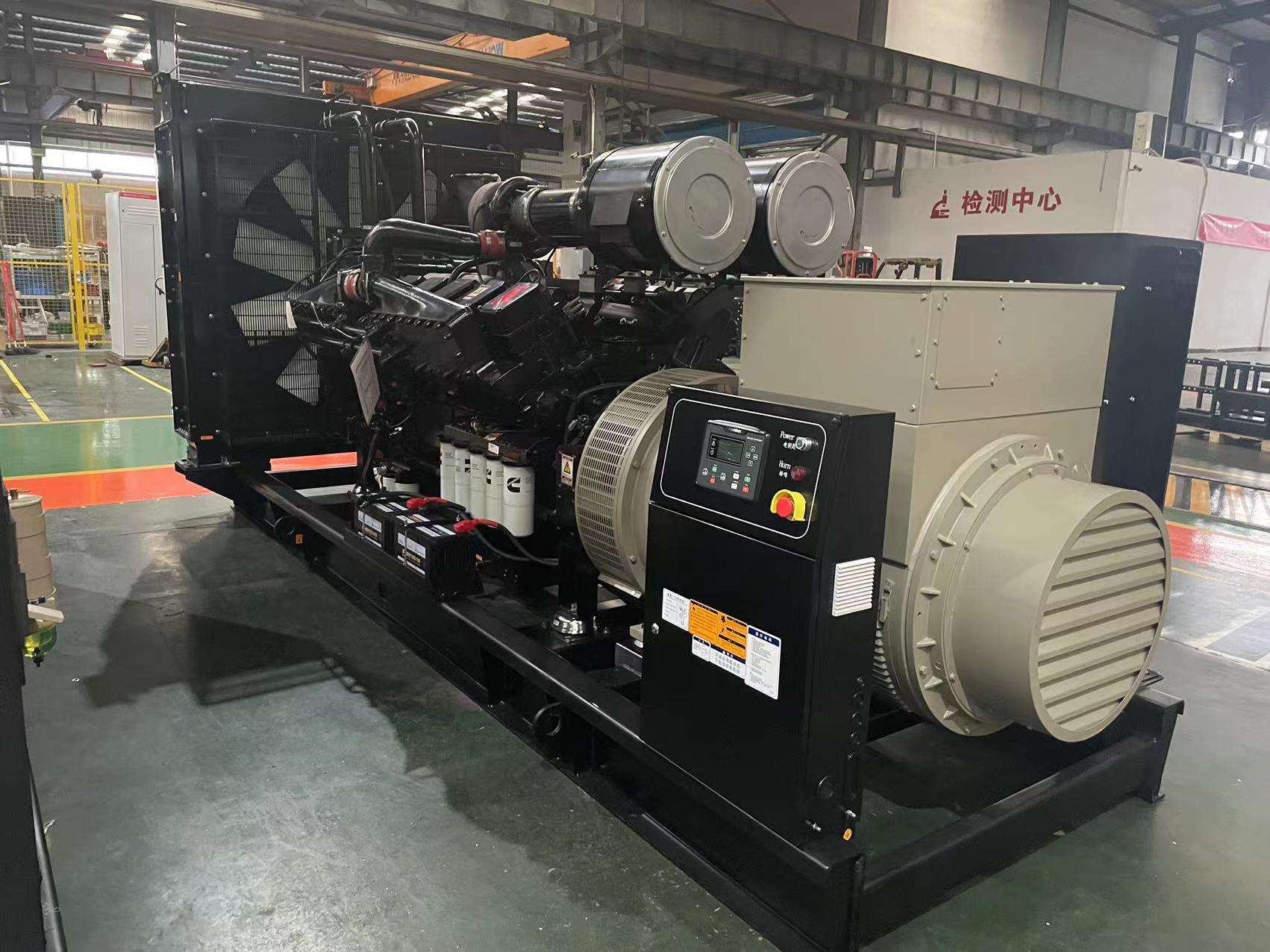
The fleet has to get in, run and get out. Site access, ground pressure, turning circle and the lifting arrangement decide which frames can be quoted at all. A 400kW trailer build needs a corridor. A 100kVA set does not, which is why the 400kW Weichai WP13 build we ship for event work lists its access envelope on the product page.
Noise limits and ambient come next. A generator rental in coastal towns runs in salt air and high humidity, so the enclosure, the alternator insulation and the service interval all shift. A festival site 300m from a residential boundary needs a silent build and an elevated exhaust, not a standard frame. Yangzhou Tesla Power asks for the boundary distance and the ambient figure on the enquiry sheet, because both change the build before the rate is set.
The lines the rate must include in writing
Four lines carry most of the disagreement. Each one is a service, and each one has a cost the supplier either carries or hands back. Ask which side of the line each sits on before the rate is fixed.
| Rate line | What it must cover | What happens when it is missing |
|---|---|---|
| Delivery and collection | Both legs, with the permits and the escort named | The return leg arrives as a separate invoice |
| Fuel handling | Tank filling, fuel quality and the spill kit | The site crew absorbs hours nobody priced |
| Standby response | Response time, crew hours and the parts box | Downtime cost falls on the hirer |
| Damage waiver scope | Named exclusions and the excess, in plain words | A claim is argued after the event |
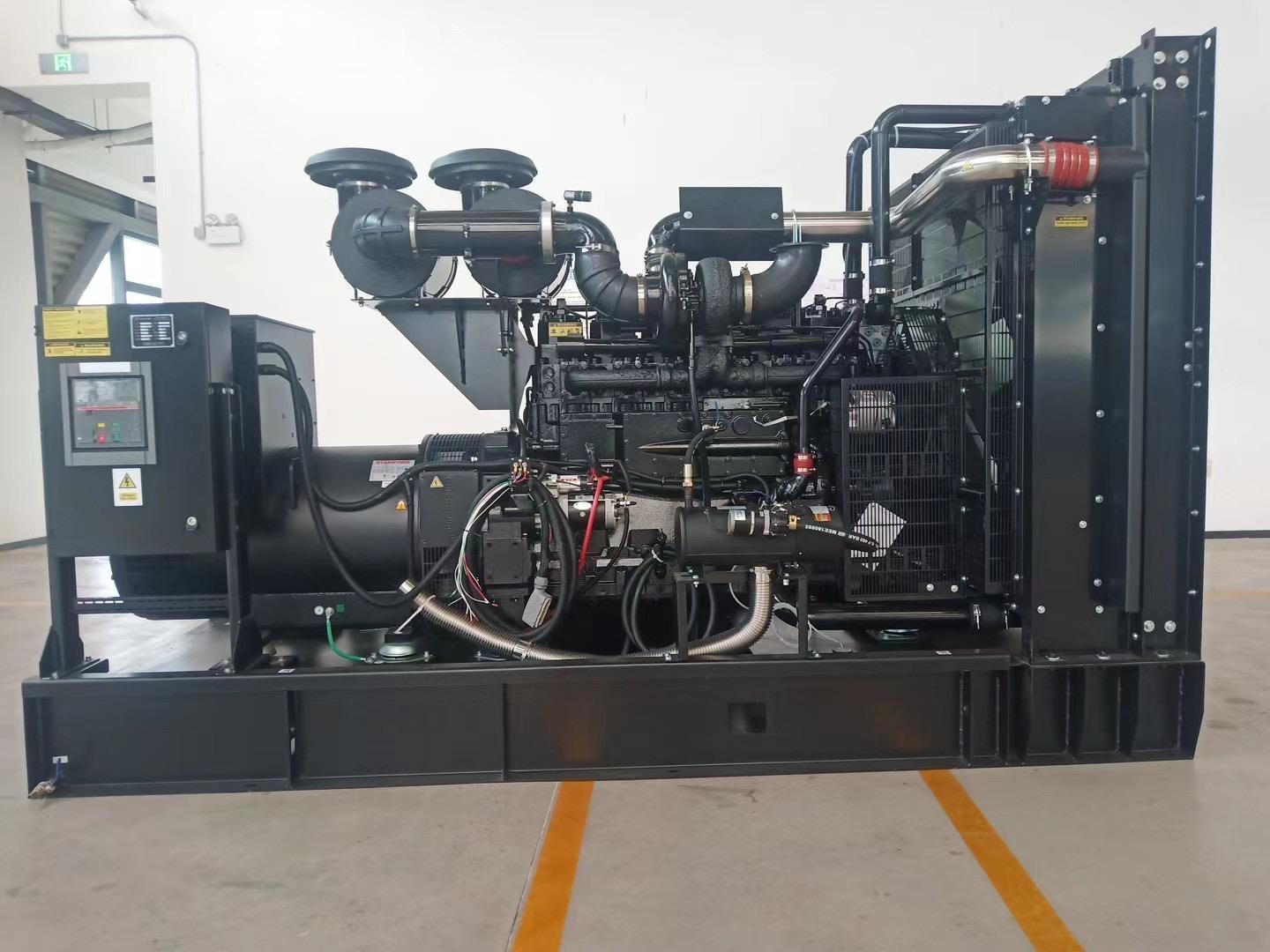
When a line is missing, the cost does not disappear. It reappears as a site invoice, a delay or a set that runs without a crew. Tesla Power prices the four lines inside the headline rate for that reason, and marks any exclusion on the same page rather than in an annex.
How is the number worked out on a real fleet?
The arithmetic is short, which is why the assumptions matter more than the sums. Start from the load, convert it to a frame, then spread the fixed costs across the hours the set will actually run. The three checks supply every input that calculation needs. The margin matters on a hire fleet.
Take a site that needs 320kW of continuous load at 0.8 power factor. A 500kVA frame gives 500kVA × 0.8 = 400kW, so the set runs at 80% of rating and keeps a margin for motor steps. A 250kVA frame gives 250kVA × 0.8 = 200kW and would need two sets on the board. A 100kVA frame gives 100kVA × 0.8 = 80kW, which suits the gatehouse and the welfare block. A set run at 95% of rating all season arrives back with the injector tips to prove it. The headroom is what the standby crew spends on a restart.
The documents a supplier should issue with the rate
Three documents turn a rate into a contract. The quotation schedule, with the duty class and the four service lines priced. The set data sheet, with the rating and its 0.8 power factor basis. And a conformity assessment for the genset, so the paperwork at the port matches the machine on the truck.
Ask for the three together, before the deposit. A supplier who sends a number alone is asking the buyer to hold the assumptions in their head. Tesla Power Equipment issues the three documents with every export hire. Send the site sheet and the duty profile to the rental desk at the works, and the reply comes back as a schedule with the class already named.
What does a Chinese generator supplier have to state?
Export rental adds distance, and distance adds paperwork. A quotation from Chinese generator suppliers should name the class, the hour basis, the four service lines and the port documents in one schedule. Generator manufacturers in China build rental fleets against the same three checks. The difference between offers is how much of the check the quotation writes down unprompted.
Ask how the fleet is configured for the destination as well. Voltage and frequency options, the ATS cabinet, the tank size and the spare parts box all belong on the quotation page. Tesla Power answers those items inside the schedule, because a schedule survives the tender committee and a covering letter does not.
How should two offers be compared line by line?
Put the two schedules side by side and read the assumption lines first. Same class, same hours, same service scope? Then the rates can be compared on merit. Where an assumption differs, the comparison stops until it is corrected, because a lower rate on thinner assumptions is not a better offer.
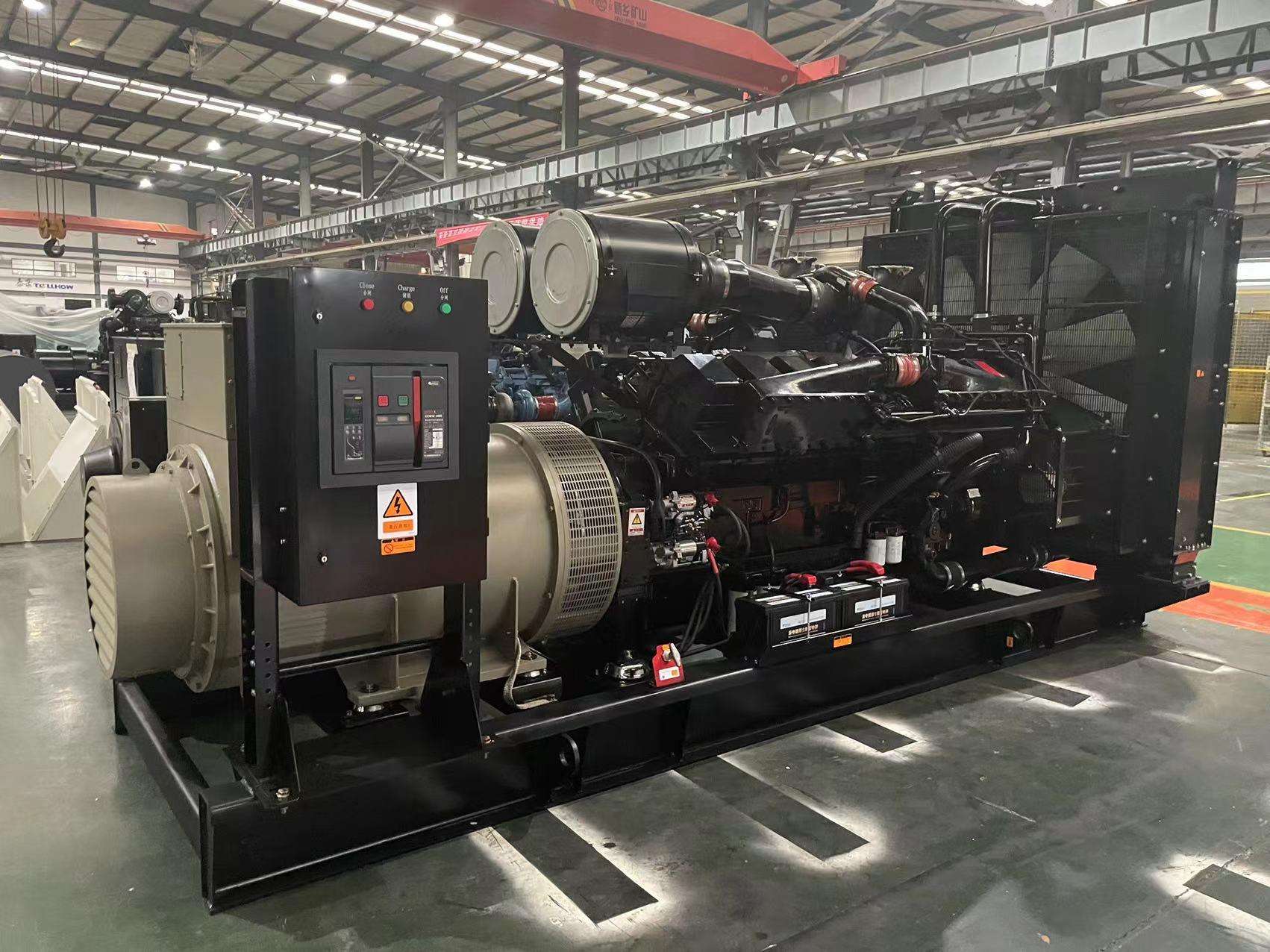
The test record completes the picture. The exercise schedule NFPA 110 describes shows how a standby fleet is run between outages, and a hire fleet should carry the same record for every set. Tesla Power keeps that evidence current at the works floor and its test records, and the log travels with the set when it ships.
Frequently asked questions about generator rental price lists
Book the peak season eight to twelve weeks ahead. Fleet availability, not price, is the binding constraint in the busy months. A reservation made against a written site sheet holds the frame and the rate together, which is the position a buyer wants to be in.
It can. A short hire rarely reaches the annual hour cap, so a standby class is affordable. A long hire runs the hours up, and the pricing has to follow the class the duty actually needs. State both the daily hours and the length of the hire in the enquiry.
Only when the sites share the same conditions. Access, noise limits and ambient differ from site to site, and the cost of the transfers has to sit somewhere. A schedule that names each site and its own conditions prices the moves honestly instead of hiding them.
Most waivers exclude transport damage after handover, fuel contamination and running the set past its rated load. The exclusions and the excess belong on the quotation page in plain words. Ask for the list before the rate is fixed, because the scope decides who pays after an incident.
The rate line says so. Some hirers refuel from their own tanks and take the quality risk. Others want the vendor to manage filling, quality records and the spill kit. Both are workable, but the choice has to be written into the schedule before the set ships.
The quotation schedule, the set data sheet and the conformity file, plus the service log for the hours already run. Tesla Power packs the four together with every hire, and the crew signs for the set against them. The log is the document a dispute is read against months later.