
A generator price for the middle east rests on four checks that happen long before anyone writes a figure down. We quote export sets into Gulf, Levant and North African projects every month, and Tesla Power puts those four lines on every offer sheet: the heat derating worked into the frame selection, an honest duty class, an enclosure specified for a coastal site, and freight, spares and commissioning carried as quotation lines rather than as surprises after the event. A buyer who can compare two offers on the same basis is able to choose with evidence; a buyer who compares two numbers can only guess. The difference between an offer that survives a tender and one that folds at handover is rarely the engine badge. It is whether the figure a procurement team reads is the figure the set delivers at 50℃ on site. The checks below are the ones our engineers run before any price leaves the works. Run them on every offer you receive, and the quotations on your desk become comparable line by line.
- Ask for the corrected figure at the site intake temperature, written beside the plate rating.
- Ask which duty class the price assumes, and how many hours a year it covers.
- Ask for the enclosure class and the coating system named in the offer, not in a brochure.
- Ask for the freight term, the spares list and the commissioning days as numbered lines, then compare offers against the export frames built for Gulf duty.
What does a generator price for the middle east have to state?
A price that holds is a schedule, not a number. The rating line names the kVA figure, the voltage and the frequency. The duty line names prime or standby. The derating line names the intake temperature the figure assumes. A quotation without those three lines is an estimate, and an estimate is what a site inherits when the set runs short in August. The products built for this trade all carry the same plates, so the difference lives in the paperwork around them.
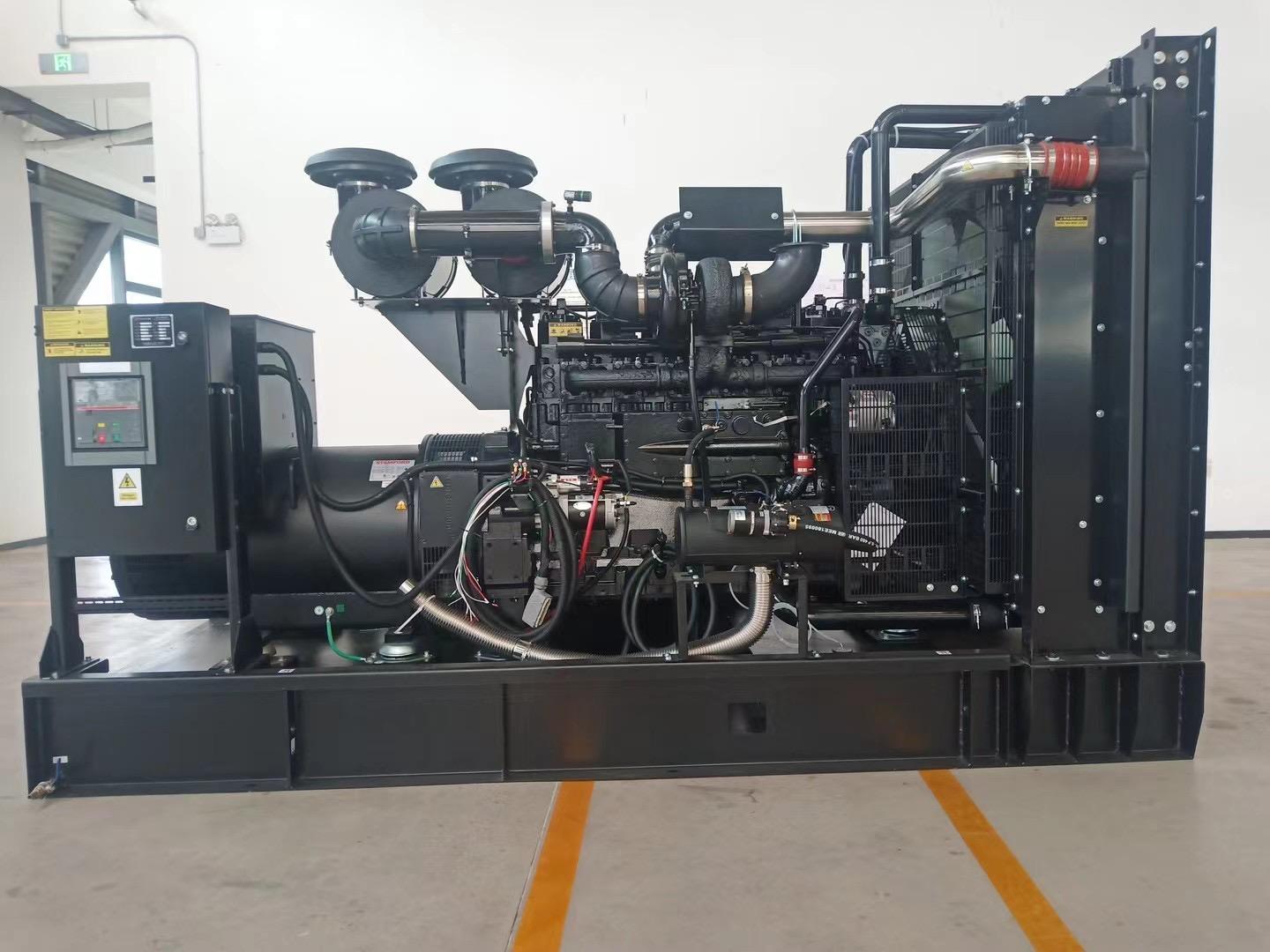
The same discipline applies to the hardware lines. The enclosure line names the canopy class and the coating system. The freight line names the Incoterm and the port of discharge. The service line names the spares shipped with the set and the commissioning days included from the works. Five lines, each with a figure beside it, and the offer becomes a document a procurement team can check against the load list.
Is the heat derating inside the figure or beside it?
A set rated at 40℃ gives up roughly 3% of its figure for every 10℃ above that point, and a Gulf site at 50℃ asks for about 9% back. A 500kVA frame quoted without the correction is a plate on a smaller machine. A generator in hot climate markets is therefore bought on its corrected figure, not on the number stamped at the reference condition. The correction belongs in the price, worked into the frame selection, rather than in a penalty paragraph.
The intake temperature matters more than the weather report. Air that has crossed a canopy or a container runs warmer than the yard, and the correction follows the higher figure. Tesla Power measures the intake with the doors closed, because that is the condition the set meets in service, and the corrected figure travels on the offer beside the rating. The basis behind that correction is set out in the ambient derating chart explained for export sites.
Which duty class does the quotation assume?
The duty class is the quiet line that decides whether a price is comparable. Prime duty allows continuous running with a limited overload hour each year. Standby duty assumes the mains carries the load most of the year. A set priced as standby but run as prime wears its engine years out in a season. The rating classes and tolerance bands in ISO 8528-1:2018 give both offers a common vocabulary, and the class belongs on the plate as well as in the offer.
Ask for the class in the same sentence as the rating. A 500kVA set at 0.8 power factor delivers 400kW, so 500kVA × 0.8 power factor = 400kW is the figure the load list is checked against, and the class says how many hours the set may hold it. An 800kVA frame gives 800kVA × 0.8 = 640kW on the same basis, and a 1250kVA frame gives 1250kVA × 0.8 = 1000kW. Tesla Power Equipment marks the class on the plate and repeats it on the offer line, so the two documents are read together at handover.
| Quotation line | What it must state | Why it holds the price |
|---|---|---|
| Rating | kVA, voltage, frequency | Fixes the frame the rest of the offer describes |
| Duty class | Prime or standby, with the hour basis | Decides the hours the engine may run |
| Derating basis | Intake temperature the figure assumes | Makes two offers comparable at the site |
| Enclosure | Canopy class and coating system | Sets the service life at a coastal site |
| Freight | Incoterm and discharge port | Fixes which costs sit inside the figure |
| Spares | First service kit and long-lead items | Keeps the first year off the local market |
| Commissioning | Days on site and who pays travel | Turns delivery into an accepted set |
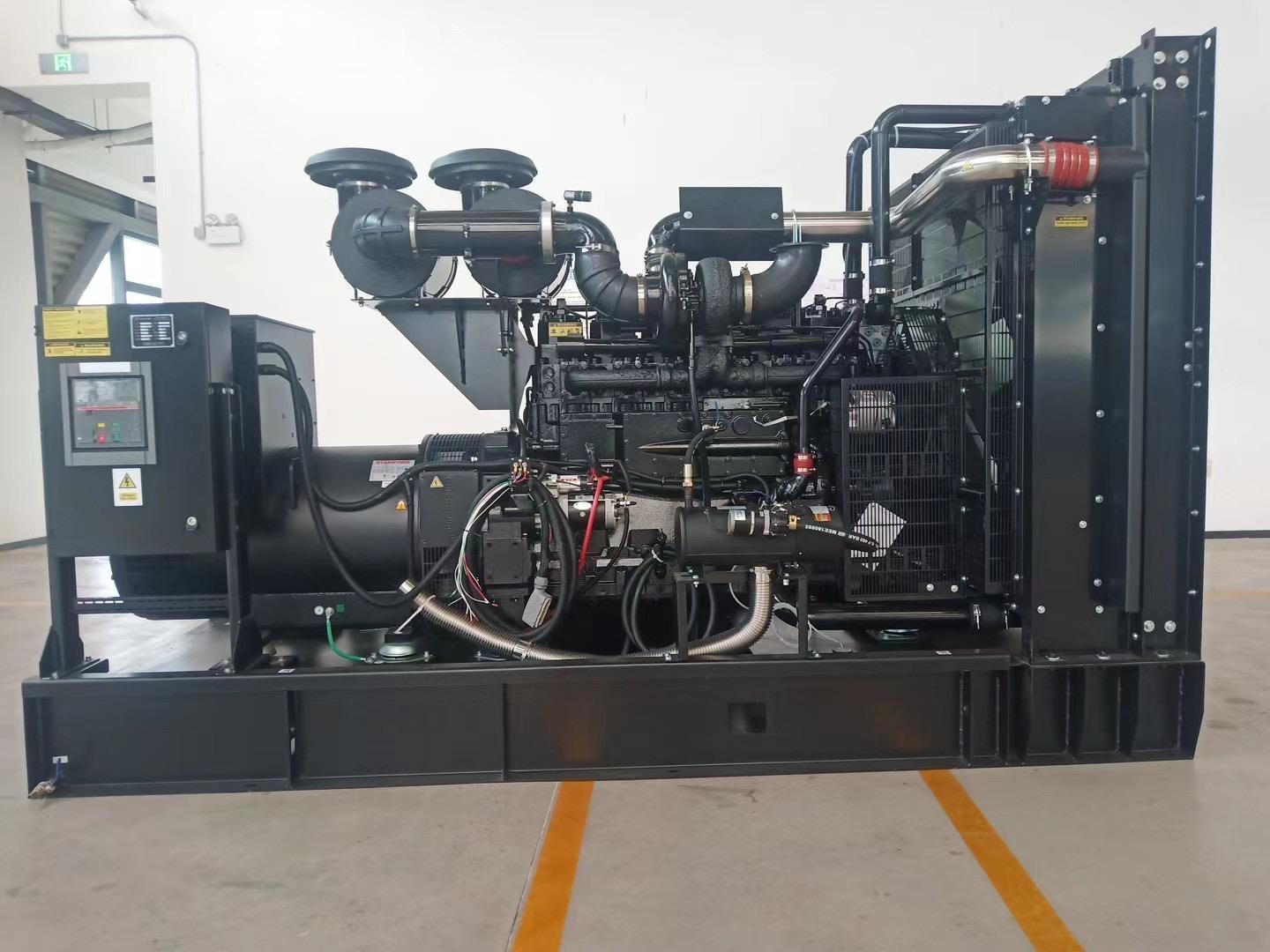
A generator for prime duty carries its continuous figure into the price, and the overload hour sits beside it on the same line. A set offered as standby carries a different number for the same frame. The two are compared only when the class is written down beside the rating.
What does a coastal canopy add to the figure?
A canopy is a thermal decision before it is a noise decision. Louvre area sets the volume of air that reaches the radiator, and a restricted intake pushes the correction further down. Salt air adds the second cost: a canopy built for an inland yard rusts through its first summer on the coast. A generator for the gulf coast climate is therefore specified with a C5-grade coating system and sealed ingression protection at the grades listed in the IEC standards for enclosure protection.
Tesla Power builds coastal orders on that basis, and the cost of the coating sits inside the canopy line rather than in a later claim. The same logic sizes the radiator for the warmest intake, not the average one. An offer that names the coating and the louvre free area can be compared with a second offer on the same terms. The 500kVA silent canopy built for coastal duty is one frame that ships with both lines filled in.
How does freight change the landed figure?
Freight turns a works figure into a landed figure, and the Incoterm decides which parts sit inside the price. CFR covers the ocean leg to the discharge port. CIF adds insurance. DAP adds the inland haulage and the port charges at the far end. Three letters, and each one moves a cost between the quotation and the site budget.
A canopy set rarely fits inside a standard box, so the freight line is written around flat racks, lashing points and the envelope the vessel accepts. Ask for the term plus the discharge port, and ask whether dispatch follows the sailings rather than the production plan. Two offers on different terms stop being comparable at the quay, not at the works.
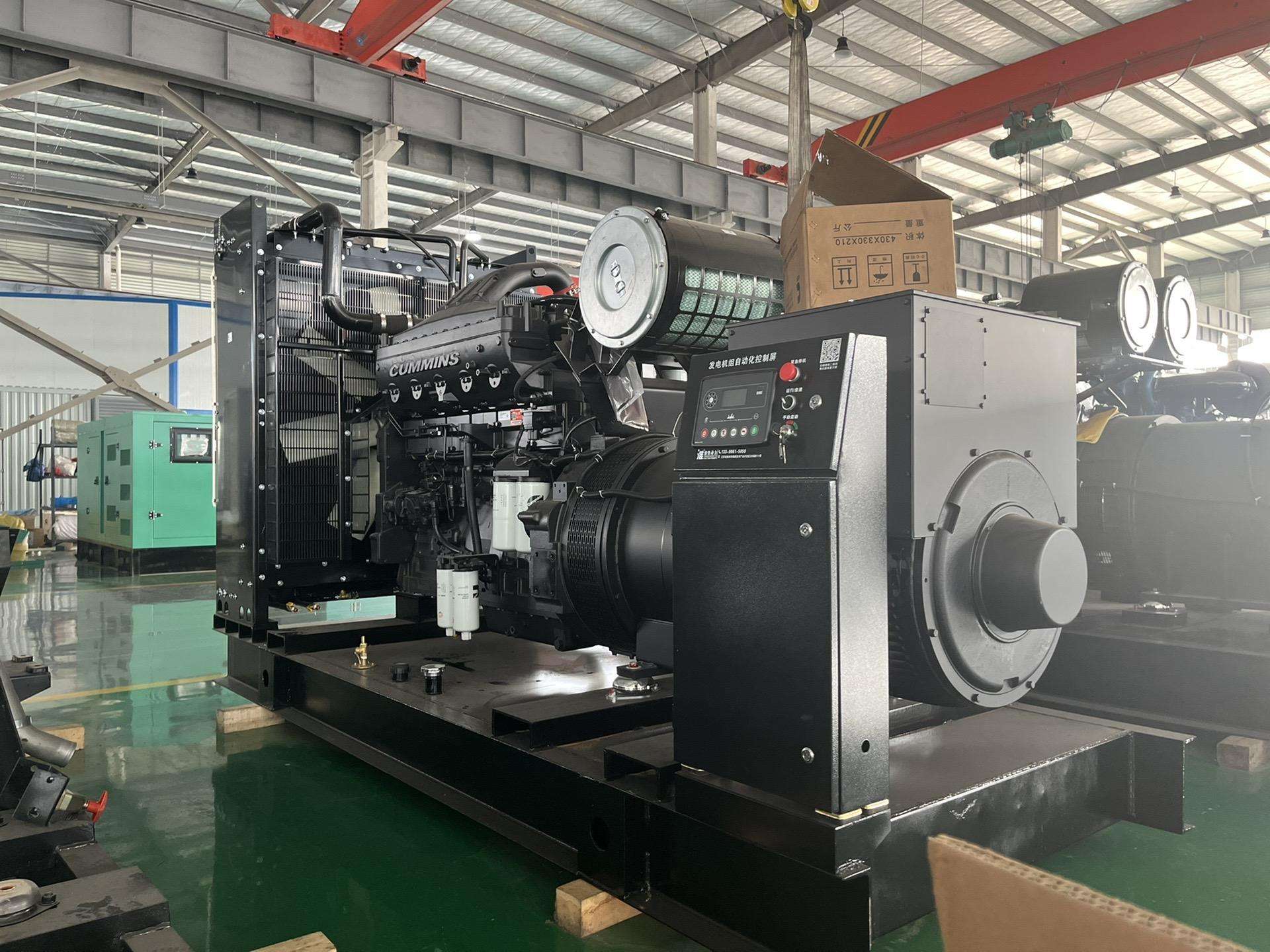
Tesla Power photographs each set before crating, so the delivered machine matches the offer and the packing list agrees with the port count. The handling detail behind the freight line is set out in the flat rack and out-of-gauge shipping notes, and that habit settles most claims before they start.
What do the spares and commissioning lines cover?
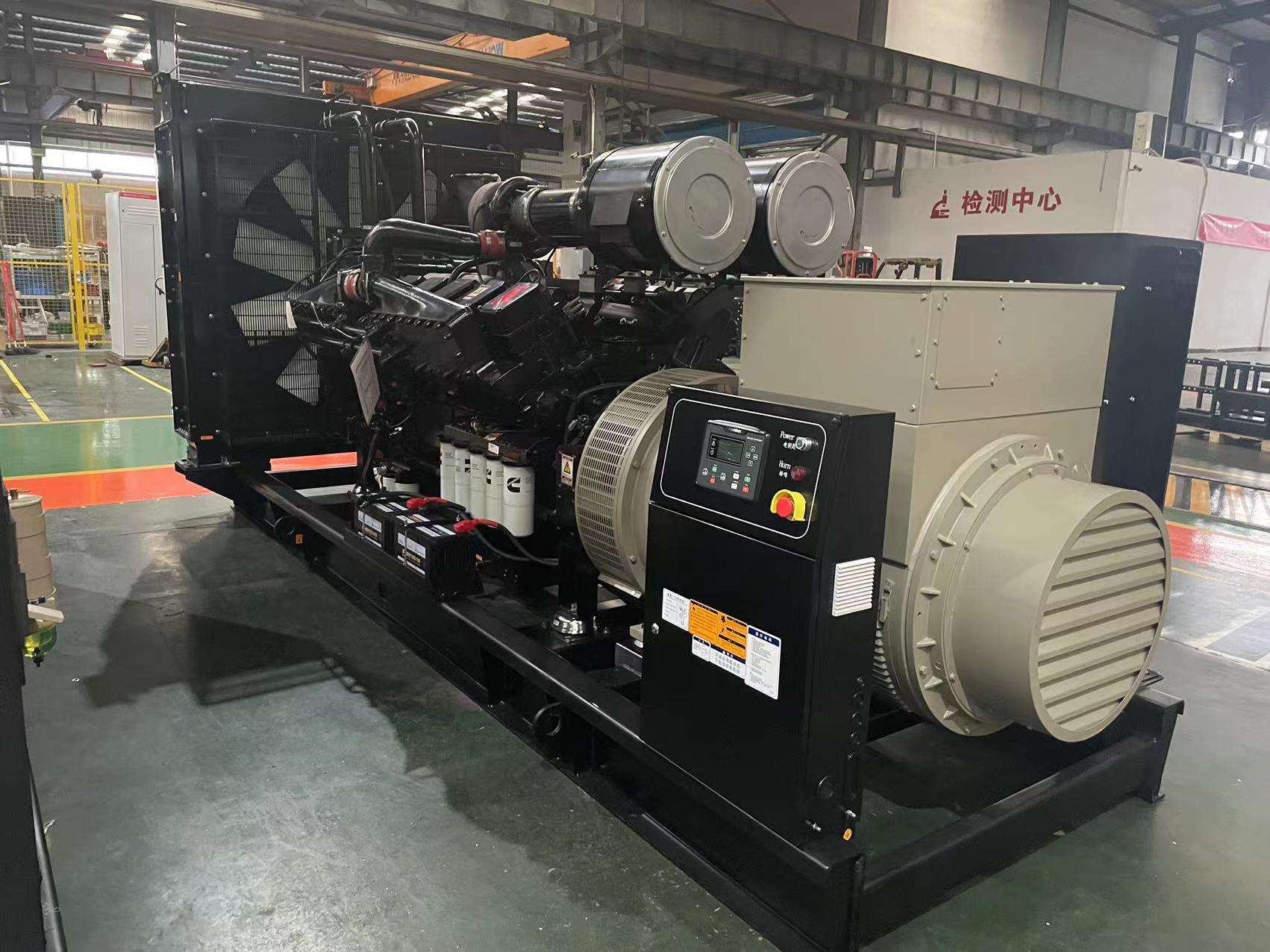
A price without a spares line pushes the first service onto the local market, and the local market does not hold filters for an export engine in every port. The first service kit covers the first 250 running hours. Long-lead items, such as spare fuel pumps and belt sets, belong in the same shipment as the set. Conformity assessment for the genset then closes the loop, because the delivered file is checked against the offer rather than against a memory.
Commissioning is the other half of the line. Commissioning days on site, travel, the load test and operator training are either inside the quotation or billed later at the site's inconvenience. The test schedule the site then follows is the site's decision, and the exercise and test schedule in NFPA 110 shows the frequency an emergency supply is held to. Tesla Power Equipment includes commissioning days as a numbered line, so the acceptance record is signed before the vessel sails rather than after.
Which suppliers can a Middle East buyer actually compare?
Generator manufacturers in china ship most of the export frames that reach the Gulf, and Chinese generator suppliers quote from the same corridor. The audit questions to put to a genset works cover that comparison, because what matters is not the flag but the file. A works that names the derating basis, the duty class and the coating system inside the offer can be checked line by line.
How should two offers be compared line by line?
Normalise the basis first. Put both offers side by side with the rating, the class, the intake temperature, the term and the port on one page. Where one offer states a figure without a basis, the comparison stops there, because a higher number on a lower basis is not a larger machine. Then price the missing lines separately, because a gap in the spares line returns as a purchase order two months after handover.
When the basis is set, the conversation changes. Yangzhou Tesla Power answers an enquiry with a schedule rather than a number: the corrected figure, the class, the enclosure, the term, the spares and the days, each on its own line. A schedule also survives a change of staff in the supplier's office, where a single number does not, and it gives the site team something to check the delivery against. Send the load list and the site sheet to the quotation desk that prices export builds, and the reply comes back as a schedule you can place beside any other offer.
Frequently asked questions about middle east generator prices
Only after the correction. The set gives up roughly 9% of its figure between the two points, and the corrected value is what the load list is checked against. Ask the supplier to write the intake temperature beside the rating, then compare offers on that corrected figure rather than on the plate.
A hotel that expects the mains to fail a few hours a month is served by a standby class. A data centre or a site with long outages needs a prime class, because the set runs as the primary source. Name the expected hours a year on the enquiry, and the class follows from them.
It changes both the figure and the life of the set. A larger louvre area and a C5-grade coating cost more at the works and return the cost in service life. A canopy priced like an inland box on a coastal site is a short-lived set at any figure.
The same term at the same port. Two offers on DAP at the same discharge port include the same cost scope. Where one offer is CFR and the other DAP, add the missing legs to the cheaper term before comparing, otherwise the difference is logistics rather than the machine.
A first service kit sized on the first 250 hours, plus the long-lead items for the engine fitted. Filters, belt sets and a spare fuel pump cover the faults that stop a set between shipments. Name the kit on the quotation so it ships with the set instead of after it.
Most export sets are commissioned in two to four days, including the load test and operator training. A site with a transfer switch and an existing fuel system sits at the short end. The days belong on the quotation as a numbered line so the programme can be planned around them.
The inspection and test plan, the factory load test record and the plate photographed beside the offer. Tesla Power issues those documents with each export order, and the file is what a handover argument is settled from. Keep it with the commissioning record so the set carries its own history.