
Specifying a generator set for middle east duty starts with the yard, not with the catalogue. A frame that carries its load list at 25 ℃ can lose a tenth of the figure before the first shift ends at a 50 ℃ site, and the loss shows nowhere on the nameplate. We read the site inward from the fence line: the intake temperature the canopy creates, the dust load the air cleaner has to hold, the fuel the region delivers, and the salt air a coastal address adds. Tesla Power rates frames against those yard conditions, and this guide sets out the requirements the same way, so a buyer can compare one quotation with the next and question any supplier whose figures carry no site basis. The sections follow the chain in order: heat, dust, cooling hardware, canopy skin, fuel, and the records that hold the specification together when the set lands at the gate.
- Log the yard ambient the site actually reaches in the run month, because the design point decides every correction that follows.
- Name the dust exposure and the filtration class together, since one without the other leaves the air path undefined.
- State the fuel specification the region delivers, not the one the datasheet assumes.
- Keep the load list beside the genset range the factory builds for export duty, so a supplier quotes against a corrected figure.
What does a generator set for middle east duty need on site?
Four site inputs decide the answer: the ambient the yard really reaches in the hottest month, the dust the wind carries across the compound, the fuel quality the local market delivers, and the corrosion a coastal address adds on top. Each input moves either the rating or the hardware, and each belongs on the enquiry sheet. A set specified from a temperate datasheet arrives with its margin already spent.
The order matters, because the inputs stack. Heat trims the engine figure first. Dust then loads the filtration and raises the intake restriction, which pulls the figure down again. Fuel quality takes a little more, and salt air works on the canopy skin between service visits. State all four in the tender and every bidder prices the same machine, on the same basis, at the same yard.
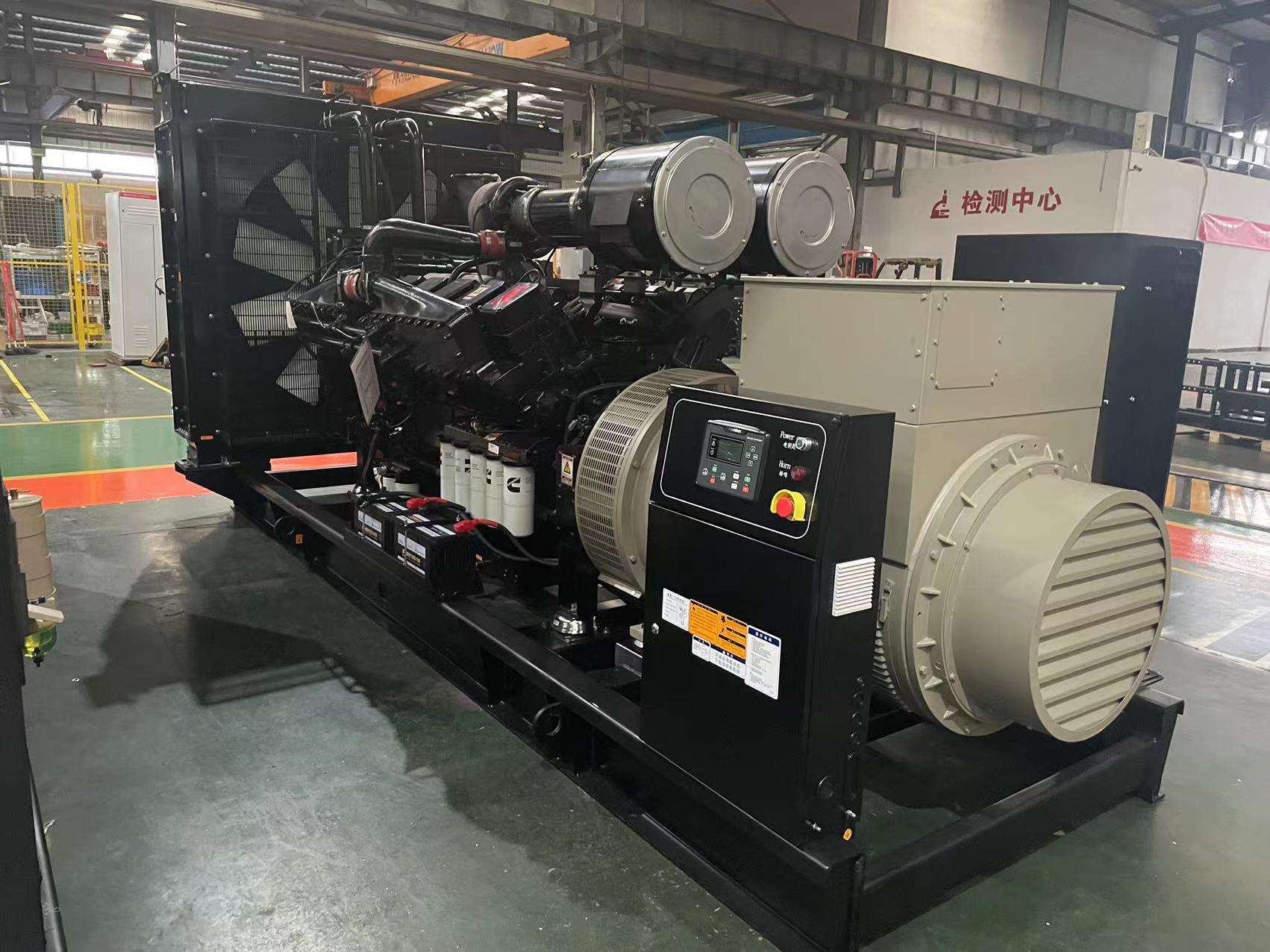
How 50 ℃ heat derates the nameplate figure
What does the derating chart actually state?
A diesel engine breathes its surroundings. Warm air is thinner air, so the cylinders receive less oxygen per stroke and the combustion releases less power. Most export datasheets state the rating at a 25 ℃ or 40 ℃ reference, and the correction above that point sits on the derating chart rather than on the plate. The full arithmetic sits in the heat derating walkthrough, and the tender should name that chart, because it turns a site temperature into a usable figure.
Between a 25 ℃ reference and a 50 ℃ yard the loss reaches double digits on many frames. A canopy adds a further step, because the intake picks up heat from the radiator and the enclosure skin before the engine sees it. Apply the correction at one agreed design point and every offer loses the same share, and Tesla Power Equipment prints the ambient basis on the same line as the rating so the share stays visible.
Which cooling system specs belong in the tender?
Cooling is where hot-site sets differ most from temperate ones, and the differences are hardware a buyer can demand in writing. The radiator has a core sized for a stated ambient, the coolant carries a specified mix and change interval, and the fan has to push air through louvres that dust will partly close. Ask for each figure with its basis.
| Cooling item | What the tender should state | Why it moves at a hot yard |
|---|---|---|
| Radiator core | The intake ambient it is sized to hold | Heat raises the core duty several degrees above shade |
| Coolant | Mix type, fill volume and change interval | A hot loop loses reserve faster than a temperate one |
| Fan and louvres | Static pressure against the fitted louvre | Dust-loading narrows the free area the fan sees |
| Belts and guards | An inspection interval in running hours | Heat hardens belts before the calendar interval ends |
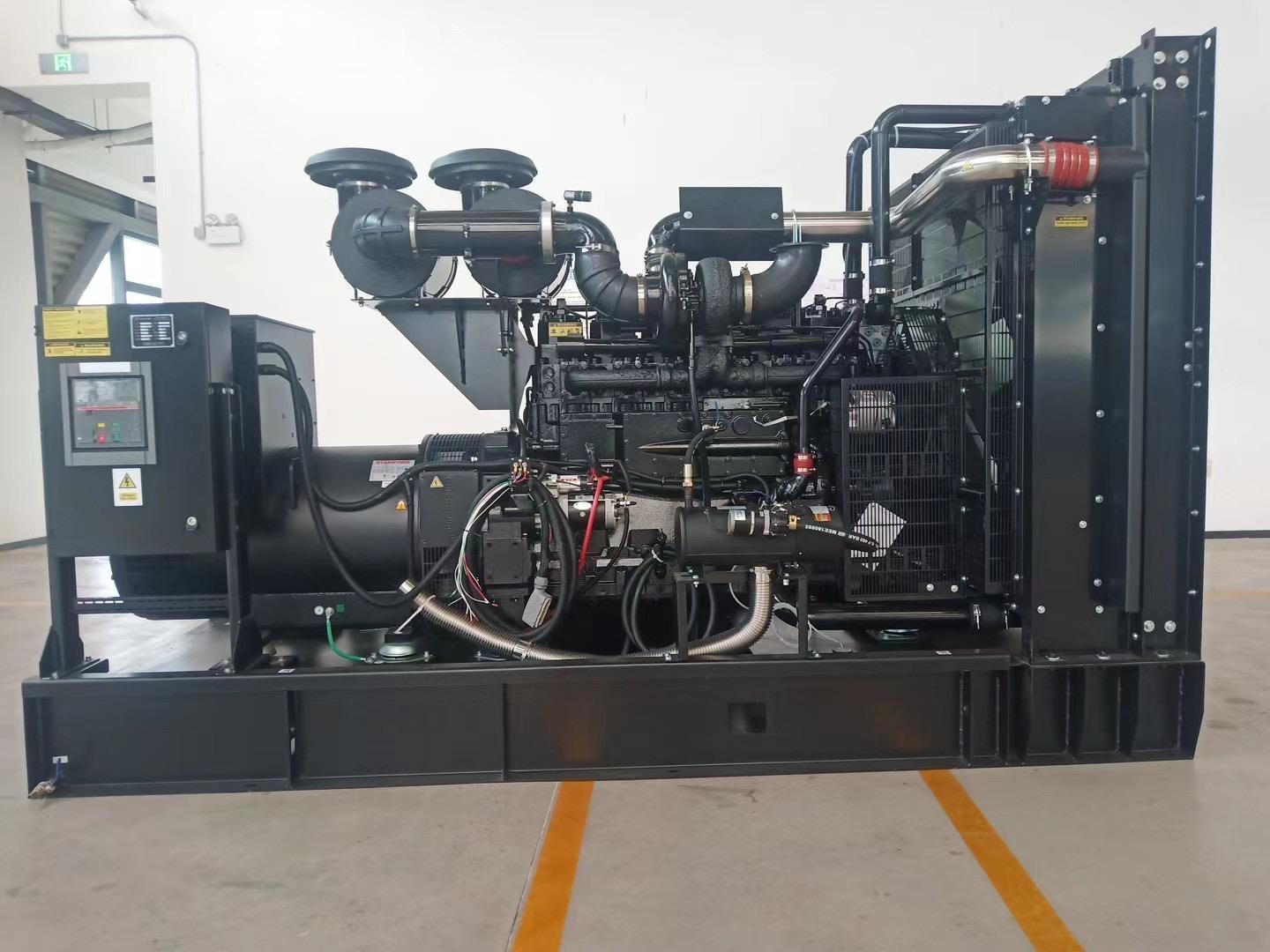
Size the frame against the corrected figure rather than the plate. On the plate, 500kVA × 0.8 power factor = 400kW, 625kVA × 0.8 power factor = 500kW, and 800kVA × 0.8 power factor = 640kW. At a 50 ℃ yard each figure loses a further share to heat, so the load list on a generator for hot climate sites has to sit under the corrected number, and Tesla Power states the radiator ambient on the offer line so the basis travels with the price.
How sand and dust change the air path
Fine dust does its work quietly. It loads the air cleaner media, raises the intake restriction and leans out the combustion a little at a time. A site in open desert can move grams of dust past an intake every hour, and a filter sized for a temperate yard reaches its limit long before the service calendar says so. Filtration class and restriction indication belong on the enquiry together.
Which filtration class suits a desert yard?
A generator in desert camps pulls grams of dust past its intake every hour. Two-stage air cleaning is the usual answer for that duty, with a pre-cleaner that sheds the coarse fraction before the main media sees it. A restriction indicator turns the service decision from calendar guesswork into a reading. Tesla Power quotes filtration by restriction limit rather than by hours, and the service schedule for the air cleaner shows what that reading means in practice on a dusty site.
Why does the canopy set the intake temperature?
A datasheet ambient describes the air outside the box. Inside a sound attenuated canopy the air is warmer: the radiator rejects heat into the same volume the engine draws from, the enclosure skin soaks up sun all afternoon, and the extraction fan has to move enough volume to keep the difference small. A 45 ℃ yard can present 52 ℃ or more at the radiator intake, and the correction follows the higher figure.
The rating classes underneath the plate come from the ISO 8528-1 reference conditions, and the canopy intake is where site reality departs from them. Ask a bidder to state the intake temperature its test used, with the doors closed and the fan running, because that is the condition the engine meets in service. The sound attenuated 500kVA export build lists its airflow and louvre free area, which is the level of detail a hot-site tender needs.
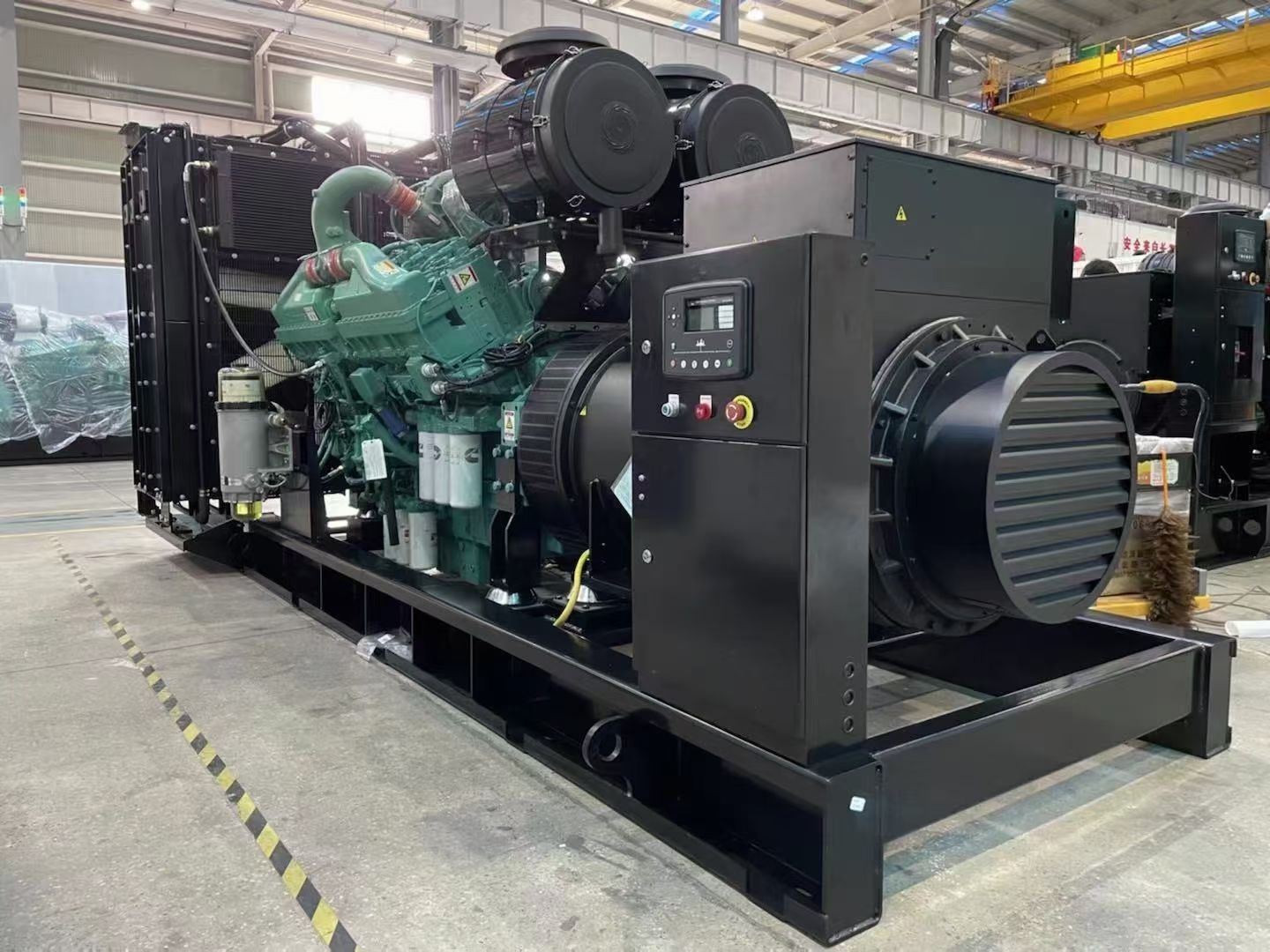
What coastal air does to the canopy skin
A generator for the gulf coast adds salt on top of the heat. Salt spray and humid air attack mild steel fast, starting at fasteners, door edges and the seams of the base frame where water sits. A canopy specified for inland use can look sound for a year and then show rust bloom across the roof under the sun. Corrosion class is therefore a specification item, not a finish colour.
The coating question is answerable in writing. Ask for the coating system and its thickness, the fastener material, and the corrosion class the enclosure is built to. Yangzhou Tesla Power builds coastal orders on that basis and answers with a coating schedule rather than a colour name, and a buyer holding three offers can line the schedules up side by side.
Which fuel and site records should the tender state?
Fuel is the third site input, and the region delivers a range. Sulfur level, cetane number and water content vary between terminals, and a high return-line temperature in hot weather asks more of the fuel system than a datasheet assumes. Name the fuel specification the site will actually buy, add a water separator to the scope, and size any day tank for the temperature it will stand at.
A complete site sheet names the design ambient, the dust exposure, the altitude if the site sits inland and high, the fuel specification, the duty hours, and the switching standard the output breaker has to meet under IEC 60947-2 on the IEC site. Those six lines cost less than a page. They remove the one argument that stalls a hot-site project, which is two suppliers quoting two different assumptions about the same yard.
How should two offers for the same yard be compared?
Compare the basis before the price. Chinese generator suppliers and generator manufacturers in china draw on the same engine families, so the hardware rarely separates two offers. The ambient, the filtration assumption, the coating class and the fuel specification do. A higher plate figure on a lower basis is not a larger machine, and a tender that fixes the basis turns a price comparison back into an engineering one.
Where the paperwork differs, stop and ask. A conformity assessment for the genset then checks the nameplate against the derating file, the test record and the coating schedule, and the plate either matches the file or it does not. Tesla Power issues those documents with the offer so the check can be made before an order rather than after a delivery.
Which records prove the set suits the yard?
Four records carry the proof. The derating calculation, signed and dated, shows how the yard temperature became the rated figure. The high ambient test record shows the set carrying load with the doors closed and the ambient noted beside every reading. The coating schedule shows what the skin is built from. The filtration log shows how the restriction reading moved across the first service year.
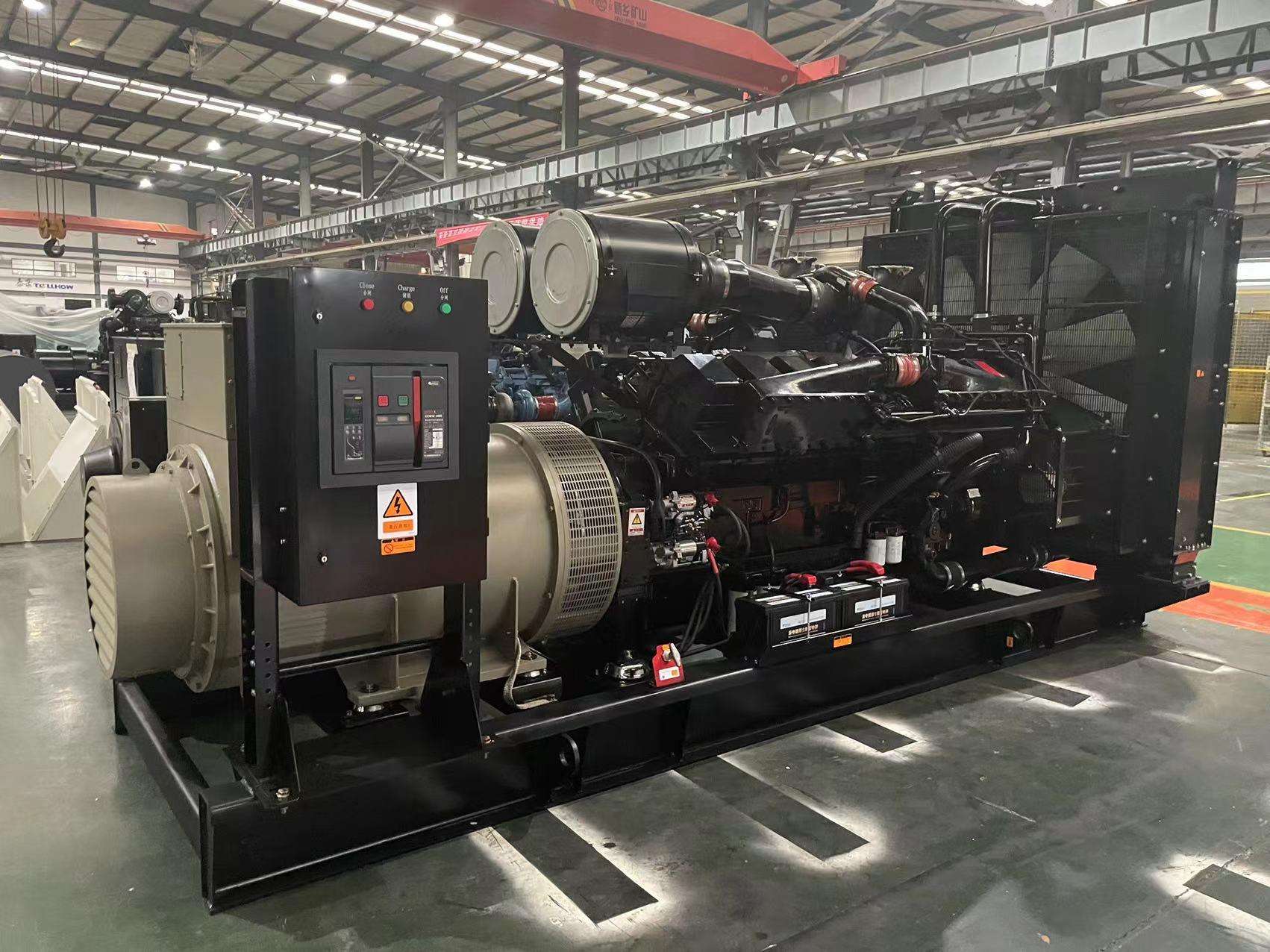
The same records belong in the offer, not only in the delivery file. A frame such as the 400kW yard set on a turbocharged engine can show its intake figure from the test bay beside the plate figure, and Tesla Power attaches that page to every quotation for hot sites. A buyer who keeps the file holds the evidence the day a dispute asks what was promised.
Frequently asked questions about generator sets for hot climates
The share depends on the frame, the reference temperature and whether the rating was set at 25 ℃ or 40 ℃. Many turbocharged export frames lose a double-digit share between a temperate reference and a 50 ℃ yard, before the canopy adds its own step. The derating chart for the specific frame gives the figure, and the tender should ask for it in writing.
Heavy dust usually justifies two-stage cleaning, with a pre-cleaner ahead of the main media and a restriction indicator on the intake. The class matters less than the service response: a filter changed by reading rather than by calendar holds the restriction where the engine expects it. Ask the supplier to state the limit the set is rated around.
It does in practice. Salt-laden air reaches C4 and C5 corrosivity classes close to the shore, and a standard inland paint system thins out at fasteners and seams first. Ask for the coating system, its dry film thickness and the fastener material in writing. The answer should arrive as a schedule that can be compared between offers, not as a colour name.
Name the sulfur grade, the cetane expectation and the storage arrangement, because return-line temperature and tank siting both change how the fuel system behaves. A water separator belongs in the scope on most regional sites. Where two terminals supply the site with different grades, the tender should name the poorer one, since the fuel system has to run on what arrives.
Size it for the temperature at the radiator intake, which sits above the shade reading on most sites. A canopy set adds heat from its own enclosure, so the intake figure can run several degrees above the yard. Ask the bidder which temperature the core is sized to, and require the intake figure to be stated with the doors closed.
Keep the signed derating calculation, the high ambient test record and the commissioning sheet with the ambient noted beside the load readings. The three documents together show how the plate figure was reached and what the set actually carried at handover. When a warranty question arrives two years later, that file answers it faster than memory does.
Send the site sheet to the enquiry desk with the ambient, dust, fuel and coating lines filled in, and the reply comes back as a schedule with the corrections already applied. Tesla Power answers hot-site tenders that way so the quotation can be compared line by line and handed to the site crew without a second round of questions.