
Yuchai or Weichai generator choice reaches our desk as a duty question rather than a loyalty question. Both engine families are built into frames we ship, so Tesla Power has no reason to push one badge over the other. The comparison that matters runs along five lines: the kVA band each family covers best, the fuel it burns at the 50% and 75% load steps, the depth of the parts channel behind the block, the way each family cold-starts and sheds heat, and the five-year cost of holding the service schedule. Which line decides first depends on the site. A quarry running twelve hours a day reads the fuel table before the price list. A hotel that starts its set twenty times a year reads the starting system and the canopy instead. Choose the family after the site profile is written, then request a quotation written against that profile, and two supplier offers become comparable line by line.
- Settle the duty class first, because prime and standby ratings move the answer before any engine figure does.
- Compare fuel at the load steps the site actually runs, not at the nameplate point alone.
- Ask which parts channel physically reaches the site, and at what price the wear items quote.
- Keep the record beside the Yuchai and Weichai frames the factory builds, so the quotation is written against the duty rather than the badge.
| Line compared | Yuchai-powered sets | Weichai-powered sets |
|---|---|---|
| Engine series | YC4D, YC6B, YC6C and the larger V blocks | WP4.1, WP6, WP10, WP13 and the M-series |
| Frame band | 60kW to 2400kW | 40kW to 2000kW |
| Natural centre | 500kVA to 1000kVA prime work | 250kVA to 1250kVA standby and industrial duty |
| Build types | open, trailer, silent, container | open, silent, container |
| Paper per order | engine datasheet and CE file | engine datasheet and CE file |
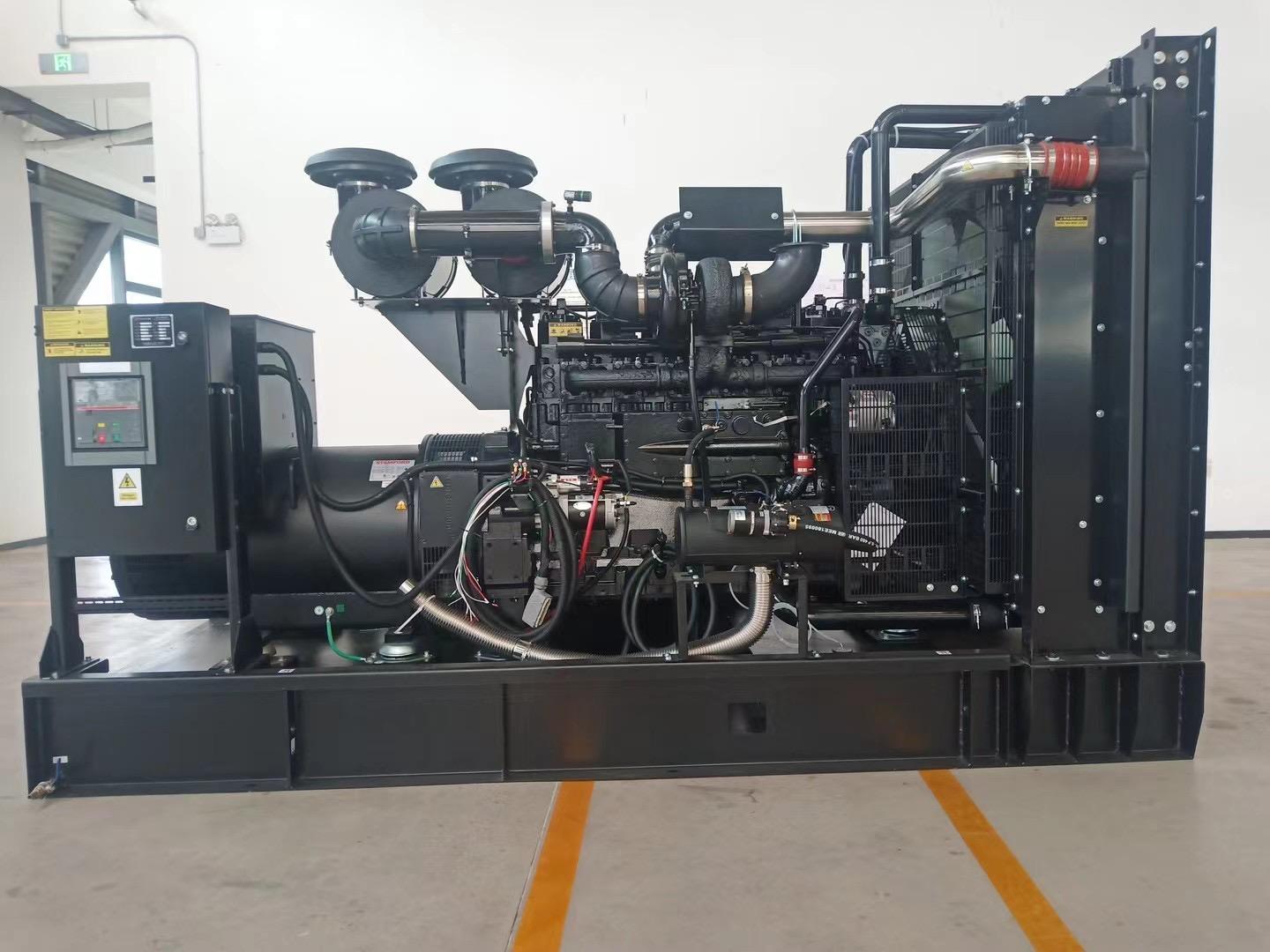
Yuchai or Weichai generator: where each engine family sits
Both families cover wide ground. Yuchai manufacturers build engines from the small YC4D up to the V-block units behind the 2400kW frames, and a Yuchai factory in China machines the block, the head and the crank in house. Weichai answers with the WP4.1, WP6, WP10 and WP13 series and the larger M-series, which carry the 1250kVA container builds. The bands overlap for most of the range, and both print ratings on the same ISO basis.
Where they separate is the shape of the range. Yuchai pushes deeper into the large end, and Weichai holds the dense middle where most export orders land. Tesla Power Equipment assembles both families into open, silent, trailer and container builds, so the frame is a free choice inside one quotation. A buyer can therefore compare the two on identical alternators, controllers and canopies, which removes most of the noise from the exercise.
Which duty classes suit each engine family?
The duty class is the first line to settle. A prime rating allows unlimited hours a year at a variable load, and a standby rating allows a limited number of hours at a fixed ceiling. The same block can carry either rating, but the plate figure moves with the class: a 500kVA prime set is a 550kVA standby set on the same dataplate, and the fuel table shifts with it. Read the class off the plate before any price is discussed.
The families split by habit rather than by capability. Yuchai frames dominate rental and prime site fleets, where the set works eight to twelve hours a day and fuel is the running cost. Weichai frames dominate building standby, where the set waits, starts on a transfer signal and runs a few hours a month. Neither habit is a rule; the duty classes suit both engine families in our order book, and the fleet around each differs.
Where the YC4D and YC6C series fit
The four-cylinder YC4D covers the small commercial band, and the six-cylinder YC6C carries the mid frames that rental fleets order most. Both run prime ratings across the band, and both share filter sets across many frames, which keeps site spares light for a travelling crew.
Where the WP4.1 and WP13 series fit
The WP4.1 covers the compact standby band, and the WP13 carries the mid and large frames that building standby orders repeatedly. The M-series above it serves the container builds. The engines hold standby ratings with headroom, which suits sets that start against a loaded board.
What does fuel use look like at each load step?
Fuel is where the duty pays or costs. Read the table at the load steps the site actually runs, not at the nameplate point. A 500kVA prime frame at 0.8 power factor carries 400kW, so 500kVA × 0.8 = 400kW is the ceiling the profile has to stay under. At 75% of that figure the set burns roughly 70L/h, and at 50% it burns around 48L/h. A site that runs long days at half load reads the second line first. The fuel gap between the two families at those steps sits inside a few percent on most datasheets.
Fuel figures deserve one caution. Datasheet numbers come from the engine bench at reference conditions, and the site adds canopy heat, altitude and dirty filters. Tesla Power states the correction beside the figure on the offer, and a buyer comparing two families should ask both suppliers for the same corrected basis before the comparison means anything at all.
How deep does the parts channel run for each brand?
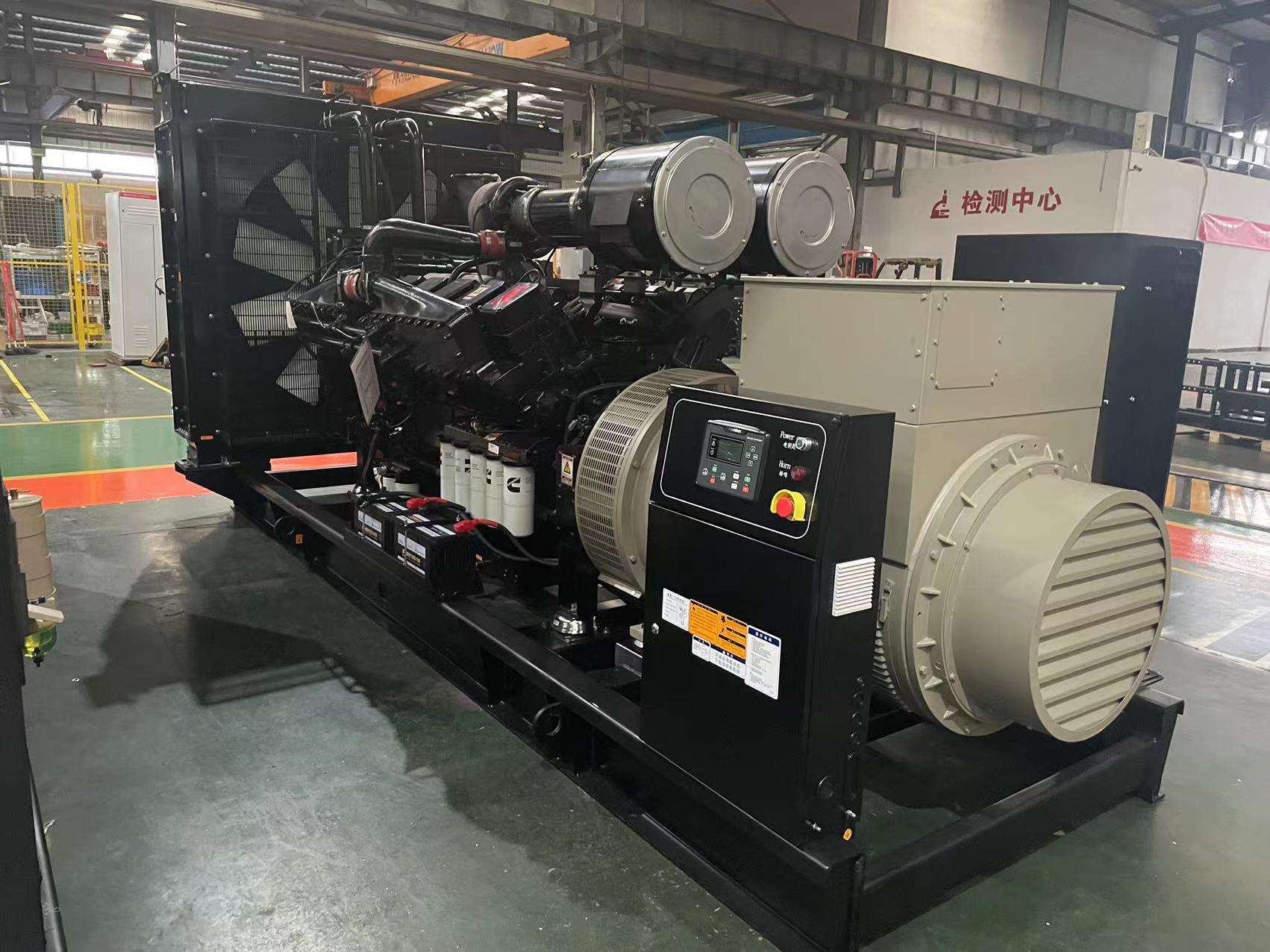
Parts decide the cost of year three, not year one. The Yuchai channel runs through the engine plant and a wide agent network, and wear items for the small and mid bands quote low because volumes are high. Filters, belts and injector lines are common across the fleet, which keeps the site spares shelf short and the annual budget predictable for a rental operator.
The Weichai channel runs deeper at the large end, where the M-series and WP13 parts books are stocked by every major port agent. A 1000kVA standby build ships with a parts book the local dealer can price in a day, and the wear items arrive without a plant order or a long lead time. Ask each supplier which channel physically reaches the site, because the brand on the block matters less than the warehouse behind it.
For a standby frame in the mid band, the 400kW set built on the WP13 engine is the example we quote most often at Tesla Power, and its wear schedule is a one-page list a site engineer can price on the same afternoon.
How do cold starts and heat separate the two?
Cold starts and heat shed are behaviour questions, not datasheet questions. Both families offer grid heaters and jacket water heaters for cold sites, and both hold their rating to 40 ℃ on the standard build. The difference shows in the details: radiator sizing, fan type and the air path the canopy gives the engine. Ask for both figures in writing.
In hot climates the Yuchai builds lean on a charge-air cooling loop that holds the intake temperature down, and site teams in the Gulf report steady figures through August. Weichai M-series engines run a larger radiator as standard on the standby builds, which helps enclosed rooms with short air paths and warm intakes. Both approaches work, and the site decides which one fits the room it has. Coastal sites add salt air to the question, and both families answer it with coated heat exchangers on request.
Our own test bench runs both families side by side under load, and the works and its engine test benches keep the correction records for every order, so the heat behaviour is measured with the doors closed rather than assumed from a curve.
What does a five-year ownership comparison show?
Over five years the comparison narrows to service intervals, spares pricing and the paperwork. Both families quote 250-hour service intervals on the standard oil, and both price filters in the same band. The differences show at the large end, where Weichai M-series spares carry a port-stock premium, and at the small end, where Yuchai volume keeps the quotes low year after year.
| Cost line | Yuchai-powered fleet | Weichai-powered fleet |
|---|---|---|
| Service interval | 250 hours on standard oil | 250 hours on standard oil |
| Small-band spares | volume pricing keeps quotes low | dealer list, quoted per order |
| Large-band spares | plant channel, quoted per order | port stock, priced within a day |
| Warranty basis | engine datasheet terms | engine datasheet terms |
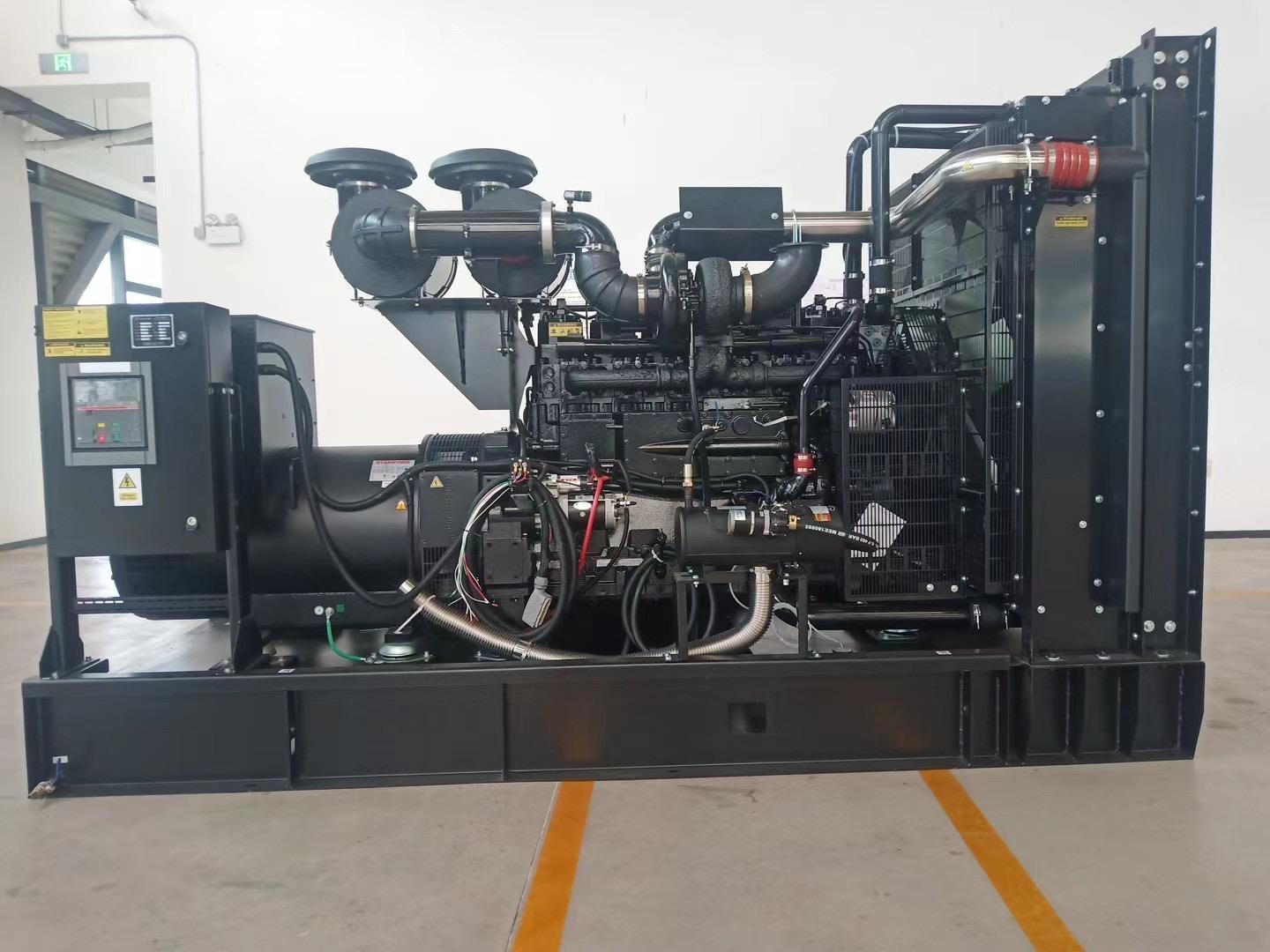
Yangzhou Tesla Power writes the five-year service schedule into the offer for either family, so the ownership lines are priced before the order is placed rather than after the first failure on site.
Which family fits prime site duty?
Prime site duty means long hours, dust and a fuel bill someone signs weekly. Yuchai frames dominate that work in export fleets because the mid-band engines take the hours and the fuel curve stays flat across the load range. The trailer and container builds move between sites without a crane, and the open frames service in the field with common tools.
Weichai prime builds hold their own in the 250kVA to 800kVA band, where the WP10 and WP13 carry quarry and irrigation loads on long contracts. Which family fits prime duty is decided by the fuel contract and the local spares shelf more than by the engine plate. Tesla Power prices both families against the same load profile, so the choice becomes a comparison of numbers rather than of names.
- Read the fuel table at the site's own load steps before the frame is shortlisted.
- Price the wear items from the channel that actually reaches the site.
- Check the trailer or container format against the site's moving plan.
For the format most fleets end up ordering, the 400kW Yuchai container build for mixed site duty shows how the prime package is put together for export.
Which family fits standby duty?
Standby duty asks different questions. The set waits, starts on signal and runs a few hours, so starting reliability and the transfer package matter more than the fuel curve. The Yuchai standby builds are specified with the same auto-start panel as a Weichai build, and the decision comes down to the band and the local channel.
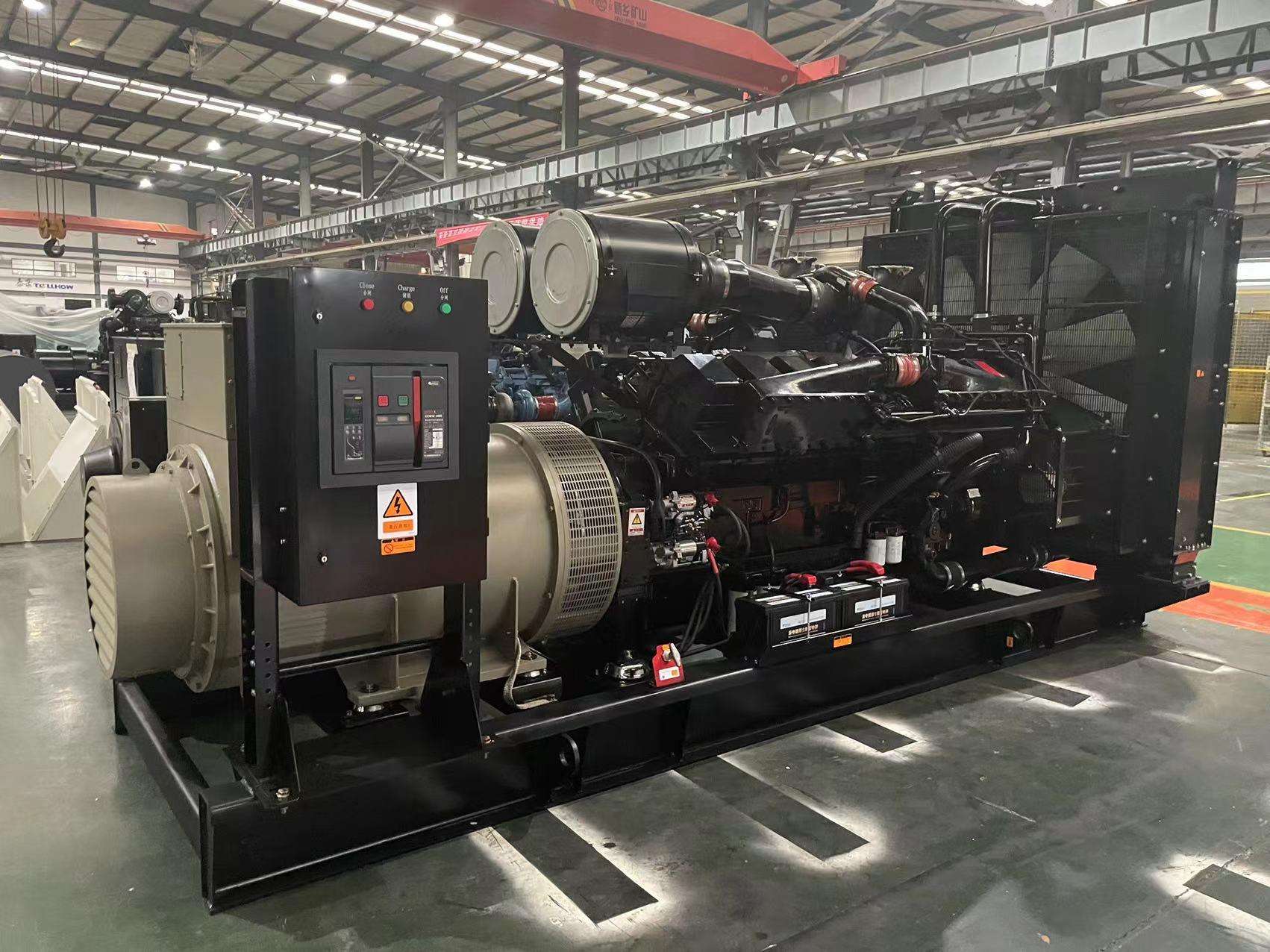
For the larger standby frames, the Weichai container builds carry the ATS option and the room-friendly air path, and the site decides the band before the brand follows the channel. Both families hold the same rating logic on the dataplate, so the class reads identically whichever block sits underneath.
Tesla Power ships both families with the same commissioning sheet, so a mixed fleet reads one format at handover and the annual test compares like with like.
Which records should the buyer keep on file?
The file a buyer keeps should let a third party repeat the comparison two years later. Keep the load profile with its date, the fuel figures at the agreed load steps, the parts quotes from each channel, and the correction basis both suppliers stated. That record fits one page, and it settles most disputes long before they reach a claim.
The ratings both families print follow the rating classes defined in ISO 8528-1, and a standby build for a hospital or a data room is scheduled against the monthly test schedule in NFPA 110. Conformity assessment for the genset then checks the plate against the file rather than against the quotation, and Yuchai CE marking requirements sit in the same engine dossier as the Weichai papers, so neither family carries extra paperwork.
Send the profile and the duty hours to the Tesla Power technical desk, and the reply comes back as a side-by-side quotation for both families priced on one basis, which is the document the decision should rest on. The technical desk answers duty questions before it quotes a price, because the profile decides the band first.
Frequently asked questions about the two engine families
It can, and mixed fleets are common where the standby frame came from a different project than the prime set. Keep the controllers to one format so the crews read one screen, and the two channels can be serviced on separate schedules without conflict.
Resale follows the channel more than the block. A mid-band set with a local spares shelf resells faster than a larger frame that depends on a plant order. Both families resell well inside their natural bands, and the service file adds more value than the badge does.
They do on our builds. The same alternator and controller options are offered across both engine families, so a mixed fleet shares spares at the top of the set. The engine ends differ, and the electrical ends need not.
The class. A prime profile pulls the comparison toward fuel at the load steps and the mid-band frames, and a standby profile pulls it toward starting reliability, the transfer package and the parts channel at the larger kVA bands. Decide the class before the badge.
It narrows further. Both families run 60Hz variants across the main bands, and the fuel figures move together. The channel question and the spares pricing stay as the deciding lines, exactly as they are at 50Hz.
In the spares and the schedule rather than in the frame price. Tesla Power quotes both families on one sheet, so the five-year lines, the filters and the service hours sit beside each other before you commit. That sheet is the document the decision should rest on.