
Genset continuous rating is the figure a set holds for unlimited hours, and it decides what a prime site may draw from the same plate. Read the duty class before the kW figure, and Tesla Power will return a quotation with the hours and the load stated on one line.
- Read the duty class first, because the two ratings on one plate describe different machines.
- Count the annual hours, since a standby set used as a prime one loses its cover.
- Hold the average load below 70% of the prime figure, which is the condition behind the class.
- Ask for the derated figure at the site ambient, because the class assumes reference air.
What does genset continuous rating change on a plate?
It changes the figure, the hours and the warranty in one step. A frame that carries 1,000kW as an emergency standby set carries 900kW as a prime set and 800kW as a continuous set. The three figures describe the same machine at three duties, and the plate carries whichever one the buyer ordered.
The difference is not a marketing margin. A set at continuous duty runs at its rating for the whole of its life, so the engine, the alternator and the cooling are all specified for that condition. A genset in a standby role runs a few hundred hours a year and can afford a tighter margin. The class is a statement about hours, and the kW figure follows from it rather than the other way round.
How do the four ISO 8528-1 classes differ?
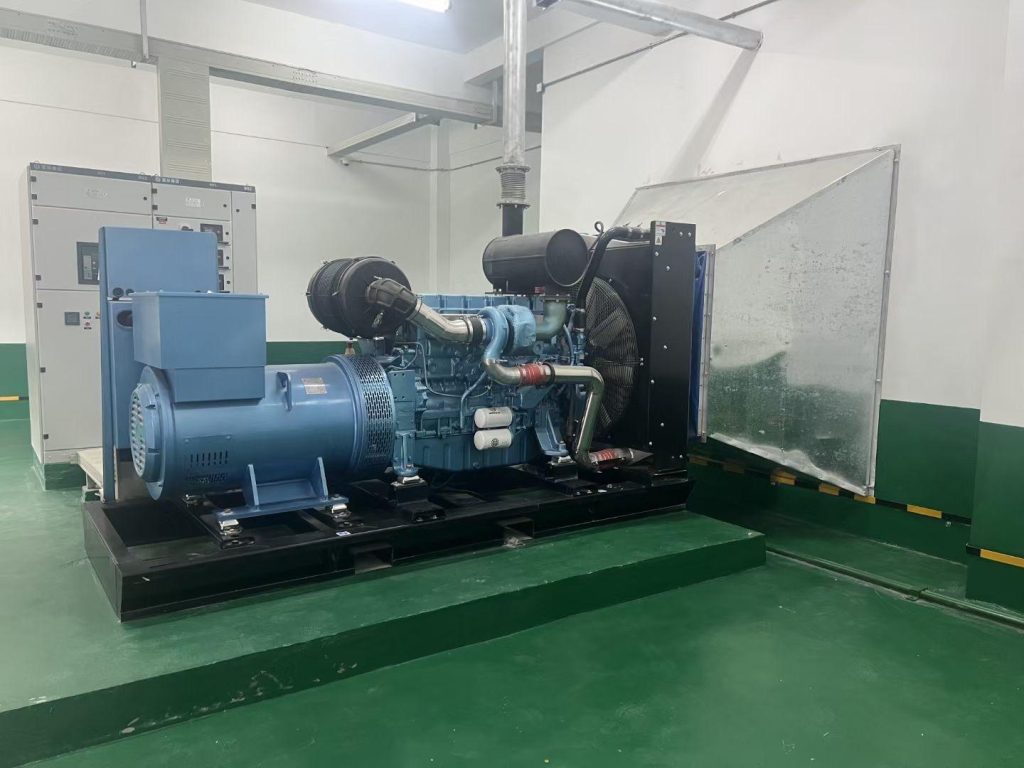
Four classes cover export orders, and each one pairs a load pattern with an hour limit. Continuous power allows an unlimited number of hours at a steady load. Prime power allows unlimited hours at a varying load, with the average held below 70% of the figure. Limited time power allows 500 hours a year, and emergency standby allows 200.
The ISO 8528-1 duty classes also fix what the set may do at each class. A standby set may not run in parallel with a public grid, and a prime set may carry a 10% overload for one hour in twelve. Those conditions belong in the tender, because a set ordered at one class and used at another has no cover at all. Emergency power for life safety follows NFPA 110 on the same point.
| Class | Hours a year | Load condition |
|---|---|---|
| Continuous (COP) | unlimited | Steady load at the plate figure |
| Prime (PRP) | unlimited | Varying load, average below 70% |
| Limited time (LTP) | 500 | Steady load, capped hours |
| Emergency standby (ESP) | 200 | No parallel operation, no overload |
Worked example: a 1,000kW plate at three duties
Take a frame rated 1,000kW at emergency standby and ask what it carries as a prime set. The usual step down is 90%, so 1,000 × 0.9 = 900kW at prime duty. A further step of 0.89 gives 900 × 0.89 = 800kW at continuous duty, which is the figure a site running the set every day should order.
The fuel follows the same curve. At 800kW the engine burns near 200 L/h, and 200 × 24 = 4,800 L a day, which is 4,800 × 30 = 144,000 L a month. A site that budgeted from the standby figure is short by about a tenth on every one of those numbers. Tesla Power Equipment quotes the fuel figure at the class the buyer names rather than at the plate maximum.
Why does a standby set fail in prime duty?
Because the engine runs at a load and a temperature it was not built to hold for that many hours. A standby set spends its life cold and starts a few times a month, and the same engine at 4,000 hours a year wears the injectors, the turbo and the exhaust at a different rate. The failure arrives as a rise in oil consumption rather than as a sudden stop.
The warranty is the second casualty. A standby class covers 200 hours a year, and a claim at 4,000 hours is read against that figure. Most genset manufacturers will decline it, and the buyer is left with a set that is mechanically sound and commercially uncovered. Read the class on the offer before the hours on the site sheet, because the two have to match. Tesla Power prints both on the offer.
- Annual hours counted from the site record rather than from the plan.
- Average load as a share of the prime figure, not the peak.
- Overload hours, which the prime class allows and the standby class does not.
What hours belong to each class?
The hour figure is a ceiling for the class rather than a target, and a site that runs at half the ceiling still sits inside the class. A genset for a data hall or a hospital loses mains a few times a year, and emergency standby allows 200 hours for that pattern. Limited time power allows 500 hours, which suits a site with a known seasonal gap in supply.
Prime and continuous carry no hour ceiling, and the condition moves to the load instead. Prime allows unlimited hours at a varying load with the average below 70% of the figure, and continuous allows unlimited hours at a steady load at the figure. A site that runs 8,000 hours a year at 85% average belongs in continuous duty, and a plate ordered at prime will not cover it. The load profile notes show how the average is measured, and Tesla Power reads it from that profile.
How does load share affect the rating?
A set that runs at 40% of its rating for most of the year meets a different failure mode from one that runs at 85%. Light load leaves the cylinder temperature low, and the engine glazes the bore and wets the exhaust. A prime rating assumes the average stays under 70%, which keeps the engine in the band where it burns cleanly.
That is why a site with a large standby margin can still damage a set. A 1,000kW frame carrying 250kW for 6,000 hours a year is inside its rating and outside its duty, and the wear is the wear of a light loaded engine. The partial load fuel notes set out the fuel and the temperature behind that pattern, and the frame belongs on the average rather than on the peak for that reason. Tesla Power sizes on the same basis.
Which rows belong on the duty schedule?
Five rows turn genset continuous rating for a prime site into a duty statement, and a schedule missing any of them leaves the class open. The class name, the kW figure at that class, the annual hours, the average load and the ambient at the set are the five. A sixth row carries the overload allowance, because the prime class permits one that the standby class does not.
The schedule belongs in the order rather than in the covering letter, because it is the line a claim is read against. Most genset manufacturers will fill it in on request, and Chinese genset suppliers often quote a single kW figure with the class left out. Tesla Power prints the five rows on the offer sheet and repeats them on the test sheet, so the duty that was sold and the duty that was tested are the same line.
What goes wrong when the duty is not named?
The common failure is a set bought on the highest figure and installed in the hardest duty. The offer says 1,000kW, the site runs 6,000 hours a year, and the figure that applied was 800kW. Nothing fails in the first month, and the shortfall appears as a set that cannot carry the site at the end of the first hot season.
The second failure is a plate that carries two figures with no class beside them. A buyer reading 1,000kW and 900kW on one line has no way to know which applies, and the answer changes the cable, the breaker and the fuel budget. Write the class in the enquiry and require it on the reply, then read the rest of the sheet against that one line. The range of frames we build lists the class each size is offered at.
How is the class proved before shipment?
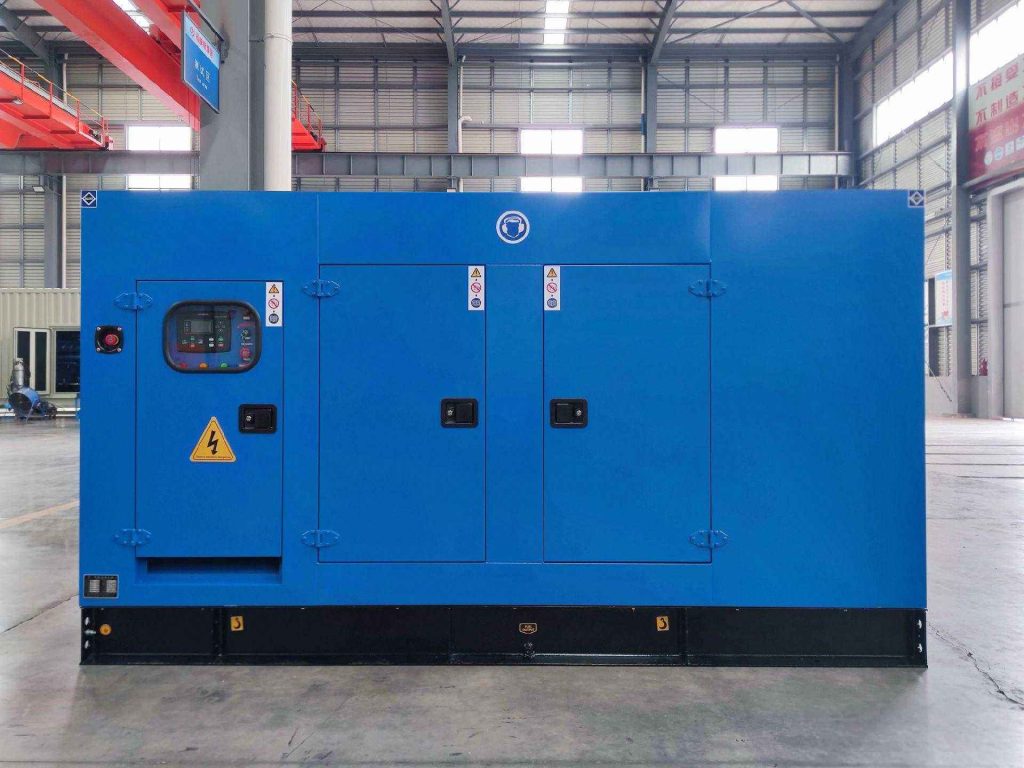
A continuous run at the class figure proves the cooling and the fuel system, and it takes longer than a step test. The set runs at its rating until the coolant, the oil and the exhaust temperatures stop moving, which is usually four to six hours on a frame this size. The record shows the three temperatures against the ambient at the time, and Tesla Power files it beside the serial number.
A set that reaches steady state and then climbs is a set with a cooling margin too thin for the class it was sold at. The fix belongs at the factory rather than on site, because a radiator cannot be enlarged in a plant room. The steady state figures are recorded against the serial number, so the class on the plate and the run in the file answer the same question.
Frequently asked questions about genset continuous rating
No. Prime allows a varying load with the average below 70% of the figure, and continuous allows a steady load at the figure. A site with a flat load belongs in continuous duty, and one with a load that swings through the day belongs in prime. Tesla Power quotes both figures on request.
It can run, and the cover ends at 200 hours. The engine will turn, and a claim made after the limit is read against the class rather than against the condition of the set. If the site expects more than 200 hours, order the set at limited time power or prime.
Because the same cooling and the same wear allowance are spread over far more hours. The engine at 800kW for a year carries the same total heat as the engine at 1,000kW for a few hundred hours, and the parts that wear are sized for the first case.
It changes the figure the burn is calculated at. The specific consumption in L/kWh is close at both classes, and the monthly total differs because the kW figure differs. A site that budgets from the standby figure spends about a tenth more than it planned.
The set moves outside the prime condition and into a duty the plate does not cover. A site that expects an average above 70% should order at continuous duty, where the figure already allows for it, rather than run a prime set at its limit.
It changes the figure at every class. A plate written at 25 °C loses roughly 3% for every 10 °C above that, and the class does not move with it. State the site ambient and ask for the derated figure at the class you are buying.
Write the class, the annual hours and the site ambient on one page, and send it to our export desk. Yangzhou Tesla Power returns the figure at that class as a line on the quotation. The genset continuous rating CE marking requirements sit in the technical file rather than on the plate, and conformity assessment for the assembly follows the same route as for a standby frame, so one file covers either duty.