
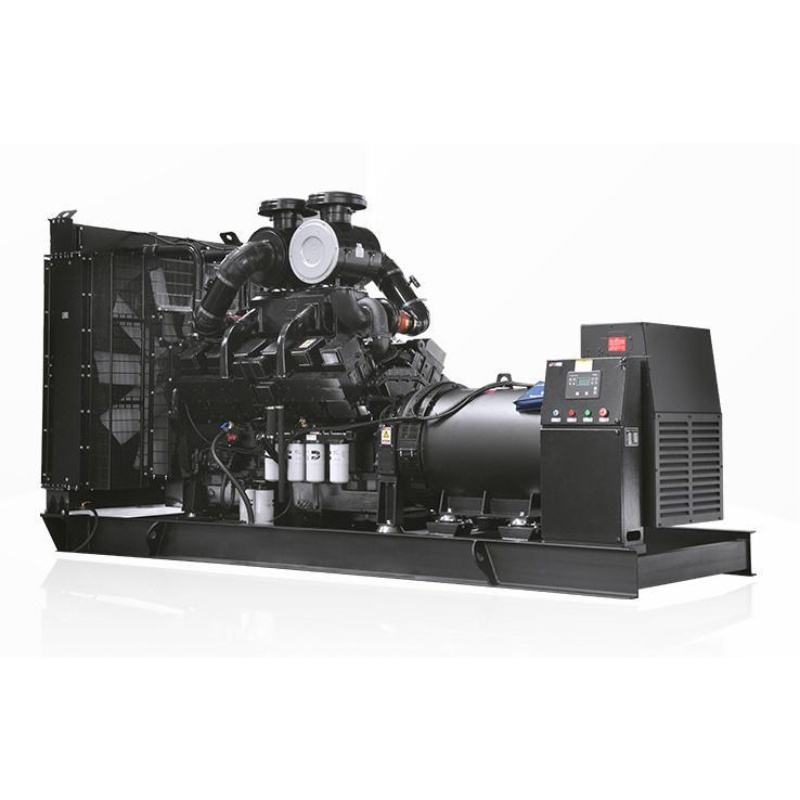
A generator for telecom tower site from Tesla Power must run where the public grid stops, so operators need a clear specification before they contact a supplier. This guide explains how to size the set, which standards apply, and what a manufacturer should document so you can request a compliant quote.
- Load steps decide the rating. A BTS shelter draws a steady base load plus transmitter and cooling peaks that set the prime power.
- Standards come first. The ISO 8528-1 rating class and CE marking define how the set is classified and what files travel with it.
- Runtime drives the tank. The autonomous run time the operator specifies sets fuel volume, not the other way round.
- Documents travel with the unit. A manufacturer must pack the test record, nameplate data and conformity file before the set leaves the factory.
What Load Does a Generator for Telecom Tower Site Carry?
Our industrial standby generator set is built for the cooled-shelter duty, with the alternator sized for the compressor starting current. The base load of a shelter is small, often a few kilowatts for the BTS cabinet and its rectifiers, but the air conditioner that holds the equipment at temperature can draw more than the radio itself. The rectifier and the microwave link add steady small draws on top of that base.
A generator for telecom tower site therefore needs a steady-state rating that covers the cooled shelter, not just the transmitter. China generator suppliers publish load acceptance curves for this reason, and the curve is the document that proves the set will not stall on the first hot afternoon when the compressor starts. Without the curve, two sets that look identical on paper can behave very differently.
How Do You Size the Set for a Remote Cell Site?
Sizing starts from the rectifier input, not the generator nameplate. Add the BTS load, the microwave or fibre load, the cooling load and the lighting, then apply a margin for future sectors. A generator for remote cell site is usually specified on prime power because the grid is absent, so the set runs for long hours rather than a few minutes a year during a storm.
At 0.8 power factor, 100kVA × 0.8 = 80kW and 200kVA × 0.8 = 160kW, so a shelter load of 80kW fits a 100kVA set. A 200kVA set gives 160kW for the same step, which is the size chosen when the tower also feeds a fibre node. The rating plate must state prime power, because a continuous-rated set would overheat on the duty the site actually sees. Tesla Power's prime-rated sets state that class on the nameplate, which is the page the site inspector and the customs officer both read first.
Which Standards Apply to a Telecom Generator?
The rating language comes from the ISO 8528 family. The the ISO 8528-1 rating class defines prime, continuous and limited-time running power, and that is the line every quotation should quote against. A set sold as 100kVA prime is not the same machine as a 100kVA continuous set, and the difference is what keeps the site alive through a multi-day outage. The rating class also fixes the maintenance interval the operator plans around, because the load the set carries decides the oil change cycle.
CE marking sits on top of the rating. The machinery directive and the EMC directive apply to the enclosure and the control system, and the low-voltage directive applies to the distribution inside the canopy. Tesla Power Equipment documents each of these points in the technical file so the set clears the border without a hold, and our contact our technical team desk can map the directives for your market before you place the order.
What Does CE Marking Require for the Enclosure?
The enclosure is where most non-compliances show up. The canopy must carry the rated ingress protection, the exhaust must meet the noise limit for the site, and the control panel must carry the CE mark together with the importer or manufacturer identification. Generator CE marking requirements are written into the technical file, and that file is what a customs broker and an operator both ask to see before the unit is commissioned.
Conformity assessment for the generator is the step that ties the file together. A notified-body certificate is not required for every generating set, but the declaration of conformity, the test report and the risk assessment must all be present and consistent. The NFPA 110 emergency power supply standard is the reference operators in North America use for the transfer switch and the ten-second start rule, and it is worth citing in the same document pack.
How Should You Plan Fuel and Runtime?
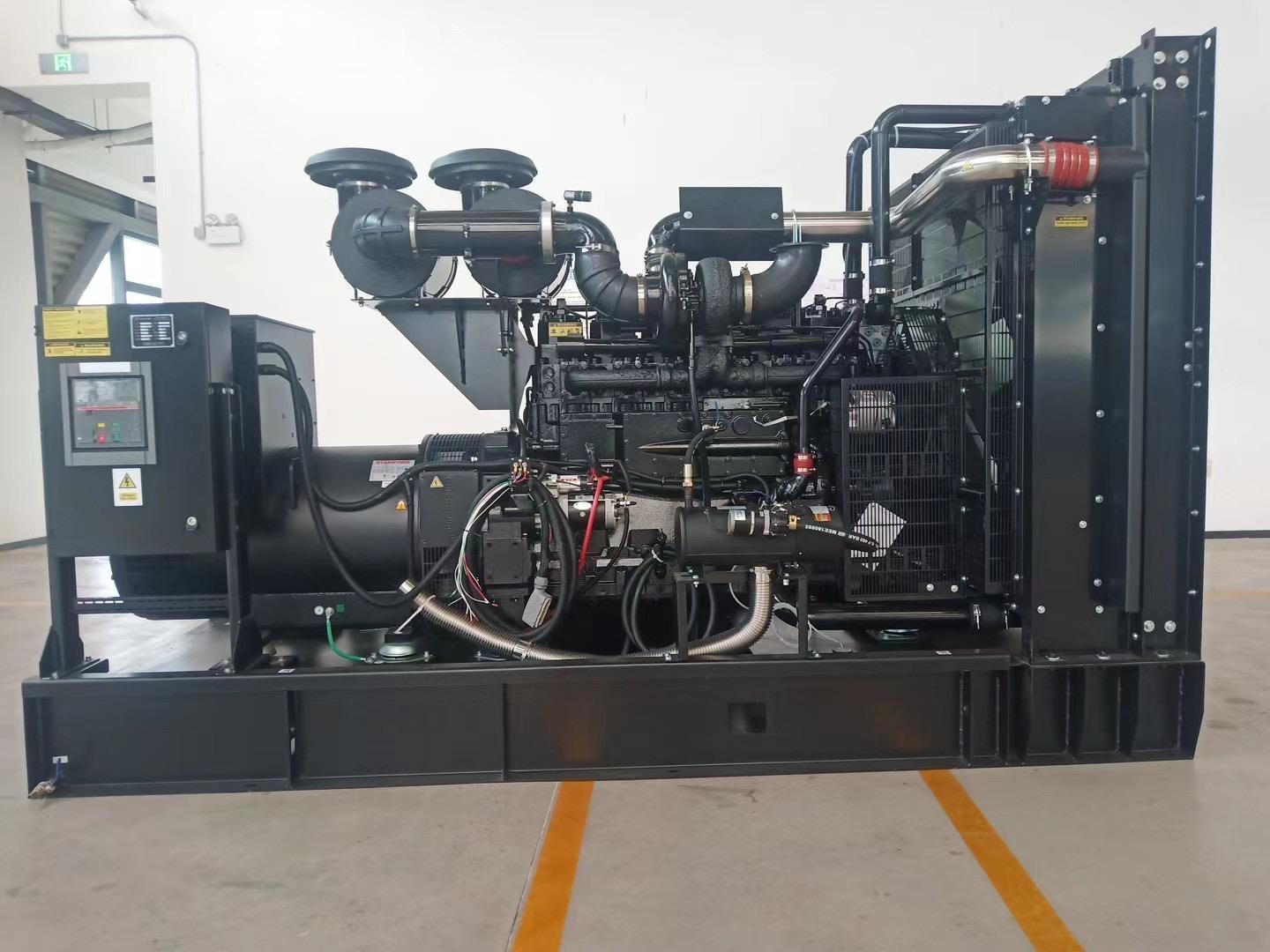
Runtime is a procurement decision, not an engineering afterthought. A site with a weekly fuel delivery can run on a 24-hour tank, while a mountain site visited monthly needs 72 hours or more. The tank volume is set by the autonomous run time the operator specifies, and the generator for off-grid site is only as reliable as that fuel plan allows during a long storm.
The fuel figure is easy to state. A 30kVA set at half load burns roughly 5 L/h, so a 500 L bunded tank gives about four days of autonomy before the site needs a refill. Tesla Power sizes the base frame tank to that number and adds a mechanical gauge the field technician can read without opening the canopy on a cold night.
Why Does the Site Need a Different Duty Cycle?
A building backup set starts a few times a year and warms up under load. A telecom set on a weak grid may run for weeks, cycling with every storm, and the duty cycle changes the engine, the oil cooler and the alternator insulation class. Treating the two as the same machine is the most common specification error we see in request for quotation packages.
The alternator is the component that suffers first. Continuous running at high ambient temperature demands class H insulation and a larger cooler, and the voltage regulator must hold 230 V through the compressor start. Tesla Power publishes the temperature rise and the overload curve, and those two pages should sit next to the rating plate in the handover file.
What Do Generator Manufacturers Document for Export?
The document pack is what separates a component from a commissioned site. The minimum set is the declaration of conformity, the ISO 8528-1 rating sheet, the load acceptance curve, the factory test report, the nameplate data and the wiring diagram. Without these, the set may run but it cannot be certified, insured or handed to the operator.
The factory test report is the page operators trust most. It records voltage, frequency and current at 25, 50, 75 and 100 percent load, plus the step load the set accepted without tripping. You can read our load bank testing guide for the exact steps, because the same procedure is what proves the shelter will stay up during a real outage.
How Do China Generator Suppliers Handle Conformity?
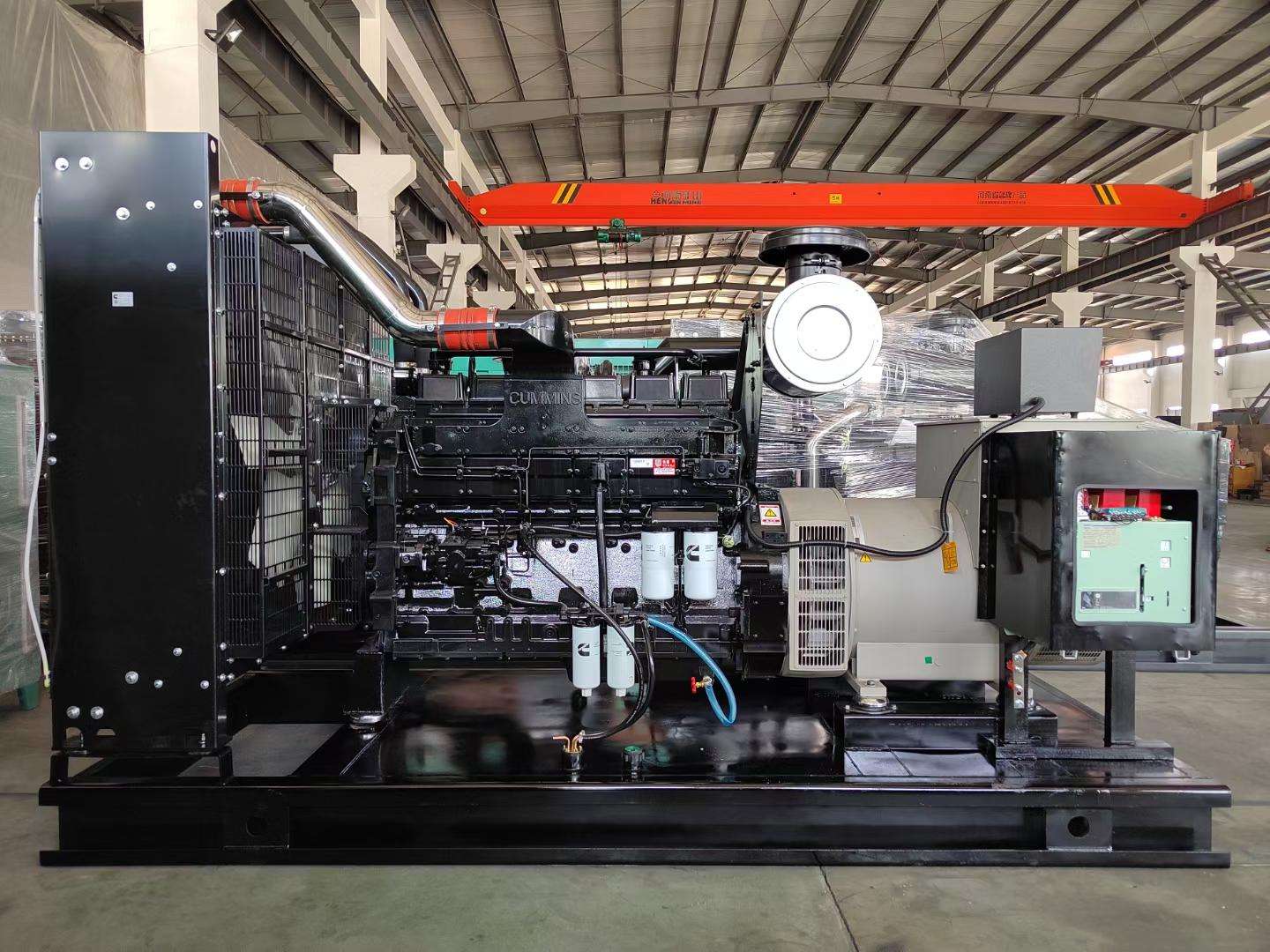
Conformity is a process, not a stamp, and the better suppliers run it before the container is booked. The technical file is assembled during production, the test is filmed, and the declaration is signed against the serial number of the actual set rather than a generic model. That discipline is what keeps a customs hold from becoming a missed network rollout date.
The practical advice is to ask for the file against the serial number, not the model. A generator suppliers in china market is crowded, and the difference between a trading company and a factory shows up the moment a certificate is challenged at the border. Our factory profile and certifications page lists the directives we work to and the test house we use for every export set.
What Power Rating Fits a 30kVA to 100kVA Site?
Most single-operator shelters sit in the 30kVA to 50kVA prime band, while a shared tower with multiple operators and heavier cooling moves toward 100kVA. A 200kVA set is the right size only when the site also feeds a village or a fibre node, and a 330kVA set is specified for a regional hub with redundancy built in.
| Site type | Typical load | Recommended rating | Autonomy at half load |
|---|---|---|---|
| Single BTS shelter | 16kW to 24kW | 30kVA prime | 4 days, 500 L tank |
| Shared tower, 2 to 3 operators | 24kW to 40kW | 50kVA prime | 3 days, 600 L tank |
| Fibre node with cooling | 60kW to 80kW | 100kVA prime | 2 days, 800 L tank |
The table is a starting point, not a substitute for the load study. The rectifier input, the compressor starting current and the future sector count all move the final number, and the rating plate must reflect the measured site, not a catalogue default. Tesla Power quotes against the load study so the set arrives already matched to the shelter it will serve. You can follow the same approach in our latest project news from recent remote cell site handovers.
How Do You Commission and Test the Installation?
Commissioning is where the specification becomes a working site. The set is placed on the plinth, the exhaust and the cable tray are routed clear of the equipment room, and the automatic transfer switch is set to start the set within ten seconds of a grid loss. Only after the mechanical work is done does the functional test begin.
The functional test runs the set through the same load steps used in the factory, then hands the operator the as-commissioned report. Tesla Power Equipment ships the report with the serial-matched file, and our help and advice pages carry the field checklist we use before a site goes live on the network.
Frequently Asked Questions
A single BTS shelter with one operator usually needs a 30kVA prime set when the cooling load is modest, rising to 50kVA when two operators share the tower. The rating should follow the load study, not a catalogue default, because the compressor starting current sets the real limit on the set.
A 500 L bunded tank gives about four days at half load on a 30kVA set, which suits a site with weekly delivery. Mountain or island sites with monthly visits should specify 72 hours or more, and the tank volume is set by that autonomous run time rather than by the generator nameplate alone.
The ISO 8528-1 rating class defines prime, continuous and limited-time running power, and every quotation should state which one it uses. A 100kVA prime set is not the same machine as a 100kVA continuous set, and the difference decides how the site behaves during a long outage that strains the cooling load.
For the European Economic Area the CE marking requirements apply to the enclosure, the control system and the internal distribution, and the technical file must carry the declaration of conformity, the test report and the risk assessment. The documents travel with the unit and are checked at the border and at commissioning.
The automatic transfer switch should start the set and carry the load within ten seconds of a grid loss, which matches the NFPA 110 emergency power supply standard used by North American operators. The rectifier battery bridge covers the gap, so the BTS does not drop a call during the changeover between sources.
The factory load-bank test records voltage, frequency and current at 25, 50, 75 and 100 percent load and confirms the step load the set accepts. That report, paired with the load acceptance curve, is the evidence a telecom operator uses to accept the site and close the project on schedule.
Oversizing wastes fuel and lets the engine run below its clean combustion window for long periods, which raises the maintenance load on a site nobody visits often. A set matched to the measured load runs hotter in the right places and lasts longer between service visits in the field.
The handover file is the declaration of conformity, the ISO 8528-1 rating sheet, the load acceptance curve, the factory test report, the nameplate data and the wiring diagram. Tesla Power ships these against the serial number so the operator can certify, insure and commission the shelter without a return trip to the factory.