
A generator set fuel gauge reading is the first thing to check on a site sheet, and the last thing most buyers ask a supplier to explain before they sign. The number on the dial only tells you how much fuel sits in the tank; the figure that decides the frame, the room and the resupply plan is the corrected consumption behind it. Tesla Power builds export sets against a load list, and the same mistake appears on almost every enquiry: one litre-per-hour figure is quoted as if the set would spend its whole life at that load, and the tank size is built on it. How you select the figure, how you compare offers from two suppliers, and what you ask to see on the test record decides whether the fuel plan still holds six months after the set lands on site. Five checks separate a real gauge basis from a brochure number, and each one takes a supplier less than a minute to answer in writing. Read the load list at the worst hour of the year, fix the power factor first, and request the whole duty-class record rather than one flattering value before you place an order.
- Read fuel in litres per kWh, not litres per hour, on every factory-rated compact frame.
- Fix the power factor before you compare any gauge figure.
- Check the number at the load you will really run, rather than at the nameplate.
- Confirm the ISO 8528-1 rating behind the figure, then ask for the full duty-class record.
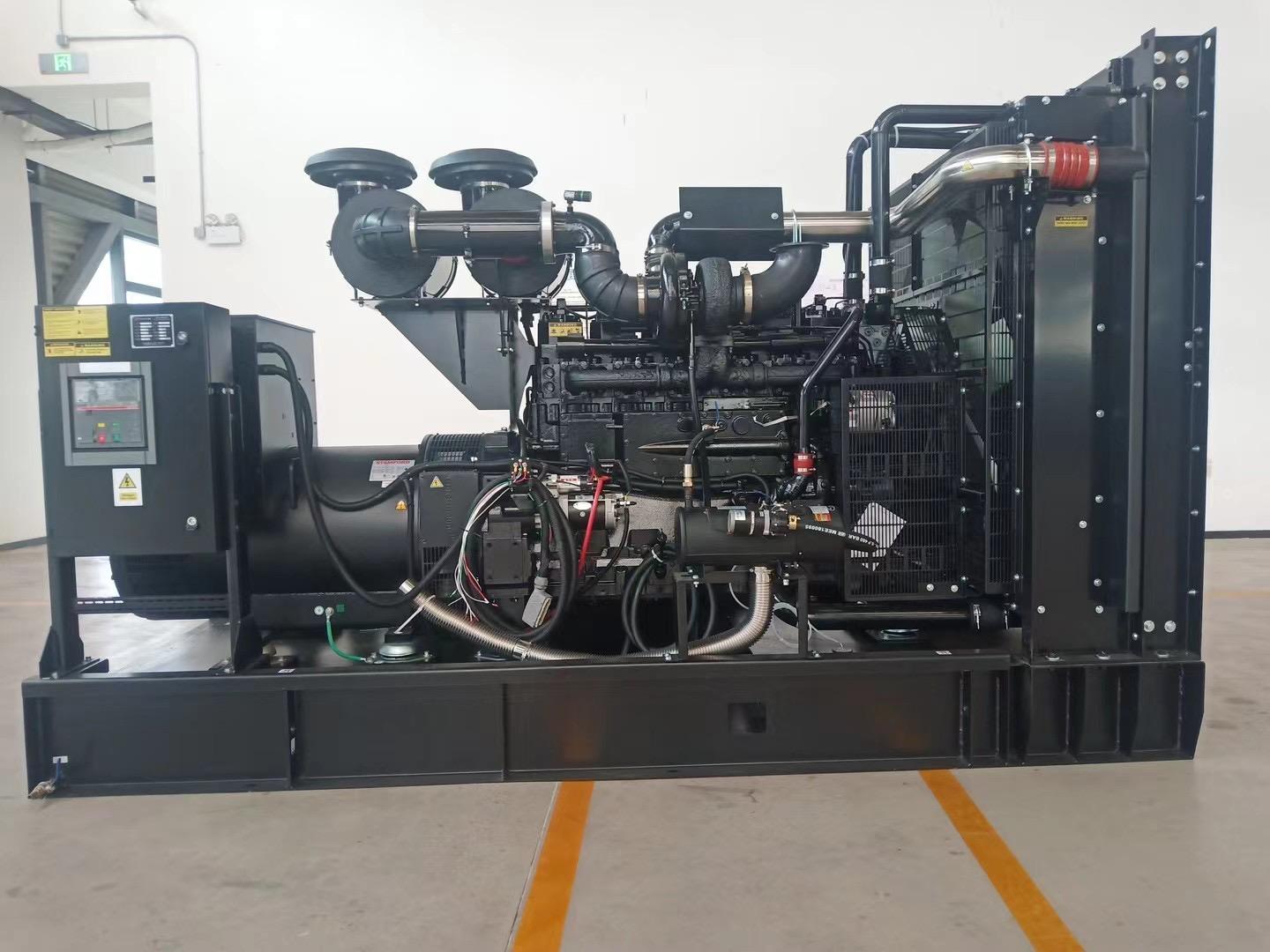
Is a 200kVA set the same as 160kW?
No, and the gap is the whole point. A 200kVA set at 0.8 power factor delivers 160kW of real power, because 200kVA multiplied by 0.8 equals 160kW. Fuel follows the kilowatts the engine actually produces, not the kVA printed on the nameplate. Buyers who compare gauge figures without fixing the power factor compare two different machines, and the cheaper quote often belongs to the lighter duty. State the power factor on the enquiry sheet before any price discussion begins.
Most industrial loads sit near 0.8 power factor, so a 200kVA set is usually described as a 160kW set. If the load runs closer to unity, the same kVA delivers more kW and burns more fuel, which moves the annual budget without changing the frame. Fix the power factor first, then read the fuel column. The the ISO rating definitions apply to the rating behind that figure, so the class and the factor belong on the same line of the sheet.
Why does a litres-per-hour figure mislead buyers?
A figure in litres per hour only means something when the load is attached to it. A set that burns 34 L/h at 25 percent load and 84 L/h at full load is the same machine reporting two very different numbers. Quoted alone, the low figure flatters the set and the high figure frightens the buyer, and neither one tells you what the site will actually spend across a season. The load step has to travel with the number.
The trap is that a standby set spends most of its life near no load, then works hard for a short period. If the data sheet gives one number, ask which load it belongs to and which rating class produced it. A number with no load attached is a marketing number, not an engineering one, and a supplier who cannot name the step is asking you to budget against a guess. Tesla Power states the load beside the figure so the comparison can be checked later.
Why is litres per kWh the only fair comparison?
Litres per kWh normalises fuel against the power delivered, so two sets can be compared at the same duty. Divide the hourly fuel by the real power at that hour and you get a figure that travels across ratings. A set returning 0.27 litres per kWh at 50 percent load is telling you something a bare litres-per-hour figure cannot, because the denominator is the work actually done on site.
Once the number is per kWh, the comparison stops depending on who chose which load to quote. Buyers running at part load far more often than at nameplate get a figure that matches their real duty, and two suppliers can be held to one basis. For a deeper look at how load is applied during these tests, the the site load worksheet walk through the method and the tolerance band that each step has to hold before the sheet is signed off.
Generator set fuel gauge: a worked 160kW example
Take a 200kVA set at 0.8 power factor, which is 160kW of real power. At 50 percent load the engine carries 80kW. If the set returns 0.26 litres per kWh at that point, the hourly draw is 80 multiplied by 0.26, which is about 21 L/h. Run that for 4000 hours in a year and the set burns roughly 84,000 L, a number a buyer can multiply by a local fuel price without guessing at the tank size.
Now drop to 25 percent load, which is 40kW. The same engine may return 0.42 litres per kWh, so the hourly draw is 40 multiplied by 0.42, which is about 17 L/h. Fewer litres each hour, yet more fuel per unit of power delivered, and that is the whole argument for reading litres per kWh. Tesla Power works the power factor into the load-step table before the price is fixed, so a buyer can check the arithmetic against a real sheet rather than a brochure line.
How do the gauge figures line up by load step?
The table below puts four load steps against one another for the same 160kW frame. Read it by column, not by row. The litres-per-hour column rises with load, which looks like bad news, while the litres-per-kWh column falls, which is the actual good news for a buyer planning a fuel contract.
| Load (% of 160kW) | Real power (kW) | Fuel rate (L/kWh) | Fuel per hour (L/h) |
|---|---|---|---|
| 25 | 40 | 0.42 | 17 |
| 50 | 80 | 0.26 | 21 |
| 75 | 120 | 0.24 | 29 |
| 100 | 160 | 0.21 | 34 |
A buyer who watches only the hourly column will reject the most efficient operating point, because the flat part of the curve is where the set earns its keep. Ask for this table with the order, and ask which rating basis produced each row. The table is short, yet it is the difference between a budget that holds and one that drifts. Chinese generator suppliers who publish the full step table give the buyer something to check on site.
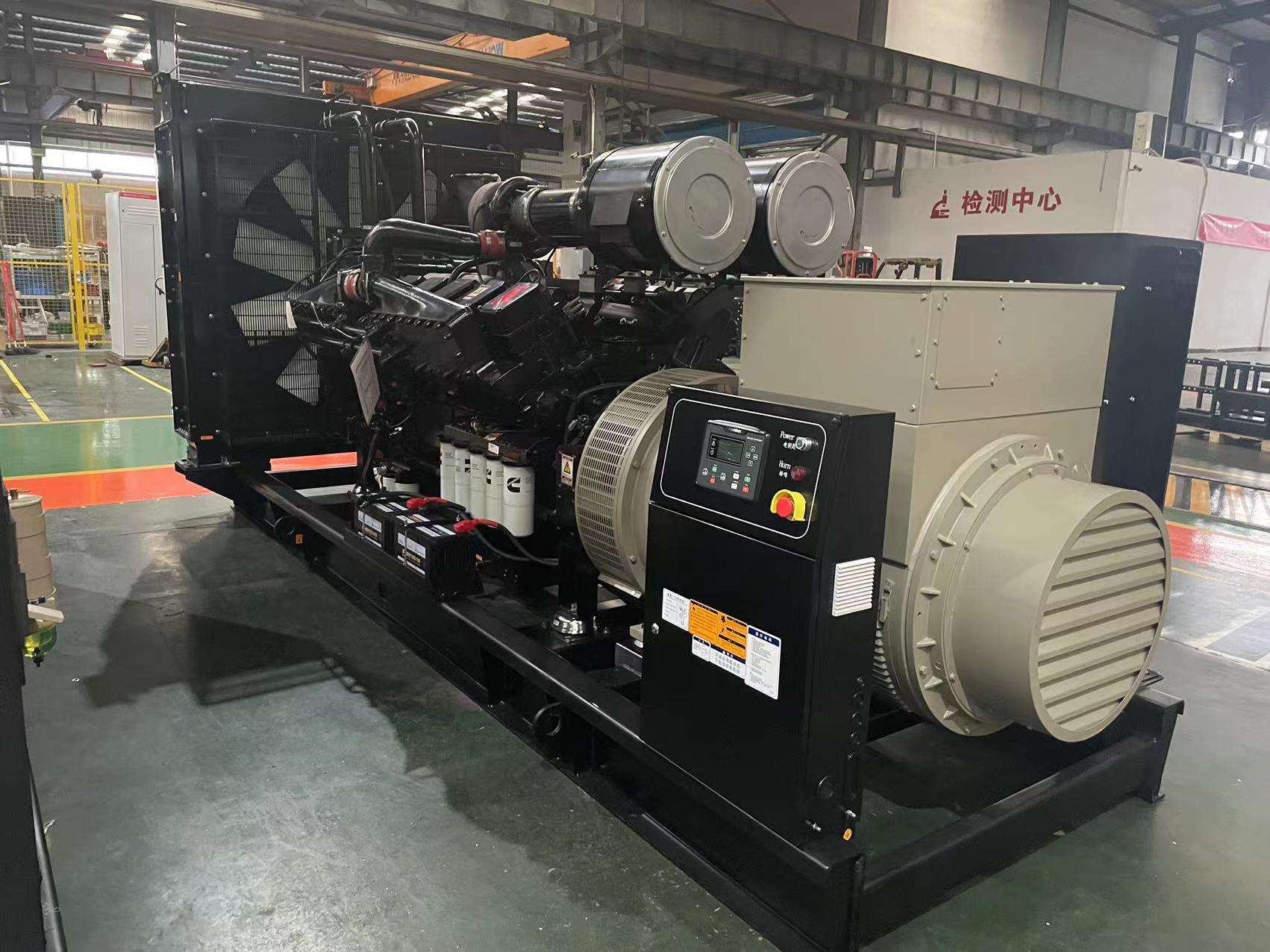
Does the ISO 8528-1 rating change the gauge figure?
It does, because the rating sets the load the set is allowed to hold. ISO 8528-1 defines the rating categories that decide this, and they are not interchangeable. A standby rating, a prime rating and a continuous rating describe different duties, and fuel at the declared load differs between them. Ask which category the fuel figure belongs to before you compare two offers, since the class carries the warranty position with it.
A set sold as standby power is rated for the hours it is expected to run, not for endless full-load service. A prime-rated set is allowed to carry a variable load indefinitely at a lower average. Quote the figure without the rating and you may be reading a standby number against a prime duty. Yangzhou Tesla Power names the duty class on the order next to the figure, so the two offers compare on the same footing, and the generator ce marking requirements sit with the data sheet when the set leaves the works.
What raises fuel use on the site?
High ambient temperature and a high altitude both cut the air the engine can breathe, so the set derates and burns more fuel for the same output. A dusty intake, a blocked radiator and a long suction line have the same effect. Water in the tank settles near the pickup, and a return line that discharges above the fuel level aerates the contents before the engine notices. A generator in africa needs the derate line stated on the sheet for the same reason a mountain site does.
Maintenance decides the rest. A clogged air filter, a tired injector and a loaded water trap all push consumption up before the set ever reaches its nameplate. Tesla Power logs fuel at each load step so a drift on site can be traced back to a number rather than a feeling, and the the EPA nonroad standard shows how far a local emission rule can move the hardware. When a set suddenly drinks more, the log tells you when it started.
Where do long-tail gauge questions show up?
Enquiries rarely arrive as one clean phrase. A buyer may ask about generator manufacturers, then come back with a question about chinese generator suppliers and the papers behind an export order. The answer is the same in both cases: name the duty class, state the power factor, and put the load beside the fuel figure. A generator for standby duty and a generator set for mining sites do not share a budget line, even when the plate looks identical.
Region and paperwork change the file too. A generator for export into a hot climate needs a different derate note than a unit bound for a cold store, and buyers sometimes ask how the generator documentation for export fits beside the test record. The conformity file for the assembly follows the same route as for the standard frame. Tesla Power Equipment keeps the two on one sheet so the buyer is not chasing a second email for the test record.
What should the enquiry state before you order?
State the running hours, the load profile, the local fuel price and the emission tier you must meet, plus the duty class the site needs. Those items let an engineer price the set without guessing, and they turn a gauge question into a spec answer. A site that runs daily at a steady load is a prime case, and the service line changes with it. Add the power factor, because the kW figure depends on it.
Ask for the rating definition the seller used and the source document behind it, and ask whether the figure is prime or standby. Some quotes carry the standby figure because it looks larger, so the class has to be named in the reply. The supplier asks for the running hours and the local rules first, then sizes the frame and prices the full offer on one sheet. Read the build and test record and the the canopy build sheet before the order is placed, since both show the same rating logic on a larger frame.
Frequently asked questions on the generator set fuel gauge
It depends on the load. At 50 percent load a 160kW set may burn about 21 L/h, and at full load nearer 34 L/h. Tesla Power states the load beside the figure, because a lone litres-per-hour number cannot be checked against anything. Ask for the load step that produced the number before you put it into a fuel contract.
Only at 0.8 power factor. Multiply 200kVA by 0.8 and you get 160kW of real power. At a different power factor the same kVA gives a different kW, so the fuel figure moves with it. State the power factor when you compare two sets, and keep the class and the factor on the same line of the sheet.
Because it removes the load from the comparison. Litres per kWh divides fuel by the power delivered, so two sets can be judged at the same duty. A figure in litres per hour changes with every load step and hides the efficiency that actually decides your running cost, while the per-kWh figure travels across ratings and frames.
Yes, sharply. Fuel per hour rises with load, but fuel per kWh falls as the set moves toward its efficient band. Running a set light is cheap per hour and expensive per unit of power. That is why part-load duty matters more than the nameplate figure, and why the full load-step table belongs in the enquiry rather than a single value.
Ask for the rating that matches your duty. Standby, prime and continuous ratings carry different allowed loads, and the fuel figure belongs to one of them. Confirm the category before you compare fuel numbers from two suppliers, since you may otherwise be comparing two different duties. The rating definition should sit next to the figure on the data sheet.
Multiply the litres per kWh at your expected load by the real power and by the annual running hours. An 80kW duty at 0.26 litres per kWh for 4000 hours is 84,000 L, then apply the local fuel price. If the set is emergency-only, weight the hours toward test runs. Send the duty to the gauge enquiry desk and Tesla Power will return the fuel band your project should budget against.