
Freight quotes and factory prices rarely disagree, yet the landed cost does, because the incoterm decides who pays each leg. A generator set incoterm choice fixes where the cost passes, where the risk passes, and who clears the set at the border. The term decides who books the vessel, who insures the sea leg, and who answers when the container is opened at the quay. We wrote these notes the way our export desk uses them: confirm the build, measure the crate, check the test log, and only then decide which term fits. The Tesla Power offer carries the transfer point in writing, so you can compare two quotations on the same line. The sections below cover the container maths, the FOB and CIF split, the conformity papers, and the checks that keep the handover honest. If a shipment is already in planning, send the crate sheet over and request a term-by-term quotation before you sign.
- Confirm the build and the load test on the supplier's floor before you fix the incoterm with the works.
- Note the packed dimensions, because container size sets the freight line under FOB and CIF.
- Ask for the technical file and the conformity documents for the destination market before you sign.
- Request the quotation with the chosen term written in the offer, not in the covering email.
- The frames themselves are listed in the silent 500kVA export build.
What does a generator set incoterm choice govern?
The term settles three things at once: where the cost passes from seller to buyer, where the risk of loss passes, and who handles the export and import steps. A buyer who ignores it learns the split only when a crane drops a crate at the port. The price on the offer is the same, but the bill that follows is not. Tesla Power Equipment writes the transfer point on the offer so the two sides read the same line.
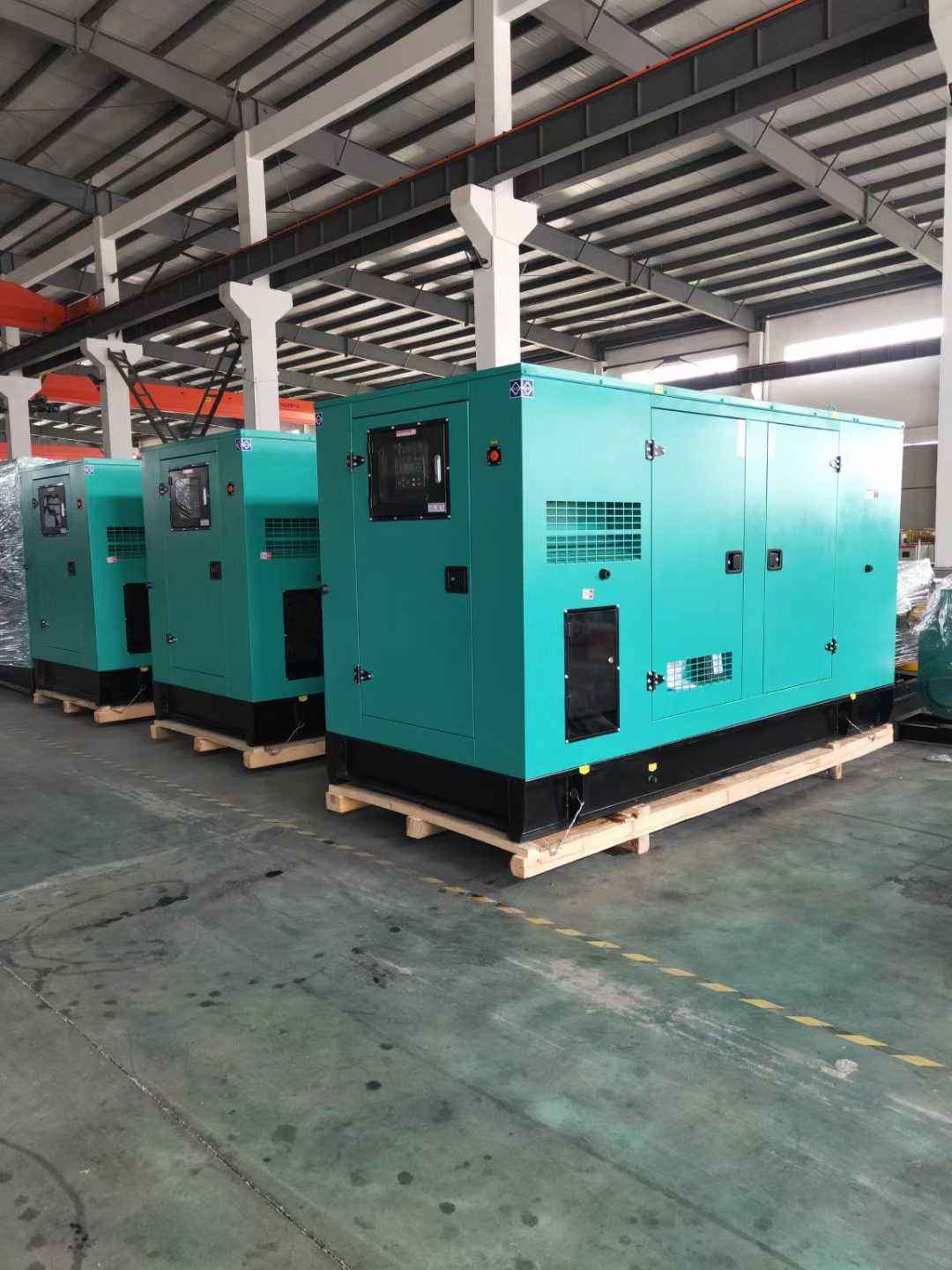
Under EXW the buyer collects from the gate and owns every step after. Under DDP the seller delivers cleared to the door and owns almost everything. Most export orders sit between FOB and DAP, and the gap between them is the freight, the insurance and the import clearance. The set is identical; the responsibility is not. A buyer who compares two offers on price alone misses the part that costs real money at the border. The real question is EXW versus DAP, because that seam is where the freight and the clearance change hands.
Why visit the factory before you choose the term?
The works will show you the crate they plan to use, and that crate decides the container choice later. A set packed on a low skid fits a shorter box and a cheaper freight line. A set packed tall needs a high cube and a different term. The visit is where those facts are confirmed, not assumed. Book the trip before the incoterm is fixed, because the answer changes both the price and the risk you carry. A generator set incoterm choice in humid port markets also fixes who pays for the desiccant and the crate liner.
Which container size sets the freight baseline?
The box size decides the freight line under FOB and CIF, because the carrier sells space by the container, not by the set. A 20ft box suits a single small frame; a 40ft box carries one large skid and the radiator crate beside it. Measure the packed length on the visit, then match it to the box before you quote the term. The table below shows the internal clear length each standard box gives after the door gear. Tesla Power reads that figure on the site sheet before the plate is printed.
| Container | Internal length | Holds what | Notes for the buyer |
|---|---|---|---|
| 20ft dry | 5.898m | One 250kVA skid | Tight for the radiator crate; check the door swing |
| 40ft dry | 12.032m | One 1000kVA skid | Leaves room for cables and the spare parts crate |
| 40ft high cube | 12.032m | One 1250kVA skid | Extra height for a tall canopy and the air box |
| Flat rack | 12.032m | One 1000kVA open frame | For over-height loads the box cannot contain |
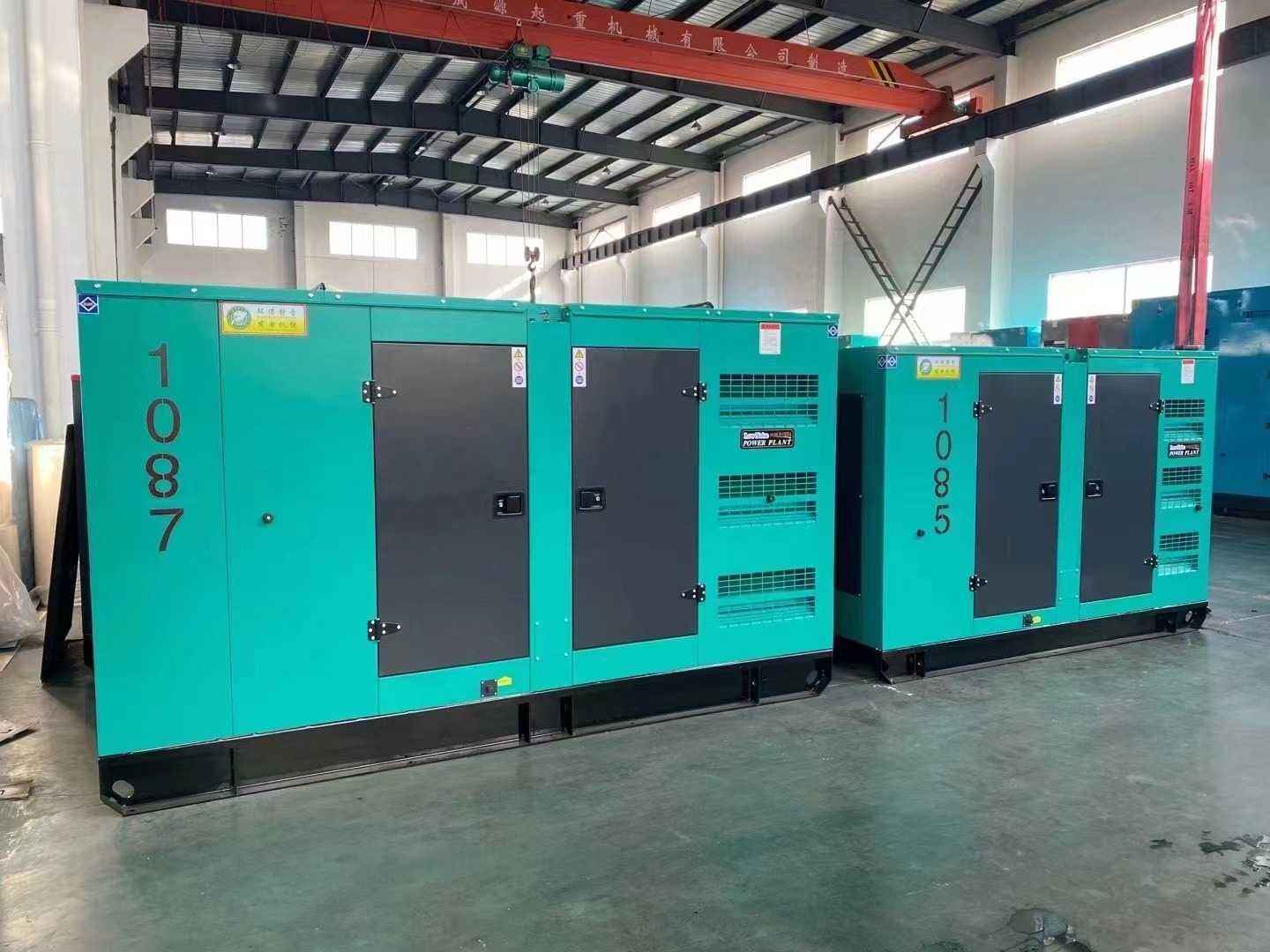
The 40ft dry box is the default for most industrial sets, and its 12.032m internal length is the figure to design the crate around. A 1250kVA class set needs the high cube only when the canopy height exceeds the dry box limit. The flat rack is the fallback for a frame the box cannot close, and it costs more to lash and to insure. Pick the box with the works on the visit, because the wrong box breaks the freight budget after the term is signed.
FOB versus CIF for a generator set: what the buyer carries?
FOB and CIF move the same set, but they split the bill at a different point. Under FOB the seller delivers the set alongside the vessel and the buyer books the ship and the marine cover. Under CIF the seller books both and builds the cost into the offer. The machine is the same; the control of the shipment is not. A buyer who understands FOB versus CIF for generator set orders can choose the option that fits the freight team they already use. Tesla Power writes the transfer point beside the test record on the offer.
FOB gives the buyer the freight rate and the insurance claim, which suits a buyer with a forwarder. CIF gives a single invoice and a single party to chase, which suits a first-time importer. Neither term changes who owns the risk at the rail, only who pays for the sea leg. The origin certificate guide shows the papers each option expects at the port.
Who books the vessel under FOB?
The buyer books the vessel and names the sailing to the works. The seller loads once the slot is confirmed and the risk passes at the ship's rail. A buyer without a forwarder should not pick FOB, because the booking is the buyer's job from that point on.
Who pays the marine insurance?
Under CIF the seller pays the marine cover and hands the policy to the buyer. Under FOB the buyer places the cover before the set leaves the gate. The premium is small, but the claim is the buyer's only recourse if the crate is lost at sea.
What should a buyer check at a Chinese generator set manufacturer?
The visit is the moment to confirm the claim against the metal. Ask to see the frame on the test bay and the controller log from the last run. A Chinese generator set manufacturer that welcomes the visit usually runs a repeatable test; one that deflects it leaves a doubt you pay for later. Read the nameplate with the works, and note the rated class and the power factor printed on it. The desk reads it with you on the visit.
The packing list is the second thing to check, because it drives the container and the customs line. Confirm the crated weight and the dimensions, and ask which standard the crate meets for the sea voyage. A set packed to a known lashing standard survives the roll; a set packed to a guess does not. Take the list back and read it beside the offer before the incoterm is fixed.
What the load test should show
The test should show the set holding the rated step for the agreed minutes, with the voltage and frequency logged. A works that hides the log is hiding the number you will be quoted against. Ask for the file on the day, not after the set has shipped.
What the packing list must state
The list must state the crated length, the crated weight and the centre of gravity. The forwarder uses those three figures to book the box and to lash the crate. A list missing the weight forces a re-weigh at the terminal, and that re-weigh is the buyer's cost under most terms.
How do you brief a China generator set supplier on terms?
The works should reply with the term, the incoterm edition, and the party that handles each leg. A reply that names only a price has not answered the question. Push for the responsibility table, because the table is what the forwarder reads when the crate reaches the port. Ask the works to state the edition year beside the term, because the 2020 revision moved several delivery points and changed who pays for the security files at each end.
A buyer who briefs clearly gets a comparable offer; a buyer who briefs loosely gets a number he cannot defend at the border. A generator set incoterm choice for hospital projects carries an acceptance file beside the term, so the format works on regulated sites too. Write the responsibility table into the enquiry itself, so every reply lands in a format you can compare line by line before the deposit is paid.
When does the destination market add conformity steps?
The term decides who moves the papers, but the destination market decides what the papers must say. A set bound for the EU needs the machinery file and the emission stage stated before it clears. A set bound for a market with its own mark needs that mark applied at the works, not at the port. The conformity step is a document load, and the incoterm only says who carries it. Read about the works to see how the file is built before the set is crated. Tesla Power reads that figure on the site sheet before the plate is printed.
A buyer who learns the requirement after arrival pays twice: once for the delay and once for the local fix. Ask the works to name the standard on the offer, and confirm the certificate travels with the set. The step is not a sales extra; it is the condition the border enforces. Name it in the enquiry so the supplier prices the work instead of promising it.
The technical file for the EU market
The EU file holds the drawing, the test record and the emission data the authority expects. The NRMM rule, (EU) 2016/1628, sets the stage the engine must meet, and the file must show it. A set without that file stalls at the port until the importer pays a local consultant to build one. Tesla Power states that stage on the offer so the importer can check it at the gate.
The NRMM emission stage
The stage is printed from the engine model, not chosen at the desk. The works confirms it against the order, and the certificate travels with the crate. A buyer who checks it on the visit avoids the surprise of a blocked clearance months later.
Which customs documents travel with the set?
The crate carries more than the machine. The commercial invoice, the packing list and the bill of lading move with the set, and the certificate of origin sits beside them for the authority to read. A generator set documentation for the destination market is not one paper but a small set, and the term says who assembles it. Under CIF the seller builds the file; under FOB the buyer does, often through a forwarder.
The technical file is the one buyers forget, because it is not a shipping paper. It holds the rating, the test and the standard the border may ask for, and it should travel even when the term does not require it. Keep a copy with the help and advice index of the order so the two are read together. A set without its file clears slower and costs more to release than a set with it present.
Does the power rating change who clears customs?
The rating does not change who clears the border, but it changes what the border reads. A larger set carries a larger nameplate, a heavier crate and a longer certificate, and each line adds a step at clearance. The incoterm still says who handles the entry, yet the work grows with the frame. A buyer of a 1000kVA class set faces more paper than a buyer of a 250kVA class set, even on the same term. Read the standard with the works, because ISO 8528-1 sets the class the nameplate must show. The works reads the class, and the plate repeats it. The same frame appears in the 400kW Weichai export frame, where the plate states the same basis.
A 500kVA set fits a 20ft container, while a 1000kVA open-frame set on a skid is too long for that box. 1000kVA × 0.8 = 800kW is the load it carries at the rated power factor, and the 800kW figure is what the destination authority reads from the nameplate. A 250kVA set needs less than half the crate length of the 1000kVA class, so its clearance file is shorter and its freight line lower. The reference condition is defined in the ISO 8528-1 rating definitions, which names the tolerance and the test point.
How the nameplate is read at customs
The officer reads the rated class, the frequency and the power factor from the plate. A plate that omits the class leaves the rating open, which is the gap an inspection finds first. Confirm the plate matches the file before the crate is sealed at the works. The reference condition is defined in the NFPA 110 emergency power rules, which names the tolerance and the test point. Tesla Power Equipment keeps the correction on the offer, so two quotations can be compared.
How do incoterms affect the site handover plan?
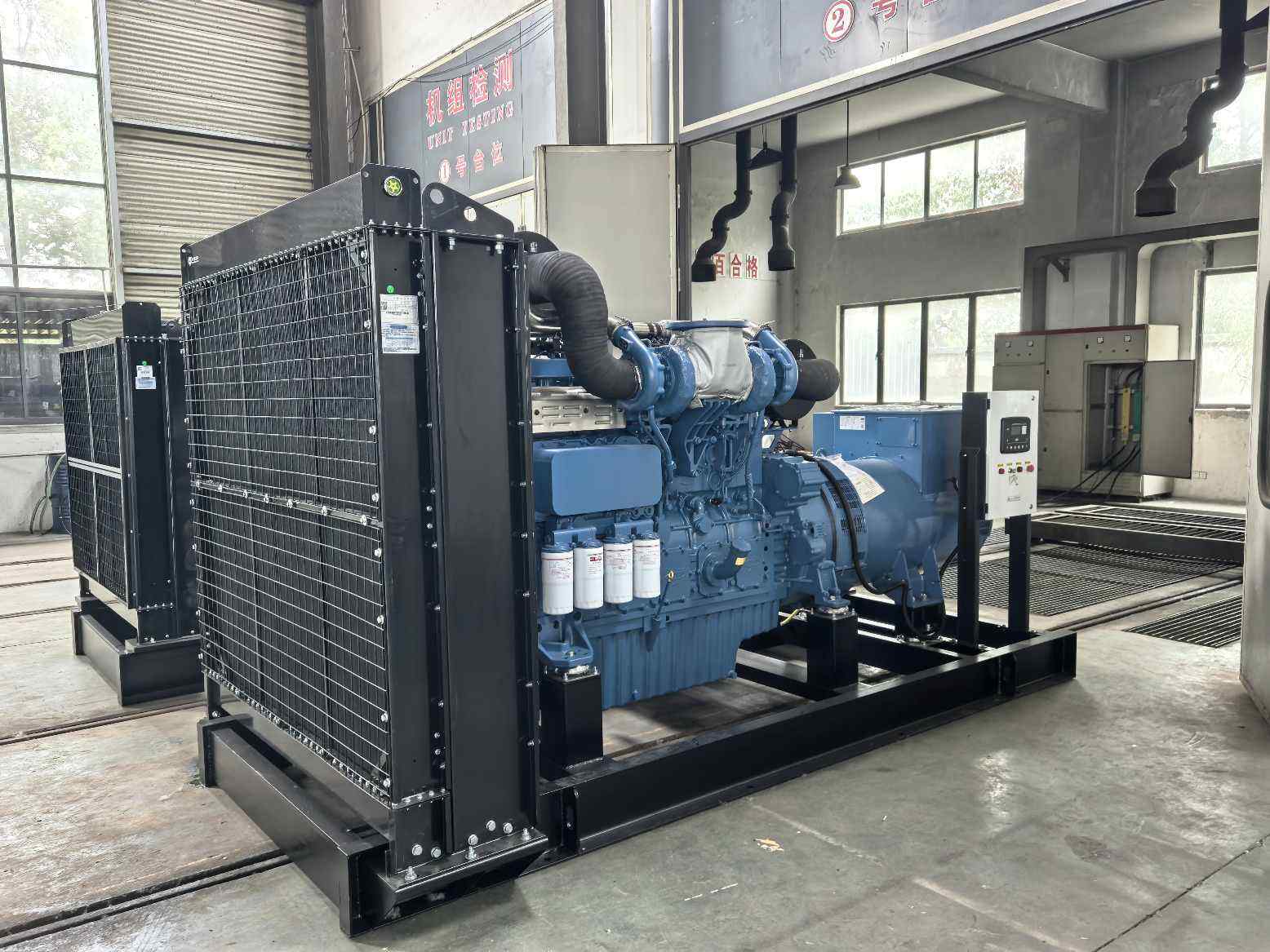
The handover plan also sets who trains the local team and who stocks the first spares. A term that drops the set at the port leaves those steps to the buyer, and they are the steps that decide whether the set runs on day one. Write the plan beside the term in the offer, and confirm the works will supply the training file. The import duty note shows the cost the buyer carries after clearance, which the plan should name before signing.
Frequently asked questions about generator set incoterm choice
CIF or DAP suits a first-time importer, because the seller books the sea leg and the insurance and hands over a single file. The buyer avoids the forwarder and the marine claim. The offer costs more, but the responsibility is one party, which a new importer can actually chase when something goes wrong at the port. Tesla Power keeps the term and the test record on one sheet so the comparison stays honest.
The term does not change the machine price, but it changes the landed cost. FOB looks cheaper on the offer and dearer at the border, while CIF folds the freight into one line. Compare two offers on the total landed figure, not on the factory number alone, or the comparison misleads the buyer.
The buyer insures the set under FOB from the moment it leaves the gate. The seller's cover ends at the rail, and the buyer's policy must start before the crate is carted. A buyer who forgets the cover has no claim if the crate is lost on the quay. Tesla Power repeats the serial on the policy.
The bill of lading, the insurance certificate and the commercial invoice show who did what. The bill names the leg the seller paid, and the policy names the party covered. A file with all three proves the split the offer promised, which settles most disputes at the port without a lawyer.
The visit should happen before the quote is fixed, because what you see changes the term you choose. A buyer who visits after signing learns facts he can no longer price. Book the trip during the enquiry, and write the term into the offer once the works has shown the build and the crate. The crate sheet travels with the offer.
A larger set needs more paper, because the nameplate, the crate and the certificate all grow with the frame. The 1000kVA class set carries a longer file than the 250kVA class set on the same term. The incoterm is unchanged, but the clearance work the buyer manages is not, and the plan should say so.
The term can be changed after shipping only by agreement, and the carrier and the insurer must both accept it. The cost and the risk shift mid-voyage, which few sellers allow. Fix the term in the offer before the crate is sealed, because a change at sea is slow and expensive for the buyer. Tesla Power reads that figure on the site sheet before the plate is printed.