
A genset transfer pump moves fuel from the bulk tank to the day tank, and its flow, its head and its control decide whether the set stays fed through a long outage. Read how the flow is calculated, and Tesla Power will return a quotation with the pump duty named.
- Size the flow on the burn at full load, because the part load figure understates what the pump has to move.
- Add the lift from the bulk tank to the head, since a pump sized on flow alone stalls on a long suction line.
- Start the pump on a low level and stop it on a high level, so the day tank keeps its reserve through the night.
- Record the flow and the lift on the drawing, because both are read by an inspector rather than by the operator.
What does a genset transfer pump do on a bulk line?
It refills the day tank from the bulk tank, and it runs for minutes rather than hours. The bulk tank sits at grade or below ground, and the day tank sits beside the engine, so the pump covers the distance and the height between the two. The engine draws from the day tank by gravity, and the pump does not feed the engine directly.
The duty is intermittent, and that shapes the choice more than the flow does. A pump that runs for ten minutes in every hour is a different machine from one that runs continuously, and the two are not interchangeable on price. The pump carries a transfer duty rather than a metering duty, so the flow only has to beat the burn with margin.
How is the flow sized from the fuel burn?
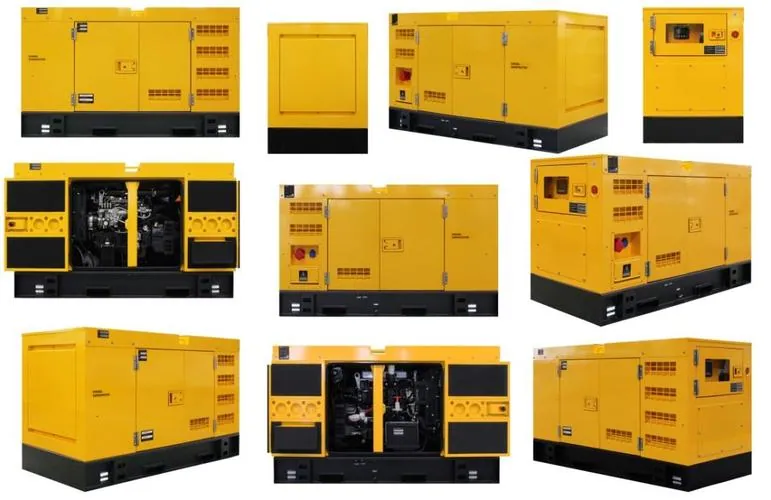
Start with the burn at full load and give the pump at least twice that figure. A 625kVA frame at 500kW, which is 0.8 power factor, burns about 100 L/h, so a pump at 250 L/h refills a 400 L day tank in about 1.6 hours. The reserve is then restored inside one shift, and a second fill is possible in the same night.
Two corrections sit beside that figure. The pump flow is quoted at the duty point rather than at a free discharge, so a pump rated 250 L/h at 2 bar may move less at 4 bar. The suction line also adds a limit, and a gear pump lifts fuel about 3 m on a dry line. The ISO 8528-1 duty classes sets the duty class the burn is read at, and Tesla Power sizes the pump at that class.
| Frame | Burn at full load | Transfer pump flow |
|---|---|---|
| 400kVA frame | about 64 L/h | 150 L/h at 2 bar |
| 625kVA frame | about 100 L/h | 250 L/h at 2 bar |
| 800kVA frame | about 128 L/h | 320 L/h at 2 bar |
| 1,000kW frame | about 200 L/h | 500 L/h at 2 bar |
Worked example: 250 L/h for a 625kVA frame
Take a 625kVA frame at 500kW burning 100 L/h, with a 400 L usable day tank and a bulk tank 8 m away at grade. The flow is 100 × 2.5 = 250 L/h, and the refill is 400 ÷ 250 = 1.6 hours against a lift of 2 m. A 250 L/h gear pump at 2 bar does the work inside two hours and leaves the rest of the shift free.
The pipe follows the pump rather than the tank. A 1 inch line keeps the velocity near 1 m/s at that flow, and a smaller line adds a pressure drop that the pump reads as a longer lift. Tesla Power Equipment sizes the line with the pump, because a pump chosen alone arrives with a connection the site has to reduce.
Why does the lift matter more than the flow?
Because a transfer pump moves a liquid close to its own vapour pressure, and a long suction line is where it fails. A gear pump pulls fuel up about 3 m before the chambers stop filling, and a centrifugal pump on the same line loses its prime. The lift is measured from the fuel level rather than from the tank floor, and the bulk storage notes cover the tank side of the same arrangement.
A pump that sits above the bulk tank also needs a foot valve, or the line drains back at every stop and the pump starts on air. A pump set below the tank level floods itself and needs no valve. The position decides the fittings, and Tesla Power sets the pump below the tank level on most export builds.
What does NFPA 110 require of the fuel transfer?
The standard treats the transfer pump as part of the fuel supply rather than as an accessory, so a single failure has to leave the set able to run. That reading puts the pump on the emergency supply and it puts a low level alarm on the day tank. The NFPA 110 fuel supply chapter names the alarm as well as the pump.
A pump fed from the normal supply stops when the mains fails, which is the moment the set is needed. A genset for a standby site therefore carries a pump on the same board as the set, or a manual fill point beside the tank. Tesla Power wires the pump to the set board on a standby build, and the manual point stays as the fallback.
Which fittings belong on the pump discharge?
Five fittings turn a pump into a fuel line, and a line missing any of them fails an inspection. The isolation valve, the non-return valve, the pressure relief, the filter and the flexible connection are the five. The non-return valve is the one most often left out, and a line without it drains back through the pump at every stop.
A genset transfer pump for a bulk tank also needs a strainer on the suction side, because a gear pump wears on grit rather than on fuel. The strainer sits before the pump and after the isolation valve, so it can be cleaned without draining the line. Chinese genset transfer pump suppliers often quote the pump alone, which is why Tesla Power lists the fittings on the same line.
What goes wrong when the pump is undersized?
The day tank empties faster than the pump refills it, and the set stops at the hour the reserve was meant to cover. A pump sized at the burn rather than above it refills a 400 L tank in four hours, which leaves nothing in hand when the outage runs longer. The failure looks like a fuel problem and it is a sizing problem.
The second failure is a pump that is oversized for the line, and a genset transfer pump in a plant room is where that shows first. A 500 L/h pump on a 1 inch line moves fuel at about 2.5 m/s, and the stop at the end of the fill sends that energy back down the pipe. Match the pump to the line rather than to the tank alone, and Tesla Power sizes the pair together.
How is the pump specified on an order?
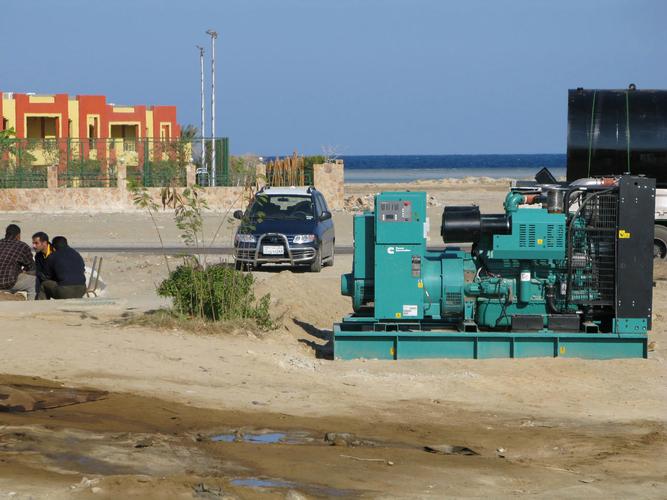
The order names the flow, the lift and the control rather than the pump as a catalogue item, and the frames we build show the burn each size carries. Flow in litres per hour at the duty point, lift in metres, and the control listed as a level switch or a timer are what a supplier needs. Most genset transfer pump manufacturers quote the flow at a free discharge, and a pump ordered on that figure alone arrives with a head that does not fit the site.
The fittings and the control belong on the same line as the pump, since both are read by the same inspector. A pump supplied without them is a pump that has to be modified in the plant room, and the modification is the part nobody quotes. Tesla Power quotes the three as one item for that reason, and the day tank sizing rules set the volume the pump has to fill.
Frequently asked questions about genset transfer pump
Under two hours for most sites, and the figure follows the reserve rather than the pump. A 250 L/h pump fills a 400 L day tank in about 1.6 hours, which leaves the rest of the shift in hand. A refill that takes longer than the reserve is a pump that is too small for the tank.
It can when the lift stays inside about 3 m, and most sites put the pump in a chamber beside the tank rather than at the set. A longer lift needs a pump set lower, or a submersible pump inside the tank. The lift is the figure that decides the arrangement.
It does on any line where the bulk tank sits below the day tank, because the line drains back at every stop. The valve holds the column and the pump starts against fuel rather than against air. A line without it starts dry and wears the gears.
The gears rub on the casing and the clearance opens, so the pump loses flow before it fails outright. A dry run of a minute is enough to score a small gear pump. Fit a low level cut-out rather than relying on the operator.
A level switch is the safer of the two, because it reads the tank rather than the clock. A timer fills a tank that is already full and leaves an empty one alone. Most sites use the switch and keep the timer as a backup for a failed float.
It does when an undersized pump lets the set run dry, because a dry run damages the injection pump. The claim is read against the fuel record, and a record that shows the tank ran out is a record that shows the cause.
Write the burn at full load, the lift and the control on one page, and send it to our export desk. Yangzhou Tesla Power returns the pump, the fittings and the control as one line on the quotation. The genset transfer pump CE marking requirements sit in the technical file rather than on the pump, and conformity assessment for the assembly follows the same route as for the frame.