
A genset warranty inspection requirements clause decides what a buyer can claim, when a claim is valid, and which records the claim is read against, and every line of it is written before the set ships. We read those lines for a living at Tesla Power, and this guide sets out what the handover inspection should witness, which maintenance conditions keep the cover alive, and which exclusions a buyer can accept or refuse. The point of the exercise is comparability: a buyer who can request a quotation that states the inspection scope in writing can compare two offers on the same basis. The difference shows at the claim. A file with the commissioning sheet, the service records and the load steps logged settles in weeks. A file with a gap turns the same fault into a negotiation that outlasts the outage. Both outcomes trace back to lines agreed at the order stage.
- Write the handover inspection scope into the contract: the hours run, the load steps witnessed and the figures logged.
- Keep the warranty valid with genuine parts, the stated service intervals and authorised labour, and file the proof as you go.
- Read every exclusion against the duty the set actually runs, and refuse clauses that void cover for conditions the set was sold for.
- Start the document trail at handover and keep the export range the works builds beside it, so a claim starts from a record.
What does the genset warranty inspection requirements clause state?
The clause is not one line but a small stack of them, and each line answers a different question. Read them as a set. A clause that defines the inspection but not the records is half a clause, because the inspection evidence is what a claim is argued from.
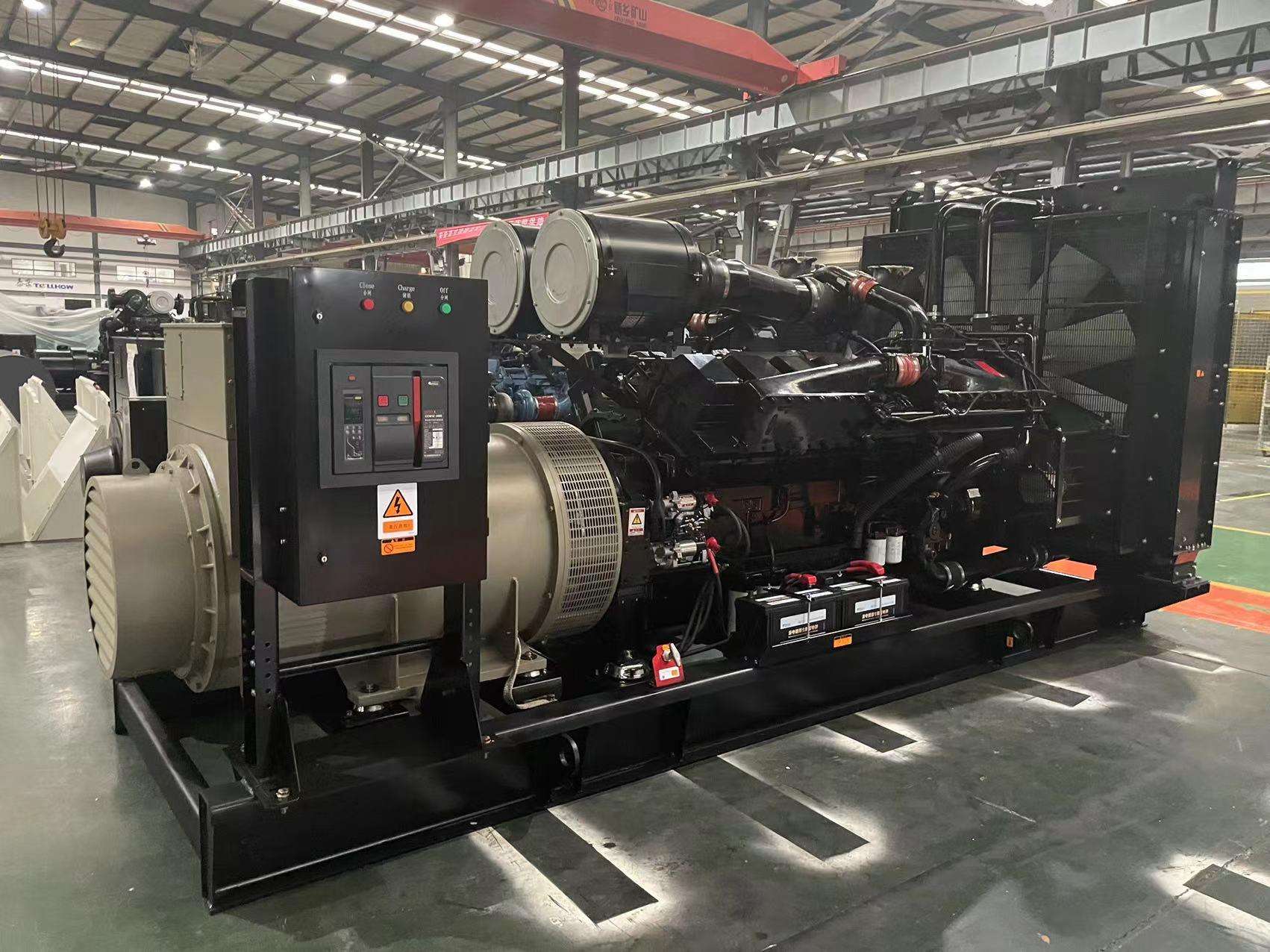
The first line names the inspection scope. It should state the hours the set runs before handover, the load steps the buyer witnesses, and the figures the controller logs at each step. Vague wording here leaves the supplier to choose what gets measured, and a measurement the supplier chooses is a measurement the claim cannot use. The second line names the acceptance figures, which turn the run into numbers a buyer can read years later.
The third line names who signs. A commissioning sheet signed by the site engineer at handover is worth more than a factory report posted afterwards, because it fixes the condition the set arrived in. The fourth names the documents that make up the file, and the fifth states what happens when a figure falls outside the band. Write the answer as a procedure, not as a promise.
Which figures does the handover inspection witness and log?
The handover inspection is witnessed, not described. The buyer's engineer watches the set take load in steps, and the controller records the figures at each step. What gets witnessed decides what a later claim can prove, because a fault that appears in year two is traced back to the band the set held at handover. The items below follow the commissioning checklist walkthrough, in the order the run meets them.
| Line on the log | What it shows | Why a claim reads it |
|---|---|---|
| Hours run before handover | The run-in the factory schedule called for | Separates a build fault from a wear fault |
| Load steps witnessed | The bands the set carried, in order | Proves the frame held the rating it was sold at |
| Figures at each step | Current, voltage and frequency, logged by the controller | Gives the claim a baseline to be compared against |
| Ambient and altitude noted | The conditions at the test | Fixes the reference the derating chart is read from |
The arithmetic belongs on the same sheet. A 500kVA set at 0.8 power factor = 400kW, so a load bank step at 80% of the rating = 320kW held for two hours is the line the log has to show. A step recorded only as a load applied proves nothing two years later.
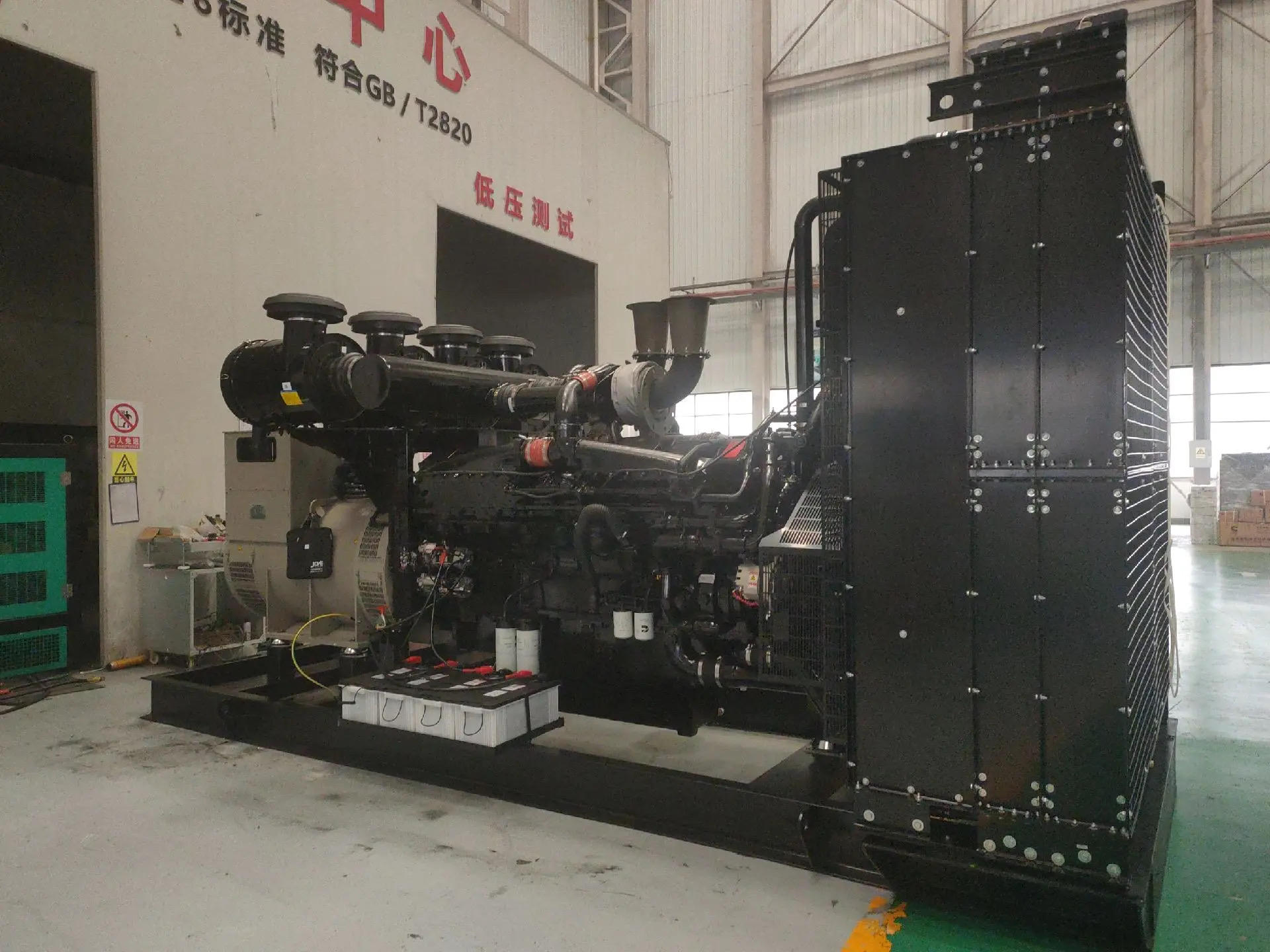
Two hours at 80% is not ceremony. It is the shortest run that heats the engine to operating temperature, holds it there, and shows whether the cooling, the fuel system and the alternator hold the rating together. Anything shorter hides the faults the warranty exists for. Tesla Power Equipment issues the sheet with the set, and the buyer's engineer countersigns it while the set is still on load.
Which maintenance conditions keep the warranty valid?
Who is allowed to open the set?
The maintenance conditions are the other half of the contract. Most genset warranties fail not on a build fault but on a service book: missed intervals, a filter that was not genuine, a repair made by labour the supplier did not authorise. These are reasonable lines. A set opened by an untrained hand can be damaged in ways no inspection would attribute to the factory, and the clause exists to draw that boundary.
The fair version names three things and no more: genuine or equivalent parts, service at the stated intervals, and authorised labour for work inside the enclosure. It asks the owner to keep records, and it says what happens when a record is missing. An unfair version goes further and requires the supplier's own crew for every visit, which on an export site means a flight before a fuel filter.
The service interval itself should be written in hours, not in months. A standby set that runs 40 hours a year reaches its first service on the calendar; a set on a construction site reaches it in a season. The NFPA 110 test log a hospital keeps is a good model for the record, because it ties each run to a date and a figure, and the service interval schedule post shows how the same intervals are laid out for export orders. Tesla Power states the intervals in hours on the schedule for that reason.
Which exclusions are fair and which are not?
Every warranty excludes something, and most exclusions are fair. The test is whether the exclusion describes a cause the owner controls or a condition the set was sold into. Read each line against the site before signing.
- Fair: consumables, misfuelled supply, overload beyond the rating, and damage from a site condition the buyer chose not to describe.
- Fair: missed service intervals, unauthorised labour and non-genuine parts, because these are the owner's side of the bargain.
- Unfair: exclusions for ambient, humidity or altitude the supplier knew about, and clauses that void the whole warranty because one visit ran late.
The unfair lines deserve a sentence of their own. A set quoted for a coastal site is sold for salt air; excluding corrosion on a genset warranty for coastal sites removes the reason the buyer paid for the enclosure grade at all. The same holds for a humid climate clause on a set sold into one. If the exclusion contradicts the enquiry, the clause is not a boundary but a retreat.
There is a middle group worth negotiating rather than refusing. Exclusions that require notice, such as a fault reported within thirty days or a claim raised before the hours limit, are workable on a site with a maintenance routine, and they protect both sides against a fault that ran quietly for a season. Ask that the notice window be stated in days and the hours limit restated beside it. Tesla Power Equipment separates the two groups on the schedule it prints, and a buyer can hold the offer to that split.
What document trail does a claim get read against?
A claim is read against a file, and the file is built at handover or not at all. Three documents carry most of the weight. The commissioning sheet fixes the condition the set arrived in and the figures it held on the day. The service records show that the maintenance conditions were kept, entry by entry. The controller log shows what the set did between services.
The plate belongs in the same file. A rating is only a number until it is tied to a class, and the rating classes ISO 8528-1 names on the plate tell a reader whether the figure was sold as standby or as prime power. The link to the standard text is worth keeping with the file, because a claim discussion that starts from the class ends faster than one that starts from the number.
Which record settles the argument first?
In practice it is the commissioning sheet, because almost every dispute is about a condition: was the fault present at handover, did the set hold the rating, was the ambient noted. A signed sheet with the figures at each load step closes those questions in a page. Send the file to the warranty desk at the works and the claim starts from evidence.
How do export sites change the warranty lines?
Export sites add three lines that a domestic contract does not need. The first is the site conditions line: ambient, humidity and altitude, stated on the enquiry and repeated in the warranty. A genset warranty inspection in humid climates has to say what humidity does to the cover, because a heater left switched off is a maintenance fault, while a canopy that seals badly is a build fault.
The second is the labour line. Many buyers compare genset manufacturers in China and then sign a warranty that assumes the supplier's crew is a truck ride away. On an island site that assumption costs weeks, so the clause should say which local labour is authorised and what training the supplier provides. The third is the parts line, which should name the parts held on site.
Buyers weighing Chinese genset suppliers against local assembly should carry the same three lines into both conversations. Conformity assessment for the genset happens at the factory gate, but the warranty is kept or lost at the site gate, and the difference between two offers is often the clarity of the labour and parts lines rather than the price. Tesla Power writes the labour and parts lines into every export offer for that reason.
How should a buyer compare two warranty offers?
Two warranty offers compare cleanly when the same lines are on the table. Put the scope, the maintenance conditions, the exclusions and the document trail side by side, then read the price. An offer that is silent on a line has not saved money; it has moved the argument to the claim.
- Ask each supplier to restate the inspection scope in their own words; a supplier who cannot has not read their own clause.
- Ask which service intervals keep the cover alive and who may perform them on your site.
- Ask for a sample commissioning sheet and service record before the order, not after the claim.
The answers sort the field quickly. A firm that answers with documents is comparable; a firm that answers with adjectives is not. The same test applies to the hardware behind the paper. The 400kW export frame with the WP13 engine, for example, ships with the commissioning figures and the service schedule as standard, which is the shape a warranty answer should take. Tesla Power keeps that shape because claims read faster when the file is complete.
What belongs in the contract warranty schedule?
A contract schedule turns the discussion into lines a buyer can tick. Keep it short. One page that names the scope, the conditions, the exclusions and the file is more useful than ten pages that describe an engine.
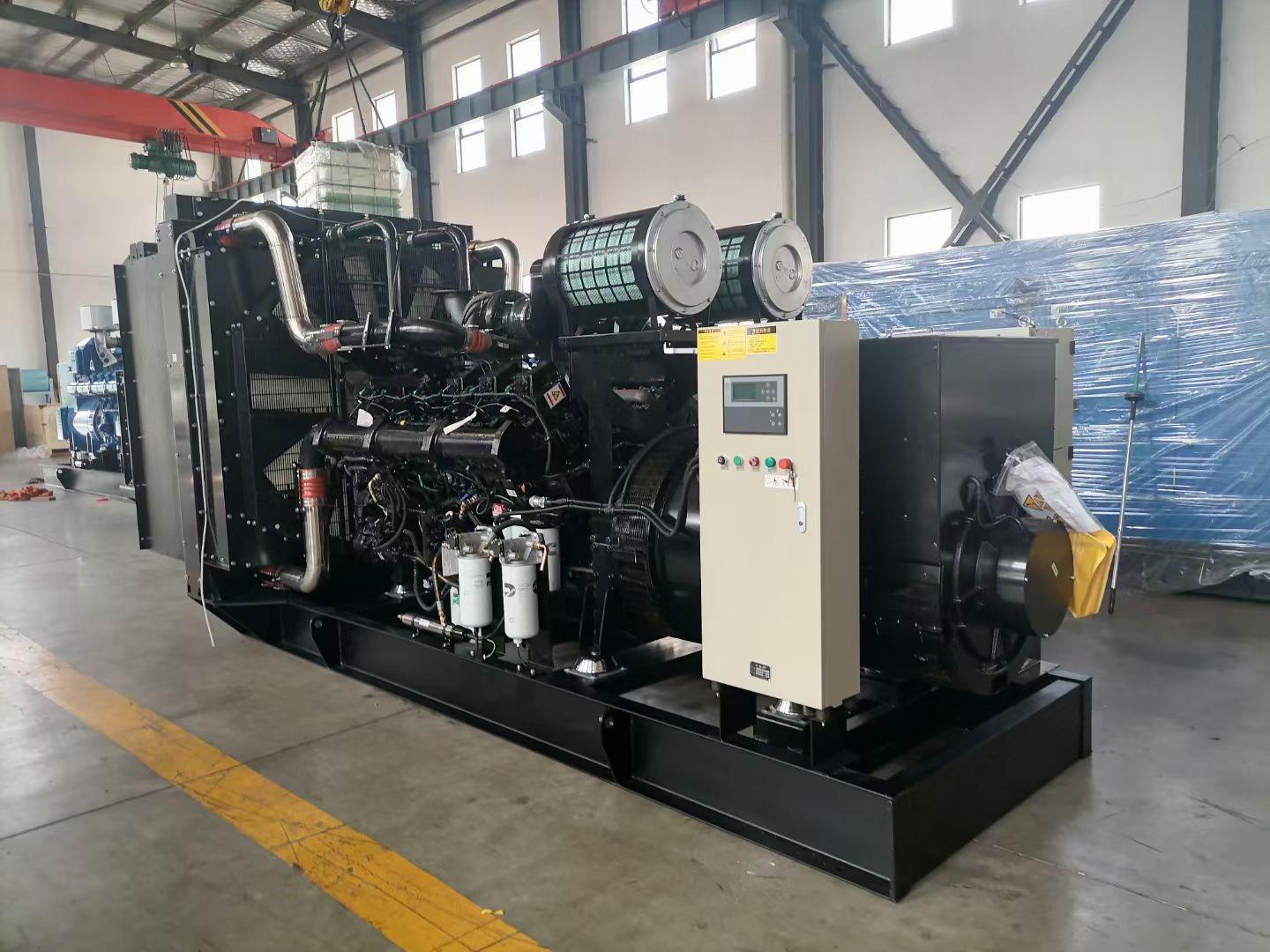
The genset warranty for standby duty deserves one extra line, because a standby set runs so little that a calendar-based schedule expires the warranty before the hours do. State both caps in hours and years, and state which one ends the cover first. Where the enquiry named a duty class, repeat it here, and attach the genset documentation for export claims so the two documents travel together.
Then read the schedule once as a claim would be read. Every figure it promises should exist on a document, every condition should be one the site can keep, and every exclusion should match the enquiry. Where a line cannot pass that read, change it before the order, and keep the warranty terms explainer beside the draft while you do. Tesla Power prints the schedule on one page for that reason.
Frequently asked questions about genset warranty inspection
Plan on half a day for a single set. The run itself takes about two hours once the load bank is connected, and the rest goes to the figures: logging each step, noting the ambient, and countersigning the sheet. A larger installation with two sets takes a full day.
It can, but the contract has to say so. A move is a re-commissioning event: the ambient changes, the exhaust run changes, and the fuel supply changes. Ask for a clause that keeps the cover after a supervised move with an inspection recorded, and expect a re-inspection fee to be stated up front.
Yes, where the clause authorises it. The usual condition is that the firm works to the supplier's service schedule, uses genuine or approved parts, and files the records in the same format. Ask the supplier to name the approval procedure before the order, so the first visit is not a dispute.
The service book, more than the hardware. Missed intervals top the list, then unauthorised repairs and non-genuine filters. Overload runs second when a site has grown past the rating without saying so. All three are preventable with a maintenance routine and an honest load figure, which is why the inspection line and the maintenance line belong in the same contract.
Most standby schedules state an hours cap and a calendar cap, and the earlier of the two ends the cover. A set that runs 50 hours a year is limited by the calendar; a set supporting a works project can reach the hour cap in months. Ask for both figures in writing and log the hours.
The claim starts with a notice that quotes the commissioning sheet number and the service record date, signed by the site engineer who keeps the file. Tesla Power issues a claim form with the set, and the form asks for exactly the records the schedule names, which is why the file and the form should be designed at the same time.