
A genset price in nigeria arrives as a single figure, and the figure hides more decisions than it shows. Two honest quotations on the same rating can sit far apart, and the gap is not a mystery. It sits in the duty class behind the rating, in the spec lines under the total, in the freight and duty structure inside the landed figure, in the payment stages, and in the paperwork that follows the set to the port. We price export sets for Nigerian sites every week at Tesla Power, and five checks settle most of that gap before a deposit moves. The checks take an afternoon. They run before the payment, not after the container sails. Each one reads a line that belongs on the offer sheet, and each one has caught a real discrepancy on a Nigerian order: a standby frame quoted as prime, a canopy class swapped at tender stage, an alternator brand that changed between proforma and shipment. Run them in order, and compare offers line by line rather than on the total.
- Read the duty class beside the rating before the figure, because a standby set quoted for prime duty is the oldest swap in the trade.
- Price the spec lines, not the total. The export frames the factory builds share engines; the alternator, the canopy and the controller are where two honest offers part company.
- Split the landed figure into freight, duty and port charges, then ask the second supplier to split theirs the same way.
- Tie the payment stages to documents rather than to dates, so every payment buys a paper you can check.
What moves a genset price in nigeria before the quote arrives?
Ocean freight answers first. A frame that ships knocked down for flat rack prices differently from one that loads into a high cube container, and the rotation from Shanghai to Lagos adds two legs a regional quote does not carry. The exchange line moves next. Suppliers quote in dollars with a validity window, and a seven day window prices the risk differently from a thirty day one. Ask for the validity on the proforma, in writing.
Duty and port charges answer next, and they land on the buyer side of the ledger. A clearing agent in Lagos can state the duty line for a generating set before the offer is signed, and the figure belongs in the comparison rather than in a surprise at the port. Tesla Power Equipment keeps the ex-works basis on a separate page of every offer, so the two halves of the landed figure stay readable against each other. A merged number cannot be checked. A split one can.
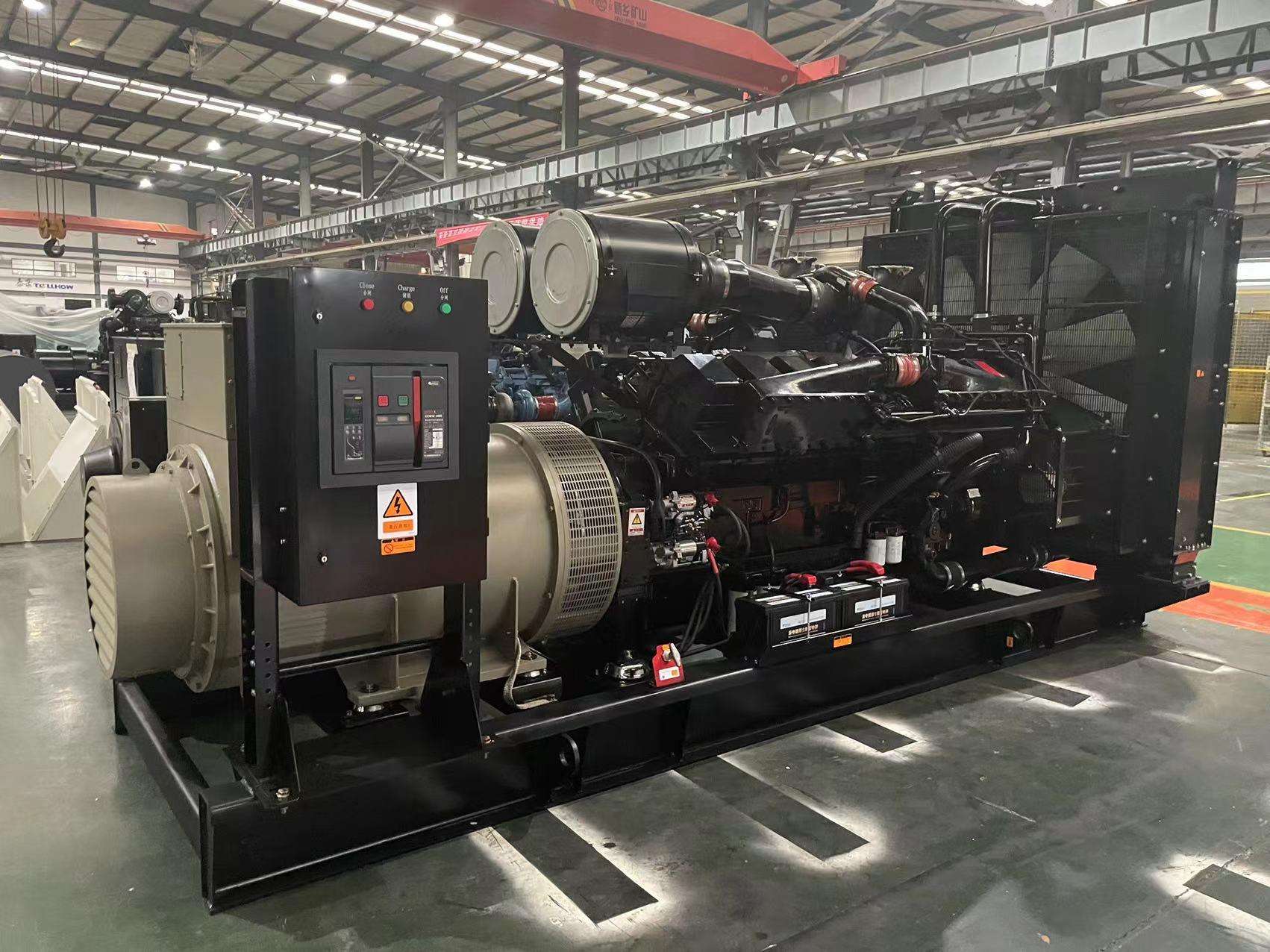
Which spec lines move the number on the quotation?
Three lines move a quotation more than the engine badge does. The alternator brand sits first, because a copy unit costs a fraction of a named one and fails at the excitation rather than at the winding. The canopy class sits second, because a 75dB(A) housing is more steel, more foam and more paint than an open frame. The controller sits third, because the module decides what the set does at night without an operator.
Ask the offer to name all three. A line that reads alternator on request is a line that can change. The genset price manufacturers in china who hold stock of one brand will substitute another at tender stage without saying so, and the genset price for hospital projects moves hardest on that line, because a hospital accepts named brands and very little else. Write the brand, the canopy class and the controller model into the enquiry.
| Spec line | What it changes | What to check on the offer |
|---|---|---|
| Alternator brand | Excitation response and winding life | Brand, model and winding protection named |
| Canopy class | Noise figure and material cost | Sound figure stated with the test method |
| Controller model | Auto-start and protection behaviour | Module brand and model on the datasheet |
| Radiator basis | Performance at the site ambient | Rating given at the site temperature |
| Breaker rating | Protection at the main board | Breaker size matched to the frame |
The arithmetic sits behind the rating line. A 500kVA frame at 0.8 power factor carries 500kVA × 0.8 = 400kW. A 400kVA frame carries 400kVA × 0.8 power factor = 320kW. A 625kVA frame carries 625kVA × 0.8 power factor = 500kW. Read every kW line back to kVA at the same factor before two offers are compared, because the factor is where a quotation quietly changes size.
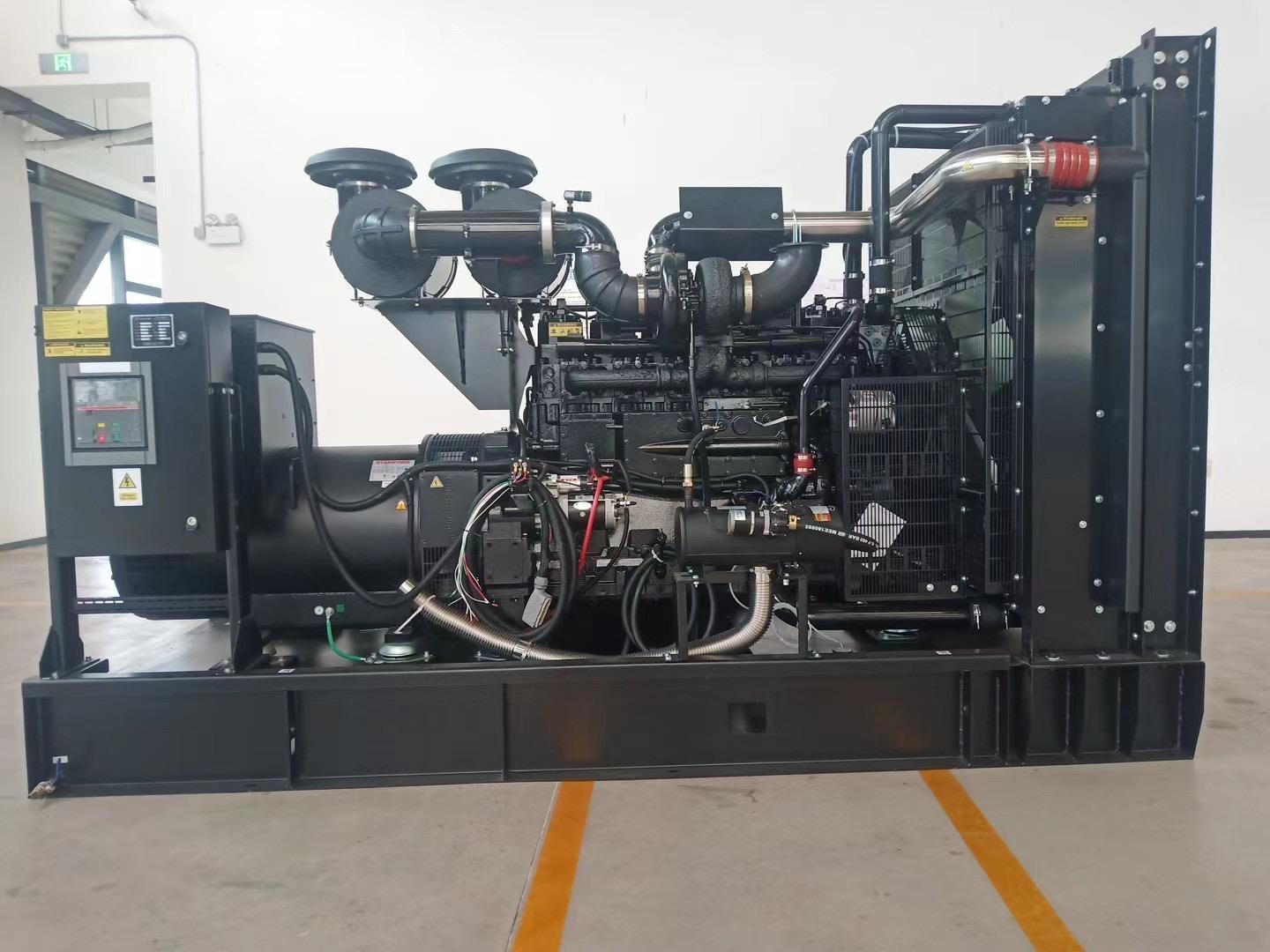
The sound-attenuated 500kVA export set states the canopy class and the controller model on the same page as the rating, which is the layout a line-by-line comparison needs.
Why does a low quote hide a standby set sold as prime?
Standards split ratings into duty classes, and the ISO 8528-1 class definitions decide how many hours a year an engine may run and at what overload. A standby class frame is cheaper to build. It is also a machine for outages, not for a site that runs the set through daily load shedding. A standby frame on prime duty runs hot, and the failure arrives long before the warranty ends.
The swap hides in one missing word. An offer that states 500kVA without a class leaves the question open, and the genset price for standby duty sits far enough below the prime figure to fund the whole discount. Ask for the class on the plate and on the datasheet, and read the two against each other before shipment. Tesla Power prints the class beside the rating on the offer, the datasheet and the plate, so the three documents agree before the set sails.
What does the landed figure add to the ex-works price?
The landed figure stacks seven lines on top of the factory number. Inland haulage to the port comes first, then ocean freight, then marine insurance. On the Nigerian side the stack continues: port charges, the duty line, the clearing agent, and the haulage to a site at Ibadan or Kano. A quotation that states only the factory line has not stated a figure a site can budget against.
Split the stack before comparing. Two offers with the same ex-works figure can differ by the whole freight line, because one loads into a container and the other breaks down for flat rack. Salt-haze options on the canopy and the radiator belong to the same comparison, and a buyer who prices them late pays twice. Ask every supplier to quote on the same delivery term, or the split means nothing. The landed-cost breakdown for a 500kVA order walks the seven lines one by one.
| Line | Side | Who states it |
|---|---|---|
| Ex-works figure | Factory | The supplier, on the proforma |
| Inland haulage and ocean freight | Logistics | The supplier or the buyer forwarder |
| Marine insurance | Logistics | The forwarder, on the booking |
| Duty and port charges | Import | The clearing agent, in writing |
| Haulage to the site | Import | The buyer, against a site quote |
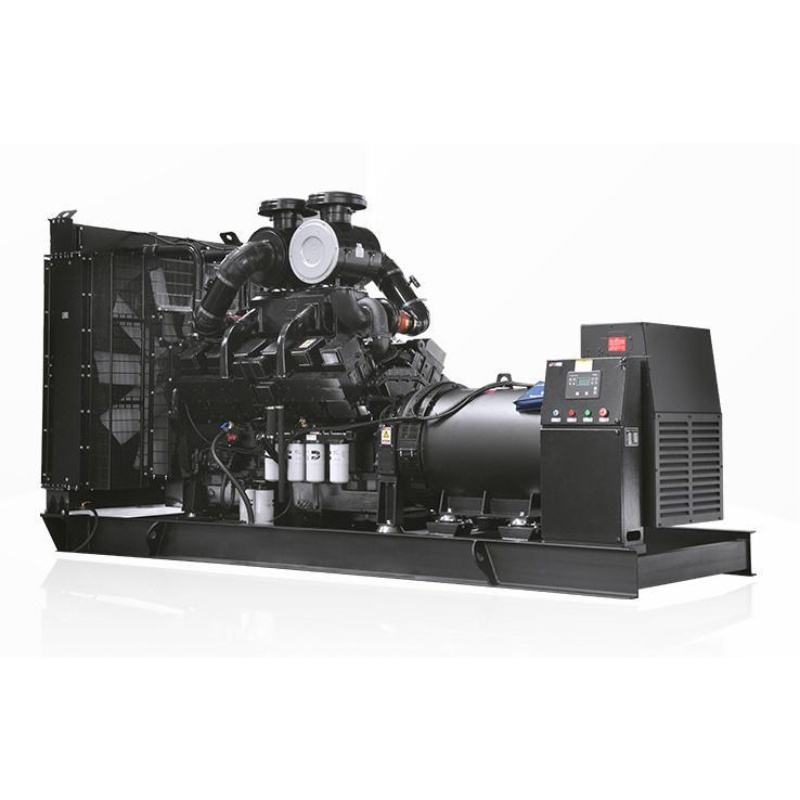
Yangzhou Tesla Power answers freight as a separate schedule with its own validity, so the factory figure stays comparable while the rotation changes.
Which lines must the quotation state before you accept?
A quotable offer carries ten lines, and every one of them is checkable. The rating with its duty class. The engine brand and model. The alternator brand and model. The controller model. The canopy class with the sound figure. The included scope: ATS, tank, battery set, exhaust. The delivery term and the validity. The payment stages. The warranty terms. The documents issued with the set. A line missing from an offer is not a saving. It is a decision you have not made yet.
Keep the enquiry and the offer in one file, because the file is what an inspection reads later. The RFQ checklist for export orders lists the ten lines in the order an inspector asks them, and the genset price documentation for the customs file should match it page for page. Where a supplier declines to state a line, treat the refusal as the answer.
How do payment stages protect both sides of the order?
Deposit and balance is the common structure, and the stages matter more than the split. A deposit against a proforma buys a production slot. A balance against an inspection report buys the right to refuse before shipment. A balance against a bill of lading copy buys proof that the set is on the water. Each stage should name its document, and the document should exist before the payment does.
Most Chinese genset price suppliers accept a telegraphic transfer split on those three documents, and a letter of credit adds bank checks at the cost of bank fees. What a buyer should decline is a balance paid against a promise. Tesla Power stages the payments on the offer itself, so the split and the documents sit on one line rather than in a negotiation after the deposit.
Where does the conformity assessment for the genset fit?
The conformity assessment for the genset starts before shipment and finishes at the port. Nigerian imports clear against a conformity programme, and the assessment reads the plate against the file: rating, class, frequency, voltage, serial number. A plate that disagrees with the datasheet is the finding a port inspection writes first, and it is the finding that holds a set longest.
The alternator and the breaker carry standards of their own, and an IEC reference on the datasheet lets a buyer check the winding and the breaker independently of the offer. Tesla Power issues the conformity file with the set, with the certificate, the datasheets and the test record in one folder, and keeps the copy beside the quotation so the document a customs officer reads is the document the buyer priced, page for page and line for line.
Which checks settle the figure before the container sails?
Run the five checks in order and the quotation either holds or it does not. The duty class reads off the plate. The spec lines read off the datasheet. The landed figure splits into its seven parts. The payment stages name their documents. The conformity file matches the plate line for line. A set that passes all five is priced, not merely cheap. A set that fails one of them is a negotiation, whatever the total says.
Send the load list, the site ambient and the target rating to the quotation desk, and the reply comes back with the ten lines filled, the duty class stated and the validity dated. The same file works for a second supplier, which is the point. Two comparable offers are the only kind worth a signature. Tesla Power keeps its offers in that format for every export market, Nigeria included.
Frequently asked questions before you accept a quotation
Because the rating line is the cheapest line to state and the most expensive to get wrong. The duty class, the alternator brand, the canopy class and the controller account for most of the spread between two offers on the same kVA. Compare those four lines first, and the remaining gap usually closes to a freight and validity question.
It does, and by more than most buyers expect. A standby class frame skips the hardware a prime rating needs: the cooling margin, the governor grade, the hour-rated consumables. The saving is real when the site genuinely runs on outages. When the site runs through load shedding, the standby figure is a discount on the wrong machine.
Thirty days is a fair window for an ex-works figure, and seven days is common when the offer is priced on a moving exchange line. What matters is that the validity is written on the proforma, so a delay in the internal approval chain cannot silently reprice the order before the site has agreed the spec.
They can, and they should be, because separate prices invite separate suppliers and a warranty argument at the joint. Ask for the ATS, the tank and the canopy on the same proforma as the set, and check that the controller accepts the ATS module rather than a bolt-on relay added after the factory test.
The bill of lading, the commercial invoice, the packing list, the conformity certificate and the technical file. The plate on the set must agree with all five. Most port delays trace to a plate that disagrees with the invoice rather than to a duty question, and the check costs one afternoon before shipment rather than three weeks alongside.
A deposit against the proforma, a balance against the inspection report, and the final balance or the letter of credit against the shipping documents. Name the document for every stage in the offer. A first order carries the most risk of misunderstanding, and staged payments are how both sides keep that risk small.
We do. Tesla Power quotes the ex-works figure and the freight schedule on separate pages of the same offer, so a buyer can compare the factory number with a second supplier and the logistics number with a second forwarder. Send the site location and the target rating, and the schedule comes back with the validity dated on the first page.