
Tenders in the EU rarely fail on the hardware; they fail on the file behind it. A genset CE responsibility check decides who signs the Declaration of Conformity, which directives the plate must cite, and what the importer must keep on record before the set clears the port. This guide walks through the chain the way the Tesla Power export desk reads it on the factory floor: the maker builds to the directives, the importer verifies, and the tender should name both. We read genset CE responsibility for EU tenders as a liability question rather than a paperwork one, because the signature decides who answers when customs opens the container. The sections below cover the directives, the documents, the audit trail, and the checks to run before the bid closes. If a tender is already on your desk, send the file over and request a marked-up gap list before you award the order.
- Confirm who signs the Declaration of Conformity, because the name on the paper decides who answers at the border.
- Match every directive on the plate to a line in the technical file, since a missing directive is a held shipment.
- Ask the range of diesel genset frames the factory builds to be quoted against the same directive list, so two offers stay comparable.
- Keep the file where the importer can reach it in minutes, because an audit rarely books a week ahead.
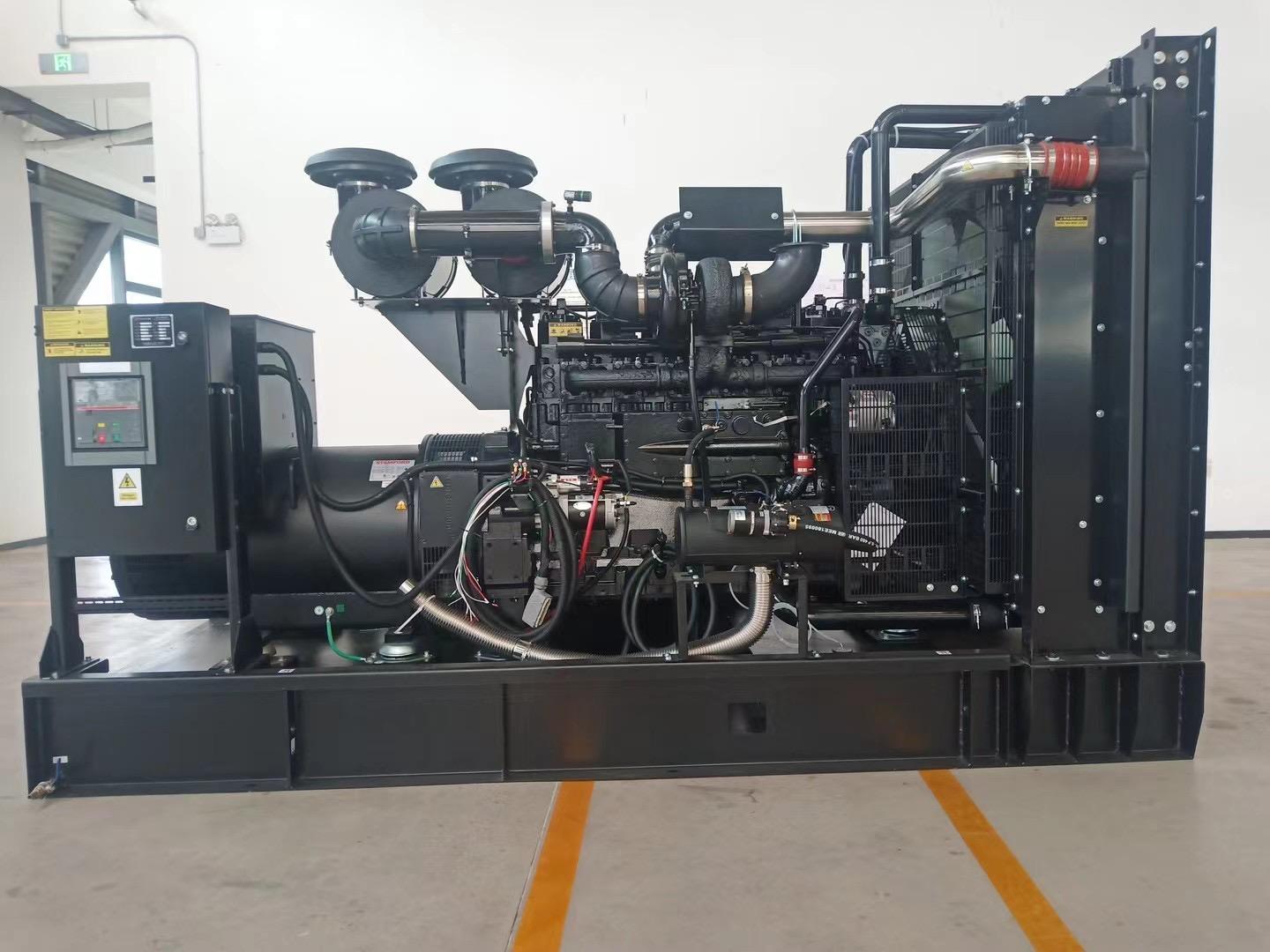
- The frames themselves are listed in the silent 500kVA export build.
What does genset CE responsibility mean for the importer?
The term splits one word into several obligations. The maker builds to the directives, the importer places the set on the market, and the set itself carries the plate that ties the two together. A buyer who reads only the price line misses the chain, because the cheap offer is often the one where the responsibility was not in practice assigned. The first question on any EU tender is therefore not the price but the name under the signature. Tesla Power writes the responsible party into the export pack so the importer knows who answers.
A 500kVA set and a 50kVA set carry the same chain, only the file grows with the rating. The larger set needs more directive evidence, yet the smaller set still needs a signed declaration and a retained technical file. The chain is the same for a 200kVA frame or a 1000kVA frame; the evidence thickens, yet the duty does not.
Who signs the Declaration of Conformity for imported gensets?
The Declaration of Conformity is signed by the party that places the product on the EU market. For a set built outside the Union, that party is usually the importer or the authorised representative, not the overseas maker. The maker may prepare the underlying tests, but the legal signature sits with the entity that takes ownership at the border. This is the line most tenders blur, and it is the line a customs officer reads first. The phrase who holds the Declaration of Conformity for imported gensets is therefore a question about liability, not about paperwork. Tesla Power reads that figure on the site sheet before the plate is printed.
When the maker signs and the importer merely resells, the importer still carries a duty to verify. The verification step is written into the regulation, and a tender that skips it shifts risk onto the buyer. A signed declaration from a distant factory protects the factory; a verified file protects the importer. Both names belong in the tender, and the second is the one the port wants. The buyer who asks for both reads a complete file rather than a symbol.
CE marked vs self-declared genset: what is the difference?
The words look alike and mean different things. A CE marked set carries the mark because a responsible party has completed the conformity assessment and signed for it. A self declared set carries the same mark with the same signature duty, but no third party confirmed the result. The difference is not the mark, it is the paper trail behind it. A tender that asks only for the mark has asked the wrong question, because both routes use the same symbol on the plate.
The path with a Notified Body leaves an extra record that the importer can show on demand. The self declared path leaves the importer holding the full burden of proof. For most diesel genset frames the directives allow self declaration, yet the buyer who cannot show the file still fails the inspection. The cheaper route is only cheaper until the shipment is held. That is the real gap between the two labels, and it is a document gap, not a hardware gap. Our review team reads the site sheet against the rating plate before the file leaves the office.
Which directives apply to a diesel genset before customs?
Three directives sit on the plate of a typical diesel genset. The Low Voltage Directive 2014/35/EU covers the electrical side above 50V. The Machinery Regulation (EU) 2023/1230 covers the rotating assembly and the moving parts. The EMC Directive 2014/30/EU covers the controller and its emissions. A set that meets all three may carry the mark; a set missing one may not, regardless of how it performs. Together the three lines define the genset CE marking requirements an EU tender should cite. The CE marking walkthrough for diesel gensets lists the same three and shows where each is evidenced in the file.
| Directive | What it covers | Where the proof sits |
|---|---|---|
| Low Voltage 2014/35/EU | Electrical safety above 50V | Test report and the rating plate |
| Machinery (EU) 2023/1230 | Rotating and moving parts | Risk assessment in the file |
| EMC 2014/30/EU | Controller emissions | EMC test record |
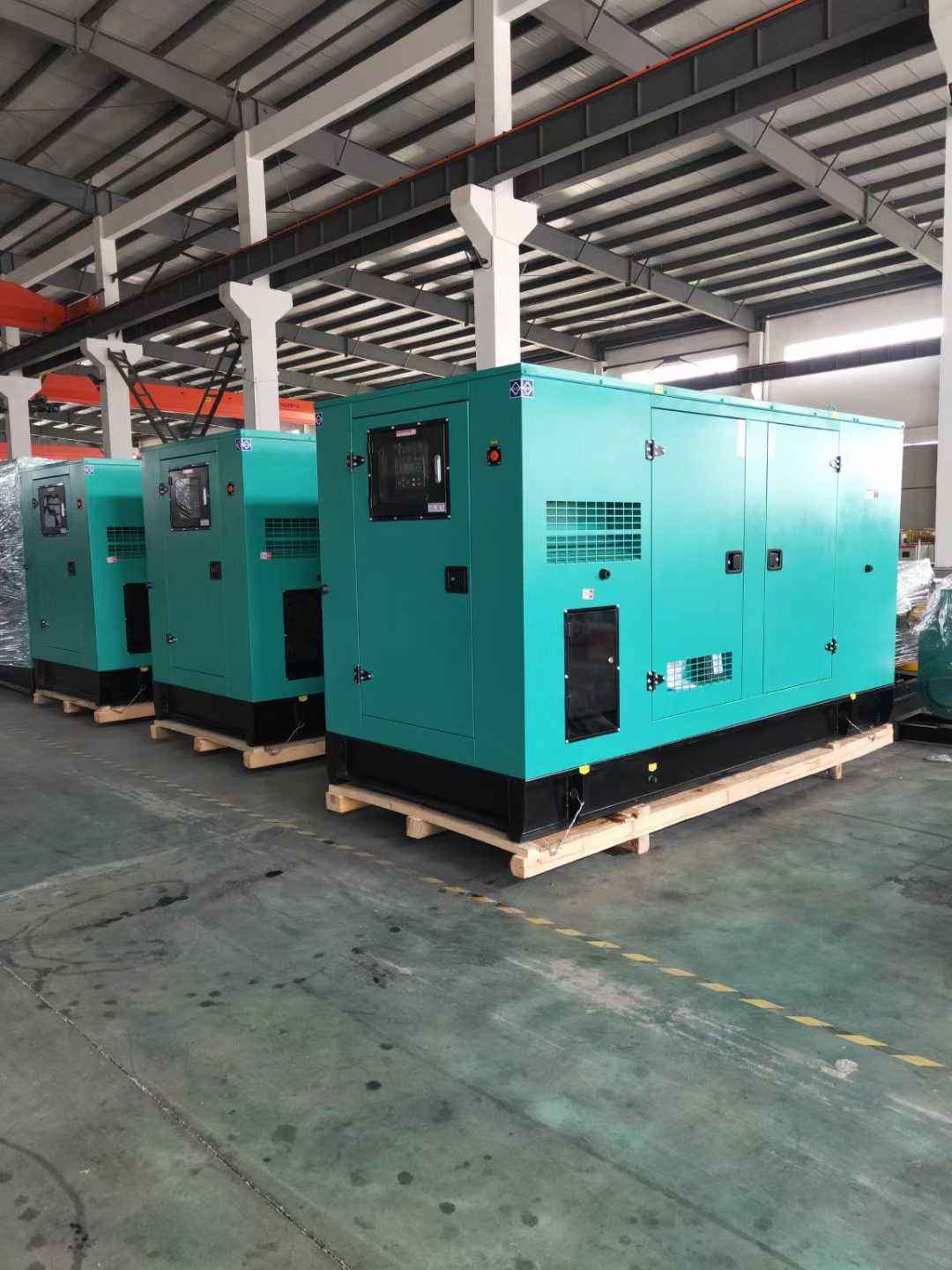
The Low Voltage Directive 2014/35/EU is the one most often missed on a small frame, because the alternator output sits just above the threshold and the maker assumes it is exempt. The Low Voltage Directive text sets the 50V line, and the file must name it. The Machinery Regulation (EU) 2023/1230 replaced the older Machinery Directive and changed how the risk assessment is kept for the set. Tesla Power records that figure on the site sheet, and the plate repeats it.
This directive covers the alternator and the distribution side of the set. The proof is a test report that lists the measured voltages and the protective measures. A 200kVA frame and a 1000kVA frame both need it, and the larger frame simply adds more measured points to the same report. The plate must show the rated voltage so the officer can match it to the directive line on the file.
How does EU importer vs manufacturer responsibility split the work?
The split is written, not assumed. The maker builds and tests to the directives; the importer verifies the file and places the set on the market. The phrase EU importer vs manufacturer responsibility names the seam where most disputes start, because each side assumes the other signed. A tender that states both names closes the seam before the shipment leaves. The work itself is small; the liability it assigns is large, and the larger number is what the port enforces.
Tesla Power Equipment prepares the test evidence and the draft declaration for the importer to countersign. The countersignature is the moment the responsibility moves, and the date on it is the date the set became marketable. A buyer who receives the set without that second signature has received hardware with no lawful owner in the Union. The cost of the missing line is a held container, not a small fine. That is why the split deserves a line in the tender rather than a footnote.
What does the EU tender require for CE marking?
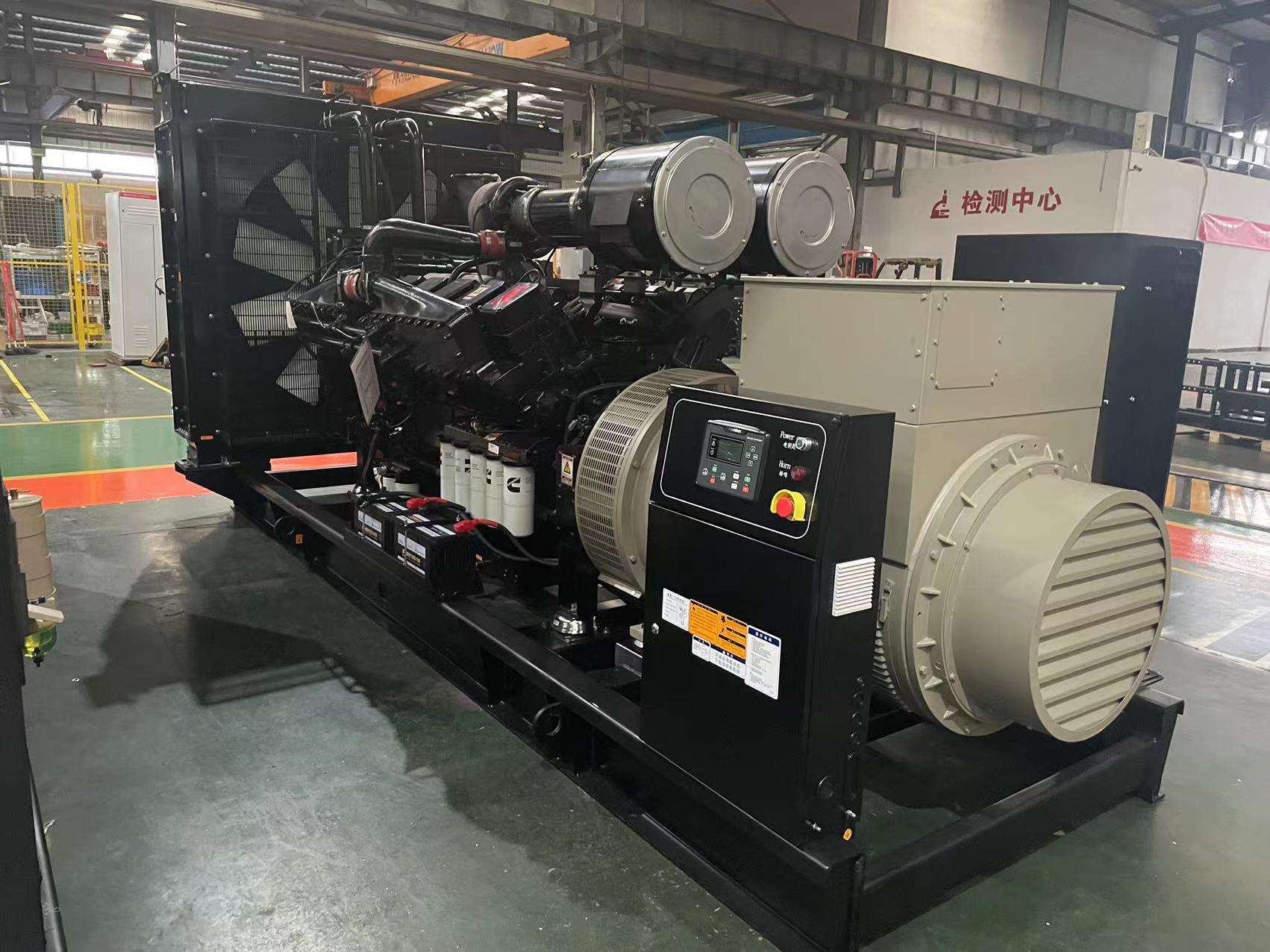
For a 500kVA hospital tender the set is rated at 0.8 power factor. The alternator is sized on 500kVA, the declaration states 500kVA, and the plate shows 500kVA, so capacity = declaration = plate. A 100kVA unit repeats the same three way check at the small end, and a 1000kVA set at the large end. The worked conclusion is one line: if the three figures are not equal, the file does not match the set that arrives. The tender that names the kVA but not the file has named the machine and ignored the law behind it.
Which documents must the distributor keep on file for audit?
The technical file is the backbone. It holds the test reports, the risk assessment, the circuit drawings and the declaration itself. The distributor keeps it so that a check years later can still be answered from paper rather than memory. The retention period runs long, because the set may stay in service for a decade and the question rarely arrives in the first year. A file thrown out at month thirteen is a file that cannot answer the month twenty four question from the port.
The phrase the conformity assessment the distributor must keep on file names the single document most often missing at audit. The assessment is the record of how the set was shown to meet each directive, and without it the mark is unsupported. Tesla Power Equipment ships the assessment inside the export pack so the distributor receives it with the set rather than chasing it afterwards. A distributor who receives the set without the assessment inherits a liability it did not create on the day the container is opened.
What is the Notified Body role for gensets in the EU?
The phrase the Notified Body role for gensets matters only where a directive demands third party involvement. For most diesel genset frames the directives allow self declaration, so the Notified Body is optional rather than required. Where it is used, the body issues a certificate that the importer can show as independent confirmation. That certificate shortens an argument, because the port reads a named body faster than it reads a maker's own test. The role is therefore a risk choice, not a legal must for the standard export order.
How do Chinese CE marked genset suppliers prepare the file?
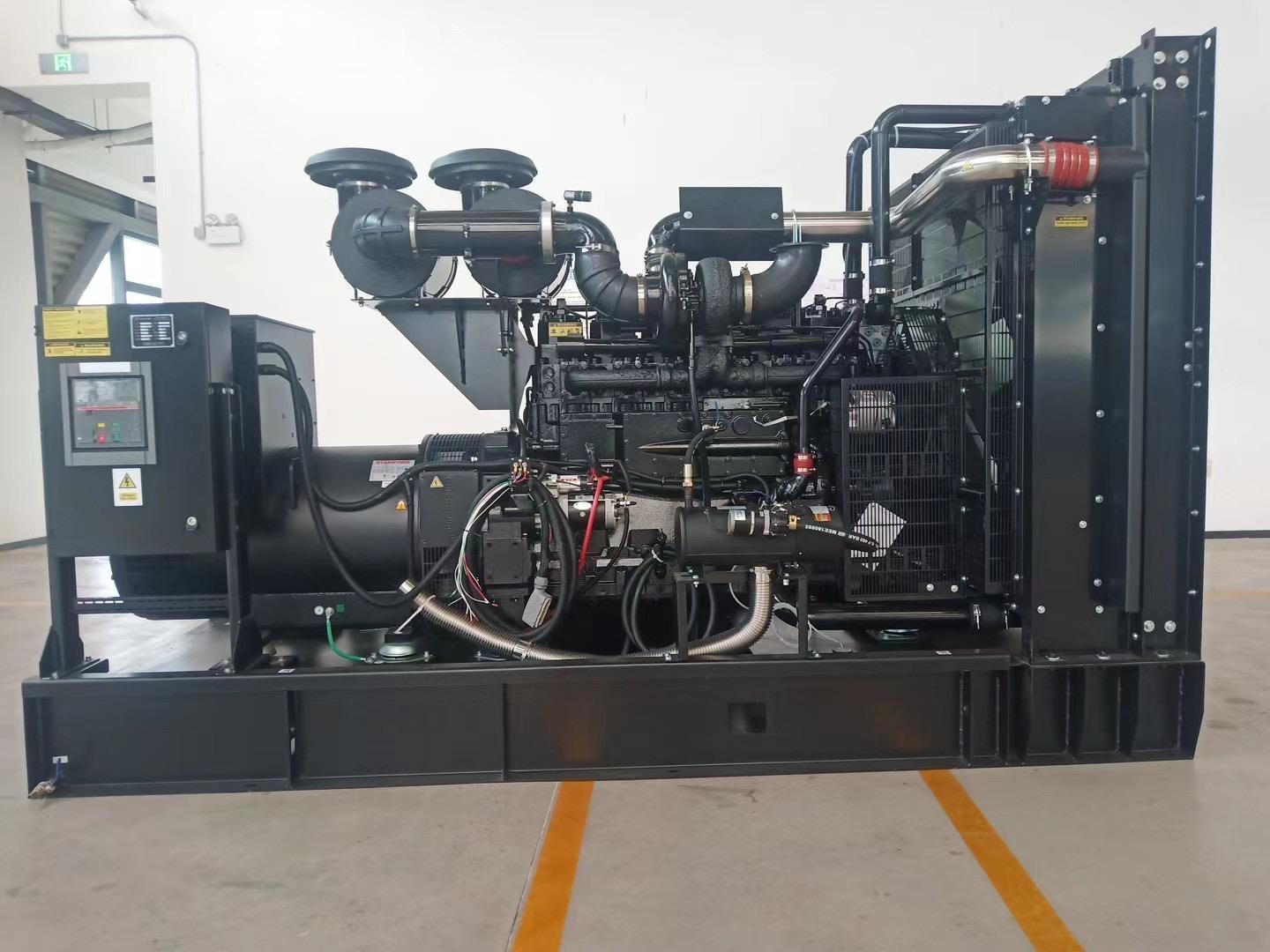
The phrase Chinese CE marked genset suppliers describes a large group that differs mainly in how complete a file each ships. Searches for Chinese genset CE suppliers return hundreds of names, and the file depth separates them faster than the price list. Some send the mark and a thin envelope; others send the full technical file with the declaration ready for the importer to sign. The buyer separates them by asking for the file before the price, because the file is the part that costs nothing to prepare and everything to lack. A supplier who answers the document question first is a supplier who understands the market it ships to.
The phrase genset CE responsibility manufacturers points at the same seam from the maker's side. The maker who prepares the test evidence and the draft declaration reduces the importer's work to a countersignature, and that reduction is what wins repeat orders. Yangzhou Tesla Power builds the file beside the set so the two travel together, and the export pack leaves the works with the assessment already inside. A maker who treats the file as an afterthought treats the importer as a risk it is willing to pass on to the next handler.
The practical check is to ask for the file as a condition of the quotation. A supplier who can send it within the day is a supplier who already built it; one who promises it after payment is a supplier who has not started. The difference shows in the first email, not at the port, and the buyer who waits until clearance has already lost the cheap fix. The file is a habit, not a document, and the habit is visible before the order is placed with the supplier. The same frame appears in the 120kW set on the WP6 platform, where the plate states the same basis.
What checks should the buyer run before the bid closes?
Five checks close most of the risk. Confirm the named responsible party, match every directive to a file line, ask for the assessment, confirm the retention duty, and read the declaration against the plate. None of the five costs the buyer a cent, and all five decide whether the set is lawful or merely present. A tender that runs them gets a file; one that skips them gets a symbol and a hope. The hope is the expensive part, because it is spent at clearance when the container is already on the quay. The same frame appears in the 1000kW container build for standby duty, where the plate states the same basis.
The fastest of the five is to read the declaration against the rating plate. The serial on the paper must match the serial on the set, and the directives listed must match the directives on the plate. A mismatch there is a mismatch everywhere, and it is the mismatch a port finds first. The buyer who reads the two side by side before payment avoids the buyer who reads them side by side after the hold has been raised against the shipment. The same frame appears in the 400kW frame on the Weichai WP13 platform, where the plate states the same basis.
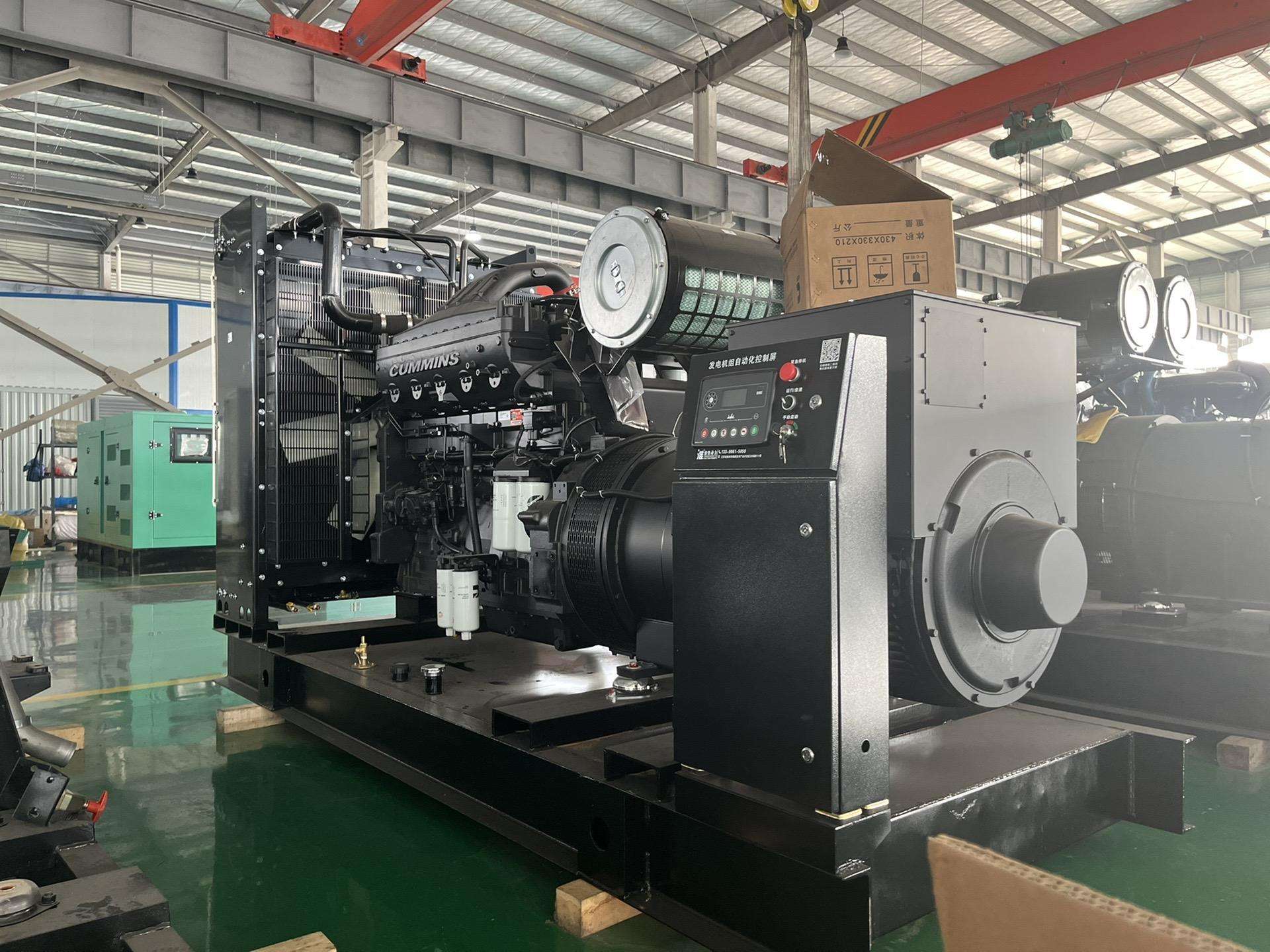
How does Tesla Power support the conformity file for export?
Frequently asked questions about genset CE responsibility
The party that places the set on the EU market signs it, which is usually the importer or the authorised representative for an overseas built genset. The maker may prepare the tests, but the legal signature sits with the entity that owns the set at the border. A tender should name that signatory explicitly so the liability is assigned before shipment rather than argued after a hold at the quay.
No. CE is a self declared or notified conformity mark, not a third party certificate in the general sense. A set may carry the mark lawfully through self declaration, and the file behind it is what proves the claim. The buyer should ask for the technical file rather than the symbol, because the symbol alone answers nothing at a customs inspection where the officer wants the paper.
The same three as a large one: the Low Voltage Directive 2014/35/EU, the Machinery Regulation (EU) 2023/1230, and the EMC Directive 2014/30/EU. The Low Voltage line sits at 50V, so most alternators fall inside it. The file shrinks with the frame, yet the duty to hold it does not, and a small set still needs a signed declaration retained for its working life plus the buffer. Tesla Power checks that figure on the site sheet before the plate is cast.
Not for most diesel genset frames, because the directives allow self declaration. A Notified Body adds an independent certificate that shortens a sceptical inspection, and some buyers write it into the tender by choice. The role is a risk decision, not a legal must, and the self declared route remains lawful when the file is complete and retained. The port reads the certificate faster than a maker's own test report.
The technical file stays available for the working life of the product plus a buffer set by the regulation. The distributor owns that duty once the set is sold, and a copy held only abroad is a copy the importer cannot reach at short notice. The practical rule is that if the answer is not in the building, the answer is not available when the officer asks for the conformity evidence on site. The desk reads the figure from the site sheet, and the declaration must repeat it.
Read the serial, the rated kVA and the directive list on the plate against the same three fields on the declaration. A match on all three ties the document to the hardware, the offer and the law at once. A mismatch on any field fails the whole file, and the failure is visible in under a minute when the two are read side by side before payment is made.
The maker may prepare the evidence, but the party placing the set on the market carries the legal signature under the rules. An importer that resells without verifying still bears the duty to confirm the file is complete. The safer tender names both names so the seam between them is closed before the shipment leaves the works rather than at the port where the cost is a held container. Tesla Power reads that figure on the site sheet before the plate is printed.