
Genset power factor correction turns kVA into the kW a tender pays for, and the gap is where bid comparisons fail. A set quoted in kVA alone carries a real output that moves with the stated factor. Two offers on the same frame can differ by a hundred kilowatts before the price is read. The three checks below show what a bid must state, and we wrote them the way our test desk runs them: read the stated factor first, then the capacitive headroom, then the test method that proves the figure at the rated load. Tesla Power states the factor beside the rating on every offer, because a line survives a change of salesperson and a paragraph does not. If a tender is open now, request a quotation that names the factor, the kVA and the kW on one sheet, and send the load list so the reply sizes the bank against your own figure.
- Read the power factor the offer states before the kVA, because the two move together.
- Ask for the capacitive bank allowance when the load runs below 0.9.
- Demand the test method that proves the figure at the rated load.
- Compare two bids on the same basis, not on the headline kVA.
What does genset power factor correction cover in a bid?
A bid that quotes a set must state three numbers that move together: the apparent rating in kVA, the power factor the set holds, and the real output in kW the site receives. A tender naming one without the others cannot be compared with a second bid line by line. The correction bridges the alternator nameplate and the load it serves, and the bridge must be stated, not assumed. The frames the factory builds carry the same kVA and factor on the plate, so two bids meet one basis. We read the figure from the test log rather than the catalogue, and the log is the document a comparison rests on. Tesla Power Equipment prints the factor beside the rating for this reason, because a line survives a change of salesperson and a paragraph does not.
Why does the 0.8 baseline most tenders assume matter?
The 0.8 baseline most tenders assume is a convention, not a law. It reflects a typical mixed load where motors and transformers draw magnetising current alongside the real work. A set rated at 0.8 can deliver its full kVA only when the load holds that factor, and a lower factor leaves part of the alternator unused. The tender that states 0.8 gives every bidder the same starting point, which is the first step toward a comparison that holds. The works that build the set record the factor on the offer rather than in a covering letter.
Where does 0.8 come from in a spec?
The figure arose from balanced commercial sites where lighting, motors and small drives average near 0.8. Some data centres and process plants sit closer to 0.95, while a site heavy with uncorrected motors can fall to 0.7. The spec should name the figure rather than inherit it, because the alternator is sized on the lower number. Read the factor before the price, and ask which load the 0.8 describes.
| Apparent rating | Stated factor | Real output |
|---|---|---|
| 50kVA | 0.8 | 40kW |
| 100kVA | 0.8 | 80kW |
| 200kVA | 0.8 | 160kW |
| 500kVA | 0.8 | 400kW |
| 1000kVA | 0.8 | 800kW |
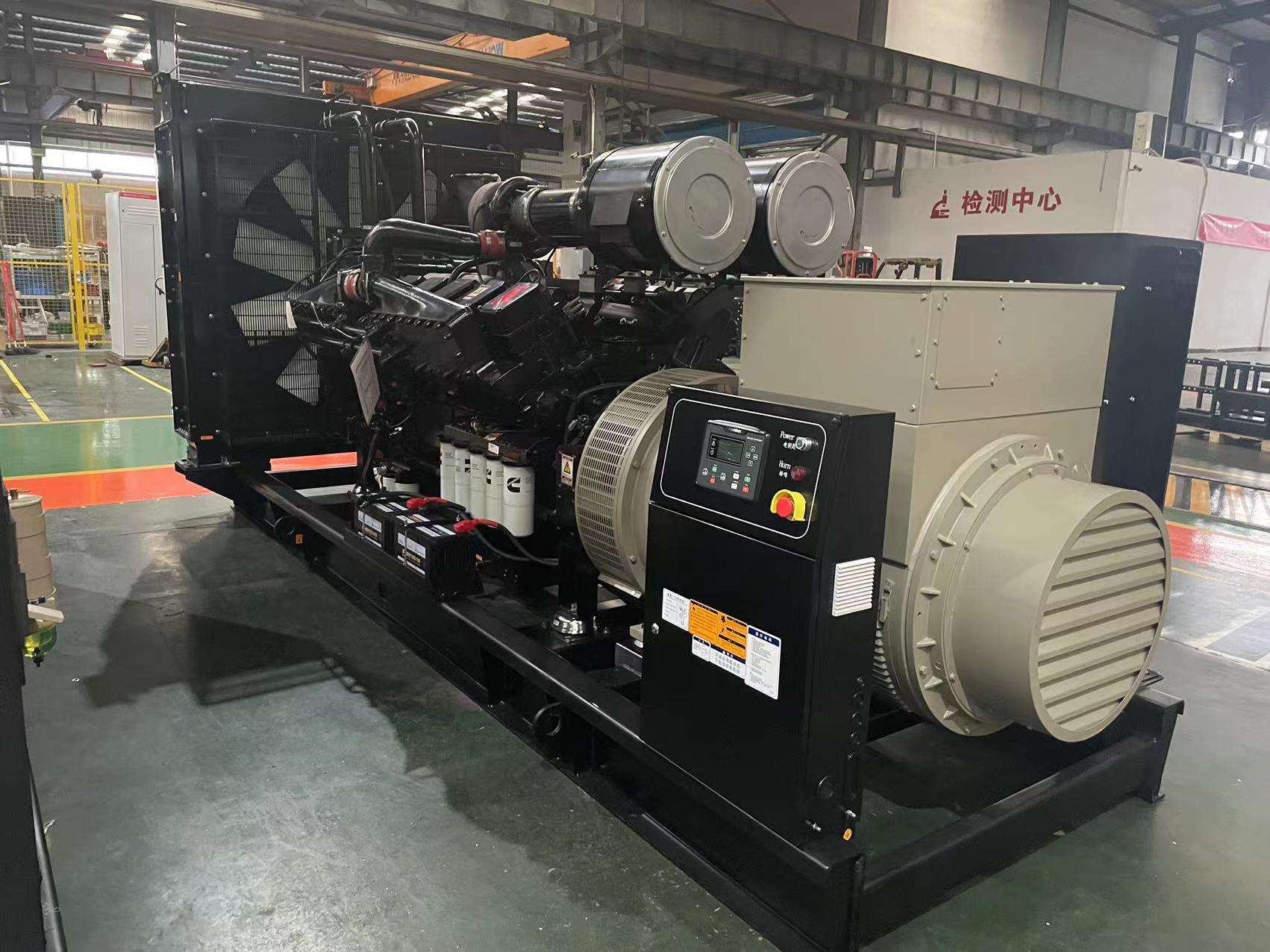
The table above shows the real output that the 0.8 convention yields for five approved frames. A 500kVA set at 0.8 pf delivers 400kW, and the same arithmetic gives 800kW from a 1000kVA frame. The apparent figure stays fixed while the real output moves with the factor, so the kW line is the one the fuel and the cable are paid for. A tender that quotes only kVA hides the number the site actually uses each hour of running.
How is power factor measured on a genset alternator?
A 500kVA alternator at 0.8 pf delivers 400kW to the load, and the remaining 100kVA supplies the magnetising current the wound field draws from the supply. The nameplate rating is an apparent figure rather than a useful output, because the reactive part does no work. A tender that quotes 500kVA without a stated factor leaves the buyer to assume the 400kW figure, and the assumption may not match the real equipment on site. The meter that proves the figure is a power analyser at the main breaker, not the engine gauge on the set.
A 200kVA set at the same 0.8 pf gives 160kW, so the alternator rather than the engine sets the limit when the load sits at or below unity. A 100kVA frame at 0.8 pf yields 80kW, and a 50kVA frame yields 40kW on the same basis. The alternator is rated in kVA because the magnetising demand stays with the machine and does not change as the real power drawn by the equipment rises or falls during the shift.
The reading is taken at the rated load, because the factor shifts as motors start and stop through the day. A clamp meter at the main breaker over a working week shows the average and the worst minute, and the worst minute is the one that sizes the bank. Tesla Power reads the log beside the alternator data sheet, so the duty class and the correction sit on the same page for the buyer who compares two offers.
When capacitive banks are needed?
When capacitive banks are needed is answered by the load profile, not by the nameplate. A site whose measured factor sits below 0.9 for long periods pays for reactive current it cannot use, and a bank returns that current to the supply. The bank size follows the gap between the measured factor and the 0.8 the tender assumes, so a 100kVA set at 0.7 needs more correction than the same set at 0.85. Send the load list to the technical team, and the reply sizes the bank against the logged figure rather than a guess.
A bank is also needed when the utility charges for low factor or demands a minimum at the meter. The penalty appears as a separate line on the energy bill, and the bank removes it by raising the site factor toward unity. The set itself is unaffected, because the alternator sees a lighter reactive load and runs cooler for the same real output.
Lagging vs leading power factor load: what shifts the set?
Lagging vs leading power factor load is the difference between a motor that draws current after the voltage and a capacitor that draws it before. Most sites are lagging, because motors and transformers dominate the load. A leading load can appear when a large bank over-corrects, and the alternator then sees a voltage it must suppress rather than support. The set handles a lagging load by supplying magnetising current, and it handles a leading load by absorbing it. The log shows the sign first.
Which loads pull the factor below 0.9?
Uncorrected induction motors are the main cause, especially groups that start direct on line and run for long stretches. Welding sets, older fluorescent lighting and unloaded transformers add to the lagging draw. A site that adds these without correction can fall to 0.7, which means a 500kVA set delivers only 350kW of real power instead of 400kW. The fix is a bank sized on the log, not on the nameplate total of the equipment.
What is the penalty for poor pf in a tender?
The penalty for poor pf in a tender is written two ways: a larger set than the real load needs, or a charge from the utility that owns the meter. A bid that ignores a 0.7 factor sizes the alternator on kVA and leaves the buyer paying for capacity the equipment not in practice uses as real work. The second penalty is a monthly line on the energy account, and it recurs for the life of the site. The data centre sizing guide carries the same point from the load side of the question. The acceptance run doubles as the conformity assessment for the genset.
How is the penalty written into the contract?
The contract should name the minimum factor the set must hold and the bank that reaches it, so the penalty is a specification rather than a dispute. A clause that states 0.8 at the rated load lets the buyer reject a set that delivers only 0.7, because the real output falls short by the gap. The correction becomes a measured line on the acceptance test, and the supplier who signs it cannot later blame the load for the shortfall on site. Tesla Power issues the acceptance sheet with the set.
Which records show the correction the spec sheet must show?
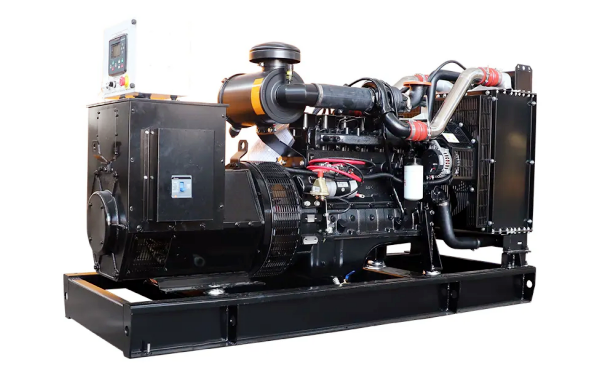
The correction the spec sheet must show is proven by three documents that travel with the set. The factory test record carries the kVA, the pf and the kW measured at the rated load, with the ambient and the time noted beside the figures. A record without the ambient cannot be read against the site condition, because the correction depends on the temperature at the intake. The nameplate states the class and the frequency, while the test sheet states the output the set actually reached on the bed during the acceptance run.
A commissioning sheet adds the load the set carried at handover and the voltage at the terminals, which is the line a warranty question is read against. A yearly load test shows whether the figure has drifted after the site added equipment, and the two records together show the trend. The supplier who issues all three closes the gap that a catalogue quotation leaves open for the buyer who must defend the number later.
What does the pf the utility tender requires look like?
The pf the utility tender requires is stated as a minimum at the point of connection, and the genset must meet it on site. A utility that demands 0.95 at the meter leaves little room for lagging motor load, so the bank must be sized to the gap rather than to the genset alone. The requirement is read from the connection agreement, not from the generator nameplate, and the two figures are reconciled on the enquiry. A set that meets 0.8 on the plate may still fail the utility line without correction on the load side.
The requirement also sets how the acceptance test is judged, because the tender compares the measured factor with the contracted minimum. A reading below the line is a rejection, not a note, and the supplier carries the cost of the shortfall. State the utility figure on the enquiry so every bidder corrects to the same point, and the comparison rests on one shared basis.
How do low power factor genset manufacturers state the figure?
Low power factor genset manufacturers differ in how openly they state the figure, and the difference shows at the comparison rather than at the invoice. A data sheet that states only the kW hides the kVA the alternator must carry, and the two figures diverge as the factor falls below 0.9. A 500kVA set at 0.8 pf gives 400kW, but the same set at 0.95 pf would give 450kW for the same alternator. The sheet should name the factor, the apparent rating and the real output as three lines, not as one merged entry that a quick scan reads as the output. Good genset power factor correction manufacturers print all three.
A low factor on the sheet means a larger alternator for the same real load, and the engine size follows the alternator rather than leading it. A 1000kVA frame at 0.8 pf delivers 800kW, which is the figure the site pays the fuel for. The buyer who reads the three lines separately can size the set to the real load instead of to the headline number. Tesla Power answers the three items inside the quotation, and the reply arrives as a schedule for that reason rather than as a bare kVA. Read the sheet line by line.
Where do Chinese power factor correction genset suppliers fit a bid?
Ask every bidder on the list for the three-line schedule. Chinese power factor correction genset suppliers fit a bid as one of several bidders who must quote to the same factor before the price is read. The supplier who states the pf, the kVA and the kW on one sheet can be compared with any other, regardless of origin, because the basis is shared. A bid that quotes only kVA cannot be lined up with one that quotes kW, and the gap is the factor left unstated. Yangzhou Tesla Power lists the three figures on the offer so the comparison starts from equal ground.
What does a Chinese supplier quote differently?
The difference is rarely the machine and often the paperwork. A supplier who quotes the factor openly lets the buyer check the real output against the load list, while one who quotes only kVA pushes the check to the site. Ask for the correction as a line on the offer and for the test method that proves it, because the two together decide whether the bid is complete. The supplier who answers with a schedule can be compared; one who answers with a number can only be priced.
How should a buyer compare two offers on power factor?
Compare the basis before the price, because two offers on the same set can still differ by the factor they assume. One bid may state 0.8 and the other may leave it open, and the open bid hides a smaller real output behind a larger kVA. The ISO 8528-1 text sets out the rating classes both offers must name, and the IEC 60034-1 standard defines the output the machine is rated to deliver. Read the two standards as the floor, then compare the factors the suppliers actually state on the sheet. Tesla Power names the factor on the sheet.
What does ISO 8528-1 require of the rating?
The standard requires the supplier to name the duty class and the rating basis, so a standby set is not read as a prime set by mistake. The factor belongs with those lines, because the real output follows from it on a kVA-rated alternator. A bid that meets the class but omits the factor leaves the buyer to assume 0.8, and the assumption may not match the load. Ask for the factor as a stated line, and read it beside the class before the price is weighed against the second bid.
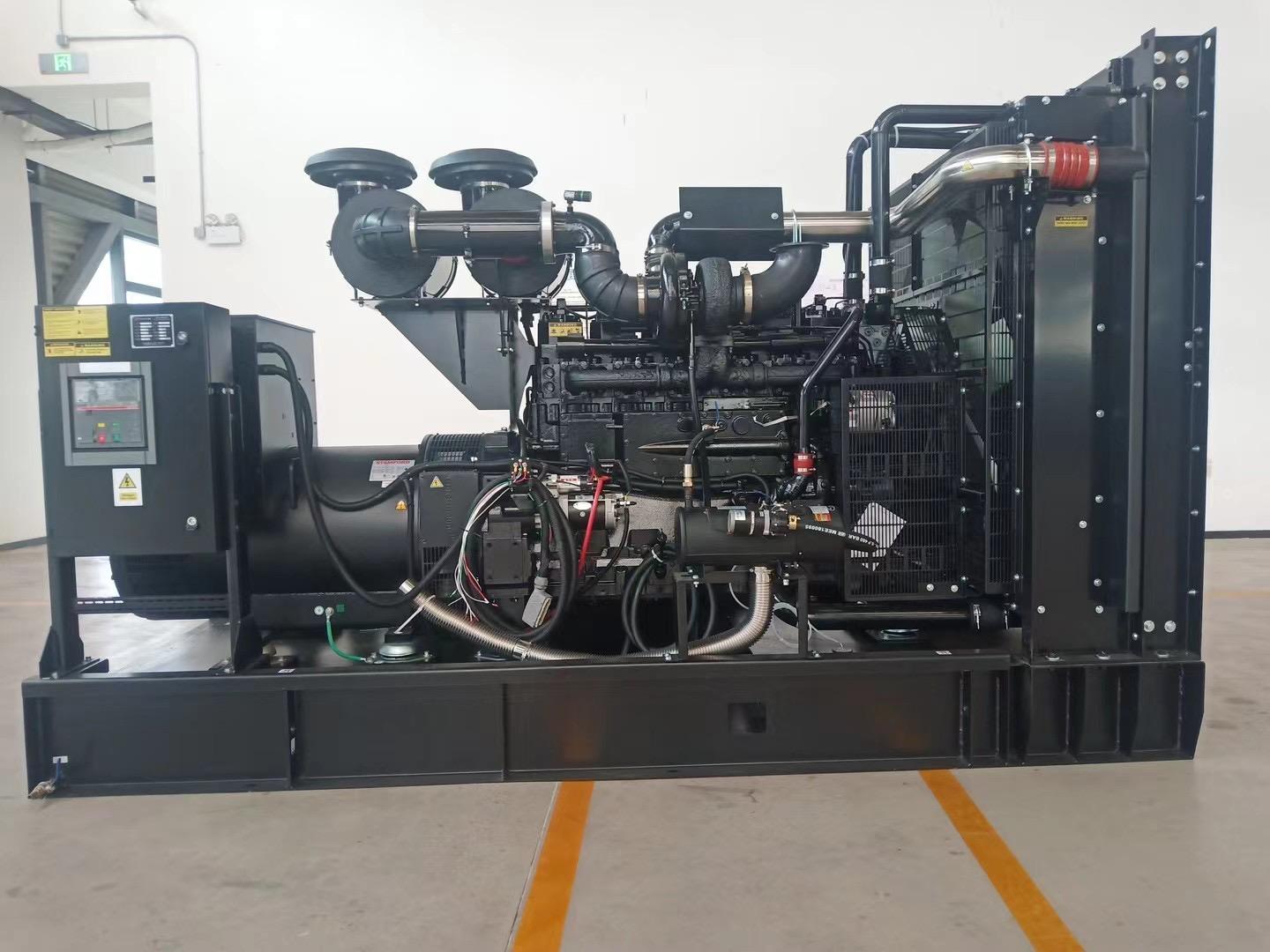
A container build adds one more figure to the comparison, which is the air temperature inside the box rather than outside it. The 400kW frame with the Weichai engine carries its derating chart beside the plate, because the intake can run several degrees above the yard. A site at 40 ℃ outside may see 47 ℃ at the radiator, and the correction follows the higher figure. The capacity margin note explains how that headroom is held without oversizing the set on the day.
Frequently asked questions about genset power factor correction
Power factor is the share of the current that does real work, and it ranges from 0 to 1. A genset alternator is rated in kVA, which is the total current, while the load is often quoted in kW, which is the useful part. A 500kVA set at 0.8 pf delivers 400kW, and the gap is the magnetising current the field draws. The factor tells you how much of the nameplate you can actually use as real power on the site. The plate is not enough.
The 0.8 figure is the convention most tenders assume for a mixed commercial load, and it sets the real output a kVA rating delivers. At 0.8, a 1000kVA frame gives 800kW; at 0.95 it would give 960kW for the same machine. The tender that names 0.8 gives every bidder one basis, so two offers can be lined up. A tender that omits it lets suppliers hide a smaller real output behind a larger apparent rating on the page.
A bank is required when the measured site factor sits below the figure the tender or the utility demands for long periods. The bank returns the magnetising current to the supply and lifts the site toward unity. Size it from a logged load profile, not from the equipment nameplate total, because the average and the worst minute differ. A 100kVA set at 0.7 needs more correction than the same set at 0.85, and the log shows the gap.
Most sites are lagging, because motors and transformers dominate the load and draw current after the voltage. A leading load appears only when a bank over-corrects, and the alternator must then suppress voltage rather than support it. Neither is fatal, but a leading load can trip an overexcited machine, while a lagging load merely asks for more magnetising current. Read the sign from the controller log before sizing any correction on the enquiry.
The contract should state the minimum factor the set must hold at the rated load and the bank that reaches it. A clause that names 0.8 lets the buyer reject a set that delivers only 0.7, because the real output falls short by the gap between the two. The correction becomes a measured line on the acceptance test, and the supplier who signs it cannot later blame the load for the shortfall when the set runs on site under the same condition.
IEC 60034-1 defines the rated output a machine is built to deliver under stated conditions, and that output is the real power the alternator can sustain. The standard does not pick the factor for your site; it gives the basis the supplier must quote against. Read it as the floor, then confirm the factor the bid actually states on the sheet. A set that meets the class but omits the factor still leaves the buyer to assume 0.8 against the load.
Read the three lines together: the apparent rating in kVA, the stated factor, and the real output in kW. Divide the kW by the kVA to recover the factor, and check it matches the stated line. A 200kVA set at 0.8 pf should show 160kW, and a mismatch means one line was rounded or omitted. The buyer who reads the three separately sizes the set to the real load instead of to a headline number that hides the magnetising current the field draws.
The factory test record proves it, because it carries the kVA, the pf and the kW measured at the rated load with the ambient noted beside them. A commissioning sheet adds the load carried at handover, and a yearly test shows any drift after the site grew. Tesla Power issues those records with the set, and they are the documents a warranty or a utility question is read against. Keep them with the nameplate so the correction can be defended later without a second test on site.