
NFPA 110 generator requirements set the start time, runtime and load rules an emergency set must meet before a facility can call its backup reliable. The standard names a Type, a Class and a Level for each system, and most critical sites need a Type 10 system that starts within 10 seconds and runs for the Class hour band the authority having jurisdiction names. Yangzhou Tesla Power Equipment Co., Ltd. builds each unit to a named NFPA 110 level so the buyer sees the runtime up front, and the documentation package travels with the set so the inspector reads the same numbers on the plate and in the file. Buyers who write to the export desk with the critical load list and the required Class hour band receive a quotation that stamps the NFPA 110 numbers next to the kVA, not buried in the fine print. Read the level split below, then send the load list and request a quote with the Class written on the order so the compliance file and the shipment arrive as one document.
- Confirm the Class hour band first, because the runtime, not the kVA, decides the fuel and cooling size.
- Ask for a Type 10 start rating, since healthcare and data facilities usually require a 10-second pickup.
- Send the actual critical load list, not a single kVA figure, so the set carries the right breakers.
- Request the NFPA 110 documentation set, because the file is what the inspector reads at acceptance.
What does NFPA 110 require for emergency power?
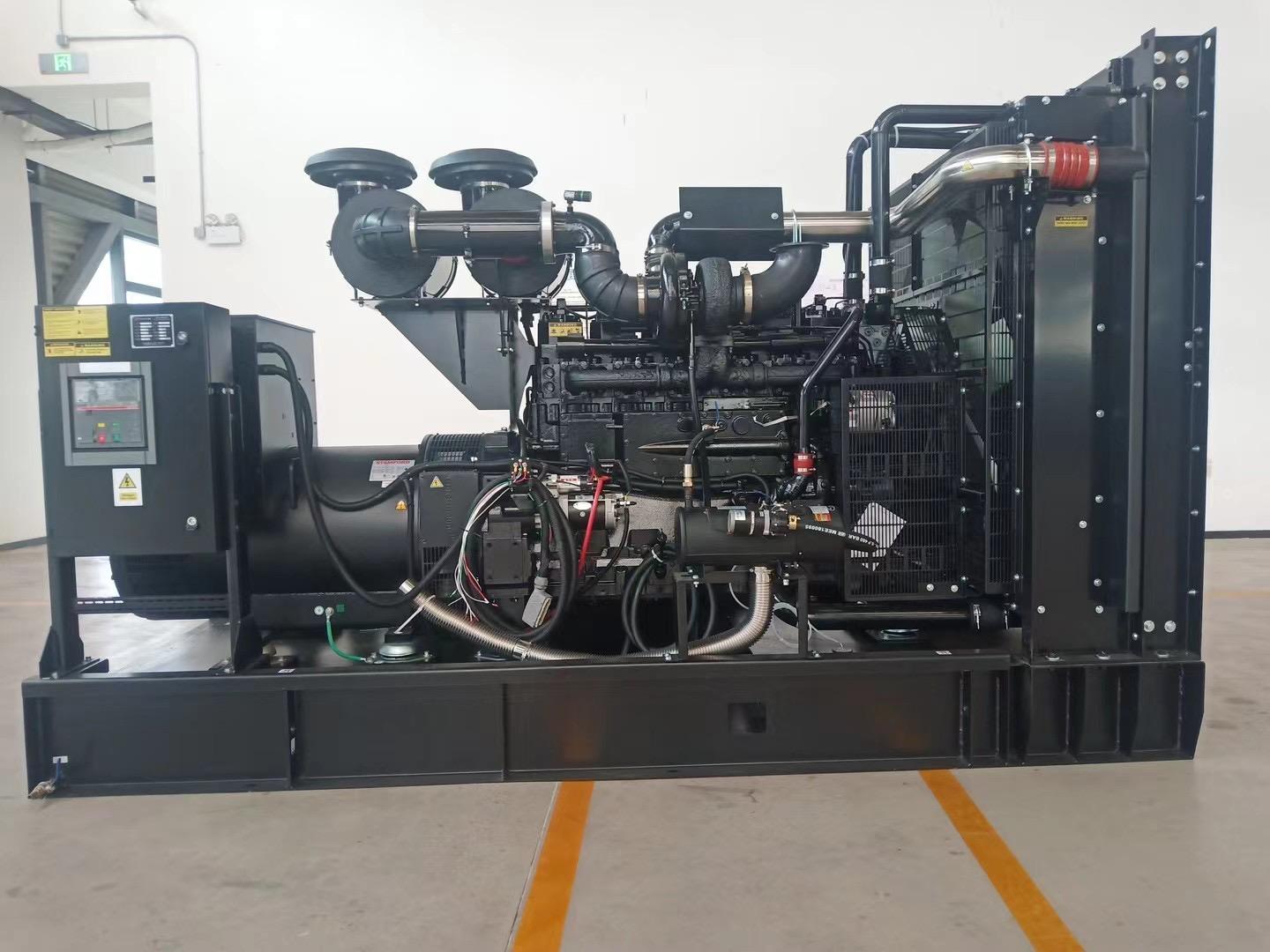
NFPA 110 generator requirements define a legally enforceable performance envelope for emergency power supply systems, not a suggestion for nice-to-have backup. The standard asks for a system that senses a utility failure, starts the prime mover, picks up the emergency load and carries it for a defined period without human action. The requirement breaks into three numbers and one list: a start time in seconds, a runtime Class in hours, a Level of performance, and the critical load the set must serve. A set that starts in 30 seconds fails a Type 10 site even if it is the quietest machine on the floor, because the standard cares about seconds and hours rather than nameplate decoration.
Chinese NFPA 110 generator supplier quotes often state only the kVA and skip the Level, which leaves the buyer guessing at the alarm and monitoring scope. An NFPA 110 generator manufacturer that skips the Level on the quotation forces the buyer to guess at the alarm scope, which is why the start class and the runtime belong on the data sheet next to the kVA. Tesla Power stamps both numbers there so the buyer compares the right thing before the order moves into production.
Which NFPA 110 levels apply to your site?
The Level describes how the system behaves when the grid drops. Level 1 covers life-safety and critical loads where failure risks human life or large financial loss; Level 2 covers less severe loads. Most healthcare, telecom and data facilities fall under Level 1, and that is the column most export buyers must satisfy. The control logic and the alarm set change with the Level, because a Level 1 site needs a different monitoring depth than a Level 2 one, even when the same iron serves both.
NFPA 110 generator for hospital duty falls under Level 1 in almost every jurisdiction, which is why the alarm list and the monthly test record must match the Level on the plate. NFPA 110 generator for data center sites adds a transfer-switch exercise so the sense line is proven as often as the engine. The same engine block can serve Level 1 or Level 2; the difference lives in the sensors and the paperwork, not in the cylinders. Tesla Power names the Level on the quotation so the control panel, the remote alarm and the test record line up with what the authority expects.
How does the NFPA 110 start time work?
The start time is the window between utility loss and the set carrying load. A Type 10 system must reach rated voltage and frequency and accept the emergency load within 10 seconds. A Type 15 allows 15 seconds, and the scale continues upward. The 10-second rule is the one most hospitals and data halls demand, because the transfer switch and the protected equipment assume a source is present almost immediately after the grid drops. The governor tune and the alternator excitation must both be ready before the crank signal arrives, which is why a set that starts in 30 seconds fails the Type 10 check even with a clean steady-state voltage.
Tesla Power Equipment proves the start time on a load bank during factory acceptance, because a cold start that drifts past 10 seconds fails the site regardless of steady-state quality. A 500kVA set at 0.8 power factor = 400kW of usable load still has to be online in 10 seconds, or the Class is meaningless. The emergency generator for critical load must also ride through the first seconds on stored energy in the alternator field, so the control tuning matters as much as the engine displacement.
What is the NFPA 110 Type and Class split?
Type sets the start time; Class sets the runtime the set must sustain at rated load. Class 0.5, 1, 1.5, 2, 3, 4, 6 and longer name the hours the system keeps the emergency load alive after the utility fails. A hospital operating theatre usually needs Class 2 or more, while a small pump house may need only Class 0.5. The two numbers are independent, which is why a buyer must name both on the order.
A worked example shows the link: a 400kW emergency load at 0.8 power factor = 500kVA of nameplate. A 2-hour Class window = 400kW × 2h = 800kWh of delivered energy. Per the engine data sheet a set burns 0.21 to 0.27 L/kWh at the rated step, so the day tank must hold at least 200L for that Class. The Type 10 start limit stays at 10s regardless of Class, which means the fuel sizing follows the runtime and the governor sizing follows the start type independently.
| Parameter | NFPA 110 value | What it sizes |
|---|---|---|
| Start Type | Type 10 (10s) | Engine and governor tune |
| Runtime Class | Class 2 (2h) | Day tank and cooling |
| Level | Level 1 | Alarms and monitoring |
| Load | 400kW at 0.8 pf | Alternator and breaker |
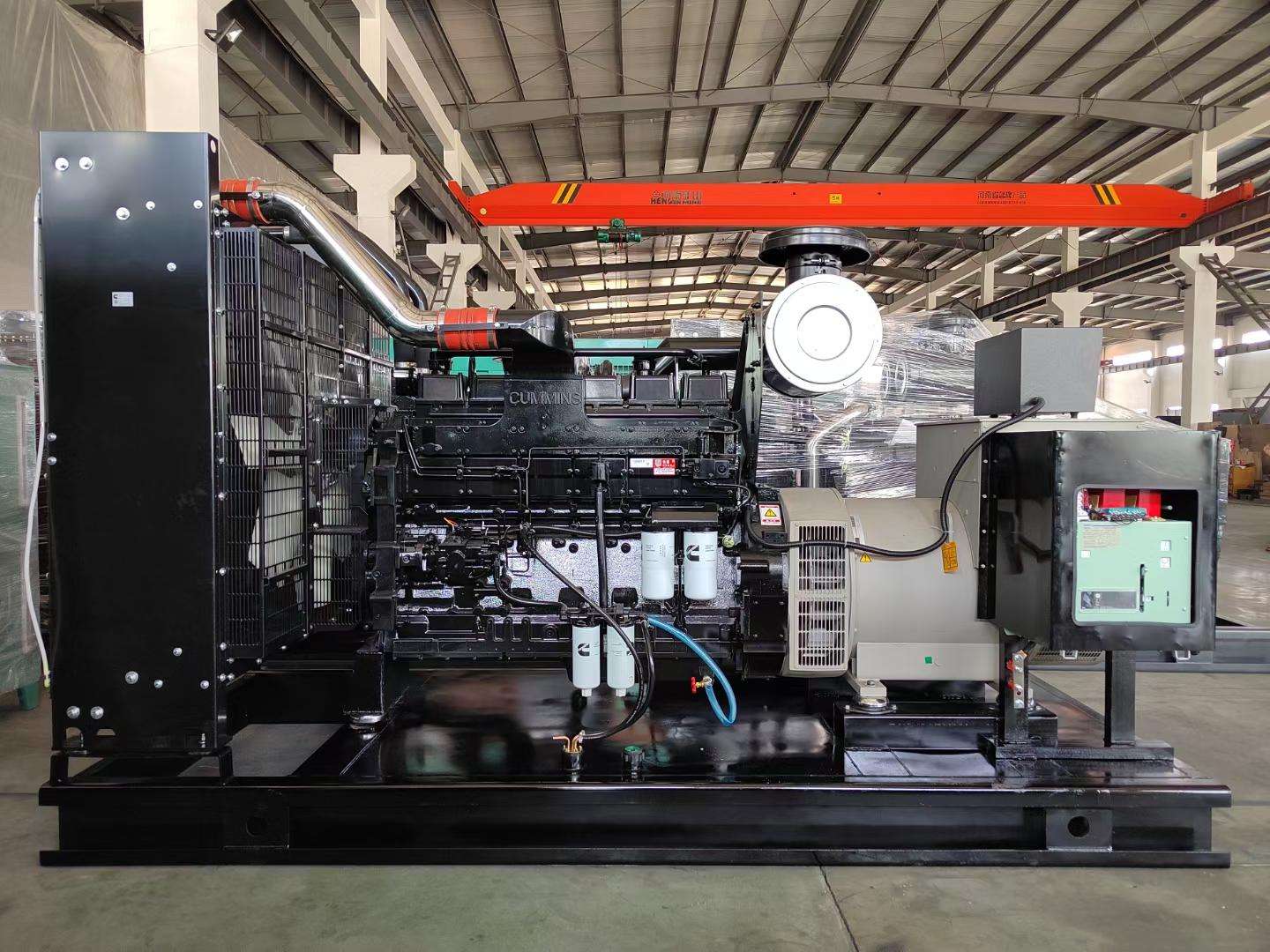
The table ties the four numbers to the parts they stress, because the alternator and the day tank age on the same clock as the engine. The set and the compliance file must agree on arrival, which is the part that turns a quotation into an accepted system. Tesla Power keeps the table beside the order so nothing drifts between the shop floor and the inspection room.
How does NFPA 110 compare with ISO 8528-1?
The two documents answer different questions. NFPA 110 generator requirements describe the emergency behaviour a system must show after a utility failure in the United States market; the 2018 ISO 8528-1 rating bands define the duty and rating classes a genset is built to worldwide. A set can meet ISO 8528-1 and still fail NFPA 110 if its start time is wrong, because the rating class says nothing about the 10-second pickup. The rating class guide explains how the ISO split maps onto the emergency duty, and NFPA 110 sits on top of that base with its own clock.
Tesla Power quotes the set against both references so the export file travels cleanly across borders. When the market differs, the export documents name the local rule the set meets, and the emergency behaviour stays tied to the NFPA 110 window underneath. A buyer who quotes both references meets the inspector on equal terms and keeps the order moving through customs without a re-test at the border.
Which loads must the emergency generator carry?
NFPA 110 generator for hospital duty names the life-safety branch, the critical branch and the equipment branch as the loads the set must serve, in that priority. The set does not back up the whole building; it backs up the parts where failure costs a life or a licence. A clear load list is therefore the input that decides the kVA, because a 250kW critical branch needs a different frame than a 250kW whole-building guess.
The sequence of load pickup is part of the requirement, which is why the branch drawings belong with the order. The sizing band note shows how the branch totals map to a nameplate, and NFPA 110 adds the pickup order on top. A set that carries the wrong branches in the wrong order fails acceptance even at the correct kVA, because the inspector watches the sequence, not just the steady-state voltage.
What documentation proves NFPA 110 compliance?
The paper is the proof. NFPA 110 documentation for emergency power names the start test log, the load bank record, the alarm set and the as-built one-line that the inspector reads at acceptance. A conformity assessment for NFPA 110 checks the plate, the test log and the order against each other before the system is signed off, so the buyer holds evidence rather than a hope. The log should show the start time, the load step and the runtime reached at each test, because an inspector reads all three together.
A compliance claim with gaps in the log is treated as unproven, no matter how clean the engine looks on the day. The NFPA 110 standard listing is the reference the inspector opens, and the export file should mirror its structure so the two documents speak the same language.
How is the emergency power system tested?
NFPA 110 requires a monthly test that exercises the set under load for the designated period, plus a longer annual test at the full Class runtime. The monthly run catches a weak battery or a stale fuel line before it becomes an outage, and the annual run proves the Class is real, not a number on a sheet. The test record should log the start time, the load step and the runtime reached, because an inspector reads all three columns together at the next walk-through.
NFPA 110 generator for telecom sites adds a signal continuity check so the transfer does not drop the call path during the exercise. The derating note explains how site conditions shift the real load the set carries, and the test must reflect that site, not a brochure climate. A set tested only at sea level may fall short on a pier, so the location belongs in the test record.
Which standards sit beside NFPA 110?
NFPA 110 does not stand alone. The Uptime Institute tier notes add redundancy expectations that many data centres quote alongside the start and runtime rules, and the local electrical code adds the wiring method. A buyer who names all three references on the order gives the inspector a complete picture, which shortens the talk at the acceptance walk-through and avoids the back-and-forth a vague emergency line creates.
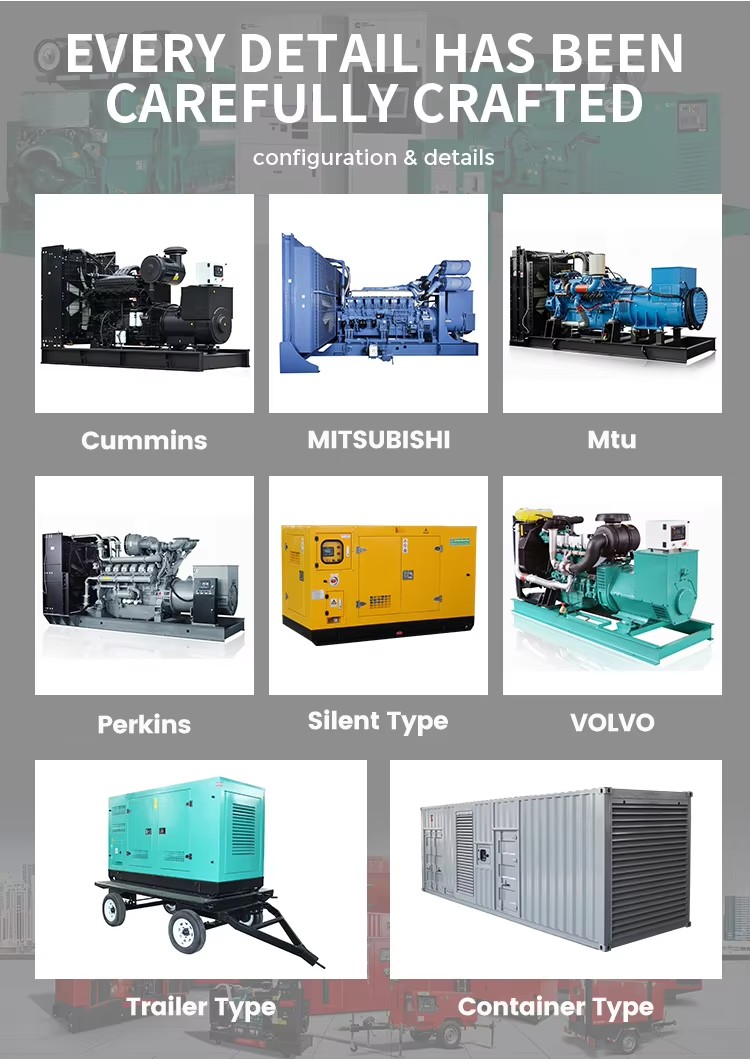
When the Level, Type and Class are set, contact our technical desk with the load list and the branch drawing so the quotation names one set and one compliance file. Tesla Power returns the level selection, the test log template and the export documents as one package, and the standby and prime builds show the frames available at each rating. A buyer who quotes the same references meets the inspector on equal terms and keeps the order moving through customs. The compliance file travels with the set so the inspector opens one box, not two.
Frequently asked questions about NFPA 110 generator requirements
NFPA 110 requires an emergency power supply system that senses a utility failure, starts without human action, and carries the critical load for a defined Class runtime. The standard sets a start Type in seconds and a runtime Class in hours, and most life-safety sites need Type 10 with a 10-second pickup.
No. Type sets the start time and Class sets the runtime, and the two are independent. A set can be Type 10 with a 10-second start yet only Class 0.5 with a half-hour runtime, so a buyer must name both numbers on the order.
The standard is a US document, but export buyers quote it because many authorities and clients recognise it. Where the local rule differs, the export file names that rule on top of the NFPA 110 behaviour so the set still meets the site.
NFPA 110 calls for a monthly on-load exercise for the designated period and an annual test at the full Class runtime. The monthly run proves the start and the battery; the annual run proves the Class is real under sustained load.
The set must carry the life-safety, critical and equipment branches in that priority, not the whole building. A clear branch list decides the kVA, because a 250kW critical branch needs a different frame than a whole-building guess.
The start test log, the load bank record, the alarm set and the as-built one-line make up the proof. An inspector reads the plate, the log and the order together, so gaps in the record are treated as unproven.
Yes. ISO 8528-1 defines the rating class the set is built to, and NFPA 110 adds the start and runtime behaviour on top. A set can carry both references, and the export file travels across borders when both are named on the quotation.
The Class runtime sets the energy the set must deliver, which sets the fuel. A 400kW load at 0.8 power factor = 500kVA, and a 2-hour Class = 800kWh, so the day tank must hold enough for that burn plus margin. Tesla Power sizes the tank from the Class, not the other way round.