
Generator rating classes decide how much load a diesel set can carry and for how long, so the first question every export buyer should ask is which band matches the duty. Yangzhou Tesla Power Equipment Co., Ltd. builds each frame to a single named class and prints that class on the data sheet beside the power figure. The short answer is that sets are grouped by duty cycle: prime power runs a site as the main source, standby covers an outage, and continuous runs at a steady load with no standby cap. Generator rating classes are not one number on the nameplate; they are three promises about running hours and overload headroom. Too many buyers compare only the kVA figure and skip the duty line, which decides whether the engine lasts a season or a decade. Read the three duty bands below and match them to your running hours before you request a quote. This guide compares prime, standby and continuous ratings and the export documents a rating needs.
- Read the duty line on the nameplate before the kVA figure, and compare the three bands with the prime standby guide.
- Match running hours to the class: a set that runs around the clock needs continuous duty, not standby.
- Ask for the kW figure at 0.8 pf, because kVA alone hides the real load the alternator carries.
- Request the export documents early, because the rating file travels with the shipment and clears customs faster.
What do generator rating classes actually mean?
Generator rating classes are the duty statement stamped on the nameplate, and they tell you how many hours per year the set may run and how hard it may be pushed. A class is not the peak number; it is the operating contract between the engine, the alternator and the cooling system. Three classes cover almost every export order: prime power, standby power and continuous power. Each one assumes a different load profile and a different yearly hour count.
Prime power feeds a site that has no other source. It may run with variable load for unlimited hours, and it carries a 10% overload allowance for one hour in every twelve. Standby power backs up the grid and runs only during an outage, with a 10% overload allowance for two hours in twenty-four. Continuous power runs at a constant load, often for unlimited hours, with no overload headroom at all. The same iron can wear out fast under continuous duty if it was rated for standby, which is why the class line matters more than the headline kVA figure when you plan a site.
Which bands does the factory build?
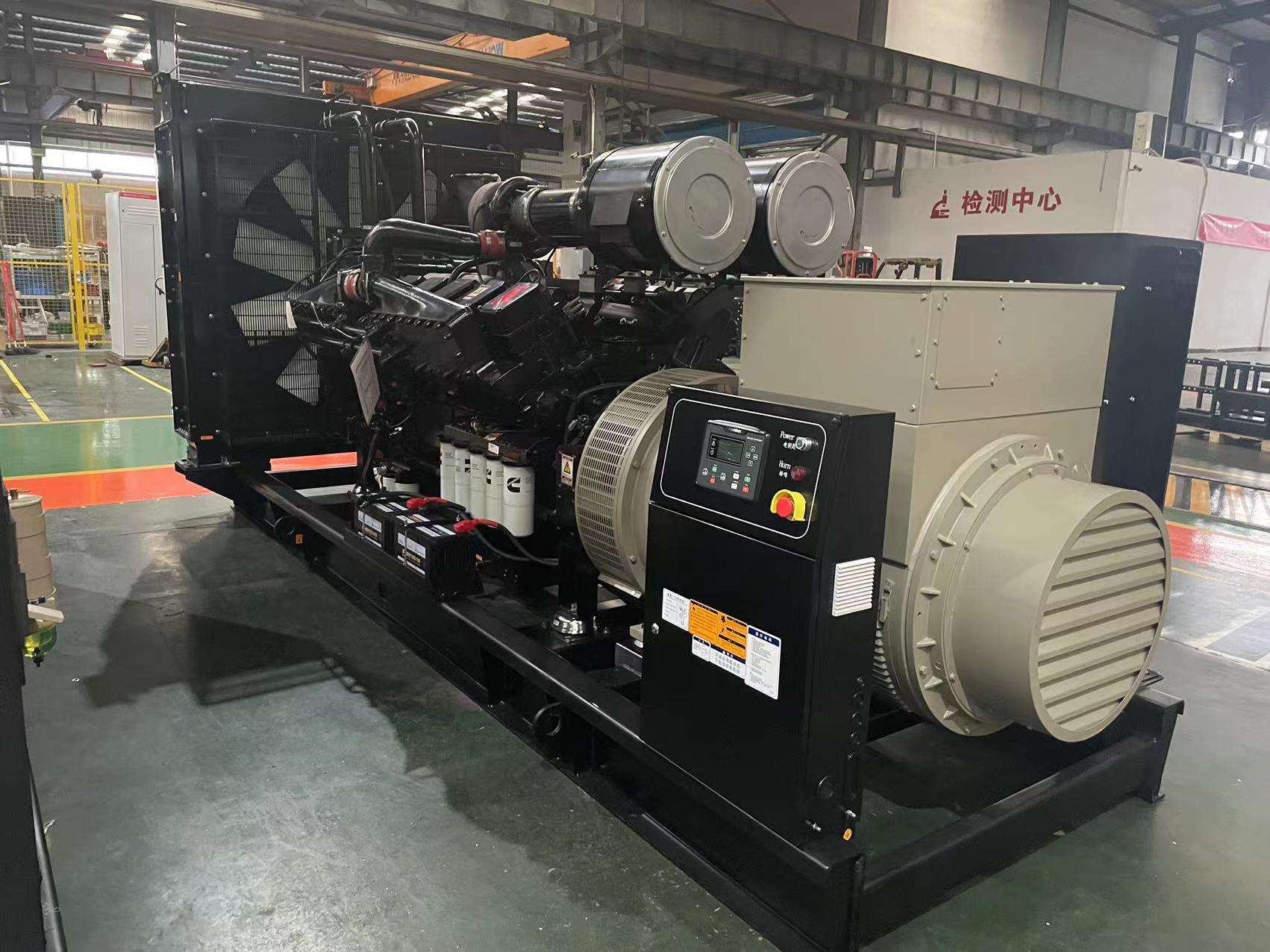
Most generator rating classes manufacturers publish the duty line next to the kVA, but the band list stays close to a small set of frame sizes. We build the common export bands and mark each one with its kW equivalent so the buyer reads the real load, not just the apparent power. Chinese generator rating classes suppliers often quote the kVA without the duty band, which leaves the buyer guessing at the hour limit and the overload headroom.
| kVA band | kW at 0.8 pf | Common duty | Example frame |
|---|---|---|---|
| 50kVA | 40kW | standby | small office backup |
| 100kVA | 80kW | prime or standby | remote workshop |
| 250kVA | 200kW | prime | farm or depot |
| 500kVA | 400kW | prime or continuous | export main frame |
| 1000kVA | 800kW | continuous | plant main source |
The table fixes the kW equivalent at 0.8 pf, because the alternator is sized for the real power, not the apparent power. Tesla Power reads the duty band and the kW figure as one line, so the plate and the quotation agree before the order is placed. A 500kVA frame at 0.8 pf = 400kW is the most quoted export size, and it spans prime, standby and continuous depending on the hour count you declare at order time. The 1000kVA frame at 0.8 pf = 800kW sits at the top of the list for sites that run long hours or a steady load.
When you size from the band, remember that kVA and kW are two views of the same machine. We quote each band with the alternator sheet that names the duty, so the buyer sees the limit before the order is placed rather than after the set reaches the port. The band you choose also sets the cooling duty, because a frame built for standby hours runs hotter in prime service than its plate suggests at a glance.
How do prime and standby ratings differ?
The difference lives in the hours and the load steps, not in the iron. A prime rated set expects variable load and unlimited running hours, while a standby rated set expects a fixed backup role with a low yearly hour count. Load step and overload headroom are where the two classes pull apart on the data sheet, and they are the lines an inspector reads first.
| Class | Running hours per year | Overload allowance | Typical use |
|---|---|---|---|
| Prime | Unlimited, variable load | 10% for 1 hour in 12 | Remote site, no grid |
| Standby | Low, outage only | 10% for 2 hours in 24 | Grid backup |
| Continuous | Unlimited, steady load | None | Base load plant |
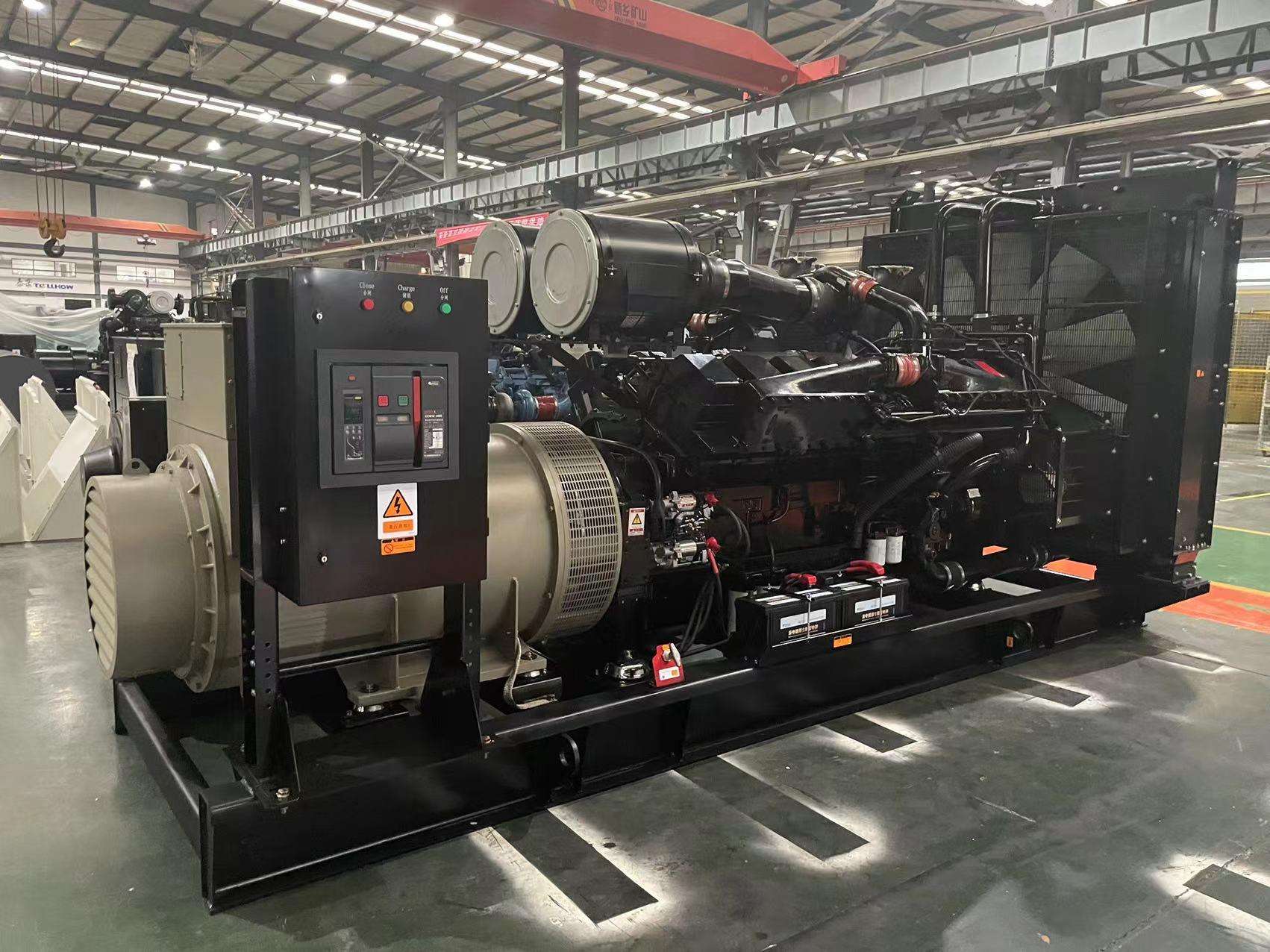
Prime duty allows a 10% overload for one hour in every twelve, which the engine and the alternator must tolerate without damage. Standby duty allows a 10% overload for two hours in twenty-four, but it assumes the set starts cold and carries a known load. The cooling system is sized for the declared class, so a standby set pushed into prime hours runs hot and short. Tesla Power builds the 400kw auto start set for prime or standby depending on the duty you name at order, and the plate reflects that choice once the class is fixed.
Why does the duty cycle change the class?
The duty cycle is the running hours per year plus the load shape, and it is the single input that moves a set from one class to another. Duty cycle is what the standards call the operating pattern, and it predicts wear better than the peak number does. Two identical frames can carry different classes only because their duty cycles differ.
A set running fewer than 200 hours a year sits firmly in standby. A set running 2,000 to 4,000 hours a year sits in prime. A set running with a steady load for unlimited hours sits in continuous. Tesla Power asks for the hour estimate before naming the class, because the same 500kVA frame is a different machine at 100 hours versus 4,000 hours. The class line protects the engine from a duty it was not built for, and it protects the buyer from a premature overhaul that a wrong class would force.
Generator rating classes for export buyers
Export buyers face two extra questions: which documents travel with the set, and which market the set serves. Generator rating classes for export buyers must clear customs and a local inspector, so the rating file is part of the shipment, not an afterthought. A rating with no paper behind it stalls at the port and costs the buyer demurrage.
The file should name the class, the kW at 0.8 pf, the running hour limit and the test results that prove the band. Generator rating classes documentation for export is what the buyer hands to the inspector, and it must match the plate exactly. A conformity assessment for the generator rating classes checks the nameplate, the test log and the order against each other before the set leaves the works. Tesla Power keeps the file beside the order so the shipment and the rating agree on arrival, which is the part that turns a quotation into a cleared delivery.
Generator rating classes for standby duty
Standby is the class most export buyers ask about, because the grid is the main source and the set covers the gap. Generator rating classes for standby duty assume a low hour count and a known load, with the overload headroom sized for a cold start rather than a warm running load.
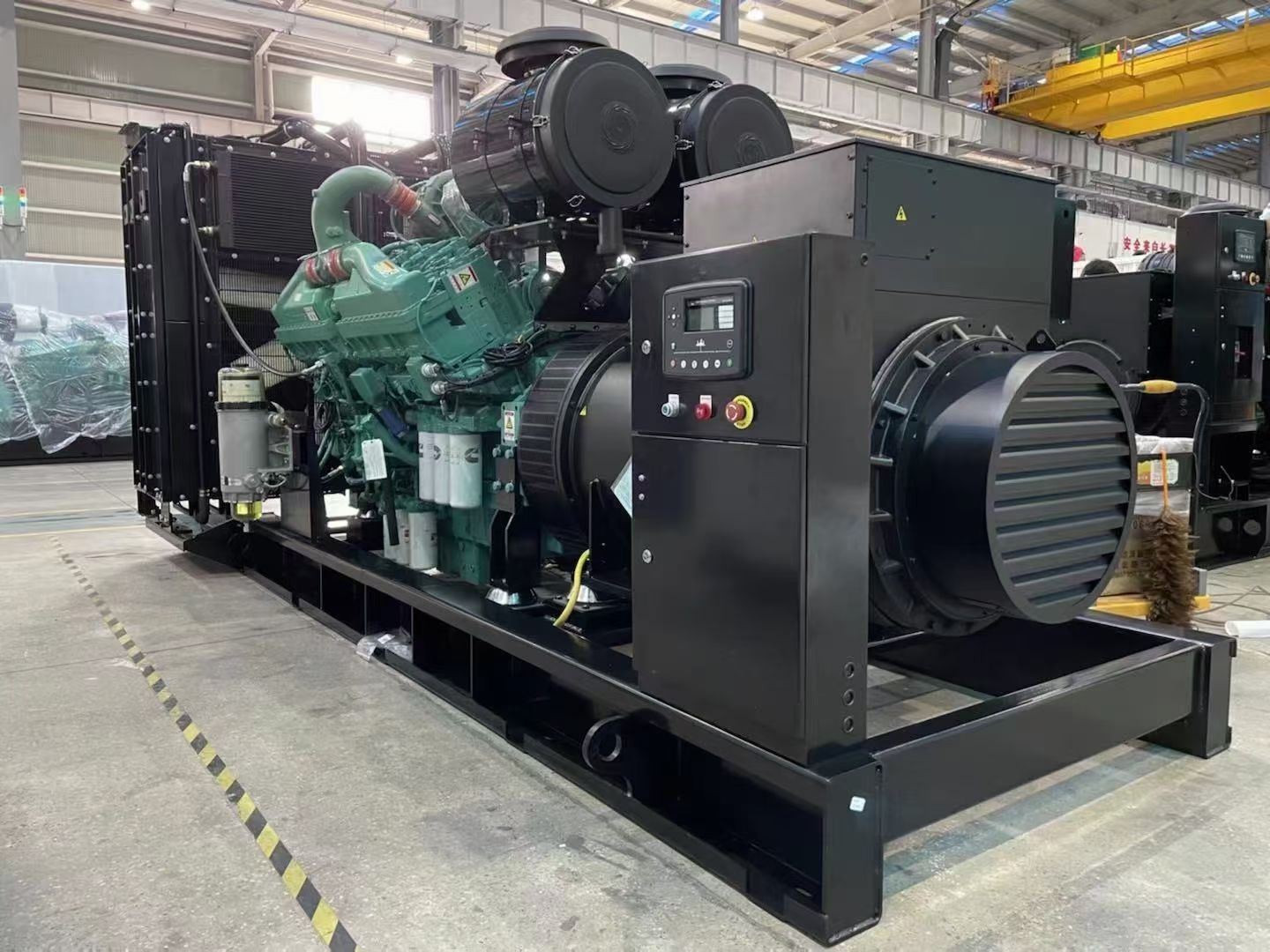
Standby duty lives or dies by the transfer. The set must reach rated load within the seconds the site needs, and the automatic transfer switch decides that window. The hospital standby guide walks through the transfer time and the load steps a standby class must hold. The NFPA 110 emergency power rules name the start and transfer expectations for standby sets in buildings, and a standby rating that misses them fails the inspection regardless of the kVA. Generator rating classes in the eu market follow the same duty split, but the export file must name the member state the set serves so the local inspector reads the right basis.
What load profile fits each class?
The load profile is the shape of demand across the day, and it is what picks the class. A site with a flat 24/7 demand wants continuous; a site with a variable demand and no grid wants prime; a site with a reliable grid wants standby. Match the curve to the band and the engine stays inside its design life.
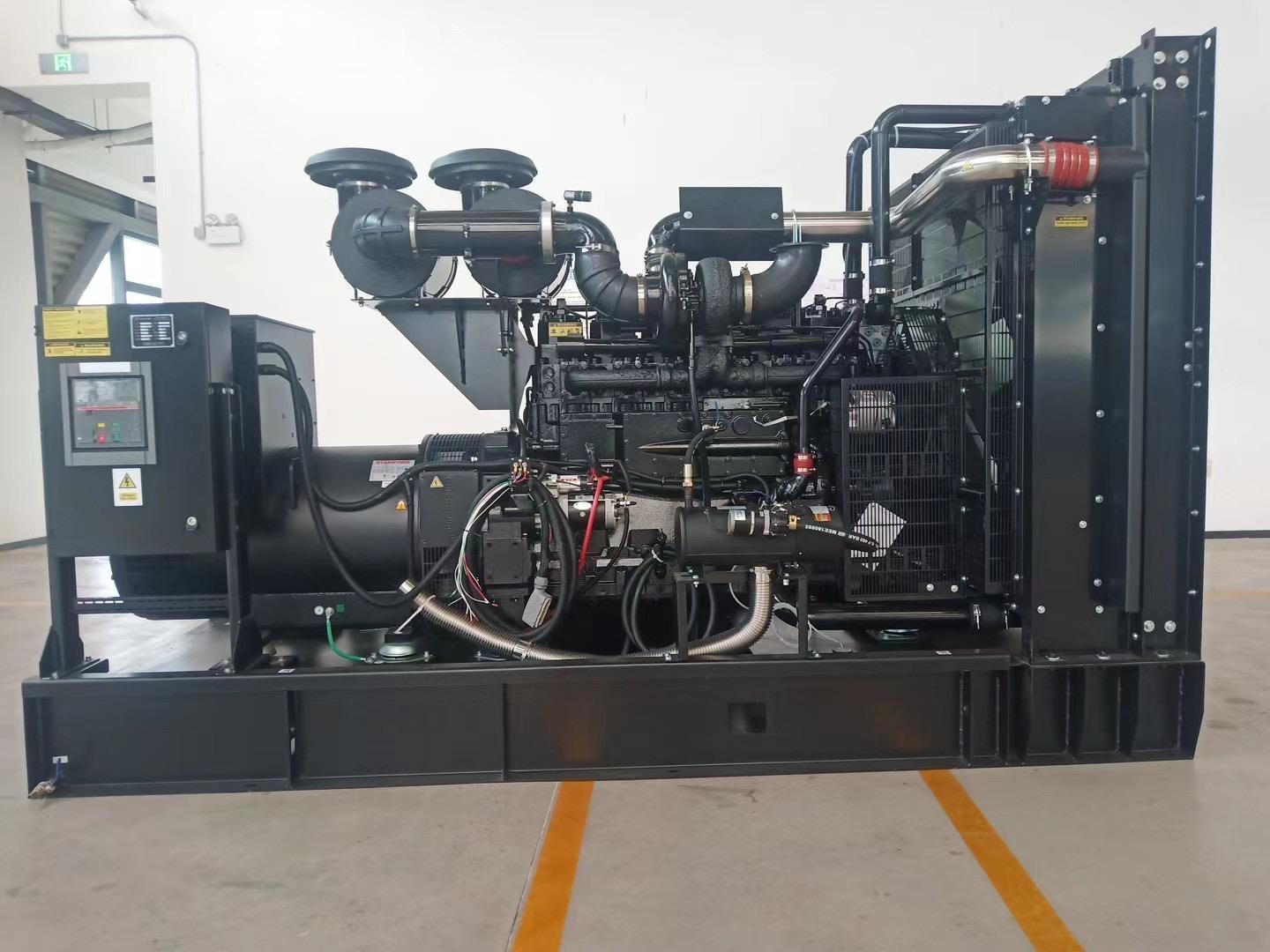
Draw the daily load curve before you choose. A mine with a constant compressor load fits continuous duty on a 500kVA frame at 0.8 pf = 400kW. A remote village with evening peaks fits prime duty. A clinic with grid power fits standby. The band that matches the curve keeps the engine inside its design life, while the wrong band shortens it no matter how large the kVA looks on the quotation.
How are classes proved on the test bay?
A class is only as good as the test that proves it. The test bay runs the set through the load steps and the hours the class claims, and the log is what the export file quotes. Load bank testing is the method that shows the band is real rather than a number on a brochure.
The bank applies the load steps the class names and records voltage, frequency and temperature at each step. The load bank test guide explains the step plan and the pass lines an export frame must clear. Tesla Power Equipment runs every export frame on the bank and stores the log beside the order, so the buyer receives the proof with the set. A class with no test log is a claim, not a rating, and an inspector will treat it as such at the port.
Which standards define generator rating classes?
The classes are not a factory habit; they come from published standards that buyers and inspectors quote. The ISO 8528-1 class framework define recurring prime, standby and continuous power, and most export plates follow that split. The NFPA 110 start and transfer rules add the start and transfer window for standby sets in buildings. The IEC 60034 rotating machine framework sets the alternator basis the duty is written to. Tesla Power quotes the class against these three references so the rating stands up to an inspector on arrival.
Last updated 2026-11-10. The class on the plate and the class in the file must name the same standard, because an inspector reads both. Where the market differs, the export documents name the local rule the set meets, and the duty band stays tied to the ISO 8528 split underneath. When your duty is set, ask for a quote with the class named on the plate so the order and the rating are one document from the start.
The three links above are the references our engineering desk opens before a class is confirmed, which shortens the talk with any local inspector and avoids the back-and-forth a vague duty line creates at the border. A buyer who quotes the same references meets the inspector on equal terms and keeps the order moving through customs.
Frequently asked questions about generator rating classes
Prime rating assumes variable load and unlimited running hours with a 10% overload for one hour in twelve. Standby rating assumes a backup role with a low yearly hour count and a 10% overload for two hours in twenty-four. The iron can be the same; the duty line is what changes the wear and the hour limit.
It can for short periods, but the cooling and the hour limit were sized for backup. Running a standby set in prime hours wears the engine faster and shortens the alternator life, so the class should match the real duty from the start rather than after a failure.
Read the kW at 0.8 pf for the real load the alternator carries. A 500kVA nameplate equals 400kW at 0.8 pf, and a 1000kVA nameplate equals 800kW at 0.8 pf. Size from the kW, not the kVA, when the duty is heavy and the load runs for long hours.
A steady load for unlimited hours fits continuous duty. A 500kVA frame at 0.8 pf = 400kW in continuous mode runs the plant main source without the standby cap, provided the load stays near constant across the day and the peaks stay inside the rated figure.
Yes. Generator rating classes documentation for export names the class, the kW at 0.8 pf, the hour limit and the test log. The file travels with the shipment and clears the local inspector faster when it matches the plate exactly, which is the part that avoids a hold at the port.
The set runs on a load bank through the steps the class claims, and the meter log records voltage, frequency and temperature. A conformity assessment for the generator rating classes checks the plate, the log and the order against each other before the set leaves the works, so the buyer receives proof, not a promise.
The duty cycle sets the running hours and the load steps the engine was built for. A high kVA figure on the wrong class overheats and fails early, while a matched class on a smaller frame runs for years. The class protects the machine, and the kVA only describes its size.
It can, if the order names both and the plate shows the limit for each. The 500kVA frame at 0.8 pf = 400kW serves prime, standby and continuous depending on the declared hours. The quotation must state which class the buyer is buying, because the price and the cooling duty follow that line.
When the duty is clear, browse the product line to see the bands we build and the class each frame carries, then send the hours and the load curve so the quotation names one class and one number you can defend at the border. Tesla Power returns the rating, the test log and the export file as one package.