
A generator duty rating quote turns your duty cycle into a supply number the factory can build and price. It must name prime, standby and continuous ratings side by side, because a set sized for one band alone overruns or under-runs the others the moment the load shifts. Buyers who skip that step get a frame that trips on the weekly test or idles through the peak, so the capital is mis-spent. Tesla Power reads the duty profile beside the alternator file before a figure is sent, matching the alternator to a whitelist segment such as 500kVA (=400kW at 0.8 pf) rather than a round number from a catalogue. Request the quotation through the export desk, and the reply names the duty band, the derate and the test evidence on one sheet. Compare the duty tables across suppliers. The cheapest line is the one that forgot standby. Ask the works to confirm the rating before you order. A worked example: a 500kVA frame at 0.8 pf = 400kW on prime duty at 60% load burns about 90 L/h, so 8 hours x 90 L = 720 L a day, and 3,000 hours a year = 250 hours a month at that pace.
- Send the duty cycle in hours per year, not just backup, beside the product index of frames.
- Name prime, standby and continuous so the quote cannot hide one band.
- Quote the worst-hour load and the ambient, because both shift the power.
What is a generator duty rating quote?
A generator duty rating quote is the sheet that states the power a set can deliver under each duty class, not just a single catalogue number. It records the prime, standby and continuous figures on one page so the buyer can see where each band starts and stops. A quotation that hides one band leaves the buyer exposed the moment the real load appears. Read the bands against the prime standby guide before you compare suppliers, because the labels mean different things in different factories. Tesla Power treats the three bands as three separate prices, and the quote names each one in writing. The alternator class sets the ceiling the bands sit under. The same frame can quote a higher standby figure than its prime figure. A clear quote also names the derate for the site ambient, which most single-number offers skip.
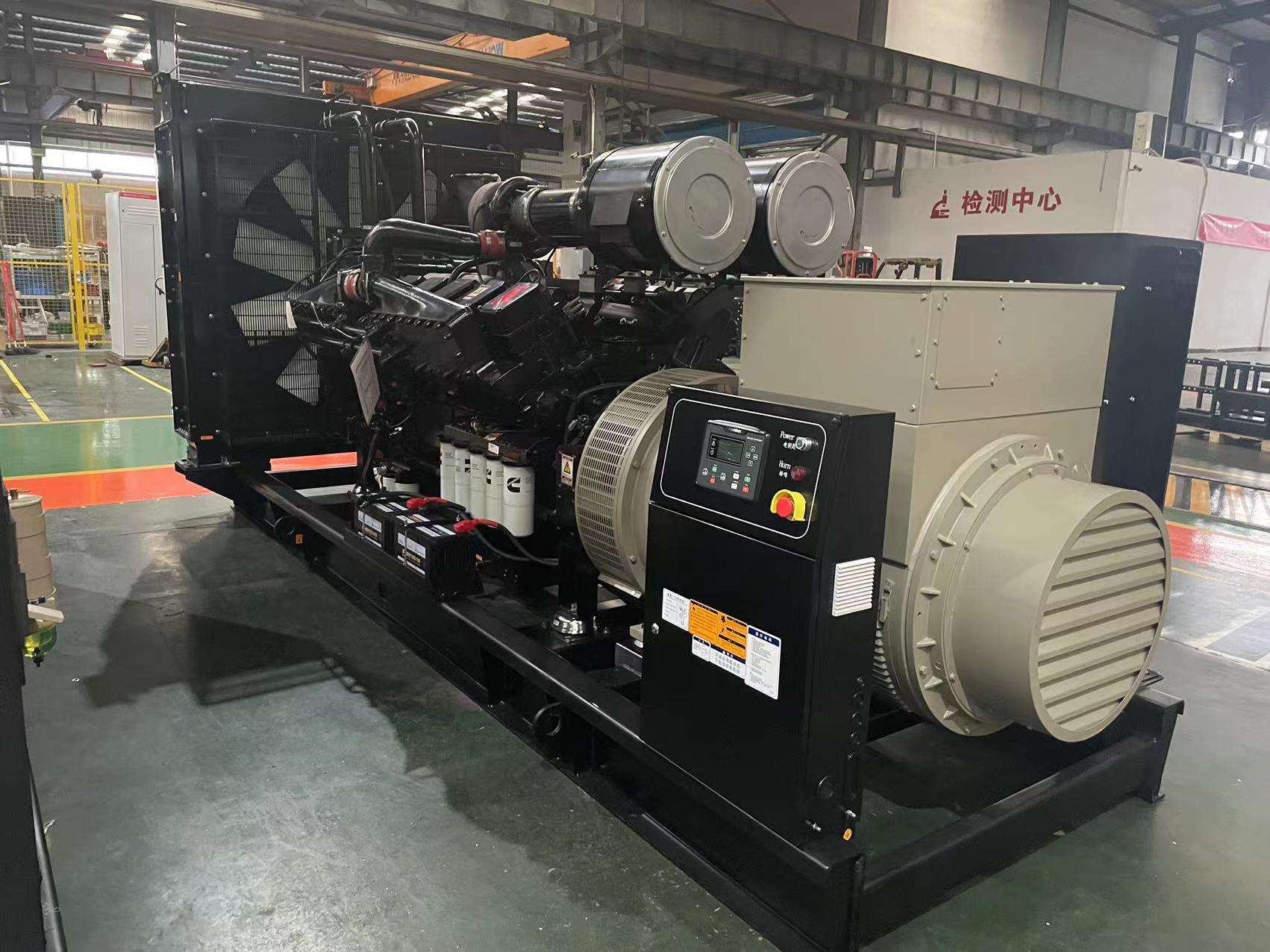
The figure on the page should answer the load you described, not the load the catalogue assumes. When the quote states all three bands, the buyer can match the set to the duty and avoid both over-spend and under-spec. The duty rating is the contract between what the buyer runs and what the factory built, and the quote is where that contract is written down for the first time.
Which duty cycle must the quote name?
A quotation for a duty rating must name the duty cycle in hours per year, because that single number decides which band the set is built to. A site that runs 4,000 hours a year needs a prime-rated frame, while a site that runs 200 hours needs only standby. The quote that forgets the hours builds the wrong engine and the wrong alternator. The table below shows how the three classes split, and each row is the line a proper quotation should carry. The prime, standby and continuous split is written into the ISO 8528-1 duty classes, which is why the quote must quote the same definitions the standard uses.
| Duty class | Definition | Typical annual run hours | Power the quote must state |
|---|---|---|---|
| Prime | Main supply with variable load | Unlimited, often 3,000+ | 500kVA (=400kW at 0.8 pf) as the nameplate prime |
| Standby | Backup when the mains fails | Up to 500 per year | 500kVA standby, a higher figure than prime |
| Continuous | Base load, steady, no overload | Unlimited at rated | 500kVA continuous, the lowest of the three |
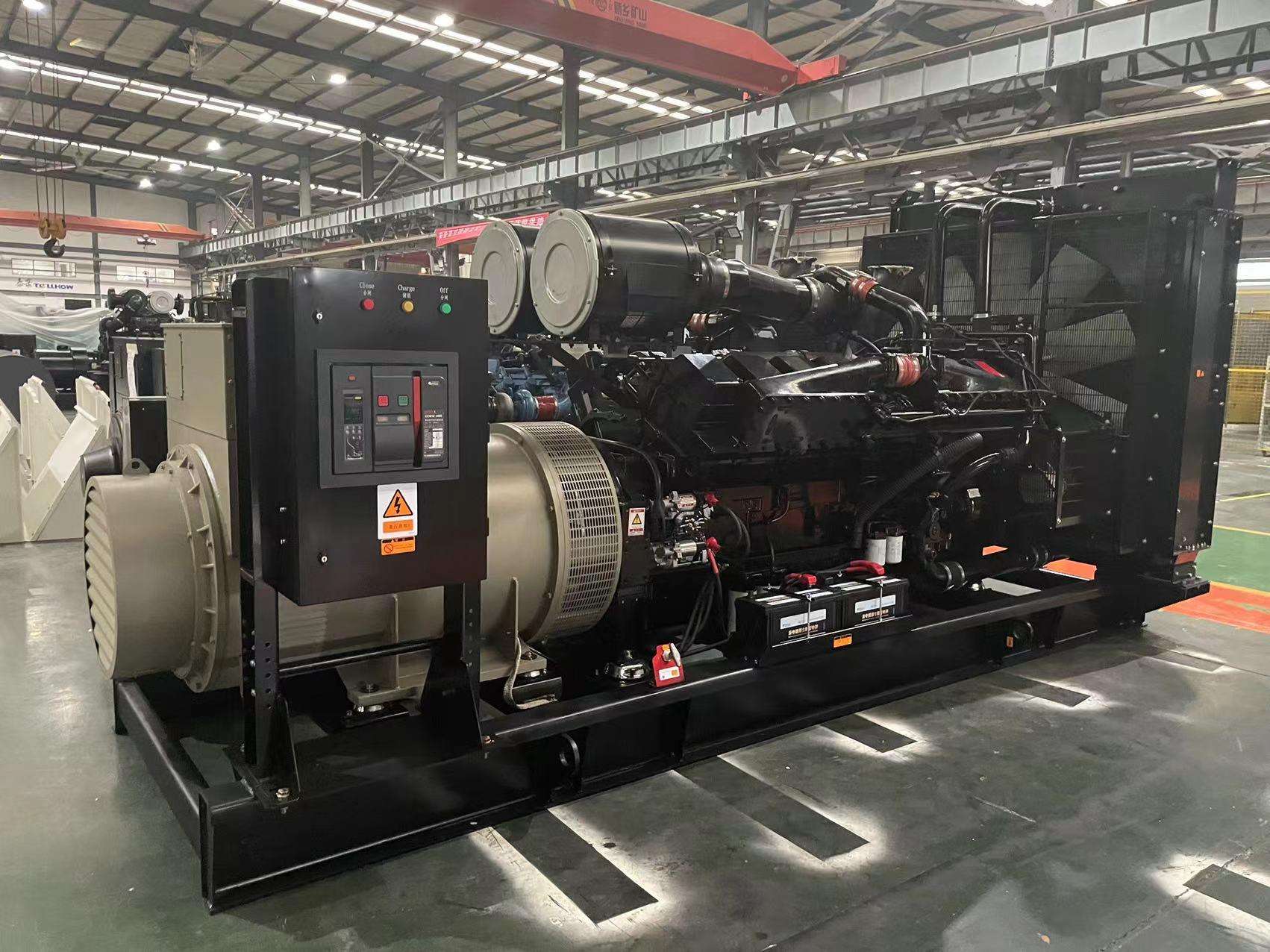
How prime, standby and continuous ratings differ
Prime allows variable load and unlimited hours; standby covers limited emergency hours; continuous runs the base load with no overload margin. A 500kVA frame reads as 400kW at 0.8 pf in prime duty, and the same frame can carry a higher standby figure for the short outages it was built to cover. Continuous duty sits at the nameplate with no overload margin, so the quote states it as the lowest of the three. The quote that blends the bands loses the buyer money either way, because the buyer pays for one band and runs another.
How do prime and continuous ratings affect the quote?
The prime and continuous ratings pull the quote in opposite directions, and the load profile decides which one rules. A prime-rated set is built for variable load and unlimited hours, so its price carries the heavier engine and the larger alternator. A continuous-rated set runs a steady base load and needs no overload margin, so its nameplate is the lowest of the three and the price reflects that. Tesla Power Equipment builds both from the same frame family, then stamps the band the buyer reported.
When a buyer asks for a set that does both, the quote prices the higher band and states the limit of the lower one in writing. The 400kw auto start set shows how one frame carries a prime and a standby figure at once. The rating names the band, while the class names the family the band belongs to.
Why does the load profile change the quote?
The load profile sets the derate the alternator must accept. A steady 70% load quotes a smaller frame than a spiky load that touches 100% for minutes at a time. The spike needs reserve the average fails to show. A quote that averages the load undersizes the set. Heat and altitude also cut the power, so a tropical site quotes a larger frame for the same nameplate. Worst-hour load, not mean load, is the number the quote carries. A buyer who sends the mean gets a set that sags on the bad hour and trips on the peak.
The profile also decides how many start steps the controller needs, which the quote lists as a separate line. We read the profile as a shape, not a single figure, and the quote answers the real duty. The buyer who compares two quotes on the mean alone will not see that one was built for the spike and the other for the average.
Generator duty rating quote for prime duty
Prime duty is the band most buyers run, and the quote carries the unlimited-hour figure. A prime-rated set runs the main supply with variable load, so the alternator handles that heat. The quote states the prime nameplate, with standby as the higher emergency number beside it. The generator duty rating for prime duty differs from standby: prime assumes the set is the source, standby assumes the mains returns. Tesla Power quotes prime first, then adds the standby line for the outage it fears. We ask for the annual hours, because the figure the engine is built for hides in them.
A prime quote also names the fuel run hours the set was sized for: an engine that runs 3,000 hours a year is not the engine that runs 200. A buyer comparing two prime quotes should check that both name the same annual hours, or the cheaper line is a lighter engine. A prime quote without the hours is a guess with a price tag.
Generator duty rating quote for the mining site
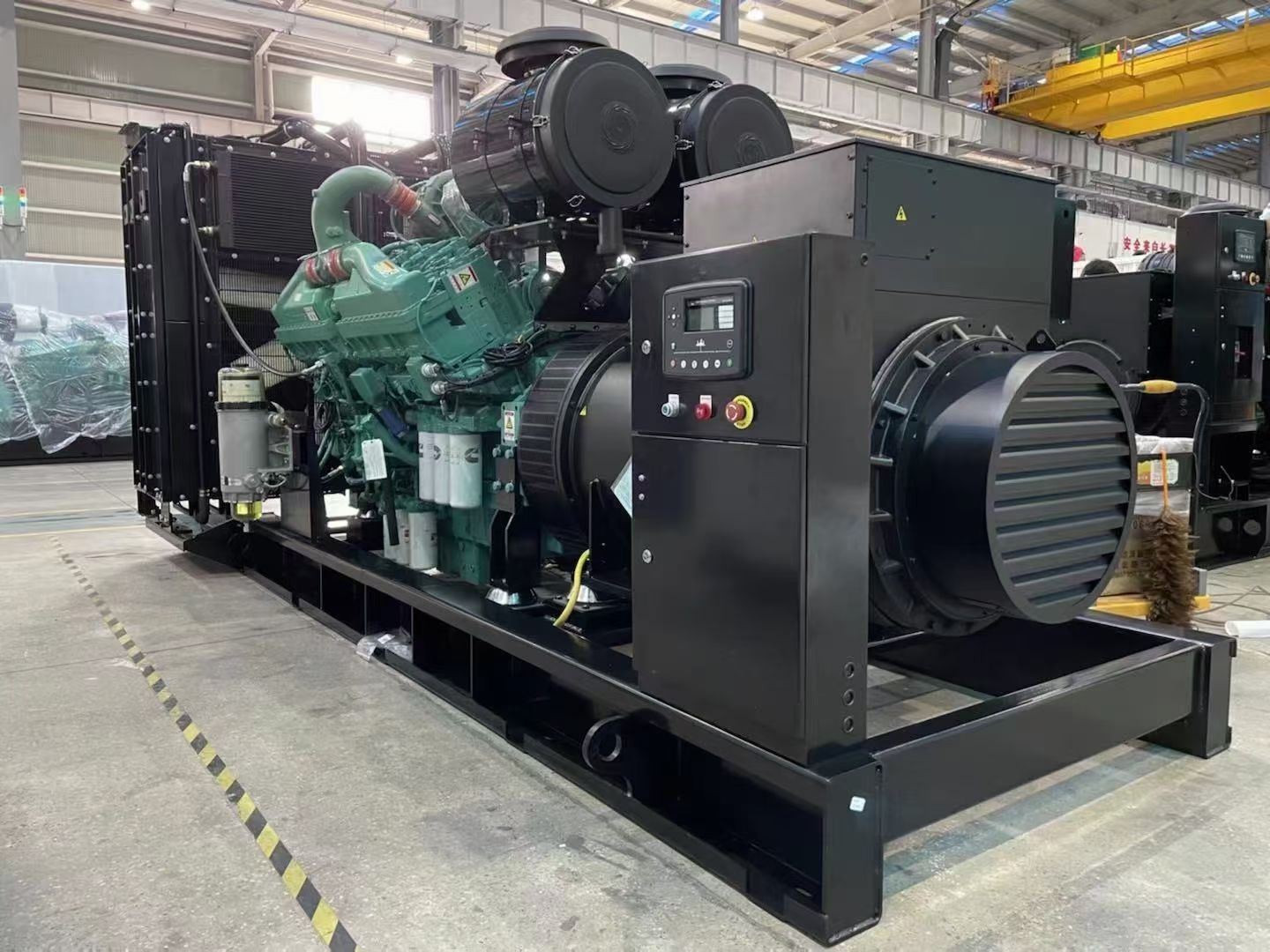
Mining sites run long hours under dust and heat, so the quote for them carries a prime figure with a heavy derate. A pit that runs 6,000 hours a year needs the prime band and the cooling the heat demands. How the generator duty rating for the mining site sets the band is that the site reports the worst-hour load and the ambient, and the quote prices the frame that holds both. Chinese generator duty rating suppliers often quote a temperate figure to a tropical pit, which is why the buyer should ask for the derated number in writing. Tesla Power reads the site report beside the alternator file before the figure is sent, so the mining quote names the band, the derate and the service interval together. A mining quote that skips the derate looks cheap on paper and fails in the first hot season. The load factor on a pit is high and steady, so the continuous figure often sits close to the prime, and the quote should say so. Generator duty rating manufacturers differ most on this point, because the derate is where the cheap quote hides its shortfall.
What documents back the duty rating?
A quotation is only as good as the file behind it, and the duty rating needs four documents to be credible. The duty rating sheet names the three bands, the alternator class file names the class the alternator was built to, the test bay report names the stepped load the set passed, and the conformity file names that the plate, the file and the fitted parts agree. The generator duty rating documentation for export should travel with the set, because customs and the insurer both read it. The generator duty rating ce marking requirements are a separate line the buyer checks before the set leaves the works, and the quote should name the file that proves them. Yangzhou Tesla Power Equipment Co., Ltd. packs the four documents in the shipment so the buyer holds the evidence, not just the promise. Send the load report to the export quotation desk and the reply names the missing document before the order is raised. NFPA 110 sets the emergency power expectations the standby line is checked against, and the NFPA 110 rules for emergency power explain why the standby band carries a separate test note.
| Document | What it proves | Who reads it |
|---|---|---|
| Duty rating sheet | The prime, standby and continuous figures | Buyer and insurer |
| Alternator class file | The class the alternator was built to | Engineering reviewer |
| Test bay report | The stepped load the set passed | Acceptance inspector |
| Conformity file | Plate, file and fitted parts agree | Customs and auditor |
How is the duty rating proved on the test bay?
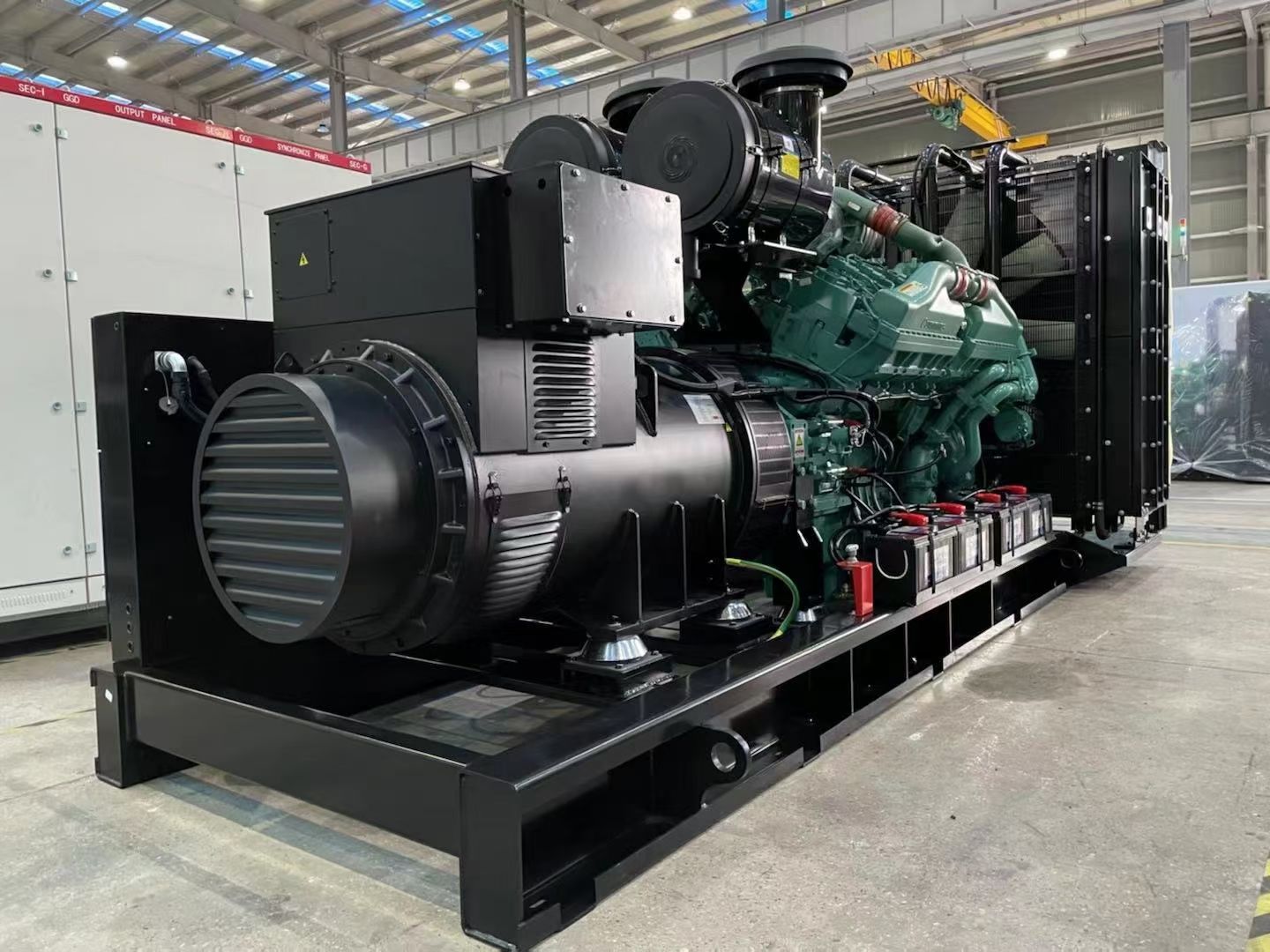
The duty rating is proved on the test bay with a stepped load that walks the set from no load to the nameplate and back. Each step holds long enough for the alternator temperature and the voltage to settle, and the readings are logged against the band the quote named. A set that holds the prime band at the stated ambient passes; a set that sags on the last step gets the figure revised before it ships. Tesla Power runs the stepped load on every frame and keeps the report in the shipment file. The the load bank test guide explains why the steps matter more than a single full-load figure. The machine frame the alternator was built to is set by the IEC 60034 rotating machine standards, which is the reference the bay report quotes. What the stepped load proves is that the nameplate matches the real duty, not the catalogue hope. A buyer who receives the report can price the set against the band it actually passed, instead of the band the salesman hoped it would reach.
Last updated 2026-11-10 — the duty rating bands and the document list above reflect the current export review before a quotation is sent.
Frequently asked questions about the generator duty rating quote
A full quote names the prime, standby and continuous figures, the alternator class, the derate for the site ambient and the test evidence. Tesla Power lists those lines on one sheet so the buyer can read the band, the ceiling and the proof together. A quote that names only one number has left the other bands for the buyer to discover later, usually at the worst possible moment.
Standby assumes the set runs only during an outage for a limited number of hours a year, so the alternator is not built for the heat of continuous duty. Prime assumes the set is the source for unlimited hours, so its figure is the honest nameplate. The standby number is higher because the duty is lighter, not because the machine is stronger, and the quote should state the hours that limit it.
The profile sets the derate and the reserve the alternator must accept. A spiky load needs more reserve than a steady one, and a hot site needs a larger frame than a cool one for the same nameplate. The quote that averages the load undersizes the set, so the worst-hour figure is the one the quotation should carry rather than the mean.
Four documents make the rating credible: the duty rating sheet, the alternator class file, the test bay report and the conformity file. The buyer reads the first, the engineering reviewer reads the second, the acceptance inspector reads the third, and customs reads the fourth. A quotation without the four is a promise without a paper trail behind it.
The set runs a stepped load on the test bay from no load to the nameplate and back, with each step held long enough for the temperature and voltage to settle. The logged readings are compared with the band the quote named, and a set that sags on the last step gets the figure revised before it leaves the works. The report travels in the shipment file.
Yes, one frame can carry both, with the prime figure as the nameplate and the standby figure as the higher emergency number beside it. The quote prices the higher band and states the limit of the lower one in writing, so the buyer knows which duty the set was truly built for and where the overload margin ends.
The order that arrives with the three bands named, the derate stated and the test report attached ships correctly the first time. A quotation that names the duty, the class and the proof is the contract the buyer can hold the works to, and the set that arrives answers the load that was described rather than the load the catalogue assumed. Tesla Power builds every duty rating quotation from the run hours, the ambient and the worst-hour load you report, then matches the alternator to a whitelist segment such as 500kVA (=400kW at 0.8 pf). Send the site profile to the export desk and ask for the standby line, the prime line and the continuous line on one sheet before you commit the capital to a frame that has to run for years.