
A generator spare parts source decides how fast a breakdown is fixed, and the gap between a one-day stop and a three-week stop comes down to three things: local stock, a believable lead time, and a quality file you can read. Buyers in Africa, the Gulf and remote mining camps ask the same first question when a set trips — who can get the part to the site, and how soon. The answer is a sourcing plan that names the engine platform, the shelf location and the inspection record for each line item. Tesla Power treats the spare-parts question as a procurement question rather than a parts-list question, because a part that arrives late or wrong costs more than the part itself. When you evaluate a generator spare parts source, score it on stock depth, delivery speed and the documents that travel with the box. Choose a supplier who shows stock on hand and commits a dated delivery against the exact alternator and engine combination. Request a quotation only after those three checks clear.
- Name the engine platform first, because the Weichai WP13 on a 400kW set shares one part family while a Perkins build shares another, and the shelf must match the plate; see the spare parts catalogue for the frames the works stocks.
- Ask for the stock-on-hand figure by part number, not a category, because 'filters available' hides which filter actually fits your frame.
- Demand a dated delivery commitment, because a 'we can source it' answer with no date is a procurement risk rather than a plan.
- Read the quality file before the box ships, because the documents prove the part, not the logo on the carton.
- Keep the maintenance plan beside the order, so the spare that arrives is the one the next service calls for.
What is a generator spare parts source?
A generator spare parts source is the supply chain behind your set, not the shop that answers the phone. It covers the engine rebuild kit, the alternator brushes, the AVR, the filters and the controller spares, and it names where each item sits before you need it. A reliable source answers three questions on the first call: what is on the shelf, how long to the site, and what paper travels with the part. Generator spare parts manufacturers build the catalogue, but the source is the local agent, the depot or the desk that actually ships the box.
Chinese generator spare parts suppliers run deep catalogues for the common frames, and the works keeps the stock file for every set it builds. Read the source as a system of stock, speed and documents, in that order.
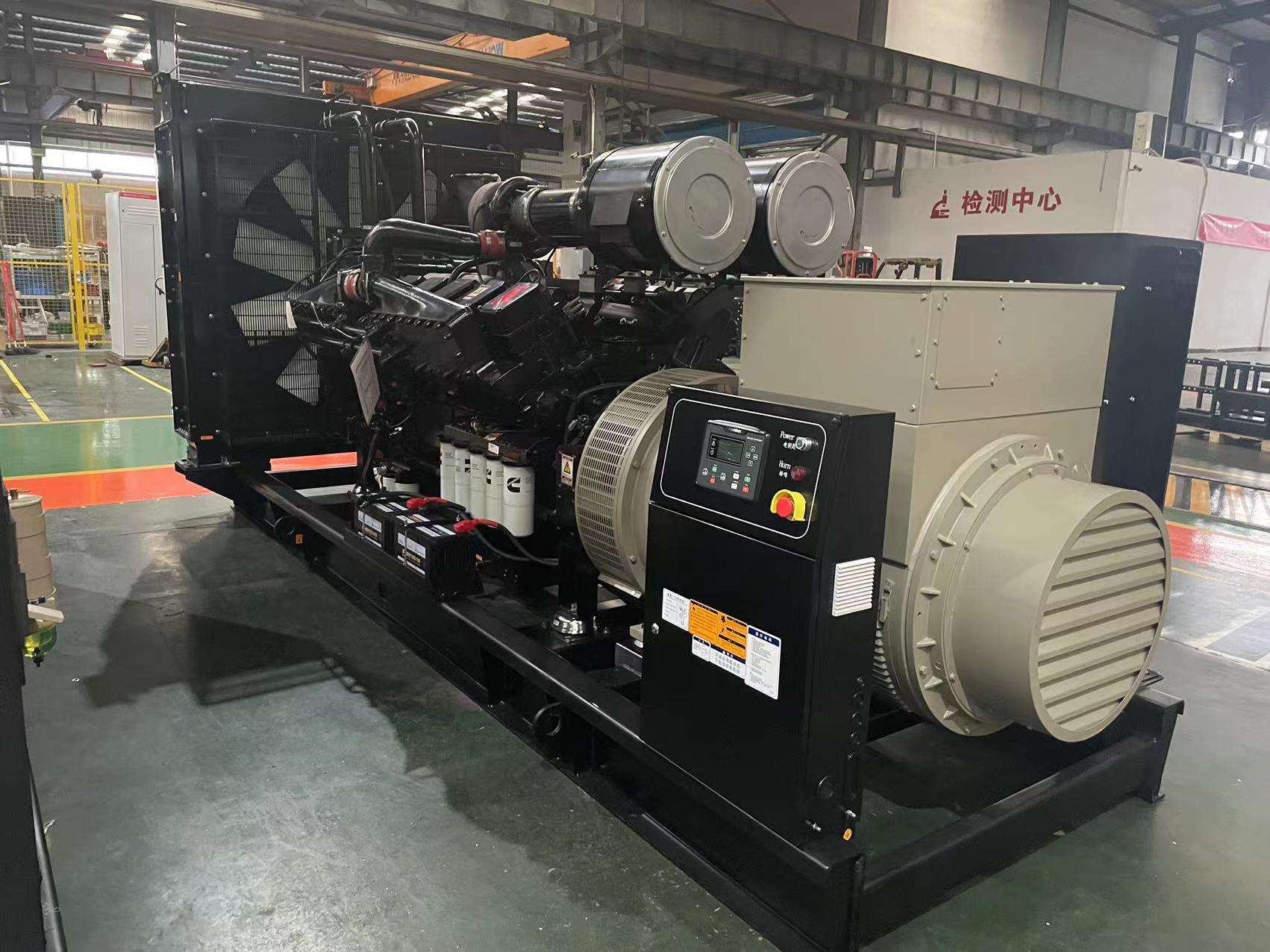
The catalogue lists what exists; the source proves what is on hand. A buyer who quotes a part number and receives a delivery date has a source. A buyer who receives a PDF and a shrug has a catalogue. The difference shows up at 2 a.m. on a Saturday, when the set is down and the only question that matters is who can put the box on a truck tonight. Score the source on evidence, not on the size of its website.
Which parts must be stocked locally?
Not every part earns a place on the local shelf. The stock that saves a breakdown sits in the wear group and the high-failure group, because those are the parts that fail on a clock rather than on a fault. Filters, belts, sensors, the AVR, the battery charger and the coolant parts belong close to the set. Long-lead items such as a rewound alternator or a replacement cylinder head can sit at the regional depot instead of the site store, because they fail rarely and cost more to hold. Match the shelf to the failure rate, not to the parts book.
| Part group | Stock level | Why it sits there |
|---|---|---|
| Filters, belts, sensors | On site, 1–2 sets | Fail on a service clock, cheap to hold |
| AVR, battery charger, relays | Local depot, ready | Electrical failures, fast dispatch |
| Coolant, gasket, hose kit | On site, service pack | Leak stops, common on hot sites |
| Alternator, cylinder head | Regional depot | Rare failure, long-lead, costly |
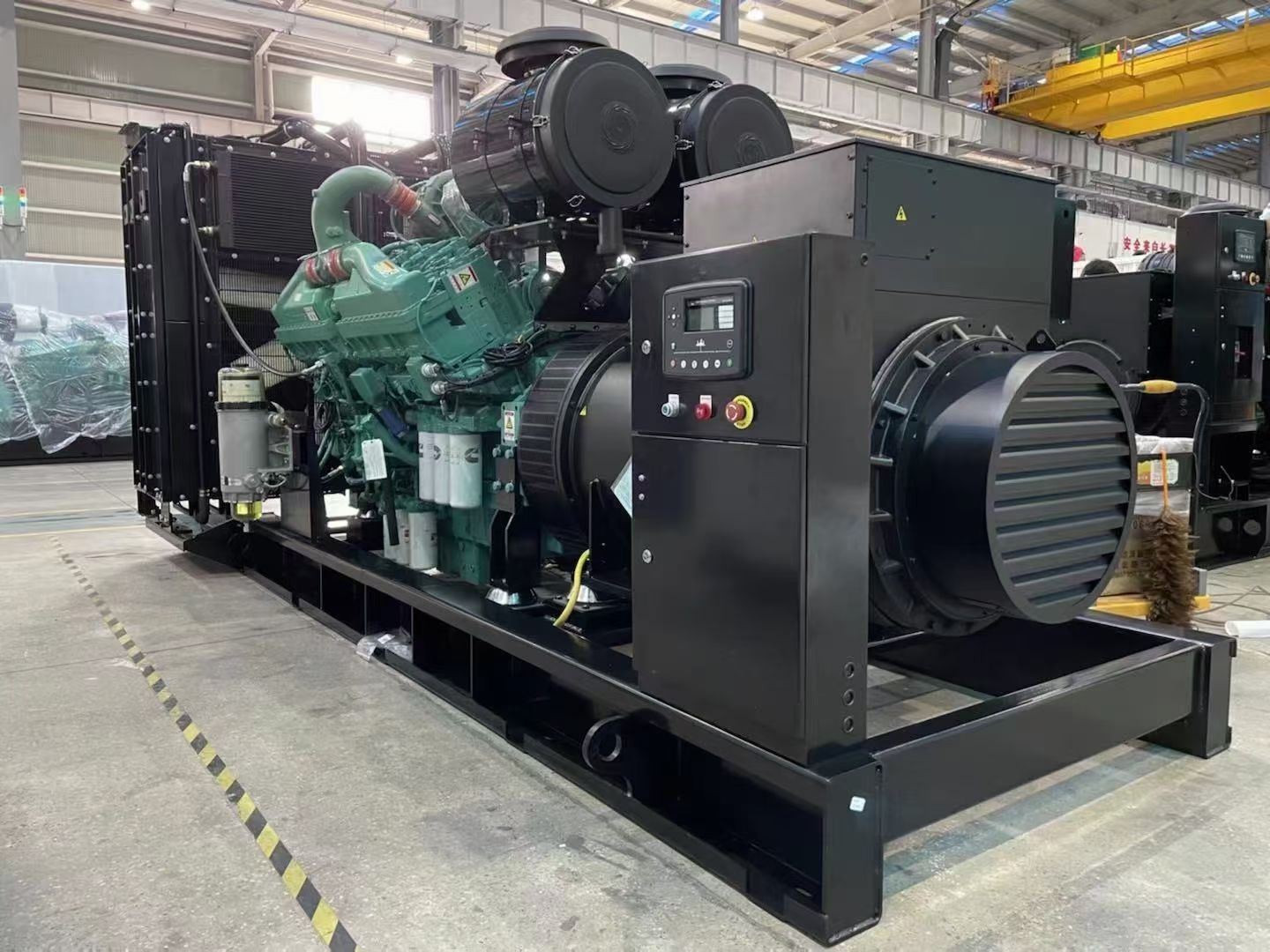
Wear parts move on a schedule you control, so holding them is cheap insurance. A filter that costs a few units prevents a week of downtime, and the maths favours the shelf every time. Long-lead items move on a fault you cannot predict, so holding them ties up capital for months. Split the list where the part cost meets the holding cost, and keep the wear group on site while the long-lead group waits at the depot with a dated release plan.
Depth follows the run profile. A standby set that tests monthly needs one service pack and a float of electricals. A prime set that runs every day needs two service packs and a deeper sensor shelf, because the clock runs faster. A 500kVA frame at 0.8 power factor = 400kW burns the same filter family as the smaller 400kW build, so one shelf can cover both where the engine platform matches. Match depth to run hours, not to the catalogue page count.
How fast can the source deliver?
Delivery speed is the second leg of the source test, and it is where vague promises fail. A source that names a date and a mode is a source; a source that says 'we can source it' is a risk. The clock starts when the set trips, and every hour of delay is lost production or a dark site. NFPA 110 on spare part criticality frame why a dated commitment matters for life-safety loads, because the standard expects the set to be ready, not merely owned. Tesla Power Equipment quotes both air and sea on one line so the buyer chooses the mode, and the choice stays on the order. Ask the source for the mode, the carrier and the date, and write all three on the order.
Air freight buys speed and costs more; sea freight buys price and costs time. A critical AVR or a sensor that restores a hospital wing travels by air, because the downtime cost dwarfs the freight. A crate of filters for a scheduled service travels by sea, because the date is known and the price matters. The source that quotes both modes on one line lets you choose, and the choice belongs to the buyer, not to the desk.
A dated commitment names the dispatch date, the carrier, the transit window and the arrival date at the site gate. It leaves no 'about a week' gap for the road to fill. A source that commits 'dispatch Wednesday, arrive site Monday by road' has planned the lane, not guessed it. Hold every supplier to that format, because the date is the only part of the promise you can measure after the fact.
Why does engine brand change the source?
The engine brand sets the parts family, and the family sets the shelf. A Weichai build, a Perkins build and a Cummins build share almost nothing below the alternator, so the source that stocks one cannot serve the other from the same bin. The alternator brand adds a second axis: the AVR, the brushes and the bearing come from the alternator maker, not the engine maker. A source must name both, because a wrong AVR fits the socket and not the machine. The IEC 60034 rotating machine standards set the frame the alternator sheet was written to, and the sheet is what the spare is matched against. Tesla Power reads the alternator tag and the engine tag as one combination, because a wrong AVR fits the socket and not the machine.
Buy the parts by the combination, not by the set name. Two sets with the same kVA rating can carry different alternators, and the sensor that fits one reads open on the other. The source that asks for the alternator tag and the engine tag before quoting is the source that ships the right box. Write both tags on the order, because the plate on the set and the tag on the alternator are two different lines, and both belong in the spare file.
Generator spare parts source for remote sites
Remote sites flip the rule book, because the road is the risk. A camp two days from the port needs the wear group on site, not in a city warehouse, and it needs a deeper shelf because the next truck is a week away. Generator spare parts for remote sites means holding more, planning further and trusting the depot less. Spare parts for African sites often travel through two borders and a customs step, so the dated commitment must name the border, not just the flight. Build the remote stock as a small warehouse, because the site is its own supplier the moment the road closes. Tesla Power plans the remote depot as a second shelf, not a far-away promise, so the camp does not wait on the port for a wear part.
| Site type | Shelf depth | Dispatch mode |
|---|---|---|
| City standby | Service pack + electricals | Road, same day |
| Remote camp | 2 service packs + float | Air to nearest hub |
| Cross-border | Deep wear + sensors | Air, dated customs step |
The camp holds the parts that fail on a clock; the port holds the parts that fail on a fault. Push the wear group to the camp and keep the long-lead group at the hub with a release plan, because the camp store has a cost ceiling and the hub has the lane. A remote buyer who stocks only at the port waits a week for a filter that should have been in the storeroom. Match the stock to the road, and the road stops being the bottleneck.
Generator spare parts source for the weichai engine
The Weichai platform is common on export sets, and its parts family is wide and well supported. A 400kW set on the WP13 engine shares filters, sensors and a service pack with the rest of the range, so a regional depot can cover many frames from one bin.
Generator spare parts for the weichai engine are easy to source where the depot stocks the WP13 family, and harder where the desk quotes only by set name. Name the engine tag, and the source can pull the right line from a deep shelf. The works builds the 400kW frame on this platform, and the weichai 400kw set ships with the parts family on its file. Yangzhou Tesla Power Equipment Co., Ltd. keeps the WP13 common list on the dispatch file, so the desk pulls the right line without a second call.
The WP13 common parts list
The WP13 common list covers the oil and fuel filters, the air filter, the belt set, the sensor group and the service gaskets, and those move on the service clock. The AVR and the alternator brushes come from the alternator maker, so they sit on a second line of the same file. A buyer who holds the common list plus a float of electricals covers most breakdowns without a phone call, and the desk handles the rest. Keep the list on the wall beside the set, because the wall beats the memory when the set is down.
What documents prove part quality?
A part is only as good as the paper that travels with it, because a box with no file is a guess. The quality file names the part number, the maker, the batch and the test result, and it lets you confirm the box before you fit it. Generator spare parts documentation for export must name the origin and the standard the part was built to, so the buyer can read it at the border.
Generator spare parts quality records for export keep the test result beside the batch, because a record without a result is a blank form. The ISO 8528-1 recurring test reference sets the frame the record is judged against, and the frame is what the part must match. Tesla Power writes the quality record per line item, because a crate of ten parts is ten separate promises, not one.
The quality record per line item
Write the record per line item, not per shipment, because a crate of ten parts is ten separate promises. Each line needs the part number, the maker, the batch date and the test pass, and the buyer should see all four before the box opens. A source that sends the record with the dispatch note proves the part on paper first and in the hand second. The maintenance plan names when the part is due, and the maintenance plan page keeps the service clock that the spare is bought against. Read the record as part of the part, not as extra paper.
How are parts checked before shipment?
The check before shipment is the last gate, and it is where a good source earns the trust. The desk confirms the part number against the order, matches the alternator and engine tags, and inspects the box for the right maker and batch. A pre-shipment check catches a wrong AVR before it crosses an ocean, and that catch is worth more than the freight saved by skipping it. The works runs a documented inspection on every dispatch, and the pre-shipment guide names the points the buyer can ask to see. Request the inspection note with the box, because the note is the proof that the check happened, not just a claim that it did.
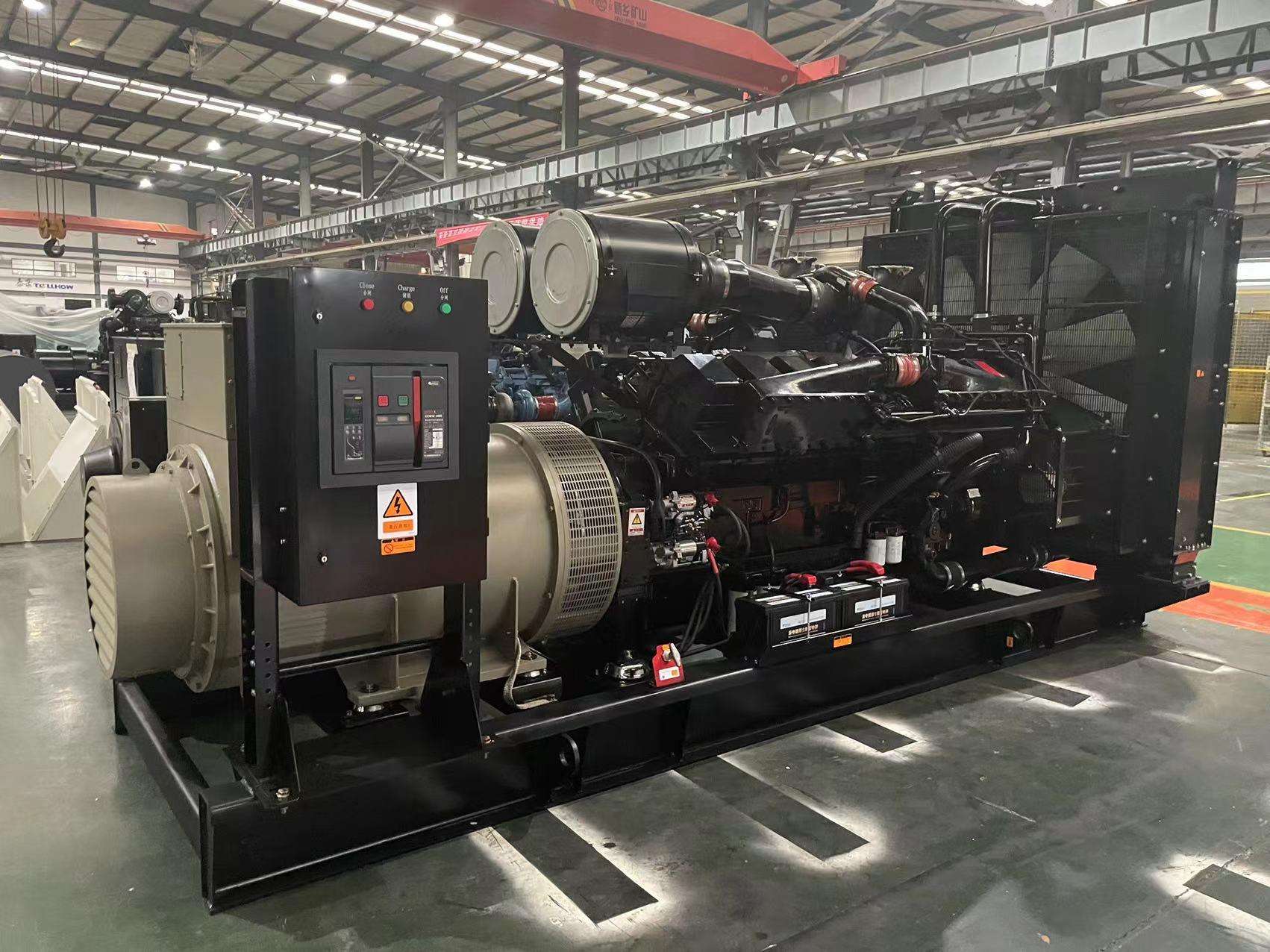
A tight source ships fewer wrong boxes and answers faster when one arrives. The inspection note, the quality record and the dated commitment sit on the same file, and the file is what turns a one-time purchase into a supply you can call at 2 a.m. Tesla Power reads those three lines before a box leaves the works, because a part that fails the check at the desk fails the set at the site. Build your source on the same three checks, and the next breakdown becomes a dispatch rather than a search.
Frequently asked questions about the generator spare parts source
A supplier sells parts; a generator spare parts source proves stock, speed and documents before the sale. The source is the system behind the sale, and the system is what restarts the set. Buy from a source, not merely from a seller.
Hold the wear group: filters, belts, sensors, a service gasket kit and a float of electricals such as the AVR and the battery charger. Those fail on a service clock and are cheap to hold, so the shelf pays for itself on the first breakdown.
Ask for the dispatch date, the carrier, the transit window and the arrival date at the site gate. A source that names all four has planned the lane; one that says 'about a week' has guessed it. Write the four lines on the order.
The engine sets the parts family, and the alternator adds a second axis through the AVR and the brushes. A Weichai build and a Perkins build share almost nothing below the alternator, so the source must stock the family your set carries, not a generic bin.
The part number, the maker, the batch date and the test result should travel with every box. Generator spare parts documentation for export also names the origin and the standard, so the buyer can read the part at the border and confirm it before fitting.
Remote sites need two service packs and a deeper sensor float, because the next truck is a week away. Spare parts bound for African sites often cross two borders, so the dated commitment must name the customs step, not just the flight.
Yes, where the engine platform matches. A 500kVA frame at 0.8 power factor = 400kW shares the filter family with the 400kW build, so one wear shelf can cover both. Match the shelf to the platform, and the count drops with the overlap.
It is the desk confirming the part number against the order, matching the engine and alternator tags, and inspecting the maker and batch before dispatch. The check catches a wrong part before it ships, and the inspection note is the proof the buyer can request with the box.
Building a generator spare parts source is a procurement task, not a parts-list task, and the three checks — local stock, dated delivery and a readable quality file — decide whether a breakdown is a dispatch or a search. Hold the wear group on site, plan the long-lead group at the depot, and demand the inspection note with every box. When the road closes or the set trips, the source you built on paper is the one you call. Last updated 2026-11-10 — the stock levels and lead times above reflect current depot status, so confirm the dated commitment when you request a quotation and keep the maintenance plan beside the order. Tesla Power matches every spare to the file of the set it built, so the box that arrives is the box the machine was built with.