
Generator spare parts for Vietnam sites are a storage and lead-time question before they are a purchasing question. We treat the subject as a first-year stocking guide: what to hold, which items wear by running hours, how a humid coastal climate shortens shelf life, and what the parts file should record against each serial number. Tesla Power builds the sets in Yangzhou and writes the consumables list from the same service records the desk uses for warranty work, so a maintenance team can compare its own shelf against a factory baseline before the first order goes out. The channel from the works to a depot in Southeast Asia runs six to nine weeks door to door. That figure decides the stocking rule on its own. An item with a 500 hour service interval and a six week lead time needs a spare on the shelf at commissioning, not after the first filter comes out. The sections below follow that order.
- Hold first-year consumables against running hours rather than the calendar, because filters, belts, coolant and the controller battery age on different clocks.
- Rack stored spares off the floor in sealed packaging with desiccant, since a humid depot ruins a boxed part as surely as a running engine ruins a worn one.
- Set every reorder point from the slower of two lead times, and keep the list beside the export range the works builds so the kit matches the frame.
Which generator spare parts for Vietnam depots wear out first?
The first year is consumables, not components. Fuel filters come first, then oil filters, then air filters, then the coolant, the fan belt and the controller battery. A depot that holds one full service kit per set covers most of that year. The kit costs little, weighs little and ships inside the same crate as the manuals. Nothing on the list needs a special import permit, which is why the works packs it with the set.
Beyond the kit, the list grows with the site. A set near salt air needs a spare air filter element and a can of contact cleaner. A site that expects long outages needs a second starter battery on the shelf. We size the list from the service schedule rather than from a parts catalogue, because the schedule already reflects the duty the set runs, and the catalogue lists what exists rather than what wears.
Why does humidity decide the shelf life of stored parts?
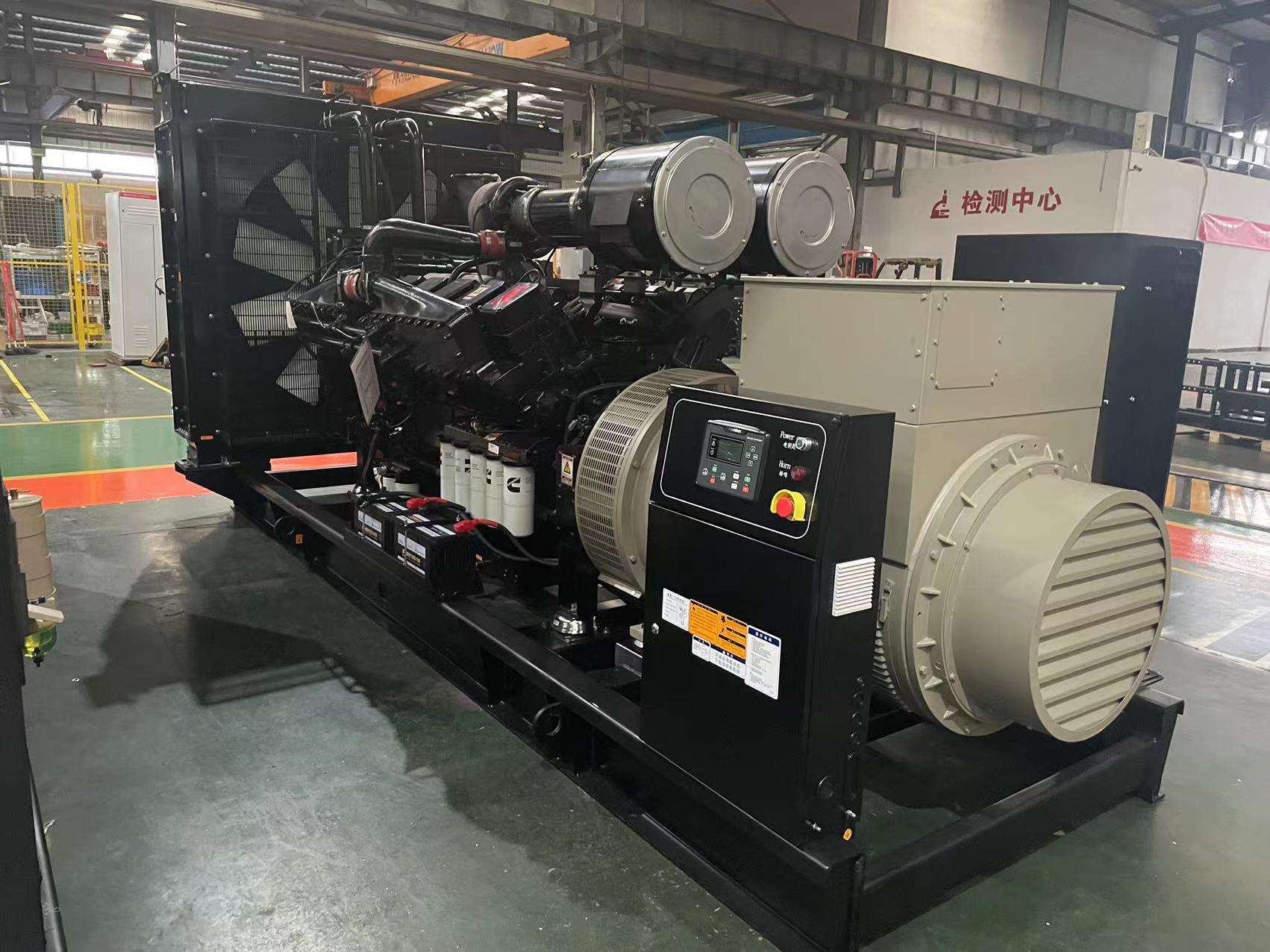
Tropical storage changes the list in three places. Rubber parts age faster in heat, so belts and hoses held for two years arrive harder than the ones fitted at the works. Paper elements absorb moisture, which loads a filter before any air passes it. Unprotected electronics take condensation on the board, and the controller battery is the part that dies quietly in the box.
The storage fix is cheap and boring. Rack everything off the floor, keep cartons sealed until the day of fitting, and drop desiccant into every box. Generator spare parts in tropical storage need that routine more than the set needs oil, because the set runs weekly and shows its faults, while the shelf waits. Rotate the shelf twice a year. A part that is moved and repacked gets inspected by accident, and that inspection catches the swelled carton or the rusted tin before the set needs it.
- Keep cartons sealed and the desiccant tin dated, so the shelf carries its own record.
- Move every part twice a year, because a moved part is a part that gets looked at.
Yangzhou Tesla Power packs electronics and batteries with humidity indicator cards inside the carton, and those small cards tell a storekeeper more than a calendar does. Coolant is the other item the climate touches, and the coolant notes for export builds cover the pre-mix question for a site that stores drums.
How do running hours set the reorder point?
Hours decide the order book. The service schedule marks the interval, the hour meter marks the pace, and the shelf has to sit between the two. The table below is the baseline the works prints for export sets on standby duty.
| Wear item | Typical interval | Shelf spares at a depot |
|---|---|---|
| Fuel filter element | 250 hours | Two per set |
| Oil filter element | 250 hours | Two per set |
| Air filter element | 500 hours | One per set, two near dust |
| Fan belt | 1000 hours | One per set |
| Coolant | 1000 hours or two years | One sealed drum |
| Controller battery | 24 months | One per controller |
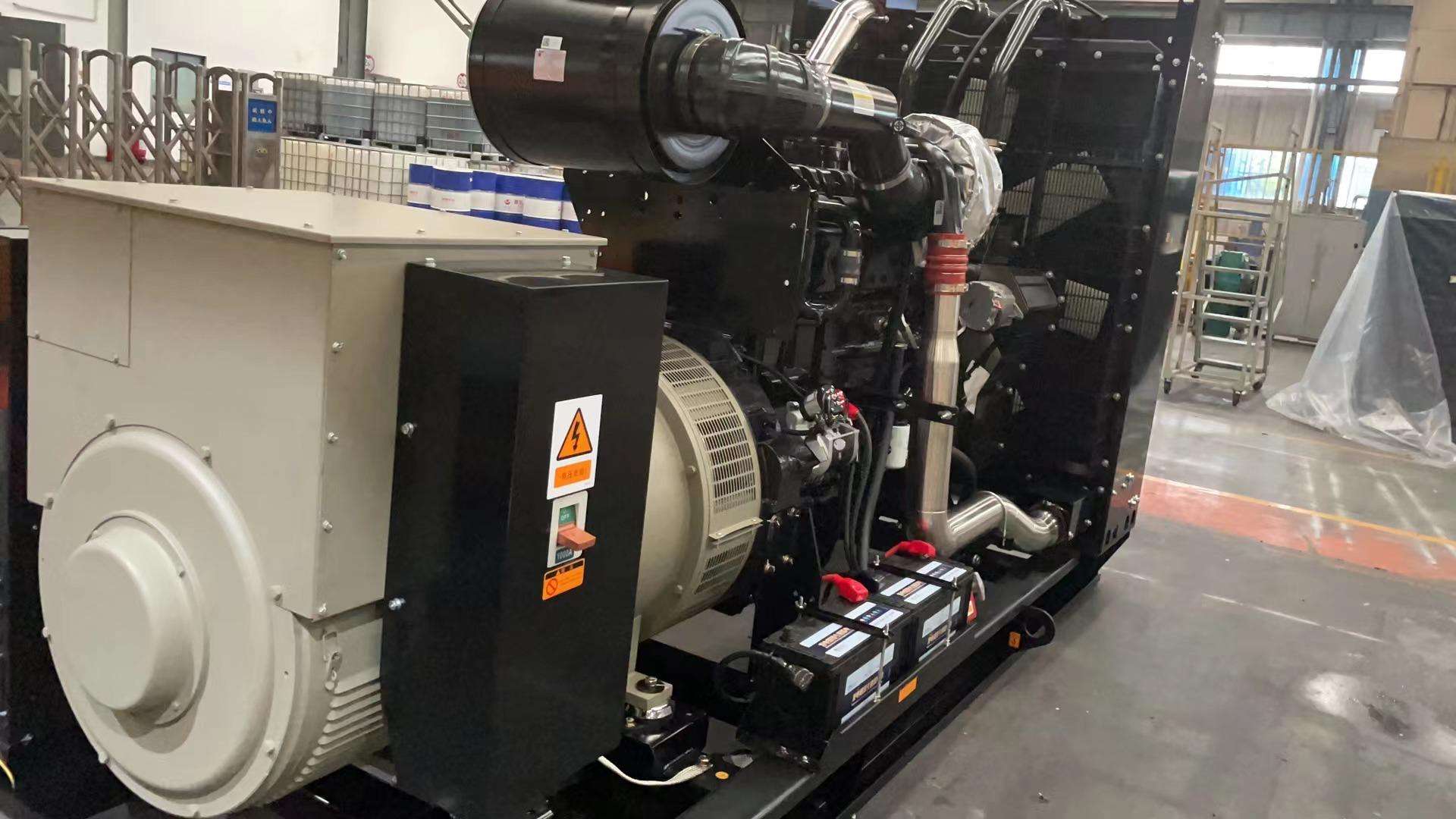
A set that runs 40 hours a week crosses a 500 hour interval in three months. The reorder point is lead time plus one interval, expressed in hours and written on the card next to the shelf. Tesla Power Equipment prints that card with every export order, and the card is what the storekeeper reads rather than the catalogue. The NFPA 110 maintenance table for emergency supplies uses the same logic of interval first, and the NFPA 110 maintenance table is worth a read beside the works schedule.
How long does the lead time run through the export channel?
The channel runs from the works to a Vietnamese depot in six to nine weeks door to door when the item is on the shelf. Production adds four to eight weeks when it is not. Sea freight is the default for cartons. Air freight cuts the transit but not the packing queue, and it rarely pays for a filter that costs little to begin with.
Plan the year against the slower figure. A depot that orders at the reorder point with six weeks in hand holds stock flat. A depot that orders when the shelf is empty has already lost the interval. Write two dates in the parts file for every cycle: the date the order left the works and the date the carton landed at the depot. After four cycles the file shows the true length of the channel, and a quotation for the next batch stops being a guess.
- Order at the reorder point rather than at the empty shelf, and date the card when the order leaves.
- Write the landing date beside it, so the channel length turns into a number after four cycles.
Tesla Power quotes a packing date rather than a shipping date for that reason, because the packing queue is the part of the channel a buyer can actually plan against. A carton that waits two weeks for a slot behind a full set shipment has a different arrival date than the booking shows, and the file catches that gap the second time it happens.
Which frames and kits pair on a real export build?
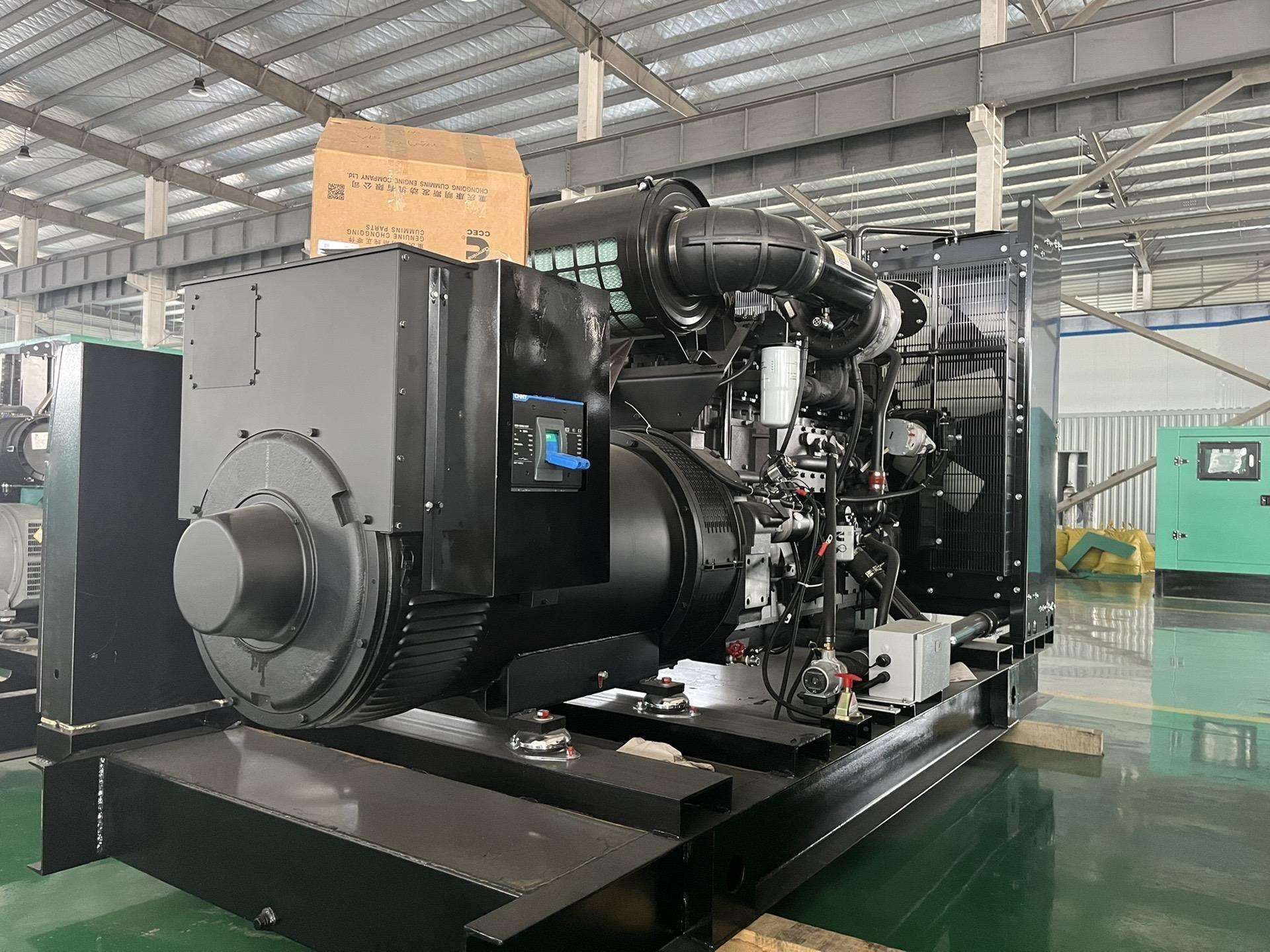
The arithmetic is small and worth writing on the shelf card. A 500kVA frame at 0.8 power factor = 400kW of usable output, and the first-year kit follows that frame rather than the site peak. A 1000kVA frame at 0.8 power factor = 800kW, and the air filter alone doubles in area and price. A 250kVA frame at 0.8 power factor = 200kW, and one shelf bay holds its entire first-year kit. Three frames, three kits, one rule: the kit scales with the frame.
Tesla Power ships the kit inside the same container as the set for that reason. The 500kVA silent export build and its kit arrives with the interval card packed beside the controller, and the crew fits the first spare set of filters at the 250 hour mark without a second order. A controller-led build adds one line to the list, and the controller notes for standby panels list the battery and the fuse kit that pair with it.
Where do buyers source beyond the original supplier?
The original works is not the only shelf. Generator manufacturers in china run parallel parts networks, and Chinese generator suppliers quote filters, belts and controllers for most export frames. Match by part number rather than by photograph, and keep the engine and alternator nameplates in the file, because the part number on the element is the one the second shelf needs.
What should a parts quotation state?
It should name the part number, the quantity, the packing method and the interval the part serves. A line that says filter set tells the buyer nothing two years later, and a 400kW frame shares element sizes with neighbours while differing on the belt, so the exact number is the only safe key. The quotation should also state the shelf life of rubber and battery items, which is where a humid depot gets caught.
Tesla Power answers quotations against the serial file, so the reply names the engine platform rather than a generic size, and the parts arrive labelled to match the shelf card.
What documentation travels with a parts shipment?
Each carton carries a packing list that names the part number, the quantity and the serial it serves. The works adds the conformity papers where the region asks for them, because a conformity assessment for the genset covers the set, while consumables travel under the packing list and the certificate of origin. The certificate of origin also names the rating class, and the operating classes in ISO 8528-1 explain why that class belongs in the file beside the packing list. Keep the two files separate on arrival, since the customs officer reads the second one first.
The parts file itself is the third document, and it stays at the depot. One page per serial, one line per cycle. Tesla Power issues the first page at handover, and the crew extends it from there, which keeps the record alive after the commissioning engineer has left the site.
Which storage mistakes cost the most at a humid site?
Four mistakes repeat across humid depots. Batteries left on a concrete floor discharge and swell. Cartons opened at arrival for inspection and left unsealed admit the monsoon to the shelf. Loose filters stacked without boxes take a set imprint from the ones above them. Pre-mixed coolant stored in clear drums in sunlight grows algae before its second summer, and the parts desk at the works hears about each of these at the first service visit rather than at the store.
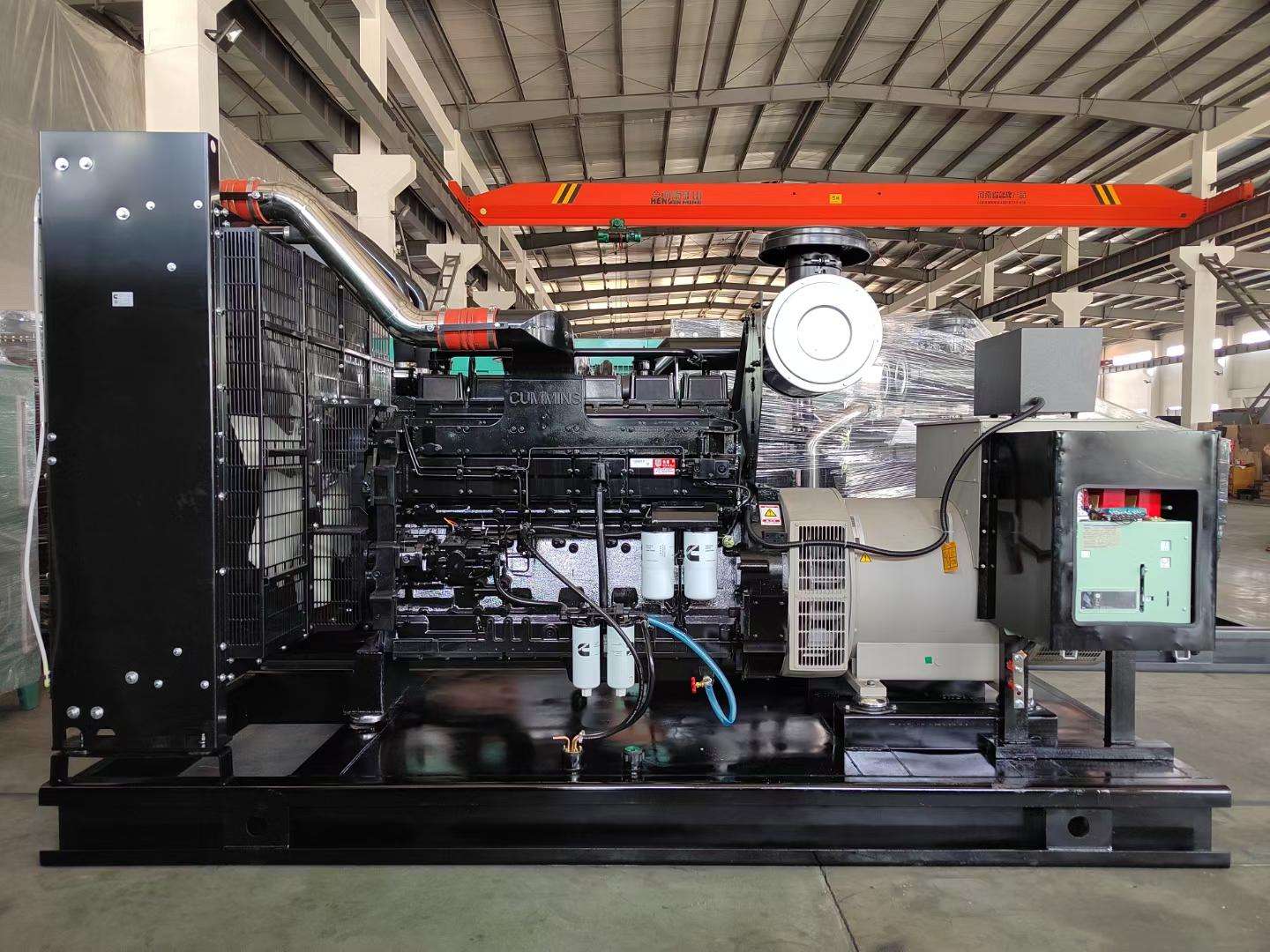
Generator spare parts for humid sites fail on the shelf before they fail in service, and every one of the four costs more than the fix. A rack, a roll of tape and a desiccant tin are cheap against a dead controller battery that holds a set out of service for a month. The maintenance checklist for site crews folds the shelf inspection into the same weekly round as the set, so the store and the engine get read on the same walk.
Frequently asked questions about generator spare parts
One full kit per set, plus one kit for each 500 hours the site expects to run in a year. A set on standby duty rarely crosses one interval, while a set on continuous duty crosses eight. The shelf is a forecast of the hour meter, and the forecast comes from the parts file rather than from habit.
Common elements often can, and the part number on the nameplate decides. Match the number, not the photo, and record the substitution in the parts file against the serial. A local element that fits but differs in micron rating shows up at the next oil analysis, which is a slow way to learn about a fast part.
A sealed lead-acid controller battery holds charge for roughly two years in store, and heat shortens that figure. Buy them with a dated manufacture stamp, rotate the shelf, and charge them on the annual shelf round. A battery that reaches the site dead is the most common silent loss in a humid depot.
Ship concentrate and mix on site with demineralised water. Pre-mixed coolant costs freight on water, and a clear drum in a tropical store ages badly. The mixing ratio stays on the shelf card at 50/50 for most export builds, and the interval card repeats it so the crew does not guess.
The packing list, the part number on the carton and the shelf card line, all three against the engine and alternator nameplates. A photograph of the fitted part with the hour meter in frame closes the loop. The file takes minutes a week and answers the warranty question before the engineer asks it.
The site maintenance team keeps it, and the factory file stays at the works. Tesla Power reads the two against each other at the annual review, because the shelf card shows what the site actually consumed while the works file shows what the duty class predicted. The gap between the two is the next order.