
A bare diesel generator arrives as an engine and an alternator on a base frame, and the list of generator installation parts is everything the site must add before the set carries a load safely. Most export buyers first meet Tesla Power when a bare set arrives short the automatic transfer switch, the fuel tank, the canopy and the cable kit the inspector signs off. The gap between a skid and a working plant is the installation kit, and it is easy to under-order the first time. Our desk builds the bill of materials with the buyer before a quotation leaves the works, because a missing switch or an undersized tank costs less on paper than on a container at the port. Generator installation parts for remote sites need a longer list again: the weatherproof enclosure, the battery charger, the silencer and the base that survives a muddy yard. Read the steps below to map what your set already has against the duty it must serve, then request installation advice from the works so the kit leaves ready the first time.
- List the automatic transfer switch first, because the ATS panel page names the parts a bare set omits.
- Size the day tank and the base frame together, so the set neither starves nor tips.
- Add the weatherproof canopy and the silencer for a remote yard, as the local noise rule expects.
What comes with a bare generator set?
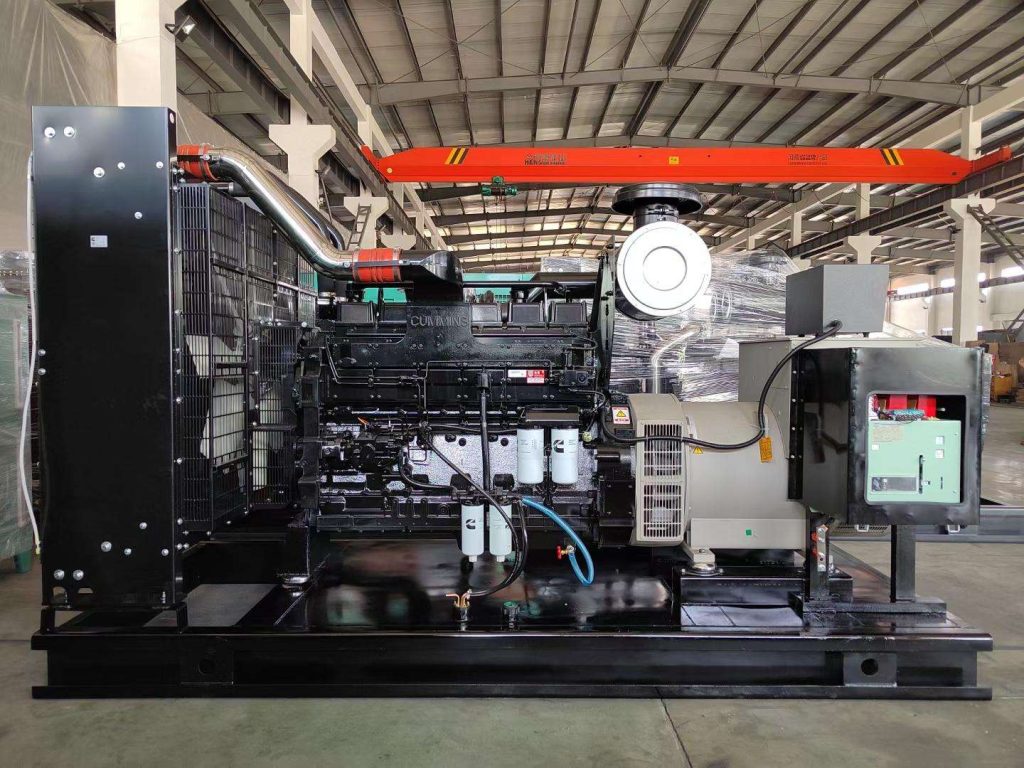
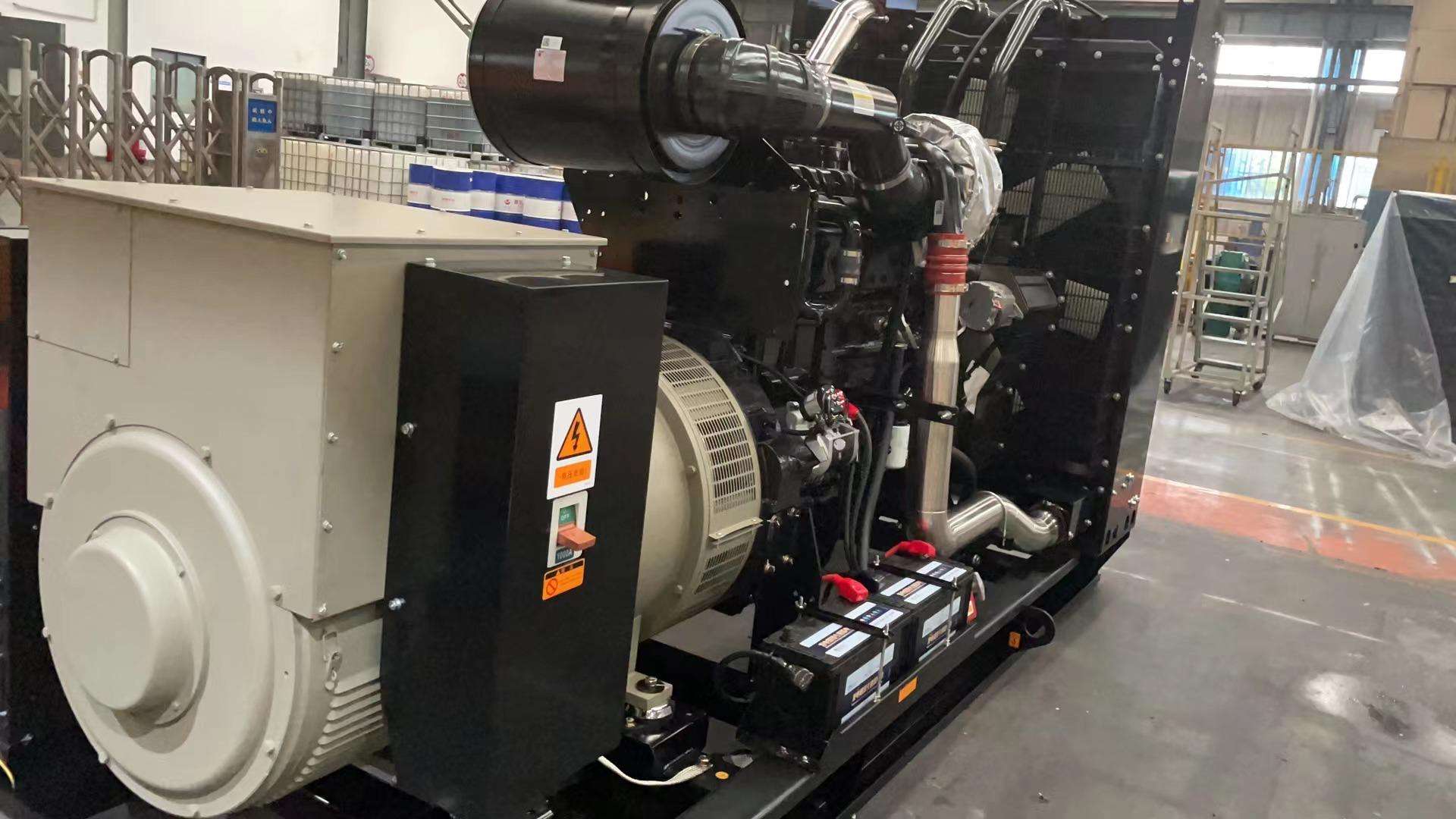
A bare set leaves the factory as a diesel engine bolted to an alternator on a steel base frame, with a radiator, a control panel and a set of anti-vibration mounts already fitted. The engine turns, the alternator makes power, and the panel watches the voltage and the frequency. What the bare set does not carry is everything that stands between that power and a building that stays lit: no transfer switch, no fuel store, no weather protection and no cables that satisfy the local inspector. Buyers who price a bare skid alone often discover the gap only when the container reaches the port, and closing it there costs more than closing it on the quotation.
Generator installation parts manufacturers differ on what they bundle, so the first job is to read the scope line by line before anything ships. A set rated 500kVA equals 400kW at 0.8 pf, and the frame, the breaker and the terminals are built to that duty; the kit around it is a separate line item that some suppliers omit to win the first email. Tesla Power lists the included and excluded items on the same sheet, because a clear scope beats a low headline price when the site is weeks from a working connection.
The base frame holds the engine and alternator in alignment, and it usually carries the daily fuel base tank on smaller ratings such as a 100kVA set that equals 80kW at 0.8 pf. The control panel on the skid reads the output and trips the breaker on fault, and the radiator cools the engine at full load. None of these parts move the load to the building or protect the set from rain, which is why the installation kit is a second purchase rather than a footnote.
Which parts does a remote site need?
A remote site strips away city assumptions. There is no utility feed to fall back on, so the automatic transfer switch matters more, not less. There is no fuel delivery on call, so the tank grows. There is no shelter, so the canopy and the base must stand alone in weather the city seldom sees. The parts list below is the floor, not the ceiling: most sites add a battery charger and a block heater for the cold morning start.
The kit also has to travel. Spare parts for a drive to the port are one thing. A barge to an island is another. The bill of materials should name what rides with the set rather than what the buyer hopes to source later. Generator installation parts in Africa follow the same rule with extra weight on dust, heat and long gaps between service visits, so the enclosure rating and the filter stock are written into the order, not added later.
The parts a yard in Africa cannot skip
A yard that floods or bakes needs the weatherproof enclosure rated for both, plus a secondary fuel filter and a coolant reserve the temperate-climate site might omit. The list is short but each item earns its place, and leaving one out turns a two-day fix into a weeks-long wait for a part that should have travelled with the set.
| Part | Bare set | Remote kit |
|---|---|---|
| Automatic transfer switch | Not included | Included, sized to the load |
| Fuel tank | Base tank only on small ratings | Day tank plus remote bulk tank |
| Canopy | Open skid | Weatherproof, sound-attenuated |
| Battery charger | Manual charge | Float charger, mains fed |
| Silencer | Open exhaust | Residential or critical grade |
The table turns a vague worry into a checklist, and the checklist is what the 500kVA rated canopy ships against when the buyer asks for a turnkey frame. A turnkey frame folds several of these lines into one package, which is why the scope sheet still deserves a slow read even on a frame built to travel.
How does the ATS connect to the set?
The automatic transfer switch sits between the utility feed and the building load, and it moves that load to the generator the moment the mains fails. It reads the utility, opens the utility breaker, signals the set to start, and only closes to the generator once the output is stable at the right voltage and frequency. The wiring runs from the alternator terminals through the generator breaker to the ATS, then from the ATS to the building distribution, and every one of those runs needs the correct cable size and the correct earthing path or the inspector will not sign.
The NFPA 110 emergency power rules set the expectations for how fast that transfer happens and how the system is exercised, and the NFPA 110 rules for emergency power are the reference most export buyers meet when the site is a hospital or a data hall. Tesla Power sizes the ATS to the set rather than to a generic catalogue figure. A switch rated below the starting current trips on the first motor load. The whole point of the installation is lost when that happens.
The generator breaker protects the alternator, and the ATS protects the building, and the two must agree on rating and on the sensing point. A common fault is a sense lead run the long way around the site, which the panel reads as a voltage dip and which the set answers by hunting. Keep the sensing short, keep the earthing single-point, and keep the cable schedule in the same file as the ATS rating so the electrician and the supplier read the same drawing.
Why does the canopy matter for installation?
The canopy is the difference between a set that lives outside and a set that survives outside. An open skid is fine in a controlled hall, but a site that exposes the set to rain, dust and curious wildlife needs the enclosure, and the enclosure changes the installation plan because it sets the footprint, the lifting points and the ventilation path. A sound-attenuated canopy also sets the noise number the neighbour and the permit will judge, so the choice is an installation decision long before it is a comfort decision.
A 500kVA set at 0.8 pf equals 400kW, and that output needs airflow the canopy must route without choking the radiator, which is why the enclosure drawing travels with the set rather than arriving as an afterthought. the IEC 60034 rotating machine standard frames the cooling and enclosure expectations the alternator was built to, and the canopy is the part that keeps the machine inside those limits in the field.
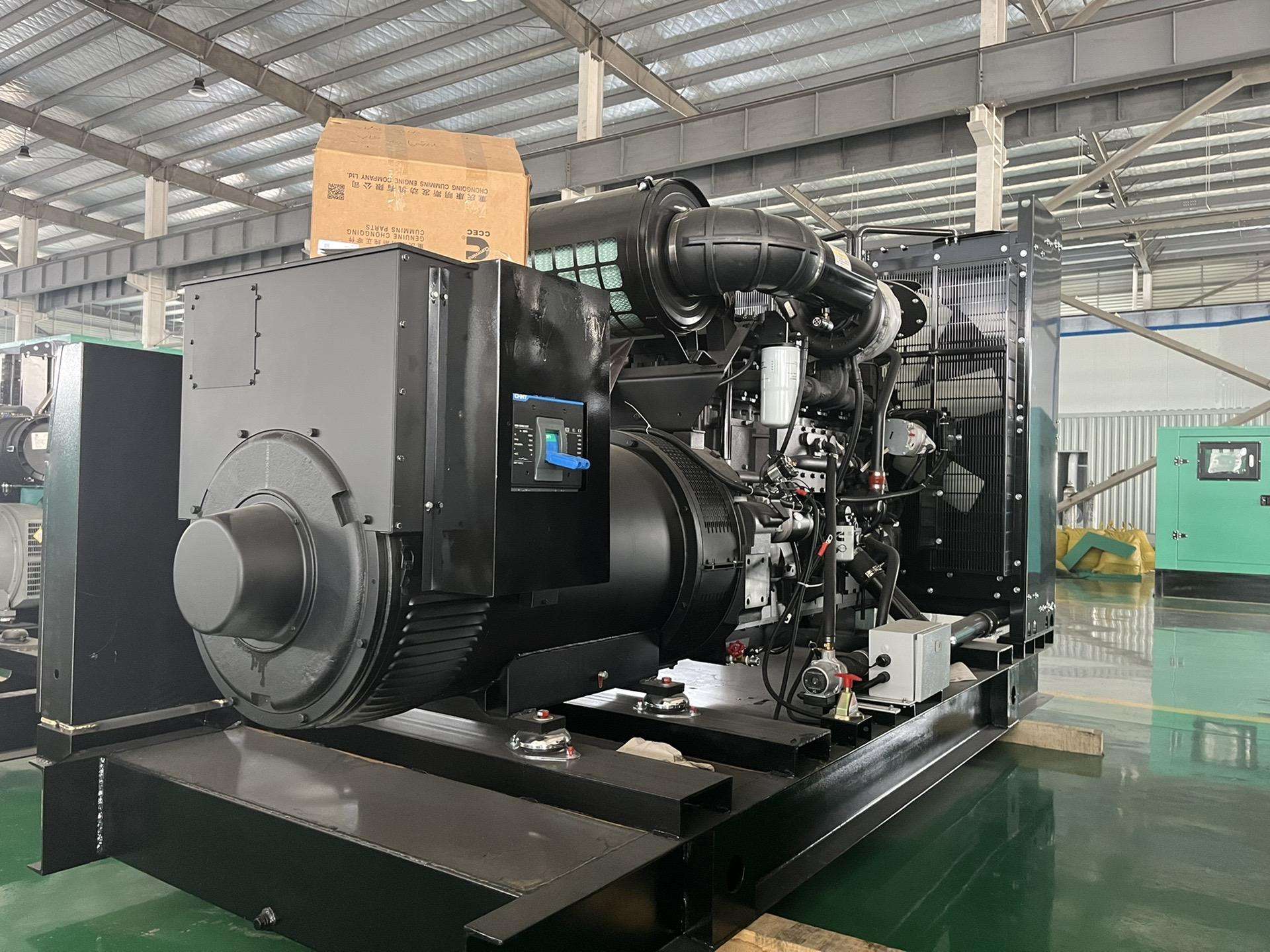
The lift plan follows the canopy, not the skid, because the enclosure is the heaviest single piece and the one with the awkward centre of gravity. Sites that forget this rent a crane sized for the engine and meet a canopy the crane cannot lift, which is the kind of surprise that costs a day and a revision to the installation schedule.
Generator installation parts for remote sites
Remote sites push the kit past the city baseline in three directions at once: more fuel, more protection and more self-reliance. The fuel side grows from a day tank to a bulk tank with a transfer pump, because the barge that brings the set may not return for a season. The protection side grows from a canopy to a container or a housed enclosure rated for the local climate, because the set may sit unvisited for months. The self-reliance side grows from a float battery charger to a solar trickle and a remote alarm, because no technician is around the corner. Buyers who want the company background can open the about page before they place the scope.
Chinese generator installation parts suppliers serve these sites by holding the common enclosures and tanks in stock, which shortens the gap between order and arrival when the buyer cannot wait for a one-off fabrication. Tesla Power Equipment builds the remote kit against the same bill of materials the city set uses, then adds the climate and fuel lines the distance demands, so the frame that reaches the site already carries what the yard cannot source locally. The buyer can request installation advice before the container is booked, and the kit closes in one pass.
Walk the list before the container is booked: transfer switch sized to starting current, bulk plus day tank, weatherproof enclosure, battery and solar trickle, remote alarm, and the lifting and earthing hardware. Each line is a question the site will ask in six months, and the bill of materials is the answer written down while the supplier is still easy to reach.
Generator installation parts for the container build
A container build folds the installation into a box the size of a shipping unit, and the parts list changes because the enclosure is now structural. The set sits on a built-in base, the tank lives beneath the floor, the ATS mounts on the end wall, and the cable tray runs the length of the roof. The buyer trades a little footprint flexibility for a unit that arrives tested, fuelled and ready to drop on a prepared pad, which is why mines and remote camps favour the build.
Container versus open skid build
An open skid is lighter, cheaper and easier to repair in the field, but it demands a building around it. A container is heavier and tighter to work inside, but it arrives as a power room on a truck. The choice is a duty decision, not a price decision, and the parts list reflects it: the container carries its own lighting, ventilation and fire wall that the open skid leaves to the site.
| Build | Enclosure | Tank | ATS | Site work |
|---|---|---|---|---|
| Open skid | None, needs a hall | Base tank | Separate, site fitted | High |
| Container | Built-in, weatherproof | Under-floor bulk | Wall mounted, pre-wired | Low |
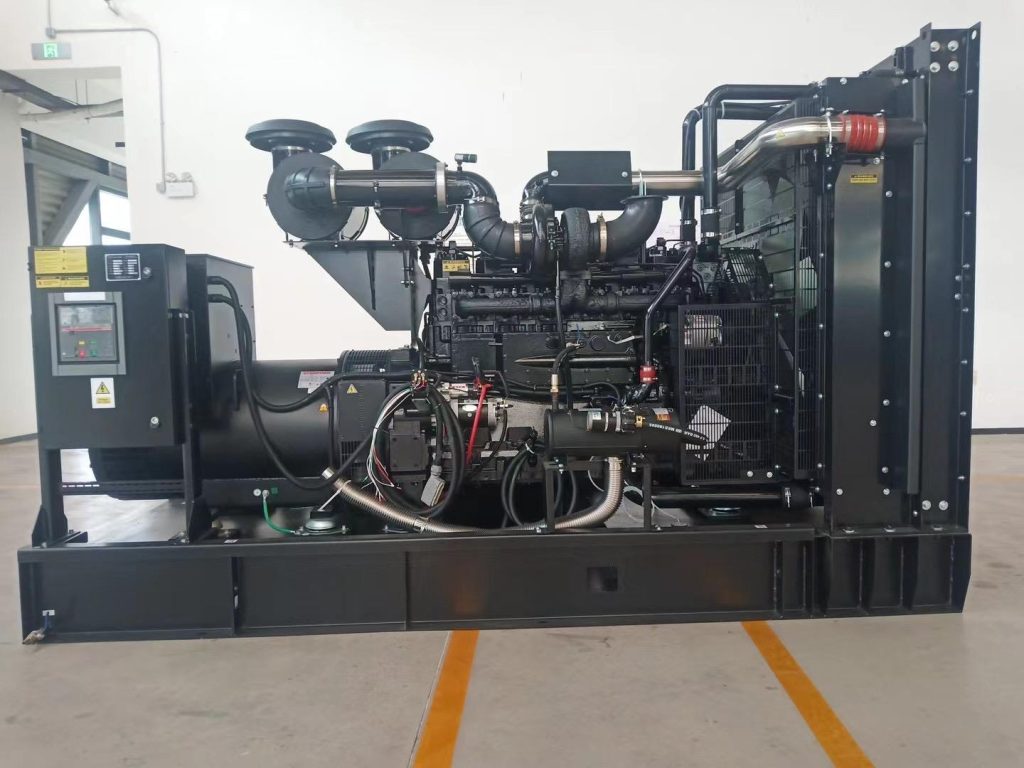
Tesla Power ships container builds with the internal wiring proved on the test bay, so the site work shrinks to the incoming supply and the outgoing load. A 500kVA frame at 0.8 pf equals 400kW fits the standard container width, and the build keeps the same alternator and breaker the open skid uses, which protects the spare parts story the buyer relies on later.
What fuel system parts are required?
The fuel system starts at the engine and ends at the bulk store, and the parts between them decide how long the set runs without a delivery. The day tank feeds the engine through a primary and a secondary filter, a fuel pump moves the fuel, and a level gauge tells the panel when to call for more. The bulk tank adds a transfer pump and a return line, and the whole train needs venting that meets the local fire rule or the tank is a hazard rather than a reserve.
A base tank is part of the skid and suits a set that tops up from a bowser. A day tank sits above the engine for gravity feed. It suits a remote site where the bulk tank is metres away. The choice sets the pump size and the filter count, and it is written into the bill of materials before the tank is cut. Changing it later means cutting steel rather than swapping a drawing.
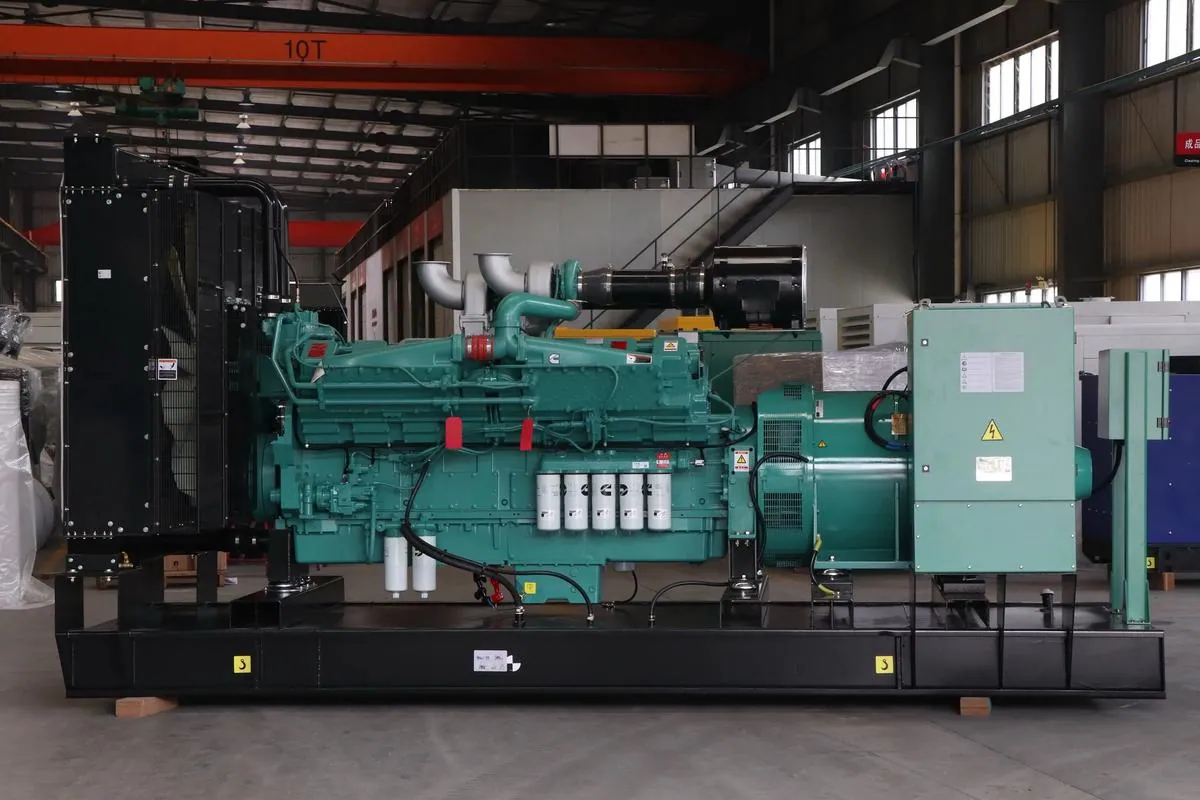
A 400kW set built on the Weichai platform carries the same fuel parts the smaller frames use. That keeps the filter and pump stock narrow for a fleet buyer who follows the maintenance plan page for the service intervals. Tesla Power matches the tank and pump to the engine rather than to a catalogue guess, because an undersized pump starves the set at the moment the load is highest and the mains is already down. A sizing example: a 500kVA frame at 0.8 pf = 400kW on prime duty burns about 90 L/h at 60% load, so 8 hours x 90 L = 720 L a day, and the day tank holds 9 hours of run = 810 L before the transfer pump is called.
How are parts proved before shipment?
Every installation part leaves the works with a test bay result, not just a box. The ATS is operated through its transfer cycle, the tank is pressure tested, the canopy is checked for seal and for lifting point rating, and the cable is continuity proved end to end. The point is to find the fault on the test bay where the fix is free, not on the site where the fix is a shipment and a season.
The file that travels with the set names each part, its rating and the test it passed, and that file is what the buyer opens on arrival to confirm the scope matches the order. Yangzhou Tesla Power Equipment Co., Ltd. keeps the test record against the frame serial, so a part questioned two years later is answered from the same sheet the set was built to. The discipline is the difference between a kit that fits and a kit that almost fits, and the almost-fit is the one that strands a site.
Buyers who want to see the process before they commit can read the construction site guide, which shows how a frame built for a rough yard is proved before it leaves, and the same steps apply to the remote and container builds that share the line.
Which standards apply to generator installation parts?
The set itself answers to the rating standard, and the installation parts answer to the rules around it. The transfer switch and the emergency supply fall under the emergency power expectations. The rotating machine answers to its build standard. The enclosure answers to the local electrical and noise rules. The buyer does not need to read every clause, but the bill of materials should name the standard each part was built to so the local authority has something to check against.
Generator installation parts ce marking requirements apply when the set enters the European market, and the file must show the part carries the mark rather than the promise that it does. Generator installation parts documentation for export is the wider duty: the certificate, the test record and the scope sheet that together let the buyer clear customs and the inspector clear the site. These are requirements on the file, not claims on the brochure; the works treats them as part of the kit, not an extra.
What the pre-shipment file proves
The file proves three things: the part matches the scope, the part passed its test, and the part meets the market rule it was built to. A buyer who holds that file clears a port faster and commissions a site with fewer questions, which is why the documentation is listed on the same line as the steel and the cable.
The rating backbone for the machine is the ISO 8528-1 rating standard, which sets how the set and its switchgear are rated and tested, and most export buyers meet it on the same quotation that names the kit. Tesla Power lists the applicable standard on each part line, because a part built to the wrong rule is a part that fails the inspection it was meant to pass.
Frequently asked questions about generator installation parts
A bare set ships the engine, alternator, base frame, radiator and control panel, and it leaves out the automatic transfer switch, the fuel tank beyond a small base tank, the weatherproof canopy, the cables and the earthing kit. The gap is the installation kit, and it is the part most first-time buyers under-order.
For any set that backs up a building rather than runs alone, the answer is yes: the transfer switch is what moves the load from the utility to the generator without a manual throw, and the emergency power rules expect it on sites such as hospitals and data halls. A set without one is an engine with nowhere useful to send its power.
The tank size follows the run time the site needs between deliveries, not a round number. A city site with daily fuel may need only the base tank, while a remote site may need a day tank plus a bulk tank sized for the longest gap. Size it to the run hours, because a tank sized to the price leaves the set dry at the wrong moment.
For any set exposed to weather, the canopy is required in practice even where the rule book is silent, because rain and dust end a bare set faster than load ever will. A sound-attenuated canopy also sets the noise figure the permit judges, so it is an installation part long before it is a comfort part.
The file should name each part, its rating and the test it passed, plus the scope sheet and the market certificate the customs and the inspector read. The documentation is part of the kit rather than an extra, and a buyer who holds it clears the port and the site with fewer questions.
Each part is operated or pressure tested on the test bay: the switch through its transfer cycle, the tank under pressure, the canopy for seal and lift rating, the cable for continuity. The faults found there are fixed for free, which is the whole point of testing before the container leaves the works.
The supplier who built the set is the right desk to build the kit, because the parts must match the frame the set was engineered to. Tesla Power works the bill of materials with the buyer before the quotation leaves, so the container that reaches the site already carries what the yard cannot source later, and the first connection lands without a second shipment.
Last updated 2026-11-10