
Before a Chinese diesel generator set leaves the works, the papers behind it decide whether the machine clears customs, passes a site inspection and stands up in a warranty question. This guide sets out what a buyer should demand from a supplier, page by page, and how the pages fit together from the offer to the commissioning visit. Tesla Power issues the pack with every set our floor ships, from a 50kVA rental frame to a 1250kVA container build, because a document that reaches the port late protects nobody. We read the file from the factory side, and the order of the pages matters as much as the pages themselves. Seven documents carry the weight. Each one does a job no other page covers. A missing page is found at the worst moment, which is usually the gangway rather than the office where it can still be fixed, and the fix costs a week.
- Ask for the declaration of conformity first, and read the export range the factory builds against it.
- Demand the factory test record with the figures signed, not a cover sheet without numbers.
- Pin the rating to ISO 8528-1 so two offers on the same frame can be compared line by line.
- Name the emission stage for EU-bound sets before the container is booked, not after.
What documents should a Chinese diesel generator set buyer demand?
Seven pages make up the core pack: the declaration of conformity, the factory test record, the data sheet that states the ISO 8528-1 rating basis, the engine emission certificate, the packing list, the certificate of origin and the commissioning sheet. Every one of them is issued by the factory rather than by a trader, and a buyer can ask to see blank versions before the order is placed. Most Chinese diesel generator manufacturers print these pages as a matter of routine, so a supplier who hesitates has answered a question.
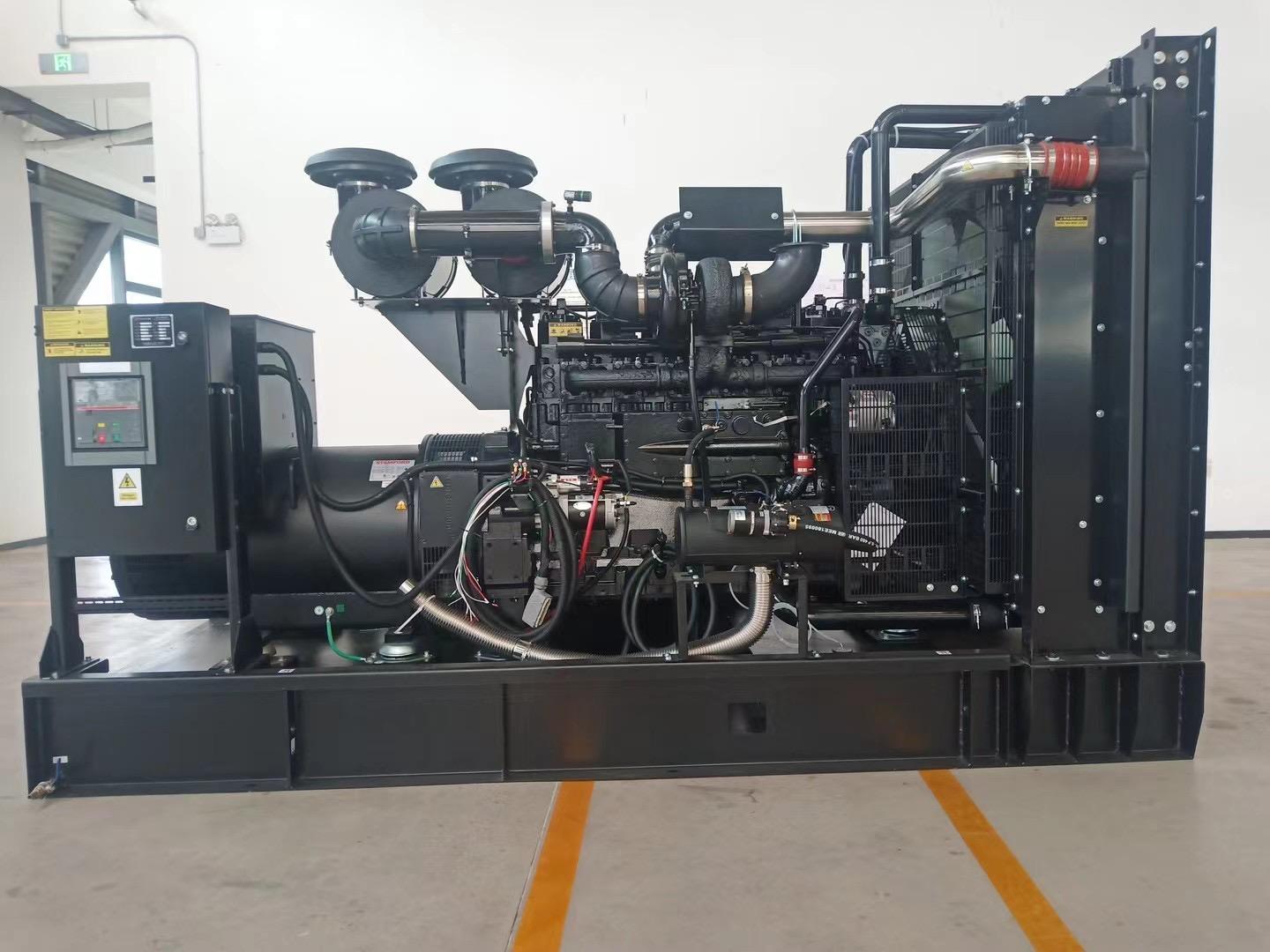
The pack changes shape with the destination. A set for the European Union carries the emission stage pages and the noise declaration, while a set for a mine in West Africa carries derating and fuel quality notes instead. Among Chinese diesel generator suppliers in China, the difference between a factory and an assembly shed shows in who signs the test record, and Tesla Power signs its own rather than borrowing an inspector, so read the signature block before the price.
Why the declaration of conformity opens the file
The declaration of conformity is the page every later document is read against. It names the directives the set was built to, the standards applied, and the legal entity that takes responsibility for the build. An inspector at the port reads it first, because it tells him which other papers should follow and what each one of them has to show. Without the declaration, the CE marking on the frame is decoration.
A declaration is only as strong as the standards it names. The machinery directive, the low voltage directive and the noise directive each cover a part of the set, and a page that names none of them protects nothing. Where the wording is vague, the CE marking file for export sets shows what a complete declaration reads like before the order is signed rather than after the vessel sails.
What does the factory test record have to show?
The factory test record is the page a warranty question is read against, and it has to carry figures rather than statements. A record that says tested and passed proves nothing. The figures that matter are the voltage at each phase, the frequency at full load, the load steps applied, the coolant and oil temperatures at the top step, and the duration at each step. Our practice is to hold 85% of the rating for one hour before the step to full load.
| Record line | What it has to show | What a buyer reads from it |
|---|---|---|
| Load steps | 25%, 50%, 75%, 100% of the rating | Whether the set was worked, not just started |
| Frequency and voltage | Figures at each step, not one line | How the set holds under load |
| Temperatures | Coolant and oil at the top step | Whether cooling was sized for the climate |
| Duration and date | Hours run, signed and dated | Who took responsibility, and when |
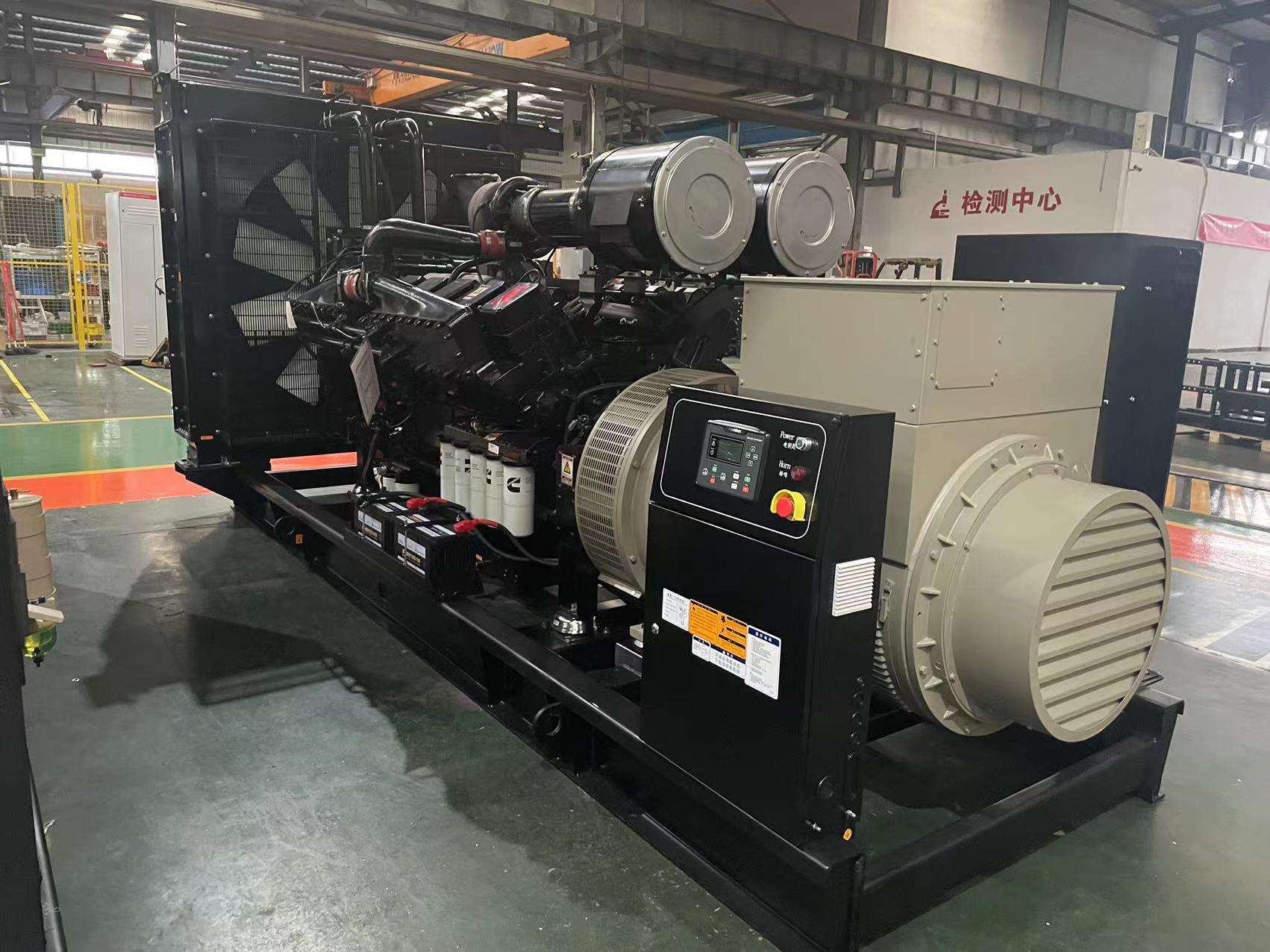
A record printed on a sheet without a signature block, an engine serial number or a date is a sales page wearing a lab coat. Tesla Power Equipment signs each line of the record against the frame serial number, and the same serial appears on the declaration and the nameplate. Three signatures on three pages that name one machine is what a port inspector calls a file.
Which rating basis does ISO 8528-1 fix on the plate?
ISO 8528-1 is the standard that turns a number on a plate into a duty the engine can hold. The standard defines the classes, and the two a buyer meets daily are standby and prime. Standby allows the set to carry the load for the duration of an outage at a variable profile. Prime allows the set to run as the only source, at a variable load, for unlimited hours a year.
The rating class has to match the duty a buyer ordering a Chinese diesel generator set for standby duty actually plans, and the plate has to name the class beside the figure. A 500kVA frame sold as prime when the site needs standby costs more than the job needs. A frame sold as standby to a site that runs it eight hours a day will not reach its service life. The ISO 8528-1 classes are worth reading before the offer is signed.
- Standby on the plate and standby on the site: the two have to match.
- Prime on the plate with a standby site means capacity paid for and left unused.
- No class on the plate means the rating is open, and an open rating cannot be scored.
Where the offer omits the class, ask for it in writing. The arithmetic is fixed at the works: at 0.8 power factor a 500kVA frame carries 500kVA × 0.8 = 400kW, and that figure is what the site load list has to stay under at that factor. The three-phase 500kVA data sheet shows the format to demand: Tesla Power prints the class beside the rating, so a tender evaluator scores the offer without writing back to the supplier.
Which emission stage applies to EU-bound generator sets?
A set placed on the European Union market is non-road mobile machinery, and the engine inside it carries the emission stage, not the set as a whole. Regulation (EU) 2016/1628 sets the stages, and the current stage for most new placements is Stage V. The certificate that proves it belongs to the engine, so the buyer needs the engine emission certificate with the engine serial number, matched to the engine fitted to the frame.
Stage matters for two reasons at the port. Customs can hold a set whose engine certificate names a stage that no longer admits the machine, and a site inspector can refuse a connection where the air quality permit names a stage. The documents the EU importer must keep on file include the engine certificate and the declaration, and an importer who cannot produce them pays for the storage while the file is reprinted.
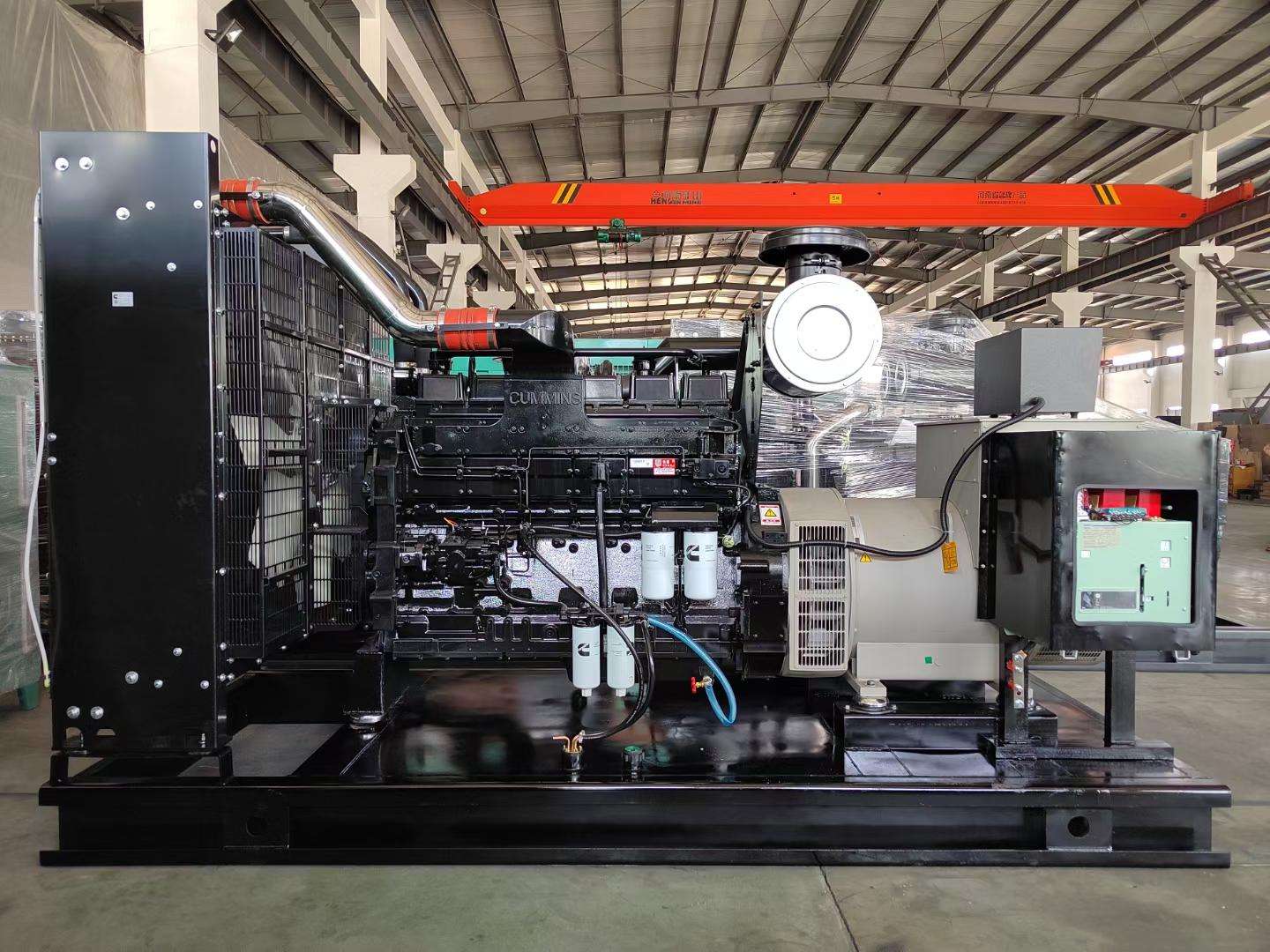
Tesla Power fits the engine the offer names, and the serial on the certificate is read against the engine on the frame before the container doors are closed. That single comparison prevents the most common mismatch in the trade, and it costs one minute with a torch.
Do papers differ for mining sites and humid coastal ports?
A Chinese diesel generator set for mining sites runs where the air carries dust and the fuel quality swings, so the file should carry the derating note for altitude and ambient, the air cleaner specification and the fuel guidance page. A set that arrives without the derating note cannot be set against the site conditions, and the inspection at a mine rarely waits for a reprint.
A Chinese diesel generator set in humid coastal ports faces a different enemy, which is salt in the intake air and condensation inside the alternator while the set waits on the dock. The file for that destination should add the alternator insulation class, the anti-corrosion note on the base frame and the space heater fitted to the winding. Neither page changes the rating. Both pages change how long the machine lasts before its first rewind.
Which documents clear shipping and customs at the port?
The packing list and the certificate of origin do their work at the port, and they are the two pages a broker asks for first. The packing list has to name every crate, the serial numbers inside each one and the gross weights, because a container opened for inspection is read against that page alone. The certificate of origin states where the set was made, and the chamber that stamps it records the file behind the stamp. Tesla Power issues both pages with the serial block pre-filled, because a handwritten serial is the line a customs officer underlines.
| Document | Issued by | What it lets the buyer do |
|---|---|---|
| Packing list | The factory shipping office | Match crates to serials at the port |
| Certificate of origin | The issuing chamber | Clear customs at the agreed duty rate |
| Bill of lading | The carrier | Take delivery without a remark on the file |
| Commissioning sheet | The service crew | Start the warranty clock on a dated record |
The commissioning sheet closes the file at the far end. It records the load the set carried at handover, the voltages taken at the terminals and the ambient that day, and the service crew signs it beside the site representative. A warranty question starts from that page. The works behind the document pack keeps a blank sheet on file, so the format can be read before the crew ever lands.
How do buyers run conformity assessment for the genset file?
Conformity assessment for the genset is mostly a paper exercise with a machine at the end of it. The buyer reads the declaration against the standards it names, the test record against the rating on the plate, and the engine certificate against the engine serial on the frame. Three reads, and each one takes minutes when the file is honest.
Where a third-party report is offered, read its scope before its logo. A report that covers the alternator alone says nothing about the engine, and a report on the engine says nothing about the controller. The scope of each report belongs on its first page, which is the convention worth demanding from any bidder. The plate repeats the same discipline, where the rating, the class and the serial number read as one line against the file.
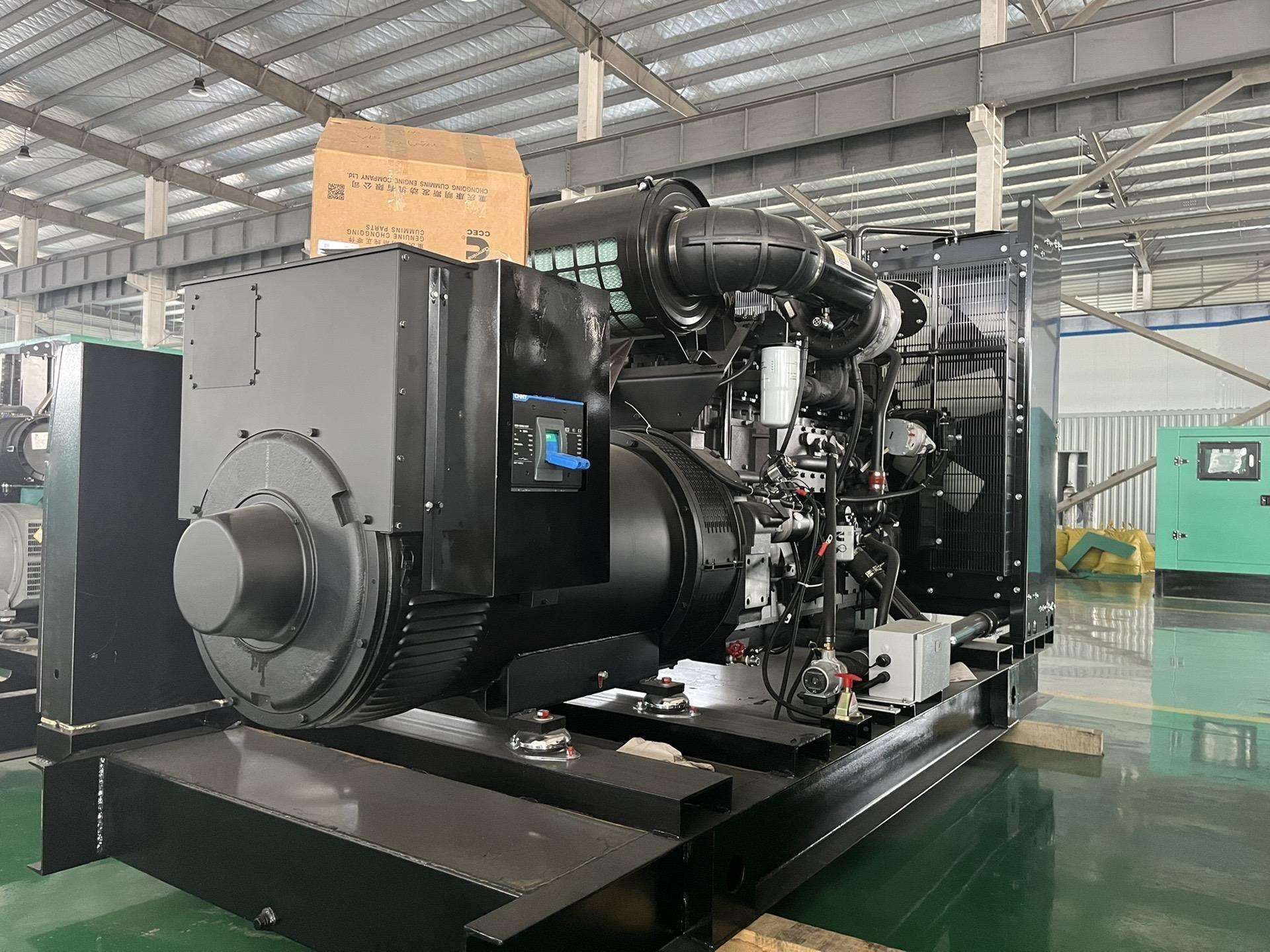
Tesla Power Equipment issues the pack in the order this guide follows, and the reply to a document request arrives as a schedule rather than as loose scans. For alternator standards the file references the IEC 60034 series, which covers the machine the rating sits on. Send the destination and the duty to the quotation desk for export sets, and the pack comes back assembled for that destination.
Frequently asked questions about the export document pack
Only the entity that places the set on the market can sign it, which a trader may be in law. The risk sits deeper in the file: the test record and the engine certificate have to come from whoever built and tested the machine. If those pages are missing, the declaration stands alone, and inspectors read a lone declaration as a weak file.
Two to four pages carry a full load step record for most frames. The count matters less than the figures: every load step with its voltage, frequency and duration, temperatures at the top step, and a signature against the frame serial number. A single page with one line is a summary, and a summary is not a record a warranty claim can rest on.
The core seven pages are the same, and the larger frame adds pages rather than replacing them. A 1000kVA build usually adds the alternator data sheet, the controller manual and, where the destination requires it, a third-party scope page. A 250kVA set for a simple site can travel on the core pack, provided the rating basis and the engine stage are stated inside it.
The commissioning sheet, more often than any other. Buyers chase the certificate of origin and the declaration, then accept the set at handover without a dated record of what it carried on its first run. Tesla Power prints the sheet in the pack for that reason, and the crew fills it before the truck leaves the site.
Before the balance payment, not before loading. A buyer who reads the file while the set is still on the floor can reject a page and have it reprinted in a day. The same defect found at the port costs a vessel, a demurrage bill and a negotiation nobody wanted. Ask when the pack will be complete, and hold the payment to that date.
No, and the destination decides. European Union ports need the engine stage certificate and the noise declaration. Many African and Middle Eastern destinations ask for the stage as information rather than as a condition, and a few set their own limits on sulphur and fuel. State the destination on the enquiry, and the pack follows the destination rather than a template.
The buyer keeps the original file, and a copy belongs with whoever holds the maintenance contract. Yangzhou Tesla Power archives the factory copy against the frame serial, so a lost page can be reissued years later from the same record. Keep the commissioning sheet with the maintenance log rather than in the office drawer, because that is the page a service visit reads first.