
A generator maintenance plan is the schedule that keeps a diesel set ready between outages, and it starts at commissioning rather than at the first fault. The plan names the service interval for each consumable, sets the running-hour thresholds a crew follows, and ties the checks to the install so nothing falls between the two. Tesla Power writes the plan beside the commissioning report for every export order, so the interval matches the duty the set actually runs. A 500kVA set rated at 400kW at 0.8 pf and a 100kVA frame rated at 80kW at 0.8 pf need different intervals, and the plan records both. A generator maintenance plan also tells the buyer which spares to hold and when to call the works. Follow the steps below and request a quote from the works before the order is cut, because the plan travels with the set as the handover file.
- Read the nameplate before you write the interval, then match the set to a 500kva silent diesel set that fits the duty the site runs.
- Set the running-hour thresholds first, because the calendar interval alone misses the sets that run hard between services.
- Hold the spares the plan names, not the spares a catalogue suggests, so the stop is short when it comes.
- Tie the plan to the install layout, so the service crew reaches every point without stripping the canopy.
What does a generator maintenance plan cover?
A generator maintenance plan covers the checks that keep the alternator, engine and controls inside their design limits across the service life. It names the service interval for oil, filters, coolant and the battery, and it sets the running-hour thresholds where a bigger job begins. The plan also lists the readings a crew records at each visit, because the numbers, not the memory, prove the set was cared for. Most generator maintenance plan manufacturers quote a generic sheet, while the useful plan is built from the nameplate and the duty the set sees.
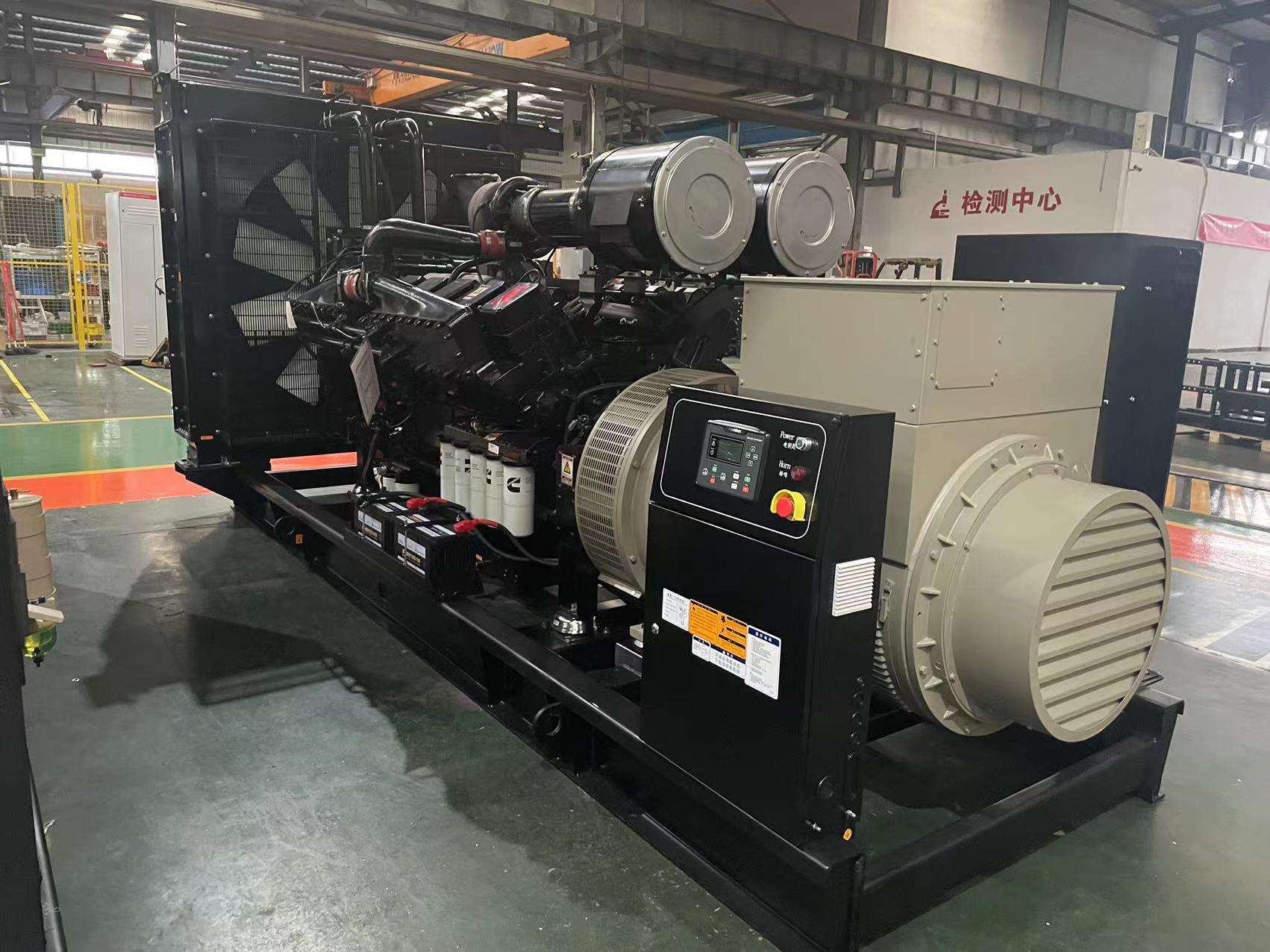
The light checks catch the faults that grow between services. Walk the set each day for coolant level, oil stain, fuel level and the alarm list on the controller. Weekly, run a standby unit on load for thirty minutes and log the voltage and frequency it holds. These readings give the trend line a crew reads before the annual service, and they are the cheapest evidence a buyer can keep. Tesla Power treats the daily log as the first page of the handover file.
Above the daily checks sit tiers keyed to running hours. The 250 hour tier changes oil and the primary filter elements. The 1000 hour tier inspects the valves, the belts and the battery. Each tier has a record the crew signs, and the record is what a buyer shows the insurer after a claim. Read the tiers against the maintenance plan page before you set the site calendar, because the tiers decide how many crew visits the year needs.
Which intervals suit a new site?
A new site has no trend line yet, so the plan starts from the nameplate and the load profile rather than from history. A set that runs eight hours a day reaches the 250 hour mark in five weeks, while a standby set may take a year to log the same hours. A worked example: a 500kVA set at 0.8 pf = 400kW running eight hours a day at 60% load burns about 90 L/h, so 8 hours x 90 L = 720 L a day, and the 250-hour oil service arrives in five weeks while the 2000-hour valve check lands near ten months. The calendar and the running-hour clock must both appear on the plan. The tighter of the two triggers the service. Chinese generator maintenance plan suppliers often bundle the first service into the handover, which gives the site a clean first record to build on.
Intervals set by running hours
Running hours drive the consumable changes. Oil and filters wear with use, not with calendar time. The table below maps the common export frames to the thresholds a works typically writes. The exact figure sits on the build sheet, and the plan records it beside the set serial.
| Frame | Rating | Oil and filter | Valve and injector |
|---|---|---|---|
| 50kVA | 40kW at 0.8 pf | 250 hours | 2000 hours |
| 100kVA | 80kW at 0.8 pf | 250 hours | 2000 hours |
| 200kW | 200kW | 300 hours | 2500 hours |
| 500kVA | 400kW at 0.8 pf | 300 hours | 2500 hours |
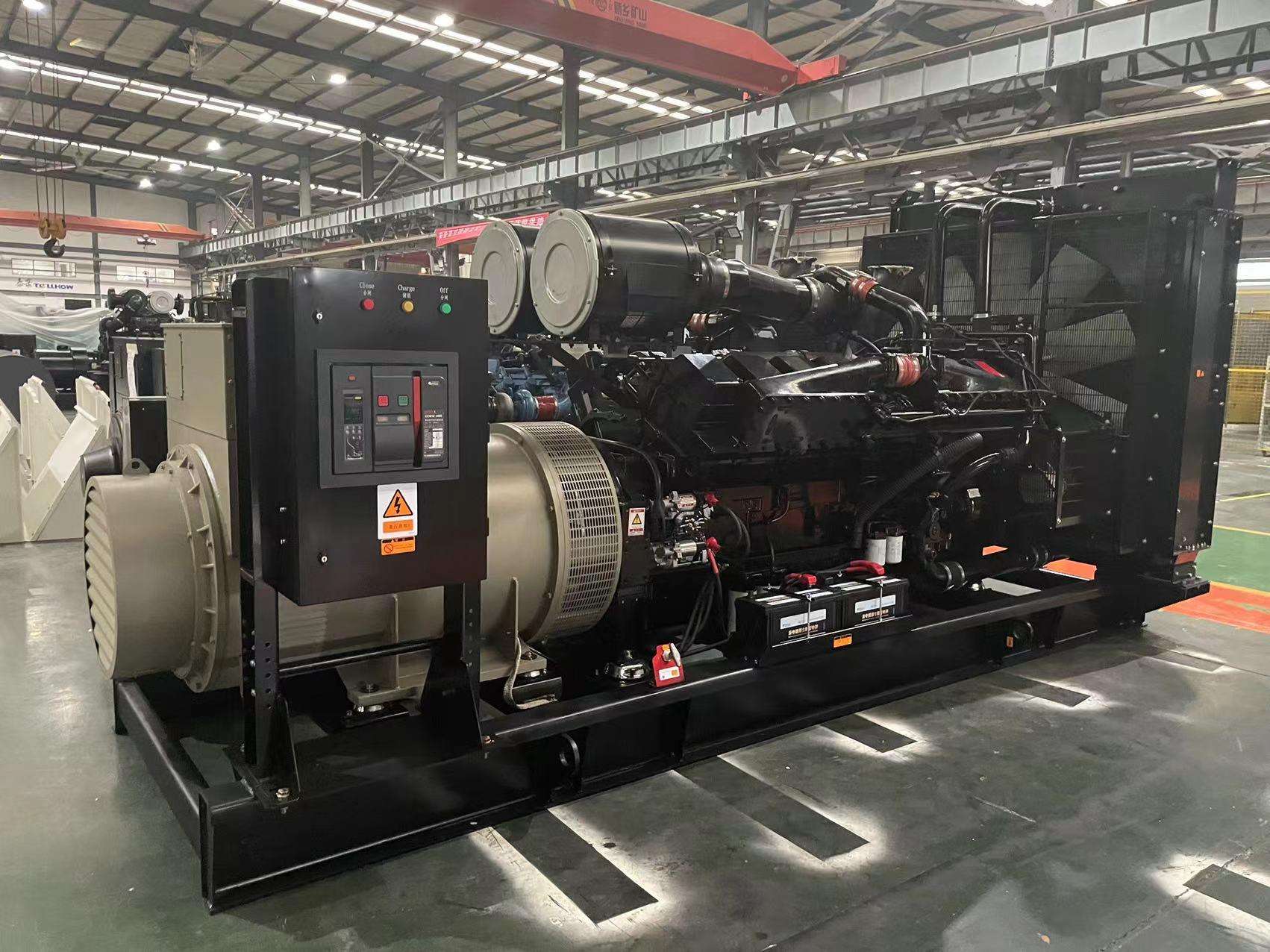
The calendar protects the parts that age while the set sits idle. Coolant loses its inhibitor. The battery self-discharges. The fuel can grow a biofilm even at zero running hours. A standby set therefore gets a calendar service even if the hour clock has not moved, and the plan prints both clocks so neither is missed. The works prints the calendar marker on the same line as the hour marker so the crew reads one sheet.
How does the plan link to installation?
The plan and the install are one job split across two dates, and the plan is only as good as the layout the install leaves behind. A set placed against a wall with no clearance cannot be serviced without a struggle, and a set whose drain points sit over a pit needs the pit in the plan. The install decides the access, the lift points and the fuel route, and the plan records them so a strange crew can work the set on night shift. Yangzhou Tesla Power Equipment Co., Ltd. writes the install notes into the same file as the service tiers, so the handover carries both.
The install layout the service needs
Three layout facts belong in the plan before the canopy is bolted. First, keep a metre of clearance on the service side for the filter change. Second, route the fuel and the battery so a swap does not mean a strip-down. Third, mark the lift points and the drain so the overhaul crew arrives with the right gear. The ATS adds a second service zone, and the ATS wiring page names the point where the transfer test meets the plan. A site drawn this way turns a planned visit into a short one.
Why do remote sites need a tighter plan?
A remote site cannot wait a week for a part, so the plan carries more spares and shorter intervals than a city install. The road sets the buffer: a set four days from stock holds two of every consumable, a port-side set holds one. The plan also shortens the calendar marker: a wet-season failure stays failed until the road reopens. Generator maintenance plan in remote areas therefore reads like a standby plan with extra margin. Emergency standby power carries its own expectation, and the NFPA 110 monthly test rule is the marker buyers cite for the tighter interval.
The tighter plan also names a local contact who can read the controller log, because the works cannot fly out for a loose terminal. Train that contact at handover, and the plan becomes a skill on site rather than a document in a drawer. Tesla Power bundles the contact training into the first service so the remote crew is ready before the nearest engineer is called.
Generator maintenance plan for a new site
A generator maintenance plan for a new site opens with the commissioning week, because that is when the baseline readings are taken and the file begins. The commissioning team records the no-load voltage, the loaded frequency and the oil pressure, and those numbers become the reference every later service is measured against. The plan then carries the set from the first start to the first major service without a gap, which is the part most buyers forget to ask for. A set handed over without this file starts its life with no proof of health.
The commissioning week loads the set in steps, logs the readings at each step, and confirms the ATS transfer under load. The crew also dates the first filter and the first oil; those dates set the interval clock. The plan captures the load bank result, the fuel spec and the battery type as the top sheet of the handover dossier, and the works prices the next contract against that record.
Generator maintenance plan for the mining fleet
A generator maintenance plan for the mining fleet treats several sets as one pool rather than as separate machines. The plan rotates the spares across the fleet, shares the service crew between sites, and balances the running hours so no single set runs hot while others idle. The fleet view also smooths the parts buffer: a shared float of filters and belts covers more sets than the same stock split per machine. Mining buyers usually run the sets hard and long, which is why the mining guide ties the duty profile to the interval the plan prints.
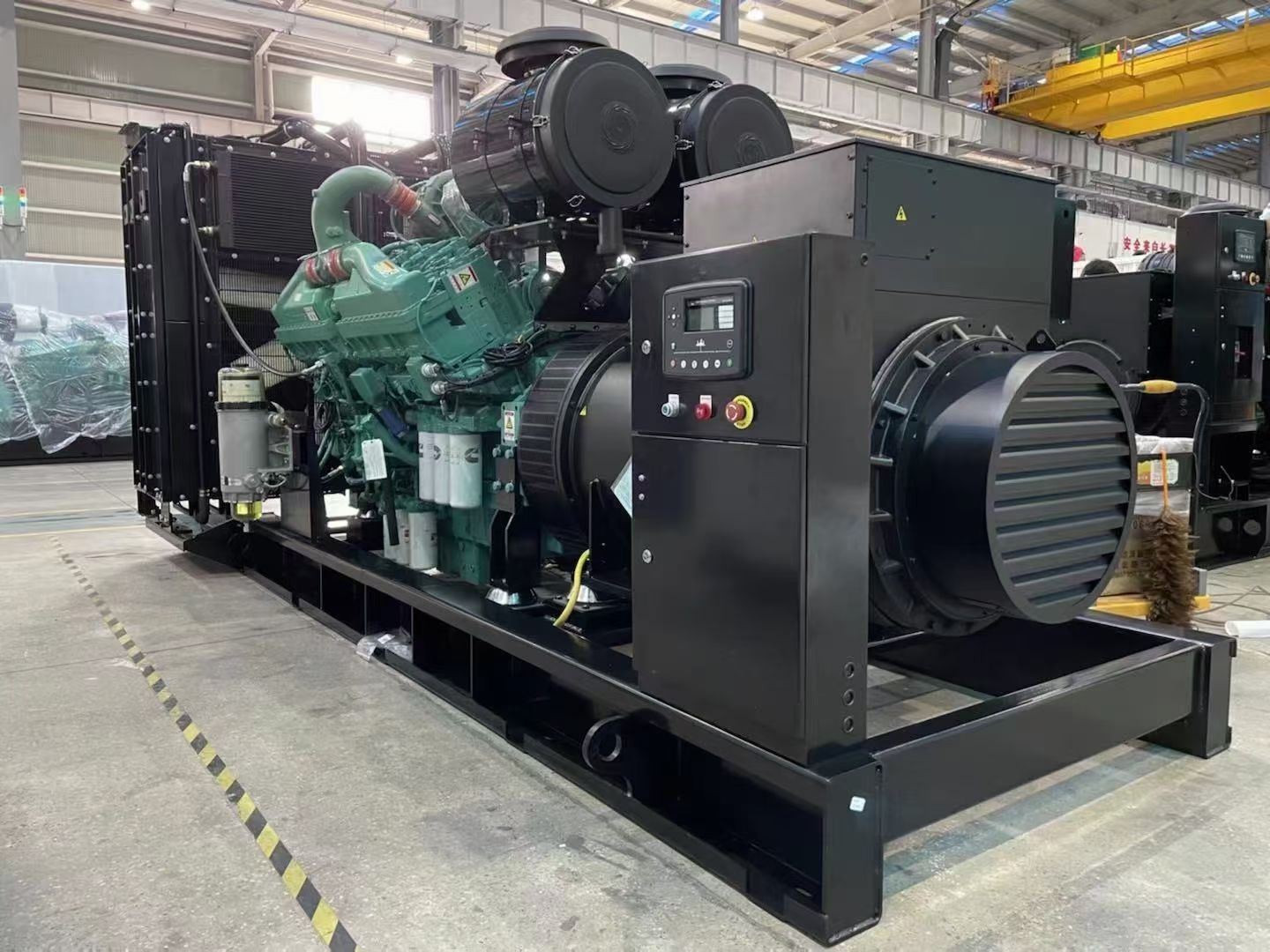
Rotation keeps the hour clocks close, so one service visit covers several sets and the crew travels once. The shared spares float lives at the central store, not at each site, which cuts the stock the buyer pays to hold. The plan logs which set took which part, so the warranty trace stays clean across the pool. Tesla Power prints the fleet sheet as one document with a line per set, so the buyer sees the whole pool on a single page rather than a folder of singles.
What does the service checklist include?
A service checklist is the working half of the plan, and it names the exact jobs a visit covers so nothing is left to mood. The checklist carries the consumables, the readings and the sign-off, and it travels with the crew as the record the buyer files. A checklist that names the part and the figure is worth more than a checklist that says inspect here. The rotating machine the set is built to is set by the IEC 60034 rotating machine standard, and the plan notes that standard so the buyer can trace the limit the service respects.
Consumables the checklist names
The consumable list is where most plans live or die, because a missed filter is the start of a costly fault. The table below shows the tiers a works typically prints, with the record each tier leaves behind. The handover tier is the one export buyers forget, and it is the tier that proves the plan matched the build.
| Tier | What the crew does | Record kept |
|---|---|---|
| Daily | Check coolant, oil, fuel and the alarm list | Logbook line |
| 250 hours | Change oil and the primary filter elements | Service stamp |
| 1000 hours | Inspect the valves, the belts and the battery | Report file |
| Handover | Verify the plan against the build sheet | Export dossier |
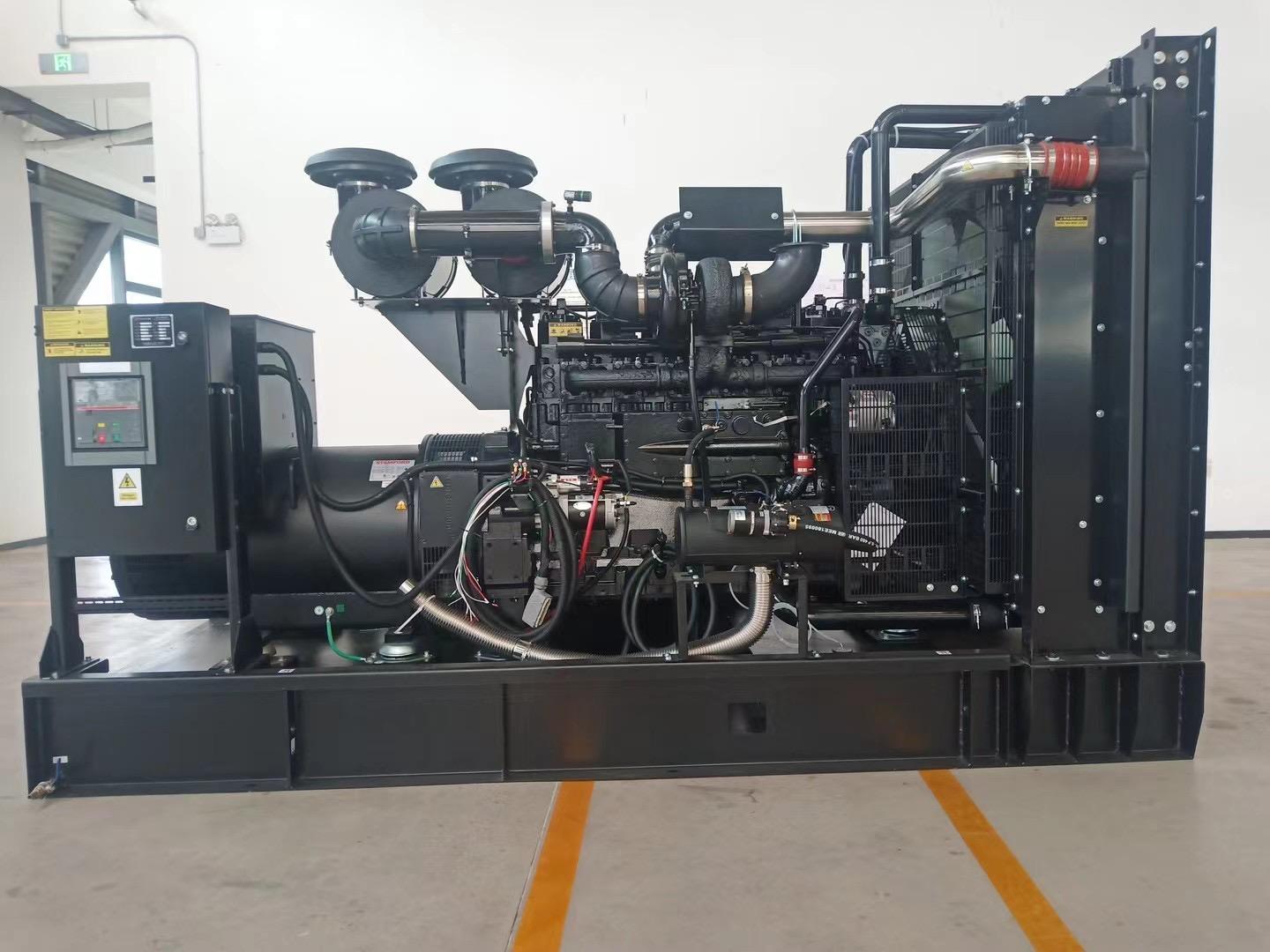
Tesla Power Equipment ships the checklist as a printed card clipped to the set, so the first crew on site reads the same jobs the works wrote. The card lists the part numbers the set takes, which stops a wrong element from being fitted on a remote visit. A plan with a clear consumable list is the difference between a stop that lasts an hour and a stop that lasts a week.
How are plans proved on handover?
A plan is proved at handover by the handover dossier that travels with the set, not by the promise made in the quotation. The dossier carries the commissioning readings, the interval sheet, the consumable list and the contact training note, and the buyer signs it as the baseline. A plan without this file is a suggestion, and a suggestion does not help when the set trips at two in the morning. The dossier also answers the question the insurer asks after a failure: was the set serviced to the interval the maker set. Proving the plan this way turns a loose handover into a documented one.
The works and the buyer walk the set together at handover, tick the checklist against the machine, and date the first interval. That walk is the moment the plan becomes real, because the person who will run the set has seen the points the service needs. Tesla Power books the handover walk into the commissioning week so the file and the site are agreed before the truck leaves. When the file and the site agree, request a quote for the service contract that keeps the interval running.
Which standards shape the generator maintenance plan?
Standards shape the plan by fixing the test the set must pass and the record the service must keep, so the plan is not a private opinion. The recurrent test the alternator is checked against is written in the ISO 8528-5 recurrent test requirements, and the plan prints that test as the marker for the loaded service. The standards also tell the buyer which readings count as pass, which keeps the crew honest and the record defensible. A plan that names its standard is one a third party can audit years later. Read more on the about page for how the works records each build.
Export documentation is the part of the plan that crosses a border, and it must travel with the set or the buyer cannot prove the service history. The file holds the commissioning sheet, the interval table, the consumable list and the test results, stamped and dated for the customs and the insurer. The generator maintenance plan documentation for export is a requirement the buyer meets before the set ships, not a nice-to-have the works adds later. Tesla Power assembles the dossier at handover so the plan and the papers arrive as one package.
CE marking places duties on the machinery that the plan must respect, and the requirements cover the guards, the labels and the declared figures the set carries into the European market. The plan records the marking status of the machine it services, because a service that alters a guarded point can change the declaration the buyer relies on. The generator maintenance plan ce marking requirements are a compliance path the buyer follows, set out in the machinery file the set ships with. The works notes the marking reference on the plan so the service crew respects the declared build.
Last updated 2026-11-10. The interval figures above reflect the current export build sheet and the duty ratings most buyers request for a new site.
Frequently asked questions about generator maintenance plan
The first step is reading the nameplate and recording the commissioning readings, because every later interval is measured against that baseline. Write the running-hour and calendar markers before the set runs a load, and store the numbers in the handover file. A plan that skips this step has no reference, and the crew guesses at the next service. Take the baseline during the commissioning week, not after the first fault.
A standby set is serviced by the calendar even when the hour clock barely moves, because the consumables age while the set sits idle. The oil and the battery follow the shelf life, and the coolant follows its inhibitor life, so a set that runs ten hours a year still gets a yearly service. The plan prints both clocks and triggers on the tighter one. Most export buyers set the calendar marker from the battery and coolant life.
Yes, the duty cycle sets the interval, because a set that runs continuous shifts reaches the 250 hour mark in weeks, while a standby set reaches it in years. The plan is written from the load profile, not from a round number, and the running-hour clock is the trigger that matters most. A mining or prime-duty site needs shorter intervals than a backup-only install. Match the plan to the hours the set will actually log.
The spares should sit where the set runs, not where the purchase was made, so a fault is fixed in hours rather than after a shipment. A remote site holds two of every consumable, while a site near a port holds one and calls the stockist. The plan names the float and rotates it by date, because a stale spare is no spare. Train a local contact to fit the common parts at handover.
The signed checklist, the running-hour log and the commissioning sheet together prove the plan, and the buyer files them as the service history. The handover dossier carries all three, stamped and dated, so a third party can audit the set years later. Without the record, the service did not happen as far as the insurer is concerned. Keep the file with the set, not in a distant office.
Request the plan during the quotation, because the works writes it beside the commissioning report and ships it as part of the handover file. Name the duty, the site access and the spares buffer you need, and the plan is built to those facts rather than to a generic sheet. A buyer who asks early gets a plan that fits the install, not one added after the set is boxed. Tesla Power includes the first service in the handover for most export orders.