
A generator service contract cost is the annual price a buyer pays for labour, spare parts and a stated response time after a fault, and the figure only means something once those three lines are separated on the page. Most export buyers ask the works for a single number and receive a single number, which hides where the money goes when a set fails at 2 a.m. We price support the other way round: a quotation that names the labour rate, the parts covered, and the hours before a technician reaches the site. Tesla Power treats the contract as a maintenance plan with a service desk attached, not a vague promise of help. Compare the tiers before you sign, because a cheap plan that excludes the alternator bearings costs more in a real outage than a mid plan that names them. The cost also moves with duty, site distance and the records a hospital must keep. Request a quote that lists every line item, and the export team can match the support level to the running hours your machine actually logs rather than a generic assumption. A contract that reads the same for a standby set and a prime set will miss one of them, so the first check is the duty the set performs.
- Separate the quotation into labour, parts and response time before you compare plans, because a single total hides the line that fails you. See the scheduled service checklist for the visit cadence behind the price.
- Name the duty the set performs, since a standby set and a prime set need different visit counts and different spares.
- Check the response time in hours, not in words, and read the distance the technician travels to reach a remote site.
- Ask the export team for the records a hospital or a mine must keep, because the plan that omits them costs extra later.
What is a generator service contract cost?
The figure on a quotation hides three separate bills, and a buyer who reads only the total cannot tell which bill moves when the site changes. Labour, parts and response time are the three cost lines, and each one scales on its own facts. Labour follows the visit count and the hourly rate at the site. Parts follow the components the plan names and the ones it excludes. Response time follows the distance a technician travels and the hours the contract promises before arrival. A generator service contract cost only becomes comparable once a supplier writes those three lines on the same page, because a low total with a slow response rarely saves money during a real outage.
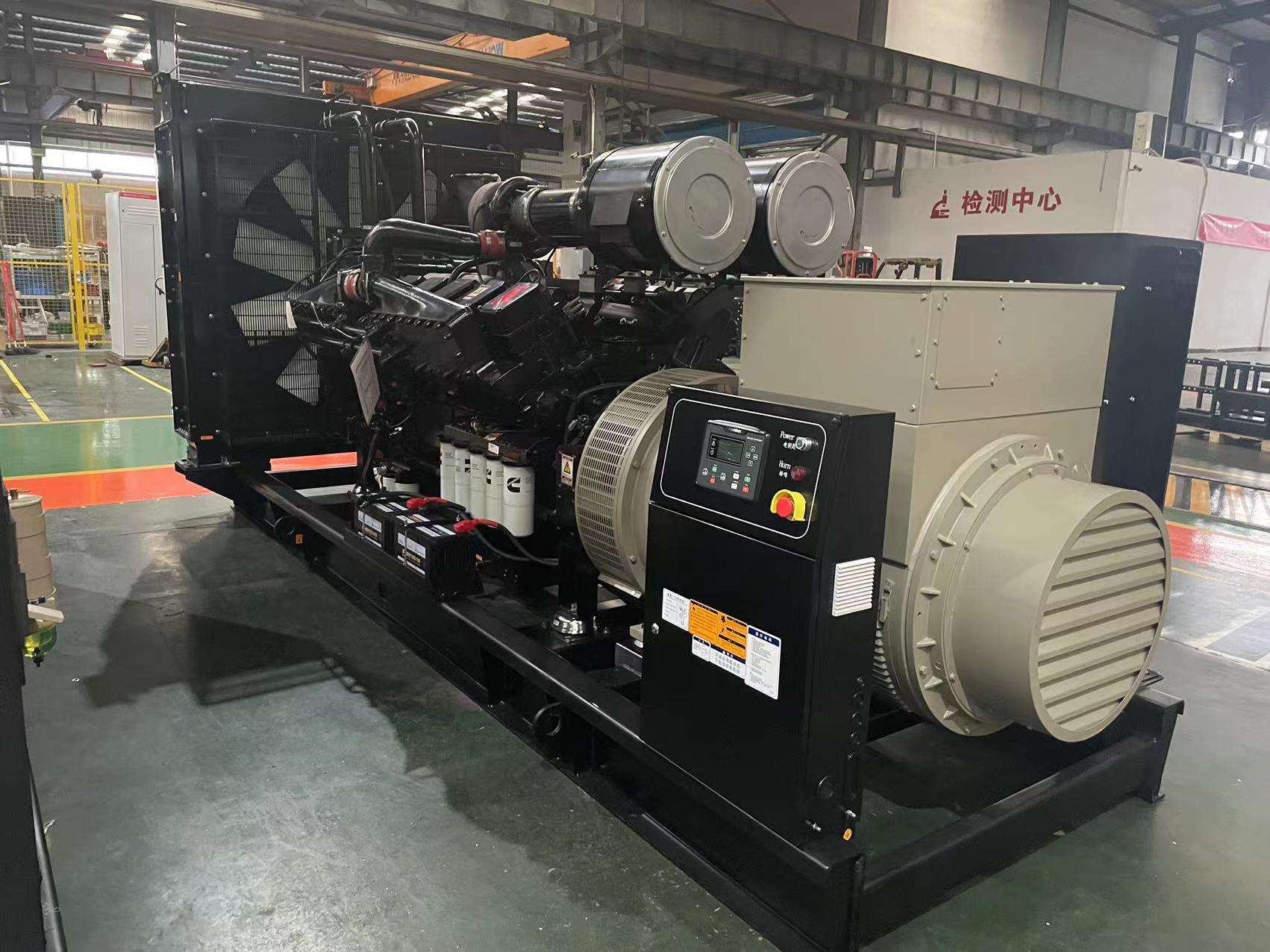
Labour is the easiest line to understate: a plan selling four visits looks cheaper than one that sells six until the set fails in month eleven. Parts surprises buyers: some plans cover filters and fluids, others bill the alternator bearings as extra. Response time decides the outage cost: a stated number in hours beats a vague promise. Generator service contract manufacturers quote these lines in different orders, so rewrite the quotation into one order before comparing. Chinese generator service contract suppliers often bundle labour and parts but quote response time separately, which is the line a buyer must read twice.
The duty the set performs sets the baseline for all three lines. A standby set that runs a monthly test needs fewer labour visits than a prime set that runs every day, and the parts line follows the same split. Read the quotation against the running hours the machine actually logs, because a plan built on a generic assumption will miss the duty your site performs.
Which items does the contract cover?
A contract that names its parts list is worth more than a cheaper one that stays silent, because the silent line is the one that bills you later. The parts a plan covers usually split into consumables, wear items and major components, and the split decides the real generator service contract cost. Consumables such as filters and coolant belong in every plan. Wear items such as belts and sensors appear in mid and premium tiers. Major components such as the alternator windings or the engine block appear only in the top tier, and a buyer should read that tier before assuming cover. Tesla Power Equipment lists the covered part numbers on the quotation so the buyer sees the exclusions in writing rather than at the failure.
What the parts line usually includes
The parts line scales with the tier, and the tier a buyer chooses decides the bill a year later. A basic plan names the consumables and stops, which suits a lightly used standby set but leaves a prime set exposed. A standard plan adds the wear items that fail between overhauls, which is where most mid-life faults live. A premium plan names the major components, and that is the line a hospital or a data centre reads first because the cost of a missed component is the cost of a dark ward. Read the tier against the duty, because the right tier for a warehouse is the wrong tier for a ward.
| Plan tier | Labour visits per year | Parts included | Response time |
|---|---|---|---|
| Basic | 2 | Consumables only | 72 hours |
| Standard | 4 | Consumables plus wear items | 36 hours |
| Premium | 6 | Consumables, wear items, major components | 12 hours |
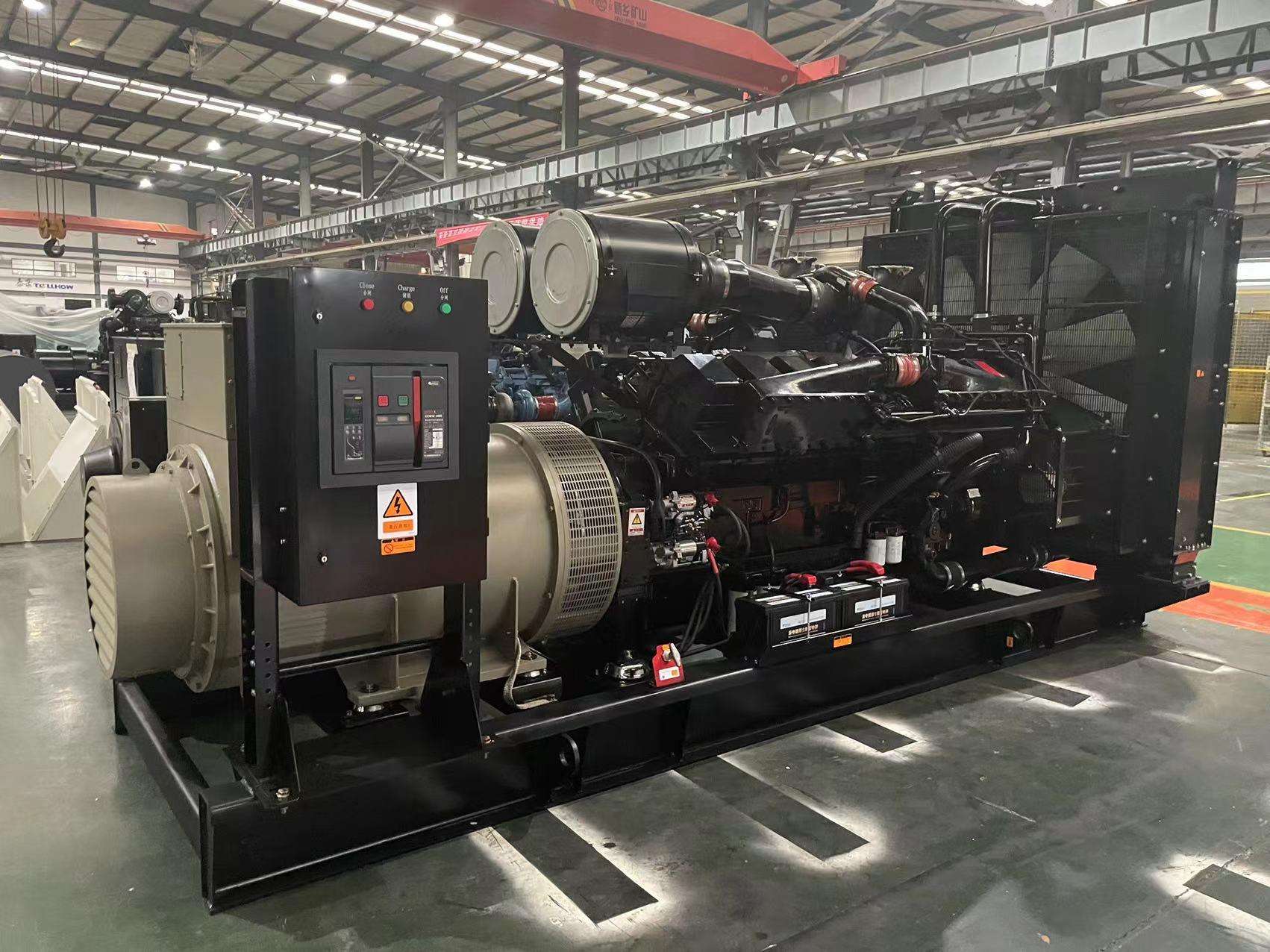
The table shows why a single total hides the decision. A basic plan looks cheap until the alternator bearings fail and the response time leaves the site dark for three days. The premium tier costs more per year but names the major components and promises the shortest response, which is the line a hospital or a data centre reads first.
Every plan names exclusions, and the exclusions decide the bill you did not expect. Fuel, delivery of the set and civil works around the pad sit outside most contracts, because they belong to the site. Engine oil appears in some basic plans and not others, so read the parts line first. A contract that excludes the ATS transfer switch leaves the most failure-prone assembly uncovered, a gap a buyer notices only during a transfer fault. Ask the export team desk to mark the exclusions in writing before you sign, because the written line is the one the invoice follows.
How does response time affect the cost?
Response time is the line that turns a fault into an outage cost, and it scales with distance, stock position and the hours the contract promises. A plan that promises twelve hours in a capital city costs less to deliver than one that promises the same twelve hours on a coastal island, because the technician and the spare must travel further. Response time also decides the size of the spare held at the site, since a slow plan forces the buyer to stock more parts locally. Tesla Power prices remote response as a separate line, because the travel and the lodging are real costs that a vague promise hides. A buyer comparing two quotations should read the response time in hours and the site the hours apply to, not the marketing word above the number.
Mines, islands and border sites pay more for fast response, and the extra appears as travel. A technician who flies to a remote site bills the flight and the wait, and a short response promise must fund both. Generator service contract for standby duty on a remote site needs a local spare cache, because the response time cannot beat the flight. The cache cost belongs in the same comparison as the response promise, since a slow promise and no cache leaves the site exposed. Read the response line beside the nearest stock point, because together they decide the real outage window.
A recurrent load test proves the set still meets its rated output, and the ISO 8528-5 test method sets the steps a service visit should follow. A contract that schedules those steps protects the buyer from a set that drifts out of spec between visits, and the test result is the proof the next quotation reads.
Why do hospitals need a tighter contract?
A hospital cannot wait three days for a transfer fault to clear. The load on the other side of the breaker is patient care. The tighter contract shortens the response time, names the major components, and adds the records a regulator expects to see. Compliance records decide whether the hospital can prove the set was serviced on time, and a loose plan that skips the log fails the audit even when the machine runs. A generator service contract for the hospital therefore reads differently from a plan for a warehouse, because the consequence of a missed visit is not lost stock but lost power to a ward. Tesla Power Equipment builds the hospital tier around the test log and the parts list a facility manager can show an inspector.
The records a hospital keeps are the proof a service visit happened, and the contract should name the format. A monthly load test log, a parts replacement record and a technician signature belong in the file the inspector reads. The hospital guide from our desk lists the visit cadence a facility manager plans around, and the contract should match it. NFPA 110 test and transfer obligations set the test expectation behind that log, so a plan that omits the test step leaves the hospital short of the standard. Read the contract beside the rule rather than beside the price, because the audit reads the rule.
Generator service contract cost for standby duty
A standby set runs a monthly test and waits, so its service cost follows the test cadence more than the running hours. The labour line drops because the visits are planned, and the parts line stays narrow because the machine ages from idle rather than load.
Tesla Power sizes the standby plan around the test log, because the test is where a fault shows before the real outage. A 500kVA frame at 0.8 power factor = 400kW needs the same alternator care as a prime set of the same size, even though it runs far fewer hours, so the parts line should not shrink to nothing. Compare the standby plan with the duty it serves by reading the 500kVA rated canopy the site runs, because the model decides the spares the plan must name.
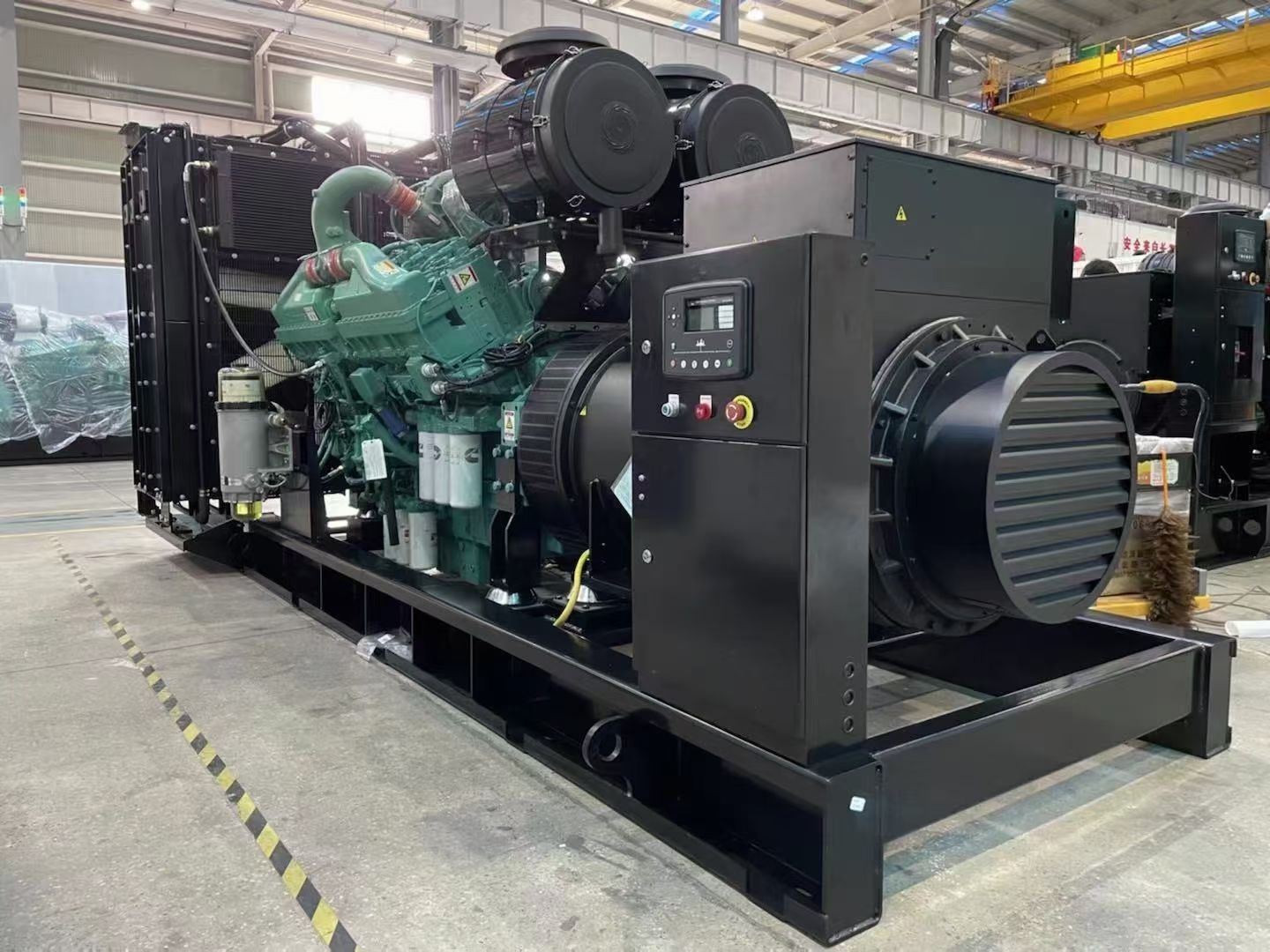
The service interval follows the running hours the set logs, and a standby set logs few of them, so the interval stretches on time rather than hours. A plan that sells four visits a year still makes sense for a standby set, because the visit is a test and an inspection, not a repair after load. The parts line should name the consumables the idle machine still consumes, such as the coolant and the battery, because an idle set kills batteries faster than a busy one. The comparison a buyer faces here is against the plain maintenance plan: the plan is the work, and the contract is the promise that the work happens on time with parts named. Read the two side by side, because the plan without the contract leaves the visit to chance.
| Duty band | Running hours per year | Labour visits | Parts focus |
|---|---|---|---|
| Standby | Under 200 | 4 planned tests | Consumables, battery |
| Prime | 2,000 to 4,000 | 6 plus fault calls | Wear items, major components |
| Continuous | Over 6,000 | 12 plus overhaul | Full component cover |
The table shows why the same frame carries a different cost under a different duty. A 250kVA set at 0.8 power factor = 200kW on standby needs fewer visits than the same set on prime, and the contract should name the band before the price. The buyer who reads the band first avoids paying prime rates for a standby machine, or worse, buying standby cover for a prime duty.
Generator service contract cost for the hospital
The hospital tier carries the shortest response and the fullest parts list. The load behind the breaker is care that cannot wait. The labour line rises with the visit count, and the parts line rises with the major components the ward depends on. Tesla Power writes the hospital tier around the test log first and the price second, because the log is what the inspector reads. A buyer who compares the hospital plan with a warehouse plan on price alone misses the response line that decides the outage window. Request the tier that names the alternator and the transfer switch, because those are the assemblies a ward cannot lose. The export team desk can match the tier to the bed count and the local stock point before the quotation leaves the works.
The load test log is the heart of the hospital file, and the contract should name who signs it and how often. A monthly test under load, a record of the voltage and frequency at full output, and a technician signature belong in the same file the audit reads. The log also feeds the next quotation, because the running hours and the fault history decide the tier the site needs next year. A plan that skips the log saves a little on paper and loses the proof the hospital must show, so the contract should name the log as a delivered item rather than a hope.
What proves the support level?
The support level is only real if the buyer can prove it, and the proof is a file the supplier signs, not a line on a brochure. The file holds the visit log, the parts replaced, the test results and the technician name, and the buyer keeps it beside the machine. Export documentation matters for cross-border buyers, because the customs and the regulator may ask for the service record as part of the plant file. The works issues the generator service contract documentation for export as a signed set the buyer carries with the machine, so the support level survives the move between countries. The generator service contract ce marking requirements sit alongside that file, because the mark on the plate must match the components the plan covers. The IEC 60034 machine standard sets the alternator frame the documentation references, so the buyer can check the covered part against the rated machine. Browse the product line to see which frames carry which spares, because the frame decides the parts the contract can name.
Documents that prove the support level
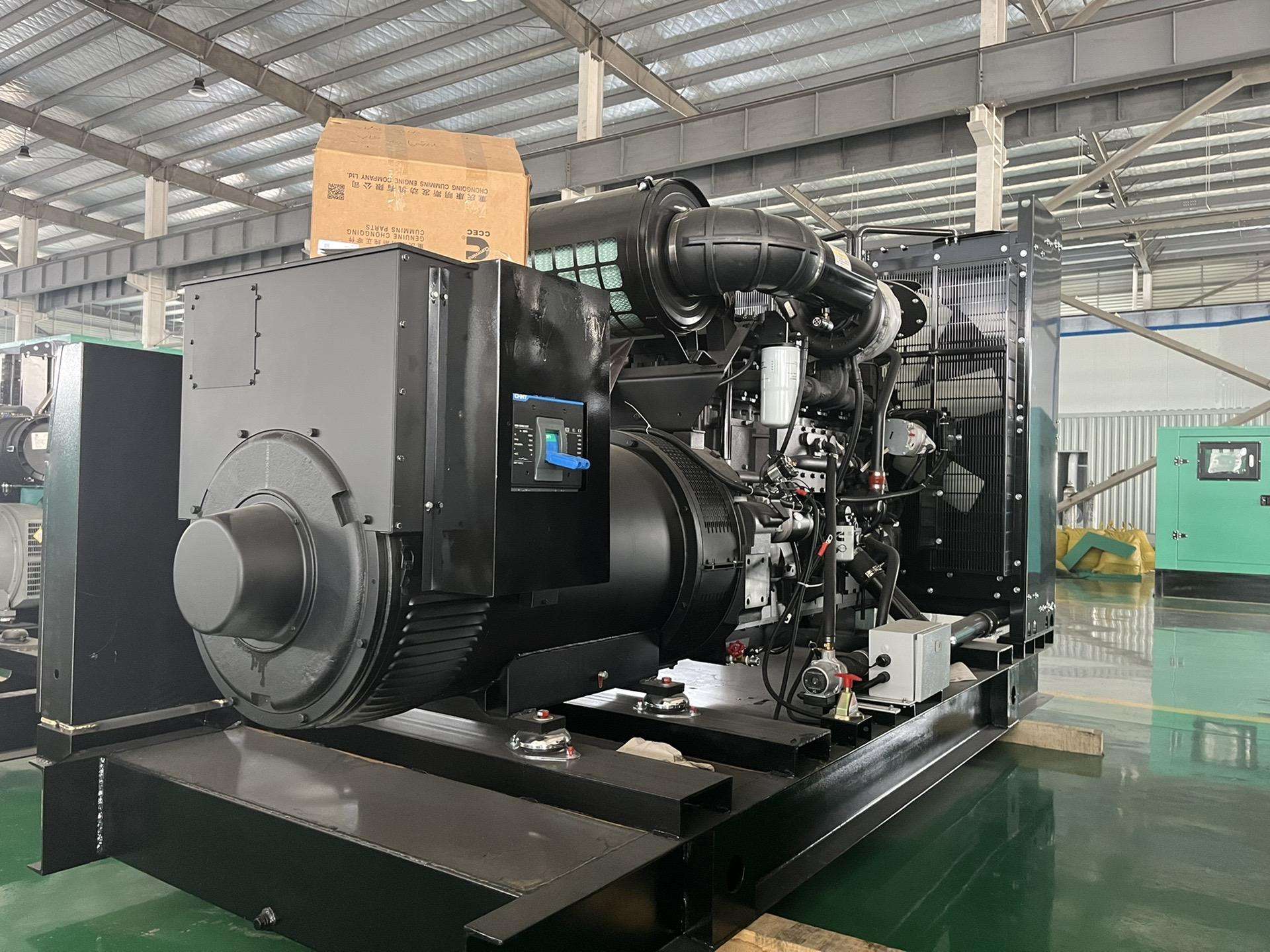
The documents that prove the level are few but non-negotiable. A signed visit log shows the work happened. A parts list with part numbers shows what the plan covered. A load test record shows the set still met its rated output. A conformity note shows the plate, the components and the plan agree. The buyer who holds these four items can answer an auditor, a buyer of the site, or an insurer without a second request. The contract that delivers these as a file, not a promise, is the one worth the price, because the proof is the product.
How is the contract handed over?
The handover is where the promise becomes paper, and the buyer should receive a file, not a thank-you email. The file holds the signed plan, the parts list, the response commitment in hours, and the visit schedule for the year. The handover file also names the local stock point and the technician contact, because the response time is only as good as the phone that answers at 2 a.m. Tesla Power hands the file over with the machine or the service start, so the buyer reads the same numbers the quotation carried. A contract that arrives without the file leaves the buyer proving the level from memory, which is the gap an audit finds first.
Last updated 2026-11-10.
Frequently asked questions about the generator service contract cost
Most plans name three lines: labour visits, covered parts and a response time in hours. The tier decides how many visits, which parts and how fast the technician arrives. A buyer should read the three lines separately, because a low total often hides a slow response or a short parts list that bills extra later.
A standby set usually needs four planned visits a year, because the visit is a monthly test and an inspection rather than a repair after load. The running hours stay low, so the interval follows the calendar more than the hour meter. A prime set needs more visits plus fault calls, which is why the duty band changes the price.
Remote sites add travel and lodging to the response line, because the technician and the spare must reach the site by air or a long road. A short promise in hours on an island costs more to deliver than the same promise in a city. The buyer should read the response time beside the nearest stock point, since the two numbers decide the real outage window.
Yes. A hospital tier carries the shortest response, the fullest parts list and the test log a regulator expects. The consequence of a missed visit is lost power to a ward, not lost stock, so the plan reads differently from a warehouse tier. The contract should name the log and the major components the ward depends on.
Four items prove the level: a signed visit log, a parts list with part numbers, a load test record at full output, and a conformity note that ties the plate to the covered components. The buyer who holds these can answer an auditor or an insurer without a second request, and the file travels with the machine for export.
It can, but only in mid and premium tiers that name it. Many basic plans exclude the ATS, which leaves the most failure-prone assembly uncovered. A buyer should read the exclusions before signing, because the switch is the part that fails during a transfer and the part a basic plan often omits.
The ce marking requirement sits in the export documentation beside the plate and the covered parts list, so the mark on the machine matches the components the plan names. The file the supplier signs carries the requirement as a recorded item, which lets the buyer show the regulator that the covered assemblies meet the mark. This is a documentation step, not a claim about any single component.
Request a renewed quotation at the anniversary of the service start, after a major fault, or when the duty changes from standby to prime. The running hours and the fault history decide the next tier, and the renewal is where the buyer reads the new response line and parts list. the scheduled service checklist shows the visit steps the renewed plan should reference, and Yangzhou Tesla Power Equipment Co., Ltd. keeps the file so the renewal reads against the same frame the site runs.