
A generator test drop is the moment of truth at acceptance: you apply a stepped load to the set and watch whether the voltage and frequency hold, sag, or recover. When a generator test drop shows a sagging voltage or a frequency that dips and fails to climb back, the set is telling you it is not ready for the duty you bought it for. Tesla Power runs every acceptance test against the excitation and governor files built for each order, so the reading you see matches the machine you receive. Most buyers witness this once, on the test bay, and that is exactly when the figure matters most. We diagnose the drop from the terminals outward, check the excitation, the governor response and the load step itself before blaming the set, because a meter measurement is cheaper than a dispute later. Record the figure at each step, because a clean trace turns a worry into evidence a supplier can quote against, and the quotation that returns answers the fault rather than the hope. A set that passes the stepped drop test resists the real load, and a set that does not costs less to reject today than to repair overseas.
- Record the symptom before the set is loaded: the voltage figure, the frequency and the load step, read beside the load bank testing routine.
- Step the load in bands and note where the voltage leaves its class, because a set that holds at half load can still fail at the rated step.
- Measure the recovery time after each step, not only the steady figure, because a slow climb is the first sign of a weak exciter.
- Export the controller history so a drop that appears only after a transfer is read from the event list, not from the terminals.
What is a generator test drop?
A generator test drop is the recorded fall in voltage or frequency when a load is applied to a running set, measured against the no-load figure. The number shows whether the alternator, governor and excitation circuit are sized and tuned for the duty you specified. Buyers meet it most often at acceptance, when the set runs against a load bank and the trace is saved. The drop is not a fault by itself; every set moves a little when load arrives. The question is how far it moves and how fast it returns.
The procedure matters more than the single figure. A clean generator test drop is taken step by step, with the load raised in twenty-five percent bands and the reading logged at each one. That ladder shows where the set first struggles. Generator test manufacturers build the test into the commissioning sheet, and a 500kVA frame leaves the works with the stepped trace on its file. Tesla Power logs the pair of readings together, so the buyer reads one trace rather than two.
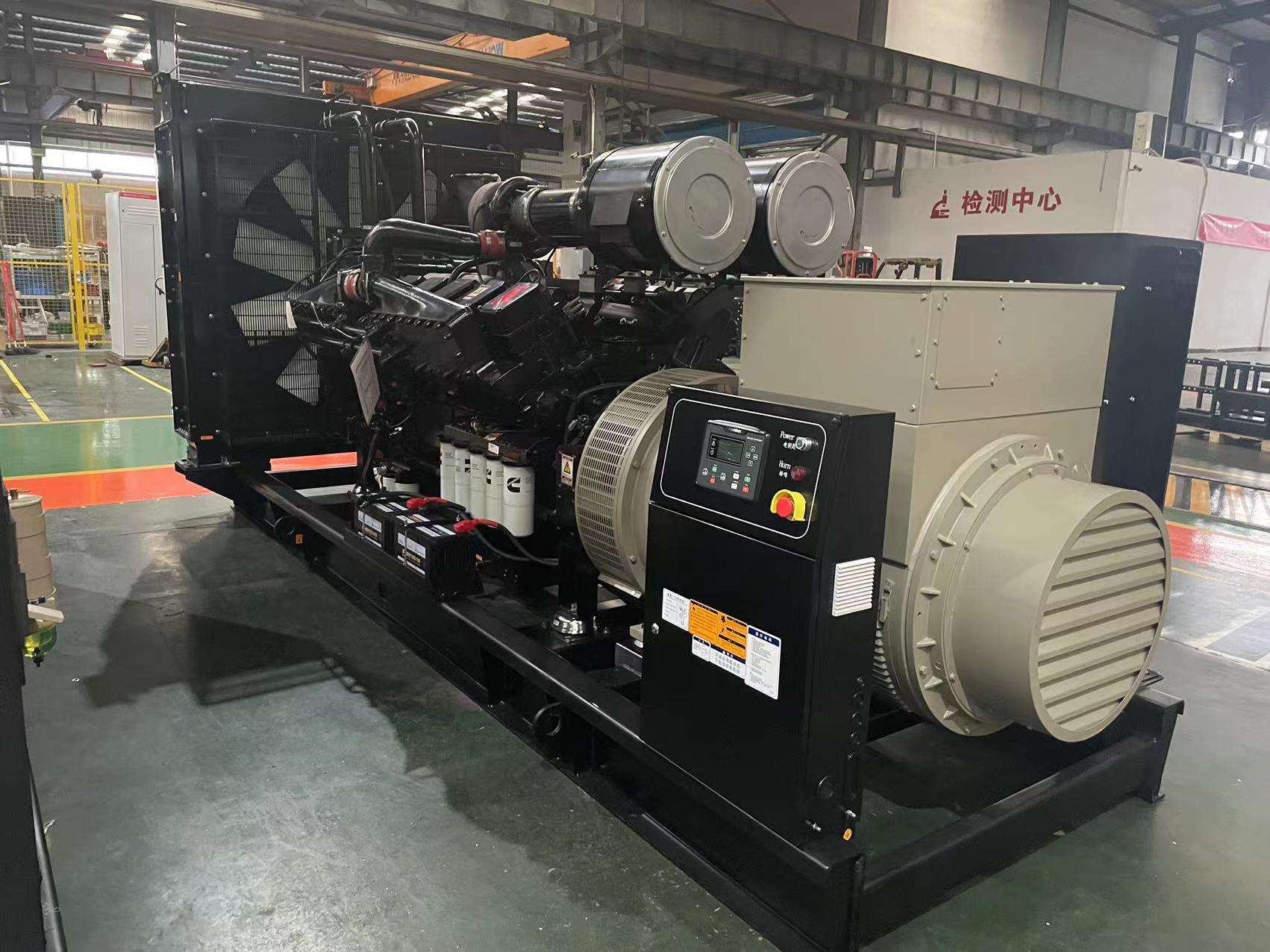
Two readings make up the test. The voltage drop is the visible sag on the display when the breaker closes. The frequency drop is the hidden dip in engine speed before the governor recovers. Both belong on the same sheet, because a set can pass one and fail the other. Confirm the frequency first, because a set that holds frequency while the voltage drifts has an electrical fault, not a mechanical one.
Which tests prove set suitability?
Set suitability is proved by the load test, not the nameplate. The plate states what the set should do; the test states what it does. Three checks carry the weight of the decision: the stepped load test, the no-load to full-load transition, and the recovery check after the load is removed. Run all three before the set is crated.
The stepped load test walks the set through its rated bands while the controller logs the trace. The transition test watches the first closure of the breaker, where the biggest drop usually appears. The recovery test measures how the set settles after the load leaves. Chinese generator test suppliers run the same three checks, and the difference between a good report and a weak one is how finely the bands are stepped.
| Test step | Load applied | Pass reading |
|---|---|---|
| Stepped load, 25% bands | 0 to 100% in steps | Voltage within class, frequency recovers under 5s |
| No-load to full transition | Breaker closes at rated load | Single dip, no sustained sag past class band |
| Recovery after load off | Full load removed | Returns to no-load figure within the class band |
| Reactive step, if specified | 0.8 power factor load | 500kVA at 0.8 pf = 400kW holds the band |
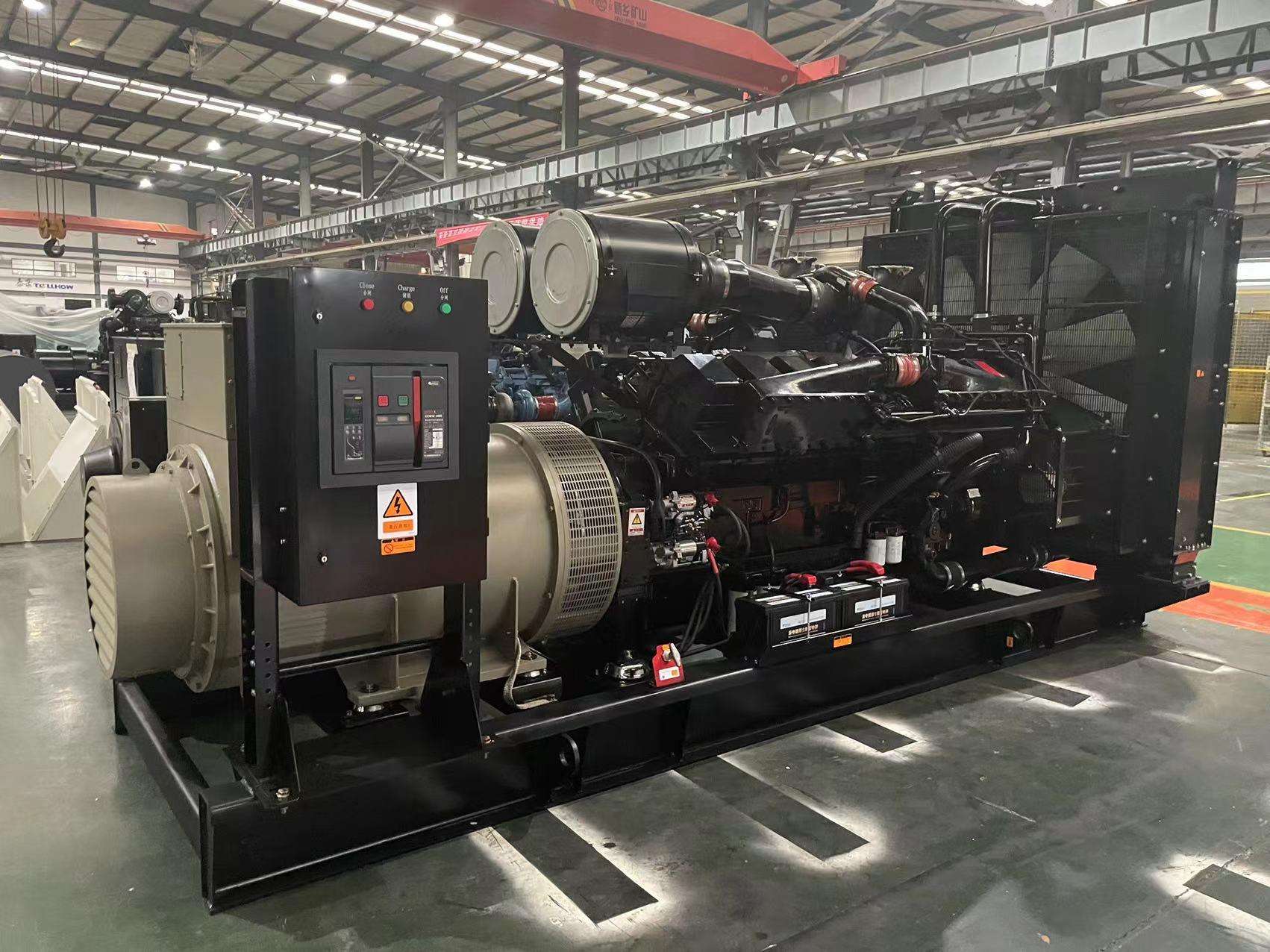
The table only helps if the bands are fine enough to catch a late struggle. A set stepped in two fifty percent jumps can hide a dip at seventy-five percent that a twenty-five percent ladder exposes. For a 500kVA frame at 0.8 power factor = 400kW, step through 125, 250, 375 and 500kVA and log each. Tesla Power Equipment keeps the stepped ladder on the commissioning sheet, so the buyer reads the same bands the works used.
How does a load bank find the drop?
A load bank finds the drop by applying a known, steady current the set cannot blame on the building. The controller reports the voltage and frequency it sees, and the gap between that report and the no-load figure is the drop. Because the bank is controllable, the test repeats band by band, which turns a suspicious sag into a located fault rather than a complaint.
The bank also removes the guessing from the recovery check. With a real building load you cannot tell when the next motor starts; with a bank you close and open the step on a clock. That control is why the load bank test is the reference a supplier quotes against, and why the pre-shipment inspection guide lists it before crating.
Why does a voltage drop fail acceptance?
A voltage drop fails acceptance when it leaves the class band the standard assigns to the set. The band is the limit inside which connected equipment stays happy; lights flicker and drives trip outside it. The buyer is not being difficult by rejecting a set that oversteps. The set has simply shown it cannot hold the load it was rated for.
The fail is usually a number, not a drama. A five percent drop passes, a fifteen percent drop fails, and the line between them is the class band. The trap is the set that sits at nine percent in the warm bay and climbs to sixteen in the field. That is why the acceptance trace is read with the site conditions beside it. Tesla Power reports the band and the site note on the same sheet, against the ISO 8528-5 acceptance standard.
Generator test drop for acceptance
At acceptance the generator test drop is the buyer's evidence that the set is fit, and the evidence has to travel. A verbal "it ran fine" is worth nothing on a quay in another country; a printed trace with the bands, figures and site note is worth the price of the argument it prevents. Build the acceptance file before the crate is sealed.
The acceptance drop also settles the duty question the quotation raised. A set quoted for prime duty should hold the band through a long, high step; a set quoted for standby should hold it through the transition. If the trace shows otherwise, the trace wins. Request a quotation only after the test has spoken. Tesla Power treats the acceptance trace as the first page of the service file, not a one-time printout.
Generator test drop for the mining site
A mining site is the hardest place to pretend a drop is fine. The load is motor-heavy, the air is dusty and the nearest service bay is a flight away, so a set that sags at the top band fails the site before it fails the report. The generator test drop for the mining site therefore steps the set harder and reads it against the dirt and altitude it will meet.
Motors draw several times their running current at start, and that start current is the real load the set must hold. A bank stepped to rated kVA under-tests a mining set, because the bank cannot mimic a crusher starting across the line. Add a reactive step and a short overload step to the mining test. The export product index lists the frames built for this duty.
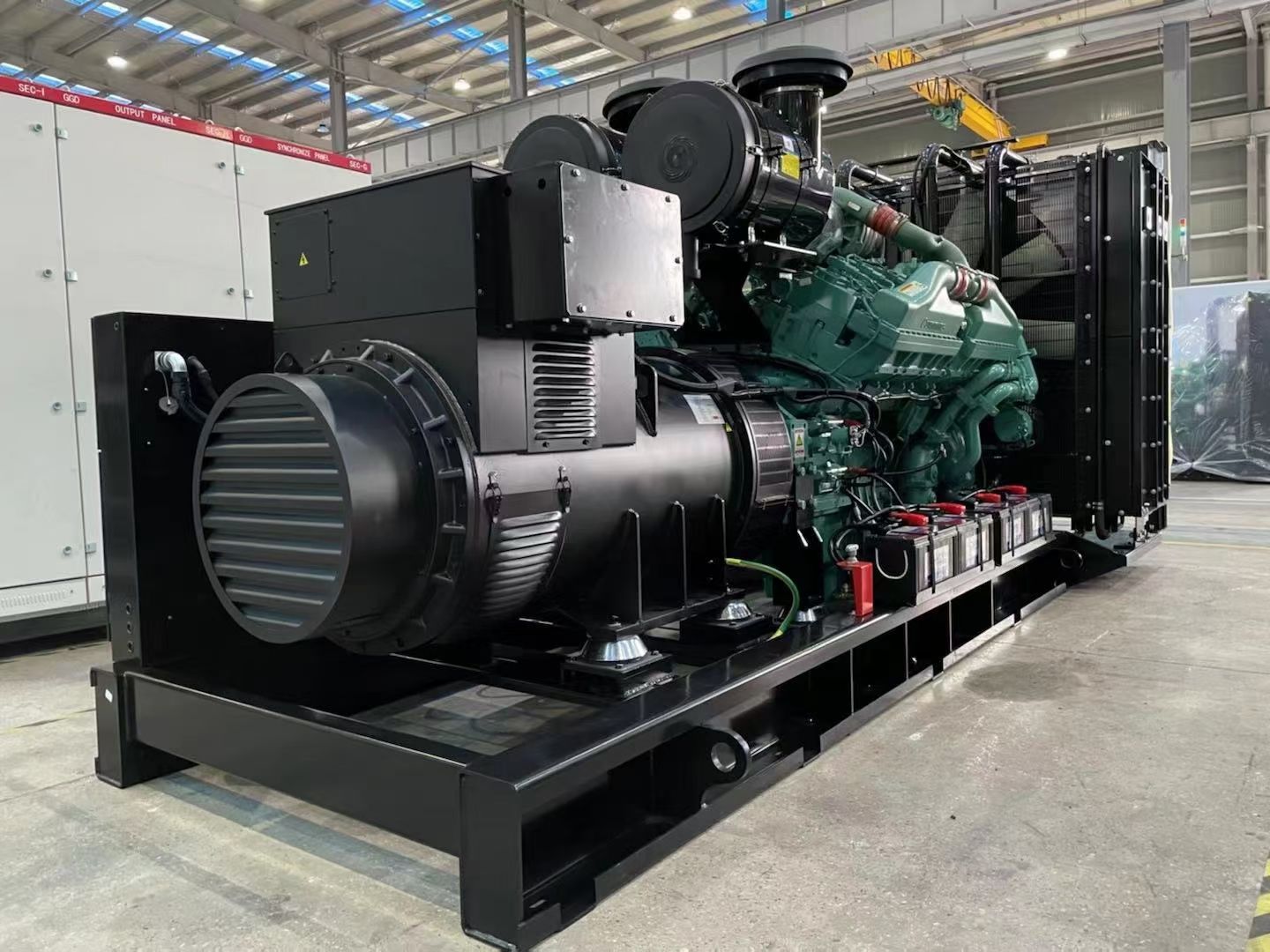
The mining test also reads the cooling, because a hot set drops further than a cool one. Run the acceptance after the set reaches working temperature, not from cold, and log the air temperature beside the figures. The generator test drop in hot climate follows the same rule: test warm, log the temperature, and read the band with the heat written beside it. Yangzhou Tesla Power Equipment Co., Ltd. records the site climate on the order, so the ladder matches the destination.
What readings prove the set is fit?
A set is proved fit by three readings taken together: the steady-state figure at rated load, the depth of the drop at each step, and the recovery time after each step. Any one inside its band is not enough; all three must sit inside for the set to pass. Read them as a set, because a strong steady figure can hide a slow recovery.
The readings have to be taken at the factor the set will run. A 500kVA frame at 0.8 power factor = 400kW shows its true drop only at that factor, and a unity test understates it. The limits and method sit in the generating set standards family, including the IEC rotating machine and generating set publications. Log the factor, the band and the clock on every reading.
| Reading | Acceptable band | Cause of a fail |
|---|---|---|
| Steady voltage at rated load | Inside the class band | Weak exciter, wrong alternator tap |
| Depth of drop at each step | Within class at every band | Under-sized alternator or regulation fault |
| Recovery time after step | Under the stated seconds | Tired AVR, slow governor gain |
How are tests recorded for the buyer?
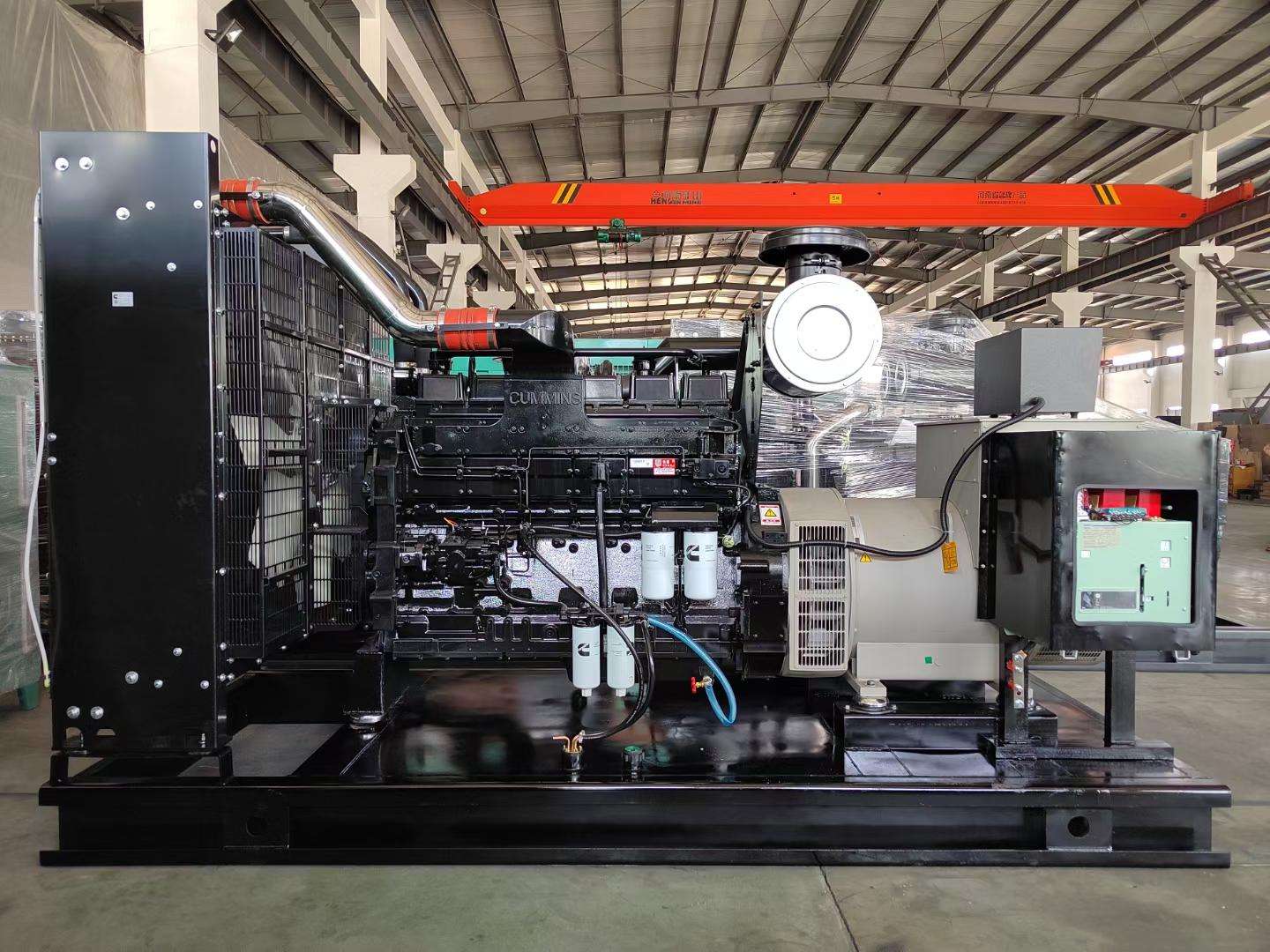
The tests are recorded as a single file that travels with the set: the trace, the bands, the site note and the nameplate photo, tied to the order number. A buyer who opens the crate should find the acceptance printout beside the manual, because the two are read together for the life of the machine. Scattered records that live only on the works' server fail the buyer the first time a fault appears offshore.
The record also feeds the next order. A buyer who quotes a second set sends the first trace back, and the works sizes the new machine against a real number instead of a hope. Tesla Power keeps every trace against the order it belongs to, so a fault years later opens the same file the bay wrote.
Last updated 2026-11-10. The acceptance routine here matches the stepped load test run on current export orders before shipment.
The generator test documentation for export has to meet the destination's generator test ce marking requirements, which set what the record must contain before the machine clears customs. Write the file to that requirement at the works, not at the border. The requirement is a paperwork path, not a performance claim, and the works builds the file to it before the set sails.
Frequently asked questions about the generator test drop
The bank must reach the rated step: 500kVA at 0.8 power factor = 400kW, held long enough for the trace to settle. A smaller bank run in two passes under-tests the top band where the drop usually appears. Size the bank to the rated kVA and step in twenty-five percent bands from zero to full.
The field is hotter, the cable is longer and the real load starts harder than a bank does, so the drop deepens where the set works. The bay gives a clean reference; the site gives the truth. Read the acceptance trace with the site conditions noted, and re-test on site before the warranty clock starts.
The limit is the class band from the voltage regulation standard, not a fixed percentage. A small sag inside the band is a pass; a sag outside it is a reject. Read the set against its class and its recovery clock together, because either one breached is enough to fail acceptance.
It needs the same test, read against a different duty. A standby set is judged on the transition and the recovery, because it starts cold and carries the load only on outage. A prime set is judged on holding the band through a long, high step. The prime standby note sits beside the test file for both.
The recovery time tells the buyer how fast the set returns to the no-load line after a load step. A quick recovery means a tight regulator and a healthy exciter; a slow one means a weak link the site will punish under real starts. The clock is written in the NFPA 110 emergency power test expectations, and it is the signal most often skipped on a rushed acceptance.
It predicts the electrical behaviour, not the mechanical life. A set that holds its band and recovers fast will behave the same way on site, within the temperature and altitude noted on the file. It does not predict a clogged filter two years out, which is why the acceptance record is the first page of the service history, not the whole book.
The report should name the model, the rated kVA and kW at 0.8 power factor, the bands stepped, the voltage and frequency at each band, the recovery time and the site note. That single page is the evidence a supplier quotes against and a service desk diagnoses from. Tesla Power sends it with the order, so the reply names the layer rather than the part.