
The genset emission tier is the class an engine has to meet before the set may run on a site, and the right class follows from two plain facts: the hours the site will run each year, and where the site stands. Tesla Power writes the tier on the offer sheet the way we write the rating there: as a line with a basis, so one quotation can be set beside another and read line by line. This guide explains how the two facts map to EU Stage V and US EPA Tier 4, what the tender should state, and how the tier sits beside the load profile when a frame is chosen. A tier read on its own says little. Hours decide the after-treatment the engine carries. Location decides the papers the set crosses the border with. A port city reads the plate differently than an inland mine does, and the difference shows in the documents, in the fuel, and in the exhaust hardware. Read the sections below, then state the hours and the destination before you request a quotation.
- State the annual running hours first, because the hours decide whether the after-treatment stays on the engine all year.
- Name the destination country and the site class, so the permit papers are quoted with the set.
- Ask for the tier to sit beside the rating on the offer sheet, not in a covering letter.
- Keep the emission record beside the frames the works builds for export, so the service crew reads one file.
What does a genset emission tier decide for a site?
A tier is a limit on what the engine may release, written against a test cycle rather than against the site. The tier decides which after-treatment sits on the engine, which fuel the site buys, and which papers travel with the set. The three follow one another. Remove the after-treatment and the papers stop matching. Change the fuel and the service schedule moves with it.
Two facts fix the class before price enters the argument. The first is the running hours, because the hours decide how large an after-treatment system the engine carries and how often it is serviced. The second is the jurisdiction, since a city permit, a port rule and a mining licence each read the plate differently. The classes genset emission tier manufacturers quote are all written against a cycle, and the cycle is what the site has to match.
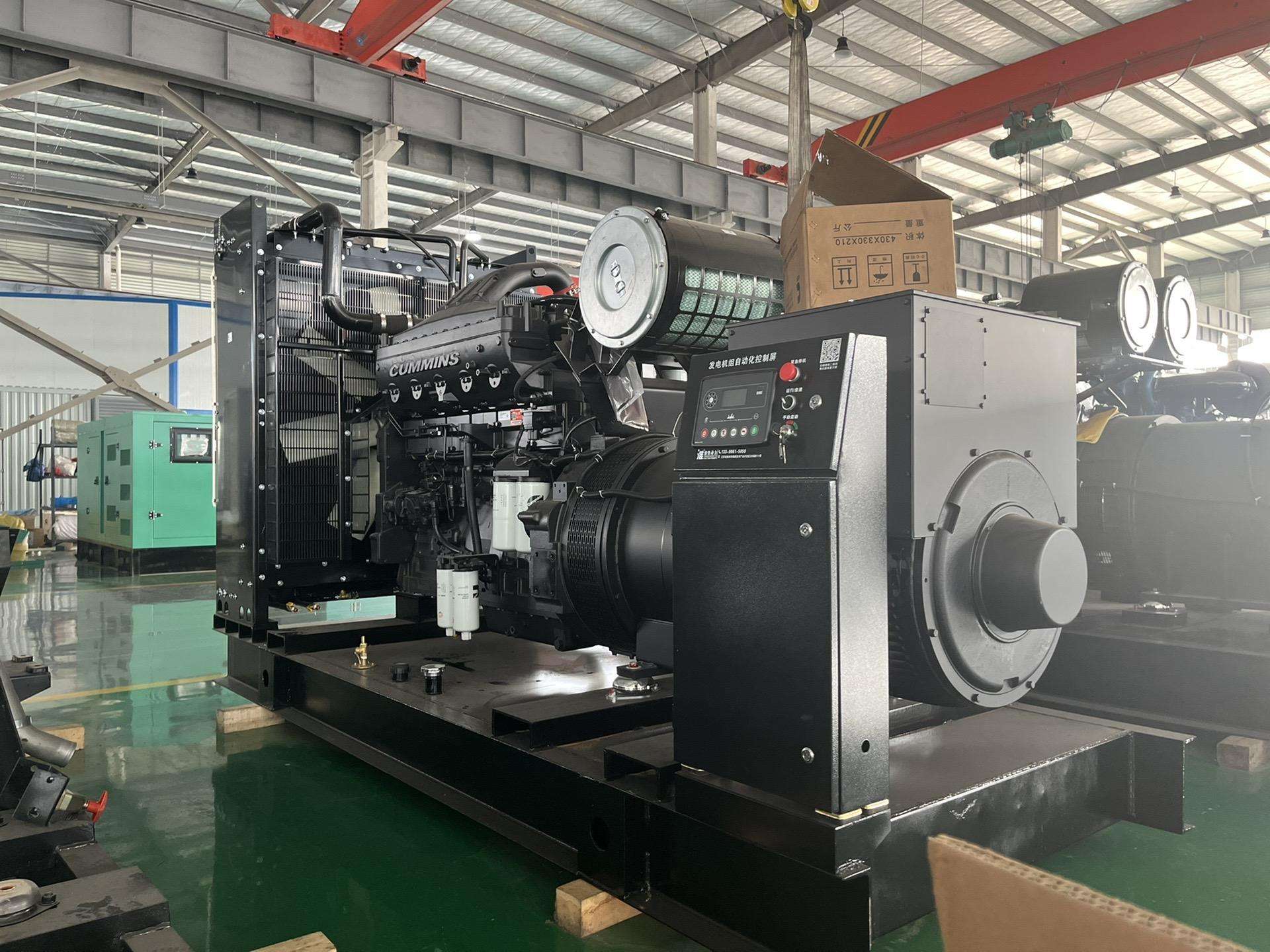
The plate carries the tier beside the rating for a reason. A buyer who reads only the rating sees half the machine, because the after-treatment changes the footprint, the noise cap and the price long before it changes the kW figure. Treat the tier as a line item of the set, not as a certificate stapled to the back of the file.
Which tier matches the annual running hours?
The hours do the sorting. A set that runs for outages only spends its year below the caps that matter, while a set on a remote grid accumulates hours the way a truck does. One further question belongs here: the genset emission tier for standby duty follows the outage plan rather than the calendar, and the table bands reflect that. Each band raises a different question about the after-treatment and its service plan.
| Annual hours | Typical duty | What the hours raise | Example site |
|---|---|---|---|
| Under 200 hours | Standby, outage cover | The engine family papers carry the case more than the hours do | Hospital backup set |
| 200 to 1500 hours | Seasonal grids, shared duty | After-treatment sized for intermittent starts and cold restarts | Quarry batching plant |
| Over 1500 hours | Prime power, island grids | The system runs hot all year, so the service plan decides the cost | Mine camp or island resort |
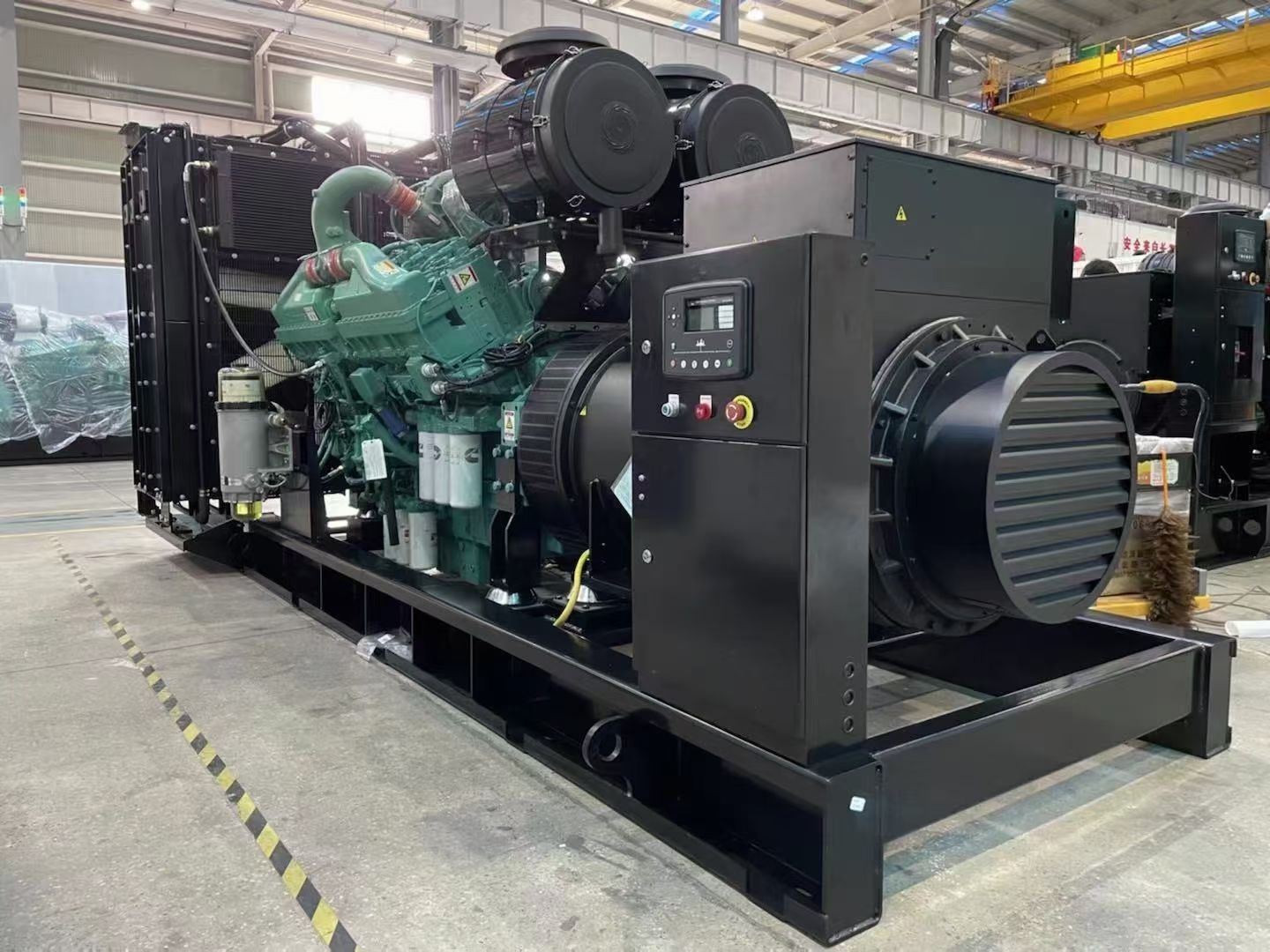
Standby hours rarely move the class on their own, because an engine that starts for tests and outages stays inside every cap the family approval allows. Prime hours do the opposite. A set that carries an island grid for 6000 hours a year runs its after-treatment the way a truck runs an exhaust line, and the service intervals arrive faster than the calendar suggests. Yangzhou Tesla Power quotes the hours figure beside the class for that reason.
The rating class sits beside the emission class, and the two are read together rather than one against the other. A prime-rated engine that meets a strict tier is a different purchase from a standby-rated engine at the same tier, because the duty shapes the after-treatment as much as the limit does. The prime and standby rating definitions page sets out how the duty class changes the hours a set may run.
How do EU Stage V and US EPA Tier 4 differ?
The two families ask the same question in different paperwork. Stage V, set out in Regulation (EU) 2016/1628, grades non-road engines by power band and requires the after-treatment to be approved with the engine as a family. EPA Tier 4 Final grades by similar bands and adds its own durability demonstrations. Both limit particulate matter and oxides of nitrogen, and both tie the limit to a test cycle the engine has to pass.
For a buyer the practical difference sits in the documents rather than in the hardware. An EU-bound set travels with the engine family approval and the conformity marks; a US-bound set travels with the EPA certificate of conformity for the engine family. The hardware often overlaps, since engines built for both markets carry similar selective catalytic reduction and diesel particulate filters, and the certificate decides which box the freight forwarder ticks.
- Stage V grades the engine by power band and approves the after-treatment with the engine as one family.
- EPA Tier 4 Final grades by similar bands and adds its own durability demonstrations beside them.
- Both tie the limit to a test cycle, and the cycle is what the acceptance test refers to.
Where the set is headed decides which of the two files it needs. Regulation (EU) 2016/1628 as it reads in the Official Journal lists the Stage V bands, and the EPA reference guide to the nonroad tiers lists the Tier 4 limits band by band. Chinese genset emission suppliers quote the same two families, and the differences appear in the file rather than in the metal. Our emission standards page for export sets collects the destination rules we quote against most often.
What should the tender state about the tier?
A tender that names the destination and the hours lets every bidder quote the same class. The lines below are the ones that decide the file, and they cost nothing to add.
- The destination country and the site class: port, city, mine or plant, each with its permit authority.
- The expected annual hours and the duty class, prime or standby, written as figures rather than as adjectives.
- The paperwork the set must land with: engine family approval, certificate copy and the test log format.
Without those lines the offers arrive at different assumptions, and the cheapest one is cheapest because it assumed the least. Tesla Power Equipment prices the tier against the stated hours, so a change of hours later reads as a change of scope rather than a dispute. State the records too. A buyer who names the file the set must arrive with gets offers that can be compared on the day they land, not after the first port inspection.
How does the tier interact with the load profile?
The load profile decides how hard the after-treatment works, and the tier decides what it may release at that load. A 500kVA frame at 0.8 power factor delivers 500kVA × 0.8 = 400kW, and a 250kVA frame = 200kW on the same basis, so a site running 320kW of steady load sits near the middle of either frame, and the exhaust system sees a steadier temperature on the smaller one.
Run the same frame at light load for long stretches and the after-treatment cools below its working range, which is a maintenance question before it is an emissions question. The load profile tells the supplier where that boundary sits. A set quoted for prime duty at 400kW and then run at 80kW for months meets neither the fuel figure nor the exhaust figure it was quoted against.
- A prime class carries the hours within its load factor, and the tier travels with it all year.
- A standby class caps the hours a year, and the cap is a warranty line before it is an emissions line.
- Long low-load stretches cool the after-treatment, so the profile should record them rather than hide them.
Where the profile is measured rather than assumed, the tier conversation gets shorter, because the hours are already on the table. The 400kW Weichai WP13 build for site duty is one frame Tesla Power quotes with the profile and the class on the same sheet.
What changes on a coastal or remote site?
Salt air, humidity and a long barge ride change the hardware around the tier rather than the tier itself. The genset emission tier in coastal regions still follows the national rules, but the after-treatment needs enclosure protection, and the permit conversation often involves the port authority alongside the national one. Sets that land for a construction project read the same way: a genset emission tier for construction sites is quoted from the engine family approval and the local permit, in that order.
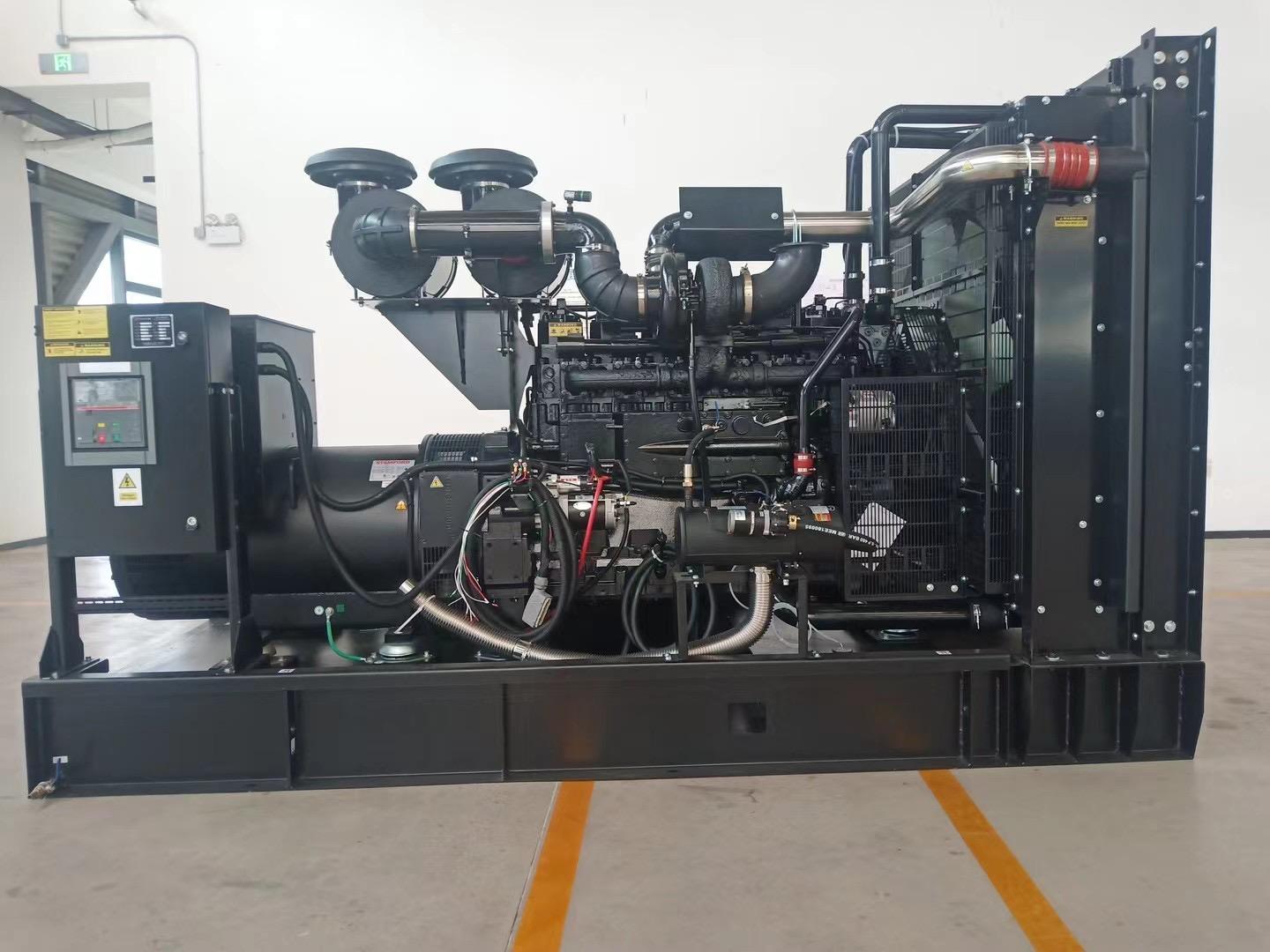
Import paperwork follows the destination rules, and the tier is the first line customs reads. The import duty notes for US-bound engines record how the certificate and the engine family interact at the border. Tesla Power keeps the two files together so the freight agent does not have to guess which page the inspector will ask for.
Which records does the conformity file carry?
Conformity assessment for the genset is checked against papers, not promises. The engine family approval shows the engine was certified as designed; the certificate of conformity shows this production set matches that approval; the plate on the set repeats the class in metal. A file where the three disagree is the file an inspector reads twice. The genset emission documentation for export buyers is complete when all three name the same family and the same tier.
The set of papers is short, and every page earns its place. A buyer who keeps them in one folder can answer a port inspector, an insurer and a service crew from the same file. The 500kVA silent set for standby records ships with that folder as standard, and the folder travels with the set rather than with the invoice.
| Record | What it proves | Who keeps it |
|---|---|---|
| Engine family approval | The engine design meets the stated tier | Supplier, filed with the offer |
| Certificate of conformity | This production set matches the approved family | Buyer, with the handover file |
| Nameplate and hour log | The set in service still runs the class it was quoted at | Site crew, updated yearly |
Tesla Power files the approval and the certificate together, and the hour log format travels with the set, so the record survives a change of crews rather than a change of paperwork.
How should a buyer compare two tier offers?
Compare the basis before the price. Two offers should state the same tier, the same hours assumption and the same destination file. Where one offer names a tier without the family approval to back it, the comparison stops there, because a class written without a certificate is a sentence rather than a document.
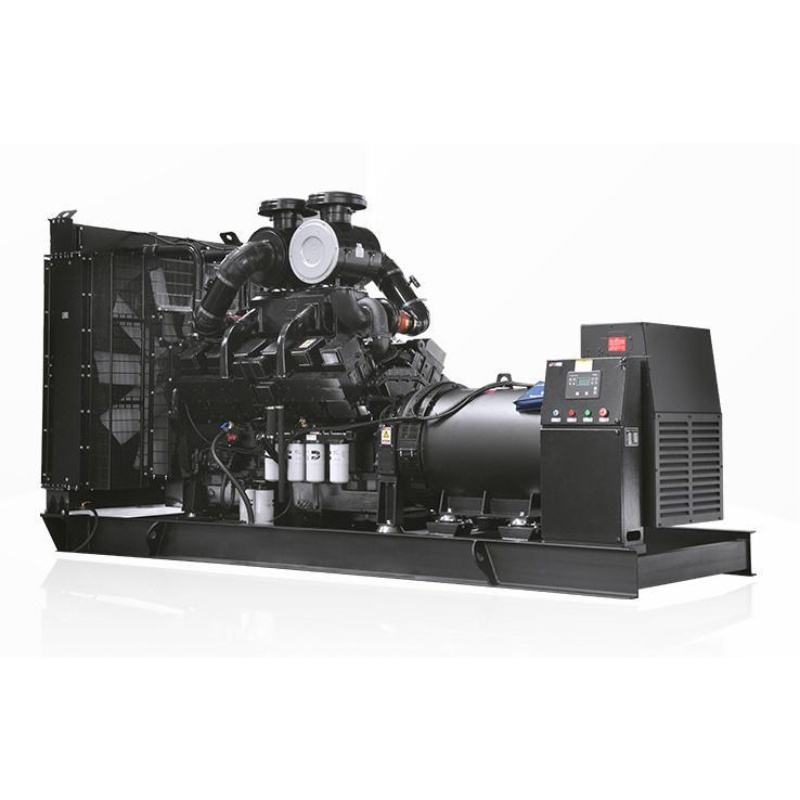
Then ask each supplier which record the set lands with and who keeps it. Our export engineering desk answers that line inside the quotation, with the family approval listed beside the rating. Tesla Power writes the reply to be read against a second offer rather than on its own.
Frequently asked questions about the genset emission tier
It does, because the class is fixed at the engine family level before the duty is decided. A standby set runs few hours, and that usually keeps it inside the caps of a moderate class, but the papers travel with the family approval either way. The duty changes the service plan more than it changes the class.
Most destinations accept one of the two families as a reference, and some add a national standard on top. Markets in Africa and the Middle East often quote either family without enforcing a local test, while ports and capital cities increasingly ask for the papers even where the rule is not enforced. Quote the destination, and the file follows.
Derating reduces the power a set delivers, not the class the engine was certified in. The tier follows the engine family and its test cycle, so a smaller figure on the plate does not move the set into a lighter class. What derating does change is the margin between the load and the exhaust limits.
The certificate work runs alongside production, and the timing depends on whether the engine family is already approved for the EU market. Where the family papers exist, the set is booked against them and the file is assembled before the test run. Where a family is new to the register, the approval is a project of its own and the tender should say so.
After-treatment systems carry fuel sulphur limits, so a set with a diesel particulate filter is quoted for low-sulphur fuel and the plate or the manual states the cap. Running a higher sulphur grade shortens the life of the filter rather than moving the emissions figure. Fuel quality belongs in the tender beside the tier.
The buyer keeps the certificate and the family approval, and the site crew keeps the hour log that shows the set is running inside its stated duty. Service teams read the same folder at each visit. A record split between three offices is a record that gets lost at the first inspection.
Tell the supplier before the change, because the service plan and the warranty schedule were built on the stated hours. Tesla Power reads the hour log against the original offer and restates the class basis where the duty has moved. The fix is usually a service interval change, and the tier itself follows the engine rather than the site.