
Connecting a generating set to a distribution network is a controlled event, and the rules that govern it are collected under the heading of genset grid connection requirements. This guide explains how utilities review those rules before a set may run in parallel with the grid, and what evidence a buyer presents at the application stage. We write from the factory side of Tesla Power, where each paralleling enquiry arrives as a version of one question: what will the network ask for? The answer settles into five areas, and the wording repeats across networks because most utilities write to IEC style clauses. The protections that stop the set feeding a faulted line. The synchronisation method that closes the breaker inside voltage, speed and angle limits. The transfer scheme, open or closed, that the network approves for the site. The metering and approval documents filed with the application. The earthing and neutral arrangement at the point of connection. Work through the sections below, compare the document lists, then send the single line diagram with your quotation request.
- Ask the utility for its protection schedule before ordering, because the settings decide the relay list the set has to carry.
- Confirm the transfer scheme in writing, since open and closed transition place different duties on the breaker.
- Keep the synchronisation data with the drawing set, beside the standby frames the factory builds, so the application reads from one file.
- Compare offers on the documents issued with the set, not on the frame price alone.
What do genset grid connection requirements cover?
The phrase covers everything between the set terminals and the point of supply. A utility applies five groups of clauses in practice: protection, synchronisation, transfer, metering and earthing. Each group produces a document, and each document carries a signature before energisation. The scope sounds narrow. It is not. A clause on neutral earthing can move the alternator winding choice, and a metering clause can decide where the current transformers sit. Treat the requirements as a drawing office input rather than a formality for the commissioning week.
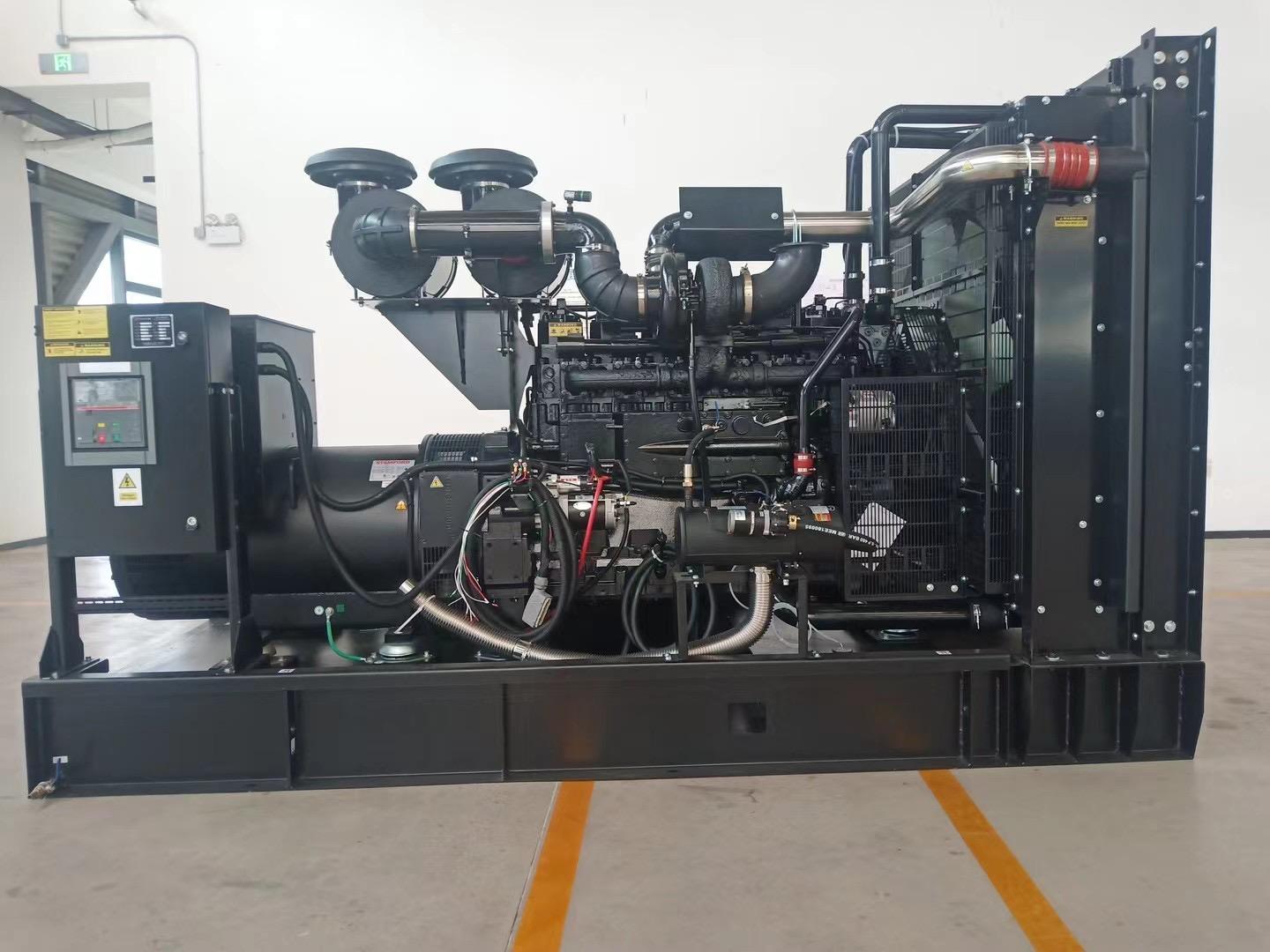
The sequence repeats across networks. The applicant submits a single line diagram, the utility returns a protection schedule, the contractor installs to that schedule, and a witness test closes the file. An application for a genset grid connection for hospitals adds a transfer time clause, and the same clause appears for a water plant. The order matters, because a schedule issued after installation has a habit of naming relays the panel was not built to hold.
Which protection settings does the utility review first?
The utility reads the protection schedule before it reads anything else, because the settings decide whether the set can stay connected while a fault clears. Overvoltage and undervoltage relays guard the busbar, and the usual window sits near plus or minus ten percent of nominal voltage. Overfrequency and underfrequency relays guard the engine speed in the same way. Reverse power protection watches the flow at the breaker, and it trips the set before it motors the engine and loads the fuel system of every other machine on the bar.
Every figure on the utility schedule has to match the relay list the buyer orders. A set supplied without the reverse power element fails the inspection at the first witness test, and the delay lands on the site programme rather than on the supplier. Ask for the relay schedule with the offer, and read it against the utility letter line by line.
| Setting | Typical basis | What it protects |
|---|---|---|
| Overvoltage | Trip near 110% of nominal voltage | Alternator winding and site insulation |
| Undervoltage | Trip near 85% of nominal voltage | Motors stalling on a depressed busbar |
| Over and under frequency | Window around nominal speed | The engine and any machine in parallel |
| Reverse power | Trip near 10% of rated output | The prime mover running as a motor |
| Loss of mains | Vector shift or rate of change | Crew working on a line thought to be dead |
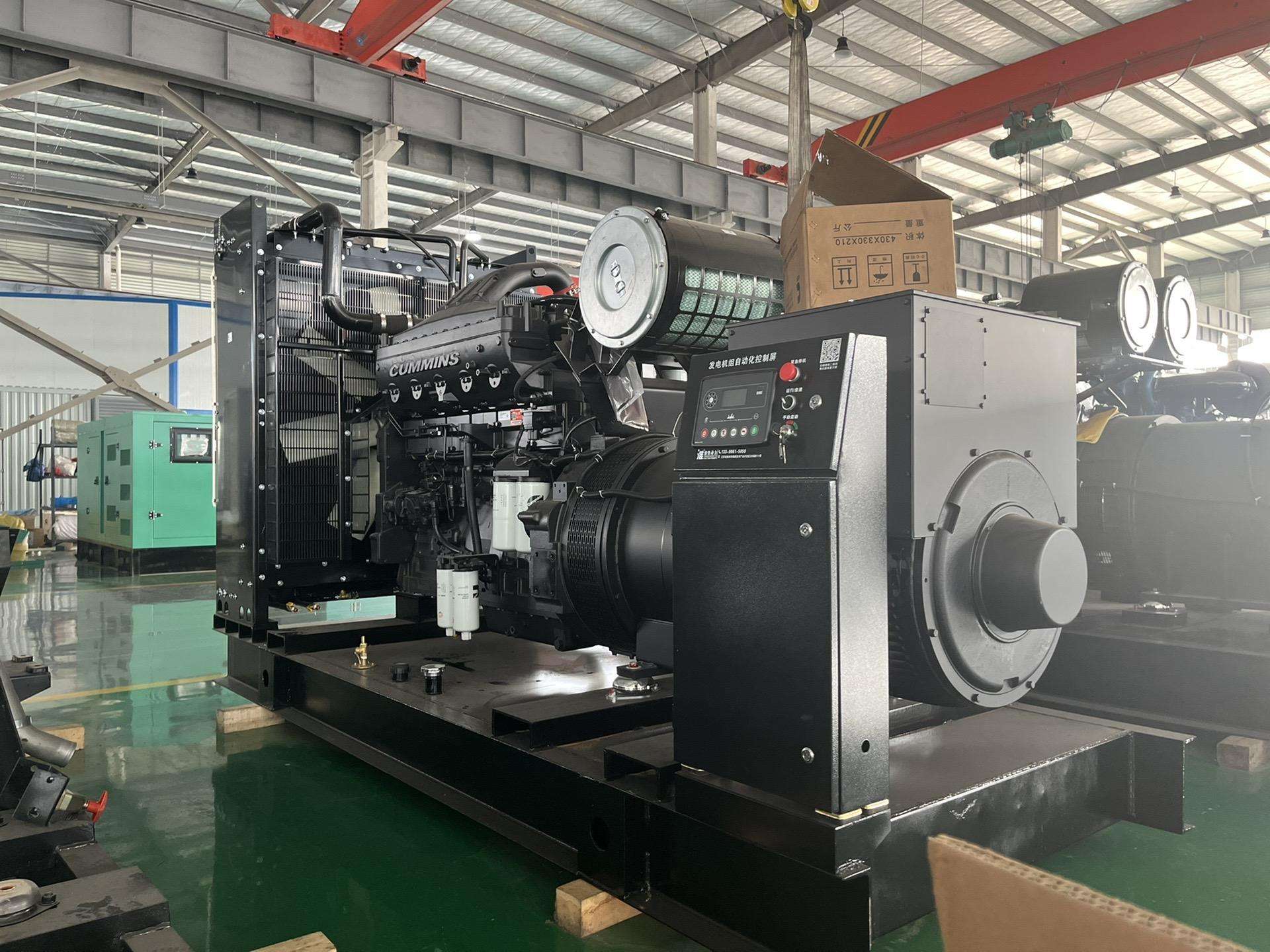
How does the synchronisation method qualify for approval?
Synchronisation is the act of matching voltage, frequency and phase angle before the breaker closes, and the utility wants to know who performs the match. A manual synchroniser needs a licence clause of its own. An automatic synchroniser brings the set onto the busbar inside a quarter of a hertz and a few degrees, which is the window most schedules name. The controller type appears on the single line diagram, so the choice is made at design stage rather than at commissioning.
Where the set shares a board with utility supply, the relays and the controller exchange status over a defined protocol, and modern schedules ask for IEC 61850 compatibility at the interface. Confirm the protocol in the specification. A retrofit of a communication card after the panel is built costs more than the card, and the witness test waits while it is fitted.
- Name the synchroniser type on the single line diagram.
- State the closing window the controller holds, in hertz and degrees.
- Match the protocol to the utility schedule before the panel is ordered.
Tesla Power Equipment ships the synchroniser data sheet with every paralleling offer, and the sheet names the closing window the breaker was tested to.
Open or closed transition: which scheme will the utility approve?
An open transition breaks the utility supply before the set carries the load. The busbar sees a gap of a few seconds, and the network sees two sources that are separated at every instant. Most utilities treat an open changeover as the simplest case, because no part of the installation is paralleled with the grid. Changeover gear quoted by chinese genset suppliers is usually configured for open transition by default, and the scheme suits a genset grid connection in industrial parks where the feeder is dedicated to one site.
A closed transition closes the set onto the live network for a short overlap, often a few hundred milliseconds, and it needs the utility to approve the paralleling window explicitly. The breaker rating, the synchroniser accuracy and the reverse power trip all move up a class. Tesla Power marks the scheme on the offer sheet, because the two designs share a frame but not a switchboard. Where the genset grid connection for standby duty is approved with a closed window, the metering becomes a settlement matter as well. Read the ATS panel notes for transfer schemes before the drawing is issued.
What metering and approval documents does the utility file?
Metering sits at the point of connection, and the utility names the class of the metering point in its schedule. A set that runs in parallel exports energy back through the meter, so the arrangement changes from a consumption record to a settlement record. The current transformers move, the meter class moves, and the wiring diagram follows both. A genset grid connection in industrial parks usually lands on a dedicated feeder, which simplifies the transformer arrangement but not the paperwork.
| Document | What it shows | When it is filed |
|---|---|---|
| Single line diagram | Sources, breakers and the point of connection | With the application |
| Protection schedule | The settings the panel has to hold | Returned by the utility |
| Metering agreement | Who reads the point and on what tariff | Before parallel running |
| Witness test report | Relay and breaker behaviour at energisation | At commissioning |
| Certificate of conformity | The standard the panel was built to | With the completion file |
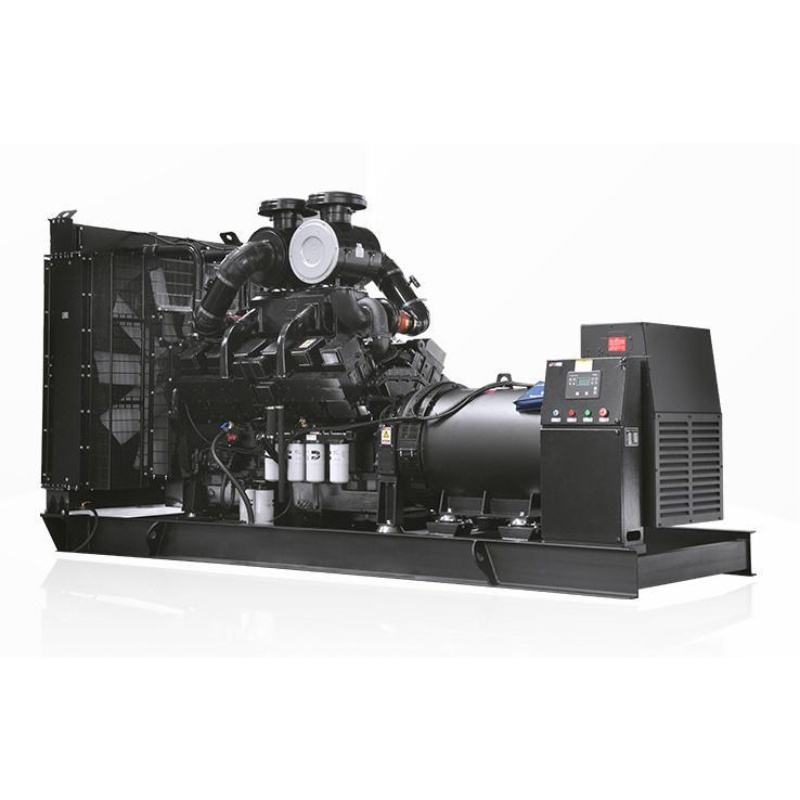
Yangzhou Tesla Power assembles this pack with the offer, because the documents are design inputs rather than commissioning paperwork. A certificate that states the panel standard, a diagram that marks the point of connection, and a rating plate that reads against the definitions clause of ISO 8528-1 belong in one folder from the first day of the project.
How do earthing and neutral arrangements shape the design?
The utility wants to know how the neutral behaves when the set carries the site alone and when it runs beside the grid. A solidly earthed neutral on the set can circulate current through the network while the two sources share a busbar, and some schedules ask the neutral to be switched with the breaker for that reason. The question is formal, but the answer changes the alternator winding and the terminal box layout.
The design answer is usually one of two arrangements. Either the set neutral stays solid and the changeover switches the conductor with the phases, or the set carries a resistance at the star point that limits the fault current to a figure the network accepts. Both arrangements appear on the single line diagram, and the utility annotates the one it will accept before the drawings are approved.
- Mark the neutral conductor and its switching on the diagram.
- State the earthing resistance figure where a resistor is fitted.
- Keep the winding data with the diagram, so the two are read together.
Tesla Power states the neutral arrangement on the wiring diagram beside the winding data, and the two travel with the offer. Where the utility returns an objection, the change is a drawing revision rather than a machine rebuild.
What does a worked sizing example show at the connection point?
Take a site with a 320kW measured peak and a 500kVA set on the base frame. At the nameplate figure 500kVA × 0.8 power factor = 400kW, so the set carries the peak with margin. A smaller 250kVA frame gives 250kVA × 0.8 power factor = 200kW, which covers the night load while the larger set rests. If the utility sets the reverse power trip at 10% of rating, the figure is 10% × 400kW = 40kW of allowed backflow. The same arithmetic sets the current transformer size, because 320kW ÷ 0.8 = 400kVA at the metering point.
The point of connection inherits those figures. A conformity assessment for the genset panel follows the schedule, and the inspector compares the relay list against the arithmetic on the application. The 400kW Weichai frame in the export range carries a protection list that matches a connection of this size, and Tesla Power returns the relay schedule with the drawing set.
Which records does the buyer keep after the connection?
Keep four records from the day the set first closes onto the board. The witness test report, signed by the utility engineer. The relay setting sheet as installed, not as offered. The metering agreement with the tariff noted. The synchroniser closing window measured during the test, because the figure drifts as the governor wears. The protection record a buyer should keep on file is the setting sheet as installed, since it is the only version the utility will test against.
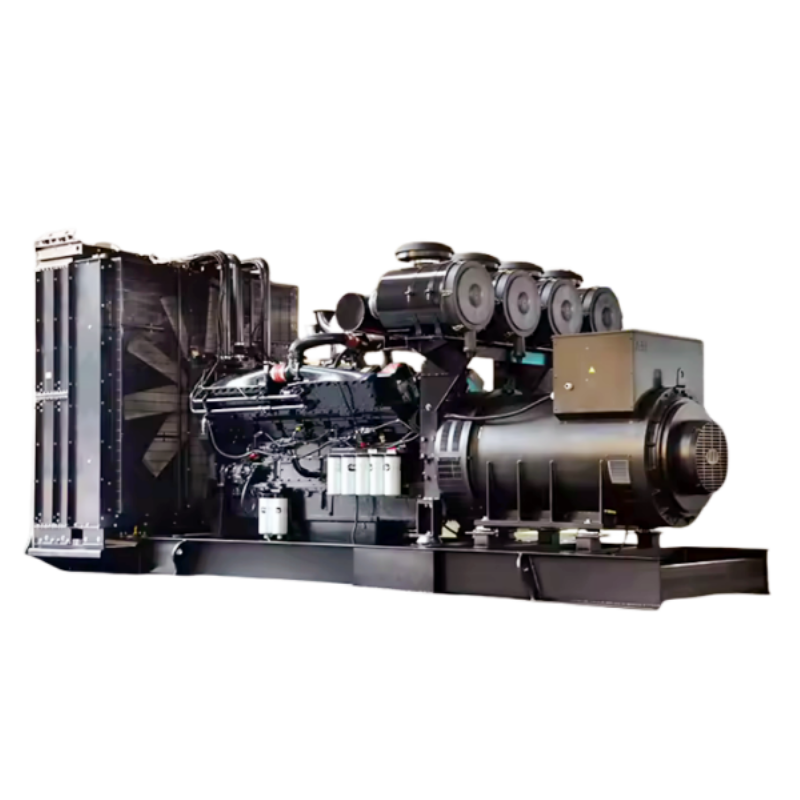
The protection record matters most at the first annual test, when the utility asks whether the settings still match the schedule it issued. Tesla Power keeps a file copy against the serial number. Many genset manufacturers in china issue a test certificate instead. A certificate states what the set did at the works. A setting sheet states what the panel will do on the day. The utility reads the second document, and so should the buyer. The container set registered for site duty ships with the same file format, so a buyer can merge the records site by site.
Frequently asked questions about genset grid connection requirements
It does not. A set that opens the utility supply before carrying load is an open changeover, and most networks class it as a private installation rather than a parallel connection. The utility still inspects the transfer, but the protection schedule is shorter and the metering stays a consumption record.
The review runs from the application to the witness test, and the timing follows the network rather than the supplier. A low voltage connection with a complete document pack is the fast case. Parallel running at medium voltage adds review steps, and the review calendar is worth asking for at enquiry stage.
The threshold is defined by the network, not by the frame. Many utilities review any set above a stated figure, and the figure can sit as low as a 50kVA machine on a weak rural feeder. Ask for the threshold in writing before the frame is chosen, and keep the reply with the application file.
Only if the connection agreement allows it, and the agreement turns the metering into a settlement arrangement. Most standby installations are approved for import with a short paralleling window, and export is a separate application with its own review and its own metering class.
The single line diagram. It shows the sources, the breakers and the point of connection on one sheet, and everything else in the review attaches to it. A diagram that omits the neutral arrangement is the most common reason a first submission is returned for revision.
The utility issues the schedule, and the supplier builds the panel to hold those settings. Send the utility letter and the single line diagram to the contact page at the works, and Tesla Power returns a panel specification that names the relays against each setting line.