
A genset for mining sites in Africa is specified by the duty it carries, not by the price printed on a quotation. The set is the only source on the pit, so a miss in the specification stops production rather than a shift. Tesla Power builds prime-rated frames for export projects, and we read the site conditions before the rating, because a remote pit runs the set around the clock far from any dealer who can attend within a shift. This guide explains how to evaluate the four figures that decide whether the frame survives the contract: the duty class, the fuel autonomy, the derating basis and the spares plan. We write from the records our engineering desk keeps on export orders, where most failures we trace come back to a figure that was left off the sheet. The sections below set out what to measure at the site, what to put on the enquiry, and how to compare two offers before a supplier is asked to quote.
- State the duty class and the rating basis on the enquiry, so both offers name the same figure before the export genset range the factory builds is compared.
- Size the tank on the haul distance to the nearest fuel point, because autonomy replaces the grid on a remote pit.
- Apply the dust and heat correction to the plate figure before the frame is chosen, not after the first dry season.
- Put the altitude of the pit on the enquiry, since inland sites at height lose capacity a coastal yard keeps.
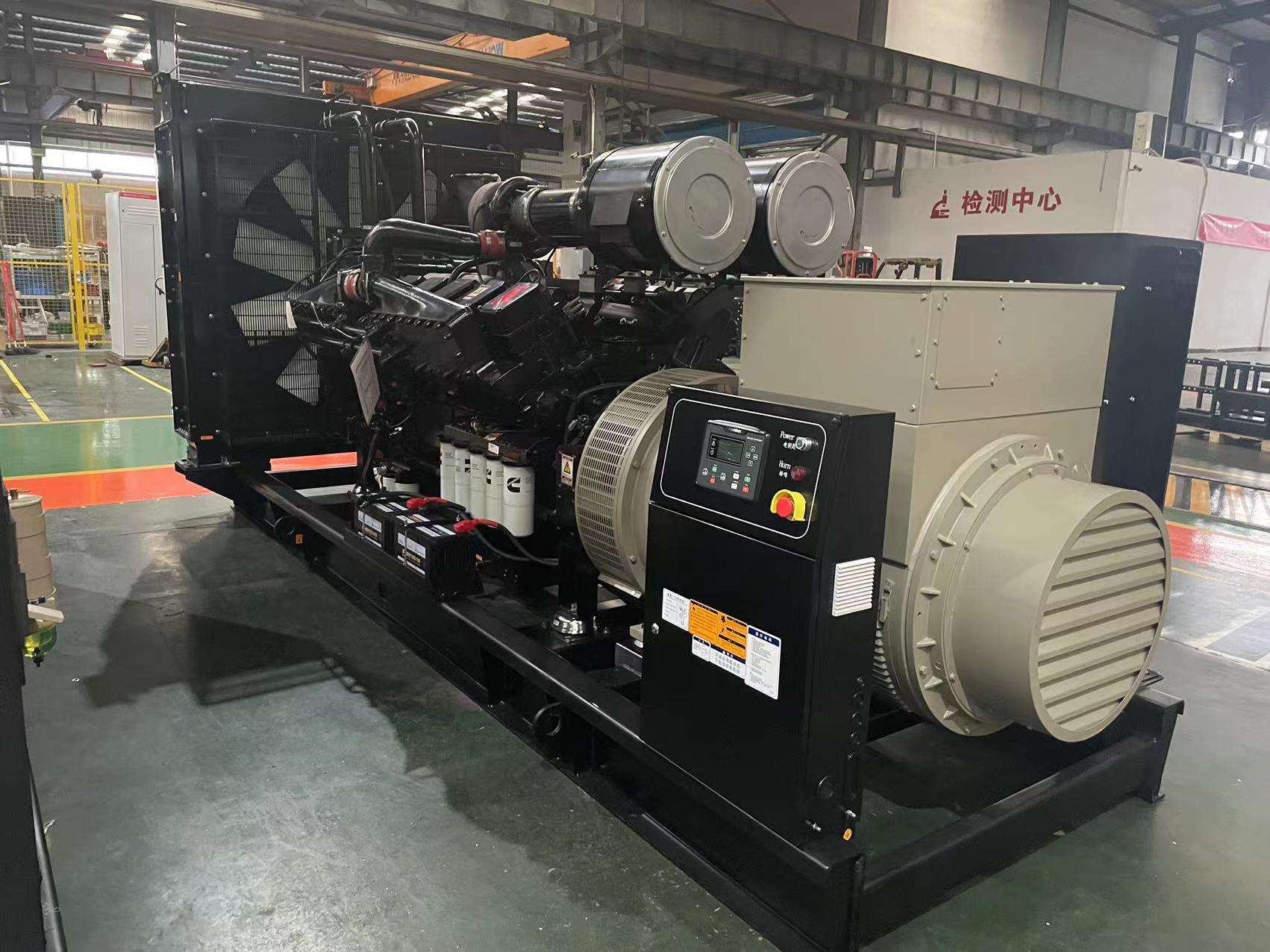
Which duty class does a genset for mining sites in Africa need?
A pit runs the set as a prime duty machine, which means the rating is a figure the engine carries for unlimited hours at a defined load. Standby ratings read higher on a sheet and carry nothing on a site that draws power around the clock. The class belongs beside the rating on every offer, and the prime rating classes in ISO 8528-1 give both sides the same words to read.
A continuous rating reads lower than a prime one, and it suits a pit whose load stays flat through the shift. Most mines see crushers start, pumps step and the camp breathe, so the load moves and the prime class carries it. Tesla Power marks the class and the overload allowance beside the rating on the offer sheet, because two figures without a class cannot be compared on price alone.
- Ask each bidder to print the class beside the rating on the offer sheet itself.
- Reject any offer that names a rating without a class, because the two figures travel together.
Overseas buyers often compare genset manufacturers in china on price alone, and Chinese genset suppliers quote the same rating on different bases, which is where the cheap offer hides its saving. Ask for the class in writing before the price is discussed.
How much fuel autonomy should the tank hold?
Fuel logistics decide the tank before the load does. Where the nearest depot sits a day away, the autonomy is the figure that keeps the crushers turning while the tanker travels. A 500kVA frame at three quarter load burns roughly 75 litres an hour, so a day of autonomy means close to 1800 litres stored clean and dry at the right temperature.
| Autonomy | What it covers | What it costs |
|---|---|---|
| 24 hours | One shift and the travel time of a local tanker | The smallest bulk tank a site can justify |
| 72 hours | A missed delivery and a wet season road | Water draining, fuel polishing and more tank to heat |
| 7 days | A road cut for the length of a repair | A dedicated storage pad and a transfer pump crew |
Pick the autonomy from the road, not from the brochure. A pit with a sealed road and a depot two hours away carries less than a pit at the end of a laterite track.
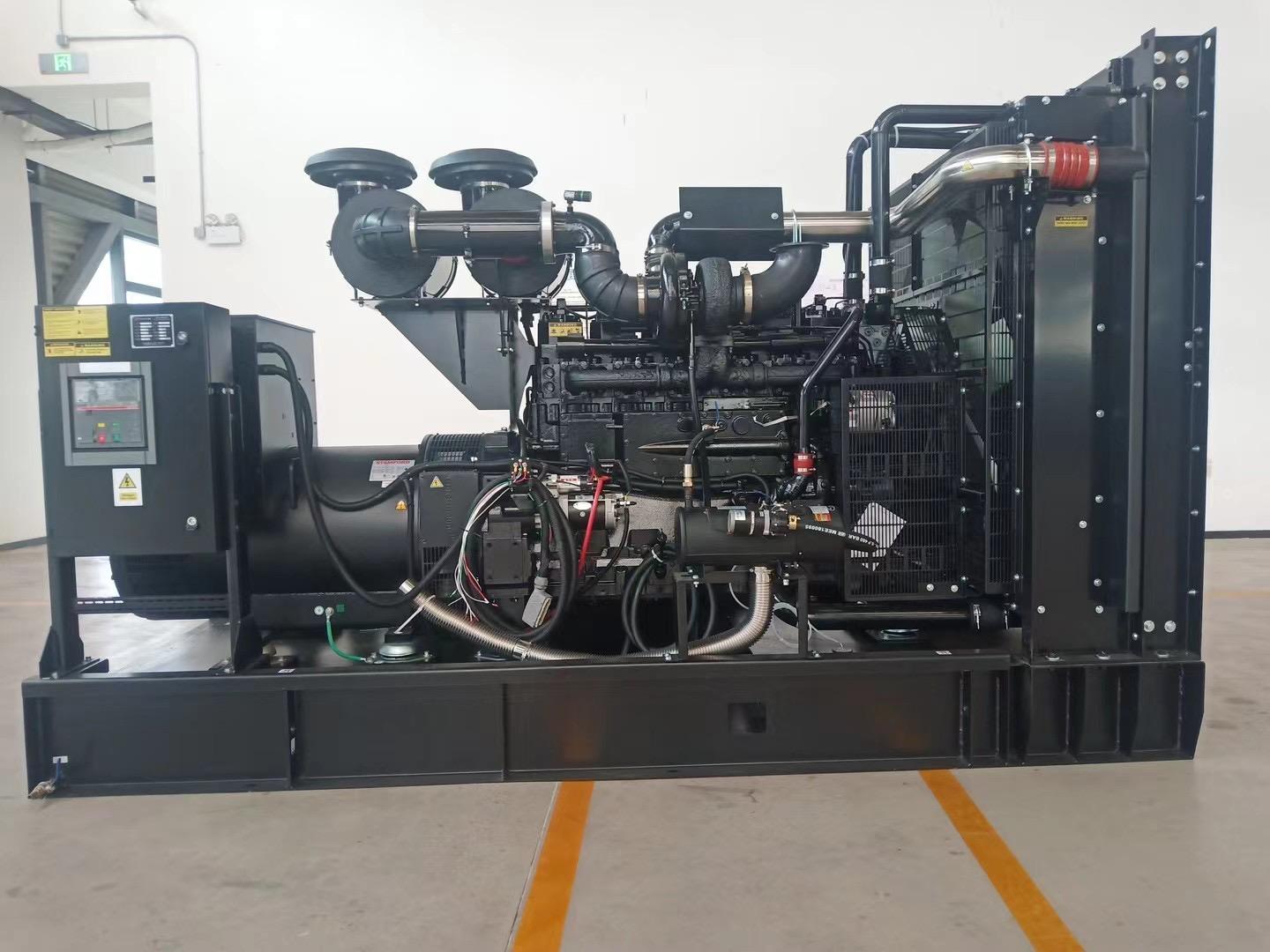
Record the burn per shift and keep the log with the fuel record kept on a 500kVA set, because the burn log decides the tanker schedule rather than the brochure. A burn figure recorded at three load points is the number a buyer reuses across every offer.
What does dust and heat do to the plate figure?
Heat removes capacity before the first load is connected. A set rated at 40 ℃ loses about 3% of its figure for every 10 ℃ the intake rises above that point, and a canopy adds its own heat to the air behind the louvres. Dust works on the same figure from the other side, because a loaded air cleaner chokes the intake long before the filter change falls due.
The correction belongs on the offer, not in the service manual. Yangzhou Tesla Power states the derating chart beside the plate for export orders, so the buyer reads the figure the site will actually carry. A genset in dusty sites needs the intake counted in that chart, and the same applies to a genset for heavy duty cycles, where the cooling pack is sized on the load factor the pit really runs.
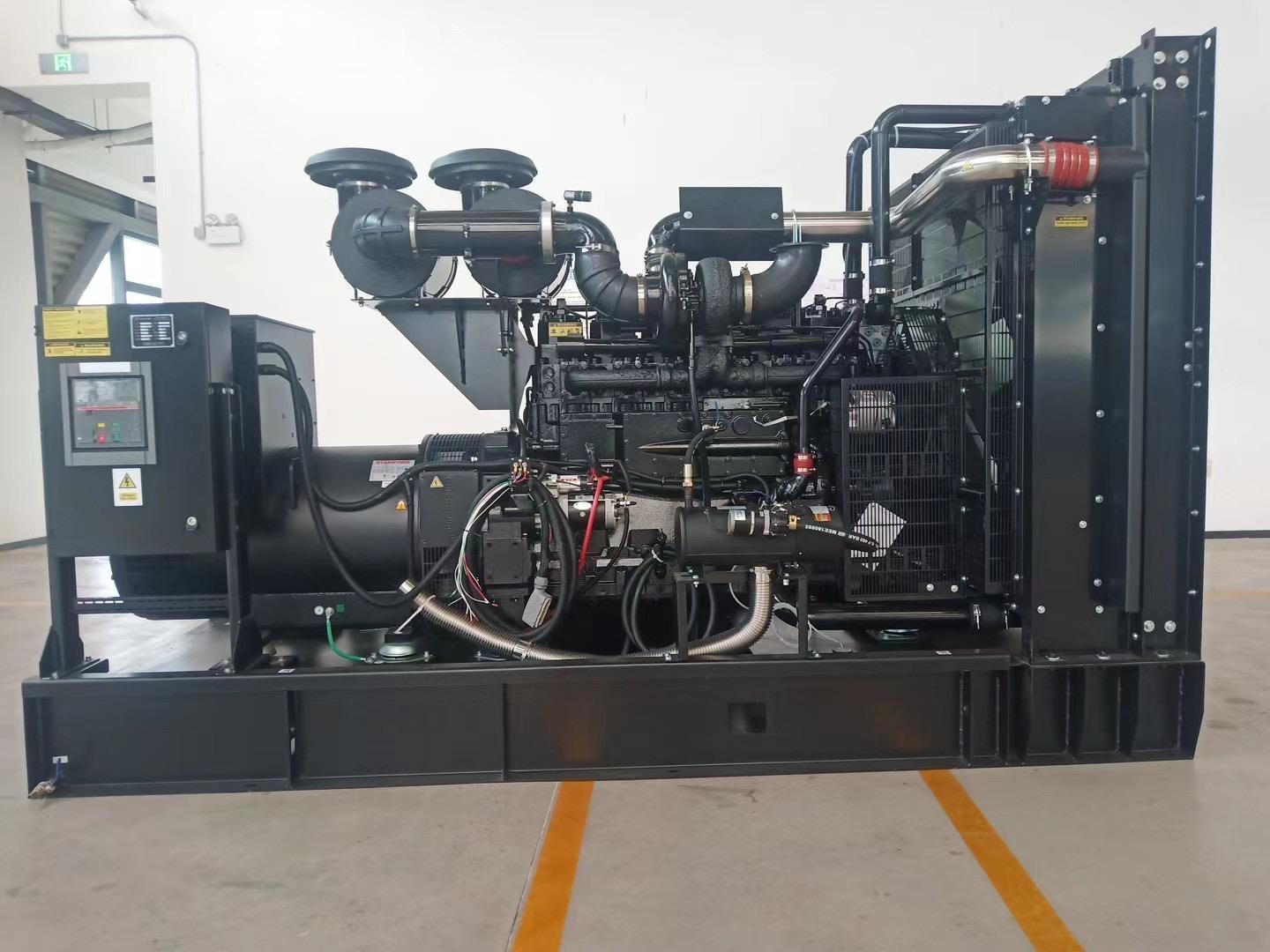
Order the pre-cleaner with the set rather than after it. A cyclonic pre-cleaner ahead of the paper element keeps the interval between services long enough to match the service visit the site can actually arrange.
Does altitude change the answer for inland pits?
Inland pits sit high, and air density falls with height. A naturally aspirated engine loses about 4% of its rating for every 1000m of altitude, while a turbocharged engine gives part of the loss back through the compressor. A pit at 1500m plans against the corrected figure, not the plate.
How is the correction applied to the frame choice?
The arithmetic is short. 500kVA × 0.8 power factor = 400kW, and 800kVA × 0.8 power factor = 640kW, so a pit drawing 600kW at the same factor needs the next frame up, because 1000kVA × 0.8 power factor = 800kW leaves the margin the altitude and the heat take back. Apply the corrections in sequence, and write the result beside the rating.
A genset for remote camps at height adds one more line to the enquiry: the altitude of the camp and the altitude of the pit may differ, and the correction follows the higher one. Record both, and the offer returns with the corrected figure already applied. Tesla Power writes that corrected figure beside the rating on every inland offer.
The frame the arithmetic lands on sits in the middle of the range more often than not, and the prime duty frame most pits start with is where several enquiries land before the corrections are applied.
How far can service reach before the set stops the pit?
Service reach is a specification item, not a promise. Where the nearest technician is a flight away, the set has to carry its own diagnostics, and the site crew has to carry the first response. Remote monitoring turns the controller log into a file the factory can read, and a fault seen a week early becomes a planned stop rather than a broken shaft.
Tesla Power fits the monitoring link on every export build and keeps the log from the factory test run on file, so a question from the pit is read against a record the works already holds.
Train the pit crew on the daily rounds: coolant level, leaks, the air cleaner indicator and the battery. The visits a set needs least are the ones a trained crew prevents.
Which spares belong in the container with the set?
A parts channel measured in weeks changes what travels with the set. Filters for the oil, the fuel and the air, a belt set, a water pump kit and a controller spare cover the failures that stop a shift. The same crate arrangement ships with the 1000kVA container build quoted for pit duty, and it costs a fraction of an airfreight part.
Which documents travel with the spares?
Tesla Power Equipment packs the genset documentation for mining sites with the spares crate: the parts book, the service schedule and the torque values the site crew needs when the factory is offline. The crate is labelled by number rather than by part, so a crew member finds the book without a translation call.
A second air cleaner element rides in the crate on dusty contracts, because the element is the part the site consumes fastest and the one a courier cannot deliver inside a shift.
How should two offers for the same pit be compared?
Compare the basis before the price. Two offers for the same pit should state the same four figures: the rating, the duty class, the derating basis and the autonomy. Where one offer states a figure without a basis, the comparison stops there, because a higher number on a lower basis is not a larger machine. Emission limits belong on the same list, and the emission limits set for non-road diesel engines give the figure a customs officer reads first.
The last step is paperwork, and conformity assessment for the genset checks that the plate matches the file rather than the quotation. A buyer who keeps the four figures, the derating chart and the burn log in one folder can hand it to any supplier and receive a comparable answer back. Send the folder to the engineering desk for a priced reply, and the offer returns with the figures filled in.
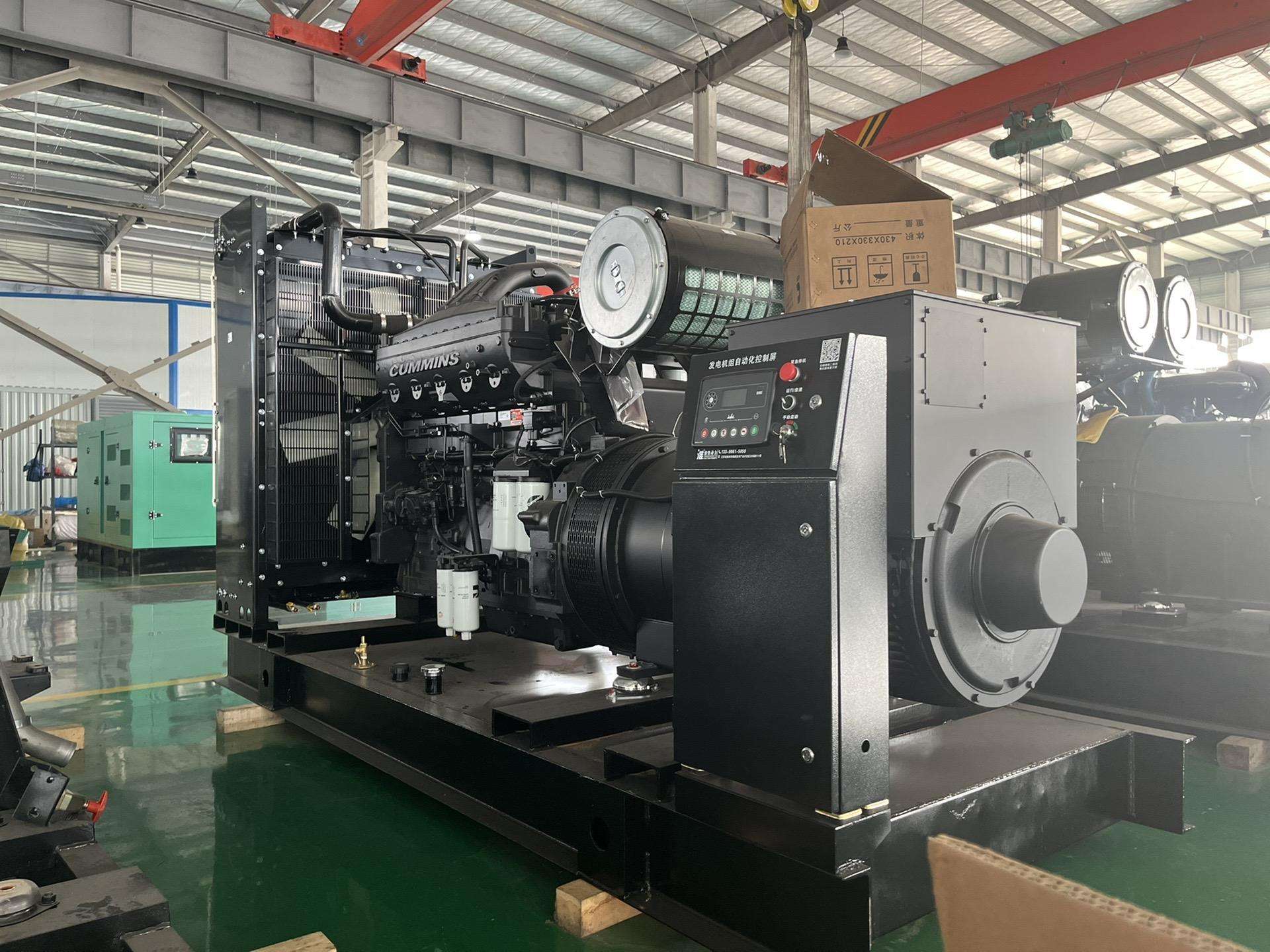
Tesla Power answers the four figures inside the quotation rather than beside it, which is why two of our offers can be read line against line without a follow-up letter.
Frequently asked questions about genset duty on mining sites
Prime duty, with the expected hours a year written beside it. A pit that runs 6000 hours a year and a pit that runs 2000 hours a year buy different cooling packs and different service intervals, and the class plus the hours figure is what separates the two offers.
From the burn log and the road, not from the plate. Take the hourly burn at three quarter load, multiply by the hours of autonomy the road justifies, and add the reserve the wet season costs. The result is a storage figure, and the tanker schedule follows from it.
It changes the correction rather than the rating. The intake air behind the louvres runs warmer than the yard, and the derating chart follows the warmer figure. A canopy built for dust also holds a pre-cleaner, which protects the interval between services on a site that cannot wait for a courier.
They can, and the arrangement gives redundancy a single frame lacks. The cost sits in the switchgear, the synchronising controller and the doubled service work. Two sets also change the step behaviour, because the second frame starts against a load the first already carries.
Order to the engine maker specification and store it to the standard the specification assumes. Water at the tank bottom and grit from a dirty transfer are the two failures a fuel log catches early, and both are cheaper to prevent than to pump out.
With a load list, the site ambient, the altitude and the road to the depot. Send those four to Tesla Power and the reply comes back as a schedule with the corrected figures filled in, which is the document the quotation is compared against.