
A genset non road duty clause decides which machines a tender is allowed to compare, because the duty statement fixes the application class, the annual hours and the site a set is sold for. We put the clause at the front of the pack rather than in an appendix, and the steps below set out what it should state. Tesla Power writes the duty statement as the first schedule of an export offer, so an evaluator reads the rating, the class and the site basis on one page. The wording separates a stationary frame from a trailer-mounted one, and the two carry different emission files. A pack that leaves the class open lets one supplier quote a standby-rated machine and another quote a prime-rated one against the same line item, and the gap appears at the site inspection rather than in the price table. The requirements are short: name the application class, declare the hours, describe the site, and attach the records. Compare the replies against those four lines and the cheaper offer that quietly changed the class becomes visible before the order, not after it.
- State the application class the set is sold under, and name the standard the class comes from.
- Separate the stationary build from the trailer-mounted build, because the two follow different emission files.
- Declare the annual hours and the site type, since both decide the rating class on the plate.
- Attach the duty statement beside the export range the factory builds, so every bidder prices the same machine.
What does non-road duty mean for a genset?
Non-road is a legal category, not a description of terrain. In the emission rules it covers any engine not fixed to a road vehicle: a stationary set on a pad, a trailer-mounted set moved between sites, and the engine in a crusher all sit in the same family. The category matters to a buyer because the file that proves compliance follows the category, and the category follows the wording of the tender.
The second half of the phrase carries the commercial weight. Duty describes how hard and how long the set works, and ISO 8528-1 splits that into rating classes with hour and load limits attached. A set sold as standby carries different limits from a set sold as prime, and the plate states the class beside the rating. Read the two together, because a rating without a class is a number without a basis.
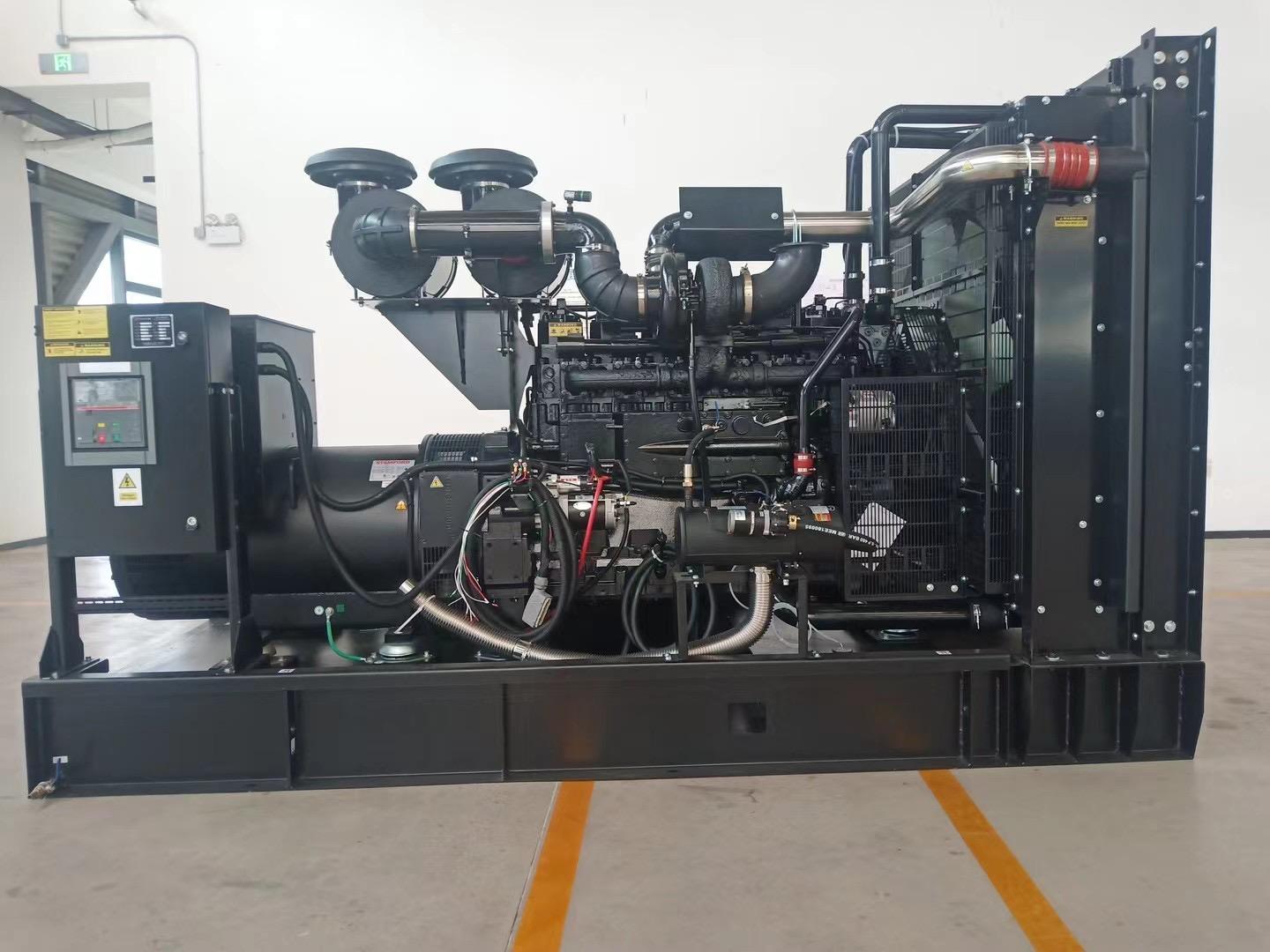
Stationary frame or trailer build: which rules apply?
The two builds answer to different files. A stationary set on a pad is treated as a fixed installation in most markets, and the emission case rests on the engine family, the rating class and the site record. A trailer-mounted set moves, so it can fall under the non-road mobile machinery rules that govern engines which travel, and those rules add type approval steps a fixed installation does not meet.
In the European Union the machinery rules sit in Regulation (EU) 2016/1628, and the text of Regulation (EU) 2016/1628 defines which engines count as mobile. In the United States the EPA Tier 4 Final limits apply to non-road diesel engines, and the EPA engine emissions rules explain which category an engine falls into. Neither file replaces the other, and a set shipped to one market rarely carries the paperwork of both.
Tesla Power builds the two configurations on the same line, and the offer names the file that travels with each one, because a tender that mixes the wording invites a bid against the wrong file.
| Pack line | Stationary build | Trailer-mounted build |
|---|---|---|
| Legal category | Fixed installation at a named site | Non-road mobile machinery |
| Emission file | Engine family and site record | Type approval for the engine |
| Application wording | Application class and hours | Duty cycle and tow rating |
| Site record | Address, ambient, altitude | Range of sites the set serves |
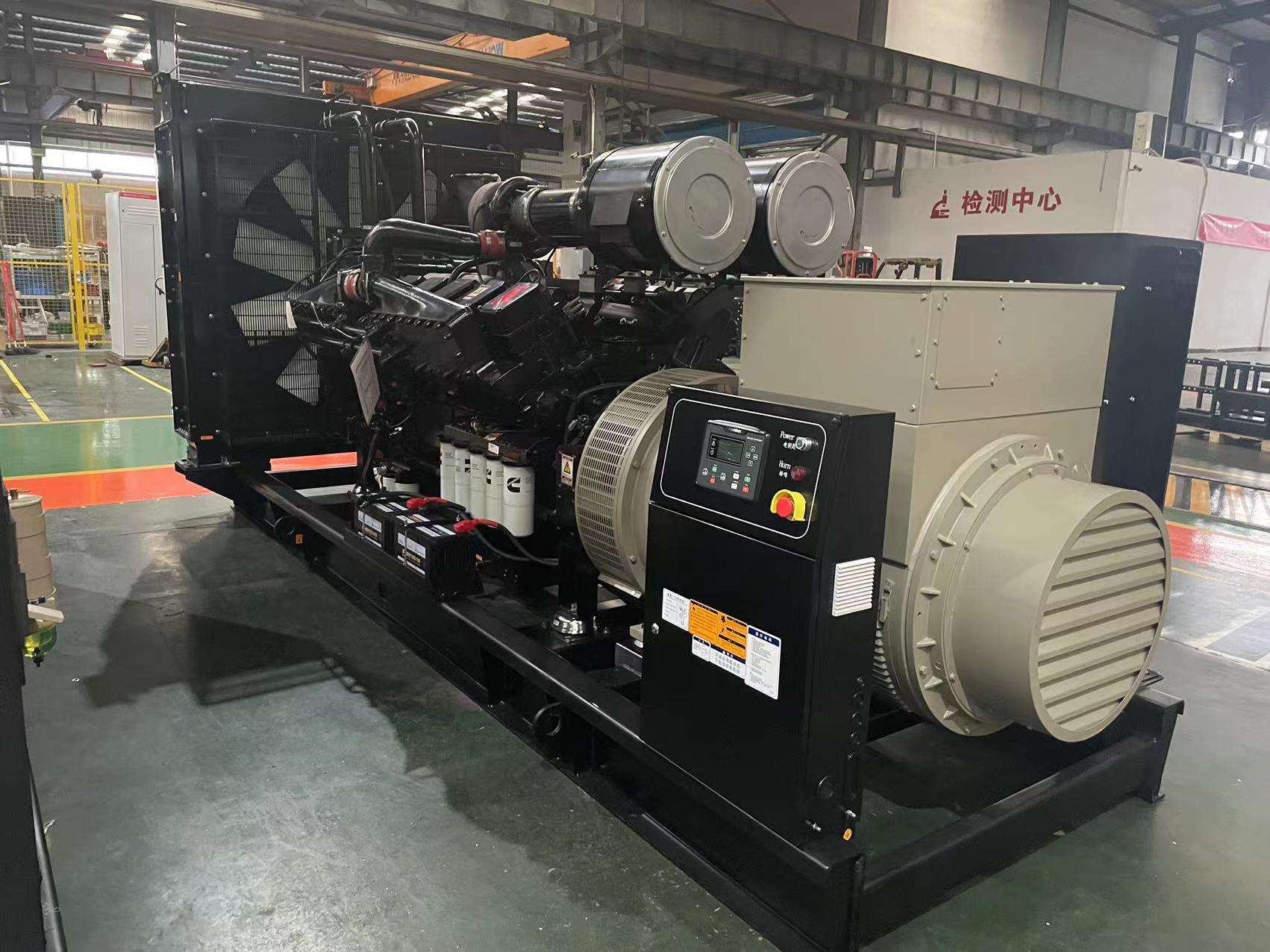
What does the application class commit the set to?
The application class is a commitment about how the set will be used, and the warranty hangs on it. A class that allows a limited number of hours a year does not cover a camp that runs the set fourteen hours a day, and the mismatch is found when a claim is filed rather than when the set is ordered. State the class in the tender, then state the hours beside it, and the two lines read as one commitment.
The class also decides the test the set leaves the factory with. A standby-rated set proves its figure at a different load profile from a prime-rated one, and the witness points an evaluator looks for move with it. Chinese genset non road suppliers usually price the class into the offer, so two replies with different classes are not comparable figures, whatever the price table shows.
How many hours a year should the pack declare?
Hours decide the class as much as the load does. ISO 8528-1 ties each rating class to an hours basis, and a declaration of 500 hours a year points to a different class from a declaration of 2000. The honest figure is the one the site planner already holds, and it costs nothing to copy into the pack.
The arithmetic belongs in the pack as well. A 500kVA frame at 0.8 power factor = 400kW at the shaft, and a 250kVA frame at 0.8 power factor = 200kW on the same basis. A camp that runs the larger set 1200 hours a year at an average of 70% load = 840 loaded hours, and that figure is what the declared class has to absorb. Tesla Power Equipment prints the hours beside the class on the offer sheet, so the evaluator sees the basis without opening an appendix.
Which site details change the emission file?
Three site facts move the file: the ambient the set faces, the altitude of the pad, and how the site is described to the authority. A mine camp at height needs the derating stated beside the class, because the engine breathes differently as the air thins and the emission case is read at site conditions. A coastal hospital yard states humidity and salt loading instead, and the intake arrangement follows.
The description also decides who reads the file. A set for a mining camp answers to the mine inspector and often to a lender that asks for the emission record beside the performance test. The phrase genset non road duty in remote sites, copied from a mining tender, tells the reader the set sits at the end of a distribution line that fails often, and the declared hours should match that story.
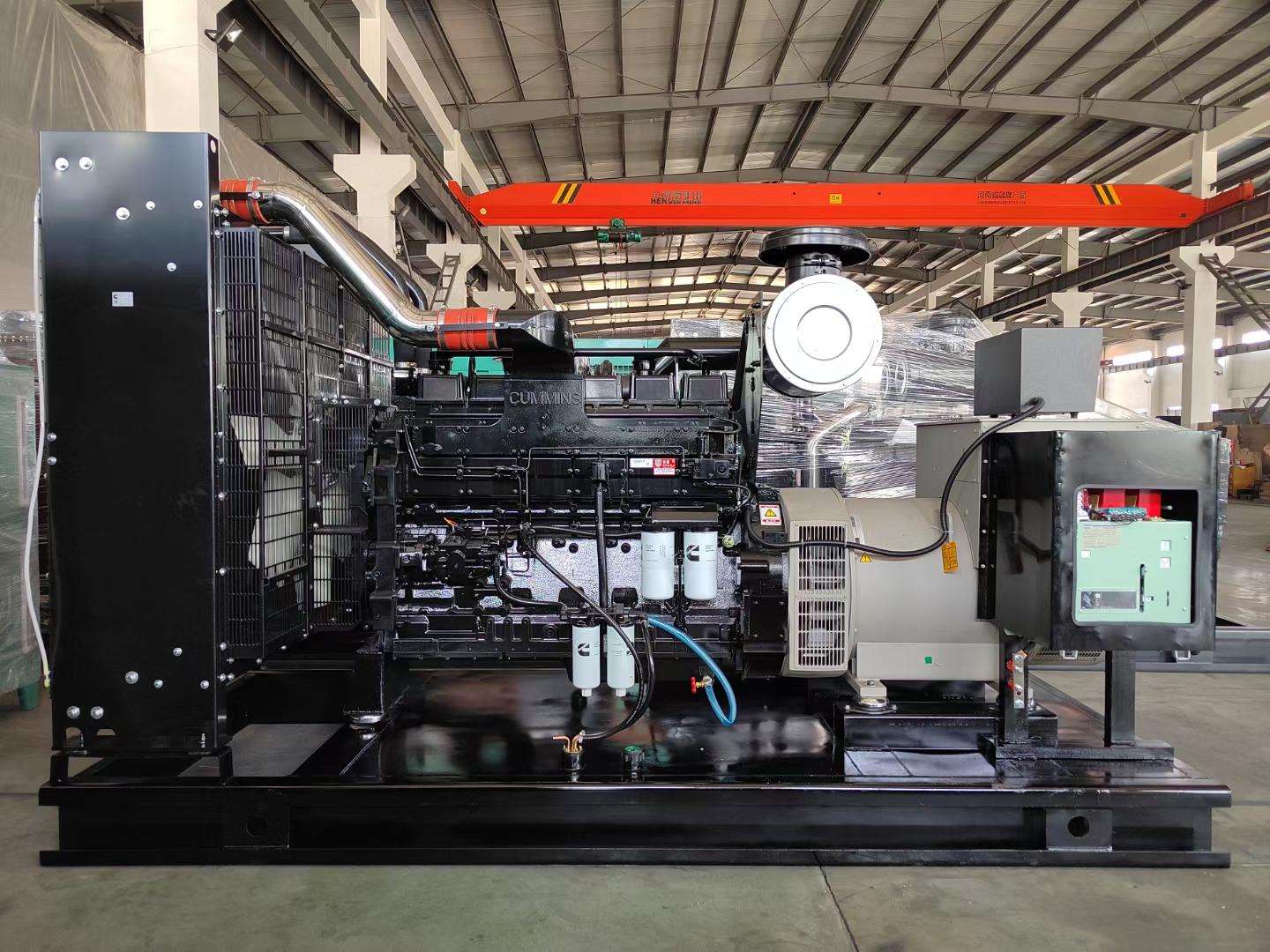
How is genset non road duty stated in a tender pack?
Write the duty statement as four lines on one schedule: the application class, the annual hours, the site description and the emission file the set has to arrive with. Keep the lines beside the rating instead of inside a narrative, because an evaluator reads a schedule faster than prose and a bidder cannot misread a line that names a figure.
One line per application, and the differences show themselves. The genset non road duty for events states low hours, frequent moves and a noise limit at the site boundary. The genset non road duty for mining camps states high hours, dust loading and a long tow between pits. Yangzhou Tesla Power answers both with the same four-line schedule, and the reply differs only in the figures the lines carry.
Which records prove the duty statement?
Three records travel with the set and settle the question at handover. The factory test record shows the figure the set carried and the class it was tested to. The conformity file ties the engine serial number to the emission family, and conformity assessment for the genset is the step that closes that link. The nameplate repeats the class beside the rating, and an inspector reads it first.
Add the annual hours to the service log, because a class is read against the hour meter as well as the plate. A test record without the hours tells half the story. The open-frame 400kW export build ships with all three records in one folder, and the folder is the document a warranty question is read against.
Tesla Power keeps that folder structure on every order, and the same three records are what an evaluator should ask any bidder to name.
Where do tender packs go wrong on non-road wording?
The first failure is a class copied from a previous project. The equipment matches, the hours do not, and an evaluator who compares the declaration with the load list finds the gap. The second is a pack that names a stationary build while the drawings show a trailer, which reads as two different machines in one envelope and stops the evaluation where it stands.
The third is silence about the site. A pack that names no ambient, no altitude and no hours invites each bidder to assume a friendlier site than the real one, and the lowest price is then the price of the kindest assumption. State the site in one line and the assumptions disappear. Tesla Power prices the site line ahead of the frame for that reason. Our CE marking notes for a diesel generator set cover the file that follows the set into Europe, and the same discipline applies here.
How should a buyer compare two supplier replies?
Compare the duty line before the price. Put the two replies side by side and read the class, the hours, the site basis and the emission file in that order. Where one reply states the class and the other leaves it blank, the comparison ends there, because a blank line is an assumption the buyer pays for later. The advice pages for buyers carry the wording we accept in a reply, and genset non road manufacturers who quote against a proper pack usually answer with a schedule.
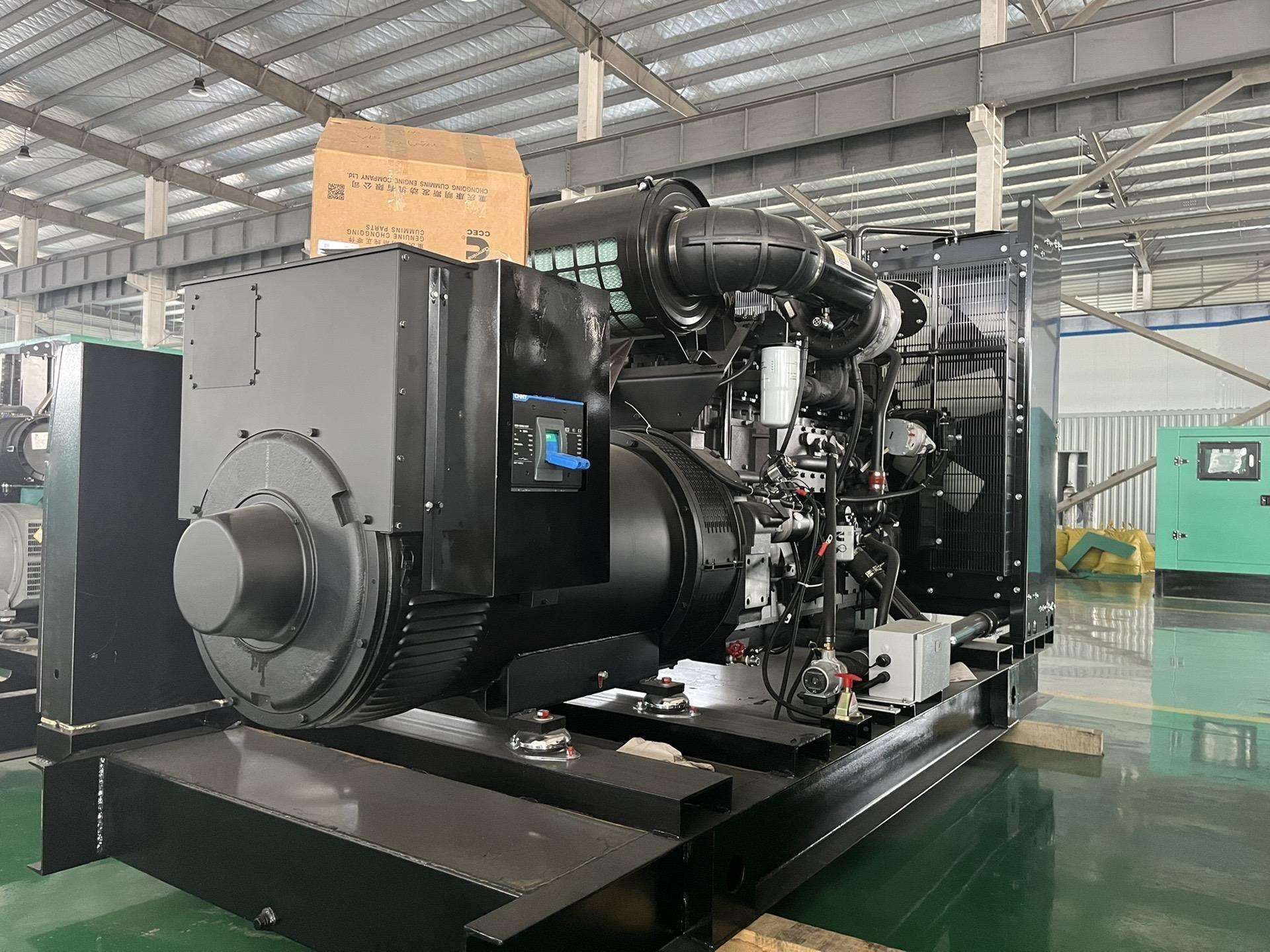
Then price on the same basis. Two replies with the same class, the same hours and the same file can be compared on figures alone, and the difference between them is the cost of the build rather than the cost of an assumption. Ask each bidder to initial the duty schedule with the quotation, so the reply becomes a commitment instead of a brochure line. Tesla Power returns an annotated schedule from the desk that reviews tender queries when a pack arrives complete.
Frequently asked questions about genset non road duty
It is a legal category covering engines that are not fixed to road vehicles. A stationary set on a pad and a trailer-mounted set both fall inside the non-road family, and the emission file follows the category the tender names. The wording of the duty clause decides which file the set arrives with.
They do not. A stationary build is treated as a fixed installation and the case rests on the engine family and the site record. A trailer build can fall under non-road mobile machinery rules and carries type approval instead. Name the build in the pack, because the two files are not interchangeable.
The class that matches the declared hours and load pattern. ISO 8528-1 sets out the classes and the hour basis behind each one. A standby class suits a set that runs during outages, while a prime class suits a set that carries a working load every day. Declare the honest one, not the flattering one.
The figure the site planner already holds. A camp that runs the set fourteen hours a day reaches several thousand hours a year, and an event site may reach two hundred. The declared hours decide the class, the service schedule and the warranty basis, so copy the planner figure rather than an estimate.
It does, because the rating is written in kVA and the load is often counted in kW. A 500kVA frame at 0.8 power factor = 400kW at the shaft, and the duty line should carry both figures so the evaluator sees the basis. The factor is measured at the site rather than assumed.
The site inspector at handover, and often the lender before the order. The file ties the engine serial number to the emission family, and the nameplate repeats the class beside the rating. Keep the three documents in one folder so the chain from family to set reads without a gap.
The duty schedule, because it tells the evaluator which machine every other page describes. Tesla Power puts the four duty lines on the first page of the offer, and a buyer who asks each bidder for the same layout gets replies that can be compared line by line instead of price by price.