
Genset rental or purchase is a question the hour meter answers before preference gets a vote, and the comparison below sets the two routes side by side so you can decide from figures rather than from habit. We at Tesla Power read the meter before we read a price, because the meter tells us whether a frame will work 200 hours a year or 3,000. Renting puts a crew, a service visit and a return date in place for a project that ends. Buying puts a plate, a parts shelf and a resale value in place for a duty that continues. Which route costs less is a question of where those hours fall, who carries the maintenance and what the site can wait for at delivery. The sections that follow walk the thresholds, the break-even logic, the service split and the paperwork, and they end with the hour log we ask a buyer to keep before either quotation is requested.
- Under 1,000 metered hours a year, a rental usually wins; a duty that runs past the 2,000 hour line moves toward a purchase.
- Renting bundles delivery, fleet service and removal into one agreement; buying keeps the frame, the parts and the resale value with the site.
- The maintenance split is the quiet difference: the rental fleet services its own set, while an owned set leans on the site team or a service contract.
- Keep the log beside the frames the factory builds for either route, so a quotation answers a measured figure instead of a guess.
Genset rental or purchase: where the hours point
The hours decide the route before preference gets a vote. A set that runs for a two month commissioning window earns its keep as a rental, and the same frame running twelve hours a day on a fixed site pays for itself as a purchase. Neither route is the better one in the abstract. The meter separates them. Read the meter first, and the comparison becomes arithmetic rather than taste.
A rental moves in on a truck, runs through its contract and leaves on the same truck. An owned set arrives once, waits at the board for years and answers every outage in between. The two profiles rarely overlap, and the overlap is where the decision lives. Map the duty first, then price it. We build the map from the site log, and the log rarely takes more than a week to read.
How many hours turn a rental into a purchase?
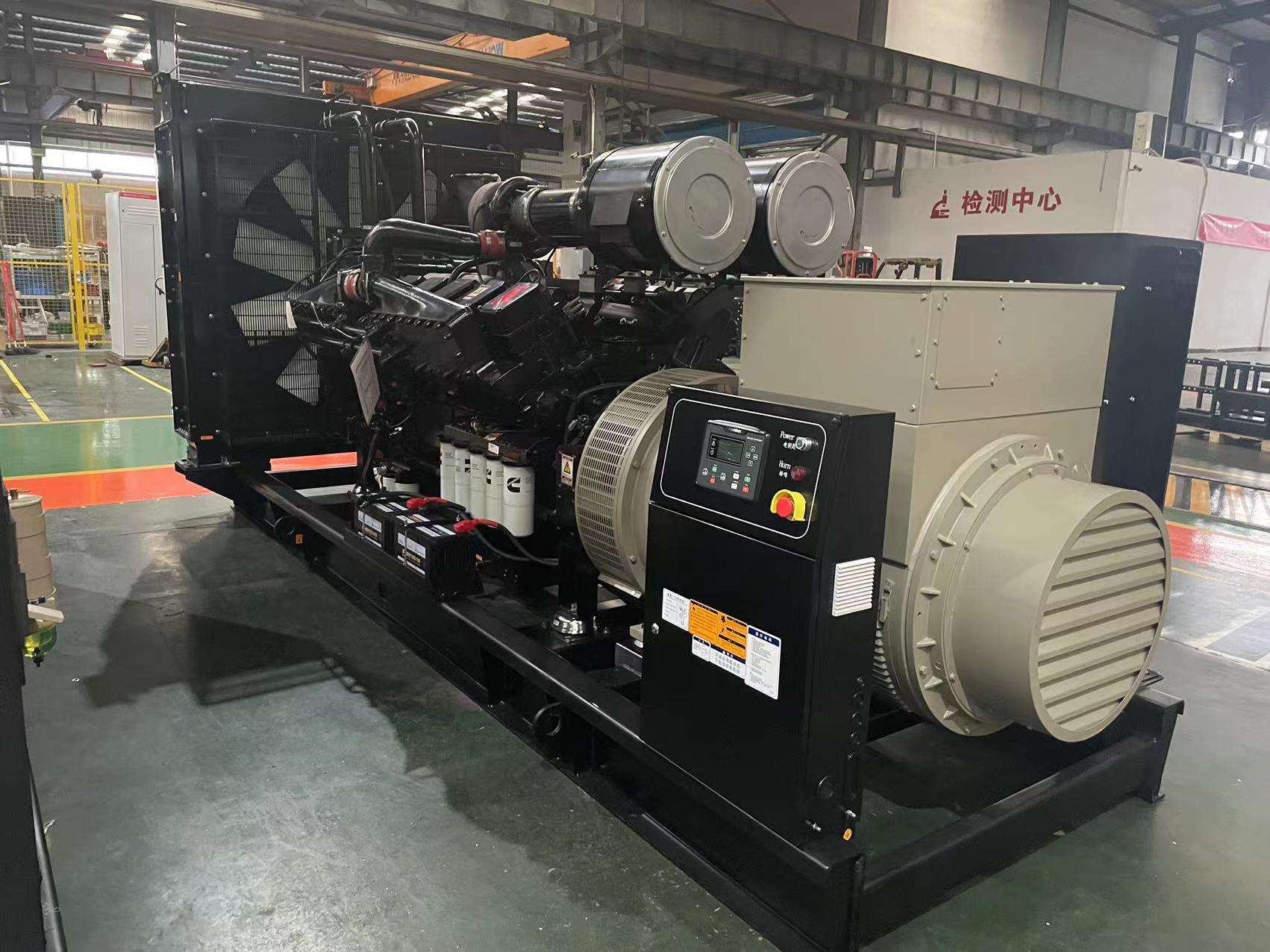
Rental desks quote a rough line at 2,000 metered hours a year. Below it, the rental agreement carries the freight; above it, the same hours bought as an owned frame start to pay their way. The line moves with the frame size, because a 100kVA set rents cheaply while an 800kVA set rents at a figure that catches a steady duty quickly. Hours and frame size decide together, and a quote that hides either one is not a quote.
A season matters as much as a year. A three month canal project at 500 hours stays well below the line, while a quarry running ten hours a day crosses 2,000 inside ten months. Between them sits the ambiguous case: a site that plans 1,500 hours and might add a second shift. That case is where the hour log earns its keep, because the log shows whether last year's plan held.
| Decision factor | Rental route | Purchase route |
|---|---|---|
| Metered hours under 1,000 a year | Rental agreement absorbs the idle weeks | Capital waits unused for most of the year |
| Metered hours above 2,000 a year | The hire charge repeats every period | The frame amortises across the duty |
| Duty fixed on one site | Delivery and removal add cost | Set stands wired at the board |
| Duty that moves between projects | Trailer build travels with the contract | Relocation is a lift and a permit |
| No service staff on site | Fleet service visits included | Service contract needed from day one |
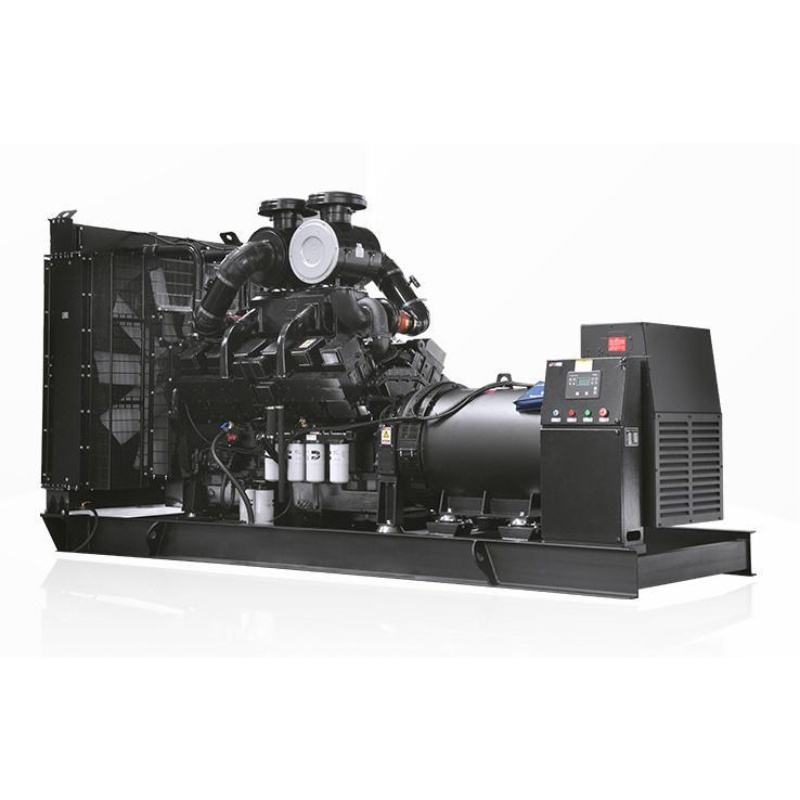
The table reads as a screening tool rather than a verdict. Tick the factor that matches the site, and the majority column usually points at the route worth quoting first. 1,000 hours a year is the line below which the rental agreement is hard to beat, and 2,000 hours is the line above which most fleets themselves suggest the buyer talk to a dealer instead. Tesla Power quotes the two routes against the same meter line for that reason.
What does the project break-even actually compare?
The break-even is a crossing of two lines drawn in hours, not a price tag. One line is the cumulative metered hours under a rental agreement. The other is the cumulative hours an owned frame would have logged over the same span. Where the rental line climbs faster than the duty justifies, the purchase line wins. Nothing about the crossing needs a currency figure.
Take a two shift campaign as a worked example. A 500kVA frame at 0.8 power factor = 400kW of usable rating. Run it 10 hours a day and the meter adds 200 hours in a 20 day month, or 2,400 hours over a 300 day campaign. A duty like that sits far past the rental line, and the owned route holds the site for years without a renewal clause. Now cut the duty to 5 hours a day. The meter then reads 1,200 hours over the same campaign, the crossing does not arrive inside the project, and the rental keeps the site flexible if the schedule moves.
Project length moves the crossing more than any other variable. A contract that stretches from six months to fourteen doubles the metered hours without doubling the rate, and that stretch is where the middle case flips from renting to buying. A buyer who watches the schedule rather than the catalogue sees the flip before the hire desk does. Tesla Power Equipment draws the two lines on the offer sheet for that reason, so the crossing shows in hours first.
Who carries the maintenance in each route?
A rental agreement moves the service burden to the fleet. The hire desk schedules the oil change, sends an engineer when the controller logs a fault and swaps the whole set when the swap is faster than the repair. The site team fuels the set and keeps the area clear. That division is what the weekly rate actually buys, and it is worth pricing on its own.
Ownership reverses the split. An owned set leans on the site crew for daily checks, on a service contract for the 500 hour intervals and on the works for major parts. None of it is heavy work, but all of it needs a name against each task. A buyer who cannot name the person who checks the coolant should price the service contract before pricing the frame. Tesla Power ships a service schedule with every export order so the tasks have a place to land.
- The hire desk owns the service visits and the swap decision.
- The site crew owns the fuel, the daily walk and the clear standing.
- The agreement should name who opens the canopy on long hires.
The two splits meet in the middle on long rentals. A set on hire for a year crosses its 500 hour interval twice, and the agreement should say who opens the canopy. Ambiguity there costs a breakdown, and a breakdown on a hire set costs the project more than the service ever did.
What do rental fleets ask for before delivery?
The delivery questions come before the rate does. A fleet wants the site address, the access route for a trailer, a level standing with drainage, and the cable run to the board. It wants the load list, because hire for a mining project is specified differently from hire for an event, where the noise limit at the boundary decides the enclosure before the rating does.
Deposit and identity terms follow. The hire desk asks for a site contact, an authorised signatory and a deposit against the contract, and the terms are stated in the agreement rather than negotiated at the gate. Fuel responsibility, operating hours and the callout arrangement are written on the same pages. Tesla Power prints those terms on the first page of every hire agreement for that reason. Read those pages with the same attention given to a purchase contract, because they carry the same duties with different names. A set that arrives without an agreed standing or an agreed fuel plan starts its contract with a dispute already queued, and the dispute lands on the project manager rather than on the hire desk.
When does ownership win on duty continuity?
Ownership wins where the duty cannot pause for a delivery. A hospital standby frame, a telecom site on a ridge and a factory that runs a night shift all carry duties that start without notice, and a rental dispatch takes hours that the duty does not have. An owned set stands wired at the board with a battery charger on float and an ATS watching the mains, and the 400kW fixed-duty frame the works builds for that job carries both from the factory. The continuity argument is not about courage; it is about response time.
Spec control is the second argument. A fleet supplies what the fleet owns, and the buyer adapts to the alternator, the controller and the enclosure in stock. An owned set is specified once, against the site, and stays that way for its life. Resale completes the case: a frame with a clean hour log holds a second buyer, which returns part of the capital that the rental route does not return.
Light load is the caveat. An owned set sized for a future expansion runs below 30% for years, and what wet stacking does to a set on long light load is the cost that hides inside the ownership case. Size the frame on the duty that exists now, and read the load factor before you choose the route.
Which records belong in the hour log?
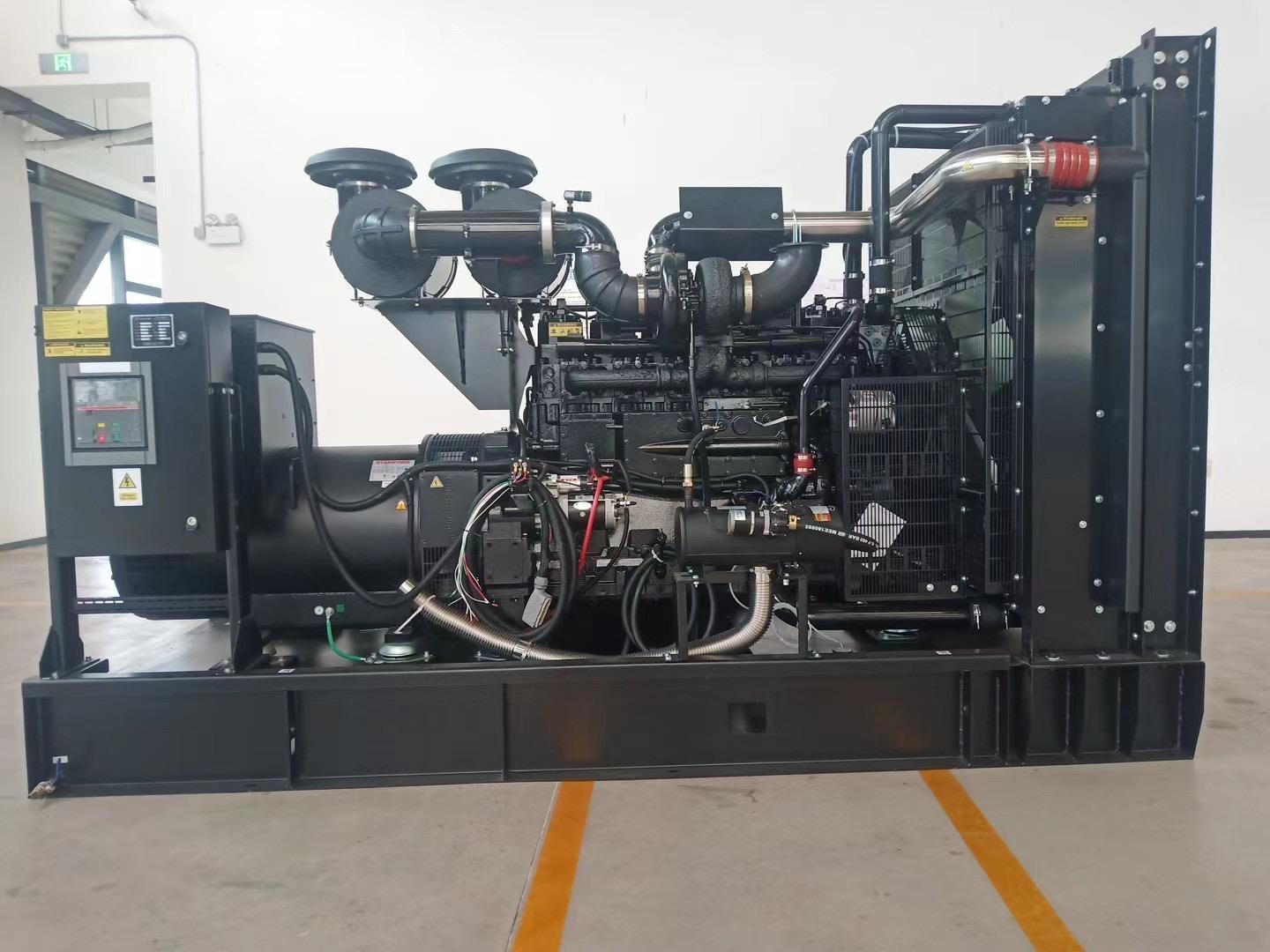
The log needs five entries to decide the route at renewal: the start and stop hours, the load percentage over the run, the fuel drawn, the service dates against hour intervals, and the fault codes the controller stored. Five columns, kept weekly, and the hire versus buy question answers itself at the end of a season. The columns also settle disputes, because a meter reading with a date beside it outlasts a memory of the project.
The log feeds the paperwork too. A conformity assessment for the genset checks the plate against the file, and the file is only as strong as the records the site kept. Ask which genset documentation for the site file travels with a rental on delivery, and ask for the same set of records from the service contractor on an owned frame. Two files, one format, and the comparison at renewal reads across both routes without a gap. Tesla Power issues the record set in the same layout for hire and sale, which keeps the two columns comparable when the season ends.
How should the two quotations be compared?
Put both quotes on the same basis before reading either figure. The rating class, the ambient basis and the metered hours assumed should match line for line, because a rental quote built on 500 hours a year and a purchase quote built on 2,500 describe two different sites. the ISO 8528-1 prime and standby classes give the vocabulary both quotes should use, and the NFPA 110 testing intervals give the service schedule the owned route has to fund.
Quotes from genset manufacturers read differently from hire agreements, and that difference is the point of the comparison. Many genset suppliers in china list rental availability beside new-build lead times, so ask each desk to state both routes against the same hour figure. Yangzhou Tesla Power answers enquiries that way, with the rental case and the purchase case on one sheet, because the crossing in hours is the information a buyer needs first, and the works behind both sheets runs the load bank test either way before dispatch.
Then check the terms that survive handover: the service schedule, the parts list, the warranty basis and the record format. Those four lines decide what the set costs to live with, which is the cost the monthly figure hides. Send the hour log to request a quotation on either route, and the reply should quote the log rather than the catalogue.
Frequently asked questions about renting and buying
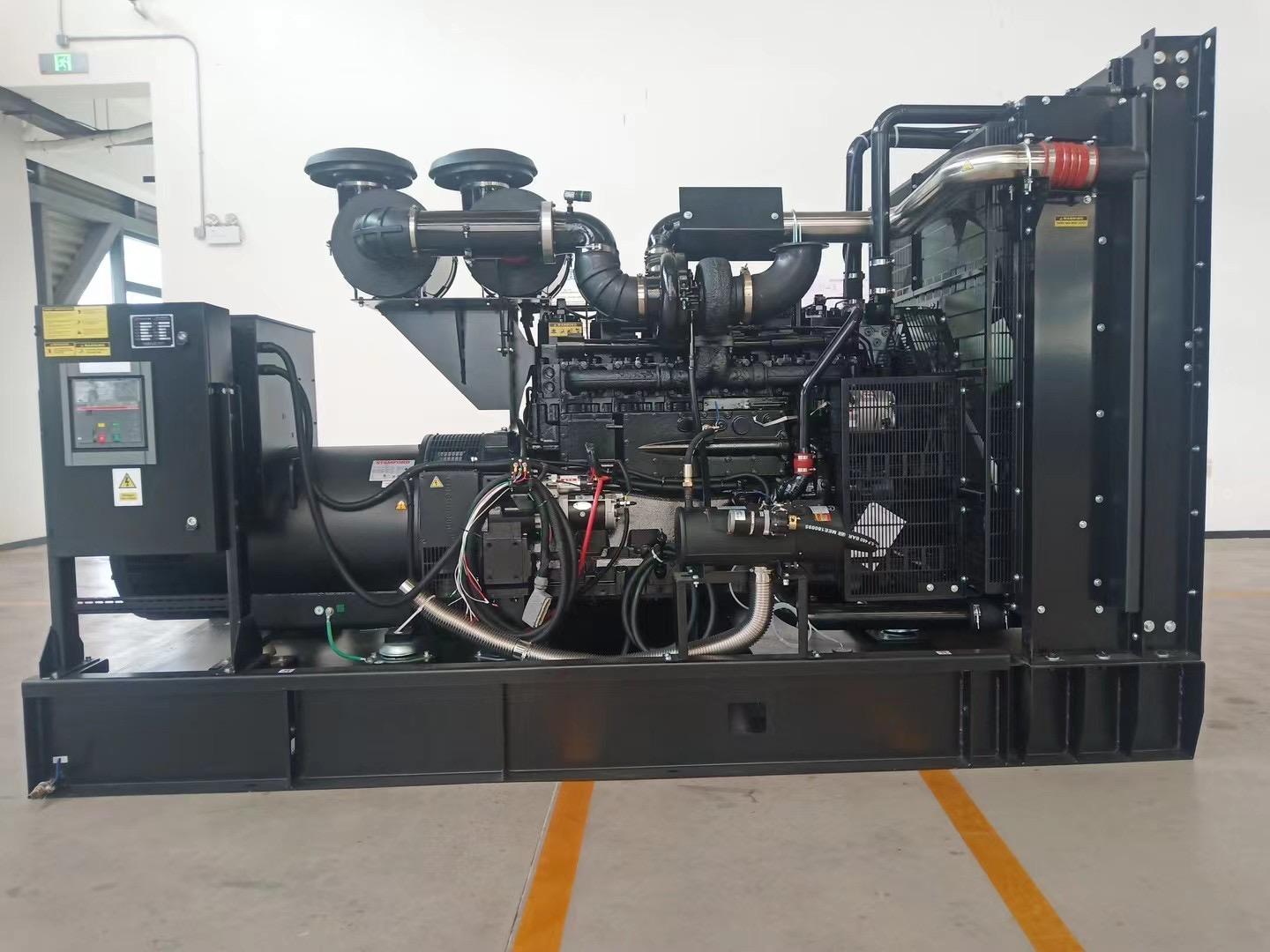
Above roughly 2,000 metered hours a year, most fleets expect the hire charge to catch the capital cost, and the owned frame starts to win. Between 1,000 and 2,000 the case depends on the frame size and the contract length. Below 1,000, the rental usually keeps the site flexible for less.
Large frames sit in fewer yards, so a 1000kVA hire needs a reservation rather than a phone call on the day. Two 500kVA sets run in parallel are often available faster. Ask the fleet for the dispatch time in writing, because the lead time decides whether the rental covers the outage at all.
The agreement states it, and the wording varies between fleets. Many pass the on-site risk to the hirer from delivery to collection, so the site policy or the project policy has to name the set. Read that clause before the truck rolls, not after the first incident.
It arrives with whatever the agreement lists. Rental sets are frequently specified as manual-standby, and the transfer switch is a separate line. State the transfer requirement on the enquiry, because adding it after delivery means a second visit and a gap in cover.
The agreement extends at the stated rate, and long extensions are where the purchase comparison should be reopened. A hire that doubles its planned span has usually crossed the break-even in hours. Fleets expect the question, and some offer the rental against a purchase at that point.
It can be, with the hour log as the price setter. A used frame with 4,000 clean hours and a service file prices very differently from one with 20,000 hours and no file. Apply the same five column log to the used market, and the records decide the value rather than the paint.
Send the hour log, the load list and the site constraints. Tesla Power reads those three documents and returns the rental case and the purchase case side by side, with the crossing shown in hours. A quotation built on a measured log survives the project; one built on a catalogue page does not.