
A genset lifespan in hours is a planning figure, not a slogan on a data sheet: it is the running-hour budget a set can spend before the engine reaches the overhaul window the maker has scheduled. Tesla Power writes that budget beside the rating on every export offer, because two sets with the same plate figure can carry very different hour budgets once duty class, load factor and maintenance discipline enter the record. We wrote this guide to explain how the budget is built, how to read an hour meter against it, and what the site log has to record so a remaining-life estimate survives scrutiny from an auditor or a second supplier. Years on a calendar tell a site little. Hours tell it when. A standby set that runs 40 hours a year ages on the calendar instead, through coolant, seals and fuel, and our log template captures that decay too. The sections below compare the duty classes, the overhaul schedules engine makers publish, and the site conditions that move the number, so a buyer can request a quotation with defensible figures attached.
- Log the hour meter reading and the load at every service, because the hour figure only means something beside the load it was earned at, and note it against the export range the factory builds.
- Ask which duty class the rating carries, since prime, standby and continuous ratings spend the hour budget at different rates.
- Keep the overhaul schedule the engine maker publishes with the log, so the remaining-life figure has a document behind it.
- Send the log to the supplier before you request a quotation, and compare offers on hours at rating rather than on the plate figure alone.
What does genset lifespan in hours mean for a site?
The phrase covers three different clocks. The engine has an hour budget to its first major overhaul, the alternator and the controller have service lives of their own, and the set as an asset has a replacement date the accountants hold. A defensible estimate keeps the three apart, because an engine can be due for overhaul while the enclosure, the base frame and the switchgear are still young.
Hours also age a set unevenly. Two sites bought the same 500kVA frame on the same day, and one shows 1,200 hours on the meter while the other shows 24,000. The first set is nearly new. The second has spent a working life at load, and any plan that treats the two as the same age will order the wrong spares and retire the wrong asset.
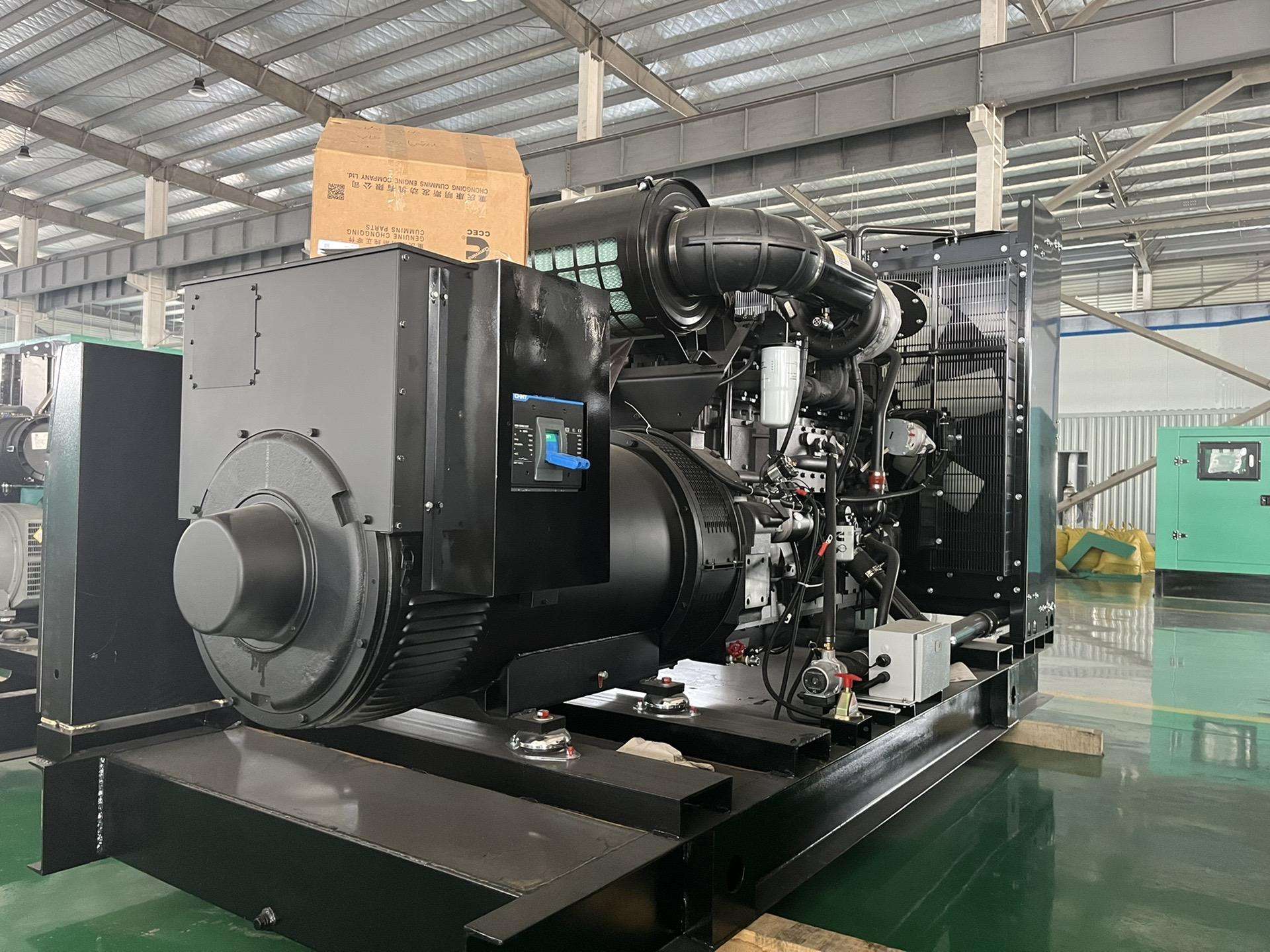
How duty class changes the hour budget
The duty class printed beside the rating is the first thing to read, because it sets the shape of the hour budget. A prime rating assumes the set carries a variable load for unlimited hours a year at an average factor the maker states, a standby rating assumes emergency hours only, and a continuous rating assumes full load without a cap. The genset lifespan for prime duty therefore stretches across more calendar years, while the genset lifespan in standby service is spent in short, hard bursts that the starting system feels more than the bearings do. The load profile analysis shows how the expected annual hours are measured before the class is chosen.
| Duty class | Hour basis the rating assumes | What the site log carries |
|---|---|---|
| Standby | Emergency hours, commonly a few hundred hours a year | Start counts and transfer times beside the hours |
| Prime | Unlimited hours at a stated average load factor | Hours at rating and the load profile each shift |
| Continuous | Full load without an hour cap | Fuel, temperature and oil data at fixed intervals |
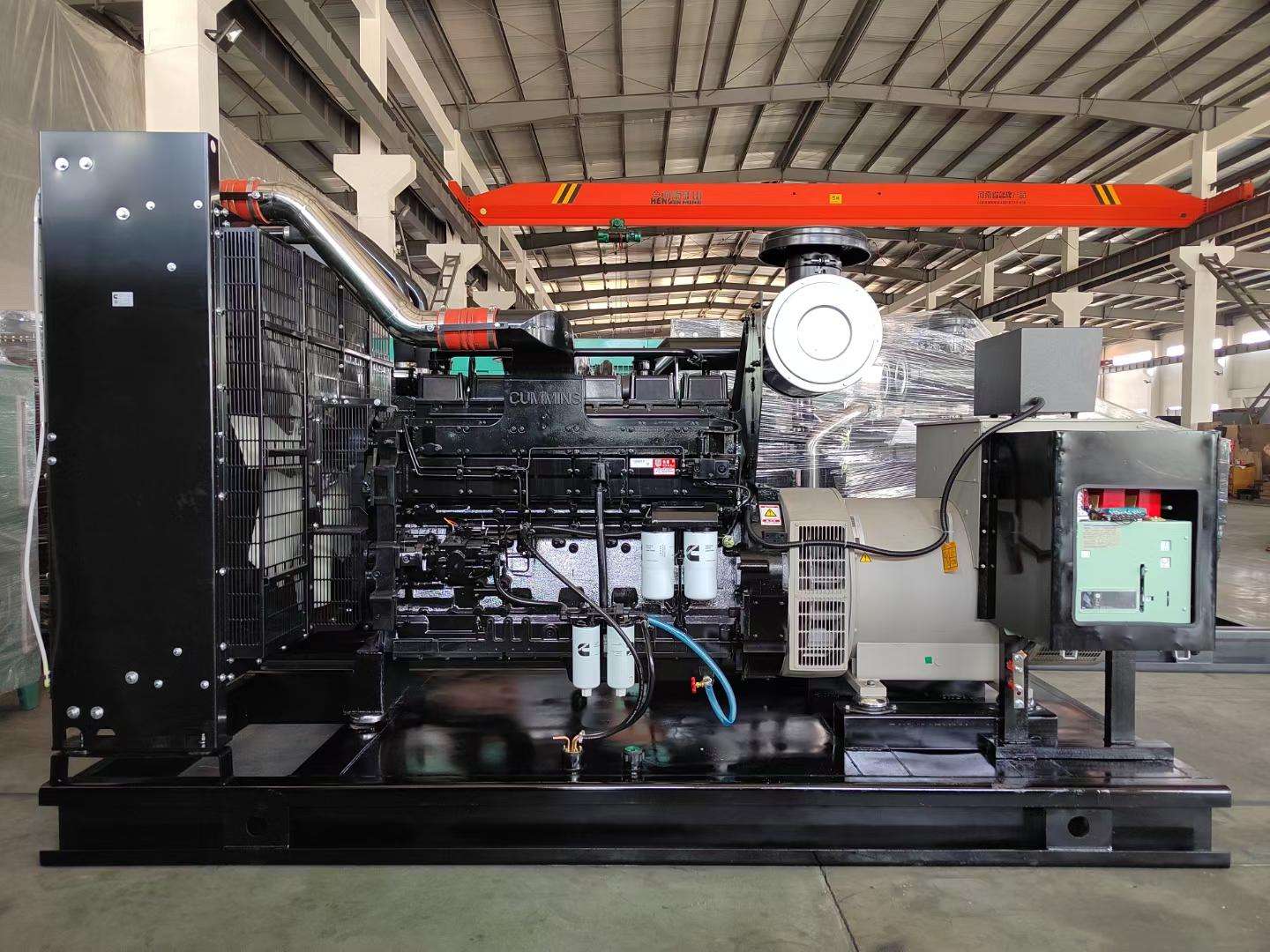
The classes also price differently. A standby build can carry a lighter cooling package and a smaller radiator, because the hour budget is small, while a continuous build pays for the heavy package up front. Buyers who move a standby set into prime service without a new rating spend the hour budget faster than the plate suggests, and the log is the only place the drift shows before a failure does.
The ISO 8528-1 duty class definitions are what make two offers comparable, and Yangzhou Tesla Power Equipment marks the class on the offer sheet beside the rating for that reason. A buyer who reads the class first compares quotations on hours rather than on price alone, which is the comparison that decides the service life a site actually gets.
Which overhaul intervals do engine makers publish?
Engine makers publish two intervals rather than one. The top-end refreshes valves, injectors and the turbocharger at roughly half the major window, and the major overhaul renews bearings, liners and pistons at the hour figure the maker's schedule states. Neither figure is a promise. The window assumes the load factor, the coolant discipline and the oil analysis the schedule names, and a site that runs harder re-enters the discussion earlier.
Chinese genset suppliers usually inherit the schedule from the engine brand on the set, so the document a buyer asks for is the engine maker's hour table rather than a paragraph in an offer letter. Tesla Power names the applicable schedule on the offer for that reason. Ask which schedule applies, ask what voids it, and file the answer with the log. Overhaul windows are set by the engine maker's hour schedule, not by the calendar, and a set that idles for a decade still owes the site that document.
What moves the hour figure on a real site?
Four conditions move the number more than the badge on the set does, and each one leaves a trace the log can hold.
Load factor and start frequency
Load factor decides how fast the budget is spent. A set at 80% of rating burns its overhaul window roughly on schedule, and a set at 40% loads the exhaust instead, so the deposits arrive before the hours do. Starts matter too, because every start is a wear event the meter does not weigh on its own.
A cold start in a cool plant room costs more metal than a warm restart, and a site that starts twice a day multiplies the effect. The log should carry the start count beside the hours, which is why the controller event history belongs in the same file as the service records.
Ambient and maintenance discipline
Ambient moves the number less than the brochure suggests and more than the site expects. A set rated at 40 ℃ loses capacity as the intake air warms, the lost capacity raises the load factor on what is left of the frame, and the hour budget is spent faster as a result. Dust does the same work through the air cleaner, and a coastal site adds salt to the corrosion ledger.
Maintenance discipline is the multiplier on everything above. Oil analysis on schedule, coolant changed to the maker's interval rather than to the colour of the sample, and filters closed out on hours rather than on memory keep the overhaul window where the maker put it. Tesla Power builds the service file around the maker's schedule for every export order, and the file travels with the set, so the next crew inherits the intervals rather than guessing at them.
How to read an hour meter against the overhaul plan
Put the two documents side by side and the arithmetic is short. A 500kVA set at 0.8 power factor = 400kW at the shaft. Run that set at 80% load for 2,000 hours a year = 1,600 hours at rating. If the maker's table puts the major window at 24,000 hours for the duty, then 24,000 ÷ 1,600 = 15 years between overhauls on hours alone, and the calendar has nothing to say about it. We keep the two figures — hours and hours at rating — in separate columns for that reason.
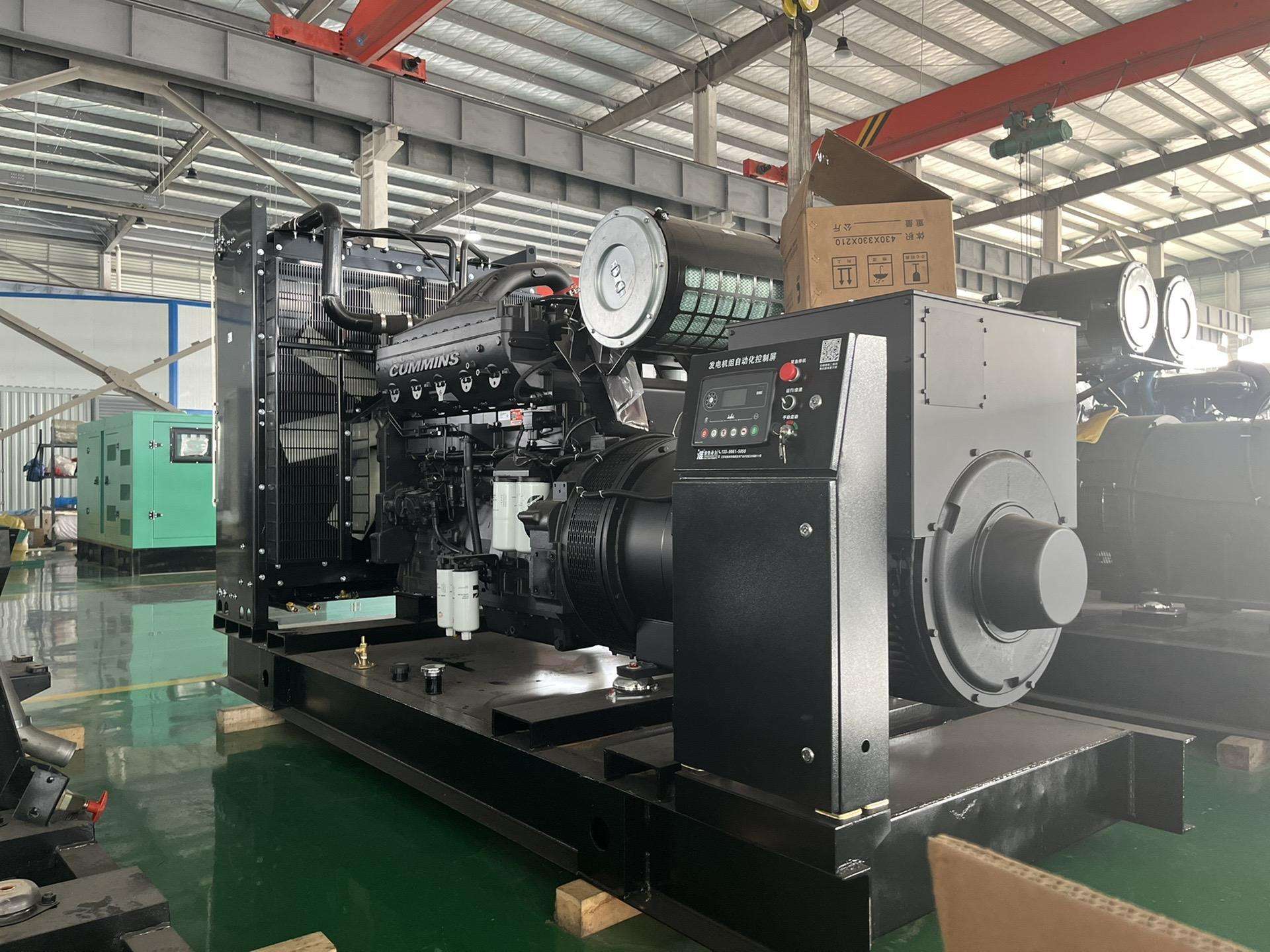
The meter itself is honest but narrow. It counts hours at any load, so a year of idling reads the same as a year at rating, and the overhaul plan is written for hours at rating. the NFPA 110 periodic test record treats the periodic run as a test with a record rather than as free life, and the same logic applies to any standby set, because the test hours count toward the service story even when the run looks free.
Where does the hour budget change the buying decision?
Hours decide the frame more often than the price does. A genset for base load sites is bought on the hour budget and the overhaul cost inside it, because fuel and maintenance dominate the ten-year account. A standby set is bought on starting reliability, and the hour budget is almost a footnote. The same 500kVA plate can hide both cases, which is why the class and the expected hours belong on the enquiry rather than in a later argument.
Genset suppliers in china quote the same engine under three or four classes, and the hour figure is what separates the offers. Tesla Power Equipment answers the enquiry with the class, the expected annual hours and the overhaul schedule on one sheet. The 400kW Weichai WP13 export build carries its rating and class on the same page, and a buyer can lay three offers side by side and see which one survives the site log.
What does the site log need for a defensible estimate?
A remaining-life estimate is defensible when a stranger can rebuild it from the file. The file needs the hour meter reading at every service with the date, the load factor the set carried between services, the start count from the controller, the oil analysis results, and the overhaul schedule the engine maker published for the rating the set actually runs at. Tesla Power sends the log template with every set so the columns line up from the first service.
Genset documentation for the site log does not have to be elaborate. A spreadsheet with one row per service, the oil analysis report attached, and the maker's hour table scanned into the same folder will carry an audit. Conformity assessment for the genset then checks the plate against the file rather than against the offer, and the estimate holds because every figure in it has a source. The oil analysis record is the line an auditor reads first.
- One row per service: date, hours, start count, load factor, work done.
- One folder per set: maker's hour table, controller history, oil reports.
- One page per year: hours at rating, average load factor, drift since last year.
When do hours outrank the calendar in a tender?
A tender that states the expected annual hours gets better machines, not dearer ones. Bidders size the cooling package, the alternator and the service kit against the hour budget instead of guessing at it, and the difference shows up as a class and a schedule on the offer rather than as a price with a question mark beside it.
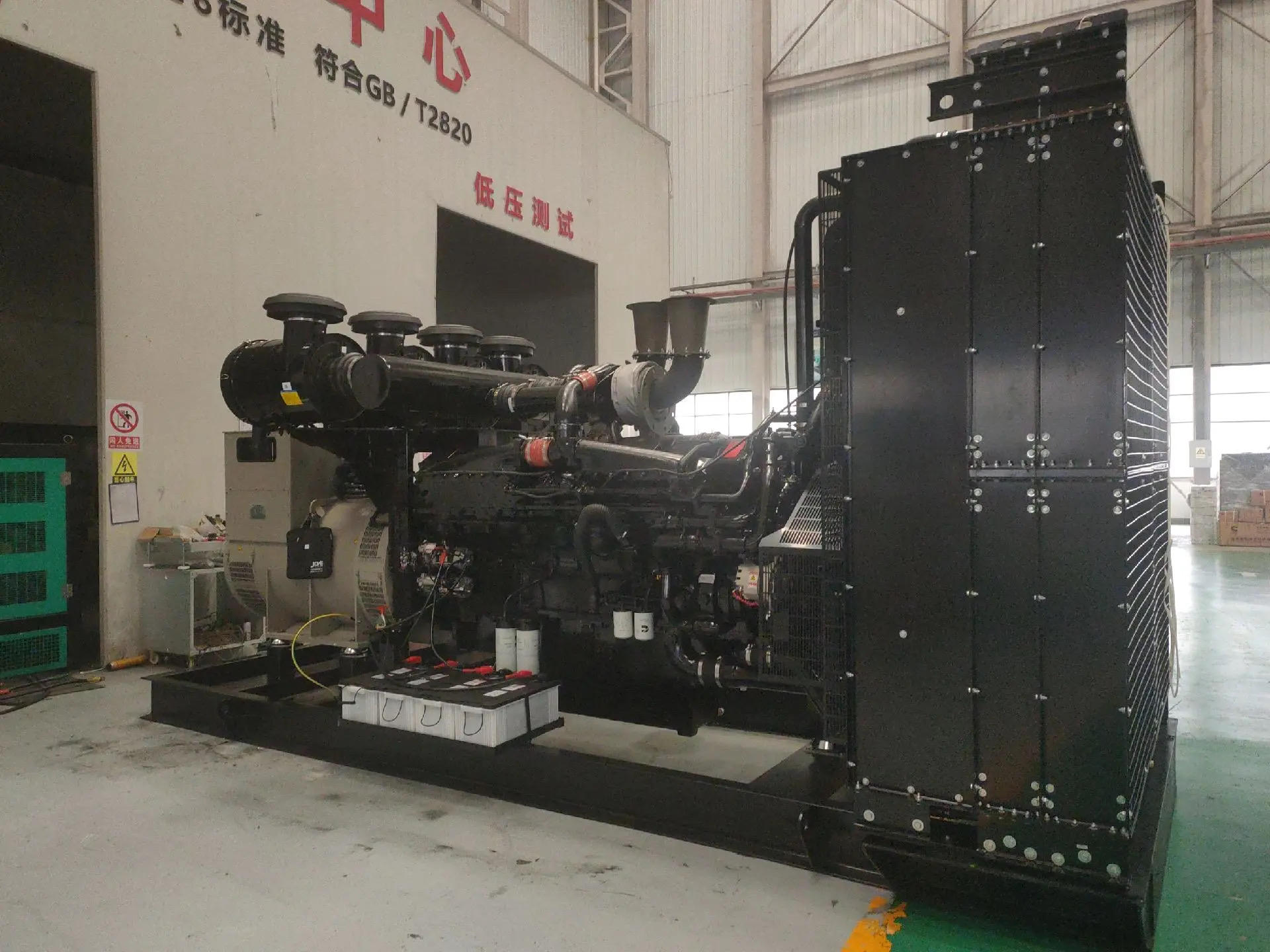
The closing page of the tender is where the hours belong. Name the duty class, the expected hours a year, the ambient the set will see and the overhaul schedule the buyer expects the offer to be quoted against. Send that page with the load list to the technical desk that reads hour logs, and Tesla Power replies with a schedule that carries the arithmetic behind each figure, so a second supplier can be compared against it line by line.
Frequently asked questions about genset lifespan in hours
There is no single figure. A standby set may spend twenty calendar years inside a few thousand running hours, while a prime set can reach its first major overhaul window inside five. The honest answer is a range with conditions: read the duty class, the maker's hour schedule and the site log together, and the meter gives a date the site can plan around.
No. Standby hours are short, hard bursts, and the wear lands on the starting system, the bearings at shutdown and the coolant that sits still between runs. A standby set also ages on the calendar, through seals and fuel and stale coolant, which is why the log records dates and not only hours.
It is the interval at which the engine maker's schedule calls for bearings, liners and pistons to be renewed, with the top-end work falling at roughly half that figure. The number comes from the maker's hour table for the specific engine and duty, not from the calendar and not from a supplier's covering letter.
They can. A set that idles for years carbonates the exhaust, seals the rings and loads the coolant with acids, and the damage arrives before the hour meter shows anything. Periodic runs under real load, recorded in the log, are the countermeasure the schedule expects the site to keep.
Usually not. Most controllers count total run hours, and the overhaul plan is written for hours at rating, so the log needs the load factor beside the meter reading. Where the controller records a load history, export that file at each service and the gap closes without extra instruments.
The common causes are missed oil and coolant intervals, operation outside the ambient basis the rating assumed, and unrecorded overloads. None of these is dramatic on the day it happens. The schedule survives on records, and a gap in the log is treated the same way a gap in a service book is treated anywhere else.
The paired record of hours and load at every service, read against the maker's hour table. Tesla Power issues the log template and the schedule with each export set, and a file kept that way lets a buyer defend the remaining-life figure to an auditor, an insurer or the next owner without reopening the engine.