
Generator EPA or EU emission rules are not a single standard but two separate systems, and the supply region decides which one your order must meet. Tesla Power reads the destination market on every export order and lines up the documents the region asks for before the frame is built. If you ship to the United States, the set follows the EPA nonroad Tier 4 path; if you ship to the European Union, it follows Stage V under Regulation (EU) 2016/1628. A buyer who re-exports can fall under a different tier without changing the engine. Compare the tiers before production, because the evidence each region requires is gathered at the factory, not at the port. Below we split the question into three steps: which market needs which tier, what the region requires as proof, and which documents travel with the set. When the region is set, request a quotation from the works so the frame is built to the right evidence path.
- Name the destination market first — the tier the region requires follows the port of arrival. See request a quotation from the works.
- Read the band that matches your rated power at 0.8 pf; a 500kVA set (400kW at 0.8 pf) and a 100kVA set sit in different tiers.
- Keep the engine test report with the shipment, since both regions ask for the figure the standard names.
What do generator EPA or EU emission rules require?
Both systems cap the same family of pollutants, but they name different limits and apply them through different authorities. The generator emission question is really two questions: what does the US name, and what does the EU name. A set that satisfies one path is not automatically accepted by the other, because each region writes its own limit table and its own evidence format.
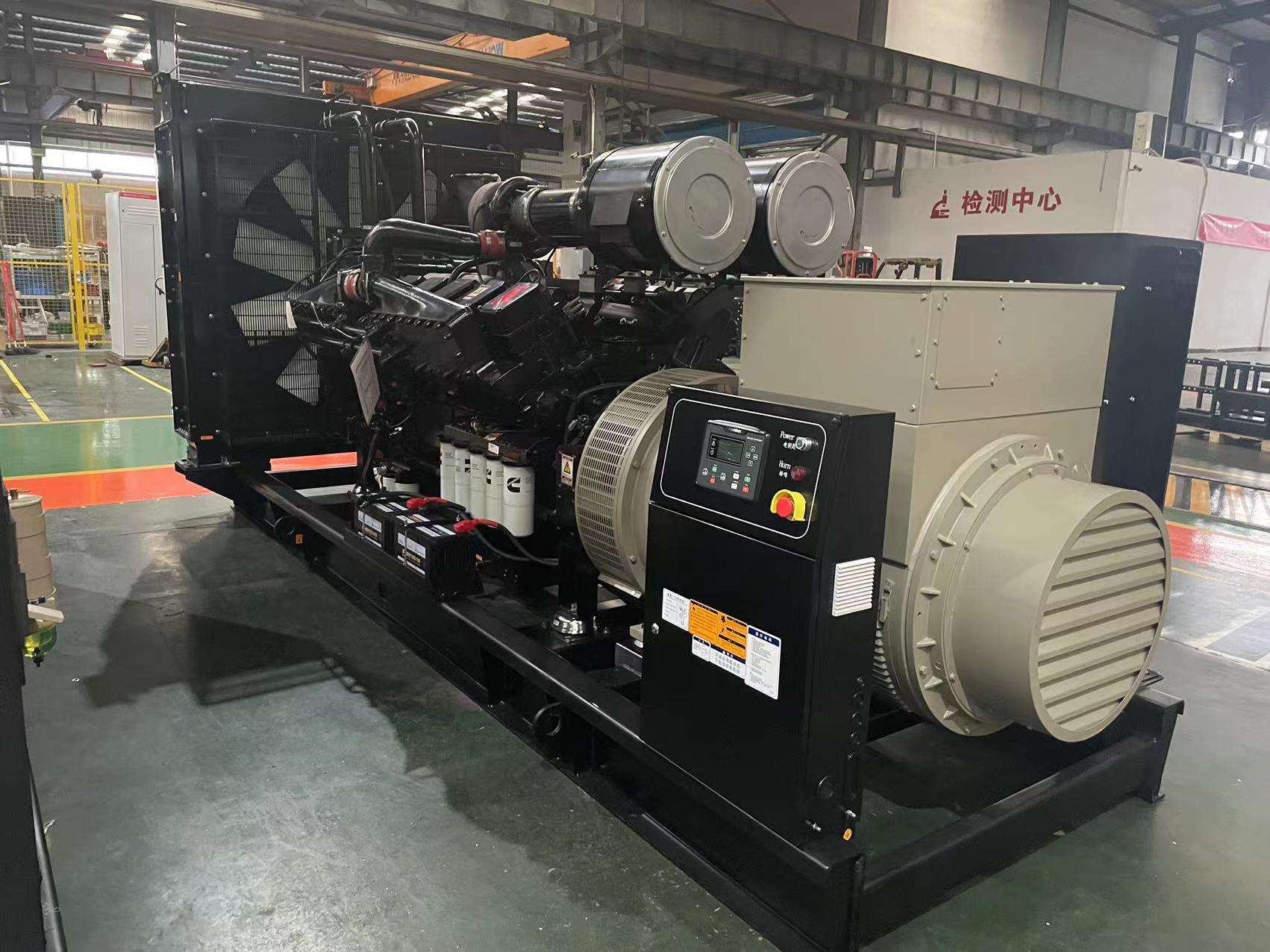
Which pollutants the tiers cap. The tiers target nitrogen oxides (NOx), particulate matter (PM), hydrocarbons (HC) and carbon monoxide (CO) from the engine. The limit for each pollutant steps down as the tier number rises, so a newer tier demands a cleaner combustion and an exhaust aftertreatment step. Tesla Power Equipment records the engine family and the test result for every set, because the pollutant figures are what the region checks first.
How the tiers step by engine power
The limit a set must meet depends on its rated power, read at the power factor the nameplate states. A 500kVA frame (400kW at 0.8 pf) and a 250kVA frame (200kW at 0.8 pf) can fall in different bands, so the buyer reads the band that matches the actual rating. The region publishes a power-band table, and the rating on the plate decides which line applies. Chinese generator suppliers build to the band the buyer names, then supply the test evidence the band requires.
The safest way to track the detail is the the conformity guide we keep for export orders, which lists the documents each destination asks for alongside the emission tier.
Which market needs which tier?
The market printed on the commercial invoice is the market that decides the tier. A set built in one country and shipped to another meets the tier of the destination, not the tier of the build site. The table below maps the three common cases a buyer meets.
| Market | Tier the region applies | What the buyer must hold | Rated power the band covers |
|---|---|---|---|
| United States | EPA nonroad Tier 4 | Engine certificate and test report the EPA names; emergency standby follows a separate EPA provision | Nonroad compression-ignition engines — read the band for your rated power |
| European Union | Stage V under Regulation (EU) 2016/1628 | Type-approval evidence and the EU declaration the regulation names | Nonroad mobile machinery engines from 40kW up to 800kW and beyond |
| Other export markets | The tier the destination sets | The documents the destination authority lists; some accept evidence from either region | Set by the destination, not by the build country |
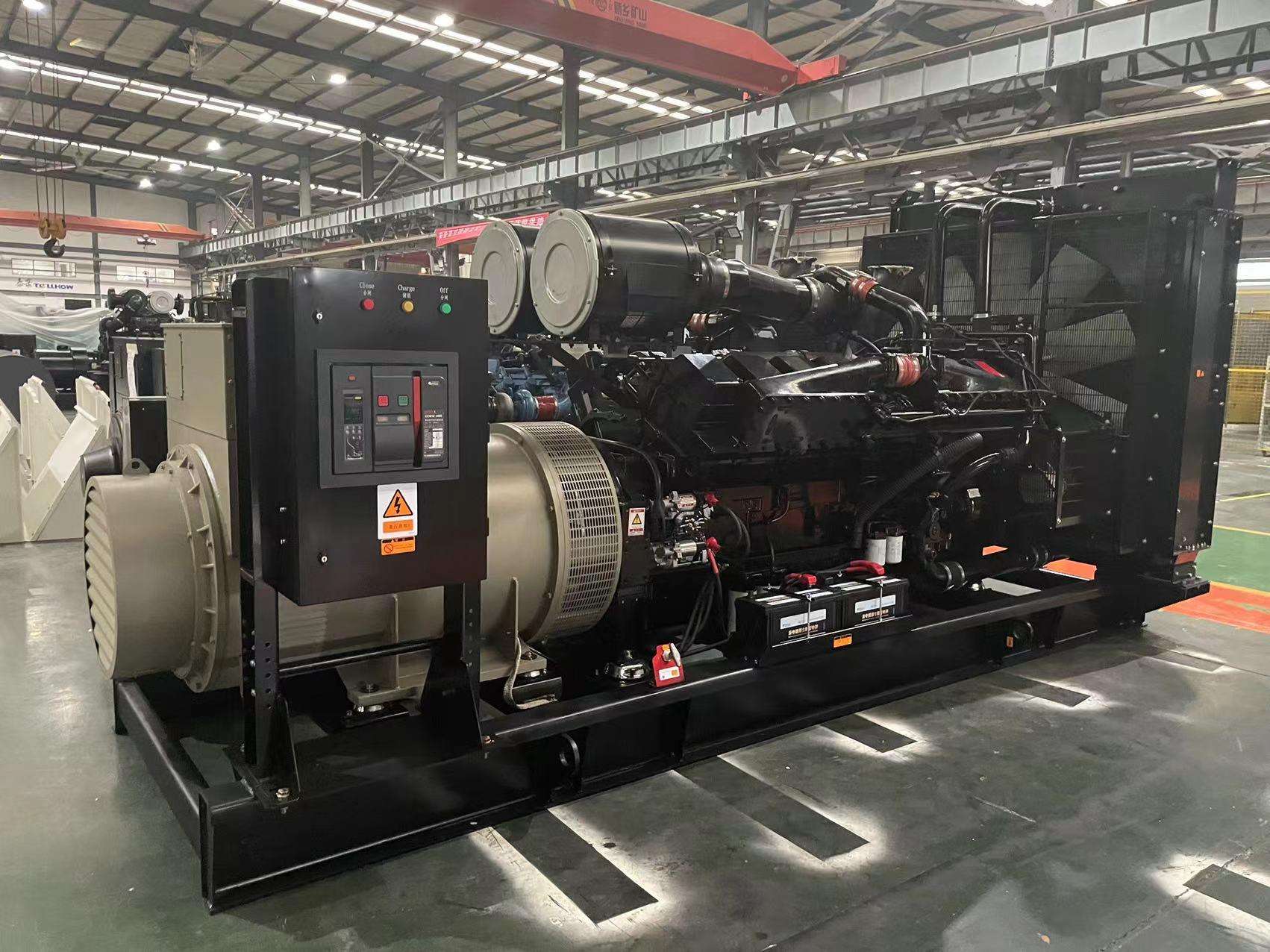
The US path and what it requires. The United States applies EPA nonroad Tier 4 to nonroad compression-ignition engines, with the exact limit set by the engine's rated power. The buyer holds the engine certificate and the test report the agency names. Full detail sits on the EPA nonroad Tier 4 page, and Tesla Power pulls the band for the rated power before the set is built.
The EU path and what it requires. The European Union applies Stage V under the EU Stage V regulation, which sets limits for nonroad mobile machinery engines across a wide power span. The buyer holds the type-approval evidence and the EU declaration the regulation names, and the document travels with the machine. A 1000kVA frame (800kW at 0.8 pf) and a 50kVA frame (40kW at 0.8 pf) sit in different bands, so the rating decides the evidence the region asks for.
How do you prove the region is covered?
The region is covered on paper, not by the paint colour. The buyer assembles the test report, the declaration and the nameplate data, then keeps them with the shipment so the destination authority can read them. The proof is a file, and the file must name the same engine family the set carries.
What the engine test report must show. The report must show the pollutant figures measured at the rated power, the engine family code, and the tier the result meets. It also names the test standard and the laboratory, because a figure without a named standard is not evidence the region accepts. The the eu noise directive guide covers the separate noise file a site may also need, but the emission report stands on its own. The works logs the measured figures beside the order so the buyer reads the same numbers the test bay recorded.
Why does the supply region change the rule?
The rule follows the destination, so a change in the route changes the tier. Two identical sets on the same truck can meet different tiers if one is delivered domestically and the other crosses a border into a stricter market. The build country is irrelevant once the set leaves for a regulated destination. Buyers who settle the route after the order is placed often meet the tier only at the port, which is why the destination is agreed before the engine is selected and the band is written on the build sheet.
Transit, re-export and the country of destination. A set built for a loose market and re-exported to a strict one must meet the strict one at the border, because the destination authority reads the final port, not the factory gate. Plan the tier from the country of destination, and confirm it again if the route changes after the order is placed. For a frame sized to the job, see a 500kva silent diesel set built to the band the buyer names. Tesla Power flags the destination on the build sheet so the right evidence path is followed from the first weld.
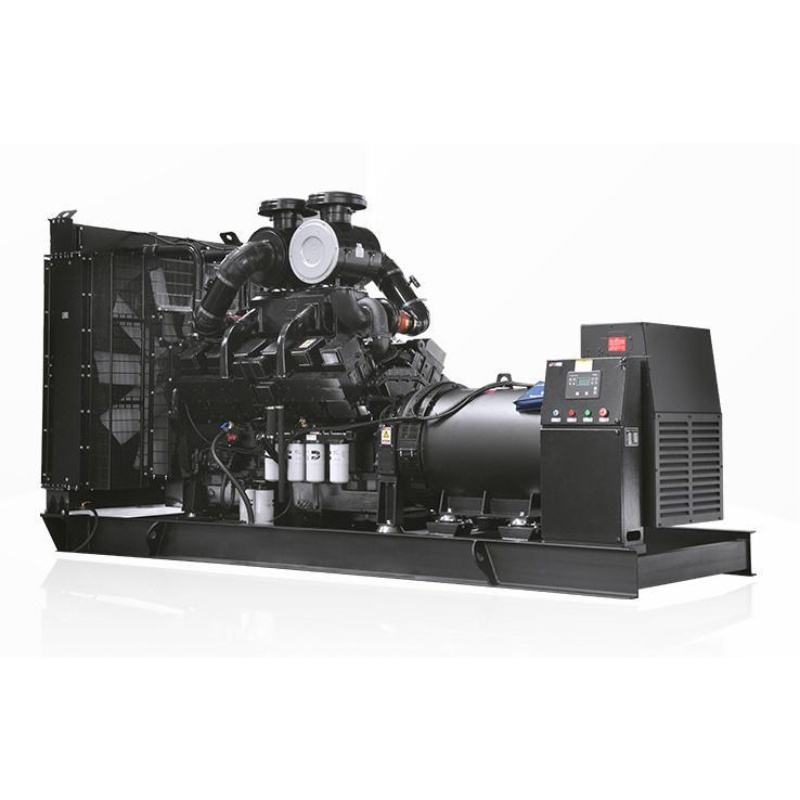
Generator emission for the eu market
The EU market is the one most export buyers ask about, because Stage V reaches engine sizes that earlier tiers left alone. The regulation widened the bands and tightened the particulate limit, so a set that passed an older tier may not pass Stage V without the right engine evidence.
Stage V bands by rated power output. Stage V groups engines by rated power output, and the limit steps at the boundaries the regulation prints. A 200kW set and a 400kW set can sit in adjacent bands with different PM limits, so the buyer reads the boundary that matches the rating at 0.8 pf. Yangzhou Tesla Power Equipment Co., Ltd. matches the engine family to the band before the frame is cut, then records the result on the file.
Where the EU type-approval evidence sits. The type-approval evidence sits with the engine maker's dossier, and the buyer obtains the declaration that references it for the specific set. The the origin certificate guide explains the separate paper that proves where the set was made, which some buyers file beside the emission evidence. The performance side is backed by the ISO 8528-1 reference rating method, the rating standard the set is built to, while the emission tier stays a separate requirement the region names.
Generator emission and generator rating classes
These are two different checks that buyers often merge by mistake. The emission tier says how clean the engine may run; the rating class says how hard and how long the set may run. A set can carry a prime rating and still need a specific emission tier, and the two are proved by separate documents.
Why the emission tier and the duty class are separate checks
The duty class (prime, standby and continuous) is a performance statement backed by the rating standard, while the emission tier is a regulatory statement backed by the region's limit table. The generator emission in the us market follows the EPA band, and the duty class is read from the nameplate duty figure, so the two do not substitute for each other. Tesla Power and other generator manufacturers quote both on the same datasheet so the buyer sees the tier and the class side by side. The the import duty guide adds the customs side, which also reads the rated power and the origin, not the emission tier.
What documents prove requirements per region?
The document pack is what clears the set at the destination, so it is worth assembling before the ship sails. Each region names its own list, but the core is the same: the test report, the declaration, and the nameplate data that agree with each other.
The file pack the buyer assembles before shipment. The pack holds the engine emission test report, the type-approval certificate, the EPA certificate, the EU declaration and the regional declaration. The generator emission documentation for export must name the same engine family across every page, or the destination authority sends it back. A conformity assessment for the generator emission classes checks that the plate, the report and the declaration tell one consistent story before the set leaves the works. Tesla Power keeps the pack on the order file so the buyer can produce it the moment a port asks.
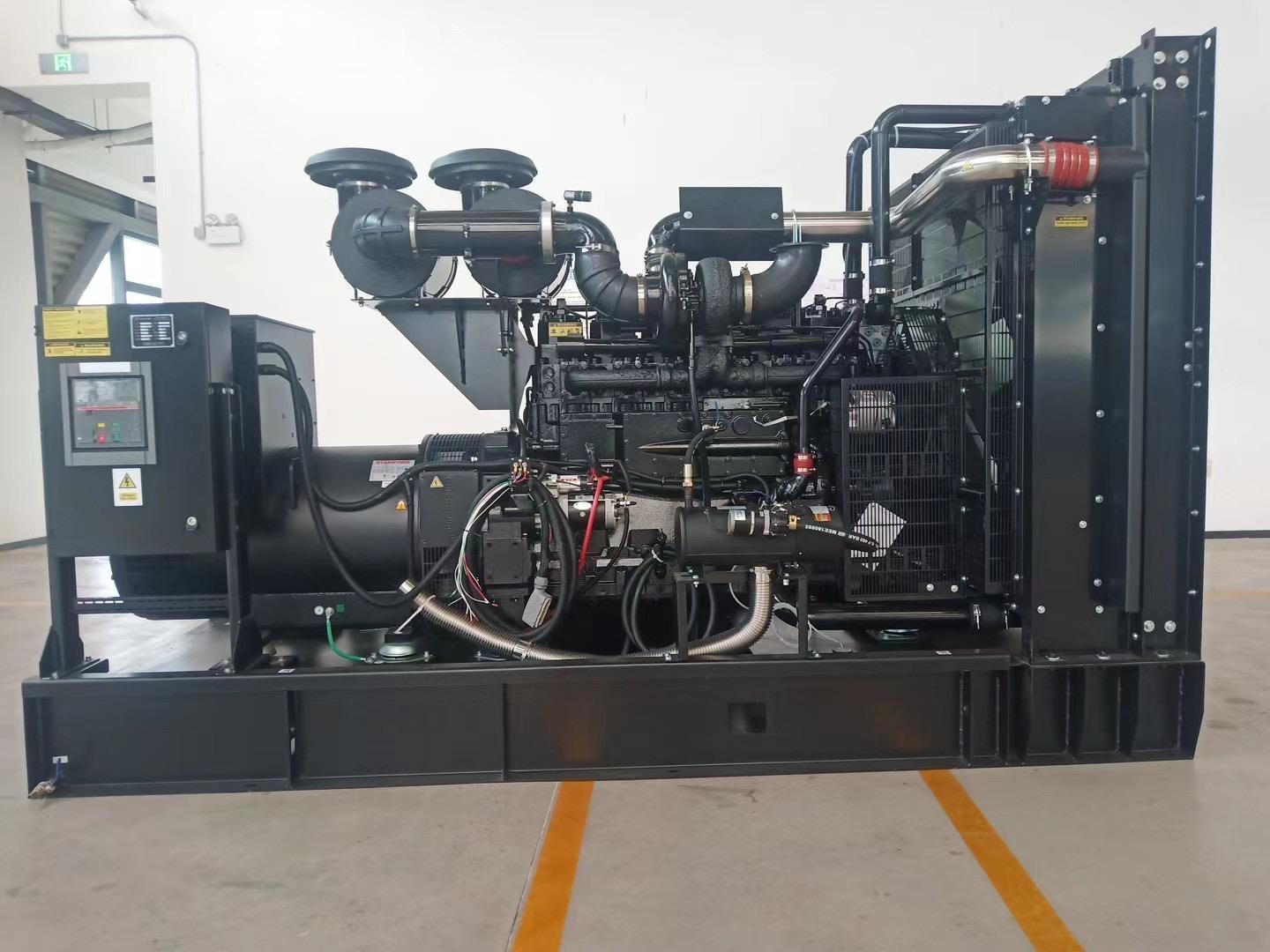
How is conformity recorded for the buyer?
Conformity is recorded as a set of linked documents, not as a single stamp, and the record must stay readable long after delivery. The buyer holds the file, the works holds a copy, and the engine maker holds the type-approval dossier that the declaration points to.
Last updated 2026-11-10 — the tiers named above reflect the regulations in force at the time of writing; confirm the current band with the destination authority before you place the order.
Where the record lives after the set ships. After shipment the record lives in three places: the buyer's project file, the works' order archive, and the engine maker's approval dossier. Keep them in step by sharing the declaration reference across all three, because a missing link is what stalls a future re-export. Tesla Power files the emission pack with the order number, so a later request for the same set pulls the exact evidence the region required at build time.
Frequently asked questions about generator emission rules
No. The United States applies EPA nonroad Tier 4, the European Union applies Stage V under Regulation (EU) 2016/1628, and other markets apply the tier their own authority sets. The destination printed on the invoice decides which one your set must meet, so the same frame can require different evidence in different ports.
The US requires the engine to meet EPA nonroad Tier 4 for its rated power, with the certificate and test report the agency names. Emergency standby units follow a separate EPA provision, so the duty the set serves changes the exact paper the buyer holds. Read the band for your rated power before the frame is built.
The EU requires Stage V evidence under Regulation (EU) 2016/1628, including the type-approval reference and the declaration for the specific set. The limit steps by rated power, so a 400kW frame and a 200kW frame meet different particulate bands. The declaration must name the engine family the set actually carries.
Read the rated power on the nameplate at the stated power factor (commonly 0.8 pf), then find that figure in the region's power-band table. A 500kVA set = 400kW at 0.8 pf, a 250kVA set = 200kW at 0.8 pf, and the band boundary decides the limit. The region publishes the table, and the works can name the band for the rating you specify.
The engine emission test report, the EPA certificate, the type-approval certificate, the regional declaration, and a nameplate copy showing the rated power at 0.8 pf. All pages must name the same engine family. The generator emission documentation for export is what the port reads first, so keep it consistent.
Yes. If a set built for a loose market is re-exported to a stricter one, the stricter tier applies at the border, because the destination authority reads the final port. Plan the tier from the country of destination, and re-confirm it if the route changes after the order is placed.
The buyer, the works and the engine maker each keep a linked copy: the project file, the order archive, and the type-approval dossier. Tesla Power files the emission pack under the order number so a later request pulls the exact evidence the region required at build time, which keeps a future re-export moving.