
Generator operating life decides how long a diesel set will serve a site before its first major overhaul, so the question every export buyer should ask is how many running hours the engine will actually deliver. Yangzhou Tesla Power Equipment Co., Ltd. builds each frame to a named duty and prints the expected hour band on the data sheet beside the power figure. The short answer is that a well-serviced set reaches 20,000 to 30,000 hours, while a set run hard in the wrong duty ages far sooner. Generator operating life is not a single number on the nameplate; it is a promise shaped by the service interval, the site climate and the load shape. Too many buyers compare only the kVA figure and skip the hour band, which decides whether the engine lasts a season or a decade. Read the wear factors below and measure the service interval before you request a quote. This guide compares coastal, standby and hot-climate hours and the service plan a long life needs.
- Read the hour band on the data sheet before the kVA figure, and compare the duty split with the service checklist.
- Match the site climate to the plan: a coastal frame needs more frequent fluid changes than an inland one.
- Ask for the kW figure at 0.8 pf, because kVA alone hides the real load the alternator carries over the hours.
- Request the service log early, because the life record travels with the set and clears the warranty claim faster.
What sets the generator operating life?
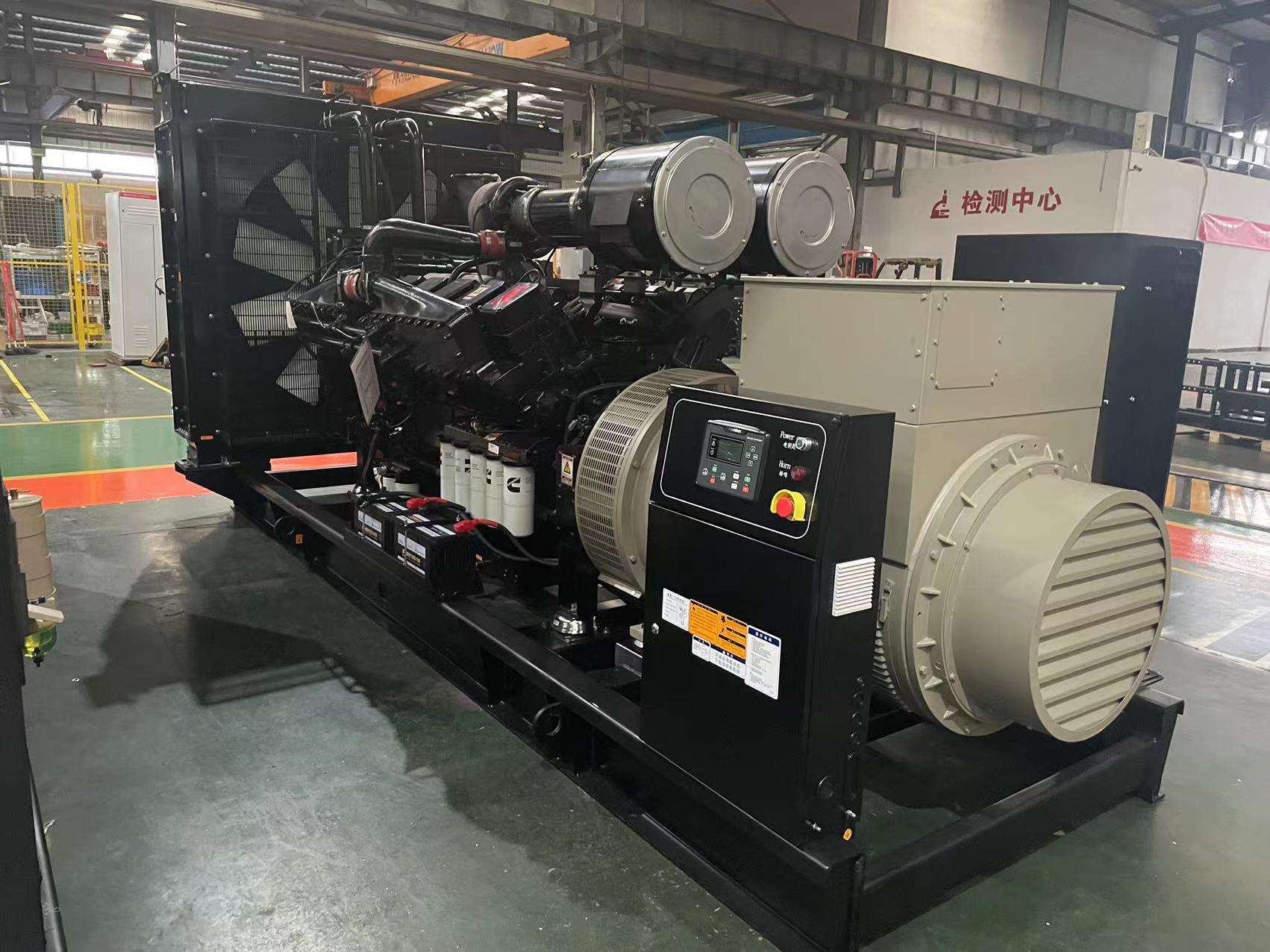
Generator operating life is the running-hour band an engine can reach before a scheduled overhaul, and it is set by three things: the service interval, the duty the set was built for, and the climate it runs in. A nameplate kVA figure says nothing about hours; the hour band does. Generator operating life manufacturers publish the expected hours next to the duty class, but the number only holds if the service plan is followed.
Chinese generator operating life suppliers often quote a headline hour count without naming the duty or the service steps behind it, which leaves the buyer guessing at the real overhaul date. Tesla Power reads the hour band and the service interval as one line, so the plate, the quotation and the warranty agree before the set reaches the port. The same iron can deliver 30,000 hours on a clean duty plan or fail at 8,000 hours on a neglected one.
Which hours should a buyer expect?
Most export frames are quoted for a band of 20,000 to 30,000 hours when the service plan is followed and the duty matches the site. A set built for standby and run a few hundred hours a year can hold the top of that band with light wear. A prime-duty set running thousands of hours a year sits lower in the band, because the engine turns more revolutions per season.
Generator operating life for a coastal site trends toward the lower end unless the plan adds corrosion checks, because salt air attacks the cooling stack and the harness long before the piston does. We size the hour expectation to the duty you declare, not to a brochure number, so the buyer sees a defensible overhaul date rather than a hope. The band you accept at order time is the band the warranty will test against later.
How does the service plan extend the life?
The service plan is the single largest lever on generator operating life, because most failures start as skipped fluid changes rather than worn metal. A 2,000-hour service interval with clean fuel, oil and coolant keeps the injectors and the rings inside their design window. A plan that slips to 4,000 hours doubles the contaminant load the engine sees between overhauls.
Tesla Power recommends the interval in writing at order time and stamps it on the data sheet beside the hour band. Service interval and fluid spec are where a long life is won or lost, and they are the lines a warranty inspector reads first. A 400kW Weichai WP13 frame at 0.8 pf = 320kW of useful load per 1,000 running hours, and a 2,000-hour interval = two services a year, while 30,000 hours = 15 years at 2,000 hours per year.
| Service item | Interval (hours) | Effect on life |
|---|---|---|
| Oil and filter | 500 | Holds ring and bearing wear low |
| Fuel filter | 1,000 | Protects injectors from abrasion |
| Coolant test | 2,000 | Stops liner pitting in heat |
| Valve lash | 2,000 | Keeps combustion efficiency up |
The table fixes the interval against the hour band, because the alternator and the engine age on the same clock. Tesla Power Equipment keeps the plan beside the order so the set and the service record agree on arrival, which is the part that turns a quotation into a defensible life claim.
Why do coastal sites age faster?
Coastal air carries salt that settles on every metal surface the cooling fan draws across, and that salt drives corrosion in the radiator, the harness and the enclosure seams. Generator operating life in hot climate and coastal duty falls together, because heat accelerates the same chemical attack that salt starts. A frame that would reach 30,000 hours inland may struggle to clear 18,000 hours on a pier without extra protection.
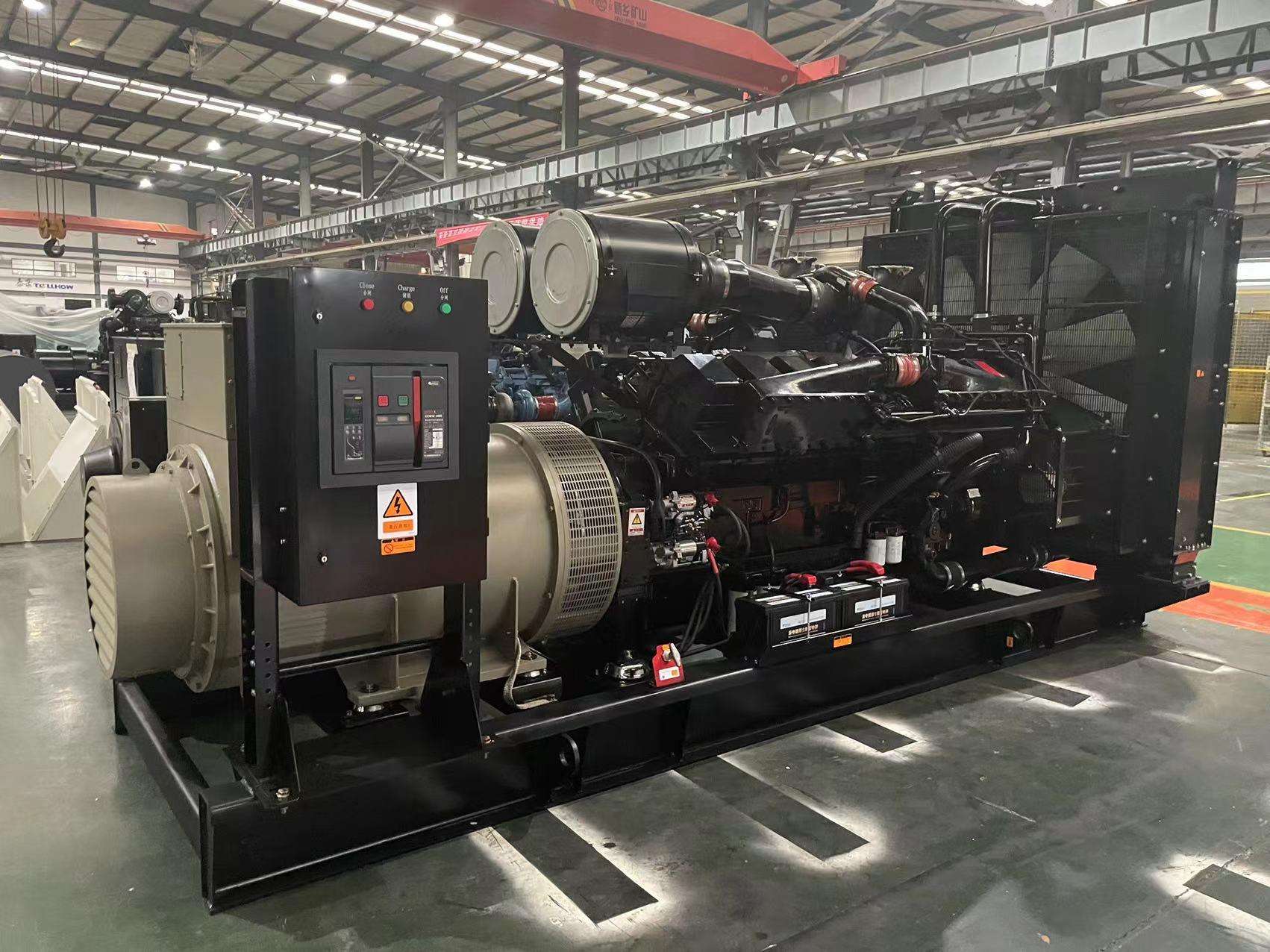
The fix is not a bigger engine; it is a tighter plan. Coastal duty needs more frequent coolant checks, a coated enclosure and a harness rated for the salt load. Tesla Power reads the site photo and the wind direction before naming the hour band, because two piers a kilometre apart can age a set at very different rates. The plan that matches the air is the plan that protects the hours.
Generator operating life for a coastal site
Generator operating life for a coastal site should be quoted with a corrosion allowance built into the interval, not added after the first failure. A set on a pier wants a coated radiator, a stainless harness clip set and a coolant test every 1,000 hours rather than every 2,000.
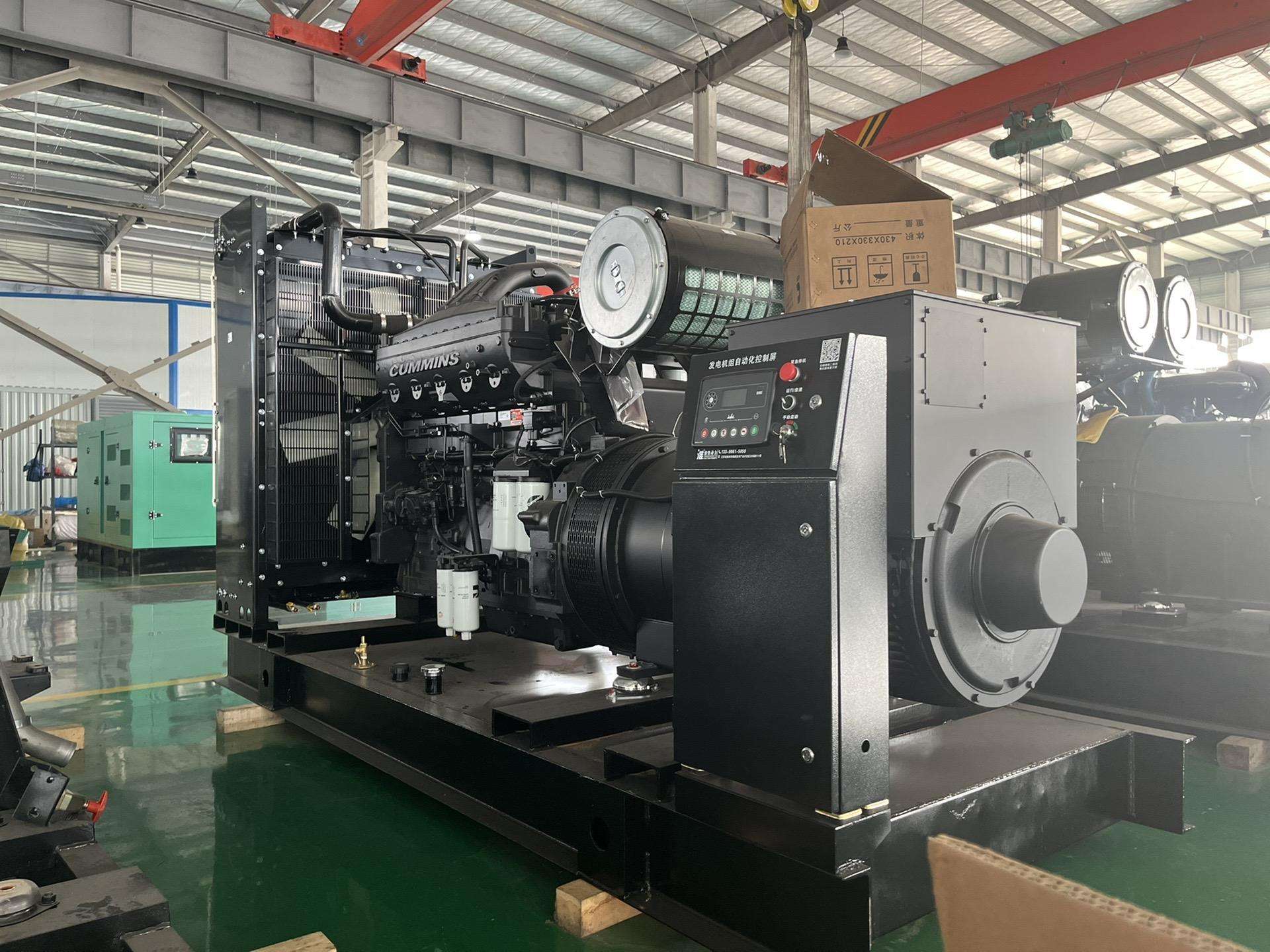
The hour band you accept should name the climate, because the same 400kW frame at 0.8 pf = 320kW of load ages at two speeds depending on the air. The altitude derating note explains how site conditions shift the real load the engine carries over the hours, and coastal duty is the same idea seen through corrosion instead of thin air.
Generator operating life for standby duty
Generator operating life for standby duty is the easiest band to protect, because the set runs few hours and starts cold on demand. A standby frame that covers a grid outage may turn only a few hundred hours a year, so the hour band stretches toward 30,000 hours with light wear.
The risk for standby is not running hours but sitting hours: fuel and batteries degrade while the set waits. Exercise load and battery care keep the engine ready so the hours it does run are clean. The worked example below shows how the interval maps to calendar time for a standby frame.
A 400kW Weichai WP13 set at 0.8 pf = 320kW of standby load, exercised 4 hours a month = 48 hours a year, and a 2,000-hour service interval = one service every 41 years of that duty. Generator operating life for standby duty therefore tracks the calendar, not the odometer, which is why the plan names both the hour and the month checks. The 400kW Weichai frame ships with that dual schedule stamped on the data sheet so the buyer reads the real limit up front.
What wear parts limit the life?
The parts that end generator operating life first are rarely the headline ones. Pistons and crankshafts outlast the items around them when the plan is followed; it is the injectors, the turbo seals, the coolant and the belts that decide the overhaul date.
Tesla Power lists the wear parts on the service sheet so the buyer sees the real limit before the order is placed. Injector wear and coolant breakdown are the two that move the hour band most, and both are caught by the interval tests in the plan. A frame with a clean service record reaches the top of its band; one with skipped filters falls off the bottom regardless of the nameplate. The mining site guide walks through the same wear list under a heavier hour load, where the same parts fail sooner and the interval shortens to match.
How is life recorded for the warranty?
Generator operating life must be recorded as it happens, because the warranty tests the hour band against the service log, not against a promise. Generator operating life quality records for export name the hour count, the service dates and the fluid test results that prove the plan was followed. A conformity assessment for the generator operating life checks the plate, the log and the order against each other before the claim is paid, so the buyer holds proof rather than a hope.
Tesla Power keeps the record beside the order so the set and the warranty agree on arrival, which is the part that turns a quotation into a cleared claim. The log should show the hour reading at each service, the fluid batch used and the test result, because an inspector reads all three together at claim time. A life claim with gaps in the log is treated as unproven, no matter how clean the engine looks on the day.
Which standards define generator operating life?
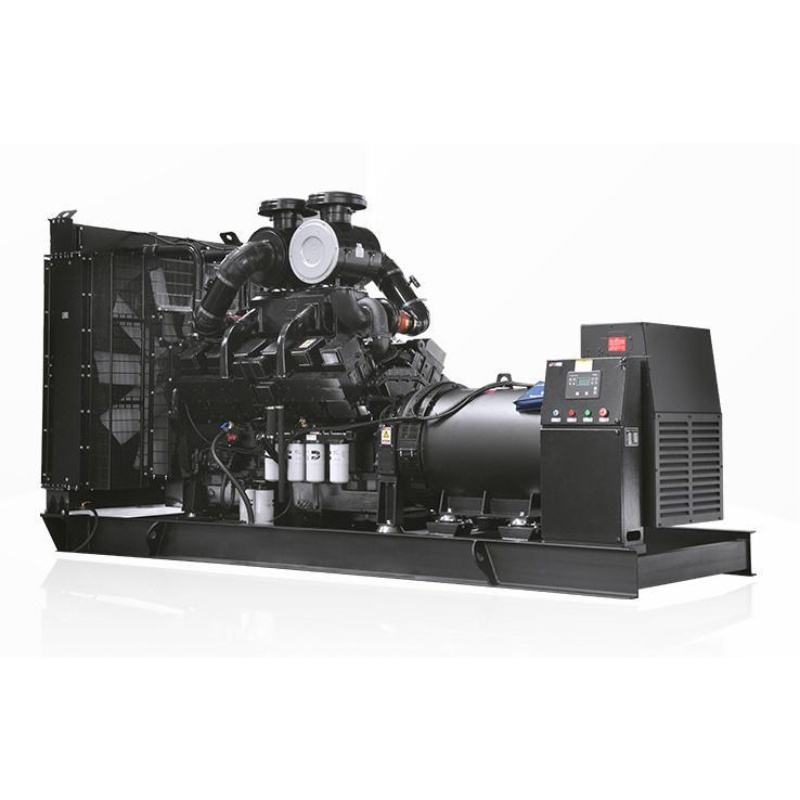
The hour band is not a factory habit; it comes from published standards that buyers and inspectors quote. The ISO 8528-1 acceptance rating framework defines the duty and the hour expectations behind the class, and most export plates follow that split. The NFPA 110 emergency start rules add the start and transfer window that protects standby hours in buildings. The IEC 60034 alternator rating basis sets the machine foundation the duty is written to. Tesla Power quotes the life against these three references so the claim stands up to an inspector on arrival.
Last updated 2026-11-10. The hour band on the plate and the band in the file must name the same standard, because an inspector reads both. Where the market differs, the export documents name the local rule the set meets, and the duty band stays tied to the ISO 8528 split underneath. When your duty is set, ask for a quote with the hour band named on the plate so the order and the life record are one document from the start.
The three links above are the references our engineering desk opens before a band is confirmed, which shortens the talk with any local inspector and avoids the back-and-forth a vague hour line creates at the border. A buyer who quotes the same references meets the inspector on equal terms and keeps the order moving through customs. Browse the product line to see the frames we build and the hour band each one carries.
Frequently asked questions about generator operating life
A well-serviced diesel set reaches 20,000 to 30,000 running hours before a major overhaul. The band moves with the duty and the service plan, not with the kVA figure on the nameplate.
Yes. Salt air attacks the cooling stack and the harness, so a coastal frame trends toward the lower end of the band unless the plan adds corrosion checks and a coated enclosure. The same engine inland reaches more hours.
A 2,000-hour interval with clean fuel, oil and coolant is the common export plan. Coolant and harness checks shorten to 1,000 hours on a pier, because coastal corrosion moves faster than the inland schedule assumes.
On hours, yes. A standby frame may turn a few hundred hours a year, so the band stretches toward 30,000 hours. The risk is sitting, not running, so the plan must name month checks as well as hour checks.
Injectors, turbo seals, coolant and belts usually decide the overhaul date. Pistons outlast them when the interval is followed. A clean service log keeps the frame at the top of its band.
The set runs on a load bank through the duty steps and the meter log records voltage, frequency and temperature. A conformity assessment for the generator operating life checks the plate, the log and the order before the claim is paid.
ISO 8528-1 defines the duty and hour expectations, NFPA 110 adds the standby start window, and IEC 60034 sets the alternator basis. The export file names the local rule on top of that split.
It can, with the right duty and a followed plan. A 400kW frame at 0.8 pf = 320kW that runs standby hours and a 2,000-hour interval reaches the top of the band, while neglected prime duty falls well short.
When the duty and the climate are clear, contact the works with the hours and the load curve so the quotation names one band and one number you can defend at the border. Tesla Power returns the life plan, the test log and the export file as one package.